Port Phillip Estate/Kooyong
Port Phillip Estate and its sibling label Kooyong occupy the upper tier of Mornington Peninsula wine production. The estate produces cool-climate Pinot Noir and Chardonnay in a region where post-harvest decisions in the barrel shed carry as much weight as anything that happens on the vine.

Pearl is the En Primeur Club membership app — saves, bookings, and concierge access live there. Same editors, same standards.
- Address
- 263 Red Hill Rd, Red Hill South VIC 3937
- Phone
- +61 3 5989 4444
- Website
- portphillipestate.com.au
- Directions
- Get directions
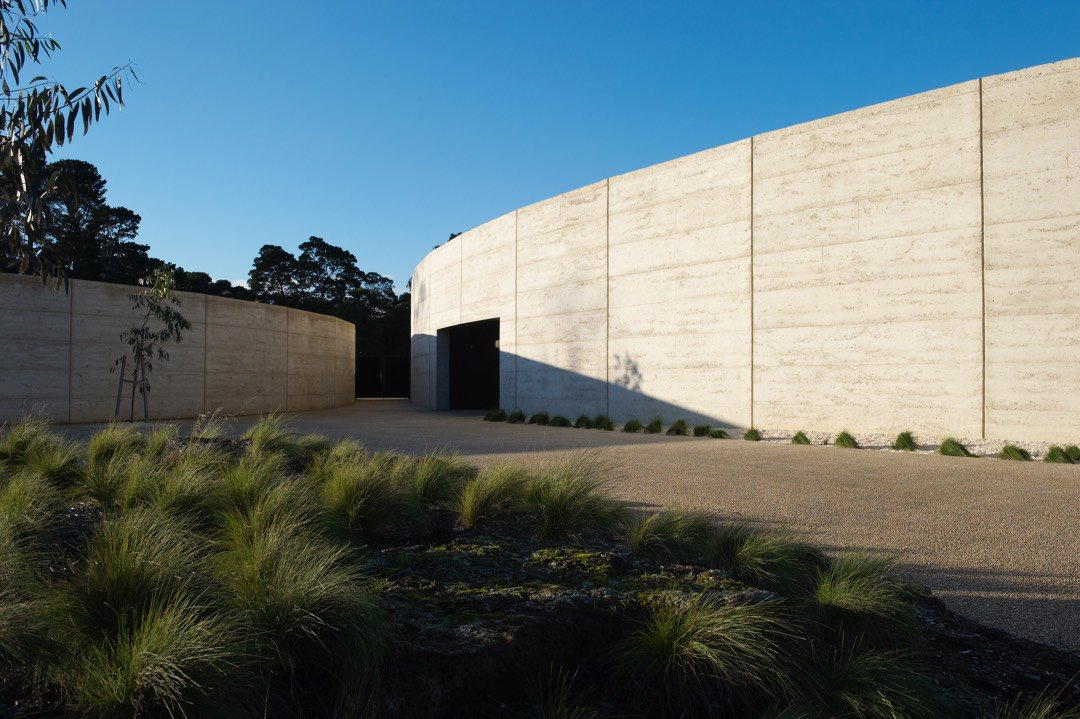
Red Hill in the Glass: How Elevation Shapes What Happens After Harvest
The drive along Red Hill Road south of the peninsula's ridgeline gives you the first clue about why this particular address matters. At this elevation, mornings are cooler, ripening is slower, and the fruit that arrives at the winery in late summer carries an acidity structure that barrel rooms elsewhere on the peninsula would envy. Port Phillip Estate and its Kooyong label sit at 263 Red Hill Rd, Red Hill South, inside the band of hill country that separates maritime-influenced Mornington Peninsula wine from the flatter, warmer ground closer to the bay. That geography is not incidental: it directly governs what the winemaking team has to work with when decisions about oak selection, vessel choice, and aging duration come due.
Mornington Peninsula's premium tier has consolidated around a handful of producers who treat barrel maturation as the primary editorial tool in a cool-climate toolkit. Unlike warmer Australian regions where extended oak contact can paper over structural gaps, the peninsula's Pinot Noir and Chardonnay enter the shed with enough natural tension that the winemaker's job is as much restraint as amplification. The region draws comparison with Burgundy not merely as aspiration but as a functional reference point: similar latitudinal cool, similar reliance on site-specific variation, similar debates about whole-bunch inclusion and new oak percentage. Port Phillip Estate and Kooyong operate squarely within that conversation.
Two Labels, One Cellar Philosophy
The relationship between Port Phillip Estate and Kooyong is worth understanding before you arrive, because the two labels occupy different rungs of the same production philosophy rather than being interchangeable. Kooyong draws from the Kooyong Vineyard fruit and has historically functioned as the site-expression arm of the operation, with vineyard-designated bottlings that allow the winemaking approach to step back and let soil variation speak. Port Phillip Estate carries the estate name and the cellar door address. Visitors tasting across both ranges are, in effect, witnessing a controlled comparison: same vintage conditions, same cellar, different source blocks and different aging decisions applied to each.
That structural layering is common in prestige Australian wine houses with multiple labels under one roof. What distinguishes the approach here is the degree to which barrel selection and aging duration are used to differentiate tier rather than simply volume. At the prestige end of Kooyong's range, aging periods are longer and new oak proportions lower, a configuration that privileges texture and site character over immediate fruit accessibility. For comparable benchmark tasting on the peninsula, Ten Minutes by Tractor and Montalto occupy the same prestige bracket, and Crittenden Estate provides another reference point for how cool-climate site specificity translates across different cellar philosophies.
What the Barrel Shed Decides
In cool-climate Pinot Noir production, the barrel shed is where vintage character either coheres or fragments. The Mornington Peninsula's leading producers have moved toward lower new oak percentages over the past decade, a correction from an earlier era when imported French barrique influence was applied more heavily. The shift reflects a maturing confidence in the region's own voice: when the fruit has sufficient natural complexity, excessive new oak becomes noise rather than structure. Port Phillip Estate and Kooyong's approach aligns with that regional trend, using barrel selection to frame rather than define the final wine.
For Chardonnay specifically, decisions about malolactic fermentation and lees contact duration matter as much as oak sourcing. The peninsula's cooler sites produce Chardonnay with high natural acidity, and the winemaker must decide how much of that tension to preserve versus soften through extended lees aging. Too little lees contact and the wine tastes lean; too much and it loses the site-specificity that justifies the prestige tier price point. The balance point is a signature of each producer's house style, and tasting multiple vintages side by side at the cellar door is the most efficient way to understand where any given estate sits on that spectrum.
Planning a Visit to Red Hill South
The cellar door sits at 263 Red Hill Rd, Red Hill South, which places it toward the interior of the peninsula rather than on the coastline circuit that draws the highest day-tripper volume. That positioning is worth noting for visit planning: Red Hill South rewards deliberate itinerary construction rather than casual drop-in, and combining a visit here with neighbours on the hill circuit makes more logistical sense than pairing it with bay-facing properties lower on the peninsula. The road itself is a working wine country road, unhurried by design.
Weekend cellar door visits on the Mornington Peninsula concentrate heavily in spring and autumn, when the combination of mild weather and harvest or flowering activity makes the vineyard context legible to visitors. For the most atmospheric experience of what post-harvest barrel work looks like in practice, arriving in the weeks after vintage, typically March through May, puts you in the right season to see the winery operating rather than dormant. For those building a broader peninsula day, Bass & Flinders Distillery and Chief's Son Distillery offer contrasting reference points in the peninsula's drinks scene, while our full Mornington Peninsula guide maps the broader options by area and tier.
Those wanting to extend their understanding of how Australian estate producers approach cellar programs at similar prestige levels can draw useful comparisons beyond the peninsula: Bass Phillip in Gippsland operates in a similarly cool register with an emphasis on site specificity, while All Saints Estate in Rutherglen offers a study in how long aging operates in a radically different climate context. Internationally, Accendo Cellars in St. Helena and Bird in Hand in Adelaide Hills round out the comparative picture for readers tracking how prestige-tier producers calibrate oak and time across different regional benchmarks. For those interested in how distilled spirits producers approach aging decisions with equally fine margins, Aberlour in Aberlour provides a Scotch whisky parallel worth understanding. Additional production-scale context comes from Angove Family Winemakers in Renmark, Leading's Wines in Great Western, Blue Pyrenees Estate in Pyrenees, and Archie Rose Distilling Co in Sydney.
Comparable Options
Comparable venues nearby, for context on price, style, and recognition.
| Venue | Cuisine | Price | Notes |
|---|---|---|---|
| Port Phillip Estate/KooyongThis venue — the venue you are viewing | Pinot Noir, Chardonnay | $50–100 | Not listed |
| Crittenden Estate | Pinot Noir, Chardonnay | Not listed | Dromana |
| Garagiste | Chardonnay, Pinot Noir | Not listed | Mornington Peninsula |
Continue exploring
More in Mornington Peninsula
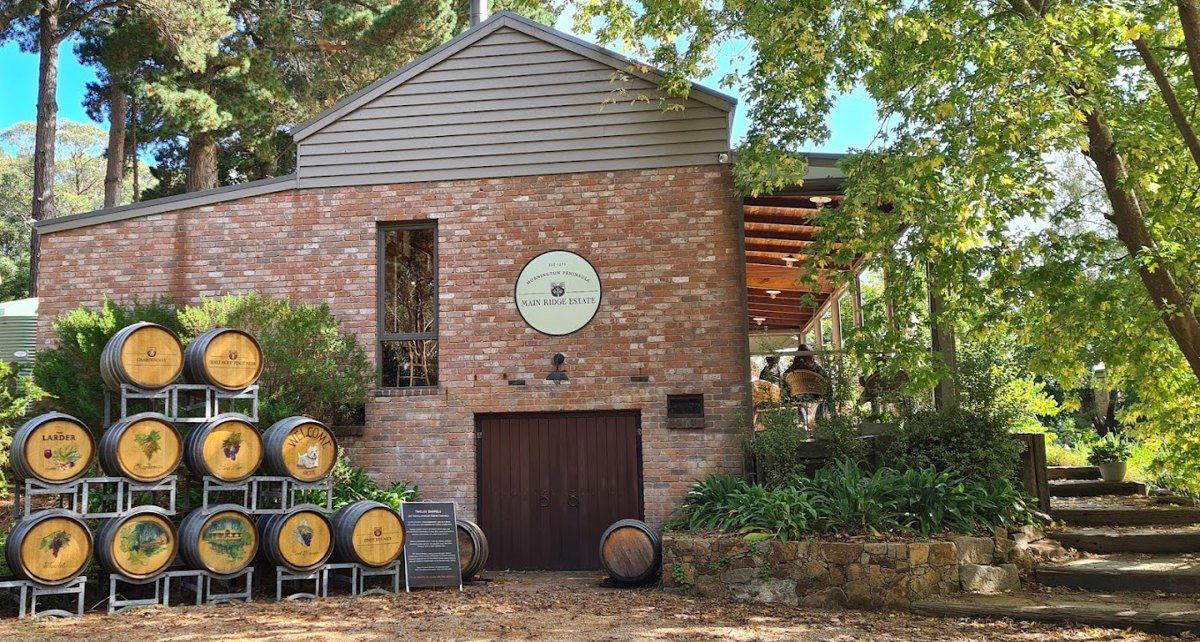
Wineries in Mornington Peninsula
Browse all →
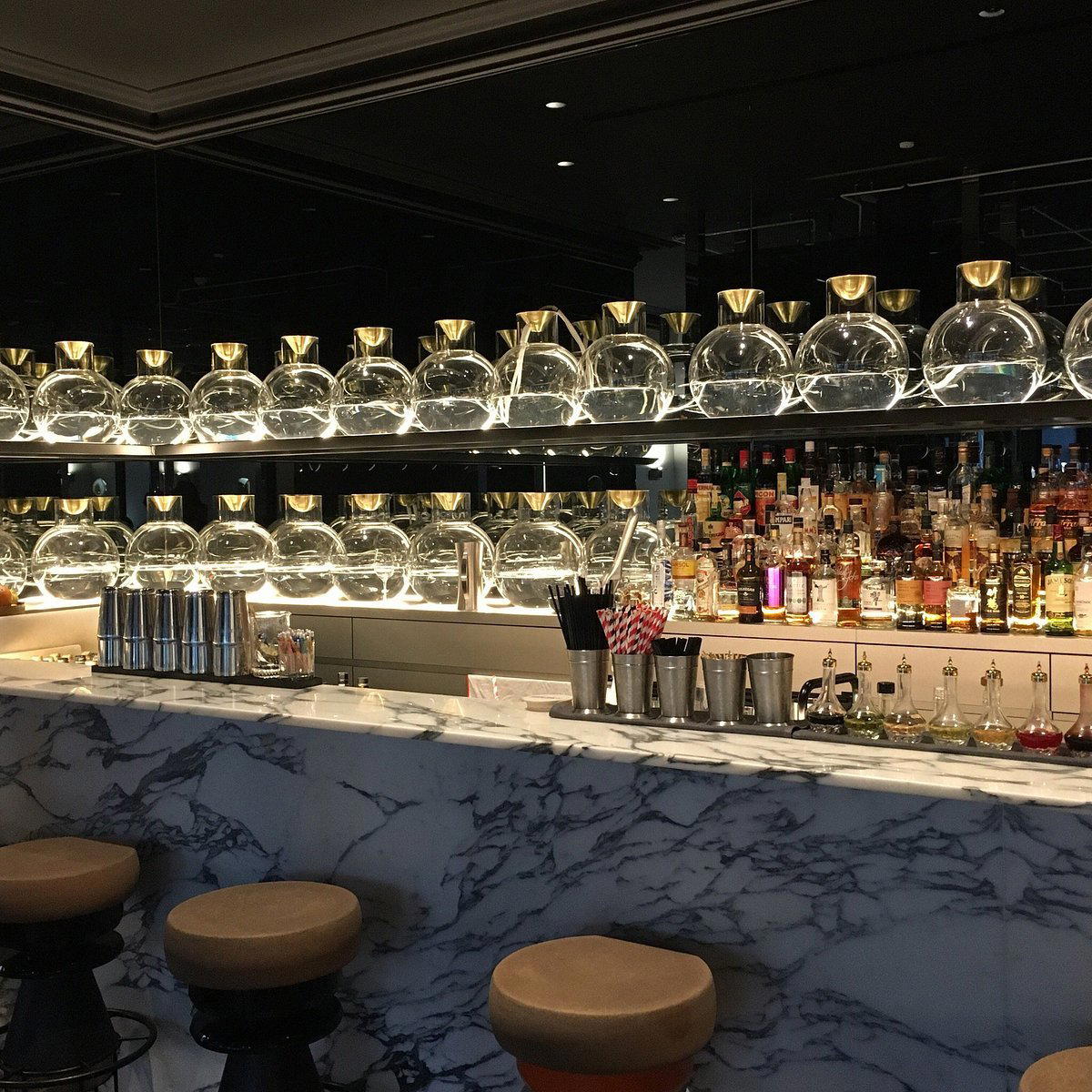
Bars in Mornington Peninsula
Browse all →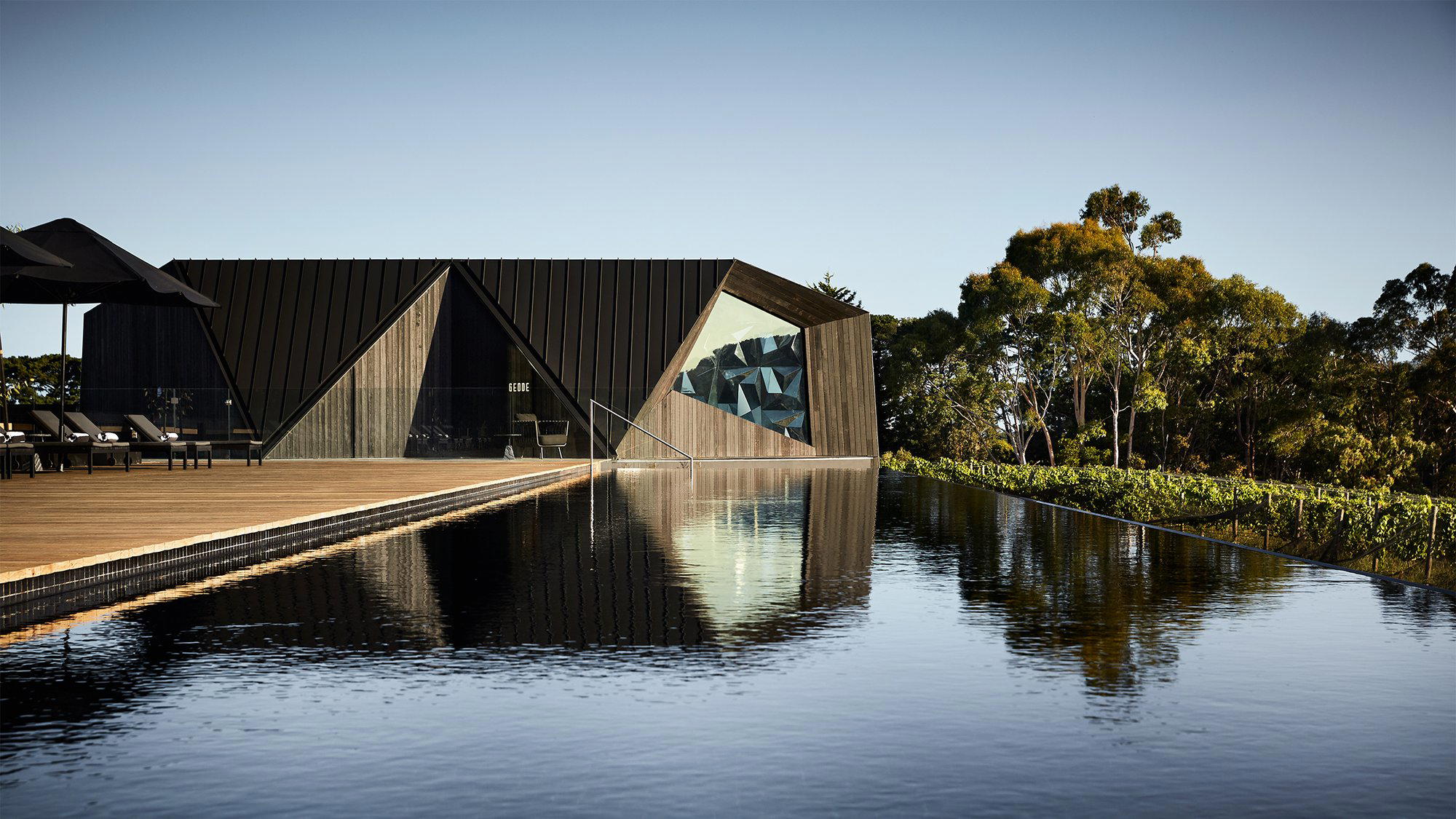
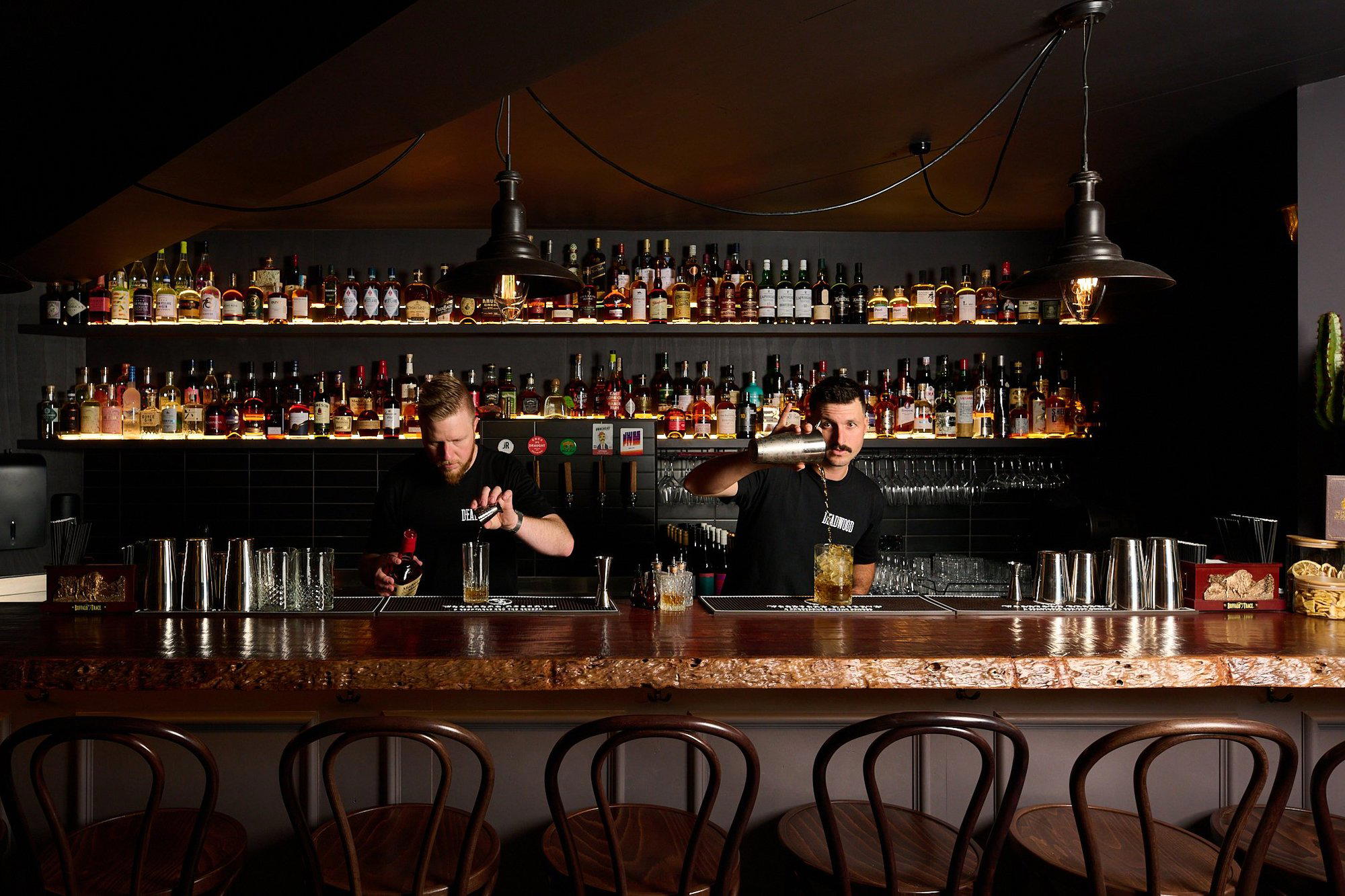
Restaurants in Mornington Peninsula
Browse all →
Details
- Elegant
- Scenic
- Sophisticated
- Modern
- Romantic Getaway
- Special Occasion
- Wine Education
- Vineyard Tour
- Estate Grounds
- Panoramic View
- Private Tasting
- Sustainable
- Vineyard
- Pinot Noir
- Chardonnay
- Pinot Gris
- Shiraz
- Still White
- Still Red
- Cellar Door Tasting
- Private Tasting
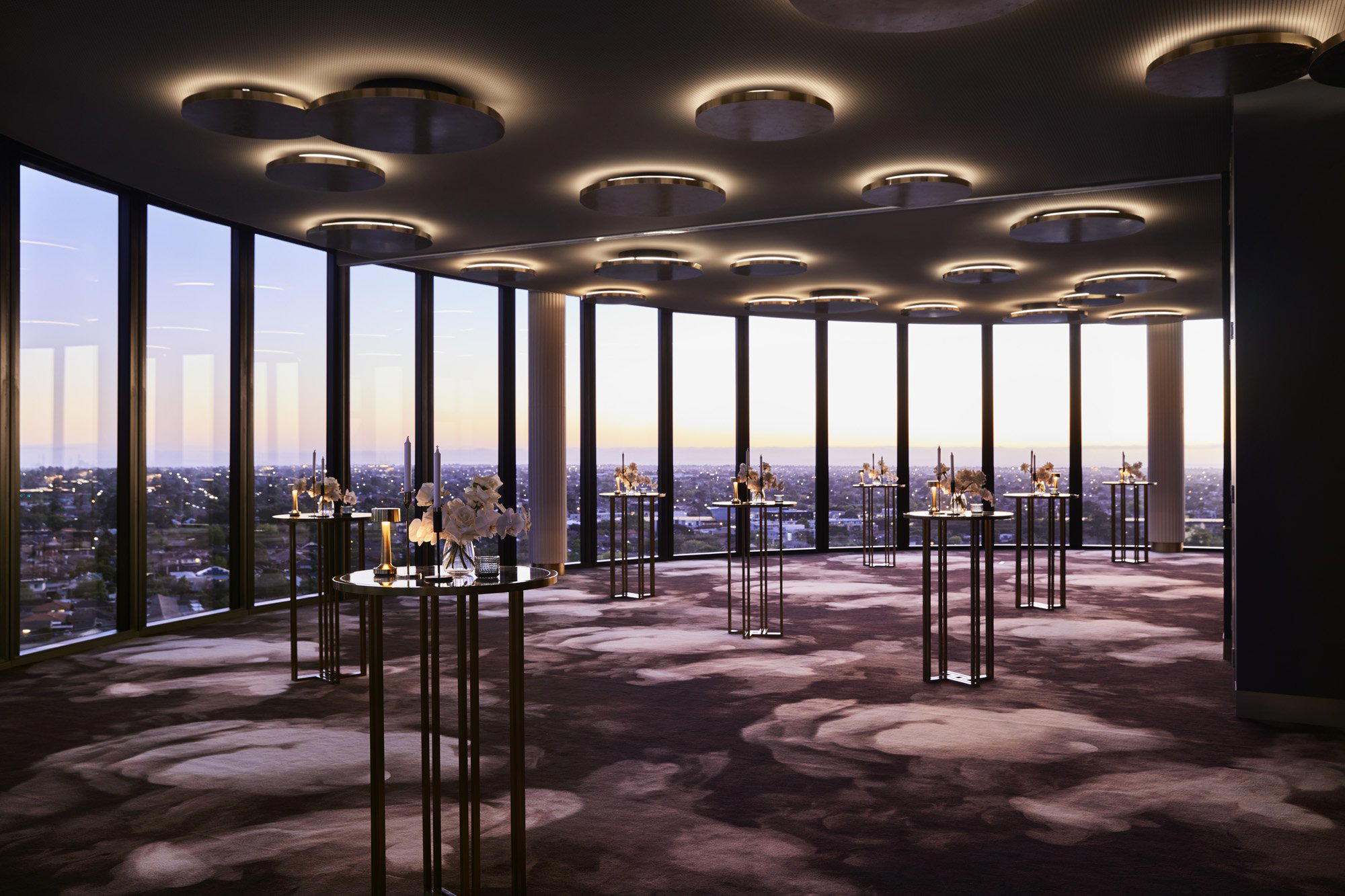
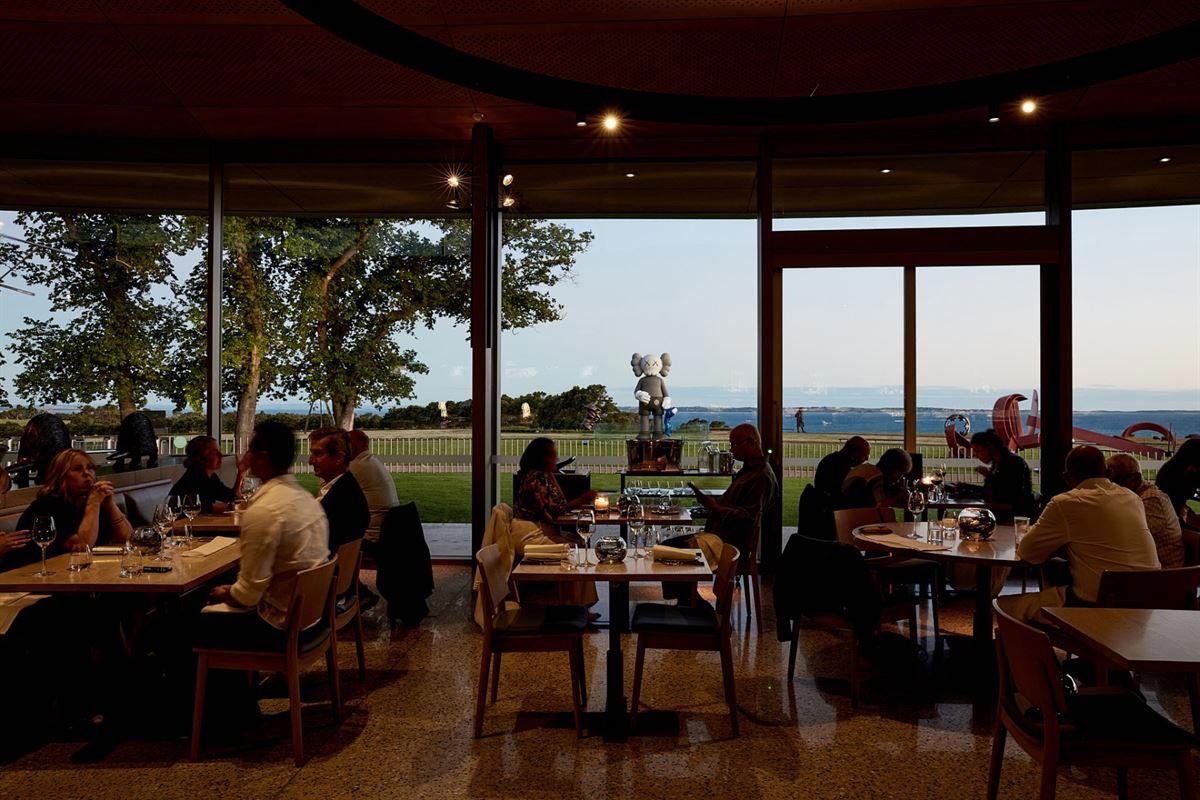
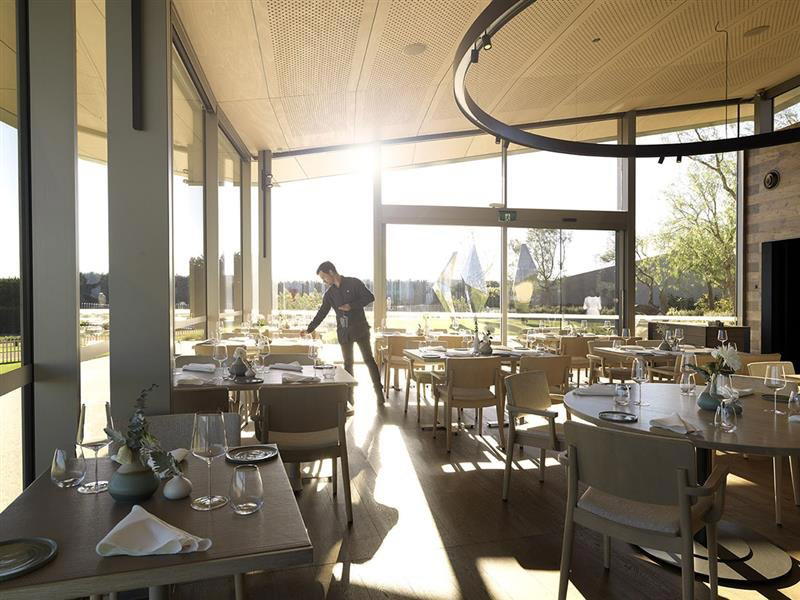
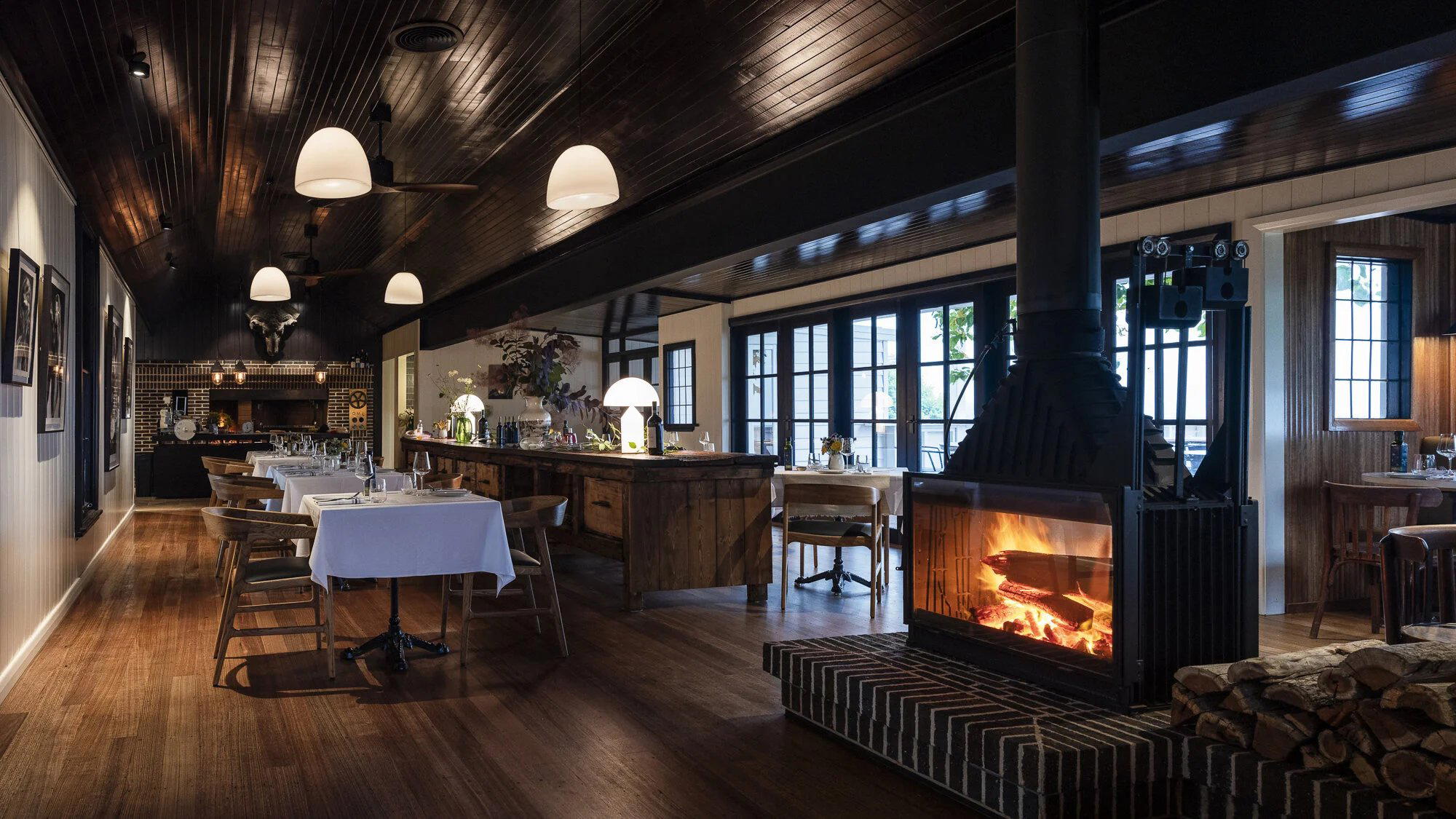
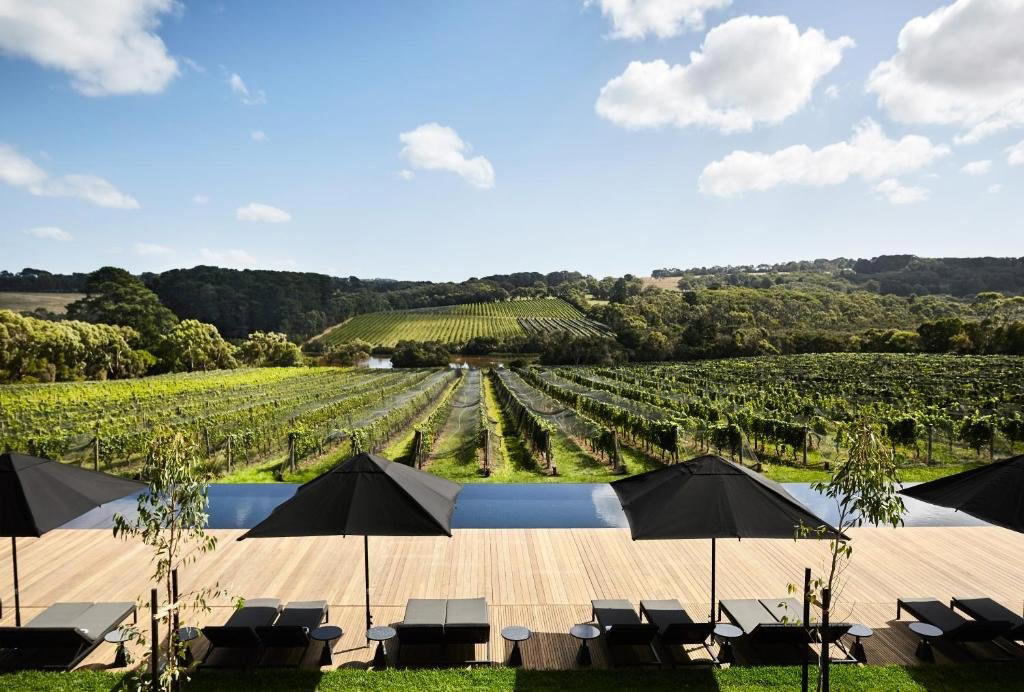
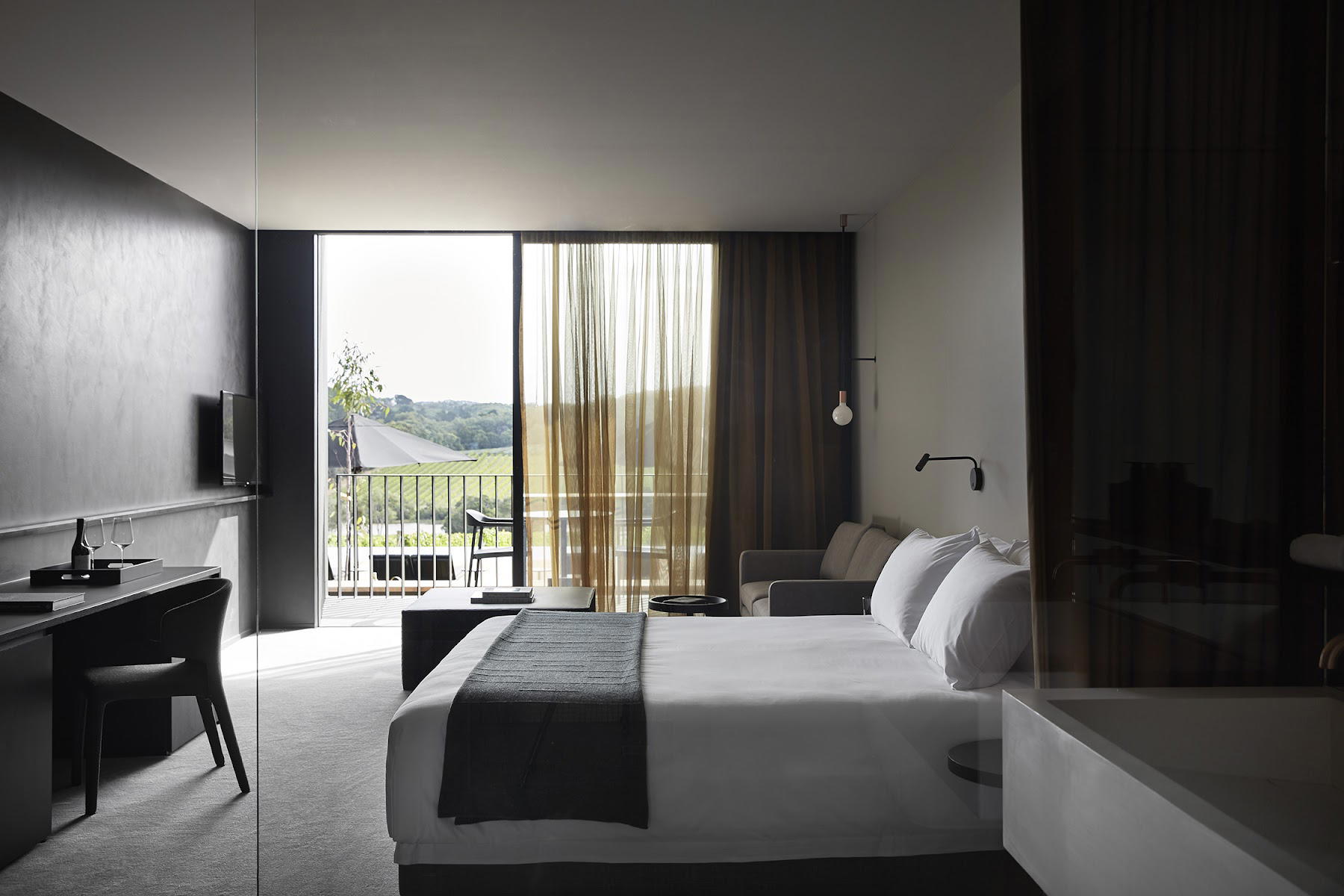
Sleek, modern, light-filled space with sweeping valley views, elegant tasting bar, and a serene, sophisticated atmosphere enhanced by sea breezes.