Crittenden Estate
Crittenden Estate sits in Dromana at the heart of the Mornington Peninsula wine corridor. The property is a reference point for visitors tracing the Peninsula's identity through Pinot Noir and Chardonnay, positioned among the area's most recognised producer addresses.

Pearl is the En Primeur Club membership app — saves, bookings, and concierge access live there. Same editors, same standards.
- Address
- 25 Harrisons Rd, Dromana VIC 3936
- Phone
- +61 3 5981 8322
- Website
- crittendenwines.com.au
- Directions
- Get directions
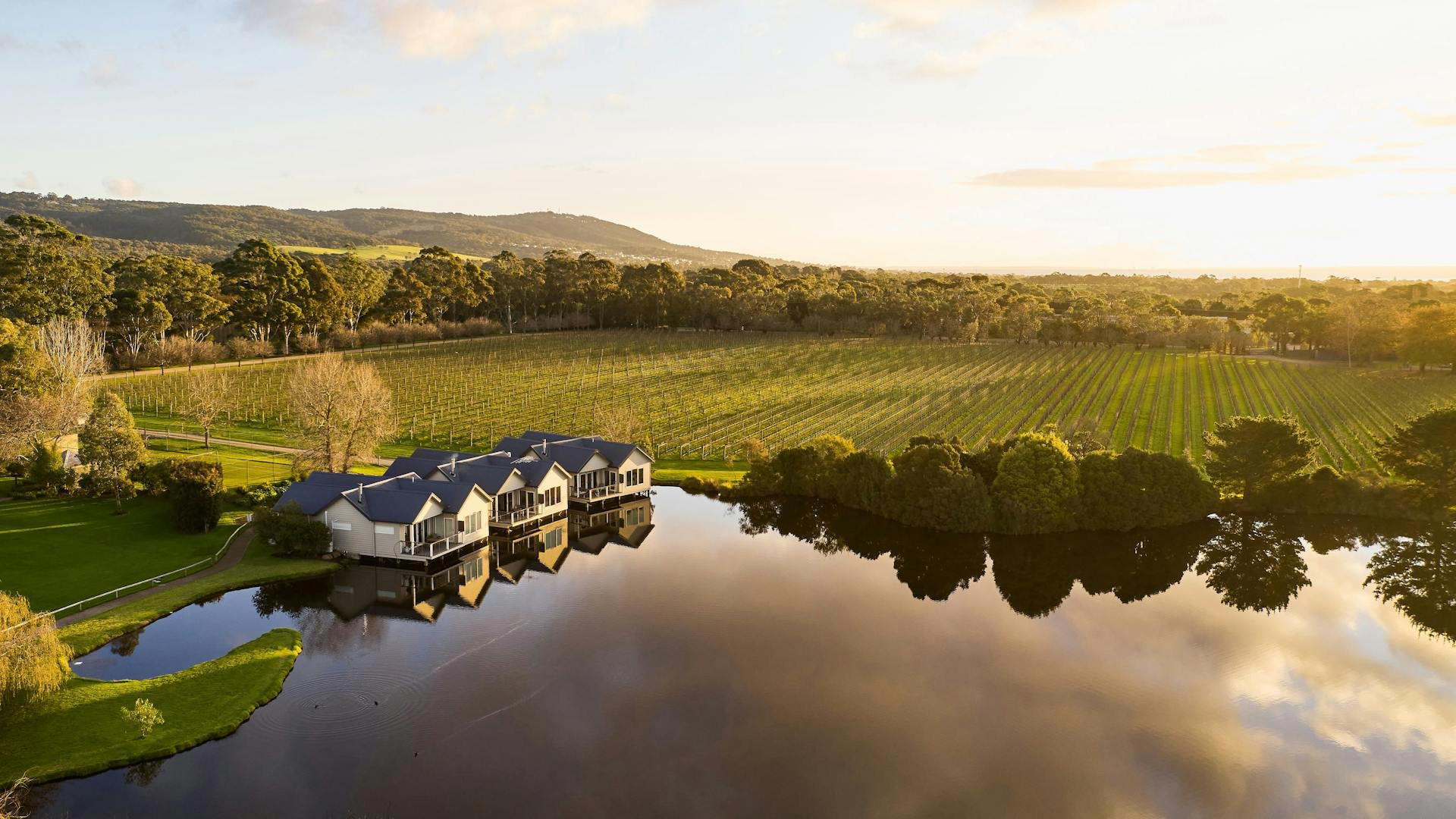
Where the Mornington Peninsula Takes Shape
The drive down Harrisons Road in Dromana sets the register before you arrive. The Mornington Peninsula's wine belt here sits at the interface of Port Phillip Bay's maritime influence and the refined ridgelines that push viticulture toward genuine cool-climate territory. Properties along this corridor are not novelties — they are working estates with decades of vine age and a consistent argument to make about what this region does with Burgundian varieties. Crittenden Estate, at 25 Harrisons Rd, is one of those estates that anchors the argument rather than ornaments it.
The Peninsula has evolved significantly from its early positioning as a weekend escape for Melbourne visitors. What began as a loose collection of boutique producers has consolidated into one of Australia's most credible Pinot Noir and Chardonnay regions, drawing comparisons to Burgundy not from marketing ambition but from measurable climate data. Growing-season temperatures, maritime cooling, and basalt-influenced soils across much of the region produce a physiological ripeness that looks different from Yarra Valley or even the nearby hills.
The Tasting Room and What It Signals
Cellar door experiences on the Mornington Peninsula have moved well past the pour-and-chat format that defined Australian wine tourism in the 1990s. The better producers now offer a structured, deliberate encounter with their range — enough depth to explain why one block or one season reads differently from the last. The format matters as much as the wine itself, because it tells you something about how seriously a producer regards the conversation they're having with visitors.
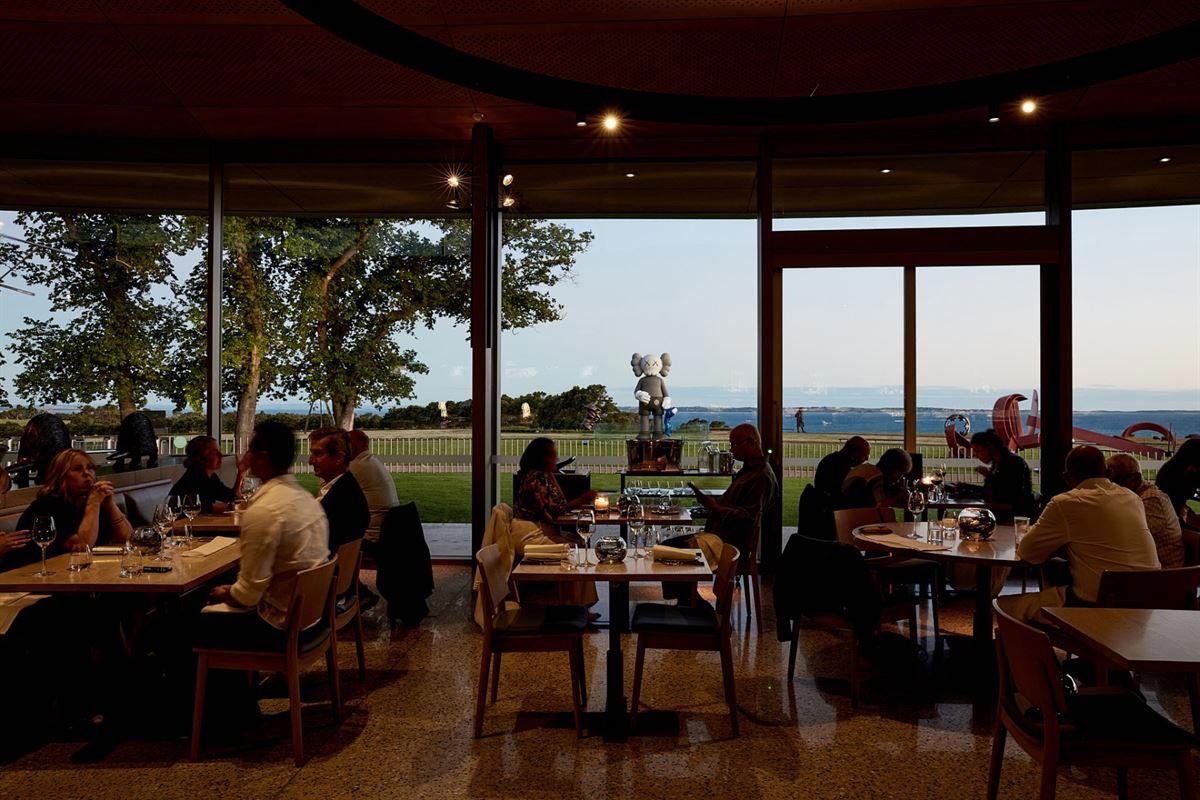
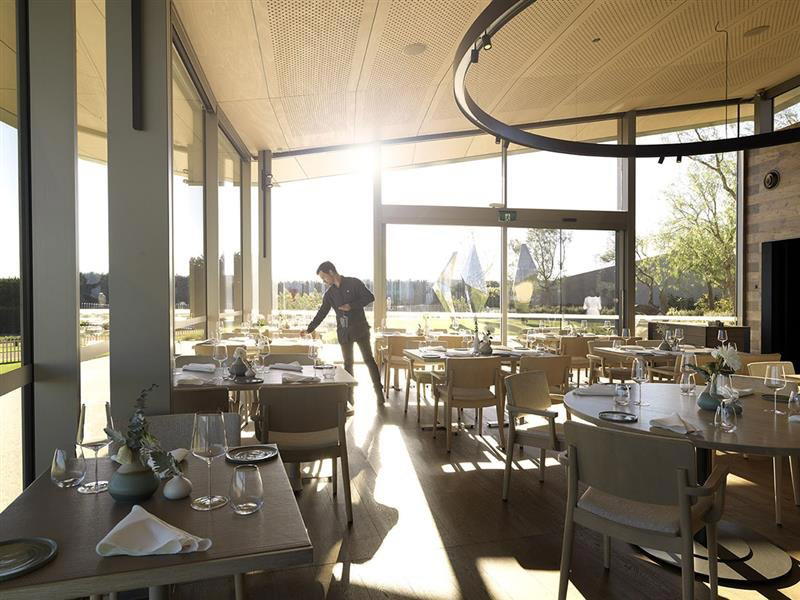
At Crittenden Estate, the cellar door format reflects an estate that has been working through the Peninsula's varieties long enough to have something considered to say. A visit here rewards those who come with questions as much as those who come with a glass. The property's position in Dromana places it at the northern end of the Peninsula's main wine corridor, which means it can serve as a natural starting point before heading south toward producers like Ten Minutes by Tractor or the sculptural grounds of Montalto.
The region's cellar doors increasingly split into two categories: those designed primarily for hospitality volume and those oriented around educating visitors on variety and terroir.
Varieties, Range, and the Regional Argument
The Mornington Peninsula's identity is Pinot Noir and Chardonnay, though the story is more layered than those two varieties suggest. Producers here have also developed credible work with Pinot Gris, Shiraz in warmer sites, and increasingly with Italian varieties suited to the cool maritime conditions. Crittenden Estate has historically operated across multiple tiers and variety ranges, which is a practical response to what the Peninsula's varied mesoclimates allow.
Understanding the Peninsula through a single visit means choosing producers with range across both their portfolio and their format. The cool-climate case for this region is made most clearly through Chardonnay that retains acidity without leanness, and Pinot Noir that achieves structural density without the over-extraction that plagued early Australian attempts at the variety.
For visitors building a day around Peninsula wine, the geographic logic runs from Dromana south through Red Hill toward Merricks and beyond. Crittenden Estate's Dromana address makes it a logical early stop, particularly for those who want to establish a frame of reference for the region's cool-climate style before encountering producers with slightly different stylistic approaches further south. Broader Australian wine context is available through visits to producers like All Saints Estate in Rutherglen, Bass Phillip in Gippsland, or Bird in Hand in Adelaide Hills, each of which operates in distinct regional identities that sharpen how you read the Peninsula's character by contrast.
Beyond Wine: The Peninsula's Broader Offer
The Mornington Peninsula has built a hospitality ecosystem that extends well past the cellar door. Distilling has emerged as a credible secondary category, with Bass & Flinders Distillery and Chief's Son Distillery both adding dimension to what a day on the Peninsula can cover. The region's food scene has also matured alongside its wine, with estate restaurants and local producers creating itineraries that work across a full day rather than just a tasting window.
For visitors with a wider Australian itinerary, the Peninsula sits within a day's reach of Melbourne's CBD and connects easily to other Victorian wine regions. Producers like Leading's Wines in Great Western and Blue Pyrenees Estate in Pyrenees represent the western arc of Victoria's wine geography, a useful counterpoint to the maritime east that the Peninsula represents. International reference points, from Aberlour in Aberlour to Accendo Cellars in St. Helena and Angove Family Winemakers in Renmark, place Australian cool-climate wine in a context that goes beyond domestic benchmarks.
Planning a Visit
Crittenden Estate is located at 25 Harrisons Rd, Dromana VIC 3936, placing it on the northern edge of the Peninsula's main wine corridor. The Dromana address is accessible from Melbourne via the Nepean Highway or the Mornington Peninsula Freeway, typically under 70 minutes from the CBD outside of peak traffic. Weekends during summer and autumn see the highest visitation across the Peninsula, so midweek visits or early morning weekend arrivals give more space for a considered tasting. For a wider Peninsula itinerary, our full Mornington Peninsula guide maps the region's producers, dining, and format options by area.
Cuisine and Credentials
Comparable venues nearby, for context on price, style, and recognition.
| Venue | Cuisine | Price | Awards | Notes |
|---|---|---|---|---|
| Crittenden EstateThis venue — the venue you are viewing | Pinot Noir, Chardonnay | Not listed | Not listed | Not listed |
| Yabby Lake Vineyard | Pinot Noir, Chardonnay | $50–100 | Falstaff Winery - Listed | Tuerong |
| Montalto | Chardonnay, Pinot Noir | $50–100 | Falstaff Winery - Listed | Red Hill |
Continue exploring
More in Mornington Peninsula
Wineries in Mornington Peninsula
Browse all →
Bars in Mornington Peninsula
Browse all →
Restaurants in Mornington Peninsula
Browse all →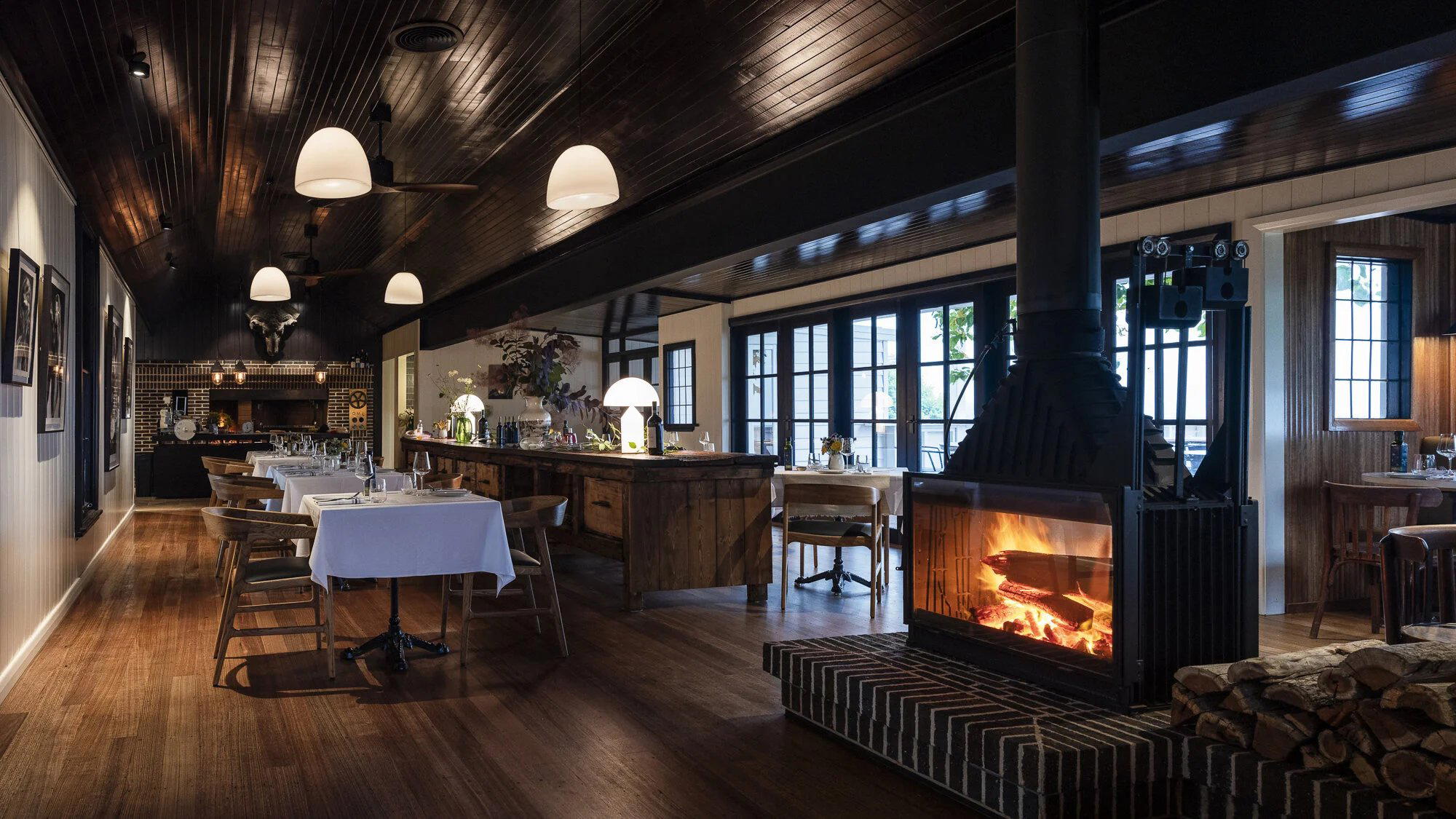
Details
- Scenic
- Elegant
- Rustic
- Intimate
- Quiet
- Romantic Getaway
- Wine Education
- Special Occasion
- Estate Grounds
- Terrace
- Panoramic View
- Sustainable
- Vineyard
- Garden
- Pinot Noir
- Chardonnay
- Pinot Gris
- Savagnin
- Tempranillo
- Still Red
- Still White
- Still Rosé
- Sparkling
- Cellar Door
- Guided Tasting
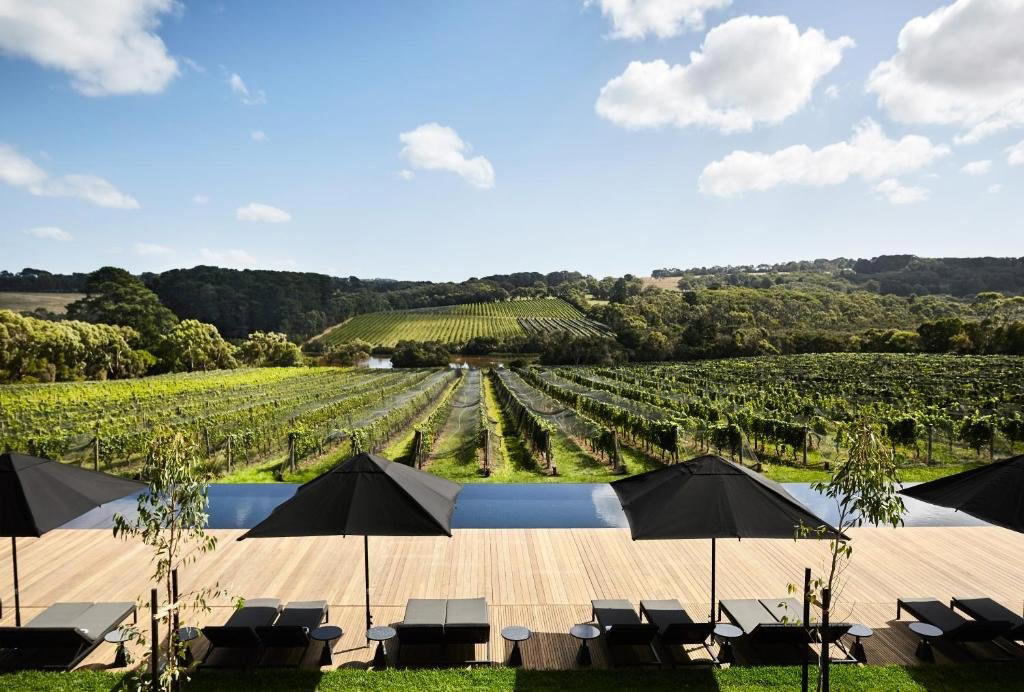
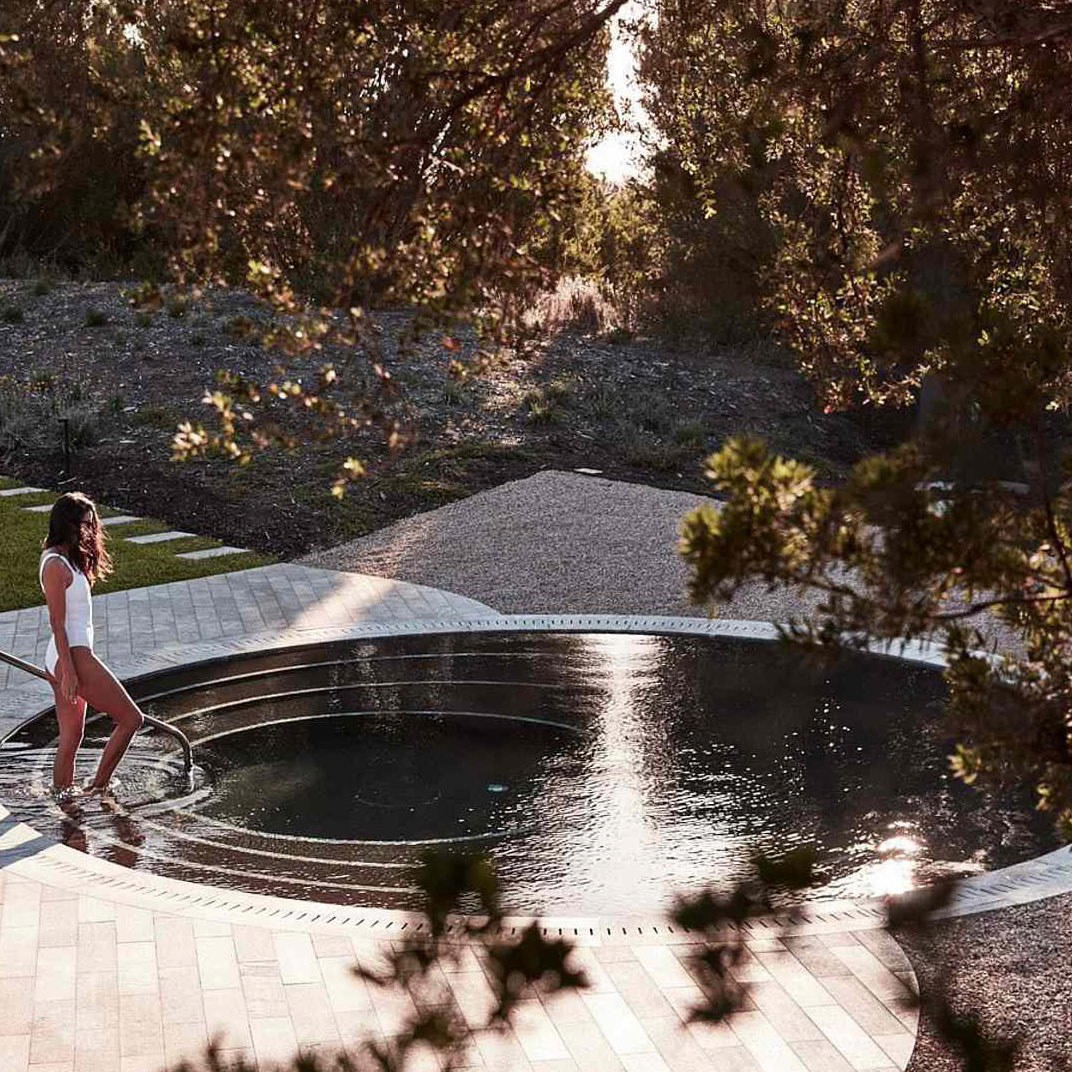
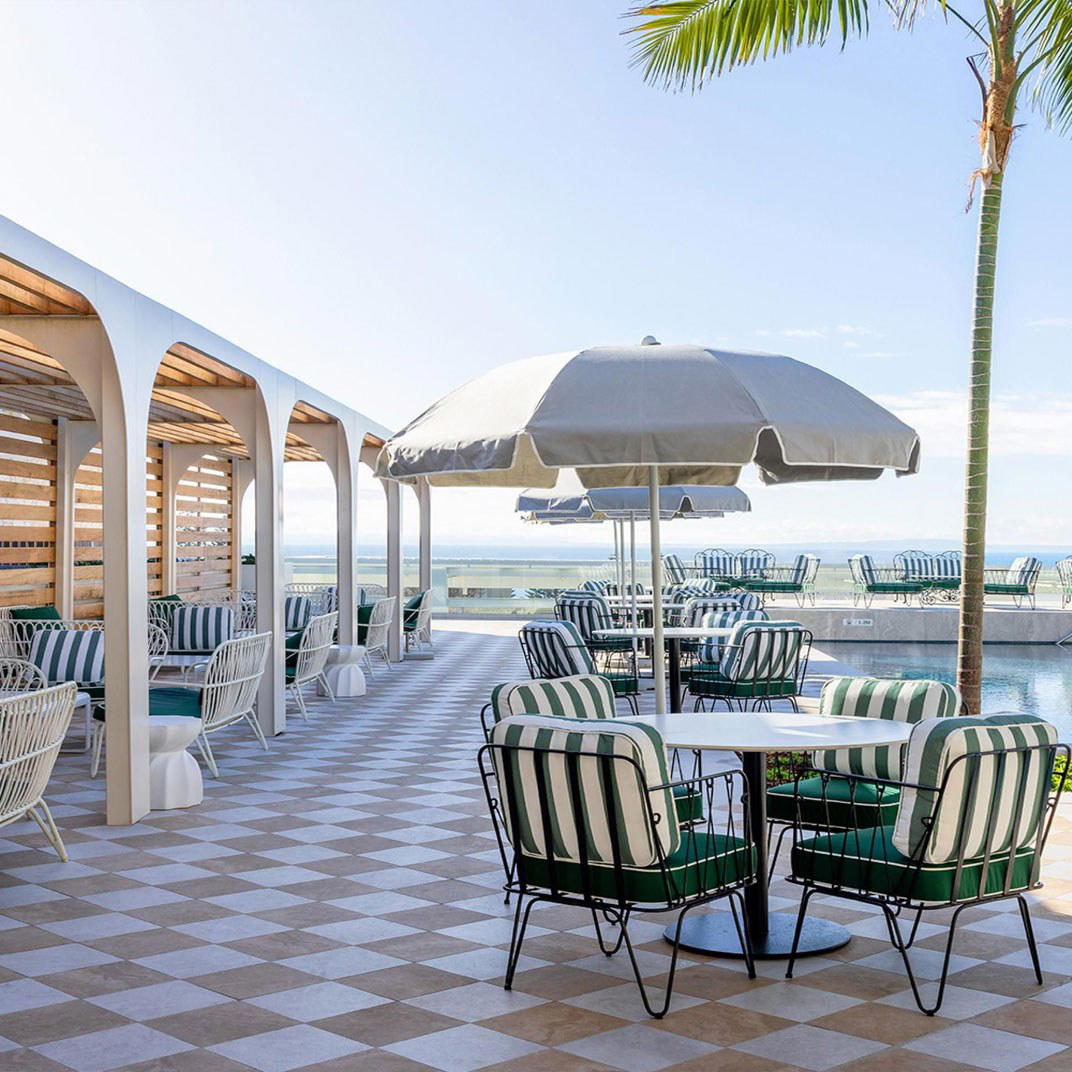
Tranquil and relaxing lakeside setting with serene views, cozy wood fires, and a peaceful atmosphere praised in guest reviews.