Paringa Estate

Falstaff Winery - Listed
Paringa Estate sits in Red Hill South at the cooler, refined end of the Mornington Peninsula, where maritime influence and basalt soils shape the region's most serious Pinot Noir and Chardonnay. For visitors focused on site-driven viticulture and fine wine, it represents one of the region's benchmark addresses.

Pearl is the En Primeur Club membership app — saves, bookings, and concierge access live there. Same editors, same standards.
- Address
- 44 Paringa Rd, Red Hill South VIC 3937
- Phone
- +61 3 5989 2669
- Website
- paringaestate.com.au
- Directions
- Get directions
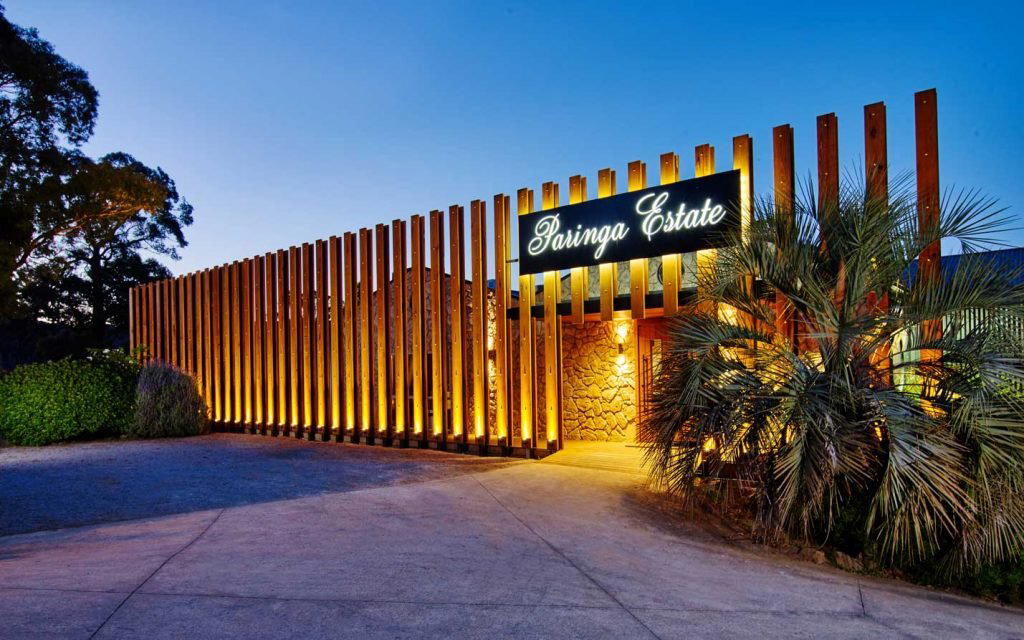
Red Hill South and the Mornington Peninsula's Cool-Climate Core
Drive south from Mornington township through the peninsula's rolling farm country and the altitude climbs steadily toward Red Hill. By the time you reach the turn onto Paringa Road, the vegetation has changed character — the slopes are steeper, the air noticeably cooler, and the vine rows run across terrain that bears little resemblance to the flatter, warmer ground closer to the bay. This is the refined interior of the Mornington Peninsula, where afternoon maritime breezes off both Port Phillip and Western Port bays arrive from opposite directions and keep temperatures in a range that few Australian wine regions can match for Pinot Noir and Chardonnay.
Paringa Estate is at 44 Paringa Rd, Red Hill South. The address places it in the gravitational centre of the peninsula's prestige wine corridor, a stretch of the region's southern highlands where the most site-attentive producers have concentrated their efforts over the past four decades. In this part of the peninsula, the question is never whether the climate can ripen Burgundian varieties — it can, reliably, but how the specific block, aspect, and soil composition translate into a finished wine. That granular focus on site is what separates the producers in this tier from those working at higher volumes and lower altitude across the region.
To contextualise that: the rating sits above entry-level recognition and signals that the estate's wines merit consideration in the same conversation as other peninsula producers earning significant critical attention. In a region where the gap between a well-made approachable wine and a genuinely site-expressive bottle is wide, the Pearl 2 Star category is where the region's most purposeful producers tend to cluster.
For comparison, the Mornington Peninsula peers covered on this platform, including Ten Minutes by Tractor and Montalto, occupy their own positions in the region's quality hierarchy. Crittenden Estate represents a different stylistic register, with a broader variety range. What links the top tier is a shared commitment to letting site speak through relatively restrained winemaking rather than manufacturing a house style around oak or extraction. Paringa Estate's prestige rating is consistent with that orientation.
Viticulture at Elevation: The Sustainability Question on the Peninsula
The Mornington Peninsula's cool, wet springs and maritime autumns create genuine viticultural pressure. Disease management, in particular, is a real challenge in this climate, and how a producer responds to that pressure says a great deal about their priorities. Across the region's more serious addresses, the trend over the past decade has moved toward reduced intervention in the vineyard: lower spray regimes, organic and biodynamic certification in some cases, cover cropping to build soil biology, and a greater tolerance for yield variation in exchange for better-expressed fruit character.
Red Hill South's basalt and clay-loam soils have the water-holding capacity to support viticulture without heavy irrigation inputs, which gives producers here a structural advantage in building toward lower-chemical farming. The altitude and aspect also mean that canopy management can achieve the airflow needed to reduce disease pressure without relying solely on conventional fungicide programmes. These are the conditions under which regenerative viticulture is most viable, and they help explain why the refined interior of the peninsula has attracted producers who want to work with the land rather than against it.
The broader Australian fine wine conversation is moving in the same direction. Estates such as Bass Phillip in Gippsland and Bird in Hand in Adelaide Hills represent different regional expressions of the same underlying shift: a recognition that the wine's distinctiveness is inseparable from the health of the soil it comes from. On the Mornington Peninsula, that philosophy finds its most coherent expression in the Red Hill corridor, where the combination of geology, climate, and producer intent creates conditions for genuinely terroir-driven wine.
The Peninsula's Wider Context: Distilleries, Estates, and a Full Day's Itinerary
The Mornington Peninsula has developed beyond a single-category wine destination. The arrival of serious craft distilleries, Bass & Flinders Distillery and Chief's Son Distillery among them, has added a different dimension to a visit, particularly for travellers who want to understand how the peninsula's agricultural character extends beyond the vine. That diversification has made the region more compelling as a multi-day destination rather than a day-trip appendage to Melbourne.
For producers working at the prestige level, the diversification of the region works in their favour. It draws a wider visitor audience and raises the general profile of the peninsula as a serious food and wine destination, while the leading estates maintain their own gravitational pull through critical recognition and allocation patterns. The dynamics here are not unlike those in other Australian premium regions: All Saints Estate in Rutherglen, Leading's Wines in Great Western, and Angove Family Winemakers in Renmark each anchor their respective regions as heritage producers while the broader ecosystem around them continues to evolve.
International comparisons are worth making too. The kind of site-focused, low-intervention viticulture that Red Hill South permits is directly comparable to what drives prestige in Burgundy, in parts of California's Sonoma Coast, or in estates like Accendo Cellars in St. Helena. The translation of place into glass, with minimal interference, is a globally consistent marker of the premium tier, and the Mornington Peninsula's leading producers are increasingly being read within that international frame.
Planning Your Visit
Paringa Estate is located in Red Hill South at 44 Paringa Rd, VIC 3937. The property sits in the southern inland section of the peninsula, approximately equidistant from the bay beaches and the main Red Hill township. Visitors coming from Melbourne should plan for roughly a 90-minute drive, depending on traffic through the Frankston corridor. The Red Hill area is leading explored by car, as the properties are spread across rural roads with no meaningful public transport.
Pairing a visit here with time at neighbouring producers makes practical sense for visitors travelling from Melbourne, and our full Mornington Peninsula guide covers the broader itinerary options across the region's wine, food, and distillery scene.
For those building a wider Victorian wine itinerary, the peninsula sits at one end of a broader circuit that can extend to Archie Rose Distilling Co in Sydney via regional stops, or south toward Blue Pyrenees Estate in Pyrenees and further afield for travellers with more time. The peninsula, however, functions as a complete destination in its own right, and Red Hill South specifically warrants a full day rather than a rushed morning.
A Credentials Check
Comparable venues nearby, for context on price, style, and recognition.
| Venue | Cuisine | Price | Awards | Notes |
|---|---|---|---|---|
| Paringa EstateThis venue — the venue you are viewing | Pinot Noir, Chardonnay | $50–100 | Falstaff Winery - Listed | Not listed |
| Montalto | Chardonnay, Pinot Noir | $50–100 | Falstaff Winery - Listed | Red Hill |
| Port Phillip Estate/Kooyong | Pinot Noir, Chardonnay | $50–100 | Not listed | Red Hill South |
| Crittenden Estate | Pinot Noir, Chardonnay | Not listed | Not listed | Dromana |
| Yabby Lake Vineyard | Pinot Noir, Chardonnay | $50–100 | Falstaff Winery - Listed | Tuerong |
Recognition history
Dated appearances from independent guides and award organizations, with the underlying list record or original source where available.
Falstaff Winery - Listed
Falstaff
Continue exploring
More in Mornington Peninsula
Wineries in Mornington Peninsula
Browse all →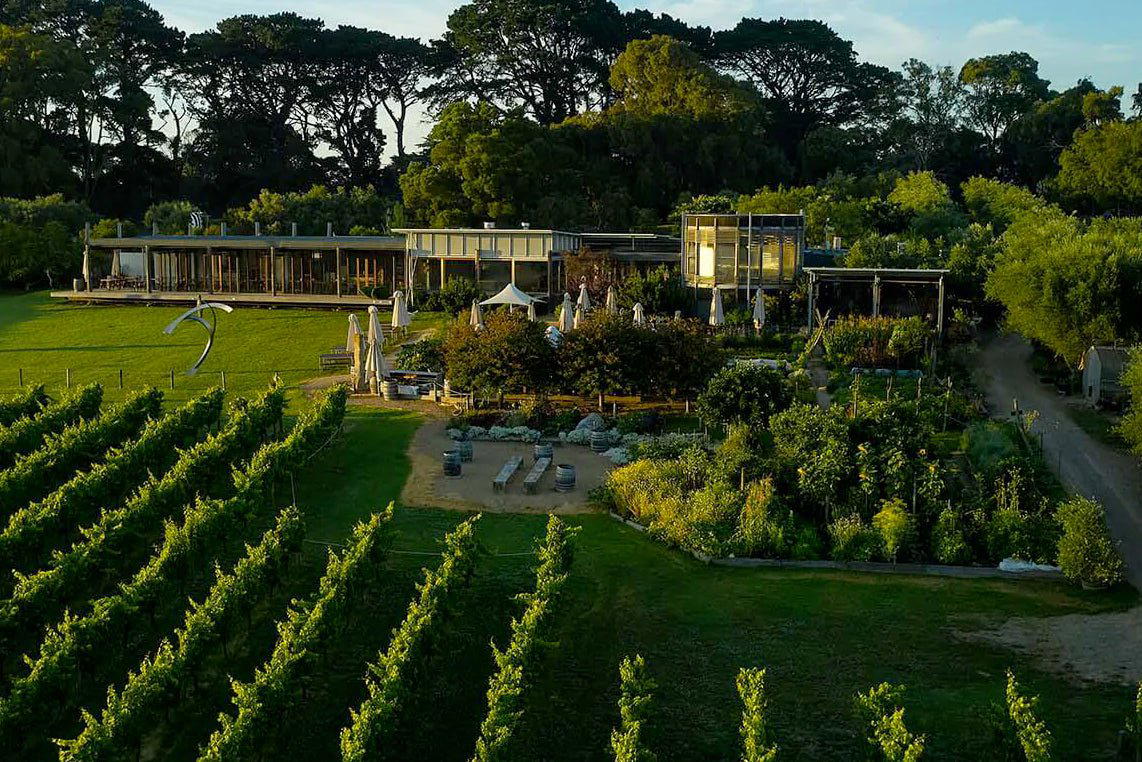

Bars in Mornington Peninsula
Browse all →
Restaurants in Mornington Peninsula
Browse all →
Details
- Scenic
- Elegant
- Romantic
- Sophisticated
- Romantic Getaway
- Special Occasion
- Wine Education
- Celebration
- Estate Grounds
- Vineyard Tour
- Barrel Room
- Panoramic View
- Terrace
- Sustainable
- Vineyard
- Pinot Noir
- Chardonnay
- Shiraz
- Pinot Gris
- Still Red
- Still White
- Cellar Door Tasting
- Degustation Menu
- Wine Pairing
- English
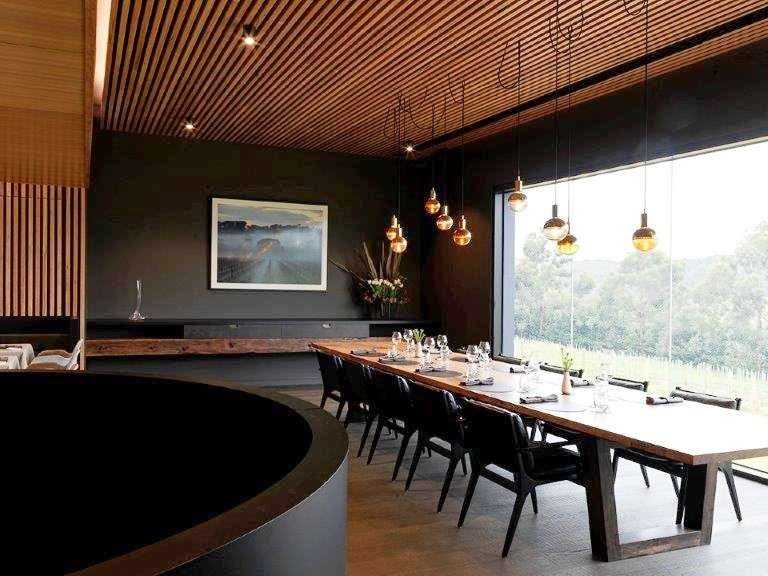
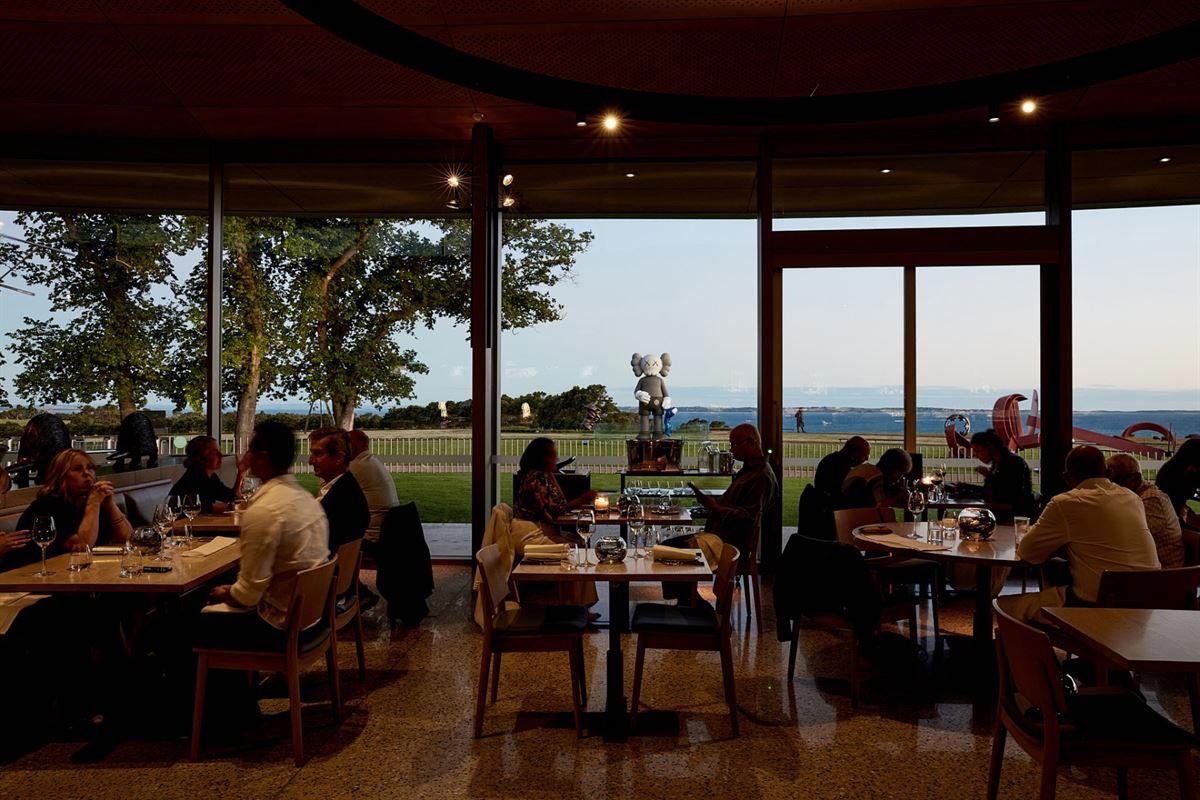
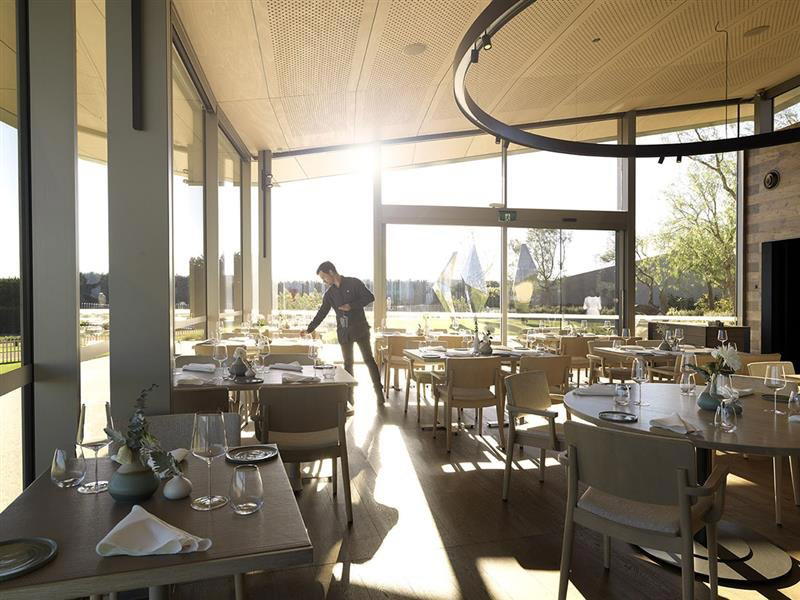
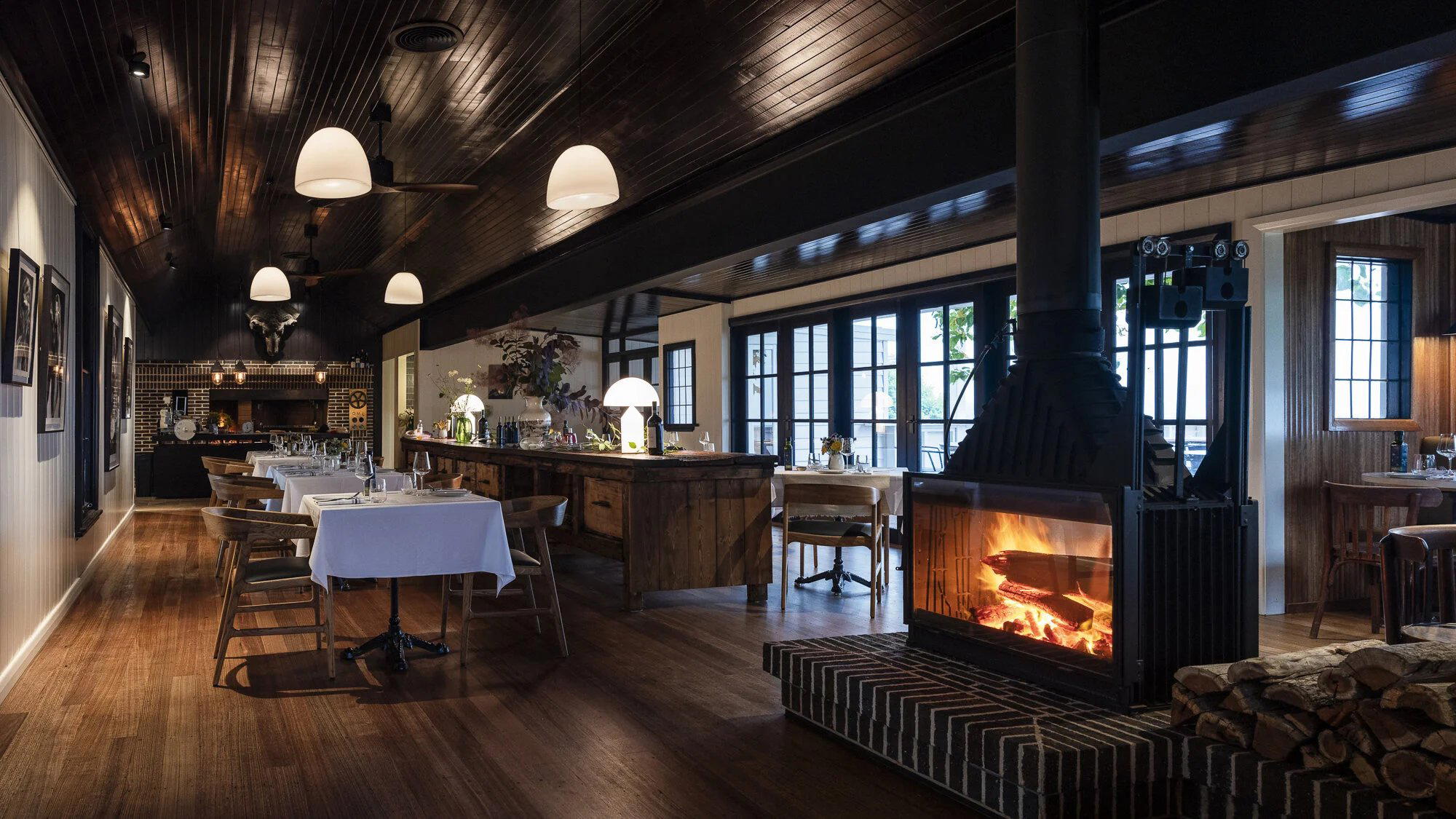
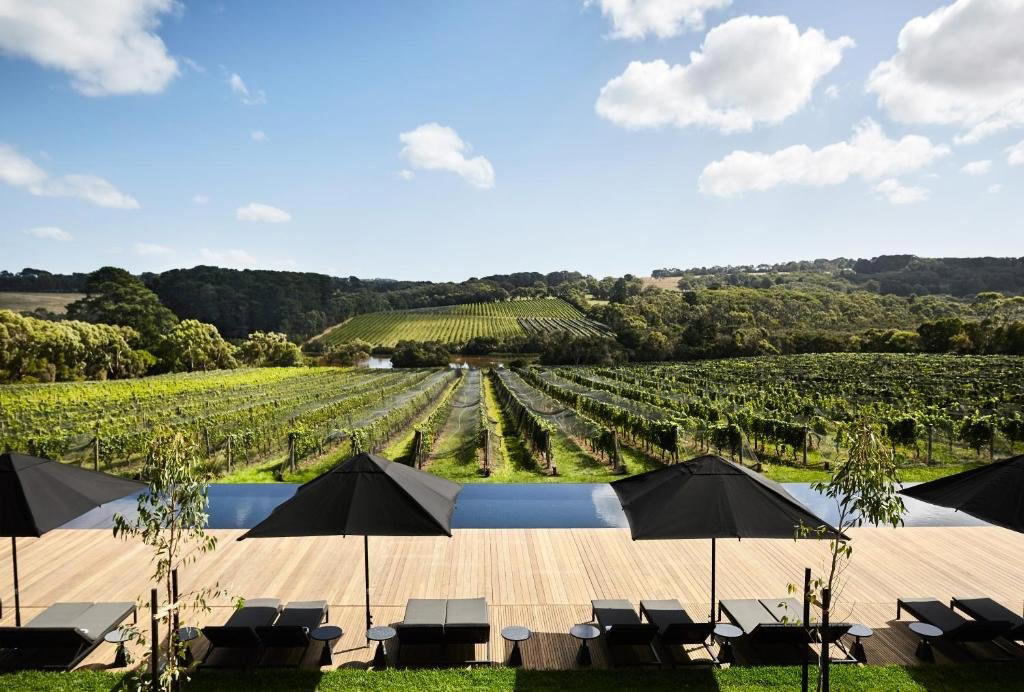
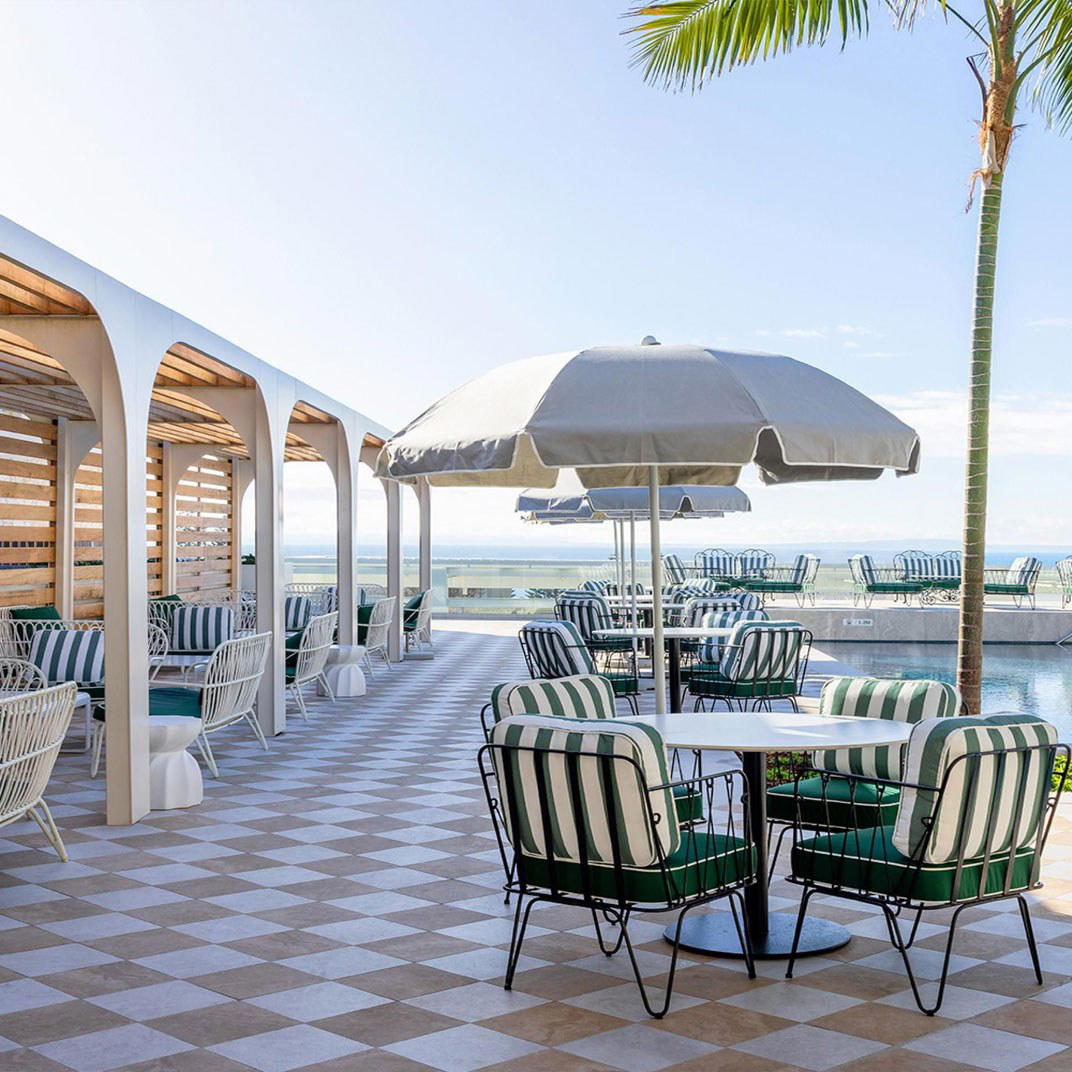
Light and energetic dining room with floor-to-ceiling windows overlooking the winery and vineyard, creating a sense of connection to the seasons and production process.