Attica occupies a quietly converted space on Glen Eira Road in Ripponlea, a suburb that sits well outside Melbourne's obvious dining corridors. Long recognised among Australia's most scrutinised fine-dining addresses, it draws a global reservation list and operates at a price point that places it firmly in the country's highest tier. The experience is methodical, produce-driven, and demands advance planning.
Pearl is the En Primeur Club membership app — saves, bookings, and concierge access live there. Same editors, same standards.
- Address
- 74 Glen Eira Rd, Ripponlea VIC 3185, Australia
- Phone
- +61 3 9530 0111
- Website
- attica.com.au
 Saves & bookings on Pearl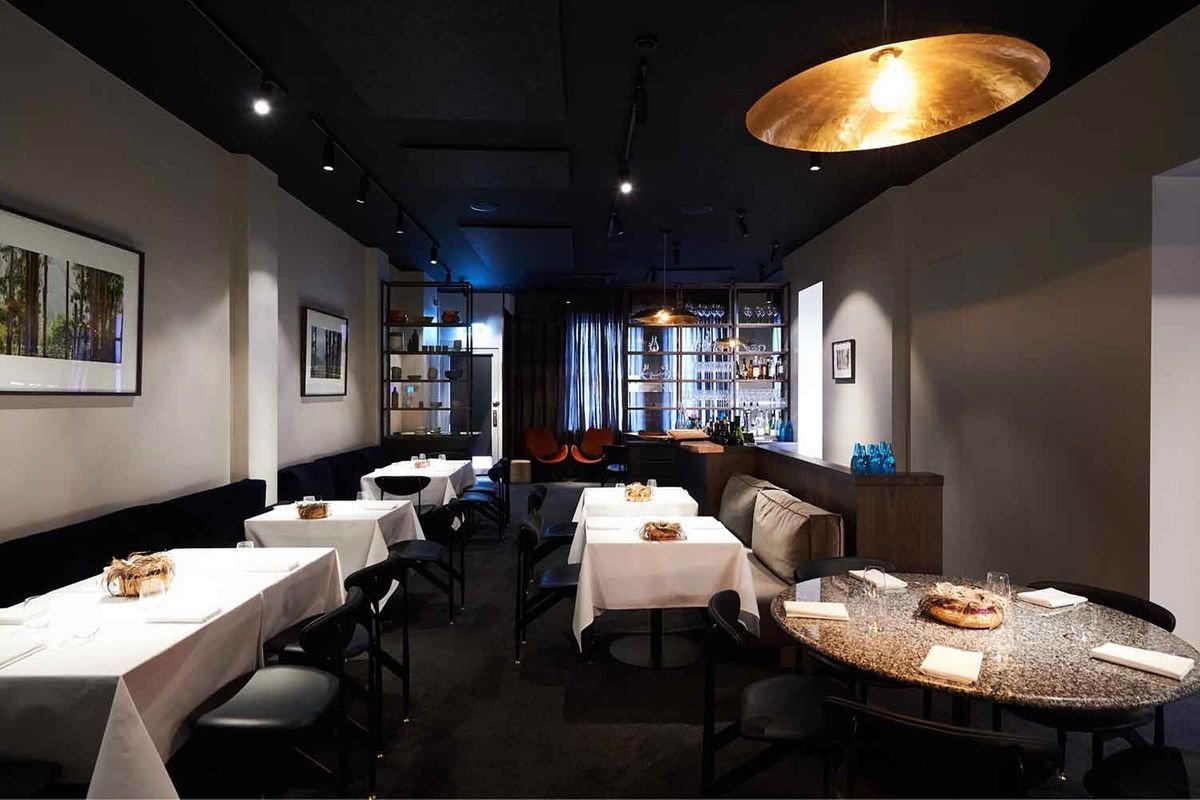
Ripponlea's Place in Melbourne's Fine-Dining Geography
Melbourne's serious restaurant scene has always spread unevenly across its suburbs. The obvious clusters sit in Fitzroy, Collingwood, and the CBD fringe, where foot traffic sustains a breadth of formats. Ripponlea operates differently. The suburb, roughly seven kilometres south of the city centre along the Glen Waverley and Sandringham lines, has no dining strip to speak of. That geographic remove is not incidental to Attica's identity: restaurants of this category tend to site themselves where rent economics allow space and deliberateness, not where passing trade fills covers. The address at 74 Glen Eira Road reflects that logic. You make the journey with intent, which sets the register of the meal before you arrive.
For a broader map of what the area offers around it, see our full Ripponlea restaurants guide.
The Room and What It Signals
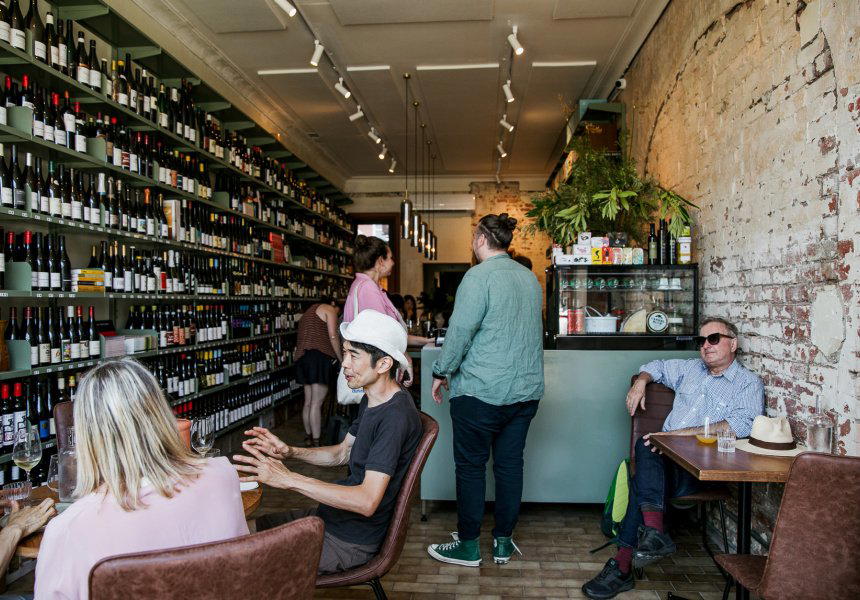
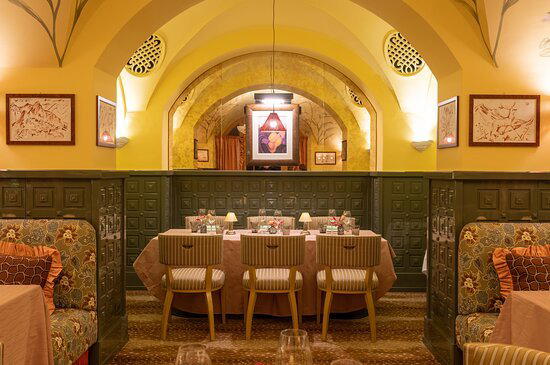
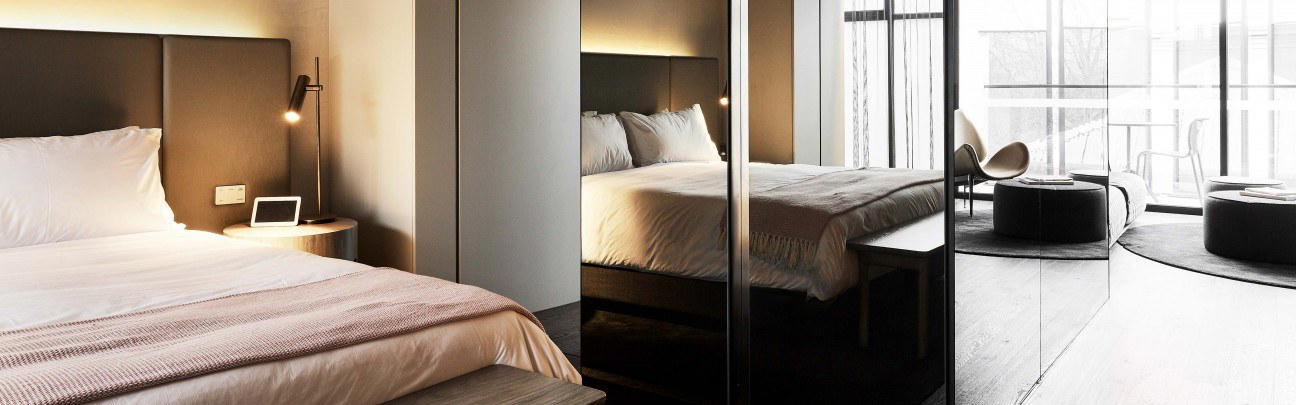
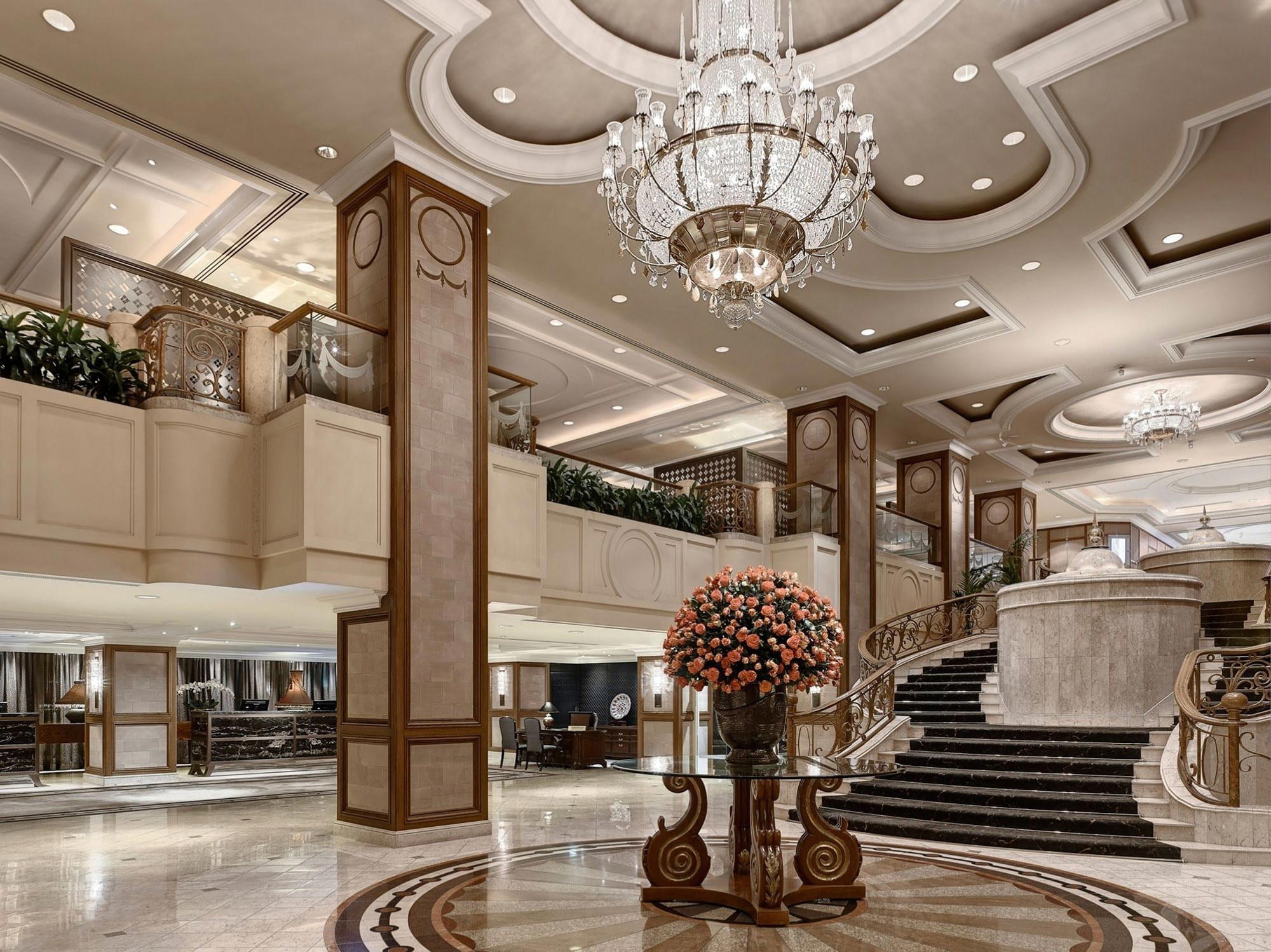
The building reads quietly from the street, a converted space that offers no theatrical facade. Inside, the design stays close to the ground: warm timber, considered lighting, and a scale that keeps the room from tipping into grand-hotel formality. This is a deliberate positioning within the Australian fine-dining split between maximalist experimentation and restrained material honesty. Attica belongs to the latter camp. The atmosphere on arrival is closer to a well-run country house than a performance stage, which is either appealing or insufficient depending on what you want from a meal at this price point. The room's quietness is part of the argument the kitchen is making.
The Drink Programme in Context
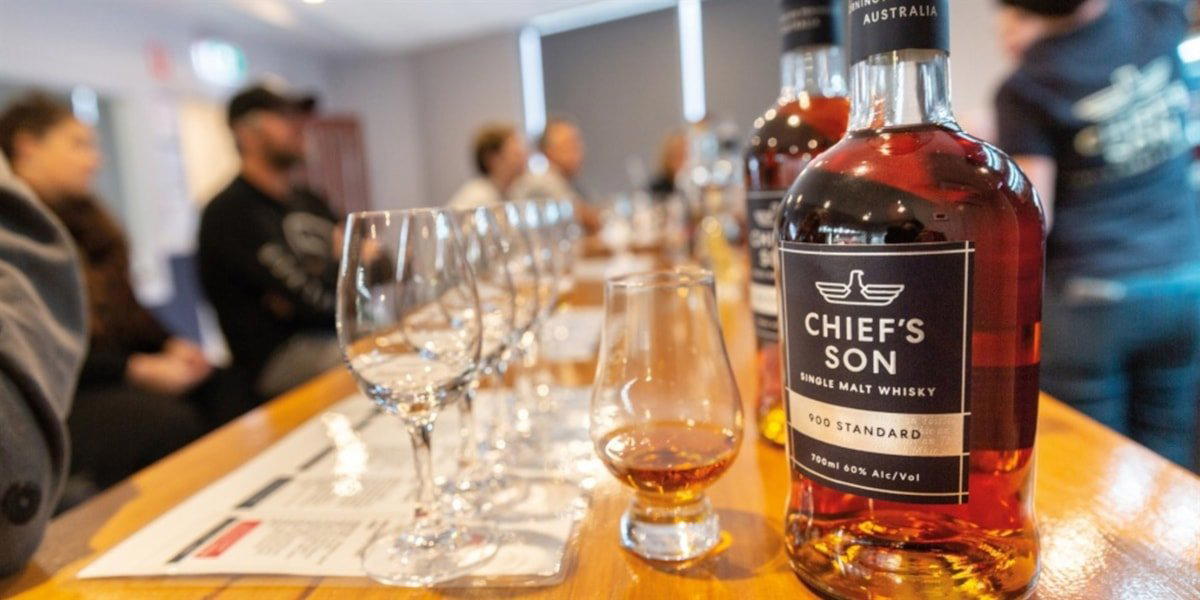
Australia's top-tier tasting-menu restaurants have developed distinct approaches to their beverage programmes over the past decade. Some lean on extensive imported cellars, running Old World reference points against the food. Others have moved toward native-focused drink lists, pairing ferments, distillates, and wines that share geographic logic with the kitchen's sourcing. This latter direction has become more pronounced at addresses where the food itself draws heavily from Australian native ingredients and producer relationships.
At a restaurant operating at Attica's level, the drinks sequence functions as a structural element of the meal, not an optional supplement. The pairing format common at this tier typically integrates wine, occasional spirits-based pours, and non-alcoholic alternatives across the same progression. The non-alcoholic track in particular has shifted from tokenism to genuine programme depth at a handful of Australian restaurants, responding to a diner cohort that books tasting menus but prefers not to drink, or not to drink throughout. Whether Attica's current pairing reflects this direction specifically is best confirmed directly with the restaurant at time of booking.
For comparison points in Melbourne's bar and drinks scene, 1806 in Melbourne represents the city's most historically grounded cocktail programming, while Leonards House of Love in South Yarra occupies a more playful, design-led position in the same city. Across Australia, Cantina OK! in Sydney has built a reputation around discipline and restraint in a very small format, and Bowery Bar in Brisbane demonstrates what a neighbourhood-anchored programme looks like in a different major market.
Where Attica Sits in the Australian Fine-Dining Tier
The category of Australian restaurants that trade on native ingredient sourcing, long-standing international recognition, and reservation scarcity is genuinely small. Attica has occupied that tier for a sustained period, drawing regular placement on the World's 50 Best Restaurants list at various points in its history, which represents documented external validation rather than local consensus alone. That recognition matters for understanding who the competitive comparable set actually is: the comparison is less with other Melbourne restaurants and more with a global cohort of destination-dining addresses where the reservation itself is part of the calculus.
The booking window at addresses with comparable demand profiles runs months ahead, and Attica's system should be approached with that expectation.
For drinks destinations elsewhere in the region that attract similarly committed visitors, Fratelli Paradiso in Potts Point and La Cache à Vín in Spring Hill each serve as useful reference points for how neighbourhood identity shapes a premium experience. Further afield, Whipper Snapper Distillery in East Perth shows how Australian craft spirits have developed their own serious programming strand, and Lucky Chan's Laundry and Noodle Bar in Northbridge occupies a more theatrical end of the Western Australian bar scene. For destination drink experiences with strong natural settings, Devil's Corner Cellar Door in Dolphin Sands offers a different kind of commitment to place. Internationally, Bar Leather Apron in Honolulu and Blu Bar on 36 in The Rocks represent how the Asia-Pacific premium bar tier has matured around a similar emphasis on craft and specificity.
Practical Considerations
Reaching Ripponlea from central Melbourne is direct via train: the Sandringham line stops at Ripponlea station, a short walk from Glen Eira Road. Driving is equally practical given the suburb's parking availability relative to inner-city dining. The format at this tier is typically dinner-only across a limited number of service nights per week, which concentrates demand further. Reservations should be treated as the first act of planning, not a formality: the booking window, deposit structure, and cancellation terms at restaurants in this category are substantive and worth reading before committing. Dress code expectations at Australian fine-dining of this register tend toward smart casual without strict enforcement, though the room's character rewards a considered approach.
A Quick Peer Check
Comparable venues nearby, for context on price, style, and recognition.
| Venue | Cuisine | Price | Awards | Notes |
|---|---|---|---|---|
| AtticaThis venue — the venue you are viewing | Bar | $$$$ | , | |
| Rockpool Bar & Grill Melbourne | lounge | $$$$ | Southbank | |
| Jackalope Hotel Mornington Peninsula | hotel_bar | $$$$ | , | Merricks North |
| Bar Sophia | wine_bar | $$$ | , | Glen Iris |
| Bar Ferdinand | cocktail_bar | $$$ | , | Melbourne CBD |
| Longsong | cocktail_bar | $$$ | , | Melbourne |
Continue exploring
More in Ripponlea
Bars in Ripponlea
Browse all →
Restaurants in Ripponlea
Browse all →
Hotels in Ripponlea
Browse all →
At a Glance
- Elegant
- Sophisticated
- Modern
- Special Occasion
- Design Destination
- Seated Bar
- Private Rooms
- Zero Proof
Energetic atmosphere with eclectic decor, featuring creative presentations and a sense of surprise in the dining experience.[1][7]