Star Wine List
Our verdict
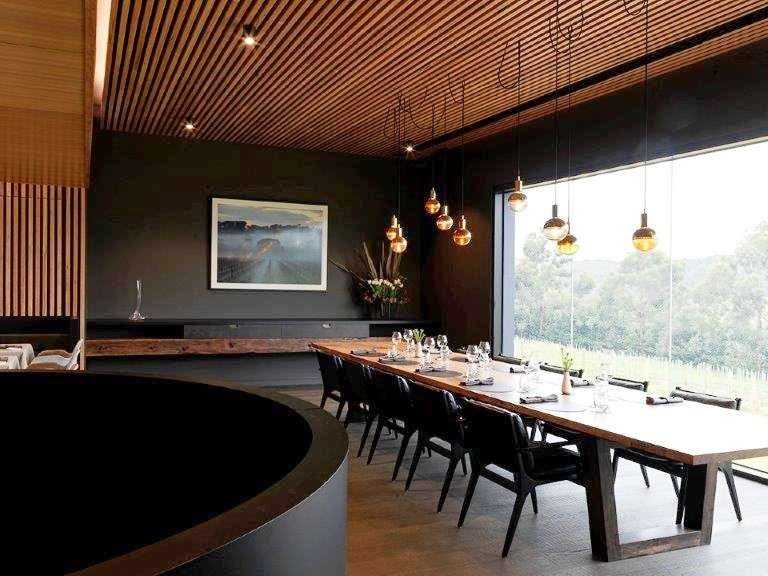
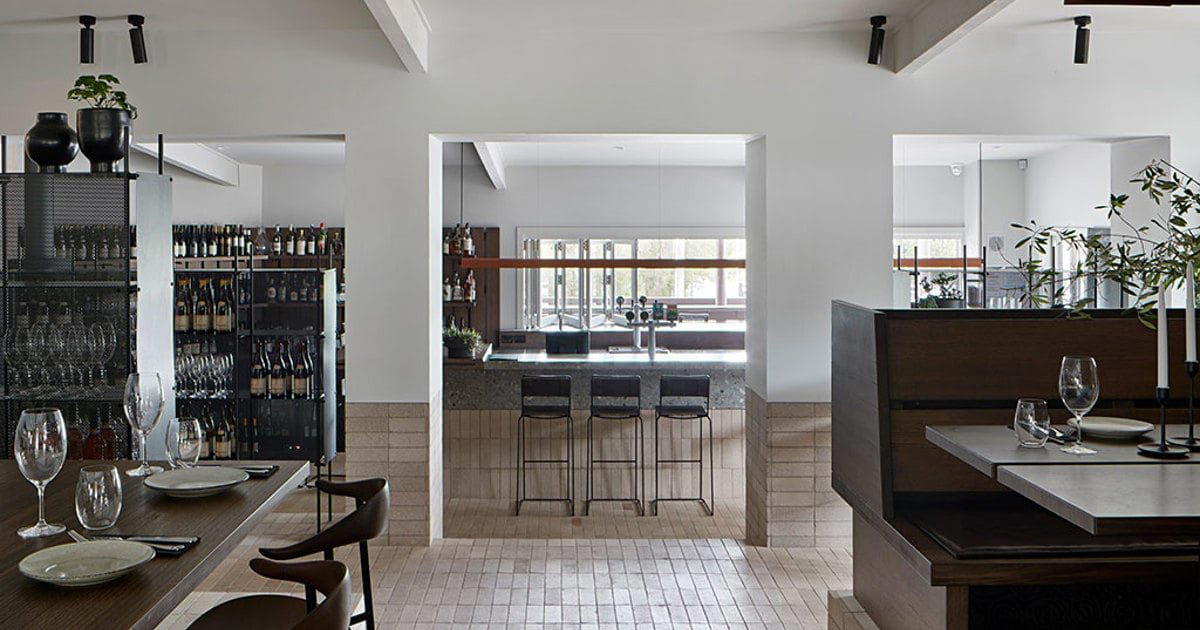
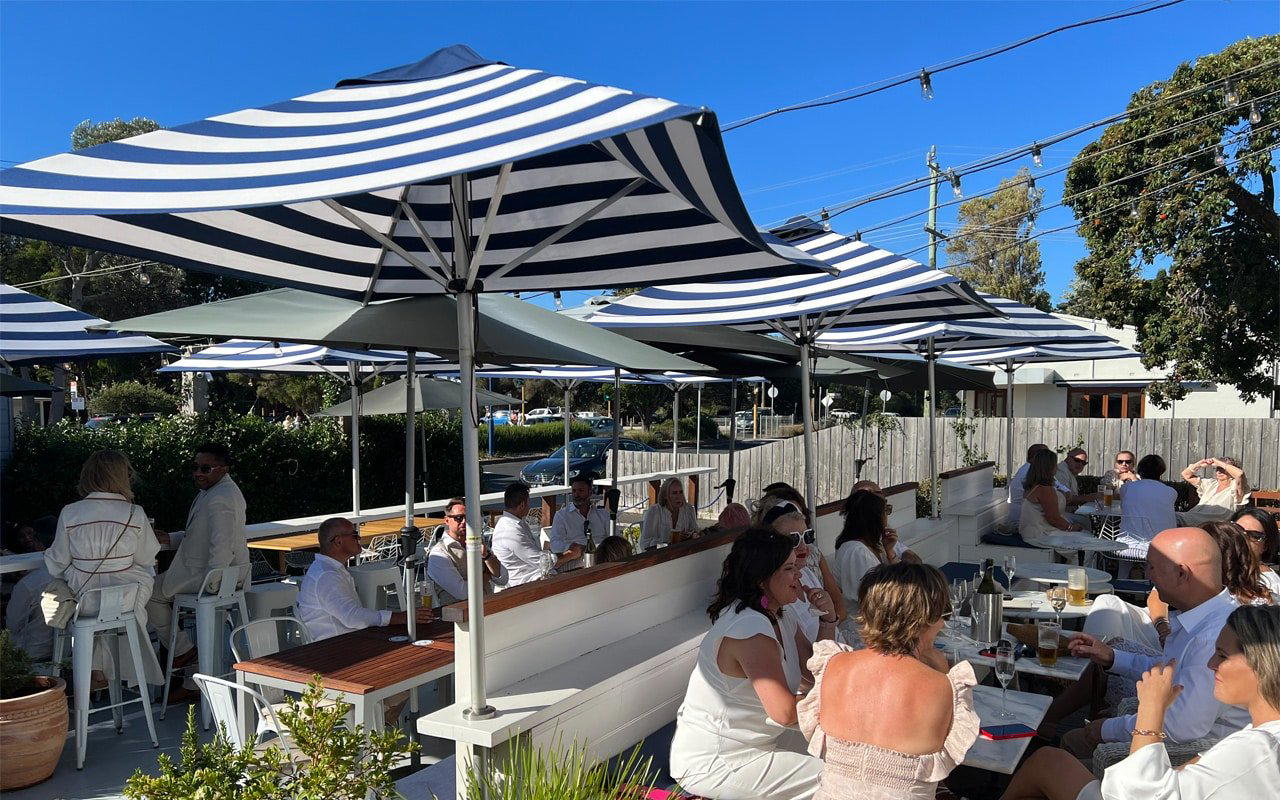
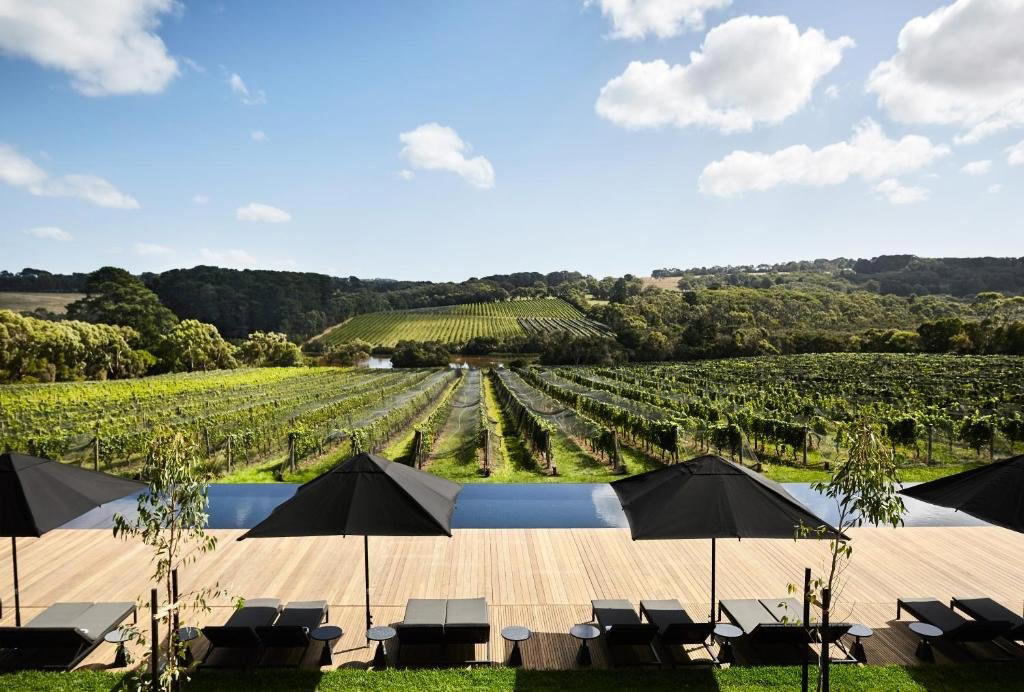
A 1920s farm property in Red Hill on the Mornington Peninsula, Tedesca is chef Brigitte Hafner and photographer James Broadway's answer to the farm-to-table retreat format: a small menu driven largely by produce grown or sourced on the property, served in surroundings that make the 90-minute drive from Melbourne feel deliberate rather than incidental. The experience sits closer to a private lunch at a well-stocked farm than to a conventional restaurant booking.

Pearl is the En Primeur Club membership app — saves, bookings, and concierge access live there. Same editors, same standards.
- Address
- 1175 Mornington-Flinders Rd, Red Hill VIC 3937, Australia
- Phone
- +61 488 010 706
- Hours
- Mon 12:30–4:30 PMTue–Thu ClosedFri–Sun 12:30–4:30 PM
- Website
- tedesca.com.au
- Directions
- Get directions
- Booking
- Book on the venue's website
The menu
What to order
- Fried zippoli with anchovy
- Wood-fired coral trout
- Handmade pasta
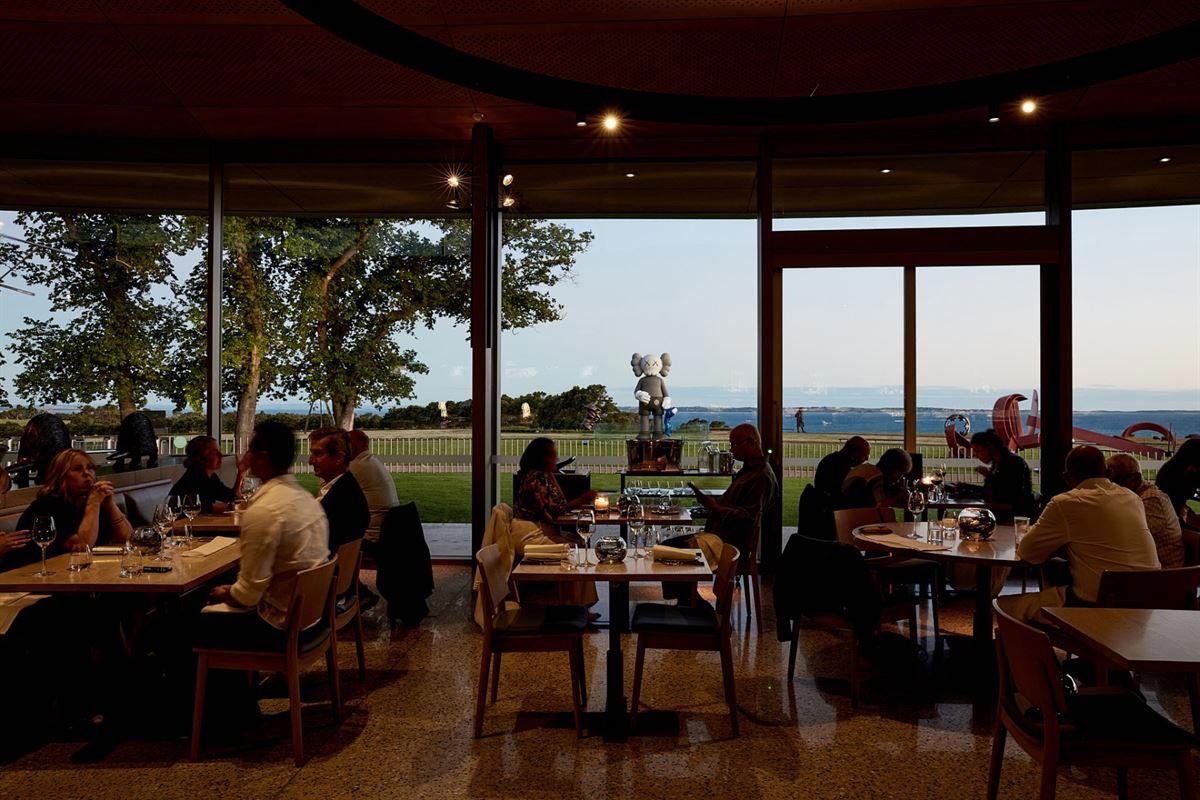
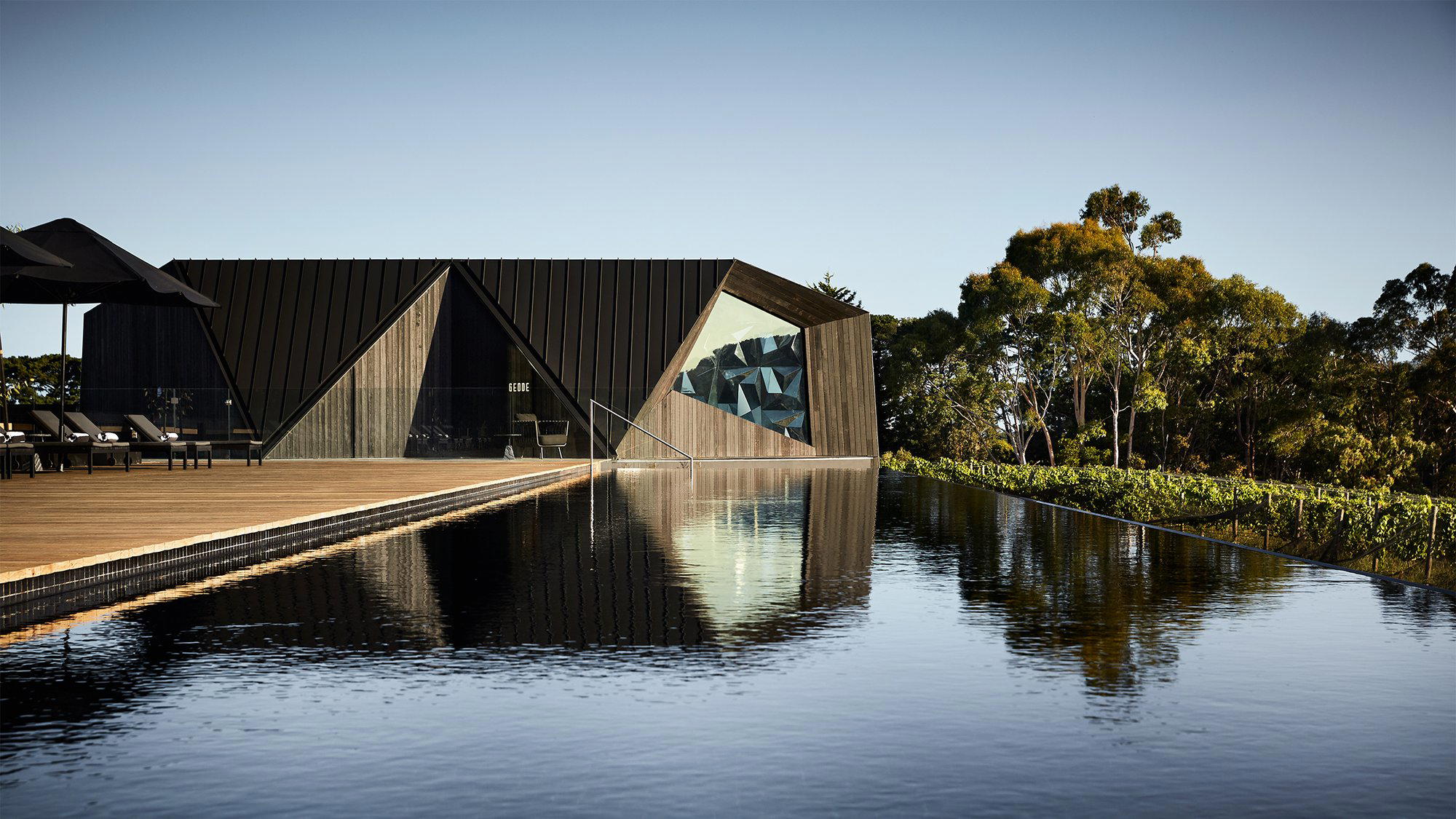
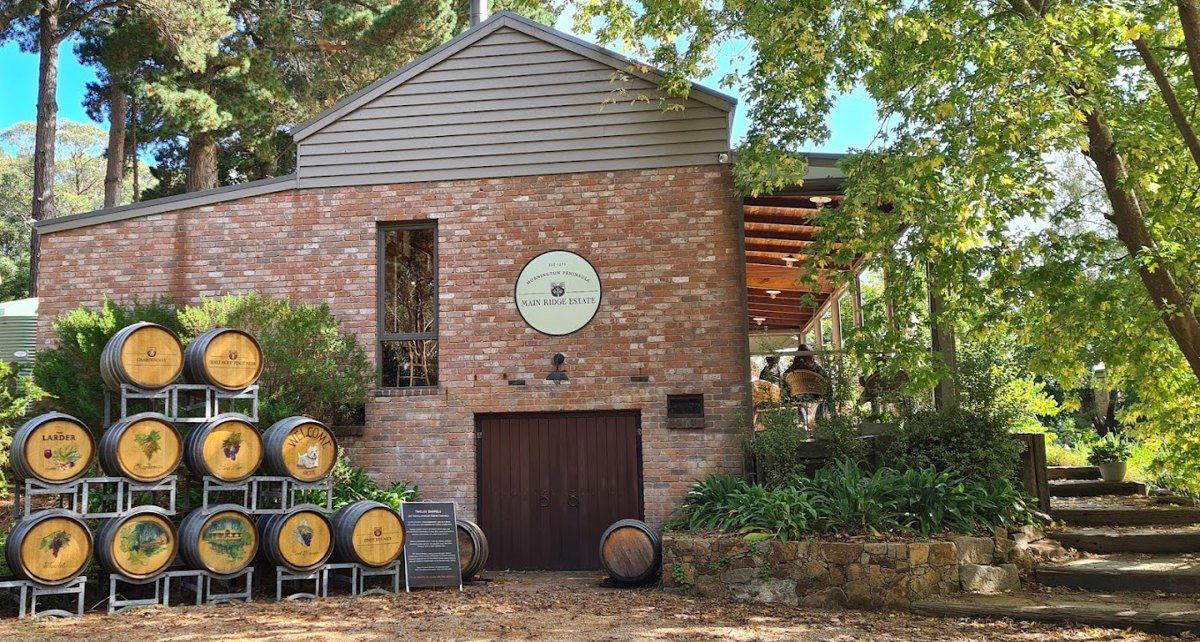
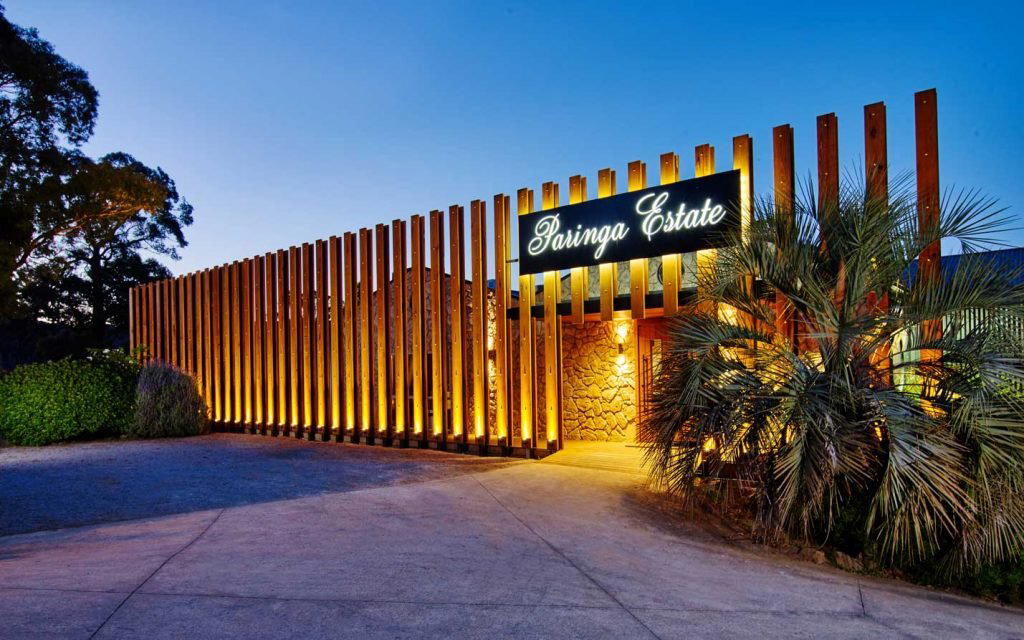
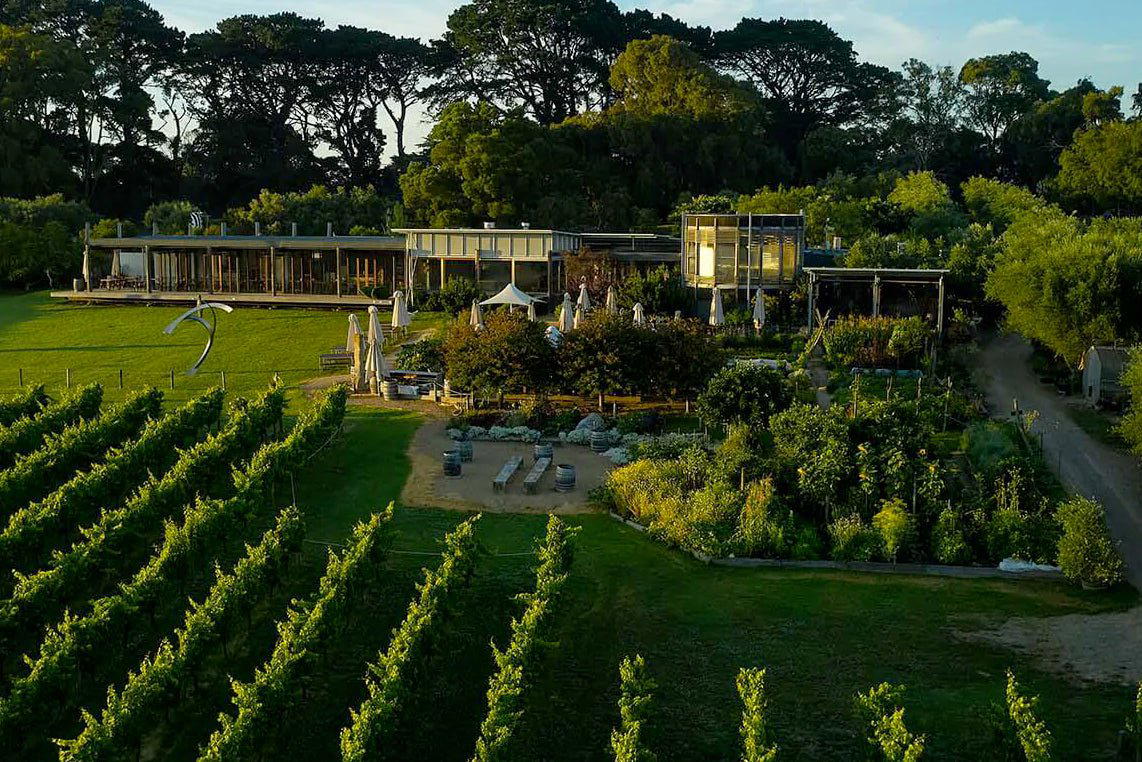
The Mornington Peninsula has spent the better part of two decades sorting itself into tiers. There are the cellar doors that blur into weekend tourism, the casual coastal spots trading on proximity to the beach, and then a smaller, more considered category: properties where the land is the point, not the backdrop. Tedesca, on Mornington-Flinders Road in Red Hill, belongs to that last group. The 1920s farm structure announces its age before you reach the door — the kind of building that has been worked on rather than restored, where the patina is functional rather than decorative.
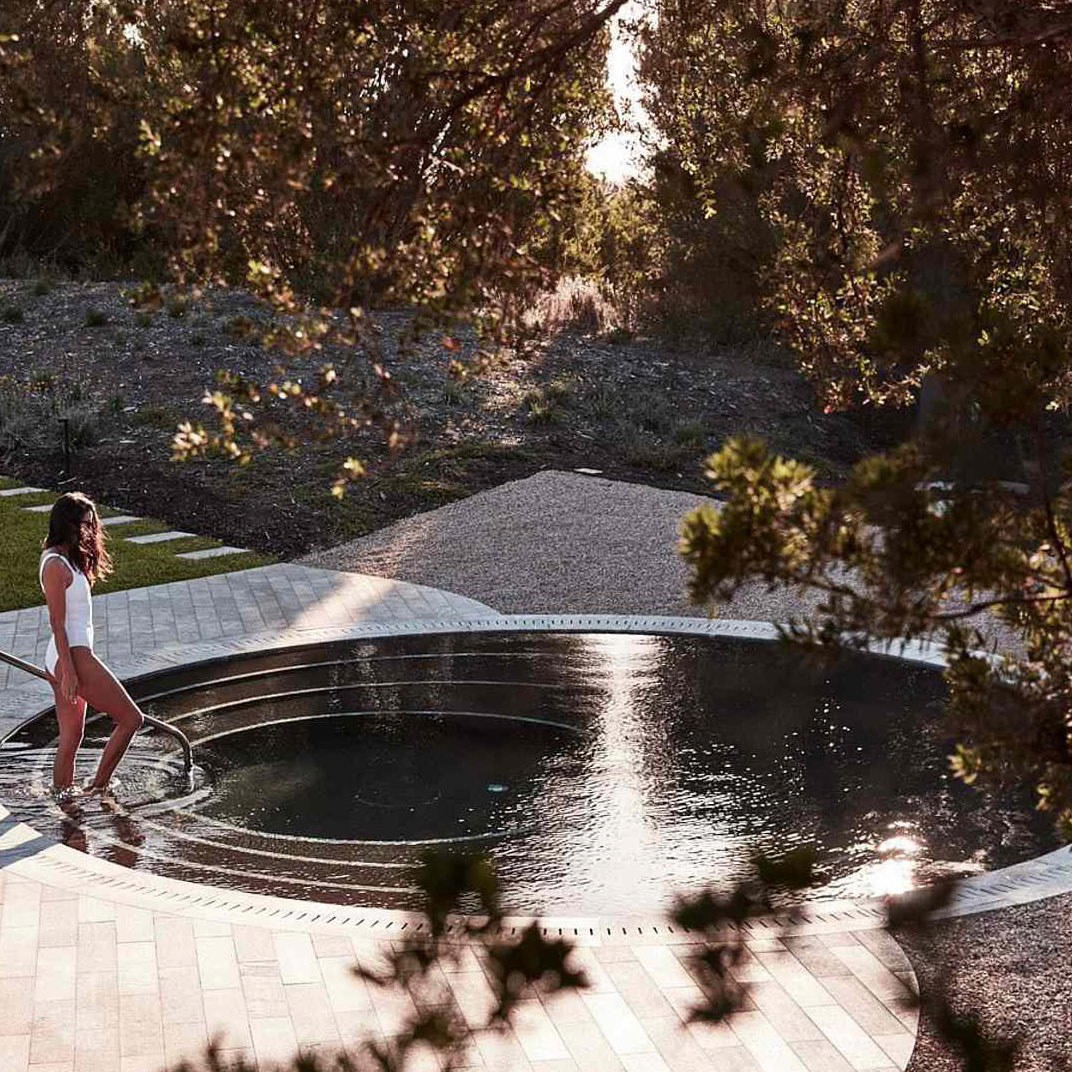
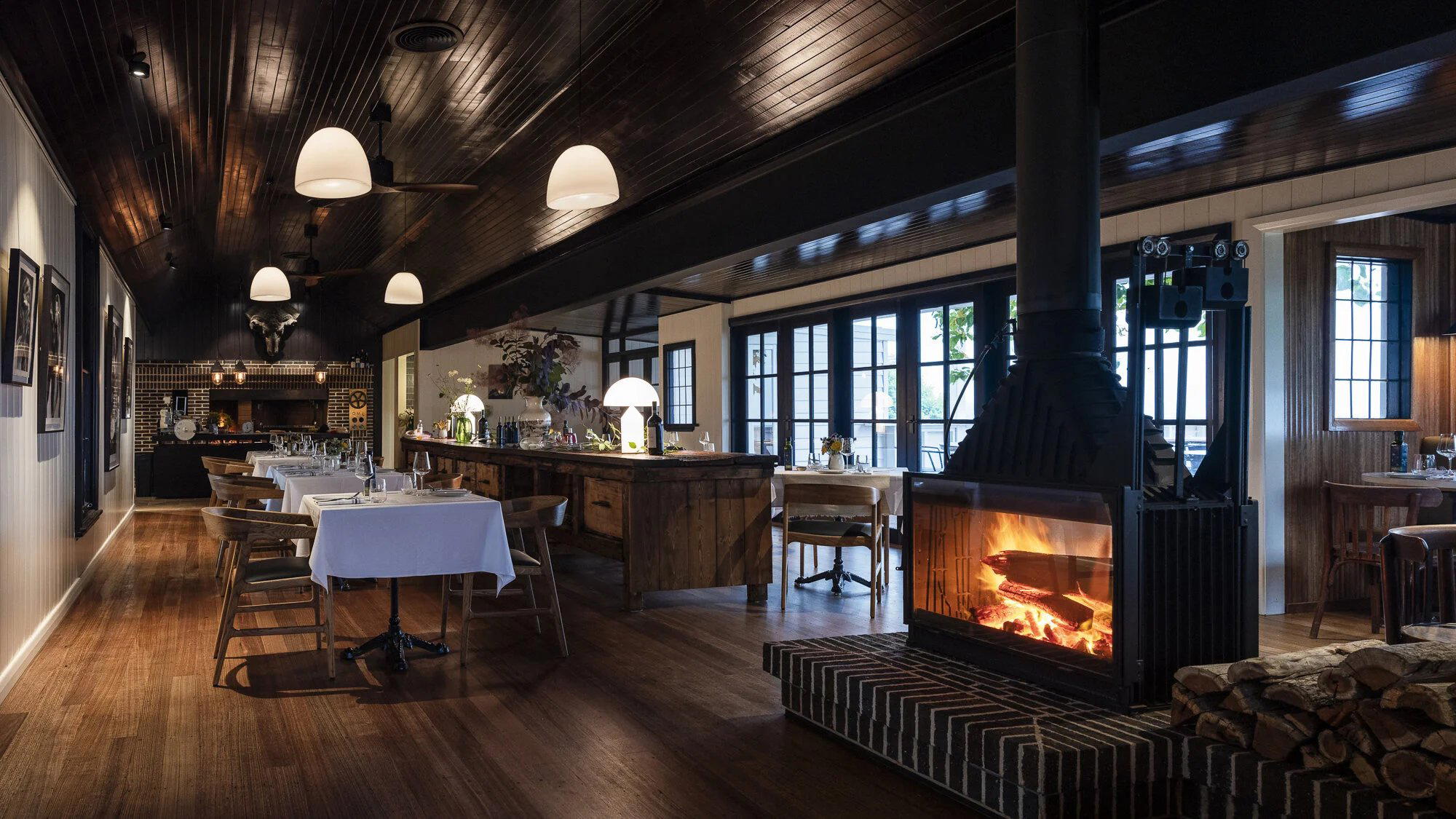
Approaching the property, the sensory register shifts in the way that distinguishes a genuine agricultural setting from a styled one. The air carries the particular density of a working farm: soil, green matter, the faint sweetness of something in season. Inside, the scale is domestic rather than institutional. This is not a dining room that has been engineered to feel intimate; it simply is intimate, in the way that old farm buildings tend to be when they are taken seriously rather than converted into something they were never meant to be.
What the Farm-to-Table Format Means Here
The farm-to-table designation has been diluted by overuse across the restaurant industry to the point where it often describes little more than a sourcing aspiration. At Tedesca, the phrase recovers some of its original meaning. Chef Brigitte Hafner and James Broadway, whose background in wine and photography shapes the visual and beverage register of the property, have built the dining program around a small menu in which most of the produce originates from the farm or its immediate surroundings. That constraint produces a kitchen logic that is seasonal by necessity rather than by marketing language: what appears on the plate is directly tied to what the land is producing at that moment.
This model has clear precedents in Australia. Brae in Birregurra operates on a comparable principle, with Dan Hunter's kitchen drawing from an extensive on-site garden and the surrounding Otways region. Agrarian Kitchen in Hobart takes a similar pedagogical approach to the farm-as-restaurant. Tedesca occupies a related but distinct position: smaller in scale, quieter in register, and framed more explicitly as a retreat than as a destination restaurant in the conventional sense. The comparison matters because it locates Tedesca in a category where the metrics of evaluation differ from those applied to urban fine dining. Michelin stars and 50 Best rankings are not the relevant frame here. What matters is the coherence between the land, the kitchen, and the experience of sitting at the table.
The Sensory Logic of the Setting
Red Hill sits at the refined centre of the Mornington Peninsula, at an altitude that gives it a cooler, more continental microclimate than the coastal towns below. The hill country produces conditions well-suited to cool-climate viticulture — Pinot Noir and Chardonnay dominate the surrounding vineyards, and to the kind of kitchen gardening that benefits from reliable seasonal definition. Spring arrives later here than in Melbourne; summer is shorter and sharper; autumn holds longer.
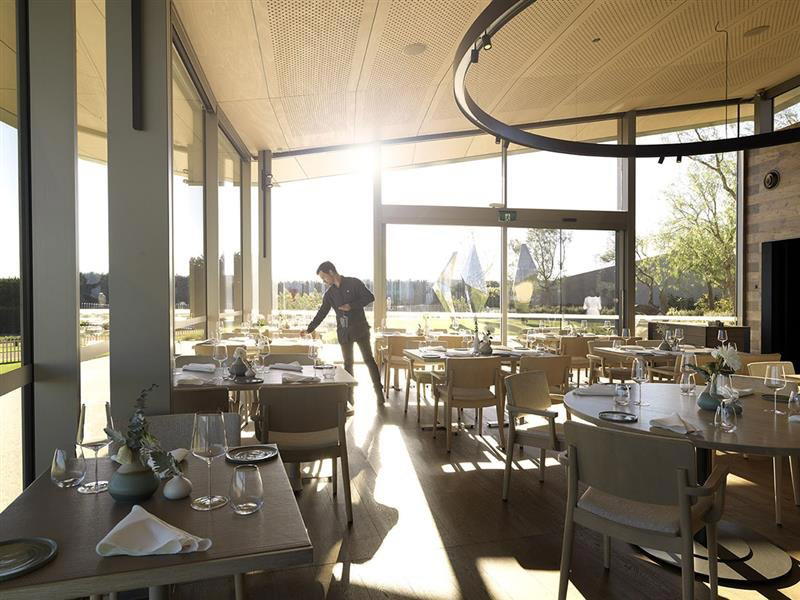
That microclimate shapes the sensory character of a meal at Tedesca in ways that are difficult to replicate in the city. The light through an old farm building in the mid-afternoon of an autumn day on the Peninsula is a specific thing: warm, directional, carrying a quality that changes the colour temperature of everything it touches. Broadway's background in photography is presumably not incidental to how the property reads visually; the relationship between natural light and the interior feels considered without being theatrical.
The sound register is similarly distinct. No urban acoustic bleed, no ambient music calibrated to a demographic. The sounds that reach the table are those of the farm itself, wind, birds, the low mechanical noise of agricultural activity in the distance. For diners accustomed to Melbourne's inner-city restaurant density, from the Cantonese formality of Flower Drum to the modern Australian ambition of Attica, this acoustic shift alone recalibrates the pace of a meal.
Placing Tedesca in the Peninsula's Dining Context
The Mornington Peninsula wine region has developed a hospitality infrastructure that increasingly supports overnight stays and multi-stop itineraries rather than single-day visits. The concentration of cellar doors in Red Hill, Merricks, and Main Ridge, combined with properties like Tedesca that frame dining as an extended afternoon event rather than a two-hour service, has made the Peninsula a credible alternative to the Yarra Valley for Melbourne-based food and wine weekends.
Within that context, Tedesca sits at the more deliberate end of the spectrum. It is not a drop-in proposition. The retreat format, the small menu, and the farm-driven produce sourcing position it for guests who have made a specific decision to be there, rather than those working through a list of Peninsula stops. That selectivity is a design choice, not a limitation. Properties operating at this scale, where the number of covers is constrained by the physical and philosophical character of the space, function differently from volume-driven hospitality. Amaru in Armadale and Aru Melbourne share something of this considered low-capacity register in the urban context; Tedesca applies the same logic to a rural one.
For broader Melbourne dining context, the EP Club's full Melbourne restaurants guide covers the city's range from 48h Pizza e Gnocchi Bar to Bottarga. The Melbourne wineries guide maps the Peninsula's cellar doors for those building a longer itinerary. The Melbourne hotels guide and experiences guide cover overnight and activity options for Peninsula visits, and the bars guide rounds out the city picture.
Planning a Visit
Red Hill is approximately 90 minutes south of Melbourne's CBD via the Mornington Peninsula Freeway, a drive that works well when treated as part of the experience rather than a logistical obstacle. The address at 1175 Mornington-Flinders Road places the property in the hill country above the coastal plain, among the vineyards and orchards that define Red Hill's agricultural character. Given the retreat format and small menu structure, advance booking is not optional; this is not a venue where walk-ins are a realistic expectation. Combining a visit with Peninsula winery stops, the surrounding Red Hill and Main Ridge subregions produce some of Victoria's more serious cool-climate Pinot and Chardonnay, is the natural way to structure the day.
Frequently asked questions
Does Tedesca work for a family meal?
Tedesca is a considered fit for families who share an interest in produce-focused cooking and a slower, farm-retreat pace. The 1920s Red Hill property sets a relaxed tone, but the small, chef-curated menu format suits adults and older children more naturally than it does young or restless diners. Families looking for a high-chair and kids-menu setup will likely find the format a mismatch.
Is Tedesca better for a quiet night or a lively one?
Quiet is the operative word at Tedesca. Chef Brigitte Hafner and James Broadway have built a farm retreat around a small menu and a 1920s rural property in Red Hill, roughly 90 minutes south of Melbourne's CBD — not a setting designed for noise or crowd energy. Expect measured conversation, deliberate pacing, and an atmosphere shaped more by the land around it than by any front-of-house theatre.
Has Tedesca won any awards?
Tedesca has received recognition including: Chef Brigitte Hafner and wine lover and photographer James Broadway offer this beautiful luxurious farm retreat built in a 1920 property. The dining experience is a small menu where most of the produc....
What do regulars order at Tedesca?
The menu at Tedesca is deliberately small and shifts with what the farm and surrounding Red Hill producers are yielding, so no single dish has a fixed foothold on the list. What regulars return for, consistently, is the logic of the menu itself: produce that moves from the property to the plate with minimal detour, guided by Brigitte Hafner's kitchen sensibility. Arriving with a preference for the whole menu rather than a single dish is the more reliable strategy.
What's the address for Tedesca?
Tedesca is located at 1175 Mornington-Flinders Rd, Red Hill VIC 3937, Australia, Melbourne.
Same-City Peers
Comparable venues nearby, for context on price, style, and recognition.
| Venue | Cuisine | Price | Awards | Notes |
|---|---|---|---|---|
| TedescaThis venue — the venue you are viewing | Wood-Fired Italian Osteria | $100–150 | Star Wine List | Not listed |
| Di Stasio Citta | Modern Italian | $50–100 | Not listed | East Melbourne |
| Bottarga | Modern Italian with Asian Fusion | $100–150 | Star Wine List · Wine Spectator Best of Award of Excellence | Brighton |
| Centonove | Contemporary Italian | $100–150 | Not listed | Kew |
| SUD Food and Wine | Southern Italian Trattoria | $50–100 | Not listed | Melbourne |
| Roccella Italian Restaurant East Melbourne | Traditional Southern Italian | $30–50 | Not listed | East Melbourne |
Recognition history
Dated appearances from independent guides and award organizations, with the underlying list record or original source where available.
Star Wine List
Star Wine List