Pippin Hill Farm & Vineyards
Pippin Hill Farm & Vineyards sits in the Blue Ridge foothills of North Garden, Virginia, where the Monticello wine country's clay-laced soils and cool-season elevation shape wines that reflect the land directly.

Pearl is the En Primeur Club membership app — saves, bookings, and concierge access live there. Same editors, same standards.
- Address
- 5022 Plank Rd, North Garden, VA 22959
- Phone
- (434) 202-8063
- Website
- pippinhillfarm.com
- Directions
- Get directions
Where the Blue Ridge Meets the Glass
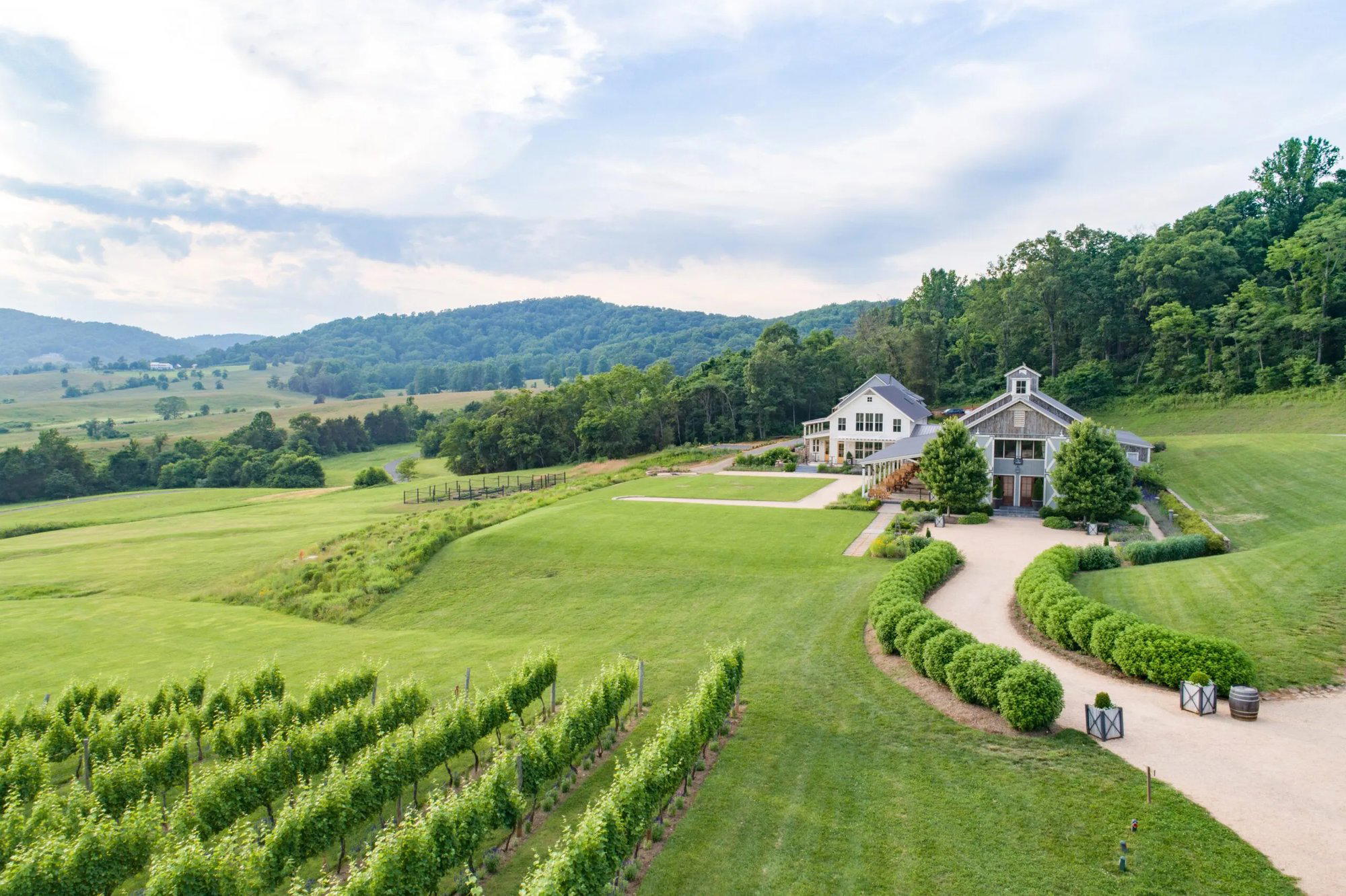
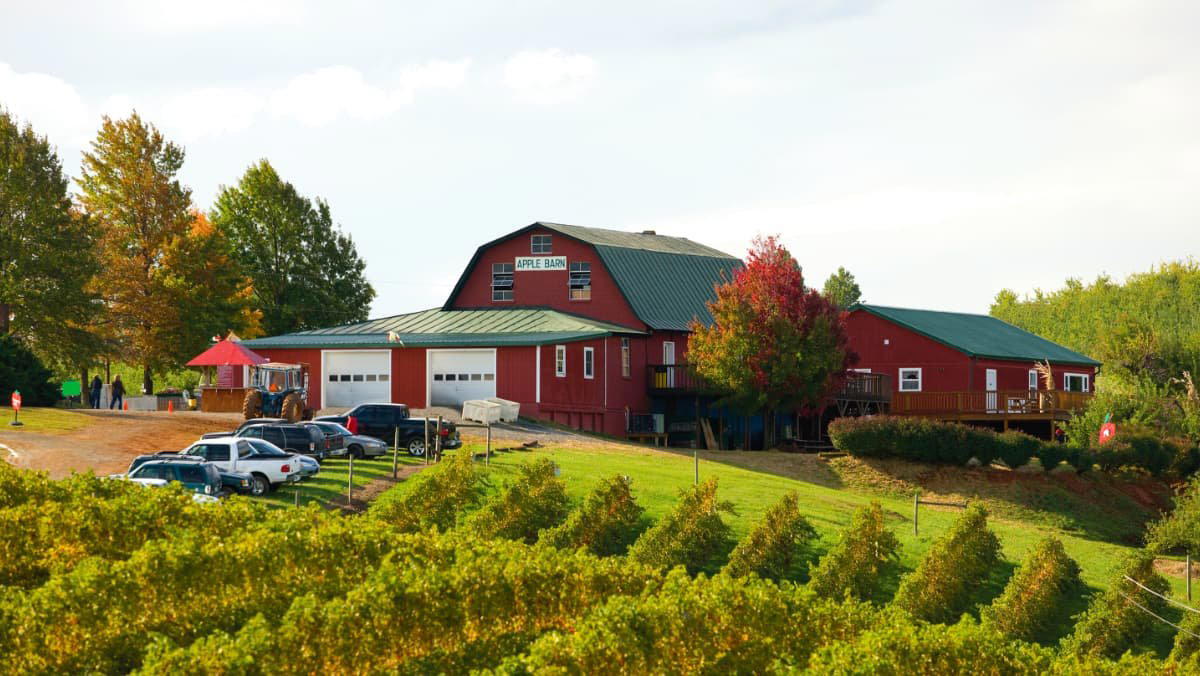
Approach Pippin Hill along Plank Road and the first thing you notice is that the land does the talking. The Blue Ridge mountains frame the western horizon, the rows of vines pull the eye down toward the valley floor, and the farmhouse architecture positions the whole experience as something agricultural before it is anything aspirational. That sequencing is deliberate. In Virginia's Monticello American Viticultural Area, the most credible farm-wineries lead with the terrain, and Pippin Hill earns its place in that tier by letting the physical environment function as the editorial argument for everything poured inside.
Monticello AVA: Why the Land Matters Here
The Monticello AVA sits at elevations ranging roughly from 400 to 1,200 feet in the foothills of the Blue Ridge, a geography that produces measurably different growing conditions than the coastal plain to the east. The region's soils shift between red clay loams, weathered schist, and decomposed granite, depending on aspect and altitude. These are not uniform, forgiving soils. They stress the vine in ways that concentrate flavor and moderate yields, producing wines that tend to be leaner and more acid-driven than their counterparts in warmer American appellations.
The climate compounds this. Monticello summers are warm but not hot by California standards, and harvest-season temperature swings between day and night preserve aromatic complexity in white varieties and build structure in reds without over-ripening. Viognier, planted in the region partly because of its French Rhône lineage and partly because it handles Virginia's periodic humidity better than more delicate varieties, has become something of a calling card for conscientious Monticello producers. Bordeaux varieties, particularly Cabernet Franc, have also found a genuine argument here: the grape's tolerance for cooler sites and its capacity for elegance over power align well with what the region's soils and climate actually deliver.
Pippin Hill's location in North Garden, south of Charlottesville on the gentler slopes of the foothills, positions it within this conversation. The farm's orientation and elevation, combined with Monticello's characteristic soil profile, mean that what ends up in the glass is not the result of corrective winemaking but of site-specific conditions expressing themselves through the vintage. That is the editorial claim that the Monticello AVA's better producers are entitled to make, and it is the framework through which Pippin Hill should be read. For those exploring comparable terroir-driven approaches across American wine regions, the contrast with West Coast counterparts like Adelaida Vineyards in Paso Robles or Adelsheim Vineyard in Newberg is instructive: different soils, different climates, but the same underlying logic of letting the land set the parameters.
The Farm-Winery Format at Its Considered End
Virginia has a distinctive winery culture that differs from Napa's estate-hospitality model or Willamette Valley's barn-tasting-room informality. The Monticello region's leading properties tend toward an integrated farm format, where the agricultural setting, the dining experience, and the wine tasting function as a single proposition rather than three separate revenue lines. At its less considered end, this format collapses into a catered-event venue with vineyards as backdrop. At its more serious end, the setting reinforces the wine's identity rather than distracting from it.
Pippin Hill operates in the latter register. The views across the vineyard and toward the mountains are not incidental atmosphere: they are a continuous argument for why this particular place produces this particular wine. Visitors planning a day here should note that the Monticello wine trail positions multiple producers within a reasonable drive of Charlottesville, making Pippin Hill a natural anchor for a broader regional itinerary. Those comparing Virginia's farm-winery approach against established California estate models might look at Alexander Valley Vineyards in Geyserville or Artesa Vineyards and Winery in Napa as useful reference points for scale and presentation contrast.
Planning Your Visit
Pippin Hill is located at 5022 Plank Road, North Garden, Virginia 22959, a roughly 20-minute drive south of Charlottesville. The approach from Charlottesville along Route 29 South and then Plank Road passes through a stretch of farmland that functions as a useful decompression before arriving at the property. Bookings and current hours should be confirmed directly through the property's official website, as seasonal programming and events affect availability, particularly during the autumn harvest period when Monticello wine country draws significant regional traffic. Spring and early summer tend to offer cleaner booking windows and the visual benefit of the vines in their growing season.
For those building a wider Virginia wine itinerary, the Monticello AVA's concentration of credible producers means a two-day visit to the Charlottesville area can cover meaningful ground without feeling rushed. The region's dining scene, anchored by Charlottesville itself, provides a natural evening counterpoint to daytime vineyard visits. Our full North Garden restaurants guide covers broader options in the area for those staying overnight.
Where Virginia Sits in the Broader American Wine Conversation
Virginia wine spent decades being discussed as a promising region perpetually on the verge of wider recognition. That framing has become less accurate. The Monticello AVA's Viognier, Cabernet Franc, and Petit Verdot have now accumulated enough consistent vintage evidence to shift the argument from potential to performance. Producers at the quality tier that Pippin Hill occupies are no longer making the case for Virginia as an emerging region; they are making individual wines that stand against peers from more established appellations on their own terms.
The comparison set for a Pearl 2 Star-designated property in this region is not the entry-level Virginia winery market. It is the mid-to-upper tier of American estate wineries where terroir expression, hospitality integration, and critical recognition together define the positioning. Producers like Au Bon Climat in Santa Barbara, Alban Vineyards in Arroyo Grande, or Andrew Murray Vineyards in Los Olivos occupy analogous niches in California, where a specific site's identity drives the wine identity rather than the other way around. The methodology differs by region, but the underlying logic is the same: the land sets the terms, and the winery's job is to translate those terms honestly. At Pippin Hill, the Blue Ridge foothills are the argument. The wines are the evidence.
How It Stacks Up
Comparable venues nearby, for context on price, style, and recognition.
| Venue | Cuisine | Price | Notes |
|---|---|---|---|
| Pippin Hill Farm & VineyardsThis venue — the venue you are viewing | Chardonnay, Cabernet Franc | $30–50 | Not listed |
| DuCard Vineyards | Cabernet Franc, Viognier | Not listed | Etlan |
| Slater Run Vineyards | Cabernet Franc, Cabernet Sauvignon | $30–50 | Upperville |
| Castle Hill Cider | Albemarle Pippin | Not listed | Keswick |
| Peaks of Otter Winery | Winery | Not listed | Blue Ridge Parkway |
| Cave Ridge Vineyard | Chambourcin, Viognier | $30–50 | Mount Jackson foothills |
Continue exploring
More in North Garden
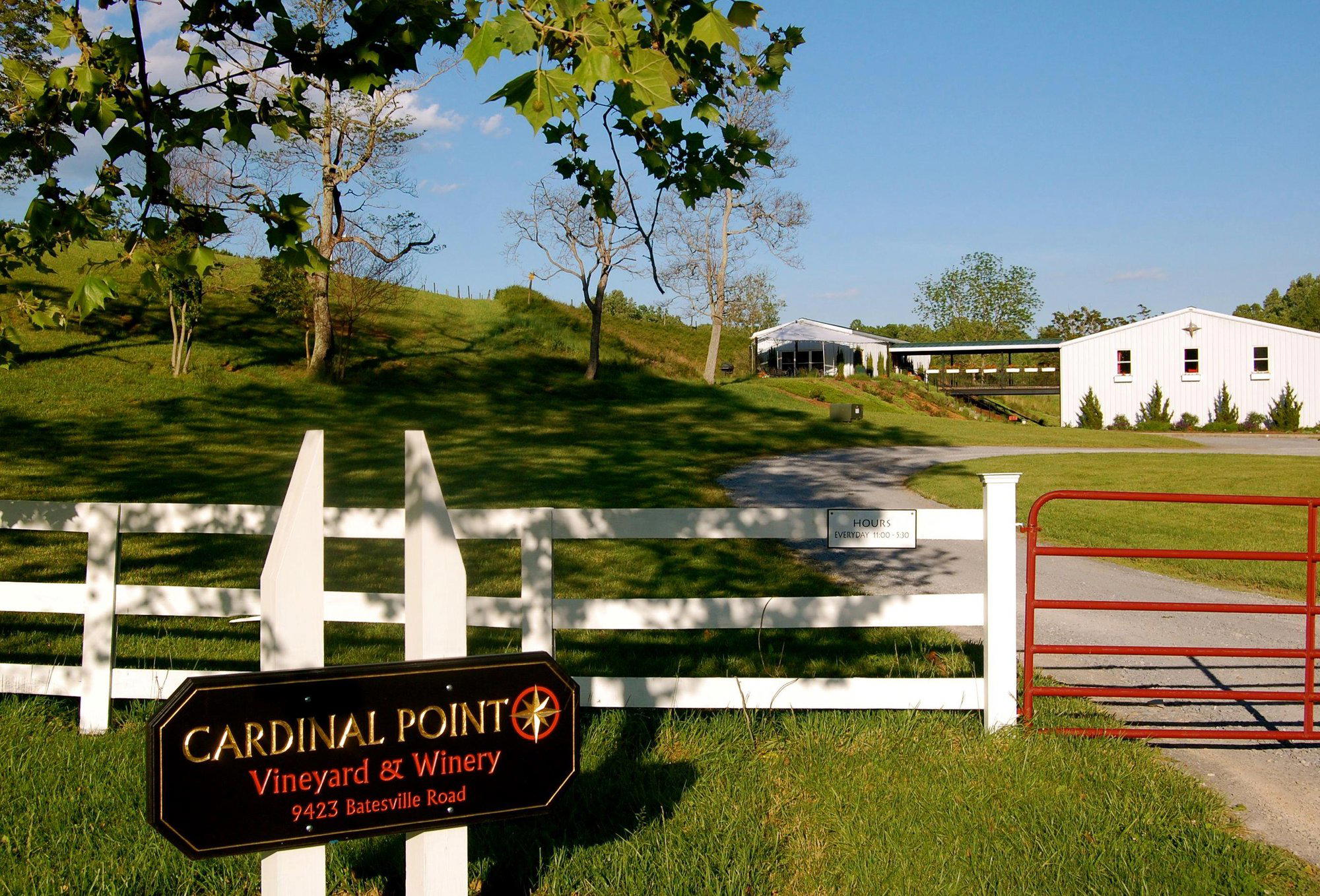
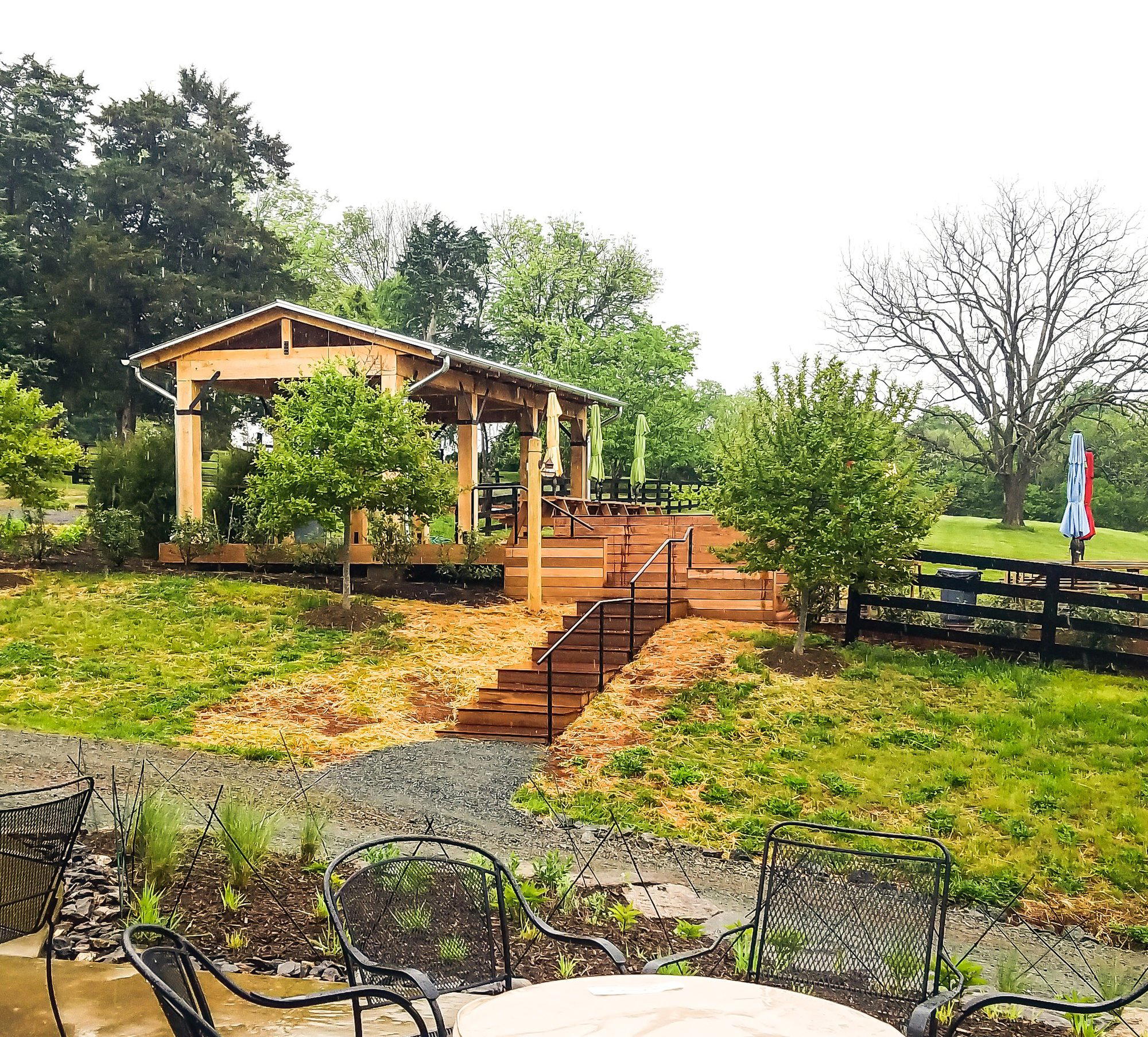
Wineries in North Garden
Browse all →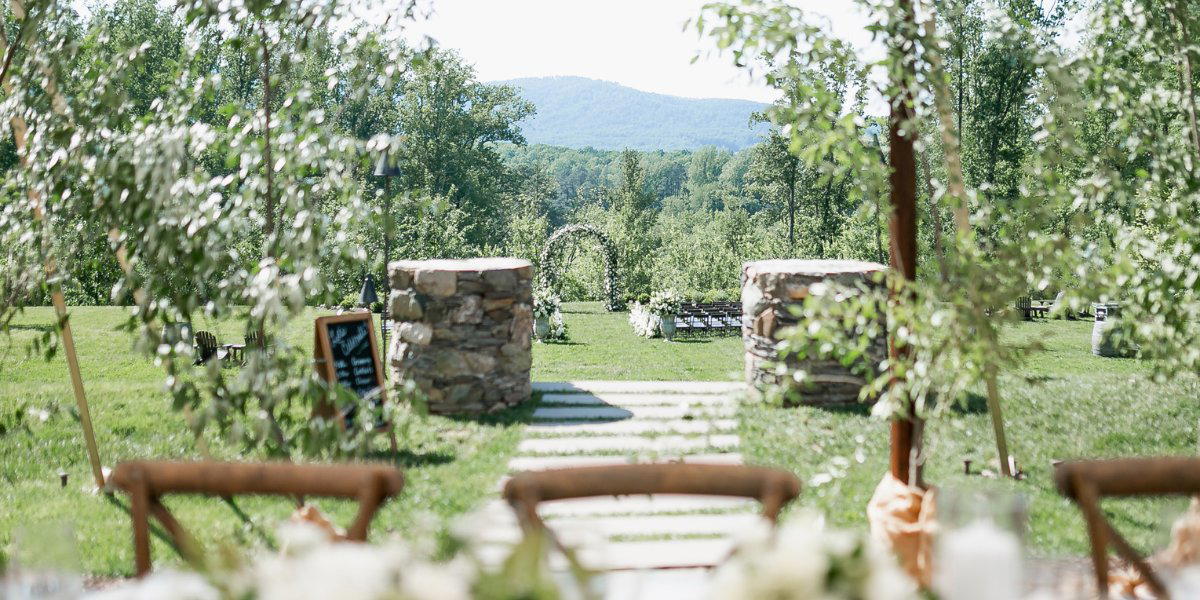
Bars in North Garden
Browse all →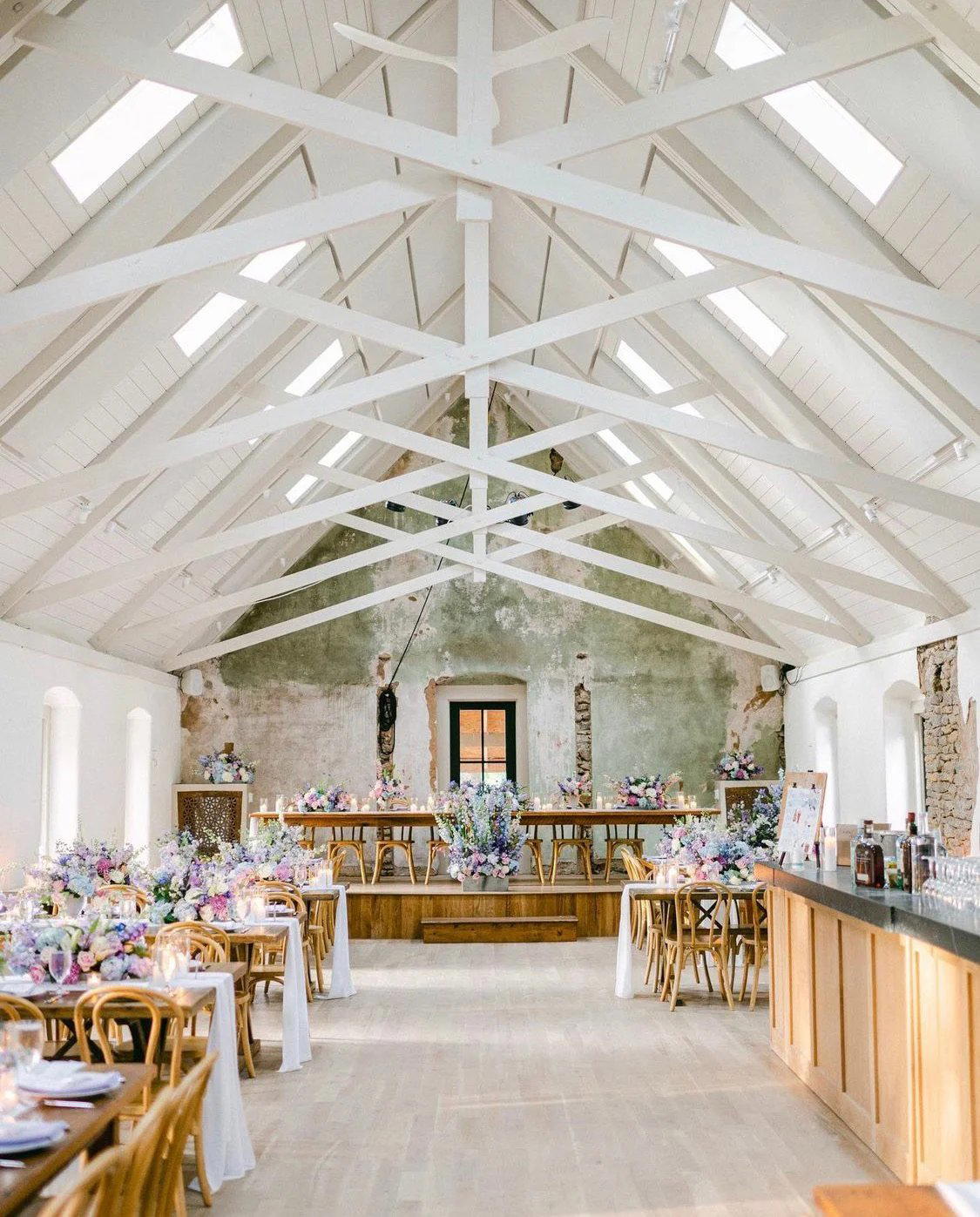
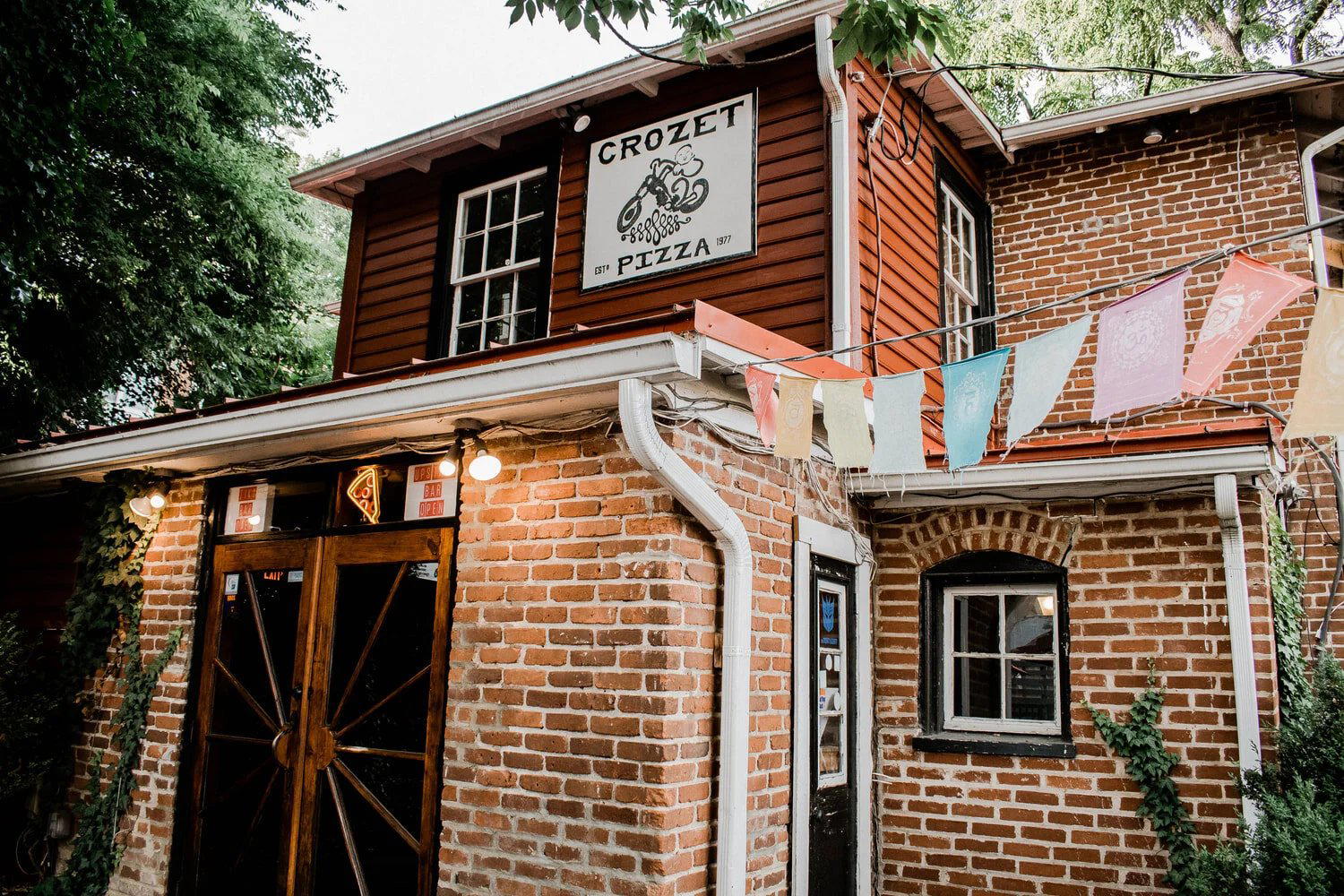
Restaurants in North Garden
Browse all →


Details
- Scenic
- Rustic
- Elegant
- Romantic
- Romantic Getaway
- Group Outing
- Celebration
- Wine Education
- Special Occasion
- Vineyard Tour
- Estate Grounds
- Garden
- Terrace
- Panoramic View
- Sustainable
- Vineyard
- Mountain
- Garden
- Chardonnay
- Cabernet Franc
- Petit Verdot
- Merlot
- Tannat
- Chambourcin
- Vidal Blanc
- Still Red
- Still White
- Sparkling
- Still Rosé
- Estate Tasting
- Reserve Tasting
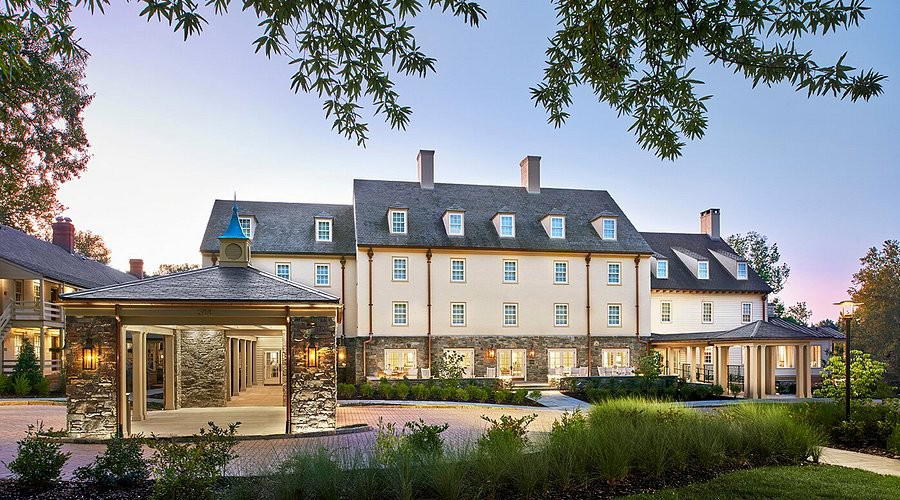
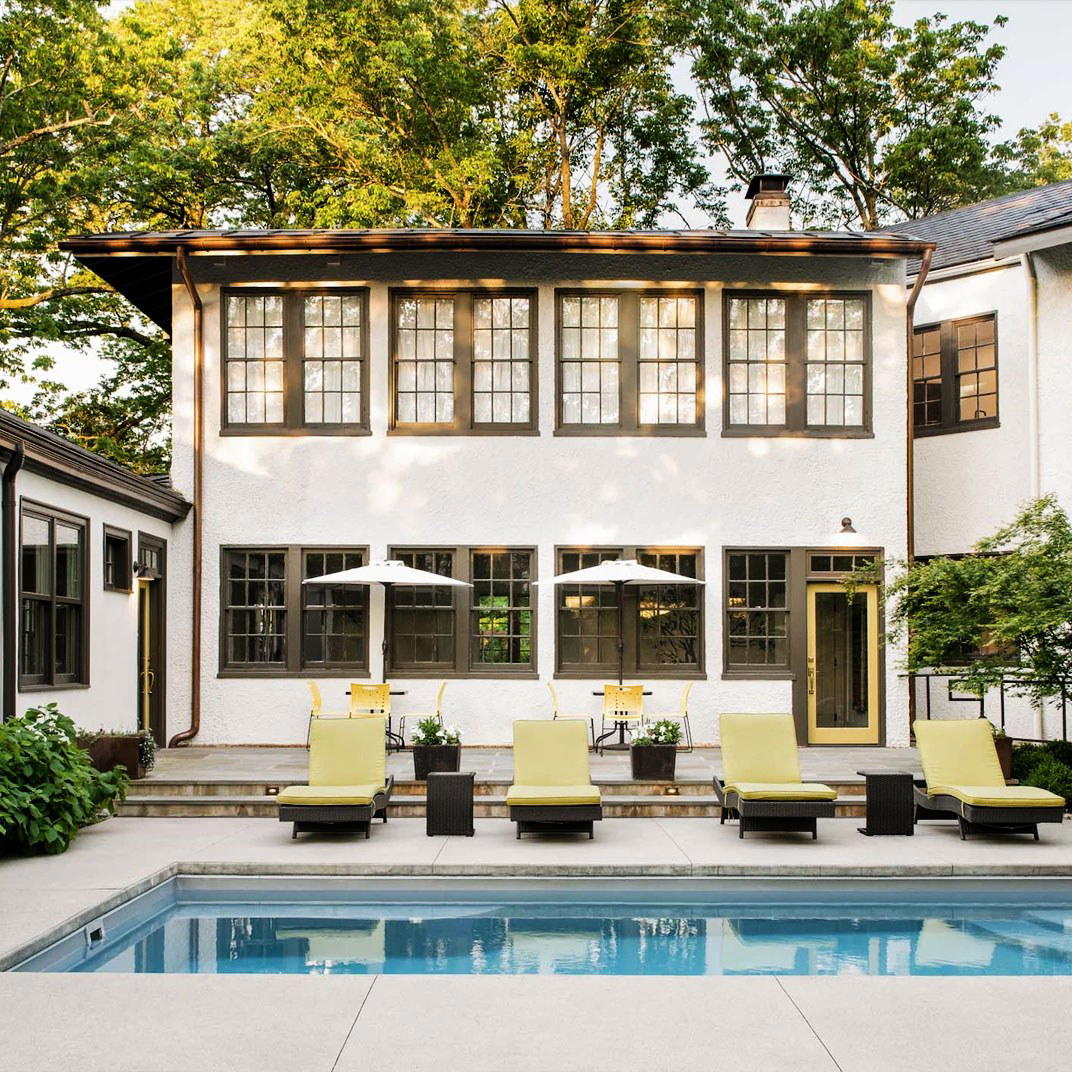
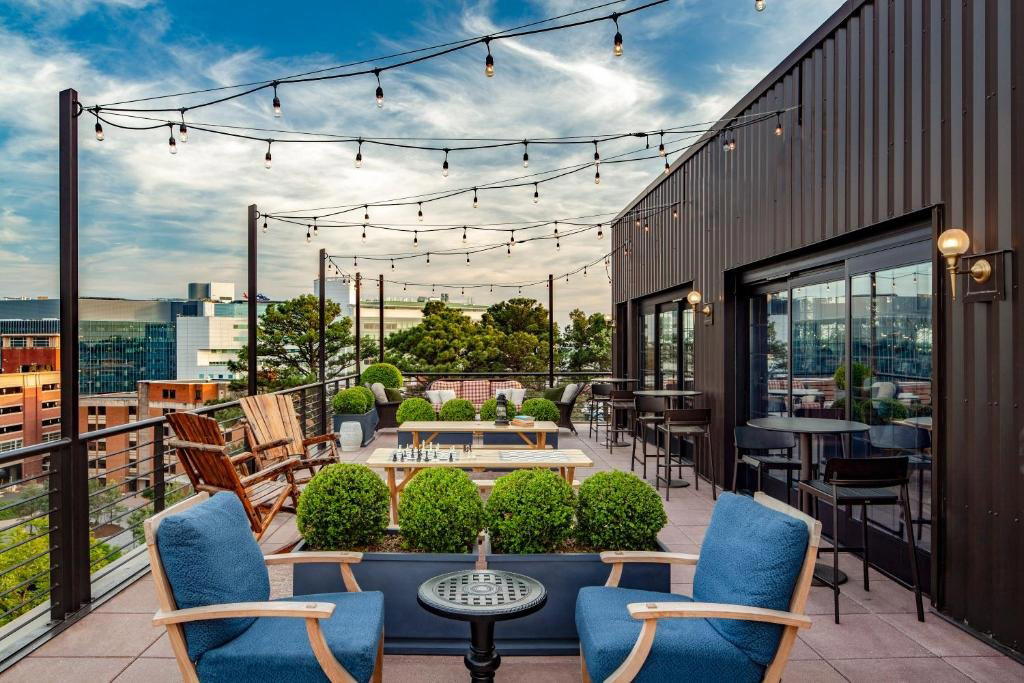
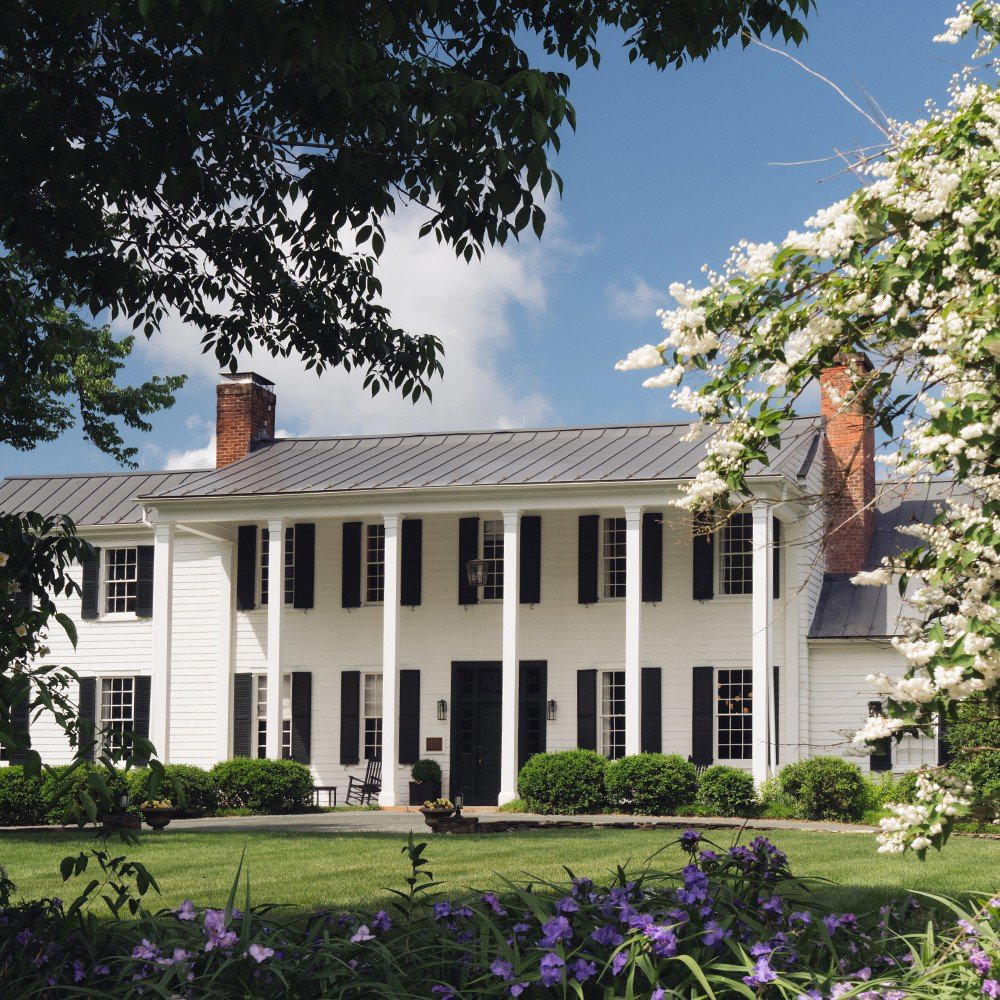
Relaxed elegance with far-reaching valley and hillside views, pleasant indoor spaces, covered veranda, and serene outdoor areas.