C & O Restaurant
Our verdict
C & O Restaurant on East Water Street has held a place in Charlottesville's dining culture long enough to function as a reference point for the city's relationship with ingredient-led cooking. Situated in a neighbourhood where farm country meets university-town appetite, it operates in a register that rewards repeat visits over one-time curiosity. A useful anchor when mapping the city's mid-to-upper dining tier.

Pearl is the En Primeur Club membership app — saves, bookings, and concierge access live there. Same editors, same standards.
- Address
- 515 E Water St, Charlottesville, VA 22902
- Phone
- (434) 971-7044
- Hours
- Mon ClosedTue–Sat 5–9 PMSun Closed
- Website
- candorestaurant.com
- Directions
- Get directions
- Booking
- Book on OpenTable
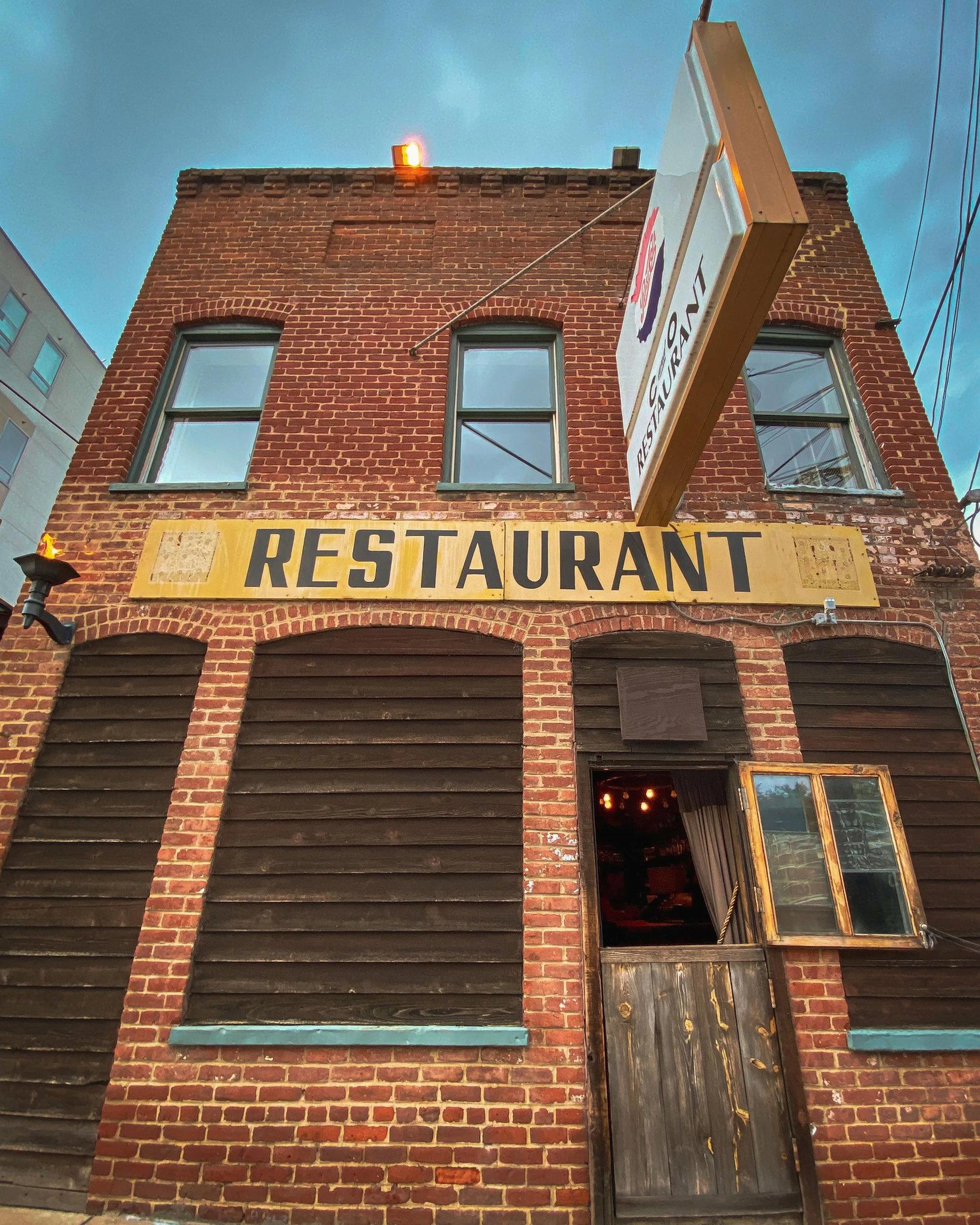
The menu
What to order
- Steak chinois
- Seared scallops
- Vegetable soup
East Water Street and the Logic of Charlottesville's Dining Scene
Charlottesville sits inside one of the Mid-Atlantic's more productive agricultural corridors. The Piedmont region, which stretches between the Blue Ridge and the tidal fall line, produces a calendar of ingredients that shifts reliably across the year: spring ramps and morels, summer stone fruit and heirloom tomatoes, autumn squash and heritage pork, winter root vegetables and preserved goods from the warmer months. That seasonal rhythm has shaped how the city's serious restaurants position themselves, and C & O Restaurant at 515 East Water Street has operated long enough within that context to reflect the city's accumulated thinking about what a dining room in this part of Virginia should do.
East Water Street sits just south of the Downtown Mall, Charlottesville's pedestrian spine, in a stretch that leans residential and low-key rather than commercial and high-traffic. The approach to C & O signals a restaurant that has earned its reputation without needing to announce itself loudly. That positioning, in a city where the University of Virginia supplies a steady base of educated, curious diners and the surrounding wine country draws regional visitors, puts a certain kind of pressure on consistency. Charlottesville's dining public knows what it wants and has other options: Fleurie Restaurant occupies the French-leaning formal end of the market, The Mill Room anchors the hotel-dining tier, and Vintage Restaurant works the American farmhouse angle explicitly. C & O has persisted alongside all of them.
Ingredient Sourcing as the Central Argument
The most coherent way to understand C & O's position in Charlottesville's dining order is through the lens of where the food comes from. Virginia's farm-to-table infrastructure has matured considerably over the past two decades. The state's agricultural economy includes working farms within a short drive of the city, and the region's growing number of small producers, from pastured protein operations to market gardeners, has given restaurants genuine sourcing options rather than aspirational marketing language. In that context, a restaurant that takes sourcing seriously is not differentiating itself from the national mainstream — it is simply meeting the local expectation.
This matters because it sets a different quality floor than you find in cities where ingredient provenance is a premium add-on rather than a baseline. When sourcing is structural rather than promotional, it changes what the kitchen is accountable for. The vegetables are not decorative; they carry the dish. The proteins are not interchangeable commodity cuts; their specific character has to be handled correctly. Restaurants that operate this way in agricultural regions tend to develop stronger kitchen discipline over time, because the ingredient itself exposes technical weakness more readily than a sauce-heavy or technique-first approach would. C & O's longevity on the Charlottesville scene suggests that discipline has been maintained.
For comparison, the farm-sourcing model that defines restaurants like Blue Hill at Stone Barns in Tarrytown or Single Thread Farm in Healdsburg operates at a different scale of investment and recognition. Those are destination restaurants built around vertically integrated farm operations with international profiles. Charlottesville's version of the same underlying argument is more embedded and less theatrical, which is consistent with how the city understands itself. The same regional sourcing ethic also runs through institutions like Smyth in Chicago and informs the market-driven menus at Lazy Bear in San Francisco, though those operations work within much larger and more competitive urban dining ecosystems.
Where C & O Sits in the City's Competitive Tier
Charlottesville is not a city where the dining hierarchy spreads across dozens of peer venues at each price point. The upper tier is relatively compact. 1799 at The Clifton competes on property experience and occasion dining. Fleurie holds the classical French register. The Mill Room operates within a hotel context that shapes its audience. C & O occupies a position that is neither hotel-anchored nor narrowly cuisine-defined, which gives it a different kind of flexibility — and a different kind of exposure. A restaurant that does not have a genre or a property to lean on has to earn its place through the food and the room alone.
That is also what makes C & O a reasonable reference point when thinking about how Charlottesville's dining scene compares to restaurant cultures in cities with more concentrated fine-dining infrastructure. Operations like The Inn at Little Washington in nearby Washington, Virginia, or Providence in Los Angeles or Addison in San Diego represent what happens when ingredient-led thinking is applied at the highest resource level. C & O operates closer to the ground, in a city that values substance over spectacle, and that alignment between venue character and audience expectation is worth something on its own terms.
For visitors working through the city's food options, The Counter Café handles the daytime and quick-bite end of the market, while C & O functions in the sit-down evening register. The full shape of what Charlottesville offers across price points and formats is mapped in our full Charlottesville restaurants guide.
Planning a Visit
515 East Water Street is walkable from the Downtown Mall, which makes C & O accessible without a car for anyone staying centrally. The East Water Street address also puts it a short distance from the city's main hotel corridor. Visitors arriving from outside Charlottesville who are building a dining itinerary around the region's wine country, Monticello Wine Trail producers sit within a 20-to-30-minute drive, will find that C & O fits a dinner-after-vineyard-visits rhythm naturally. Booking directly through the restaurant is the standard approach; the venue does not carry the multi-month advance booking pressure of destination restaurants at the level of The French Laundry in Napa or Atomix in New York City, though local demand does make advance reservations sensible, particularly on weekends during the academic year and harvest season.
Frequently asked questions
Is C & O Restaurant a family-friendly restaurant?
C & O's East Water Street location and proximity to the Charlottesville Downtown Mall make it physically accessible for families, but the restaurant's positioning in the city's upper dining tier suggests an atmosphere oriented toward adult diners. Families with older children who can engage with a more deliberate dining pace will find it more comfortable than those with young children. Checking directly with the restaurant before booking is advisable.
Is C & O Restaurant better for a quiet night or a lively one?
C & O sits in Charlottesville's competitive upper dining tier, which in this city means a room built around the food rather than the scene. East Water Street draws a mix of locals and visitors from the Downtown Mall corridor, so the energy shifts depending on the night and the hour. Earlier seatings tend toward the quieter end; later on weekends read differently.
Does C & O Restaurant reflect Charlottesville's local farming and wine culture on its menu?
Charlottesville sits inside one of Virginia's most productive agricultural zones, and C & O's position in the city's dining order is closely tied to that supply chain. The Piedmont corridor, which feeds much of the region's serious kitchens, gives restaurants at 515 E Water St access to ingredients that define what Mid-Atlantic farm-driven cooking looks like in practice. Virginia's wine country, centered on the nearby Monticello AVA, adds another local dimension worth exploring when planning a visit.
What's the signature dish at C & O Restaurant?
Dishes anchored to local farms and Mid-Atlantic ingredients are the throughline rather than a single fixed signature item.
How It Stacks Up
Comparable venues nearby, for context on price, style, and recognition.
| Venue | Cuisine | Price | Awards | Notes |
|---|---|---|---|---|
| C & O RestaurantThis venue — the venue you are viewing | Country French Bistro | $50–100 | Not listed | Not listed |
| The Counter Café | American Bakery Café | Not listed | Not listed | Keswick |
| Fleurie Restaurant | Contemporary French Fine Dining | $100–150 | Star Wine List | Downtown |
| 1799 at The Clifton | Seasonal Mid-Atlantic Fine Dining | $100–150 | Wine Spectator Award of Excellence | countryside |
| The Mill Room | Contemporary Southern American | $50–100 | Not listed | Boars Head |
| Vintage Restaurant | Seasonal Regional American | $50–100 | Wine Spectator Award of Excellence · Forbes 4-Star | Orange |
Continue exploring
More in Charlottesville
Restaurants in Charlottesville
Browse all →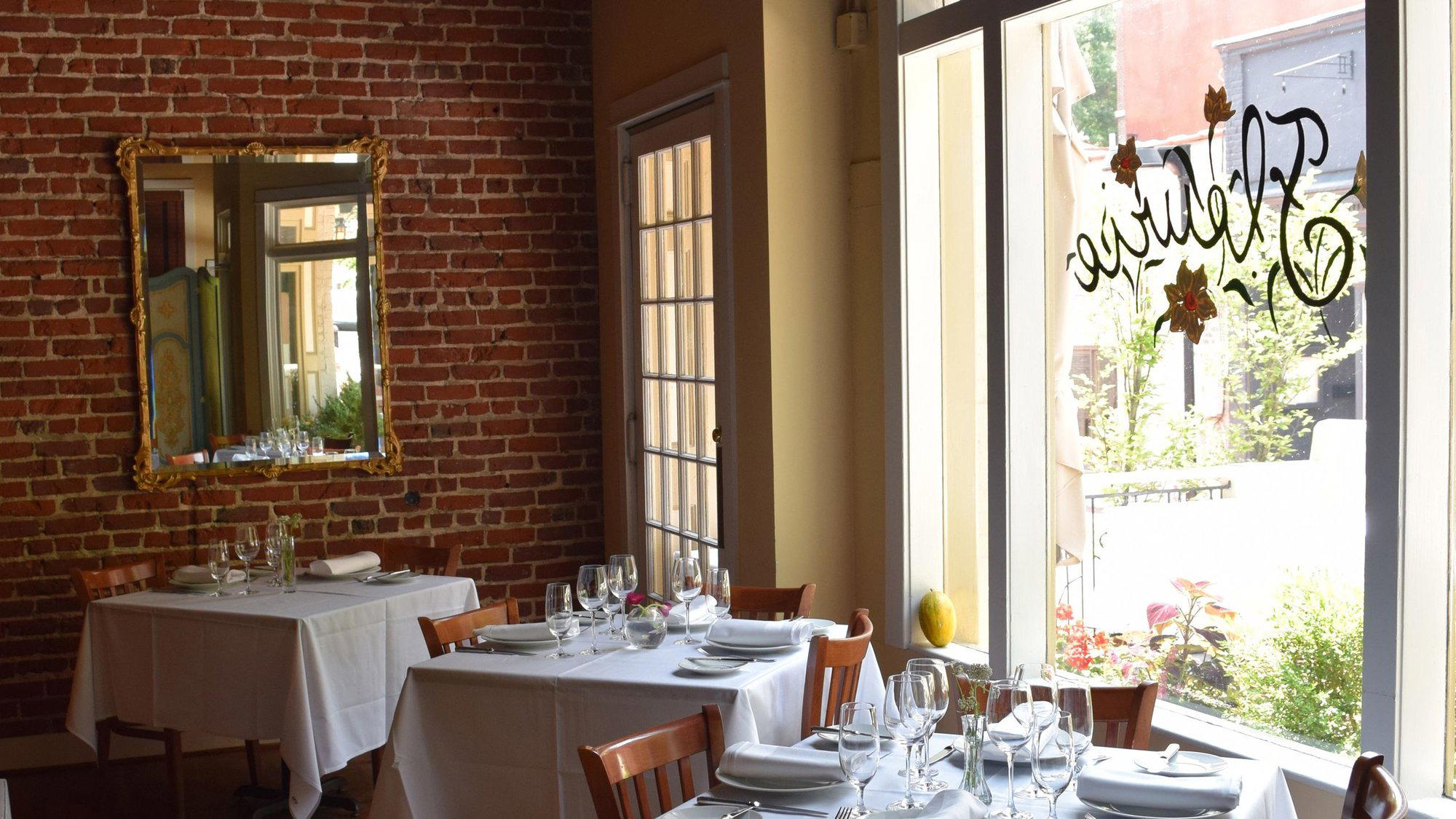
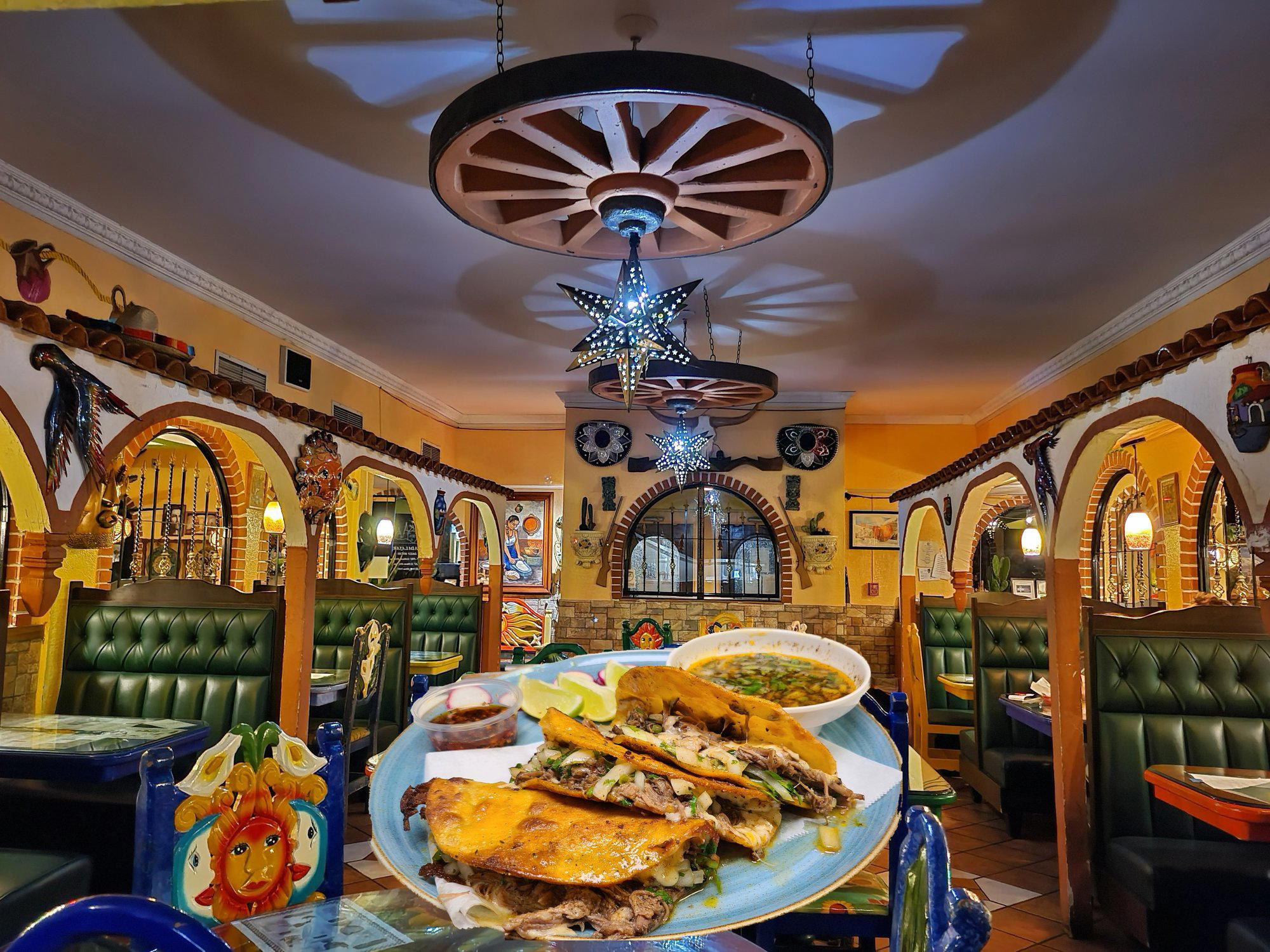

Bars in Charlottesville
Browse all →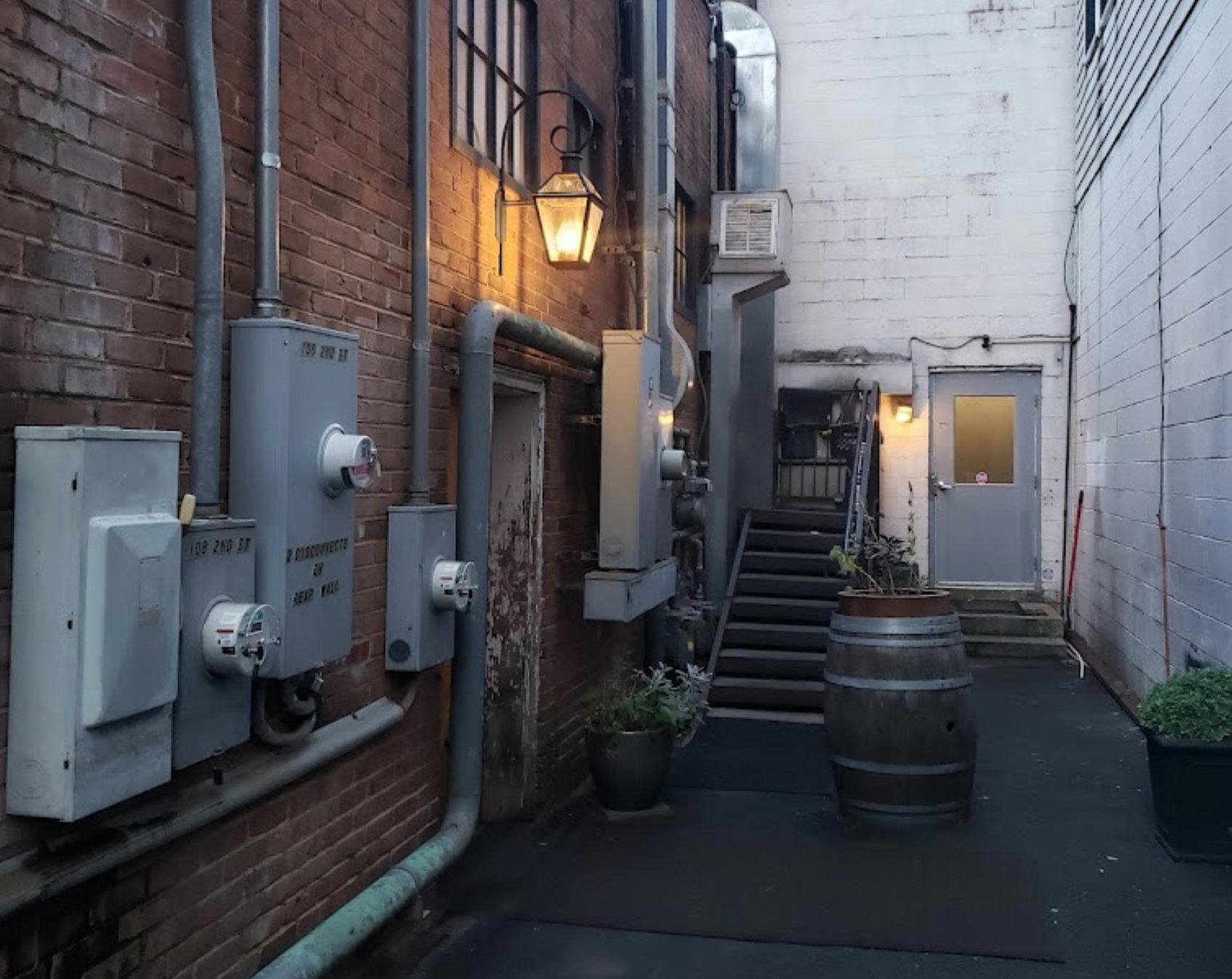
Hotels in Charlottesville
Browse all →
Details
- Intimate
- Cozy
- Elegant
- Classic
- Date Night
- Special Occasion
- Business Dinner
- Private Dining
- Historic Building
- Local Sourcing
- Farm To Table
- A La Carte
- Vegetarian Friendly
- Gluten Free Options
Current opening hours
- Monday
- Closed
- Tuesday
- 5–9 PM
- Wednesday
- 5–9 PM
- Thursday
- 5–9 PM
- Friday
- 5–9 PM
- Saturday
- 5–9 PM
- Sunday
- Closed
Hours can change for holidays and private events. Last verified .
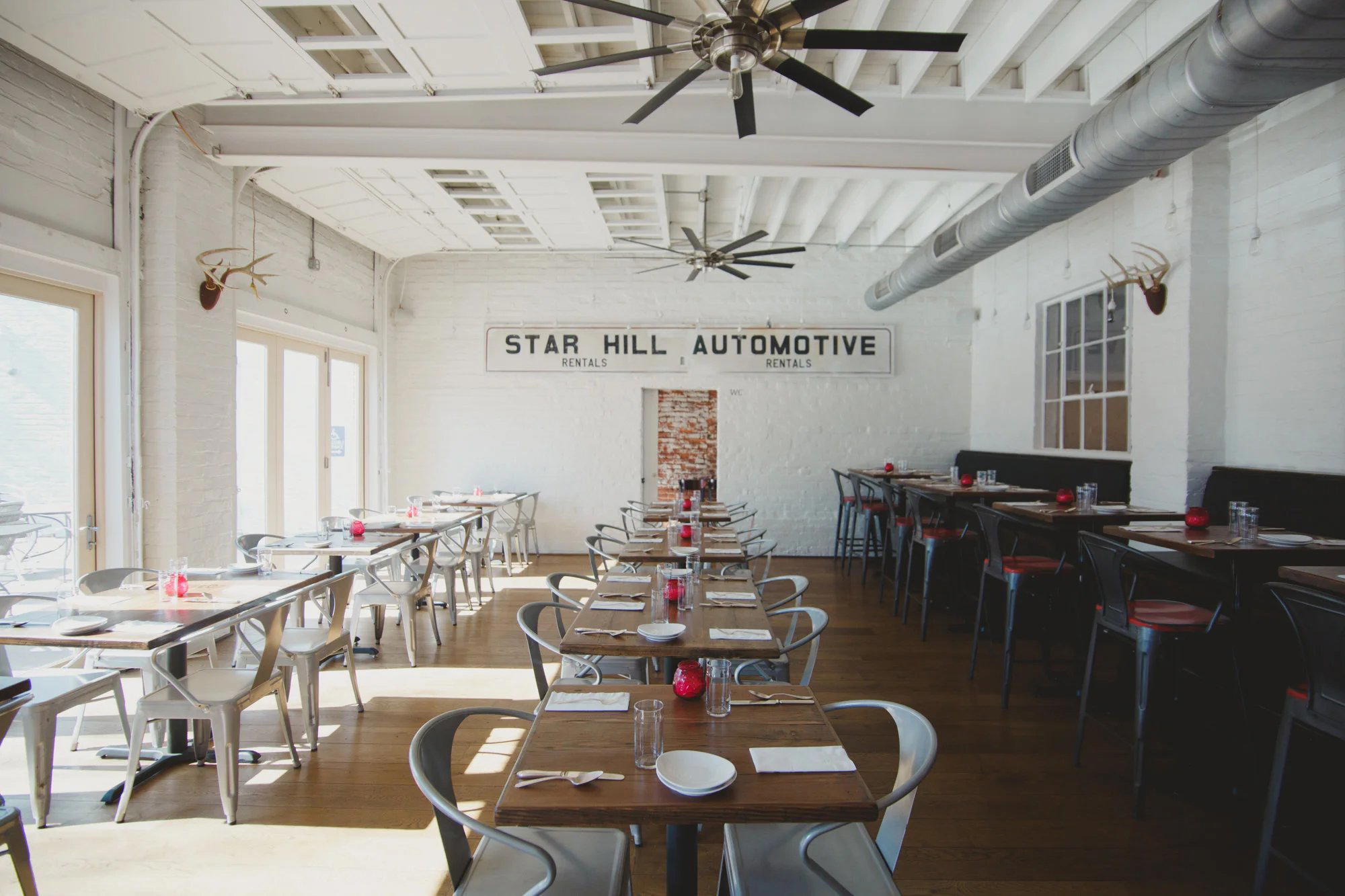
Cozy and intimate atmosphere with tight seating, white-tablecloth service, and a warm, charming vibe in multiple dining rooms including bistro, mezzanine, and upstairs.