Castle Hill Cider
Castle Hill Cider operates from a historic Keswick, Virginia estate where the Albemarle County terroir shapes every ferment. The setting, the land, and the orchard-driven approach make it a serious stop for anyone tracing the state's fermented beverage identity beyond wine.
Pearl is the En Primeur Club membership app — saves, bookings, and concierge access live there. Same editors, same standards.
- Address
- 6065 Turkey Sag Rd, Keswick, VA 22947
- Phone
- +1 434-365-9429
- Website
- castlehillcider.com
- Directions
- Get directions
 Saves & bookings on Pearl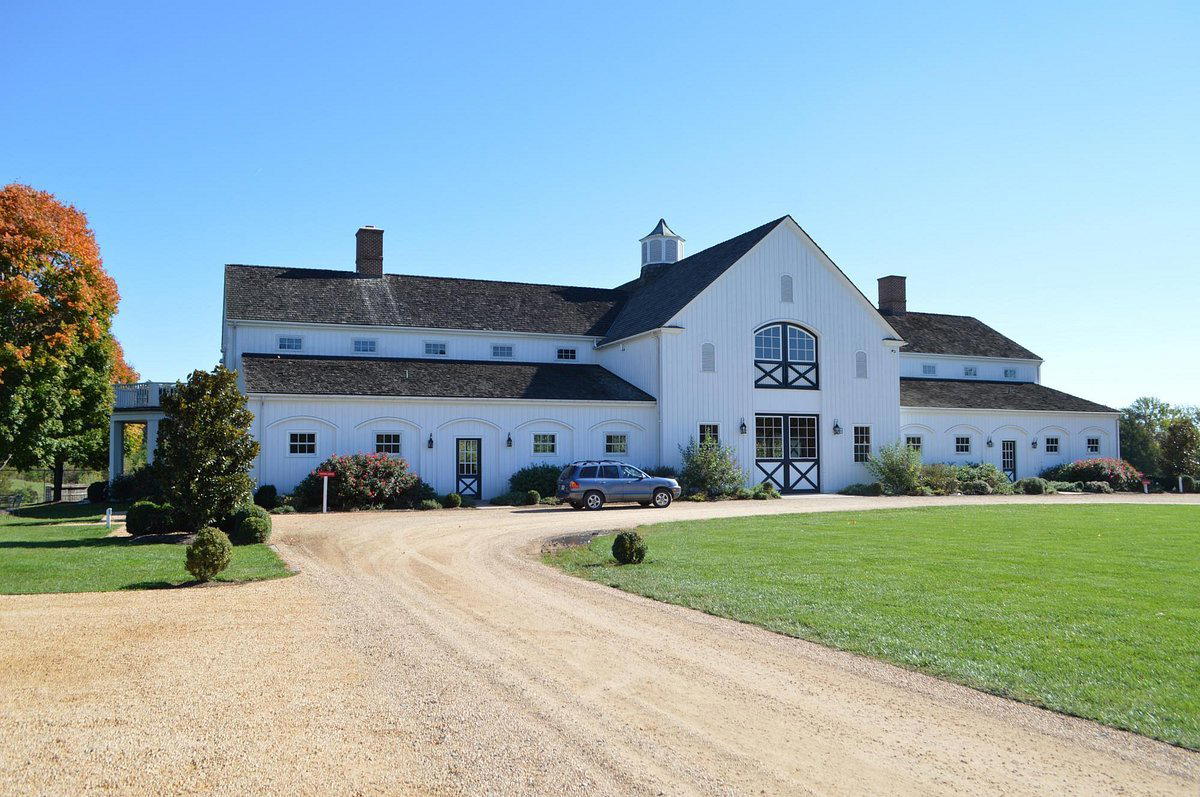
Where Piedmont Terroir Meets the Orchard
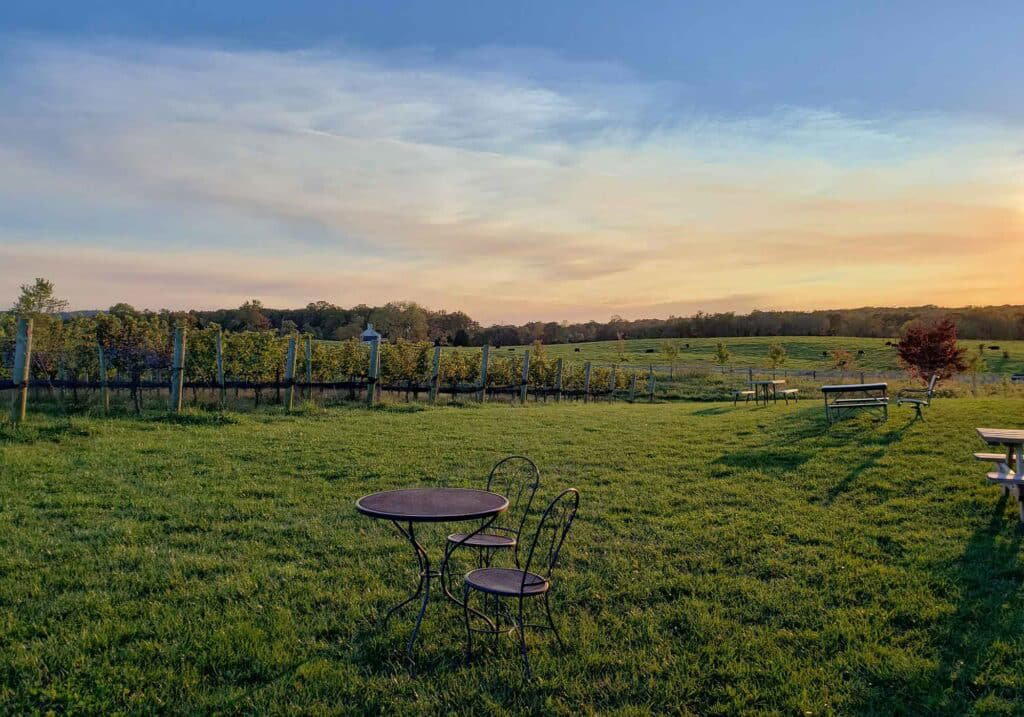
The rolling farmland of Albemarle County, Virginia has long been associated with Thomas Jefferson's viticultural ambitions at Monticello, but the land has always grown more than grapes. The Keswick area, sitting in the eastern Piedmont at the foot of the Blue Ridge Mountains, carries a clay-loam soil profile and a climate marked by warm summers and cool autumn nights — conditions that bear directly on how fermented orchard fruit develops its acidity, tannin, and aromatic character. Castle Hill Cider, located at 6065 Turkey Sag Rd, positions itself squarely within that agricultural tradition, drawing on the estate's landscape to produce ciders that reflect a specific sense of place rather than a generic American craft-beverage template.
Virginia's craft cider scene has grown considerably over the past decade, maturing from novelty status into a category with identifiable regional styles. The Shenandoah Valley and Albemarle County function as its two most credible production zones, each with distinct microclimate influences. The Keswick corridor sits close enough to the mountains to benefit from elevation-driven temperature variation without losing the ripening potential that the Piedmont's sun exposure provides. That tension between warmth and cool-down is audible in the leading eastern ciders: fruit that reaches phenolic maturity while retaining the tartness that keeps a cider structured rather than flabby. Producers working with estate-grown or locally sourced heirloom apples in this region have an argument for terroir expression that rivals what Virginia's more prominent wine producers make for their Viognier and Cabernet Franc.
The Estate and the Approach
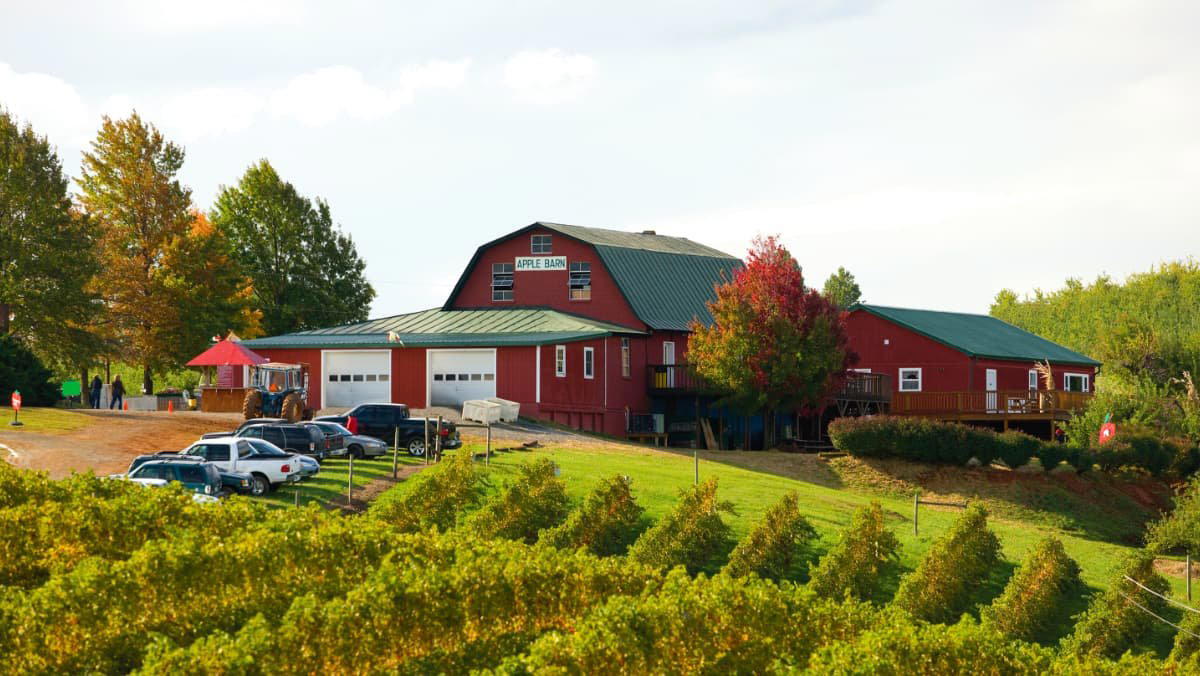
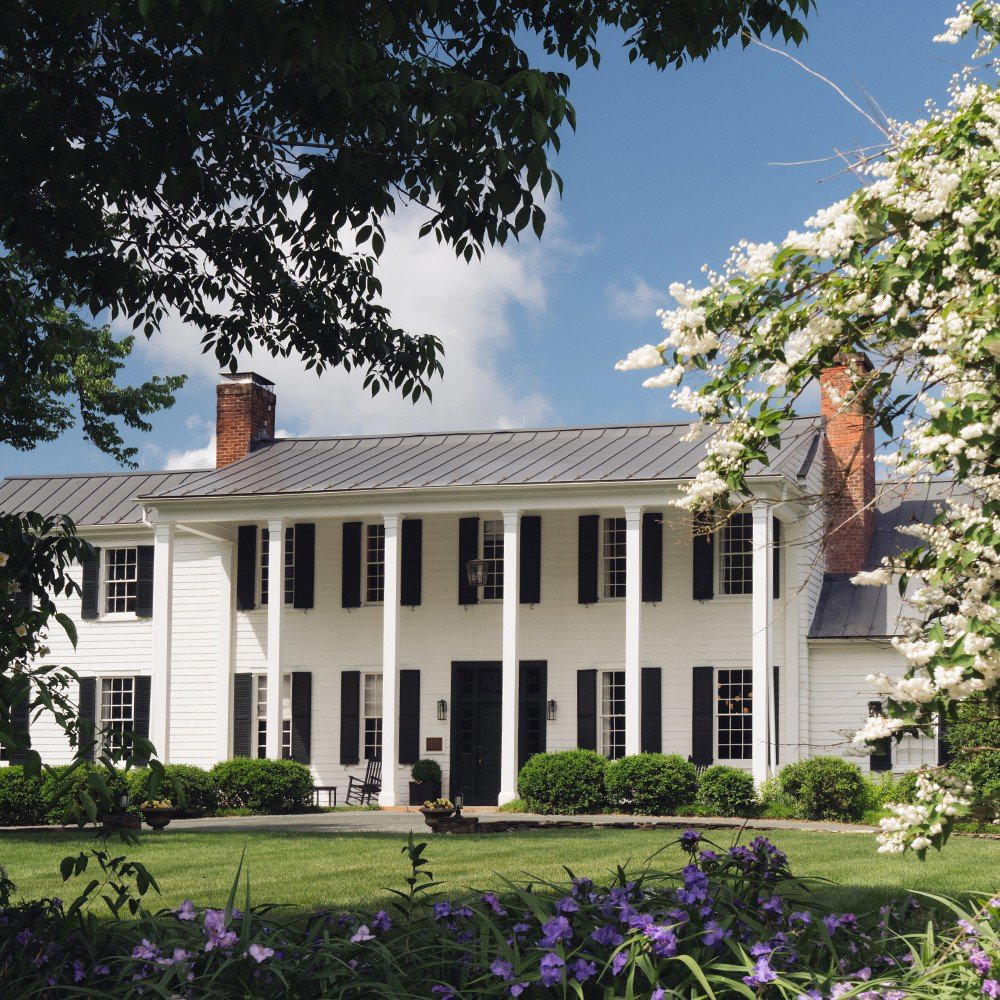
Castle Hill's address places it on a historic Keswick property, and the physical experience of arriving reflects that. The farm setting is not an architectural afterthought dropped onto a production site; the land, the orchards, and the built environment have accumulated history together. That kind of depth is rare in American craft beverage, where most producers occupy purpose-built facilities that could exist in any county in any state. Here, the orchard sits within an older agricultural context, and the ciders produced carry a connection to that rootedness that is difficult to manufacture elsewhere.
For visitors coming from Charlottesville — the nearest significant urban center, roughly 15 miles west, the drive along rural Albemarle County roads is part of the transition into the estate's register. The approach matters at a place like this. It calibrates expectations away from winery-tasting-room conventions and toward something quieter and more agrarian. Those accustomed to the tasting room formats at Keswick Vineyards nearby will find that Castle Hill operates in a related but distinct mode: the fruit is different, the fermentation logic is different, and the sensory reference points shift accordingly.
In a category where most national attention still gravitates toward wine and spirits, a structured prestige rating for a cider producer carries meaningful competitive positioning. It signals that the production approach here has been found consistent, technically accomplished, and distinctive enough to merit serious critical attention.
For context, that kind of recognition in the cider world functions differently than a Michelin star or a 50 Best ranking in hospitality. The American cider category lacks a single dominant critical authority, which means any sustained award record across legitimate frameworks carries weight proportionate to that scarcity. Two-star prestige in the Pearl system places Castle Hill above the majority of American craft cider operations and aligns it with producers taking a comparably rigorous approach in other regions, whether that is the traditional method houses of England's West Country or the keeved cider producers of Normandy. Producers working at this level anywhere in the world share a common set of commitments: orchard sourcing that prioritizes bittersweet and bittersharp varieties over culinary apples, fermentation that allows character rather than suppresses it, and a resistance to the residual sweetness that dominates commercial cider output.
Comparing across the broader EP Club roster of recognized beverage producers, the 2 Star Prestige tier sits comfortably within the company of credentialed American producers from established wine regions. Operations such as Adelaida Vineyards in Paso Robles, Alban Vineyards in Arroyo Grande, and Andrew Murray Vineyards in Los Olivos share the distinction of producing regionally specific beverages that reflect deliberate land-based choices. Castle Hill occupies an equivalent position in the cider category, where terroir argument and technical execution converge.
Virginia Cider in Its Wider Beverage Context
Understanding Castle Hill requires a brief reckoning with where Virginia sits in American beverage culture. The state's wine industry, anchored in Charlottesville, has spent thirty years building a credible identity around Viognier and Bordeaux blends, with occasional Burgundian experiments. That effort has produced serious producers and attracted critical attention from publications and rating systems that previously looked only westward. The cider sector has followed a parallel, slightly delayed trajectory. Producers in Albemarle County and the northern Shenandoah have begun making the case that Virginia's apple heritage, which predates its wine culture by centuries, deserves comparable critical infrastructure.
The argument rests on variety and history as much as climate. Virginia's apple-growing tradition includes heirloom cultivars, some dating to colonial-era orchards, that carry flavor profiles suited to dry fermented cider rather than dessert consumption. When those varieties are fermented without excessive intervention, without added sugar, without arrested fermentation to manufacture sweetness, without heavy carbonation to mimic soda, the resulting cider occupies a category closer to natural wine than to the carbonated apple beverages that dominate retail shelf space. Castle Hill's recognized prestige suggests its production falls into that more serious register.
Visitors already familiar with the range of approaches taken by producers such as Accendo Cellars in St. Helena, Artesa Vineyards and Winery in Napa, or Alpha Omega Winery in Rutherford will recognize the underlying logic at Castle Hill: estate identity expressed through fermentation discipline. The fruit changes; the commitment does not.
Planning a Visit
Castle Hill Cider is located in rural Keswick, which means a car is the practical means of arrival for almost all visitors. The property sits outside walkable range of any town center, and the drive from Charlottesville through eastern Albemarle County gives a genuine sense of the agricultural geography that shapes the product. Visitors planning a broader Keswick itinerary should note that the area's other recognized producers, including Keswick Vineyards, sit within a short drive, making a half-day circuit of the corridor viable. Booking or confirming tasting availability directly with the estate before visiting is advisable given rural production sites in this region often operate on limited hours or appointment models, particularly outside peak season. Our full Keswick guide covers the broader context for planning time in the area.
For those building a wider American craft beverage itinerary, Castle Hill connects logically to Virginia wine country rather than requiring a detour from it. The Charlottesville hub serves both categories, and the critical recognition Castle Hill has earned in 2025 makes it a justifiable destination in its own right, not merely an add-on to a Monticello wine trail loop. Internationally oriented producers worth cross-referencing include Adelsheim Vineyard in Newberg, Au Bon Climat in Santa Barbara, Aubert Wines in Calistoga, B.R. Cohn Winery in Glen Ellen, Alexander Valley Vineyards in Geyserville, Aberlour in Aberlour, and Achaia Clauss in Patras for a sense of how estate-rooted production philosophy expresses itself across regions and categories.
Continue exploring
More in Keswick
Wineries in Keswick
Browse all →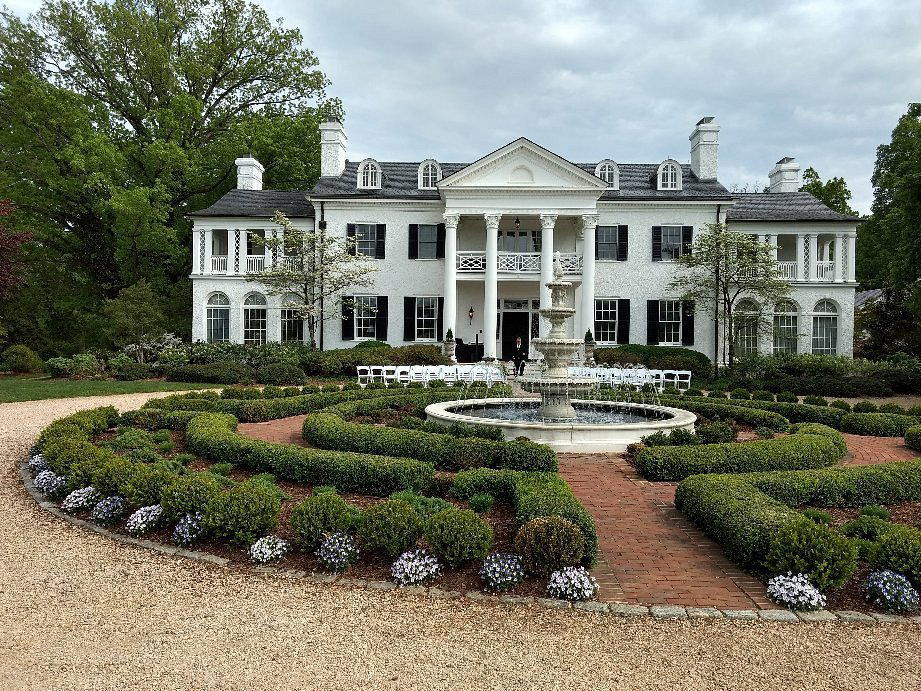
Bars in Keswick
Browse all →
Restaurants in Keswick
Browse all →





At a Glance
- Rustic
- Scenic
- Romantic
- Historic
- Group Outing
- Celebration
- Special Occasion
- Estate Grounds
- Terrace
- Historic Building
- Panoramic View
- Mountain
- Vineyard
- Albemarle County
- Albemarle Pippin
- Flight Tasting
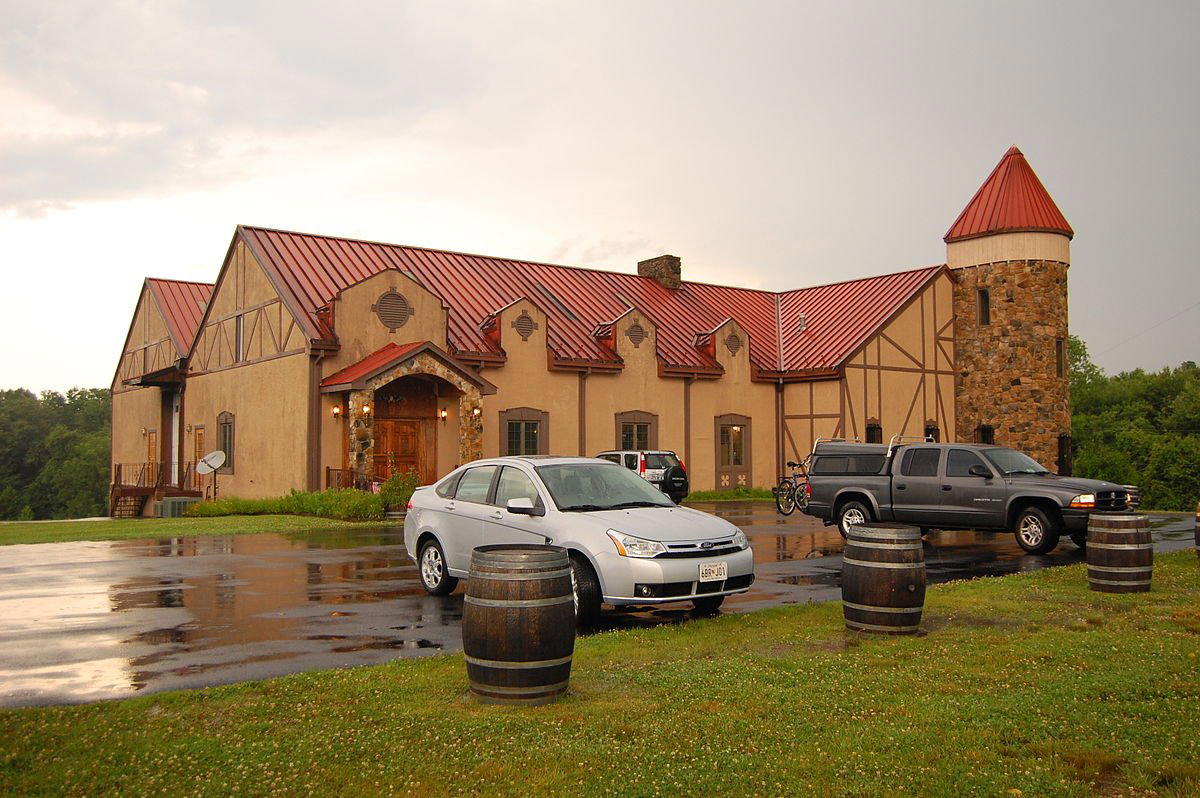
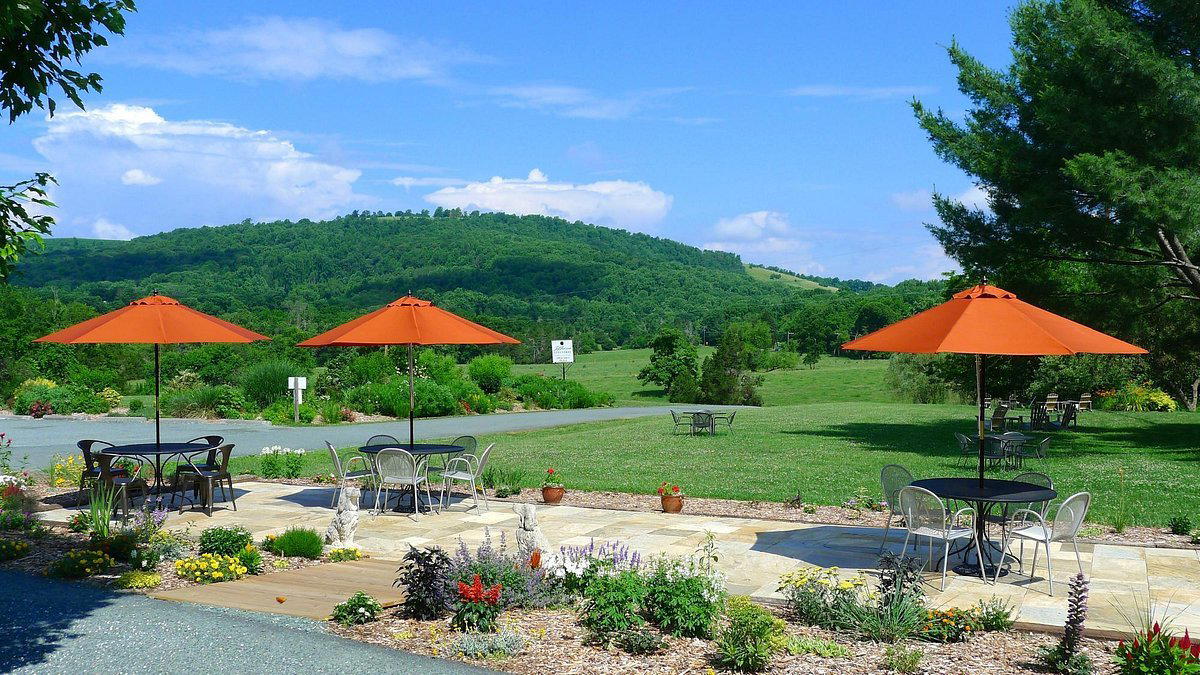
Rustic barn tasting room with fieldstone fireplace, white oak paneling, and far-reaching views of rolling hills, mountains, orchards, and lake.
Know Before You Go
- Getting there
- 6065 Turkey Sag Rd, Keswick, VA 22947