Slater Run Vineyards
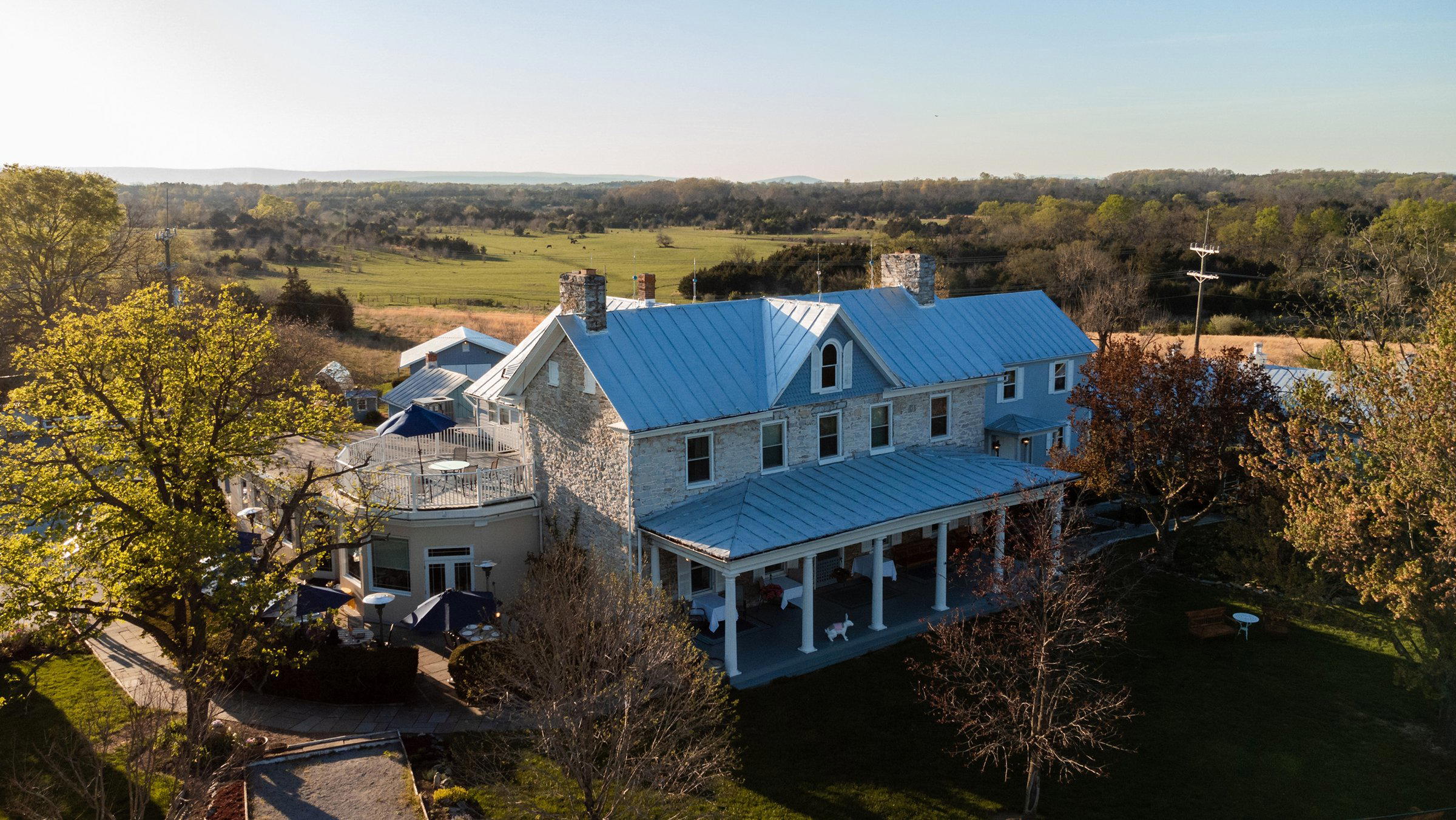
Slater Run Vineyards sits in the heart of Virginia's Piedmont wine country.

Pearl is the En Primeur Club membership app — saves, bookings, and concierge access live there. Same editors, same standards.
- Address
- 1500 Crenshaw Rd, Upperville, VA 20184
- Phone
- (540) 878-1476
- Website
- slaterrun.com
- Directions
- Get directions
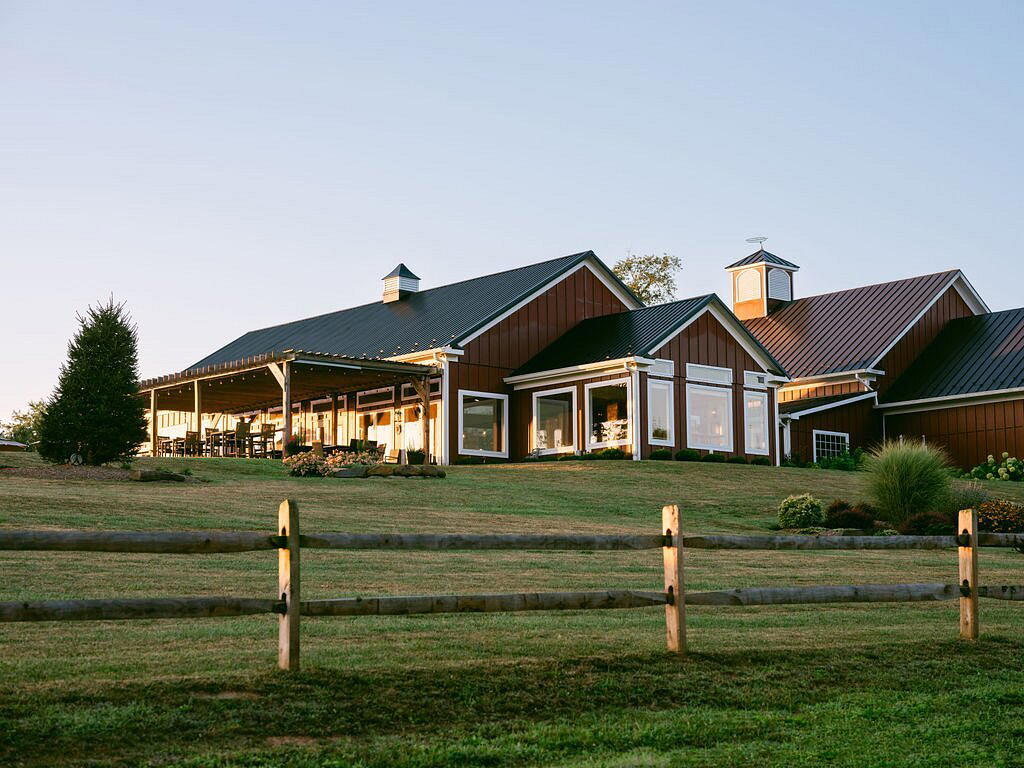
The name itself is instructive. Slater Run is a local waterway, the kind of topographic detail that serious estate producers reach for when they want to anchor a label to a specific piece of land rather than a brand identity. It reflects a broader shift in how Virginia's better producers have been presenting themselves — not as approximations of Napa or Bordeaux, but as expressions of a distinct Mid-Atlantic terroir that has its own logic, its own seasonal rhythms, and its own grape-variety calculus.
In the context of Virginia wine, that matters for reasons beyond the award itself. The state now has several hundred licensed wineries, and the gap between commodity producers targeting tourist traffic and estate-focused operations making wines with genuine cellaring ambition has widened considerably in recent years. A Prestige-level rating positions Slater Run in the second group: properties where site expression, production discipline, and wine quality are the primary focus rather than hospitality volume or brand tourism.
For comparison, the kind of estate-level seriousness that earns this tier of recognition in other American regions, think Accendo Cellars in St. Helena at the high end of Napa, or Adelaida Vineyards in Paso Robles working with a cooler-climate identity in a warmer region, tends to come from producers who have committed to specific blocks, specific varieties, and a consistent stylistic direction over time. The farms here have operated for generations, and the agricultural character of the area has preserved the kind of open, low-density land use that allows vineyards to exist without the commercial pressure that reshapes wine regions closer to major population centers. At elevation, the nights cool quickly after summer days, slowing ripening and preserving acidity in the fruit, a key variable in producing wines with structure rather than softness. The Blue Ridge acts as both a weather barrier and a visual reference point, and the watersheds that run east from the mountains, including the run that names Slater Run Vineyards, create the kind of site variation that lets individual estates develop distinct identities within a few miles of each other.
Producers working with similar cool-influence terroir in other parts of the American wine map have established a template for what this kind of site can produce. Adelsheim Vineyard in Newberg built its identity around Oregon's Willamette Valley in a period when that region, too, was working to be taken seriously. Au Bon Climat in Santa Barbara made the case for California's cooler coastal corridors before those appellations had wide recognition. Virginia's Piedmont is at an earlier point in that arc, which creates both the interest and the uncertainty that come with emerging fine wine regions.C. within roughly ninety minutes depending on traffic, close enough for a day visit, far enough to feel genuinely removed from the capital's pace. For anyone building an itinerary around Virginia wine, this corner of the Piedmont offers a coherent geographic focus rather than scattered single stops.
Contacting the estate directly ahead of any visit is the practical approach, particularly for estate-level producers in this tier, where tasting experiences are often limited by appointment rather than walk-in.enprimeurclub.
How Slater Run Sits in the Wider American Wine Picture
Virginia remains a minor player by volume in American fine wine, but the direction of travel is measurable. The comparison set for a Virginia estate at this level is not Sonoma or the Willamette Valley but rather the category of serious, lower-profile American wine regions where terroir-driven producers are building reputations ahead of broad consumer awareness.
For reference, the range of estate-level producers that hold equivalent standing in their own regional contexts includes Alban Vineyards in Arroyo Grande, a Rhône-focused operation that built credibility in a California region that was itself overlooked for years, and Andrew Murray Vineyards in Los Olivos, which staked out a specific variety-focused identity in the Santa Ynez Valley before the region attracted wide attention. The pattern, estate commitment to site and style before the region's reputation catches up, is one Virginia's better producers are now following.
Other reference points from the broader American wine map, including Alexander Valley Vineyards in Geyserville, Alpha Omega Winery in Rutherford, Artesa Vineyards and Winery in Napa, Aubert Wines in Calistoga, Babcock Winery and Vineyards in Lompoc, and B.R. Cohn Winery in Glen Ellen, all operate in regions with longer-established market recognition than Virginia. That gap in reputation creates a practical opportunity for the wine traveler willing to engage with the Piedmont on its own terms.
For those whose wine interests extend beyond the American context, Aberlour in Aberlour and Achaia Clauss in Patras represent the kind of historically rooted production that provides a longer frame of reference for what it means to build a wine identity around a specific place over generations.
In Context: Similar Options
Comparable venues nearby, for context on price, style, and recognition.
| Venue | Cuisine | Price | Notes |
|---|---|---|---|
| Slater Run VineyardsThis venue — the venue you are viewing | Cabernet Franc, Cabernet Sauvignon | $30–50 | Not listed |
| Walsh Family Wine | Cabernet Franc, Cabernet Sauvignon | $20–30 | Purcellville |
| Veramar Vineyard | Cabernet Franc, Chardonnay | $10–20 | Shenandoah Valley |
| Hillsborough Vineyards & Brewery | Tannat, Fer Servadou | Not listed | Hillsboro |
| Early Mountain Vineyards | Cabernet Franc, Merlot | $30–50 | Madison County |
| White Hall Vineyards | Winery | Not listed | White Hall |
Continue exploring
More in Upperville
Wineries in Upperville
Browse all →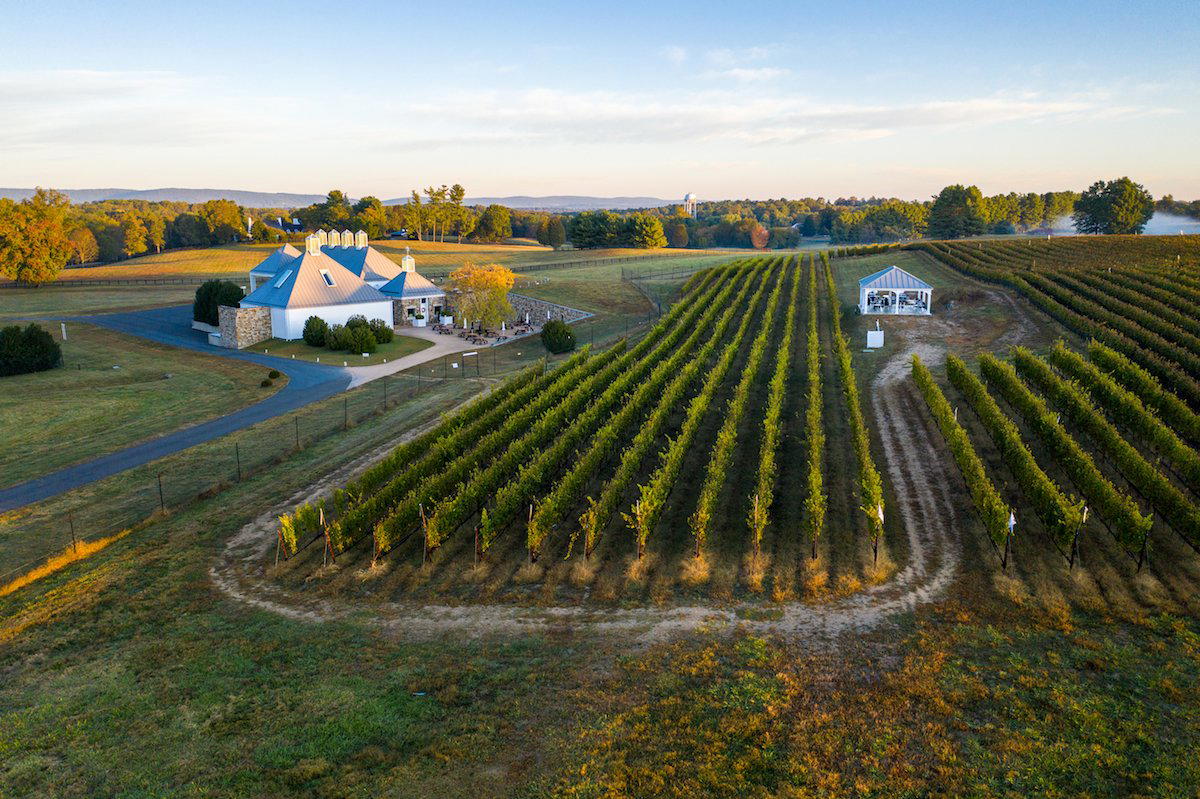
Bars in Upperville
Browse all →
Restaurants in Upperville
Browse all →
Details
- Quiet
- Rustic
- Scenic
- Elegant
- Intimate
- Romantic Getaway
- Group Outing
- Wine Education
- Special Occasion
- Vineyard Tour
- Estate Grounds
- Terrace
- Panoramic View
- Sustainable
- Vineyard
- Mountain
- Cabernet Franc
- Cabernet Sauvignon
- Merlot
- Petit Verdot
- Chardonnay
- Pinot Gris
- Sauvignon Blanc
- Still White
- Still Red
- Still Rosé
- Sparkling
- Orange
- Guided Tasting
- Tableside Flight
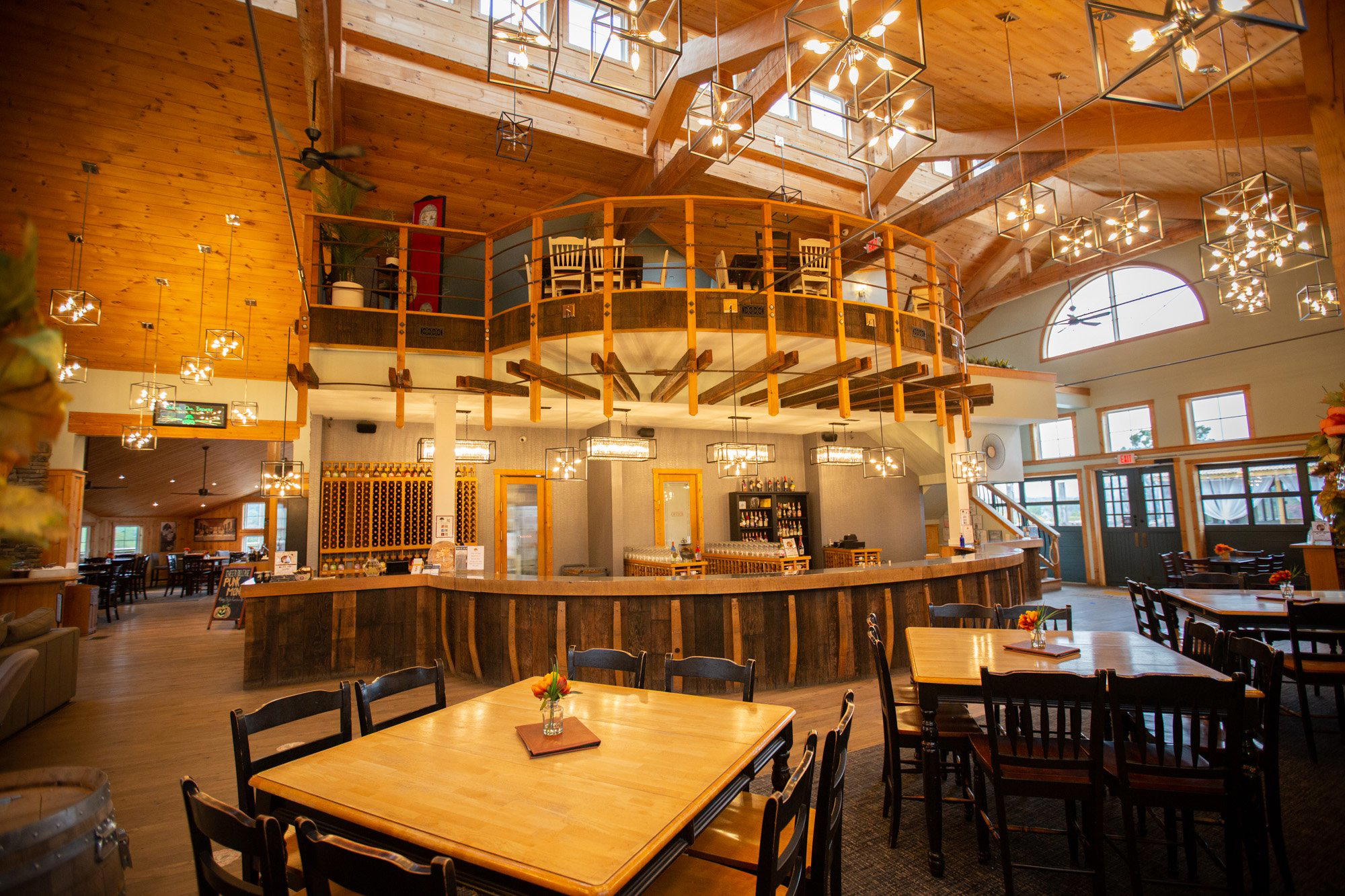
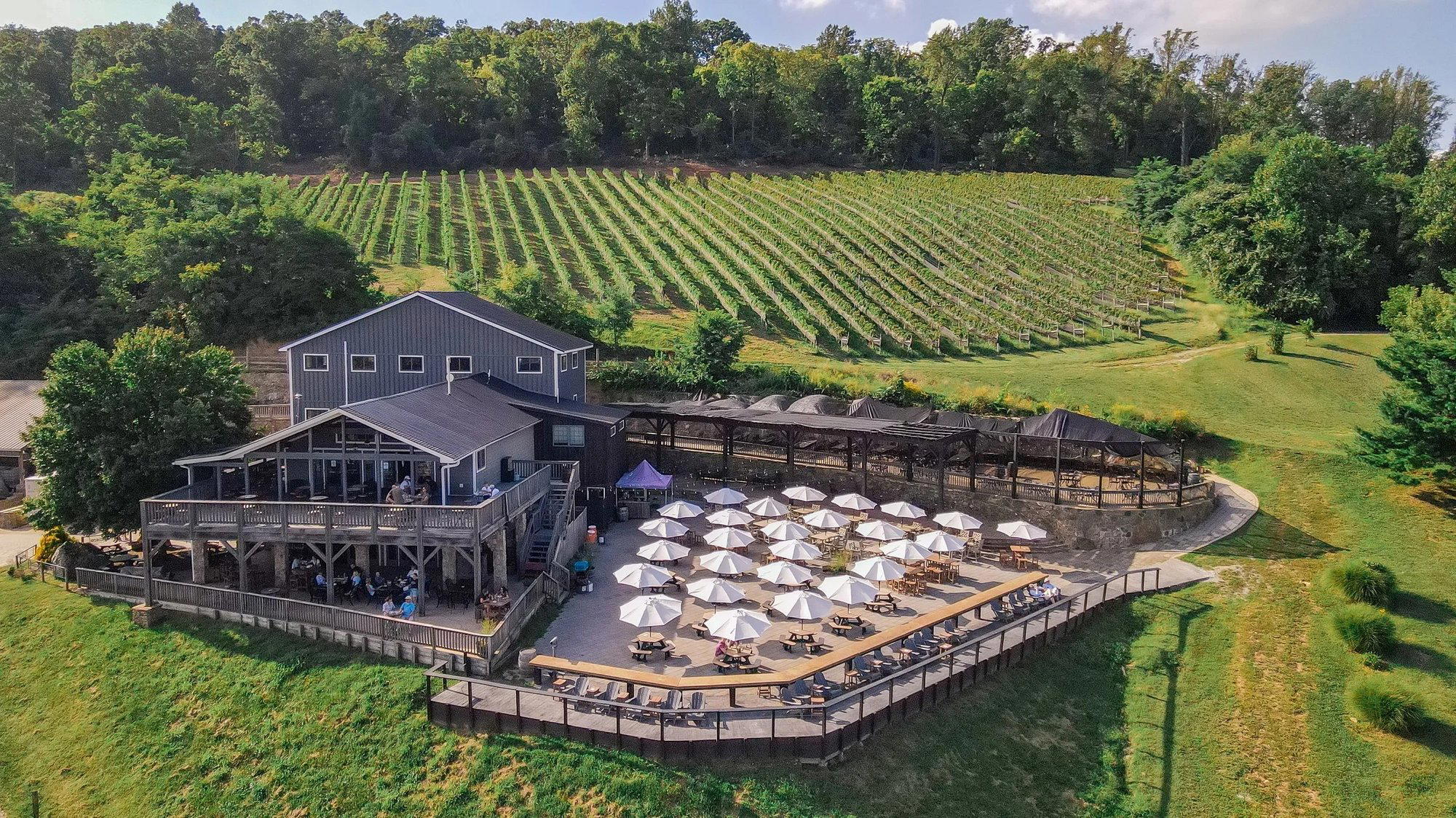
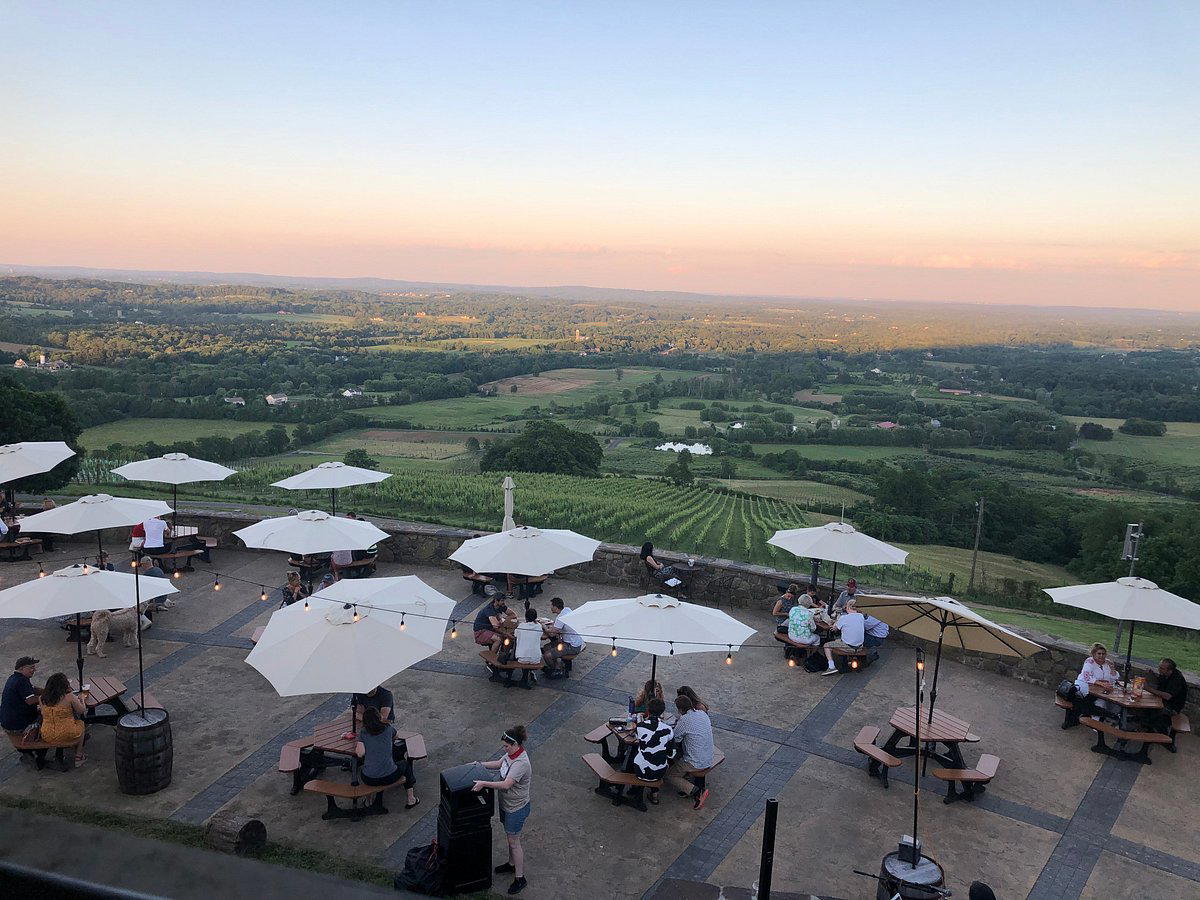
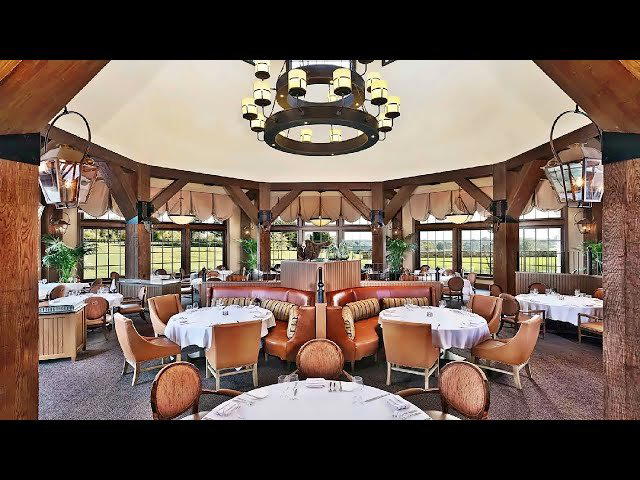
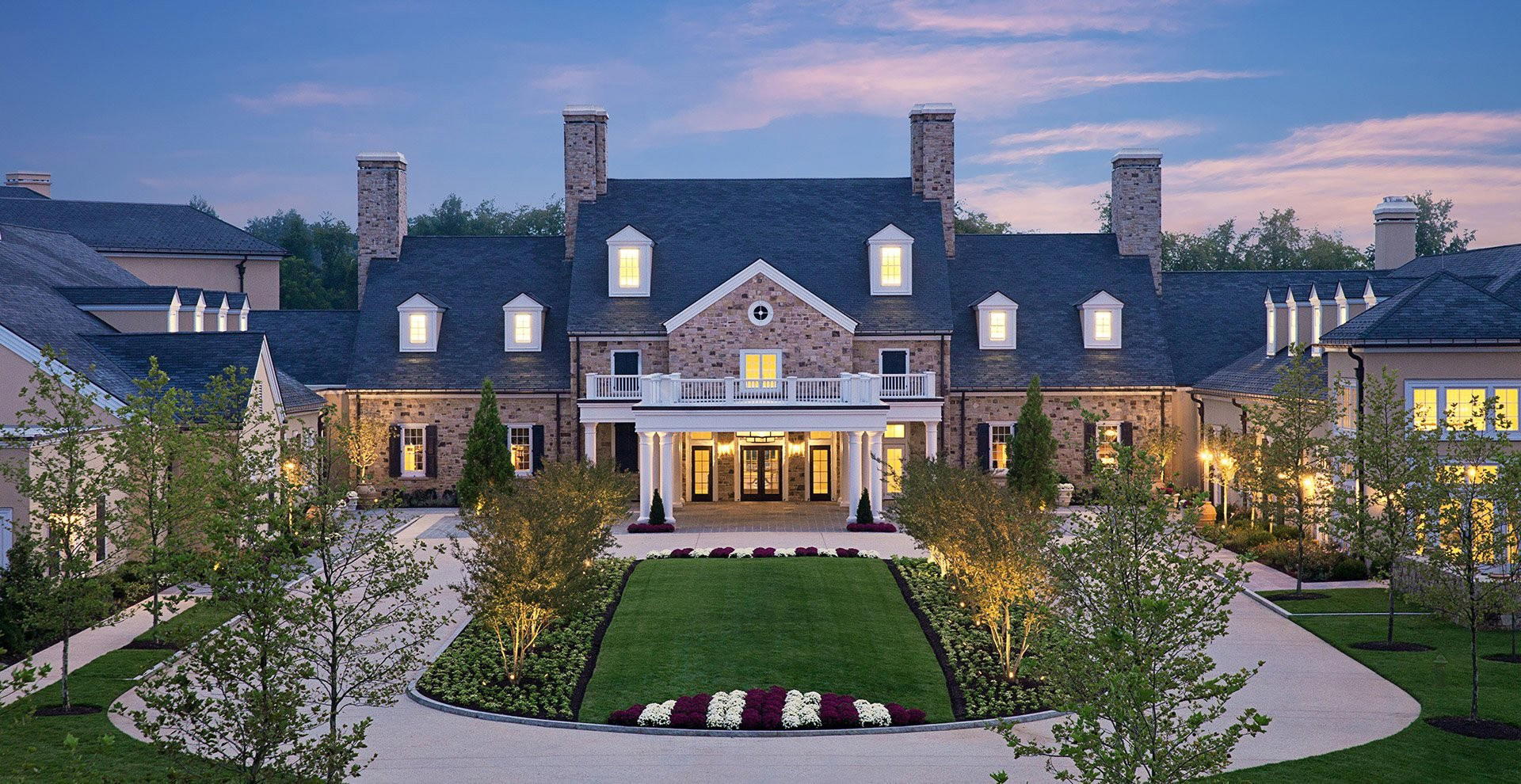
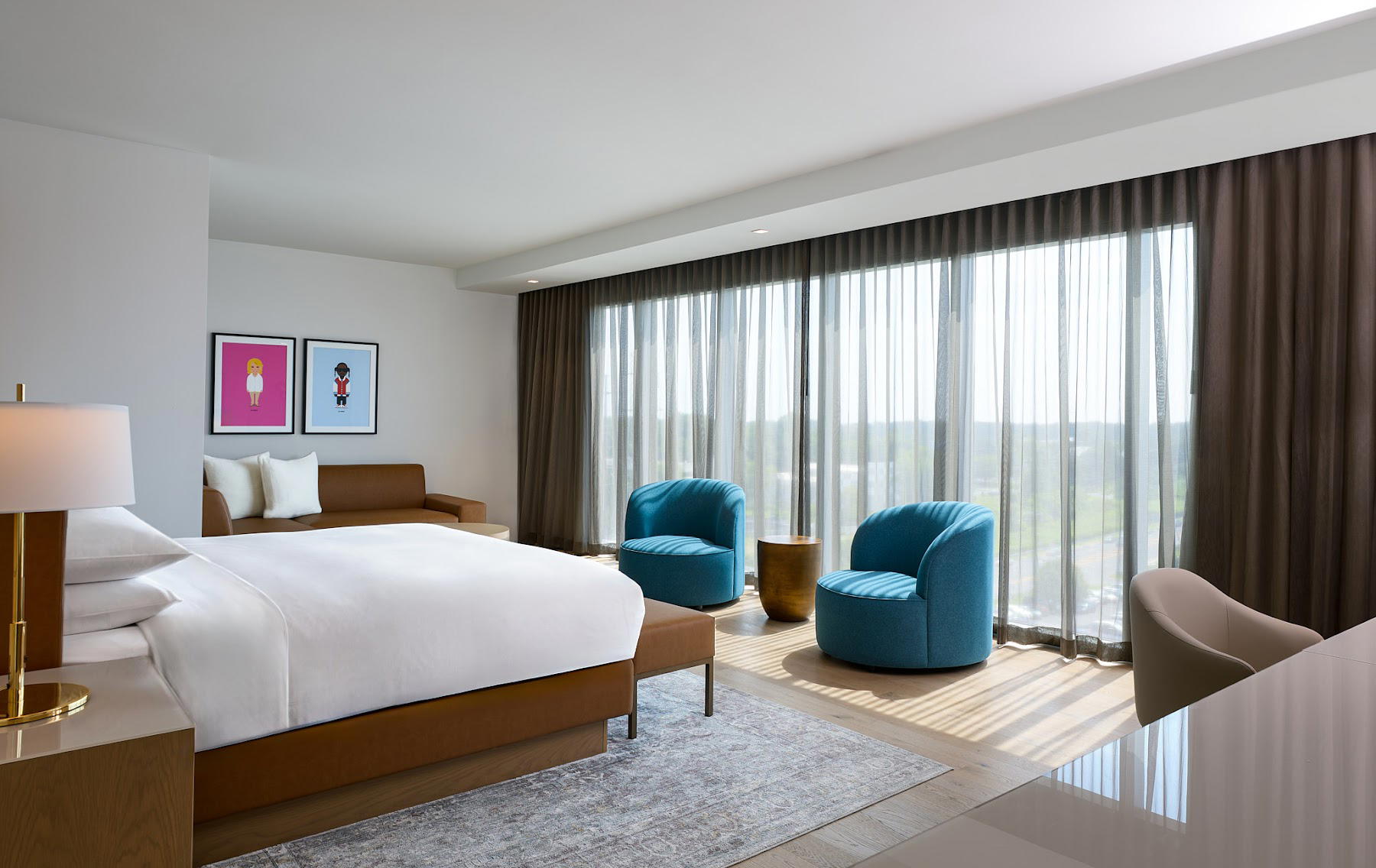
Bright and airy tasting room with large windows and natural light overlooking sweeping vineyard views; relaxed, welcoming atmosphere with fireplaces indoors and outdoor seating on rolling hills.