Eastwood Farm & Winery
Eastwood Farm & Winery sits along Scottsville Road south of Charlottesville. The property operates within a Virginia wine corridor that has spent two decades building credibility against established American wine states, and Eastwood's recent recognition signals it is tracking with the region's upward momentum.

Pearl is the En Primeur Club membership app — saves, bookings, and concierge access live there. Same editors, same standards.
- Address
- 2531 Scottsville Rd, Charlottesville, VA 22902
- Phone
- (434) 264-6727
- Website
- eastwoodfarmandwinery.com
- Directions
- Get directions
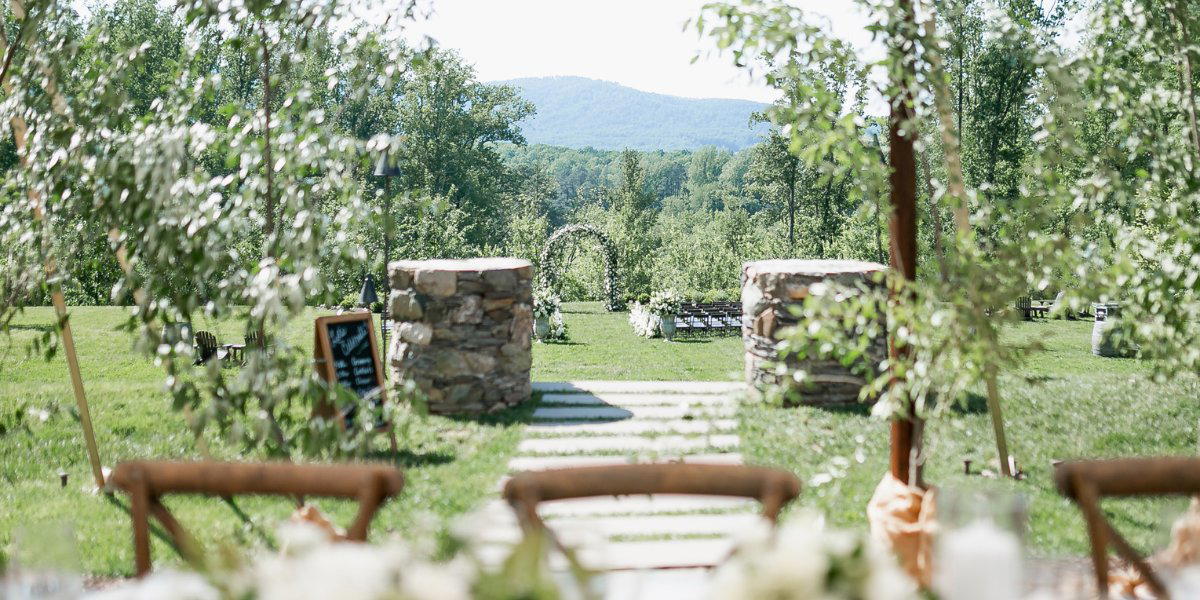
South of Charlottesville, Where the Serious Producers Are Paying Attention
Drive south out of Charlottesville on Scottsville Road and the character of the Virginia wine corridor shifts. The tourist-facing tasting rooms thin out, and the properties that remain tend to be working farms first, hospitality operations second. Eastwood Farm & Winery at 2531 Scottsville Rd sits inside that tradition: the address itself signals a working agricultural relationship with the land rather than a destination built around a tasting deck and a gift shop. Virginia's wine reputation has been assembled carefully over the past two decades, and the producers who carry that reputation forward tend to be the ones operating with patience rather than volume.
That designation matters because the Charlottesville corridor is competitive.
What Happens After Harvest: The Case for Cellar Patience
Virginia viticulture has historically attracted attention for what grows in the ground: the Viognier that performs exceptionally in the state's warmer pockets, the Cabernet Franc that finds a structural home in the Piedmont's continental climate, and the blends that reflect European sensibilities adapted to American agricultural conditions. What receives less discussion is what happens once the fruit leaves the vineyard. The cellar decisions — how long wine rests in barrel, which oak sources the producer favors, when a wine is ready to bottle and when it should sit longer — are where the character of a Virginia producer gets resolved.
Across the better Charlottesville-area producers, the shift toward extended aging programs tracks directly with the region's growing confidence. A decade ago, much of Virginia's premium output went to bottle relatively quickly, driven partly by cash flow pressures and partly by a desire to demonstrate drinkability to skeptical buyers. The producers now attracting prestige-level recognition tend to be the ones who stepped back from that urgency. Eastwood's Pearl 2 Star standing in 2025 suggests its cellar program is being evaluated in that more considered context.
The aging question in Virginia is complicated by climate. The state's humid summers create pressure on the vine that producers in drier regions don't contend with, and that vineyard stress can translate to variation in the cellar that requires more careful blending and barrel management. The leading Virginia producers have learned to work with that variation rather than against it, using the cellar not to correct the vintage but to find what each year actually produced. That discipline shows in the glass and, eventually, in the recognition that follows.
Charlottesville's Wine Geography: Where Eastwood Sits in the Picture
Charlottesville functions as the organizational center of Virginia wine, but the actual production happens in a dispersed arc of properties connected by rural roads rather than a compact appellation. The Monticello AVA, which encompasses most of these producers, was established in 1984 and has gradually built the kind of institutional identity that makes regional comparisons possible. Trump Winery and Chiswell Farm & Winery represent different points on the scale and format spectrum, from large estate production to smaller working-farm operations.
Eastwood's position on Scottsville Road puts it in the southern reach of that arc. Visitors combining multiple properties in a single day tend to route through the area in a loose loop, and the southern corridor producers benefit from being slightly off the primary tourist flow that concentrates around Monticello and the properties closest to downtown. That geographic position is not a disadvantage for a producer at Eastwood's recognition level; it tends to attract the kind of visitor who came specifically for the wine rather than the winery experience as social activity.
For broader context on how Charlottesville-area producers compare to their American counterparts in other regions, consider that the Piedmont approach to red blends shares some structural logic with producers like Accendo Cellars in St. The comparison isn't about prestige hierarchy, it's about the seriousness of the production approach.
Planning a Visit: What to Know Before You Go
Eastwood Farm & Winery is located at 2531 Scottsville Rd, Charlottesville, VA 22902. Virginia wineries at this prestige level often operate on appointment or limited walk-in availability, particularly during peak season, and confirming access in advance saves wasted travel.
The strongest seasonal windows for visiting the Charlottesville corridor broadly fall in late spring, when the vines are active and the weather is manageable, and in autumn during and after harvest, when the cellar activity gives visits a different texture. Summer visits are possible but require tolerance for heat and humidity that can affect both vineyard conditions and the comfort of outdoor tasting areas. Winter visits, which some producers structure around library releases or vertical tastings, suit the visitor who is specifically interested in how a wine develops over time rather than in the farm environment itself.
Visitors building a multi-property itinerary around Eastwood might also consider Adelsheim Vineyard in Newberg or Adelaida Vineyards in Paso Robles as reference points for how other American wine regions approach the farm-estate model at a similar prestige level. Our full Charlottesville restaurants and wineries guide provides the broader regional picture for planning a complete trip.
Peers You’d Cross-Shop
Comparable venues nearby, for context on price, style, and recognition.
| Venue | Cuisine | Price | Notes |
|---|---|---|---|
| Eastwood Farm & WineryThis venue — the venue you are viewing | Chardonnay, Petit Verdot | $10–20 | Not listed |
| Michael Shaps Wineworks | Cabernet Franc, Chardonnay | $20–30 | south of Charlottesville |
| Blenheim Vineyards | Viognier, Chardonnay | $20–30 | Albemarle County |
| Chiswell Farm & Winery | Cabernet Franc, Cabernet Sauvignon | $30–50 | Greenwood |
| Jefferson Vineyards | Chardonnay, Cabernet Sauvignon | $20–30 | Albemarle County |
| Trump Winery | Viognier, Chardonnay | Not listed | Monticello Wine Trail |
Continue exploring
More in Charlottesville
Wineries in Charlottesville
Browse all →
Bars in Charlottesville
Browse all →
Restaurants in Charlottesville
Browse all →

Details
- Rustic
- Cozy
- Scenic
- Group Outing
- Celebration
- Family
- Special Occasion
- Estate Grounds
- Terrace
- Picnic Area
- Sustainable
- Mountain
- Vineyard
- Chardonnay
- Petit Verdot
- Still Red
- Still White
- Flight
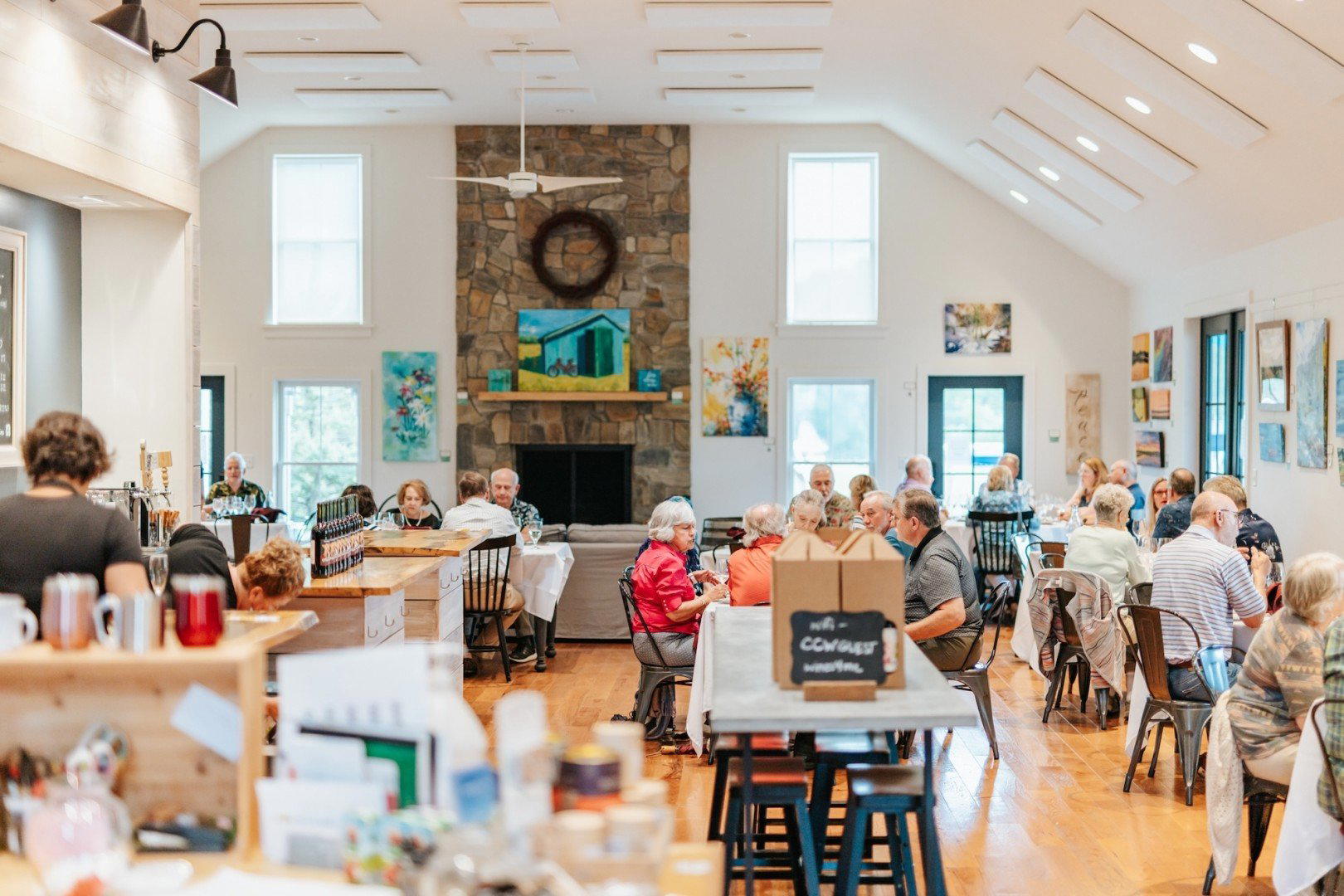
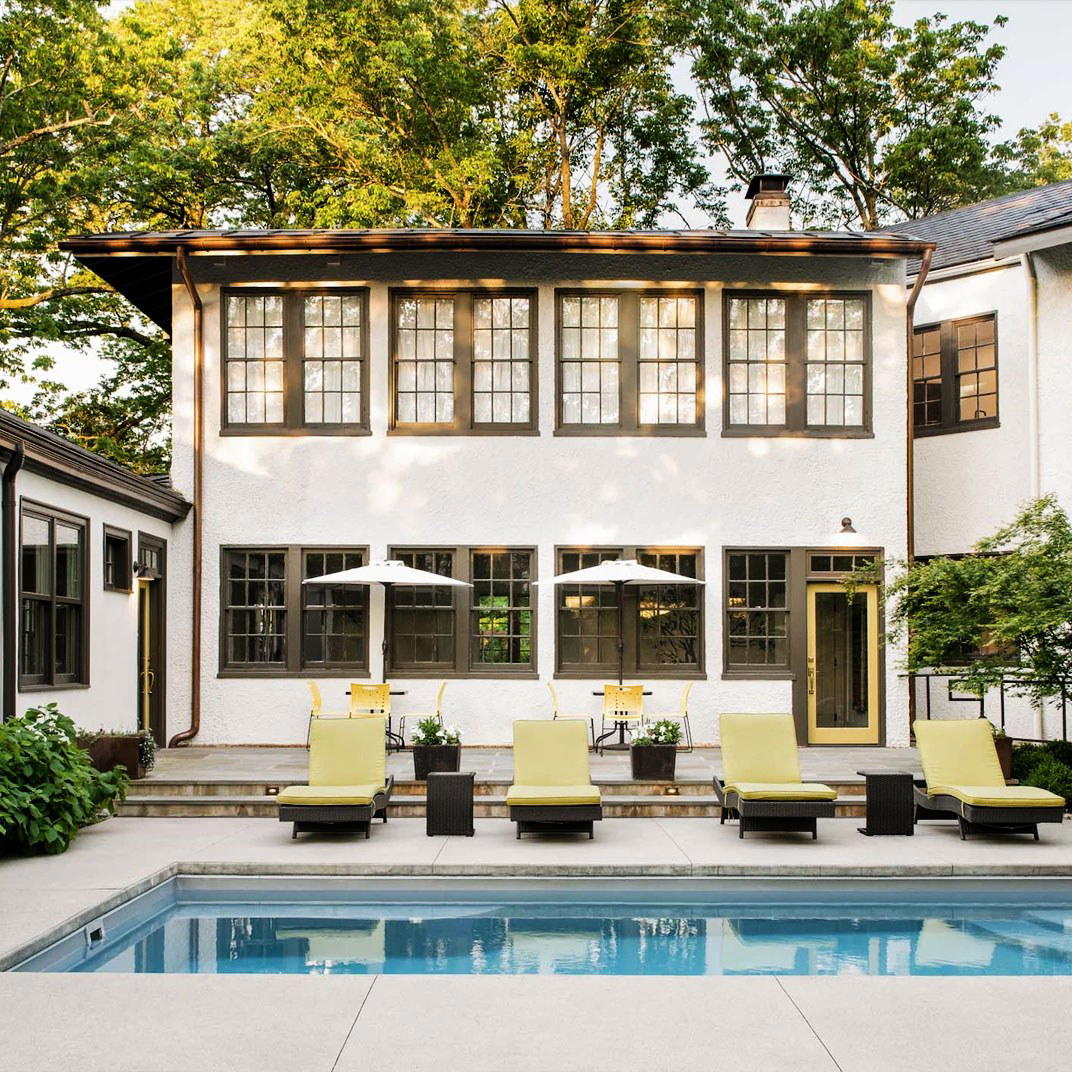
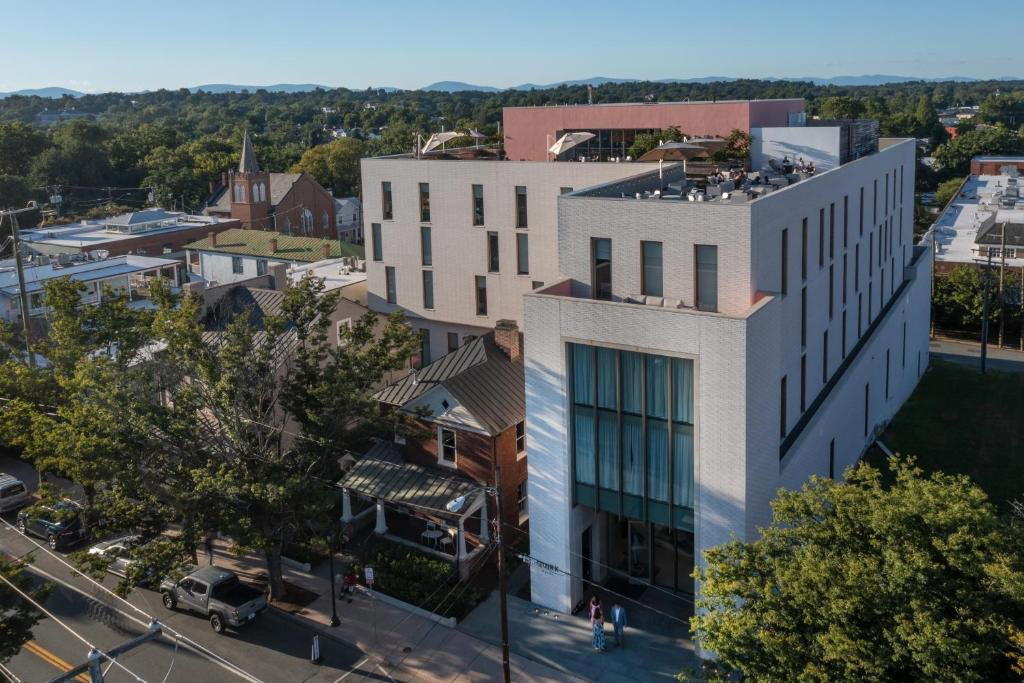
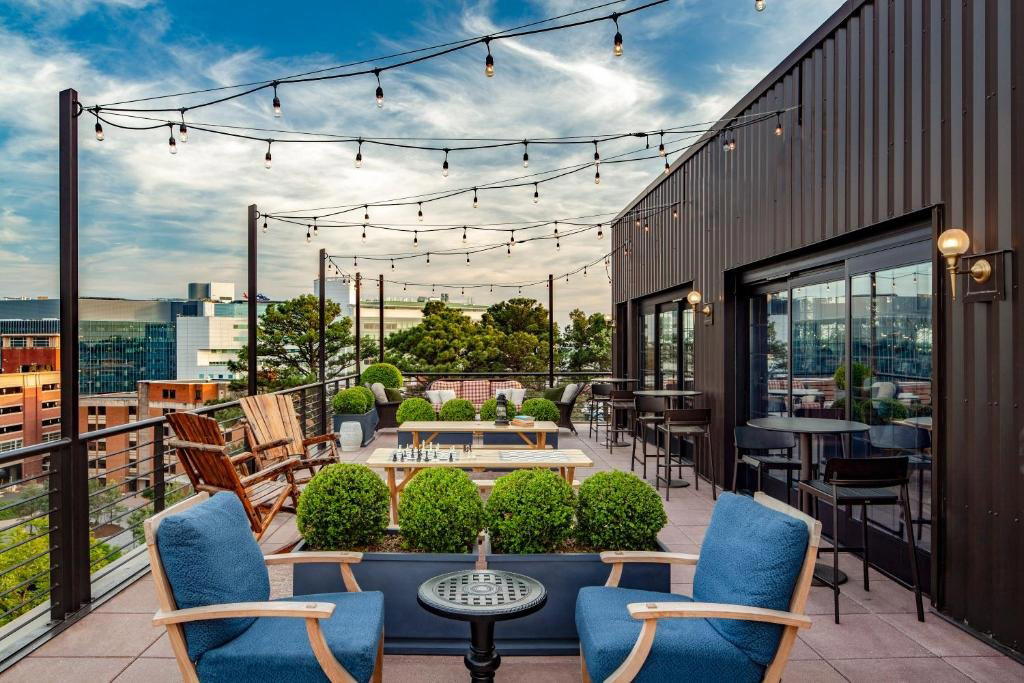
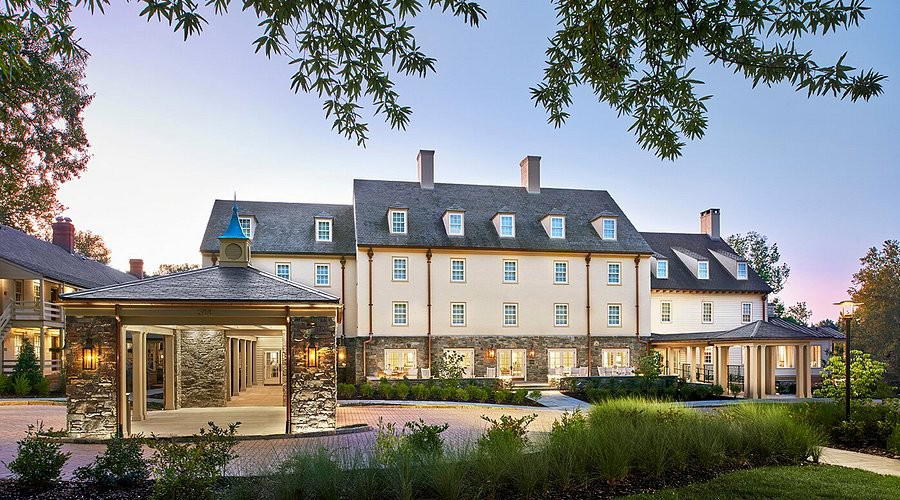
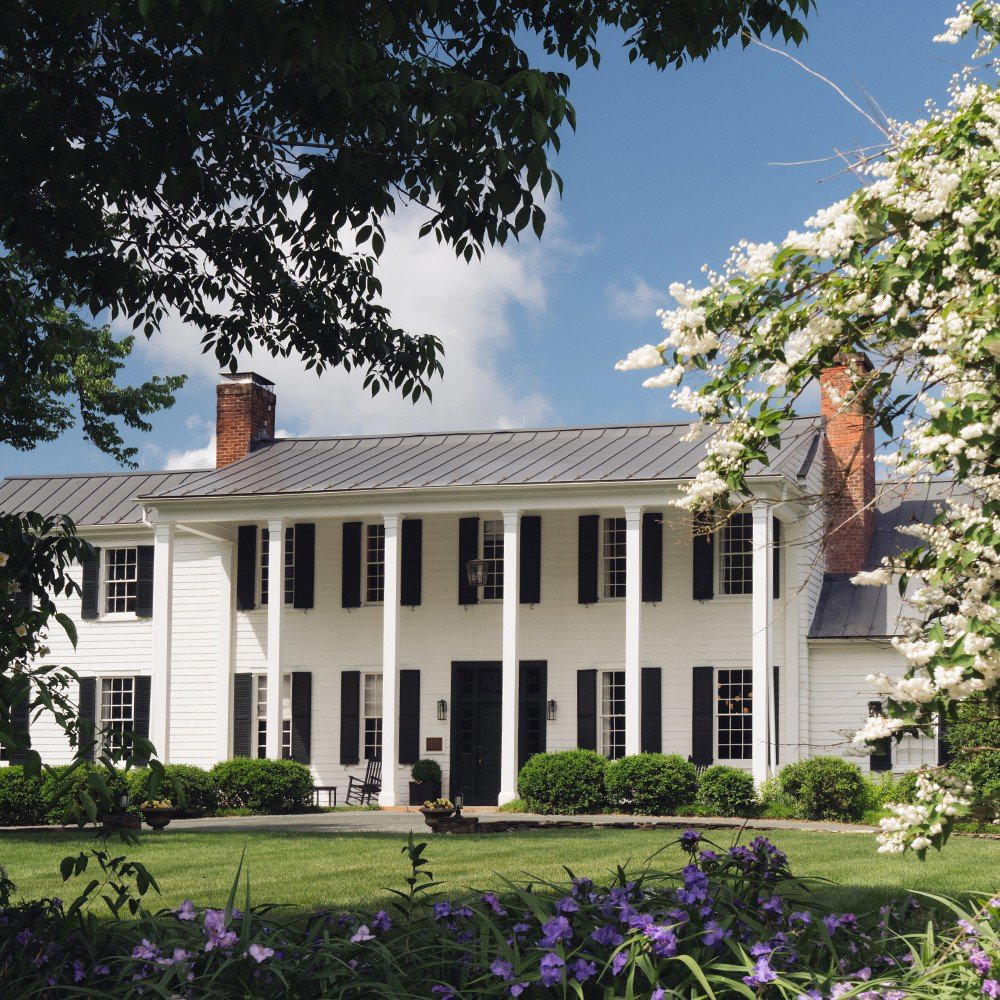
Cozy and warm with a rustic barn tasting room featuring farm tables, leather couches, fire pits, and inviting outdoor terrace seating amid beautiful Virginia countryside.