Google: 4.6 · 690 reviews
Barboursville Vineyards
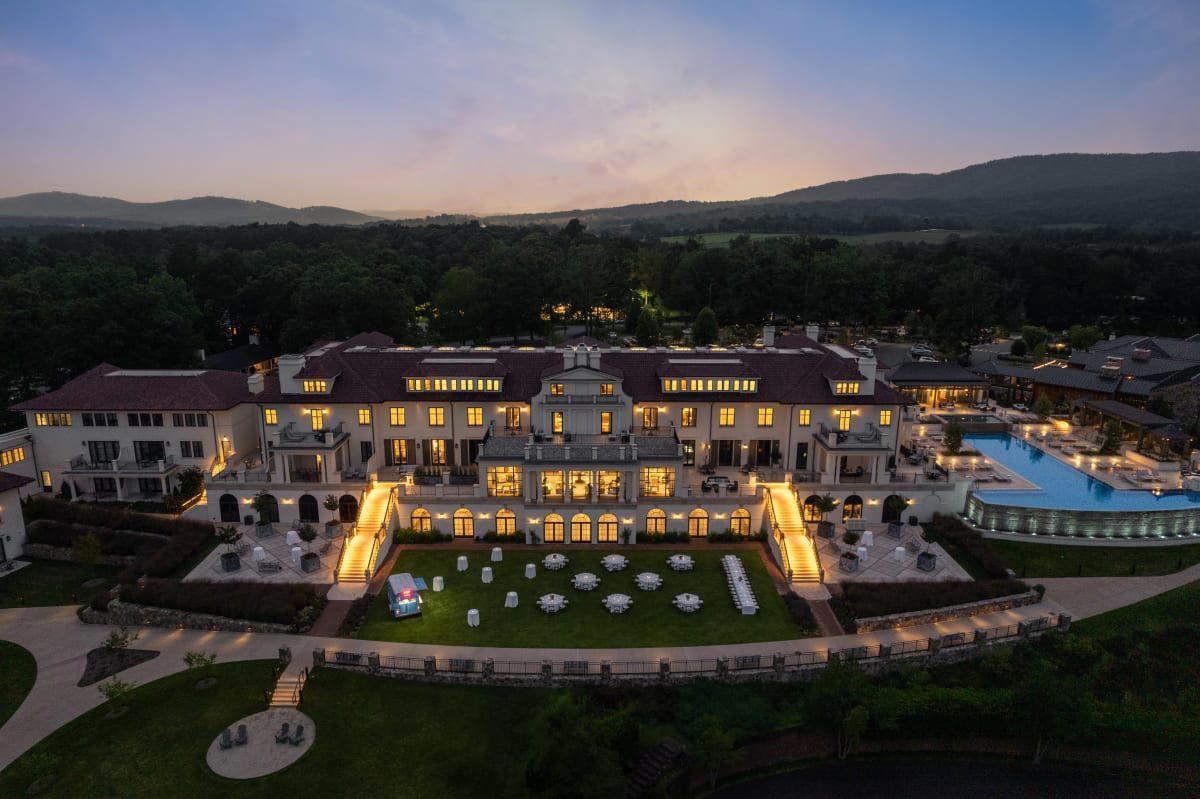
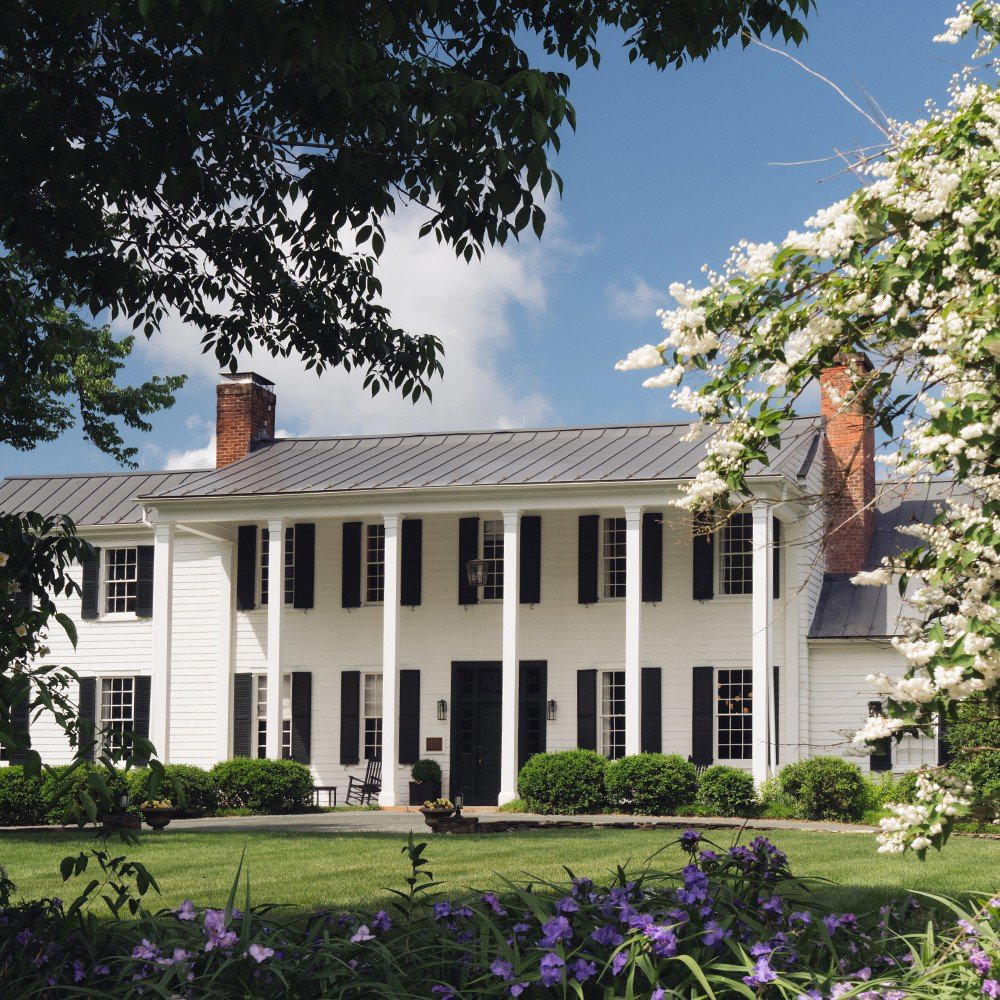
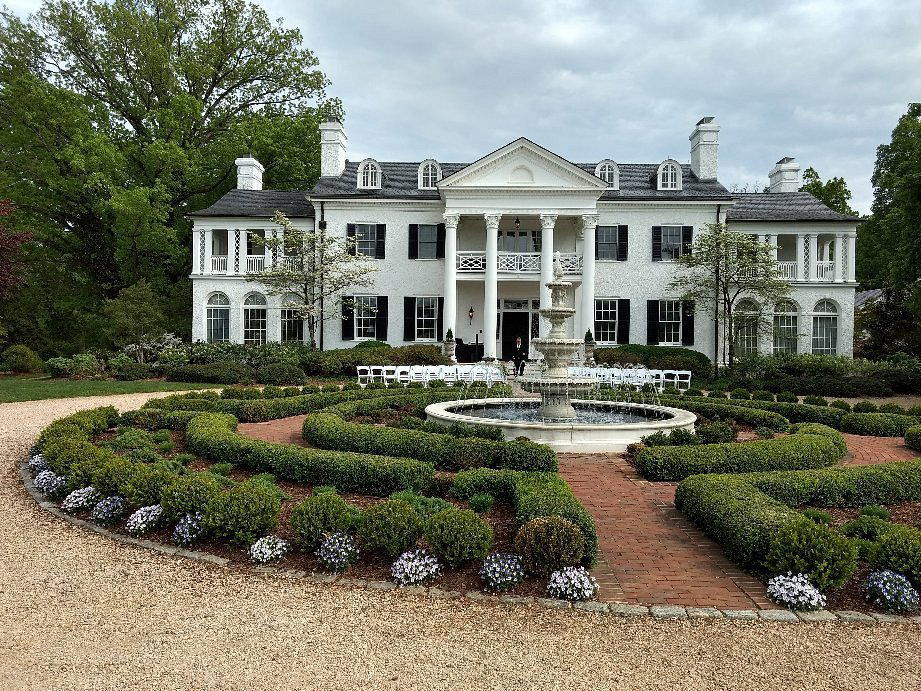
Barboursville Vineyards sits on a historic Virginia estate where Italian winemaking traditions and mid-Atlantic terroir have shaped one of the East Coast's most serious wine destinations. The estate's Palladio Restaurant grounds its menu in estate-grown and locally sourced ingredients, making it a rare conjunction of wine production and table in a region that seldom combines both at this level.
 Discover on Pearl
Pearl is the En Primeur Club membership app — saves, bookings, and concierge access live there. Same editors, same standards.
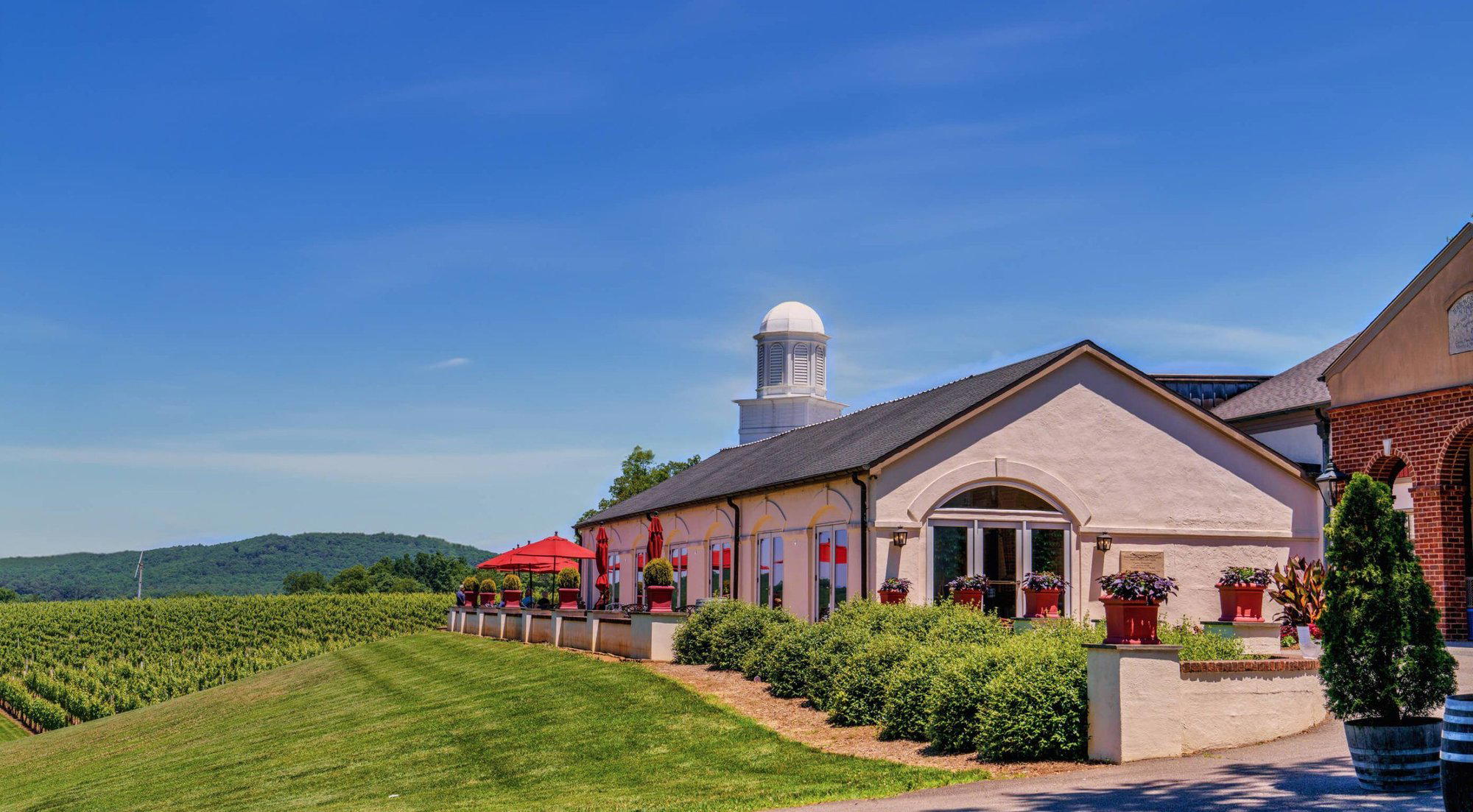
Where Virginia's Wine Country Meets the Table
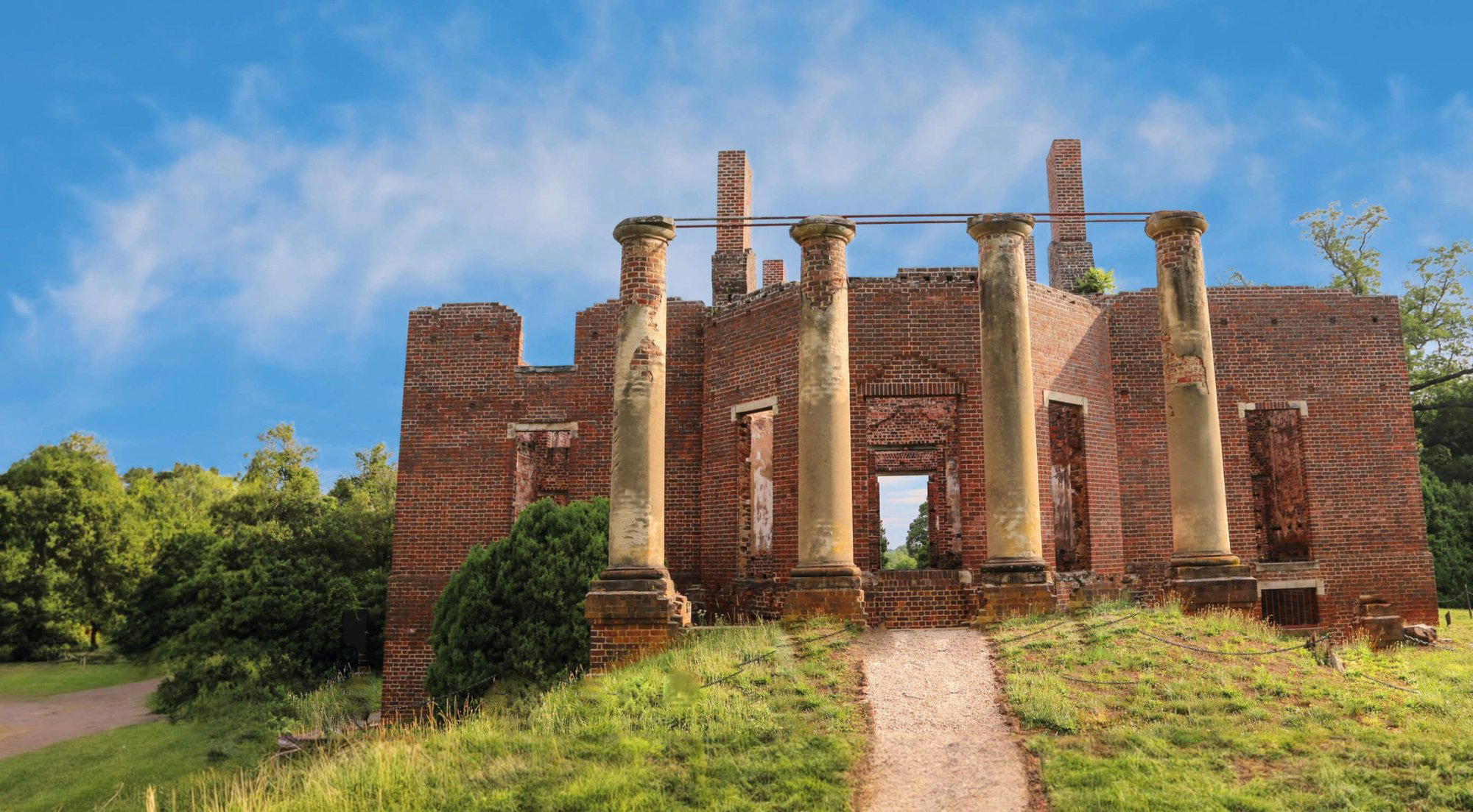
The drive into Barboursville Vineyards prepares you before you arrive. Orange County's rolling piedmont opens into vine rows that frame the ruins of a Governor James Barbour mansion, designed by Thomas Jefferson and destroyed by fire on Christmas Day 1884. That ruin still stands at the property's core, a stone reminder that this land has carried ambition for a very long time. Virginia wine country has often struggled to make outsiders take it seriously, and Barboursville has spent decades making the case that the mid-Atlantic can produce wines worth planning a trip around, not just a weekend detour.
The estate's position in the American wine conversation is distinct. While the country's premium wine identity concentrates heavily in California, with Napa Cabernet counters running parallel to the kind of tasting-menu restaurants you'd find at The French Laundry in Napa or Single Thread Farm in Healdsburg, Barboursville occupies a different tier and a different argument. This is estate winemaking with Italian roots planted in Virginia soil, and the pairing with its own restaurant, Palladio Restaurant, makes it one of the few American wine destinations where the glass and the plate are genuinely co-equal concerns.
The Land as Source Material
Ingredient-sourcing argument for estate dining is easy to romanticize and hard to execute. What makes Barboursville credible in this regard is that the proposition runs through the wine itself. The estate's vineyards supply Palladio's wine list directly, which means the terroir conversation at the table is not abstract. You're drinking what grew in the field visible from the dining room window. This is a different kind of provenance claim than most farm-to-table restaurants can make, because the winery and restaurant share the same agricultural address.
Virginia's piedmont terroir is clay-heavy and humid, conditions that challenge European varieties and reward producers who understand the rhythms of a continental climate with significant rainfall. The region's wine identity has moved away from an early reliance on Chardonnay and Cabernet Sauvignon clones toward Italian varieties that appear to suit the conditions better: Vermentino, Nebbiolo, and the estate's own Octagon blend, which has anchored Barboursville's premium tier for decades. This varietal pivot mirrors what other serious American producers have done when matching grape to place rather than market expectation, an approach that Frasca Food and Wine in Boulder has similarly championed in its wine program through its commitment to Friulian varieties.
The dining room at Palladio extends this sourcing logic to the plate. Virginia's agricultural diversity, from Shenandoah Valley livestock to Chesapeake shellfish accessible from the estate's position in central Virginia, provides the kitchen with a supply chain that is genuinely regional rather than cosmetically so. Producers within an hour's radius supply the kind of ingredients that appear on menus at Blue Hill at Stone Barns in Tarrytown and Oyster Oyster in Washington, D.C., where the sourcing discipline is as much a statement of culinary intent as the cooking technique itself.
Context: The American Estate Dining Model
Estate dining, where a winery and a restaurant function as a single destination rather than adjacent businesses, remains relatively rare in the United States compared to its prevalence in Burgundy, Piedmont, or Tuscany. The economic and logistical demands of running both operations to a high standard simultaneously explain the gap. In California, the model exists in parts, but the restaurant often plays second fiddle to the tasting room and retail operation. Barboursville's pairing of Palladio with its wine production represents a more integrated proposition, one that positions the estate closer to the European model of a destination that earns its journey on both agricultural and culinary grounds.
The American winery-restaurant combination that comes closest in ambition is the broader farm-to-table movement anchored by places like Smyth in Chicago and Addison in San Diego, where sourcing depth and menu architecture reflect a coherent agricultural philosophy rather than a marketing position. At the production end of the wine world, Atelier Moessmer Norbert Niederkofler in Brunico demonstrates how tightly a restaurant can be bound to its surrounding landscape when the commitment is genuine. Barboursville operates within this tradition even as it draws from a distinctly American, mid-Atlantic context.
Visiting: What to Know Before You Go
Barboursville is located at 17655 Winery Rd, Barboursville, VA 22923, roughly ninety minutes southwest of Washington, D.C., and thirty minutes from Charlottesville. For visitors coming from the capital, pairing a Barboursville visit with a dinner at The Inn at Little Washington on the return journey traces a route through some of Virginia's most serious dining. Those flying into Charlottesville's regional airport will find the estate a short drive through increasingly agricultural terrain.
The estate operates as a full winery destination, meaning that planning around a tasting room visit, a meal at Palladio, and time to walk the grounds near the Jefferson-designed ruins gives a considerably different experience than a single-purpose restaurant reservation. Virginia wine country weekends draw visitors who treat the region the way Napa visitors approach the Silverado Trail, moving between estates and anchoring the day around a single serious meal. For the broader context of what Barboursville's city and region offer, see our full Barboursville restaurants guide.
The estate's positioning within Virginia's wine scene means it draws a different visitor than the urban tasting-menu crowd who might book Le Bernardin in New York City, Lazy Bear in San Francisco, Atomix in New York City, or Providence in Los Angeles. The audience here is oriented toward place as much as plate, and the experience rewards visitors who arrive with an interest in Virginia's agricultural story rather than a checklist of tasting-menu conventions. ITAMAE in Miami and Emeril's in New Orleans represent a different American dining register, city-anchored and chef-forward, against which Barboursville's terroir-and-table model stands as a distinct alternative. The Wolf's Tailor in Denver similarly channels agricultural sourcing into a restaurant context, but the estate dimension at Barboursville adds a layer that restaurant-only operations cannot replicate.
Comparison Snapshot
These are the closest comparables we have in our database for quick context.
| Venue | Cuisine | Price | Awards |
|---|---|---|---|
| Barboursville VineyardsThis venue — the venue you are viewing | |||
| Le Bernardin | French, Seafood | $$$$ | Michelin 3 Star |
| Lazy Bear | Progressive American, Contemporary | $$$$ | Michelin 2 Star |
| Atomix | Modern Korean, Korean | $$$$ | Michelin 2 Star |
| Per Se | French, Contemporary | $$$$ | Michelin 3 Star |
| Masa | Sushi, Japanese | $$$$ | Michelin 3 Star |
Continue exploring
More in Barboursville
Restaurants in Barboursville
Browse all →
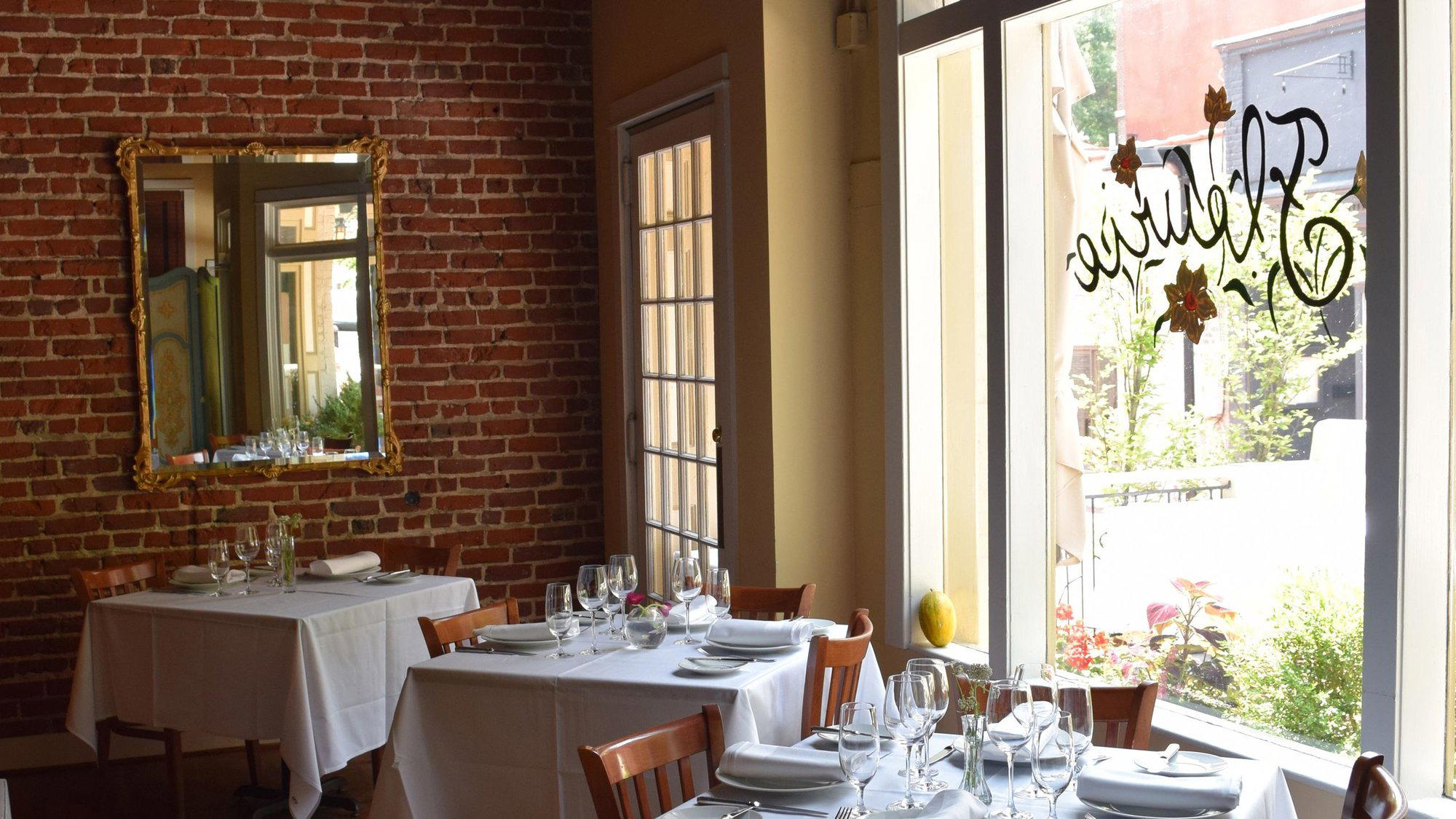
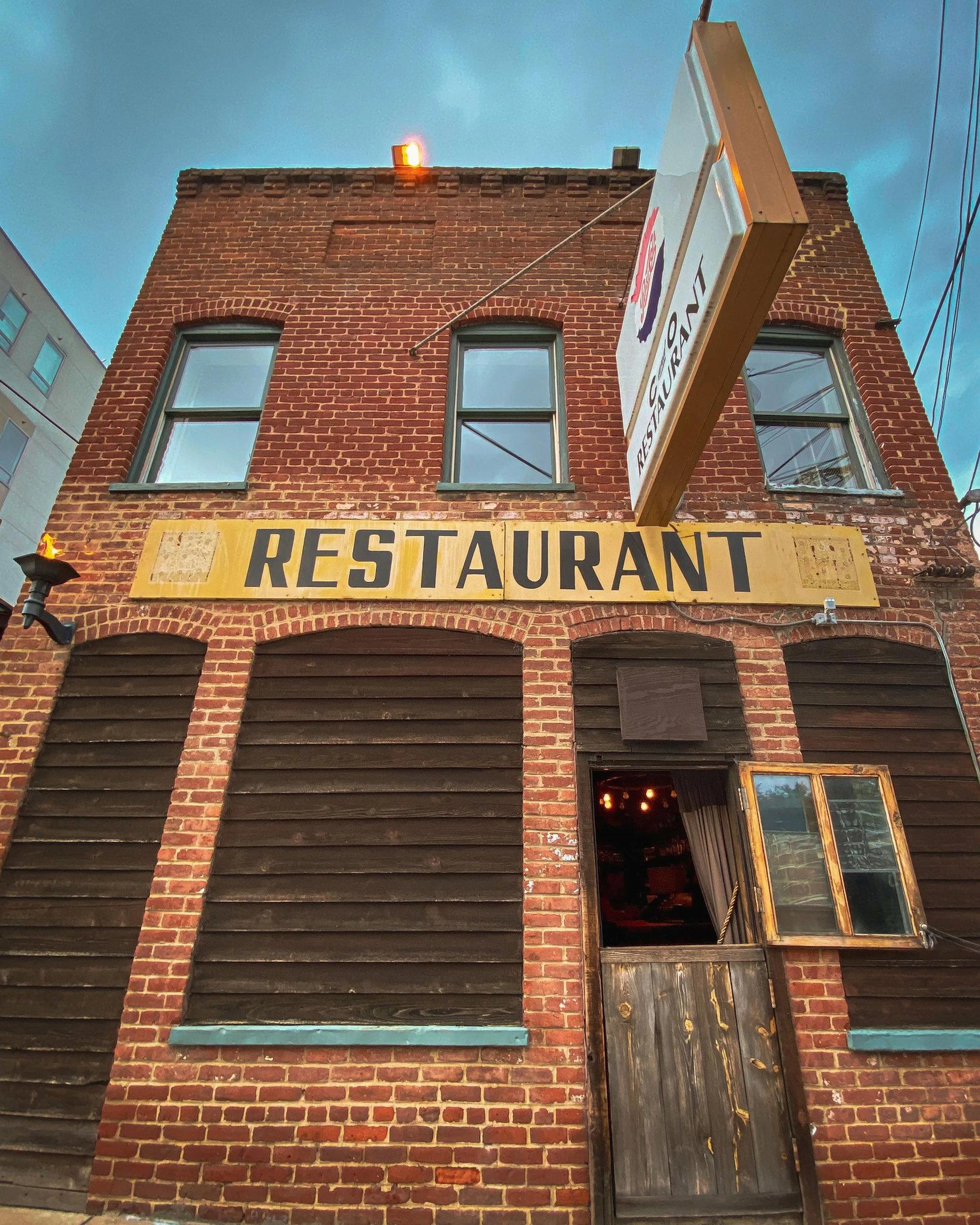
Bars in Barboursville
Browse all →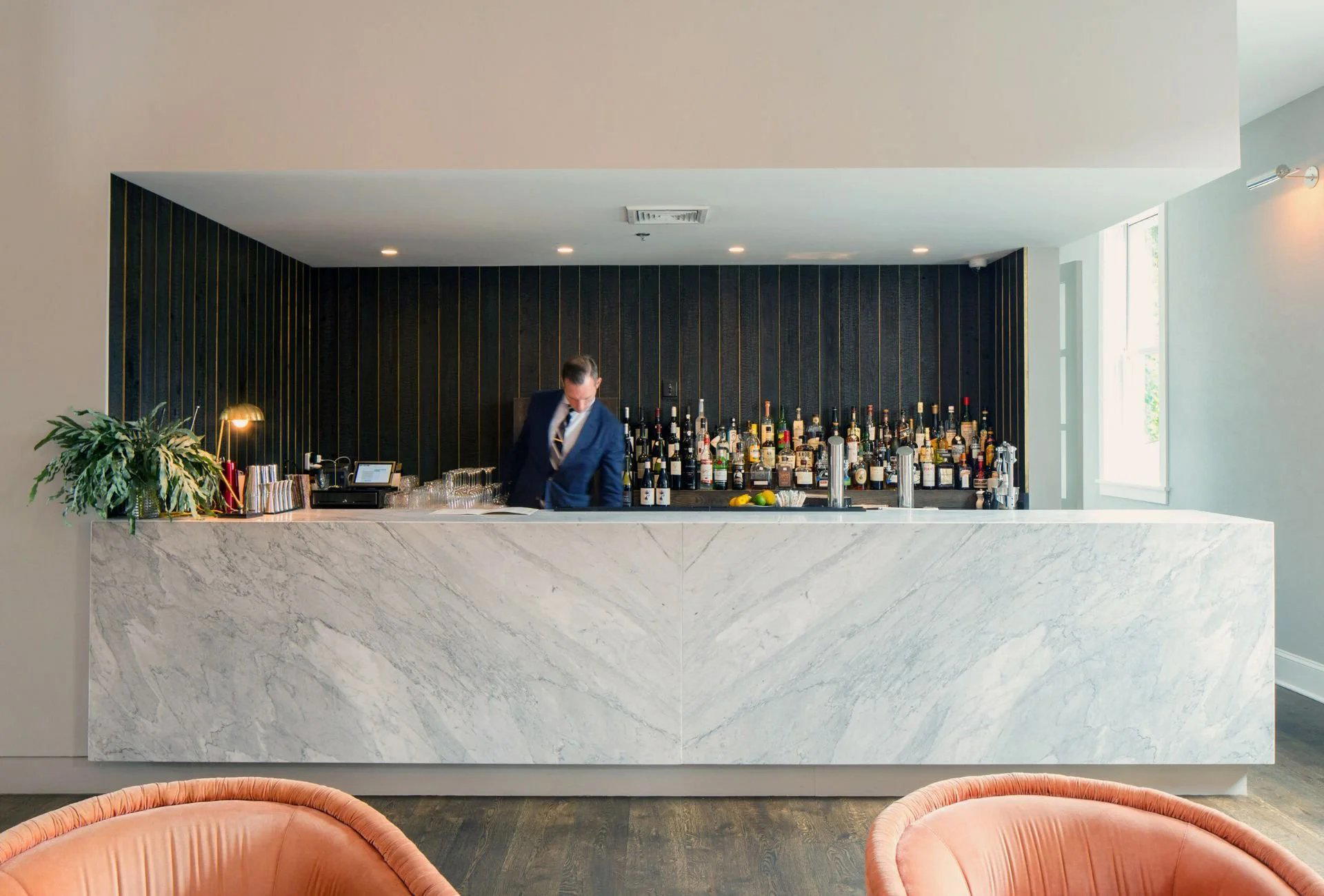
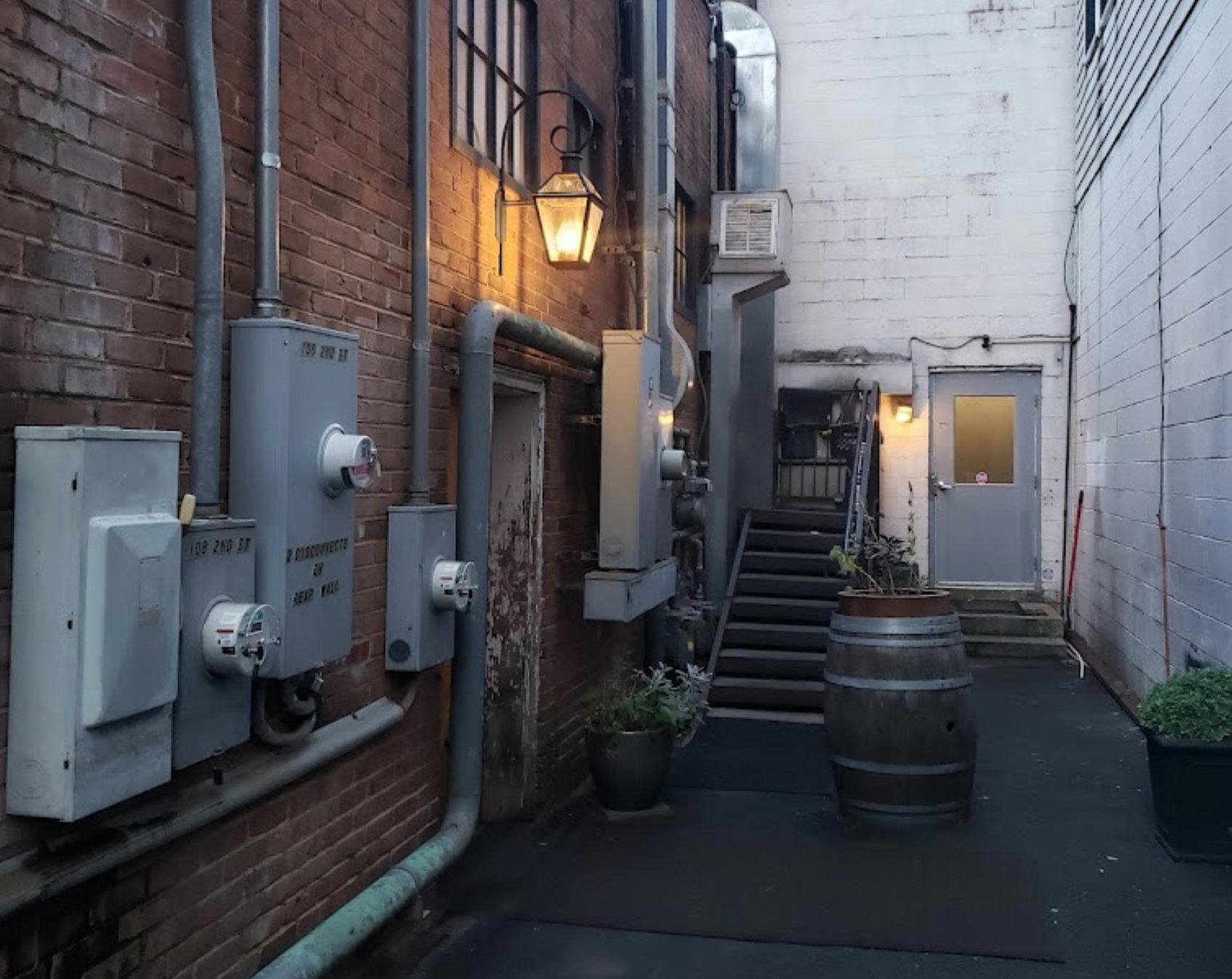
Hotels in Barboursville
Browse all →
At a Glance
- Elegant
- Scenic
- Rustic
- Sophisticated
- Date Night
- Special Occasion
- Private Event
- Wine Cellar
- Historic Building
- Panoramic View
- Extensive Wine List
- Sommelier Led
- Farm To Table
- Local Sourcing
- Vineyard
- Garden
Refined country dining with vivacity, featuring elegant balance in an estate setting surrounded by vineyards.