Cave Ridge Vineyard
Cave Ridge Vineyard sits in Virginia's Shenandoah Valley, where the Blue Ridge foothills shape a cooler, higher-elevation growing environment distinct from the state's coastal appellations. Address: 1476 Conicville Rd, Mt Jackson, VA 22842.

Pearl is the En Primeur Club membership app — saves, bookings, and concierge access live there. Same editors, same standards.
- Address
- 1476 Conicville Rd, Mt Jackson, VA 22842
- Phone
- (540) 477-2585
- Website
- caveridge.com
- Directions
- Get directions
Where the Ridge Does the Work
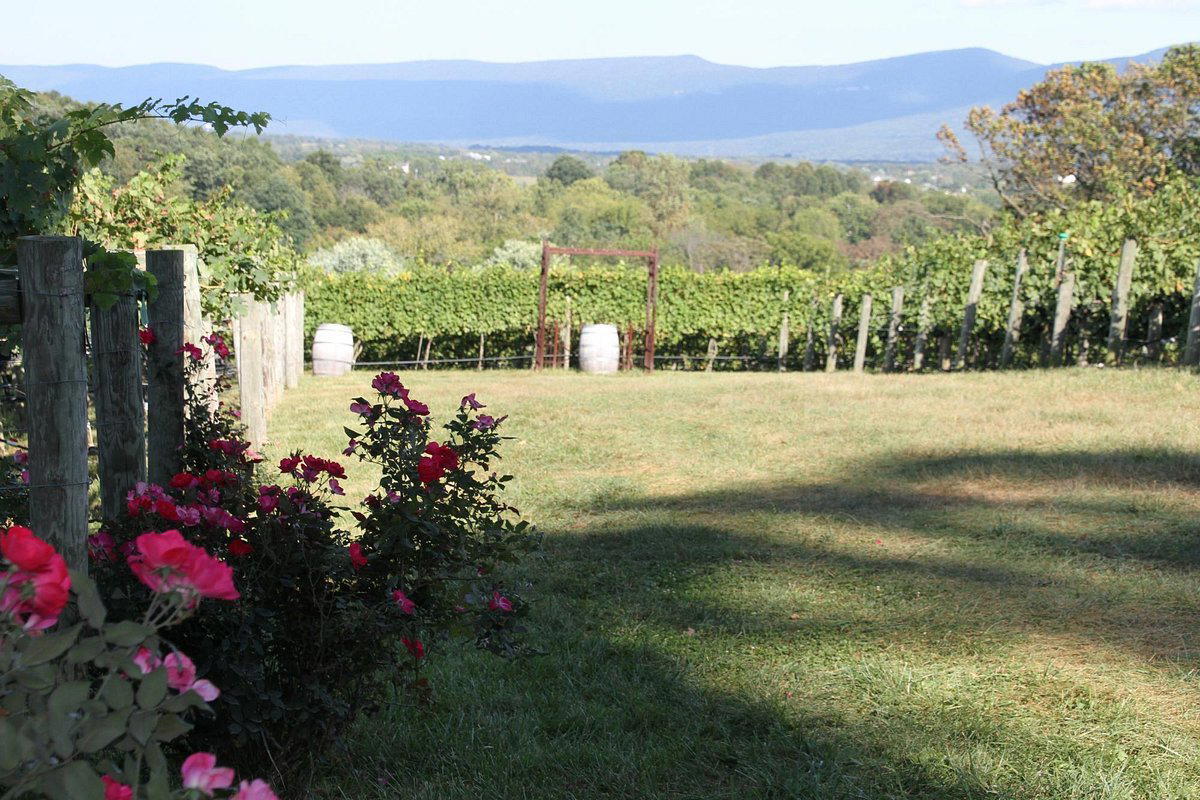
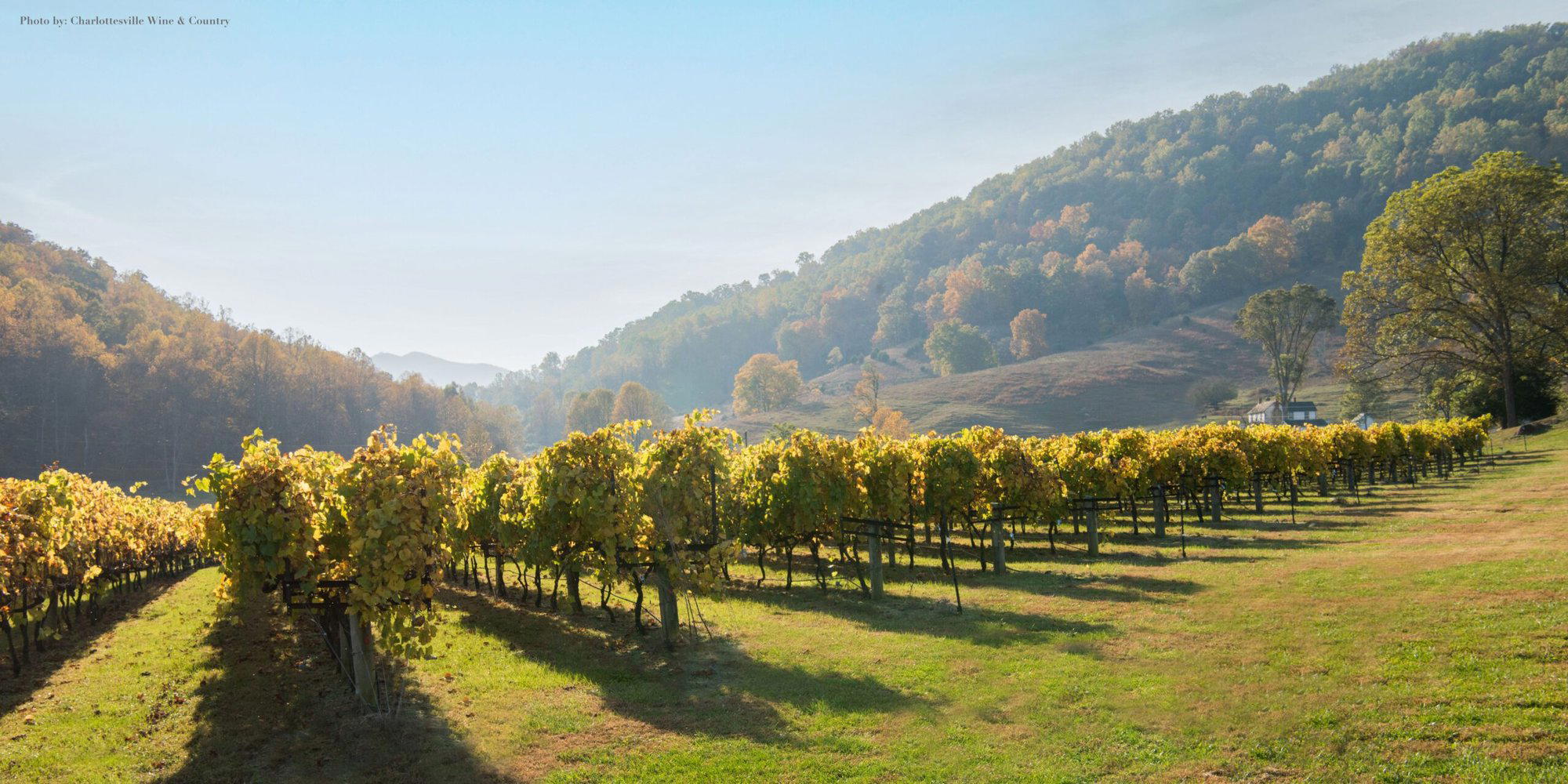
The drive along Conicville Road into Mount Jackson sets a particular kind of expectation. The Shenandoah Valley floor opens wide here, flanked by the Massanutten ridge to the east and the Appalachian ridgeline running southwest, and the light at midday has the slightly diffused quality common to refined inland valleys — sharper than the Tidewater coast, cooler than the Piedmont plateau. Arriving at Cave Ridge Vineyard at 1476 Conicville Rd, you are arriving at a place defined less by architecture or event programming and more by the specific character of the ground beneath it.
That physical context is the argument Cave Ridge makes with every vintage. The northern Shenandoah Valley, centred around Shenandoah County, sits at elevations that push diurnal temperature swings wider than Virginia's more southerly wine zones. Warm growing days are followed by pronounced cool nights, and that range is the engine behind the aromatic precision and retained acidity that distinguish wines made here from those grown in the state's flatter, warmer terrain. It is a climate dynamic recognisable to anyone familiar with high-elevation European growing regions, translated into a distinctly American mountain context.
Virginia Wine and the Terrain Question
Virginia's wine identity has spent the better part of three decades negotiating between ambition and appellation clarity. The state now counts over 300 licensed wineries, and quality has moved well beyond the novelty tier, but the conversation about where Virginia's defining terroirs actually lie remains genuinely open. The Shenandoah Valley AVA, established in 1983 and shared with West Virginia, contains a range of sub-environments, and the northern end — where Mount Jackson sits, behaves differently from the warmer southern reaches near the West Virginia border.
Limestone and shale-heavy soils characterise much of the valley floor and lower slopes, providing good drainage and a mineral base that shows up in white wines as a structural backbone rather than a fruit-forward softness. Growers working this corridor have found that varieties requiring long, cool hang time, certain Bordeaux whites, Austrian-heritage grapes, and cold-hardy hybrids, perform with more precision here than in Virginia's better-publicised Charlottesville zone. The trade-off is lower yields in difficult vintages: the same conditions that build complexity also amplify frost risk and shorten the growing window. That calculus is familiar to growers in the Finger Lakes or in Alsace; it is less familiar in the popular imagination of Virginia wine, which tends to anchor on Cabernet Franc from the Blue Ridge foothills further south.
For context on how Virginia's peer-set compares to West Coast producers earning similar recognition, properties like Adelaida Vineyards in Paso Robles and Alban Vineyards in Arroyo Grande represent the California equivalent of terrain-committed, critically recognised producers working outside the dominant appellation narrative of their respective states.
This is not a participation award distributed across the Virginia tourism circuit; it is a quality signal that places the vineyard alongside producers whose wines demonstrate consistent terroir expression and winemaking discipline across multiple releases. Within Virginia, that cohort is smaller than the overall winery count suggests, the state's output is substantial, but the proportion earning sustained critical recognition at this level remains a fraction of total production.
The award matters as a logistical cue as well as a quality indicator. Producers at this recognition tier in smaller American wine regions tend to operate allocation lists or limited direct-sale models, and demand from out-of-state buyers has been rising steadily as Virginia's profile has grown on the national sommelier circuit. For comparison on how allocation dynamics work at critically recognised smaller American producers, Aubert Wines in Calistoga and Accendo Cellars in St. Helena represent the Napa end of that same limited-production, high-recognition model.
Northern Shenandoah in Context
Mount Jackson itself is a small town of roughly 2,000 residents, positioned on the north fork of the Shenandoah River and long serving as an agricultural and light-industrial hub rather than a wine tourism destination. That is changing incrementally. The concentration of serious producers in the county has begun attracting the kind of wine-focused visitors who arrive with tasting notes in mind rather than a winery-hopping itinerary, and the town's infrastructure, limited accommodation, a handful of independent restaurants, reflects its agricultural character more than any curated hospitality industry. For visitors used to the Napa Valley hospitality apparatus or the developed tasting-room culture of the Willamette Valley (where producers like Adelsheim Vineyard in Newberg operate within a dense, well-signposted tourism network), northern Shenandoah requires more independent planning.
That is not a criticism. The relative absence of infrastructure is partly what keeps the focus on the wine rather than the experience packaging. Producers in this corridor have not yet needed to build elaborate tasting theatres or event spaces to attract visitors; the wines are the draw, and the physical setting, open valley floor, ridge silhouettes, working agricultural land, provides its own context without mediation. For the reader interested in how terrain shapes wine in comparable mountain-valley environments elsewhere, Alexander Valley Vineyards in Geyserville and Andrew Murray Vineyards in Los Olivos offer useful reference points for how different California valley topographies produce distinct stylistic outcomes.
Our full Mount Jackson restaurants guide covers the wider dining and hospitality picture for visitors planning a day or overnight trip to the area.
Planning a Visit
Cave Ridge Vineyard is located at 1476 Conicville Rd, Mt Jackson, VA 22842, in Shenandoah County. The property sits roughly two hours southwest of Washington D.C. via I-81, making it viable as a day trip from the capital or as part of a longer Shenandoah Valley itinerary. Autumn visits, particularly September through November, align with harvest activity and the period when the valley's temperature differentials are most pronounced, the same conditions that define the wines are most legible in the landscape during that window. Spring visits offer a quieter experience with the valley floor in early growth, though tasting room availability across Shenandoah County producers varies significantly by season.
Visitors familiar with the West Coast winery visit model should recalibrate expectations slightly: this is working farm territory, and the experience tends toward the substantive rather than the theatrical. That orientation suits a certain kind of wine traveller well. For additional regional context on how American wine producers outside the major California appellations have built serious reputations through terrain-focused work, Au Bon Climat in Santa Barbara, Artesa Vineyards and Winery in Napa, Alpha Omega Winery in Rutherford, Babcock Winery and Vineyards in Lompoc, and B.R. Cohn Winery in Glen Ellen each represent different regional approaches to the same fundamental question Cave Ridge is answering in Virginia: what does this specific piece of land want to produce?
For those interested in how Old World terroir frameworks translate to New World contexts, Aberlour in Aberlour and Achaia Clauss in Patras offer contrasting European reference points where geography has long been the primary quality argument.
Comparable Spots, Quickly
Comparable venues nearby, for context on price, style, and recognition.
| Venue | Cuisine | Price | Notes |
|---|---|---|---|
| Cave Ridge VineyardThis venue — the venue you are viewing | Chambourcin, Viognier | $30–50 | Not listed |
| Castle Hill Cider | Albemarle Pippin | Not listed | Keswick |
| CrossKeys Vineyards | Cabernet Franc | Not listed | Shenandoah Valley |
| Flying Fox Vineyard | Cabernet Franc, Merlot | $10–20 | Afton |
| Gabriele Rausse Winery | Nebbiolo, Grüner Veltliner | $10–20 | Carter's Mountain |
| Pearmund Cellars | Chardonnay, Viognier | $10–20 | Broad Run |
Continue exploring
More in Mount Jackson
Wineries in Mount Jackson
Browse all →
Bars in Mount Jackson
Browse all →
Restaurants in Mount Jackson
Browse all →
Details
- Scenic
- Romantic
- Rustic
- Quiet
- Romantic Getaway
- Group Outing
- Celebration
- Family
- Estate Grounds
- Terrace
- Panoramic View
- Picnic Area
- Vineyard Tour
- Sustainable
- Vineyard
- Mountain
- Chambourcin
- Viognier
- Still Red
- Still White
- Dessert
- Fortified
- Flight Tasting
- Wine Tasting
Peaceful and relaxing with natural lighting from expansive outdoor spaces; fire pits and heat lamps provide comfort in cooler weather; live music entertainment on select days creates a warm, welcoming atmosphere.