Paumanok Vineyards

Paumanok Vineyards sits on the North Fork of Long Island, where a maritime climate and glacially deposited loam soils shape wines of uncommon precision for the East Coast. It is a reference point for understanding what Long Island's terroir can achieve at its upper tier.
Pearl is the En Primeur Club membership app — saves, bookings, and concierge access live there. Same editors, same standards.
- Address
- 1074 Main Rd, Aquebogue, NY 11931
- Phone
- +1 631-722-8800
- Website
- paumanok.com
- Directions
- Get directions
 Saves & bookings on Pearl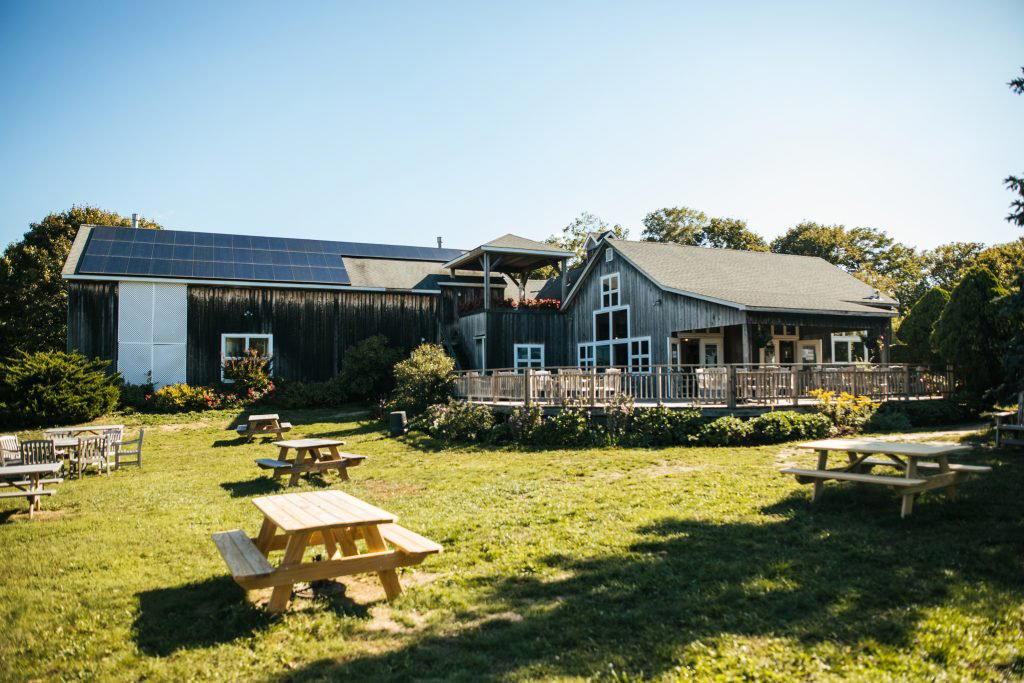
Where the North Fork's Soil Speaks Loudest
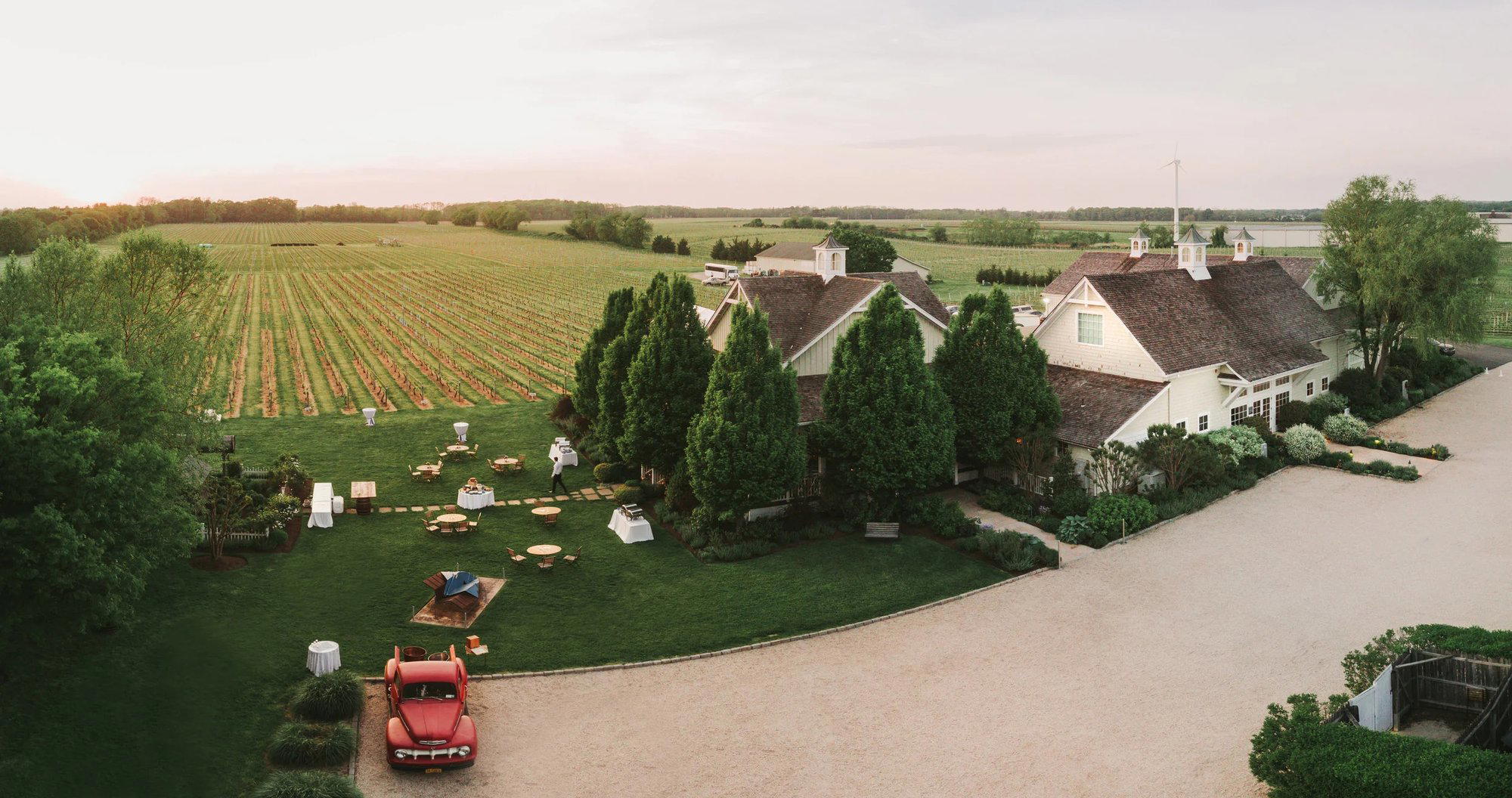
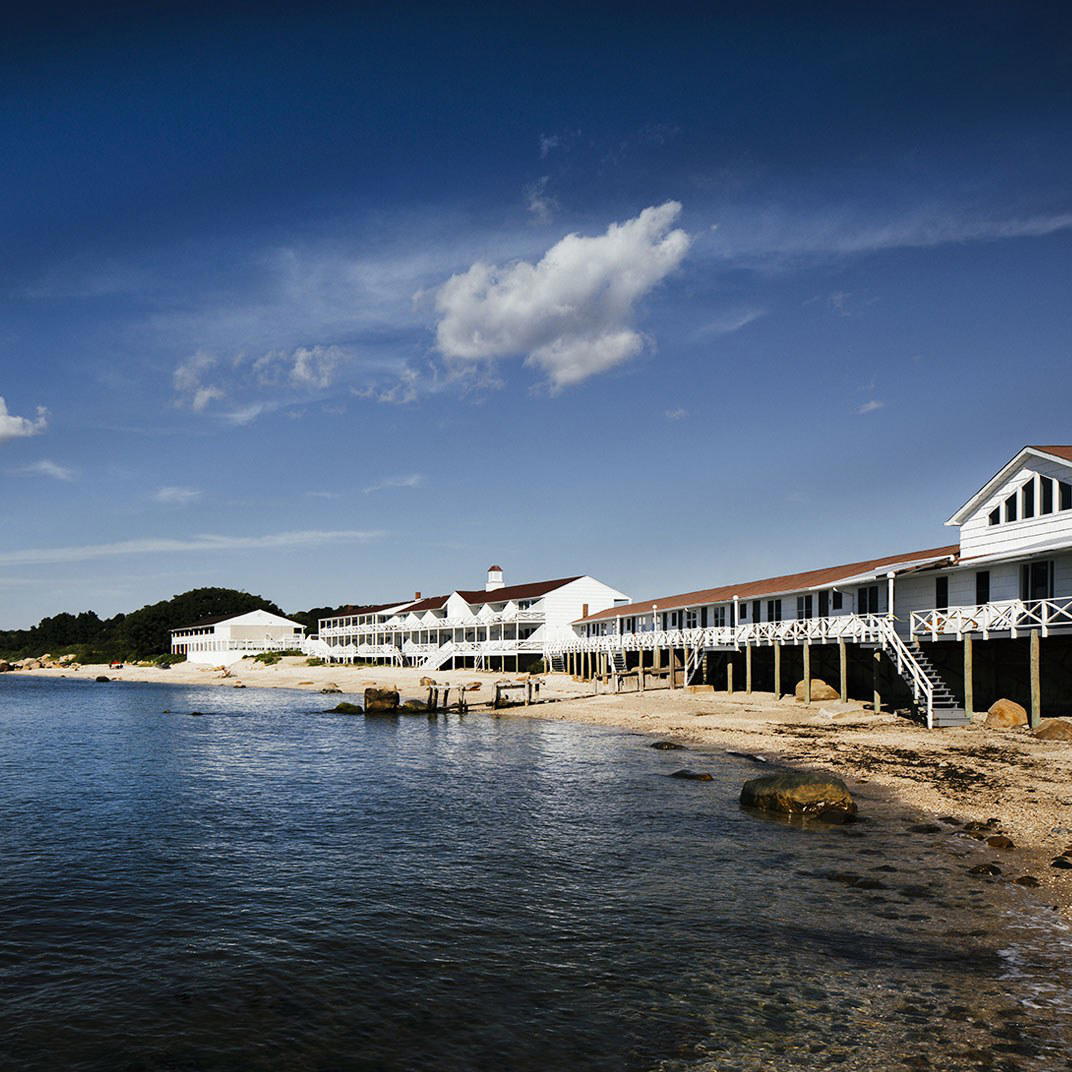
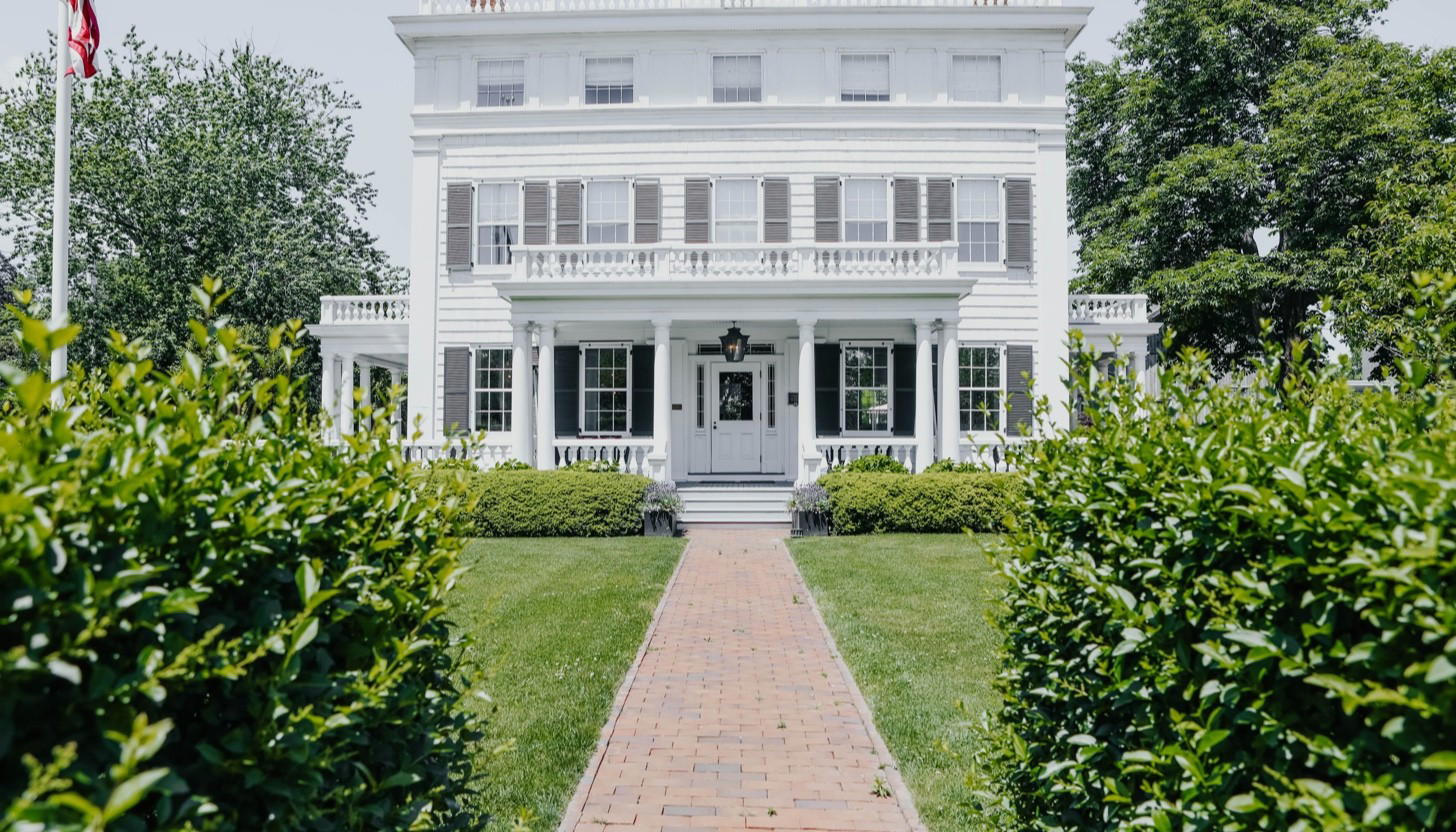
Approach Aquebogue from the west and the landscape flattens incrementally as the North Fork narrows toward its tip. The light changes too, acquiring the particular silver quality that comes from proximity to open water on two sides. Paumanok Vineyards sits at 1074 Main Rd in Aquebogue. The setting is agricultural without pretense: working vineyard rows running toward the horizon, a tasting facility oriented toward the land rather than away from it. This is a property that makes its argument through what grows in the ground, not through architectural spectacle.
That argument carries weight. For context, that tier remains selective. The 2 Star designation signals consistent quality across vintages, not a single standout bottle.
What Long Island Terroir Actually Delivers
The North Fork's terroir argument runs through geology first. The peninsula is a glacial moraine deposit, meaning its soils are a mix of sandy loam, gravel, and clay laid down by retreating ice sheets roughly 20,000 years ago. Drainage is generally excellent, which forces vine roots to work deeper and, in theory, build greater mineral complexity in the fruit. The maritime influence from Long Island Sound to the north and the Atlantic-connected Peconic Bay to the south moderates temperature extremes in both directions. Winters are milder than the Hudson Valley, and summers arrive later but extend well into autumn, giving grapes a long hang time without excessive heat accumulation.
The result is a growing environment that sits in a useful middle position: warmer and drier than coastal regions further north, cooler than many mid-Atlantic appellations. Bordeaux varieties, particularly Cabernet Franc and Merlot, have historically performed well in this profile, with the cool maritime air preserving acidity while the long season develops phenolic maturity. Chardonnay and Sauvignon Blanc also find a productive expression here, with the sandy soils contributing a textural lightness that distinguishes North Fork whites from heavier continental-climate expressions. Producers across the appellation have spent several decades calibrating variety selection to site, and Paumanok represents one of the more established participants in that long experiment.
Adelsheim Vineyard in Newberg navigates comparable tension between maritime moderation and site-specific soil variation in the Willamette Valley. Au Bon Climat in Santa Barbara has spent decades making the case that cool-climate California can produce structured, age-worthy whites and Pinot Noir. The North Fork's version of that argument runs through different varieties, but the underlying logic of maritime moderation building precision rather than power holds across all three regions.
The 2 Star Prestige Context
Awards at the 2 Star Prestige tier signal something specific about a producer's position in its comparable set. At that level, the recognition reflects not just quality in a single category but demonstrated range and consistency across the estate's output. For a North Fork producer, achieving that standing in 2025 is notable in part because the region has spent years working against coastal bias, the persistent assumption among American wine buyers that serious fine wine production belongs exclusively to California's established appellations or Oregon's Willamette Valley.
That bias has been eroding. Long Island producers have been gaining traction in national wine press and sommelier programs with increasing frequency over the past decade. The North Fork Appellation now has enough vintage history behind it to make vintage-variation arguments, which is a mark of a region reaching maturity. Producers earning prestige-tier recognition in that context carry additional weight because they are simultaneously making quality claims and regional claims. Paumanok's 2025 Pearl 2 Star sits inside that dual argument.
Producers working at comparable prestige tiers in other American appellations include Accendo Cellars in St. Helena, where Napa Cabernet operates in a small-production, high-recognition framework, and Alpha Omega Winery in Rutherford, another Napa estate navigating the relationship between appellation identity and individual estate positioning. The competitive sets are different, but the structural challenge of maintaining consistent quality within a recognized appellation framework is shared.
Positioning Among North Fork Peers
The North Fork operates differently from Napa or Sonoma in one important structural respect: it lacks a dominant single variety that anchors its commercial identity. Napa built its premium reputation on Cabernet Sauvignon. The North Fork, by contrast, has a more diffuse variety story. That diffusion creates both challenge and opportunity. Estates that can demonstrate quality across multiple varieties and multiple price points tend to earn more durable reputations than those built on a single flagship wine.
Paumanok's recognition at the 2 Star Prestige level in 2025 suggests it is operating in the multi-variety, multi-tier category rather than staking everything on one expression. For comparison, estates like Adelaida Vineyards in Paso Robles have built prestige-tier positioning through a similar breadth approach in a region also working to establish varietal identity. Alexander Valley Vineyards in Geyserville offers another parallel: a family estate using appellation-rooted positioning to differentiate within a competitive California market. The North Fork's smaller production base and more limited distribution footprint mean that estates like Paumanok often build reputation through tasting room visits and direct allocation relationships rather than national retail presence.
Planning a Visit
Aquebogue sits roughly midway along the North Fork, accessible from New York City via the Long Island Expressway to Route 25, typically a two-hour drive depending on departure time. Weekend traffic on the East End compresses significantly between Memorial Day and Labor Day, so visits during shoulder seasons, particularly late September through early November when harvest is active and crowds thin, offer a more productive tasting experience and a direct view of the agricultural cycle that defines the region's character. The address at 1074 Main Road is direct to locate along the Route 25 corridor.
Visitors interested in the region's potential will find Paumanok a worthwhile stop. The wines here are the argument for what Long Island's particular combination of glacial soil, maritime climate, and accumulated viticultural experience can produce. That argument is worth the time it takes to engage with it directly.
For readers exploring American fine wine more broadly, the context provided by producers like Aubert Wines in Calistoga, Alban Vineyards in Arroyo Grande, Andrew Murray Vineyards in Los Olivos, Artesa Vineyards and Winery in Napa, Babcock Winery and Vineyards in Lompoc, B.R. Cohn Winery in Glen Ellen, Aberlour in Aberlour, and Achaia Clauss in Patras illustrates how different soil types, climates, and regional traditions produce distinct expressions of terroir-driven winemaking. Paumanok belongs in that broader conversation.
In Context: Similar Options
Comparable venues nearby, for context on price, style, and recognition.
| Venue | Cuisine | Price | Notes |
|---|---|---|---|
| Paumanok VineyardsThis venue — the venue you are viewing | Chenin Blanc, Riesling | $$ | Not listed |
| Long Island Spirits | North Fork of Long Island | $$ | North Fork |
| Kings County Distillery | New York | $$ | Brooklyn Navy Yard |
| Montauk Distilling Co. | Winery | Not listed | Montauk |
| Great Jones Distilling Co. | New York | $$ | NoHo |
| Port Morris Distillery | Winery | Not listed | Bronx |
Recognition history
Dated appearances from independent guides and award organizations, with the underlying list record or original source where available.
Falstaff Winery - Listed
Falstaff
Continue exploring
More in Aquebogue
Wineries in Aquebogue
Browse all →
Bars in Aquebogue
Browse all →

Restaurants in Aquebogue
Browse all →


At a Glance
- Scenic
- Rustic
- Quiet
- Elegant
- Solo Exploration
- Wine Education
- Group Outing
- Vineyard Tour
- Estate Grounds
- Terrace
- Panoramic View
- Vineyard
- North Fork Of Long Island AVA
- Chenin Blanc
- Riesling
- Sauvignon Blanc
- Chardonnay
- Merlot
- Cabernet Franc
- Cabernet Sauvignon
- Petit Verdot
- Still White
- Still Red
- Still Rosé
- Sparkling
- Dessert
- Flight Tasting
- Barrel Tasting
- Private Tasting
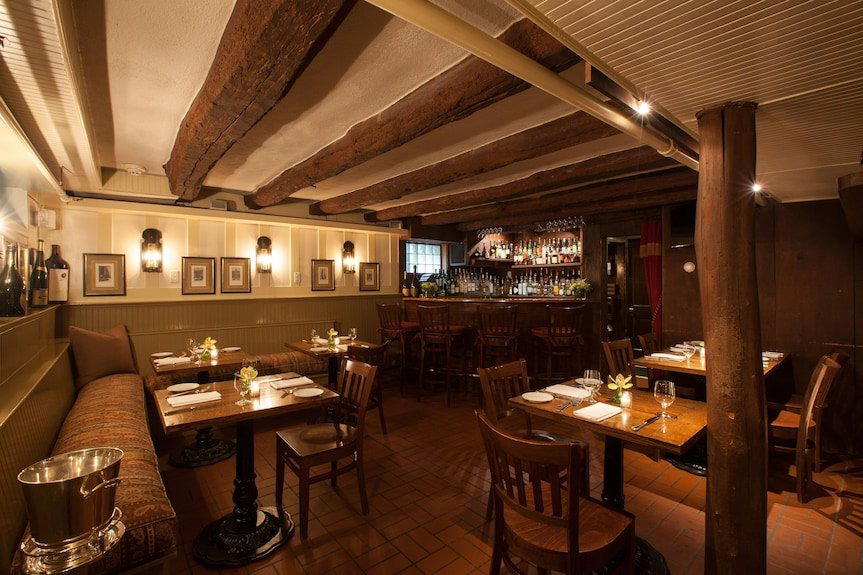
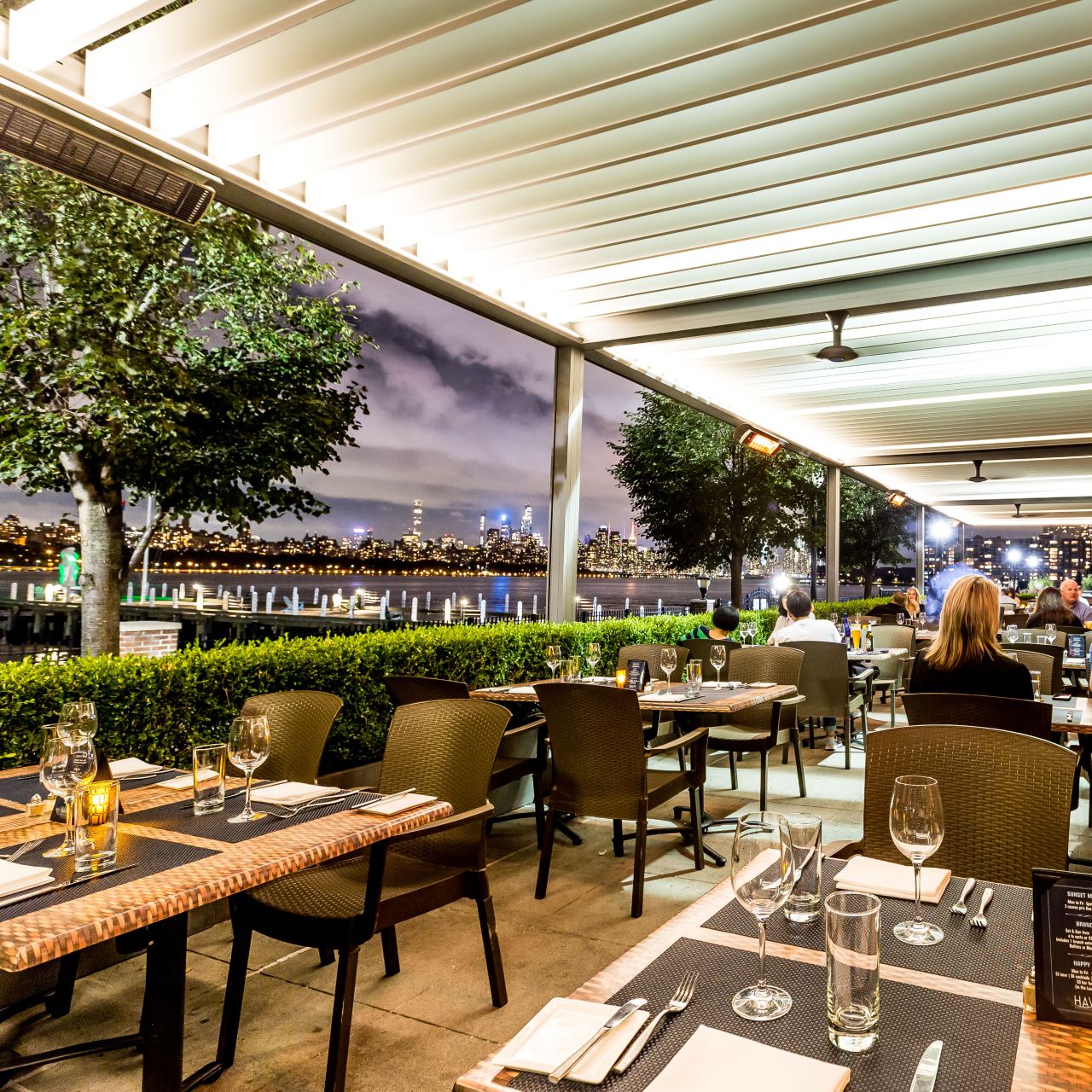
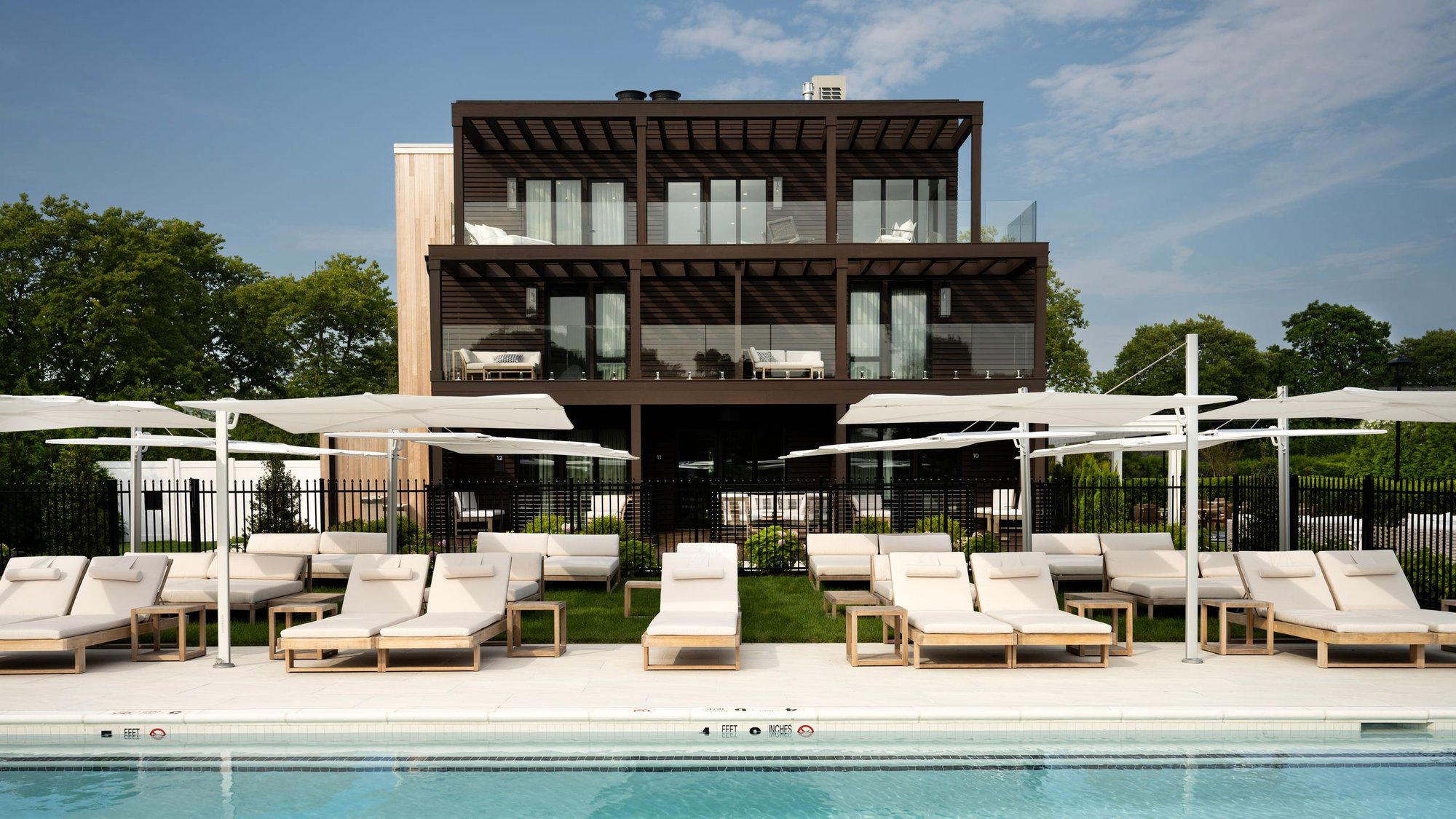
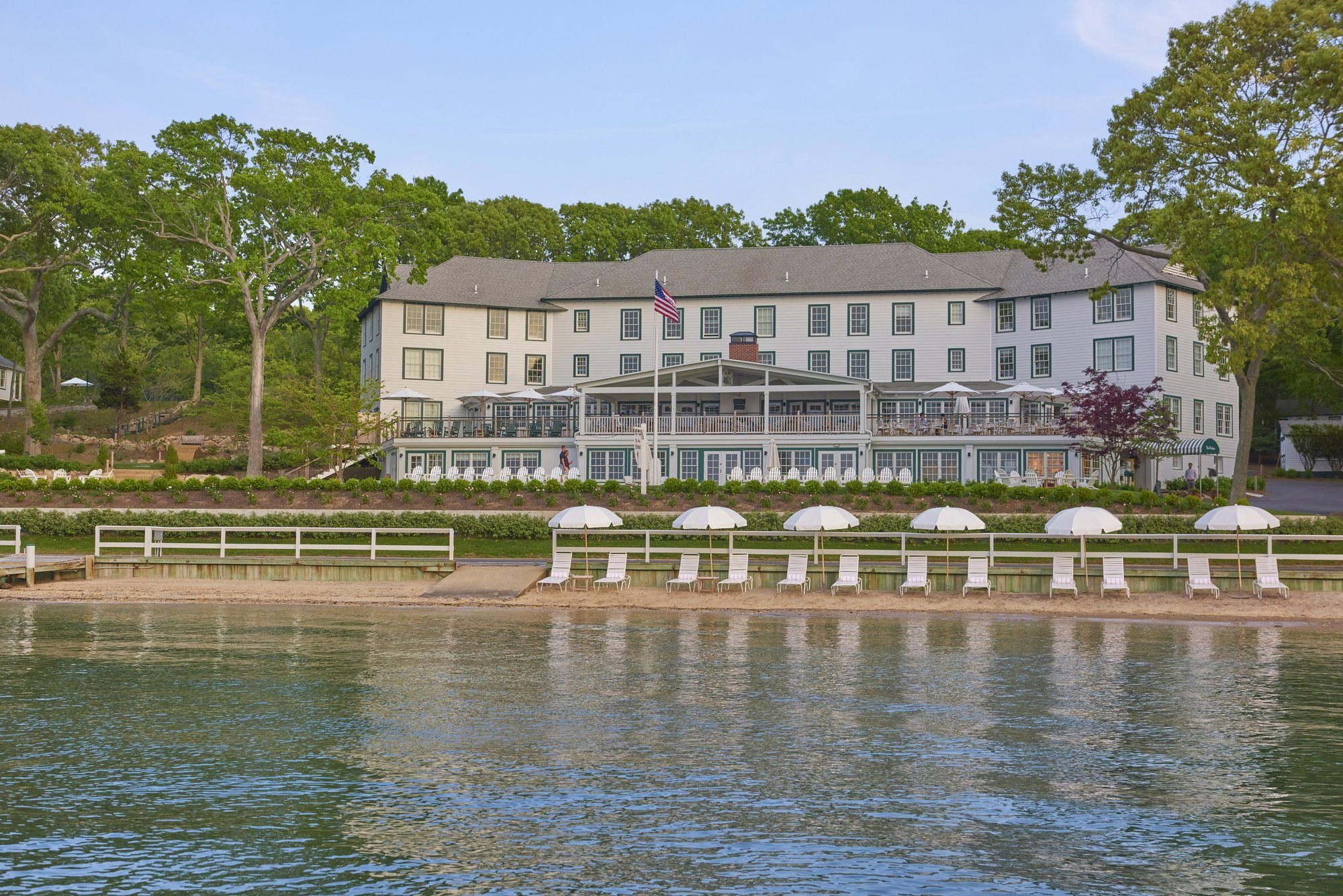
Relaxed and scenic with beautiful vineyard views from the back patio and tasting room; can be chilly indoors in cooler months but warm and inviting outdoors on sunny days.