
Pierre Paillard is a grower Champagne house in Bouzy, one of the Montagne de Reims villages with Grand Cru status across its entire vineyard surface. Visiting requires advance planning; the address is 2 Rue du Vingtième Siècle, 51150 Bouzy.
Pearl is the En Primeur Club membership app — saves, bookings, and concierge access live there. Same editors, same standards.
- Address
- 2 Rue du Vingtième Siècle, 51150 Bouzy
- Phone
- +33 3 26 57 08 04
- Directions
- Get directions
 Saves & bookings on Pearl
Bouzy and the Grower Champagne Tier It Anchors
The village of Bouzy carries a particular weight in the Montagne de Reims. Its entire vineyard surface holds Grand Cru classification, one of only seventeen villages in Champagne accorded that status, and its Pinot Noir fruit has long supplied both major houses and a tight cluster of récoltant-manipulant producers who have chosen to work exclusively from their own plots. That decision, to grow, vinify, and bottle under a single domaine name rather than selling fruit to négociants, defines a distinct tier in the Champagne market.
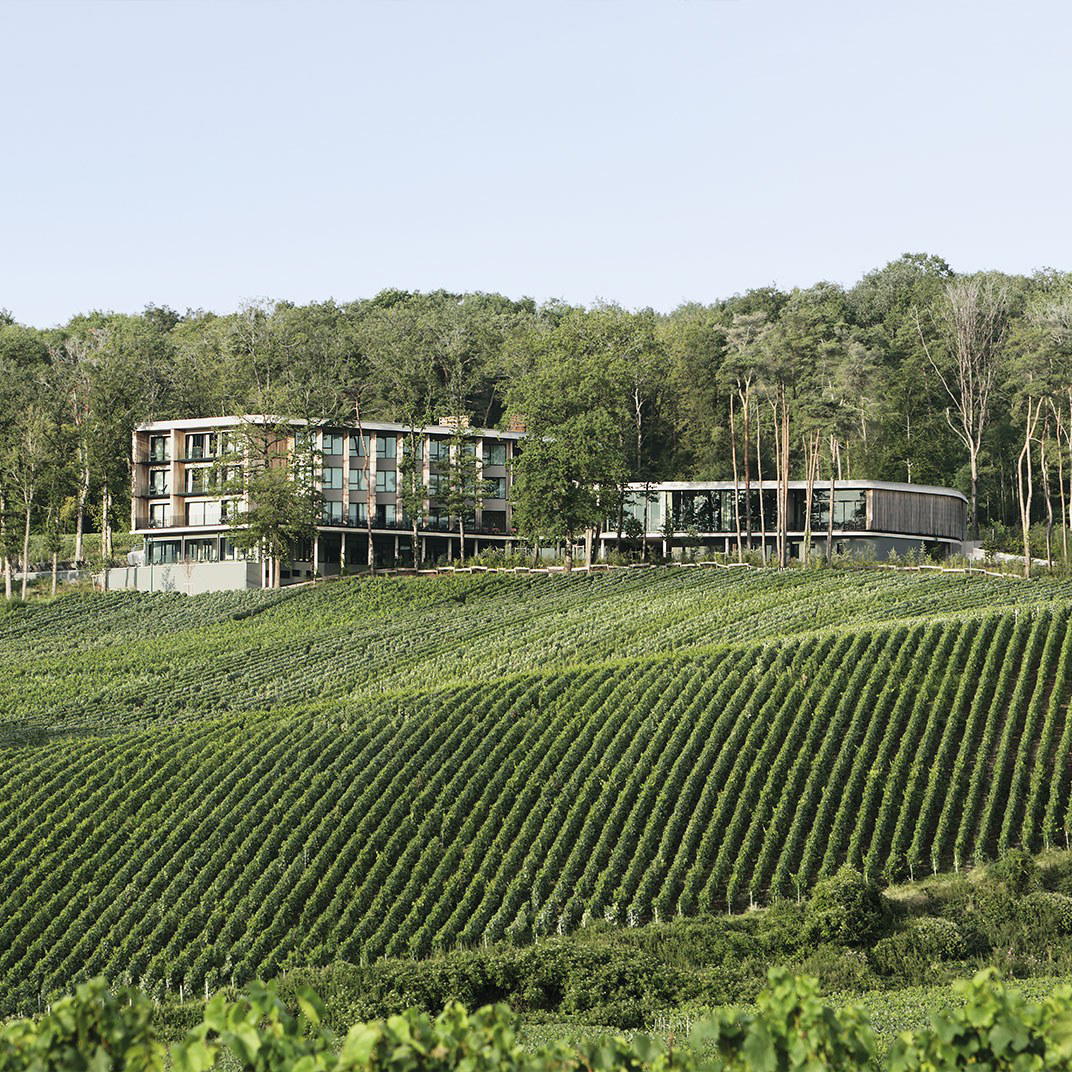
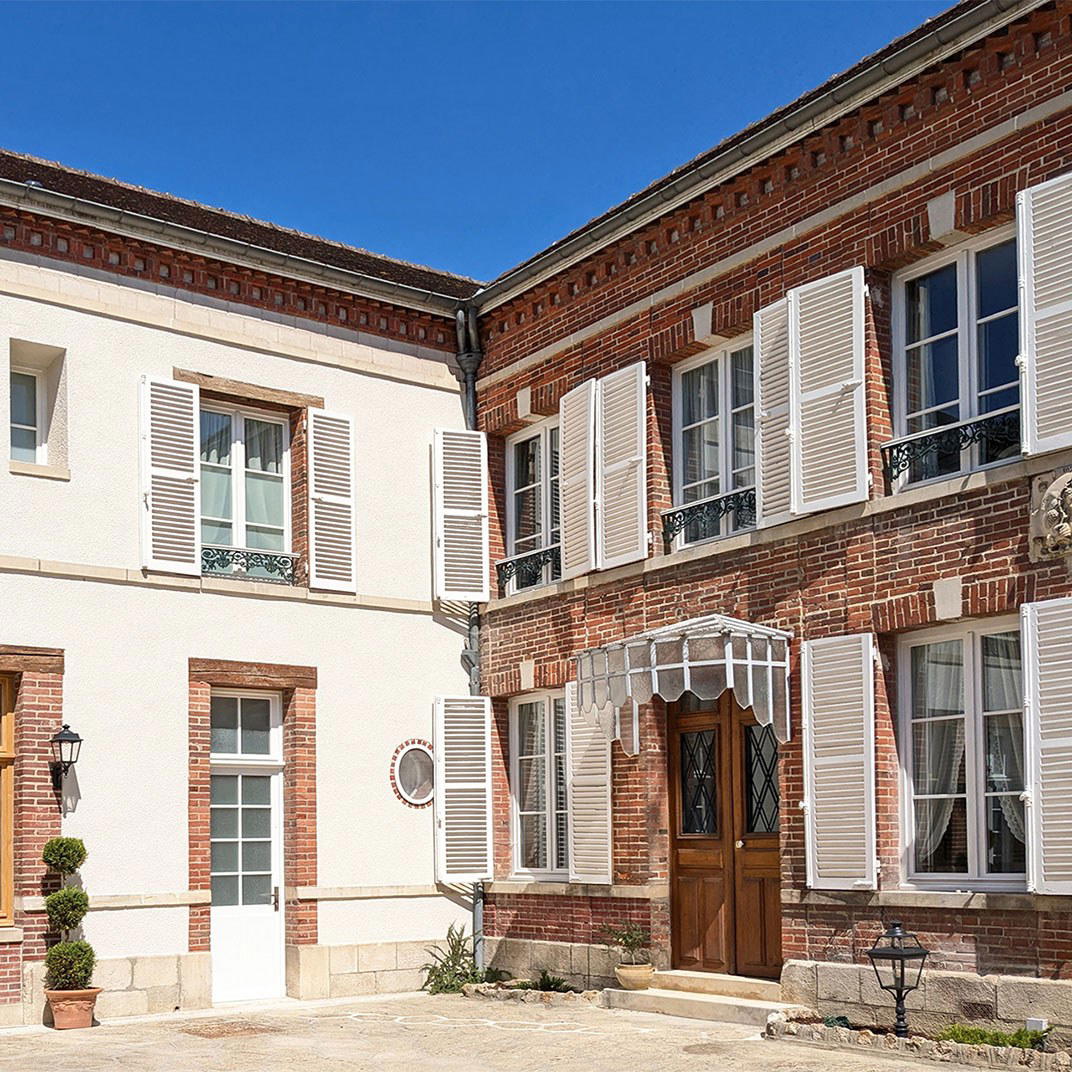
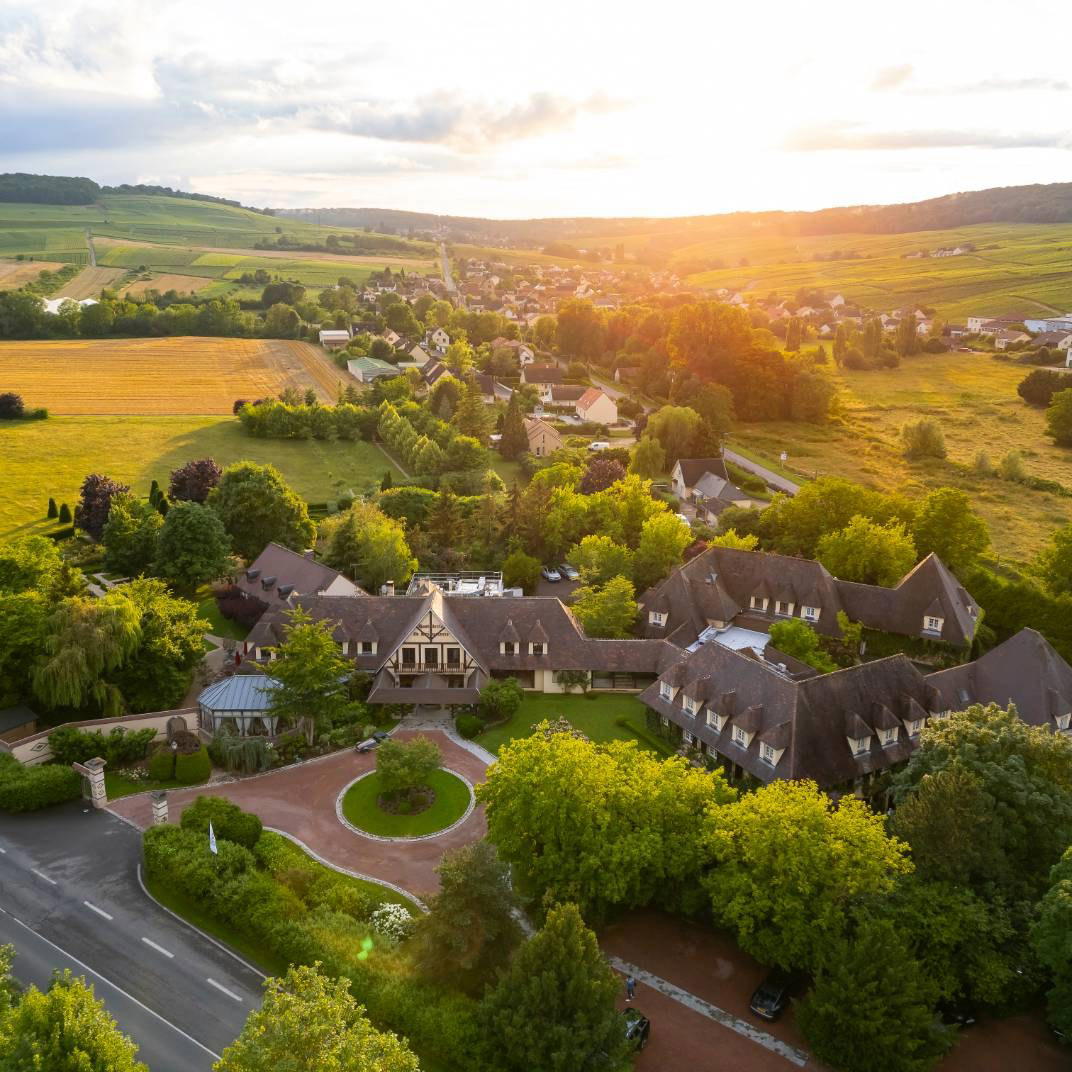
Arriving along Bouzy's narrow village roads, the scale is immediately at odds with the reputations involved. Grand Cru Champagne does not announce itself through grand architecture. The address at 2 Rue du Vingtième Siècle sits within a village environment that looks, on the surface, more agricultural than grand. That gap between setting and critical standing is one of the defining characteristics of grower Champagne, a category where cellars and winery buildings are modest by design, and where the prestige lives in the glass rather than the reception hall.
What the Grand Cru Classification Means in Practice
Champagne's classification system operates differently from Burgundy or Bordeaux. Rather than classifying individual estates or specific vineyards, the Échelle des Crus system rates entire village terroirs, with Grand Cru designation reserved for villages whose grapes historically commanded the full 100% price index from the major houses. Bouzy's Grand Cru status applies to all its vineyards, which means a grower with holdings entirely within Bouzy is working with fruit that, on paper, ranks at the summit of the regional hierarchy.
For grower producers like Pierre Paillard, this classification matters in a specific way: it permits the use of Grand Cru on the label without blending fruit from classified and non-classified parcels, which is common practice among larger négociant houses. Single-village Grand Cru Champagne of this kind operates as a different product from the blended cuvées that dominate category volume. The wines reflect one terroir rather than a house style assembled from dozens of sources. That singularity of origin sits at the core of what the récoltant-manipulant model offers.
Bouzy's Pinot Noir dominance also shapes the character of wines made here. The village is historically associated with the variety, and its still red wine, Bouzy Rouge, has long been one of Champagne's most noted still reds, a niche but documented local product. Grower houses in Bouzy therefore tend to produce Champagne with Pinot Noir at the structural centre, which places them in a different stylistic conversation than the Chardonnay-led houses of the Côte des Blancs. For context on the range of grower approaches across Champagne, Paul Bara, also based in Bouzy, offers a useful local comparison point, and our full Bouzy guide maps the village's producers within their broader neighbourhood context.
The Récoltant-Manipulant Philosophy and Pierre Paillard's Position Within It
The EA-WN-02 editorial lens, winemaker philosophy and approach, is particularly relevant for grower Champagne houses, where the decision to retain control across the full production chain is itself a philosophical position. Récoltant-manipulant (RM) producers vinify their own harvest rather than selling fruit to cooperatives or négociants. The consequences of that choice run through every aspect of the wine: parcel selection, harvest timing, fermentation decisions, dosage levels, and disgorgement timing all reflect the domaine rather than a blended house standard.
Within that RM category, there is a further spectrum. Some grower producers focus on non-vintage assemblages designed to express consistent house style across years; others emphasise vintage declarations, single-parcel releases, and extended lees ageing that foreground terroir differences.
Grower Champagne as a category has expanded its international footprint considerably over the past two decades. Importers in the UK, US, and Japan have built dedicated allocations around individual villages and producers, and the collectors' market now treats certain RM cuvées with the same allocation discipline applied to Burgundy premiers crus. For producers operating at the prestige tier within a Grand Cru village, the competitive comparable set is genuinely international, even if the physical operation remains village-scale.
Planning a Visit
Visits to grower Champagne producers in the Montagne de Reims generally require advance arrangement; these are working agricultural businesses rather than visitor centres with open tasting rooms. Pierre Paillard is located at 2 Rue du Vingtième Siècle, 51150 Bouzy, within direct reach of Épernay (approximately 25 kilometres to the south) and Reims (approximately 30 kilometres to the north). Both cities serve as practical bases for touring the Montagne de Reims, with Reims offering direct TGV connections from Paris Est in around 45 minutes.
The Montagne de Reims route is leading approached by car, as the village producers are spread across terrain that public transport does not efficiently serve. Bouzy itself sits on the southern flank of the mountain, where the slope exposure and chalk subsoil deliver the conditions that have sustained Grand Cru viticulture here for centuries. Autumn, during and immediately after harvest (typically September to October), brings visually immediate sense of the growing season, though visits are logistically more constrained during that period. Spring and early summer, when the vines are in leaf and the region is less visited than during harvest, often allow more considered appointment scheduling with individual producers.
For comparative context across France's premium wine regions, the domaine-level RM model at Bouzy has analogues in Alsace (where Albert Boxler in Niedermorschwihr represents a similar commitment to single-domaine viticulture), and in Bordeaux appellations where château-based production remains the primary framework, from Château Batailley in Pauillac to Château Bélair-Monange in Saint-Emilion. The Sauternes tradition of estate-specific production, represented by Château Bastor-Lamontagne in Preignac and Château d'Arche in Sauternes, similarly prioritises vineyard singularity over blended volume. Elsewhere in Médoc and the right bank, Château Boyd-Cantenac in Cantenac, Château Branaire Ducru in St-Julien, and Château Cantemerle in Haut-Médoc all operate within the same principle of declared-origin production. For Pomerol, Château Clinet provides another reference point in that tradition. Beyond France, Accendo Cellars in St. Helena and Aberlour in Aberlour each represent the same underlying logic of place-specific production applied in Napa and Speyside respectively. Chartreuse in Voiron and Château d'Esclans in Courthézon round out the picture across spirit and rosé production categories where provenance similarly anchors the product's market positioning.
Budget and Context
Comparable venues nearby, for context on price, style, and recognition.
| Venue | Cuisine | Price |
|---|---|---|
| Pierre PaillardThis venue — the venue you are viewing | Bouzy, Pinot Noir, Chardonnay | $$$ |
| Paul Bara | Bouzy, Pinot Noir, Chardonnay | $$$ |
| Pierre Gimonnet & Fils | Cuis, Chardonnay, Pinot Noir | $$$ |
| Chartogne Taillet | Merfy, Pinot Noir, Chardonnay | $$$ |
| Laurent-Perrier | Tours-sur-Marne, Chardonnay, Pinot Noir | $$$ |
| Lallier | Aÿ, Pinot Noir, Chardonnay | $$$ |
Recognition history
Dated appearances from independent guides and award organizations, with the underlying list record or original source where available.
Falstaff Winery - 3 Stars
Falstaff
Continue exploring
More in Bouzy
Wineries in Bouzy
Browse all →
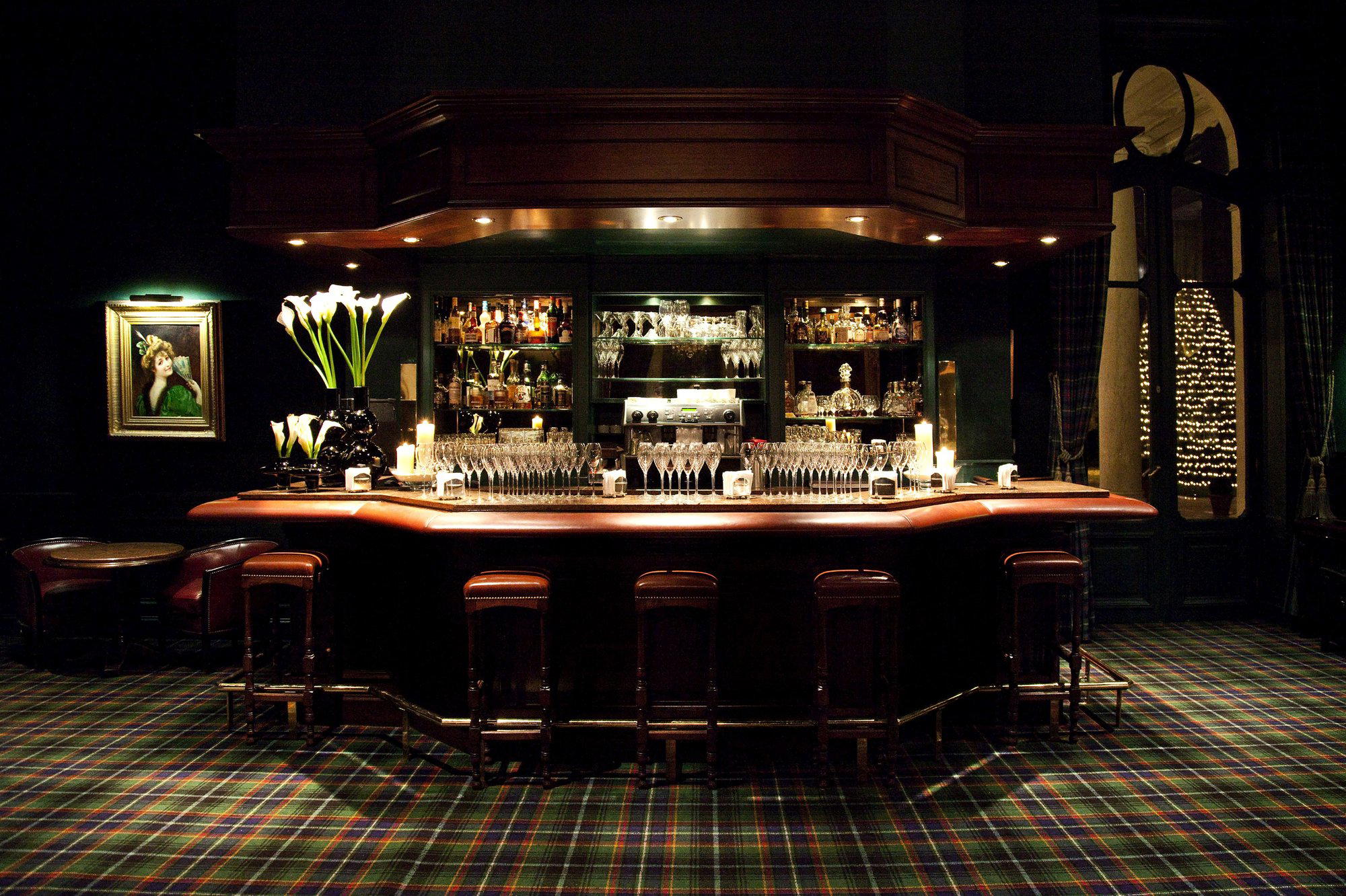
Bars in Bouzy
Browse all →
Restaurants in Bouzy
Browse all →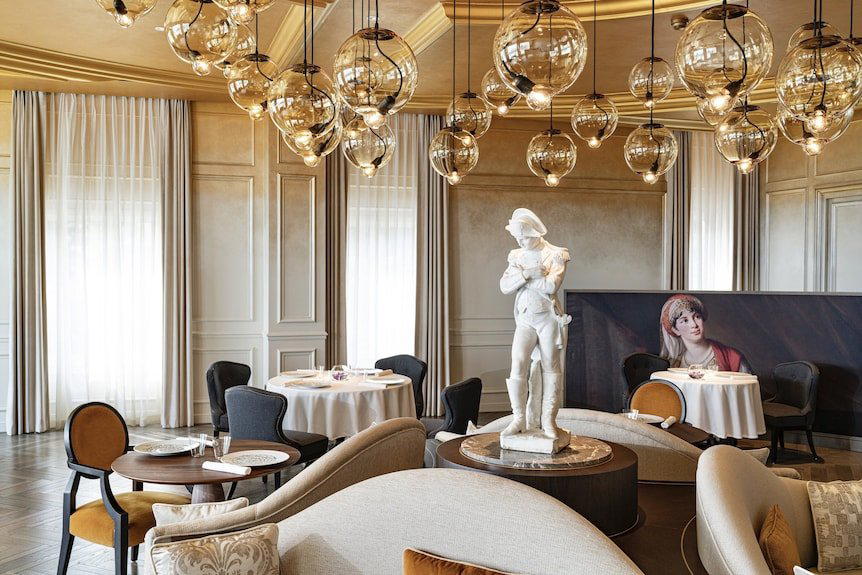
At a Glance
- Rustic
- Classic
- Intimate
- Elegant
- Wine Education
- Solo Exploration
- Special Occasion
- Vineyard Tour
- Cave Tasting
- Historic Building
- Organic
- Vineyard
- Bouzy Grand Cru
- Pinot Noir
- Chardonnay
- Sparkling
- Still Red
- Cave Tasting
- Guided Tour
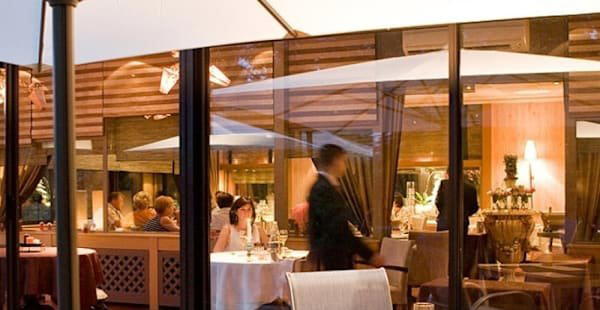
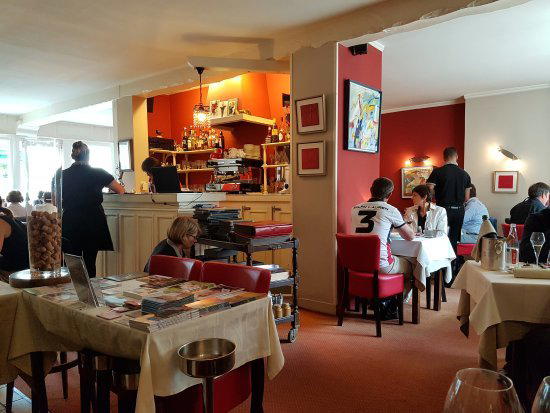
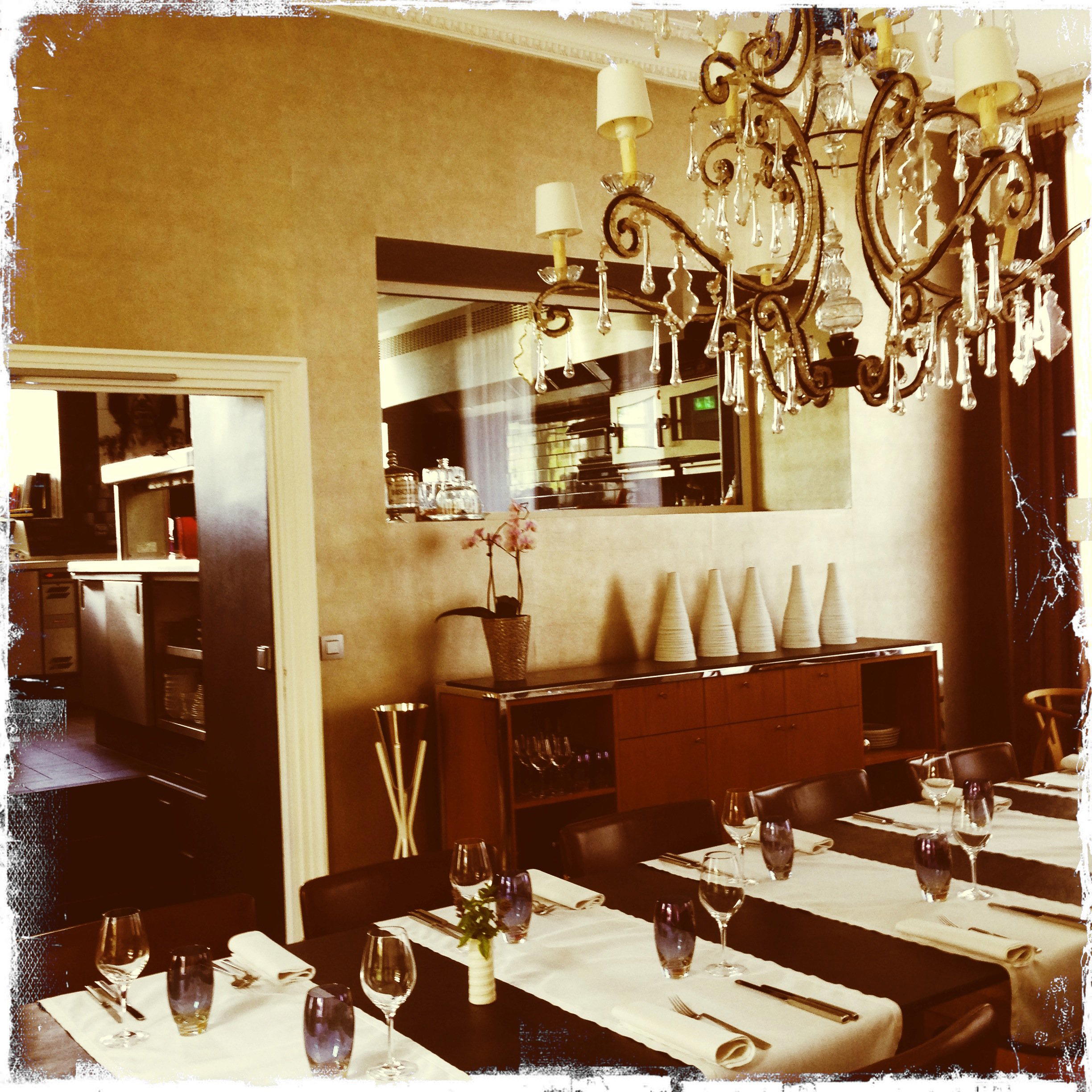
Intimate and historic family atmosphere focused on educational tours and tastings in a traditional winery setting.