Pannonhalmi Apátsági Pincészet

Falstaff Winery - Listed
The winery at Pannonhalma Abbey occupies one of Central Europe's oldest continuously cultivated vineyard sites, where Benedictine monks have shaped the land since the eleventh century..

Pearl is the En Primeur Club membership app — saves, bookings, and concierge access live there. Same editors, same standards.
- Address
- Pannonhalma, Vár 1, 9090
- Phone
- +36 96 570 171
- Website
- apatsagipinceszet.hu
- Directions
- Get directions
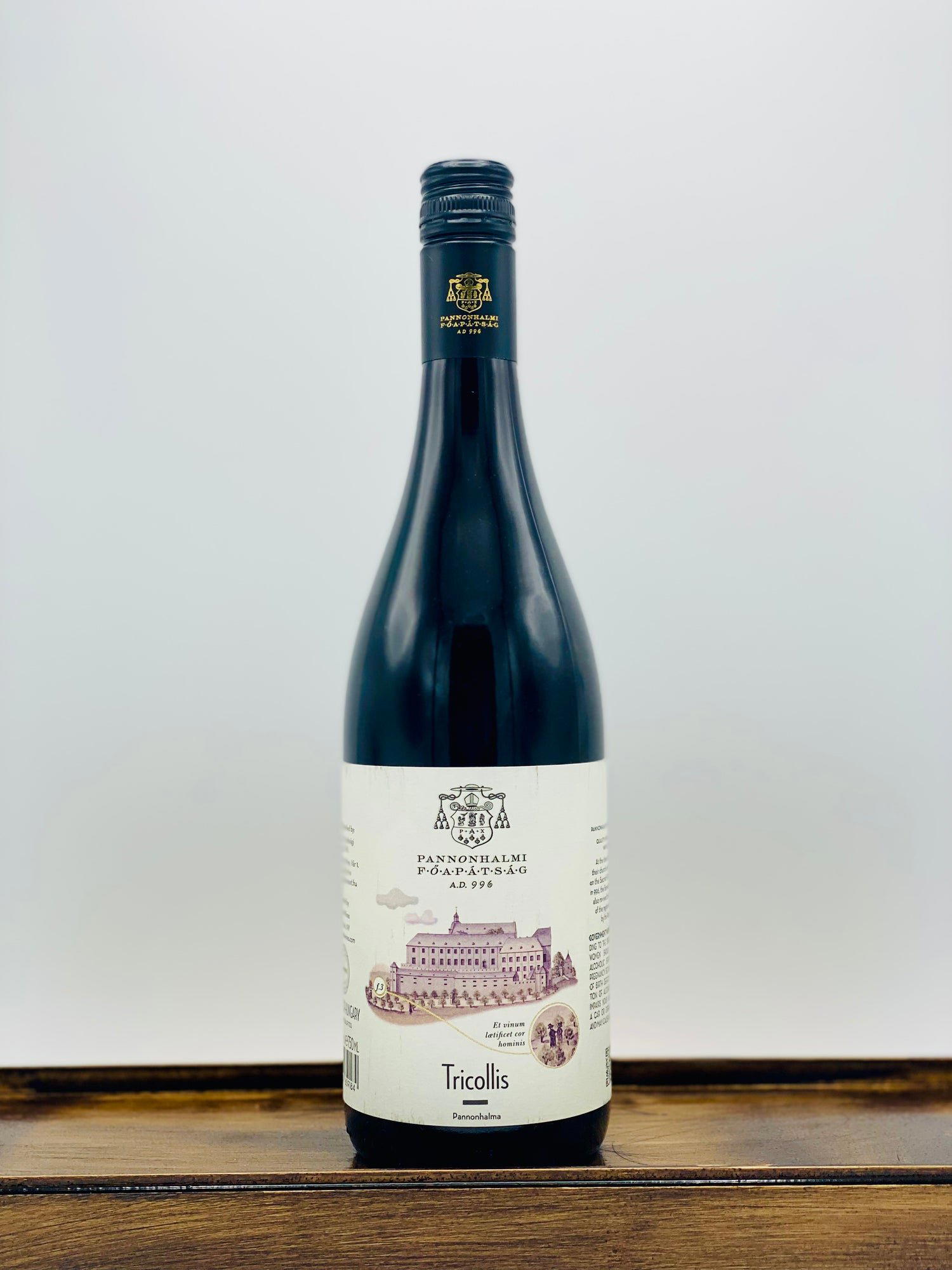
Stone, Slope, and a Millennium of Cultivation
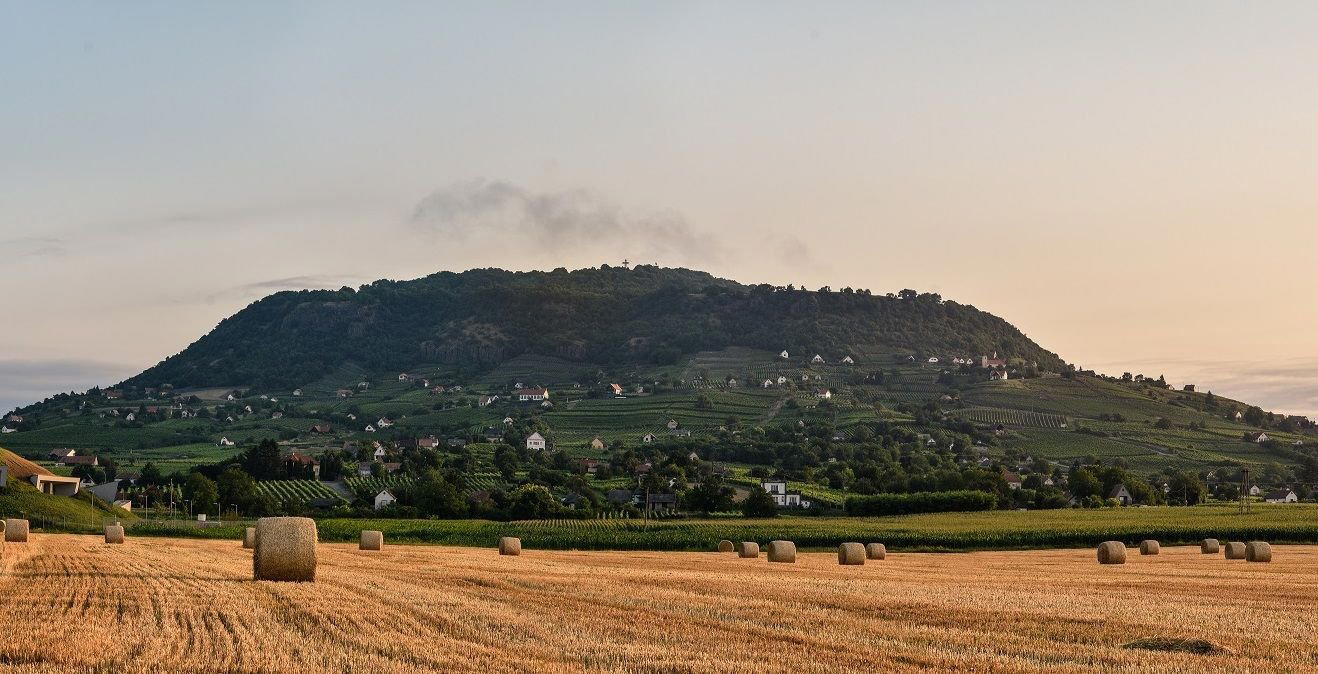
Approaching Pannonhalma from the Győr plain, the abbey appears before the town does: a pale limestone silhouette on a hilltop that rises sharply from otherwise flat agricultural land. The elevation is not incidental to the wine. It creates a specific thermal corridor where cooler overnight air drains down the slopes, extending the growing season and slowing ripening in ways that define the character of what is bottled here. This is a site where the physical environment does most of the explaining, and the wines follow from that geography rather than from any intervention philosophy imposed upon it.
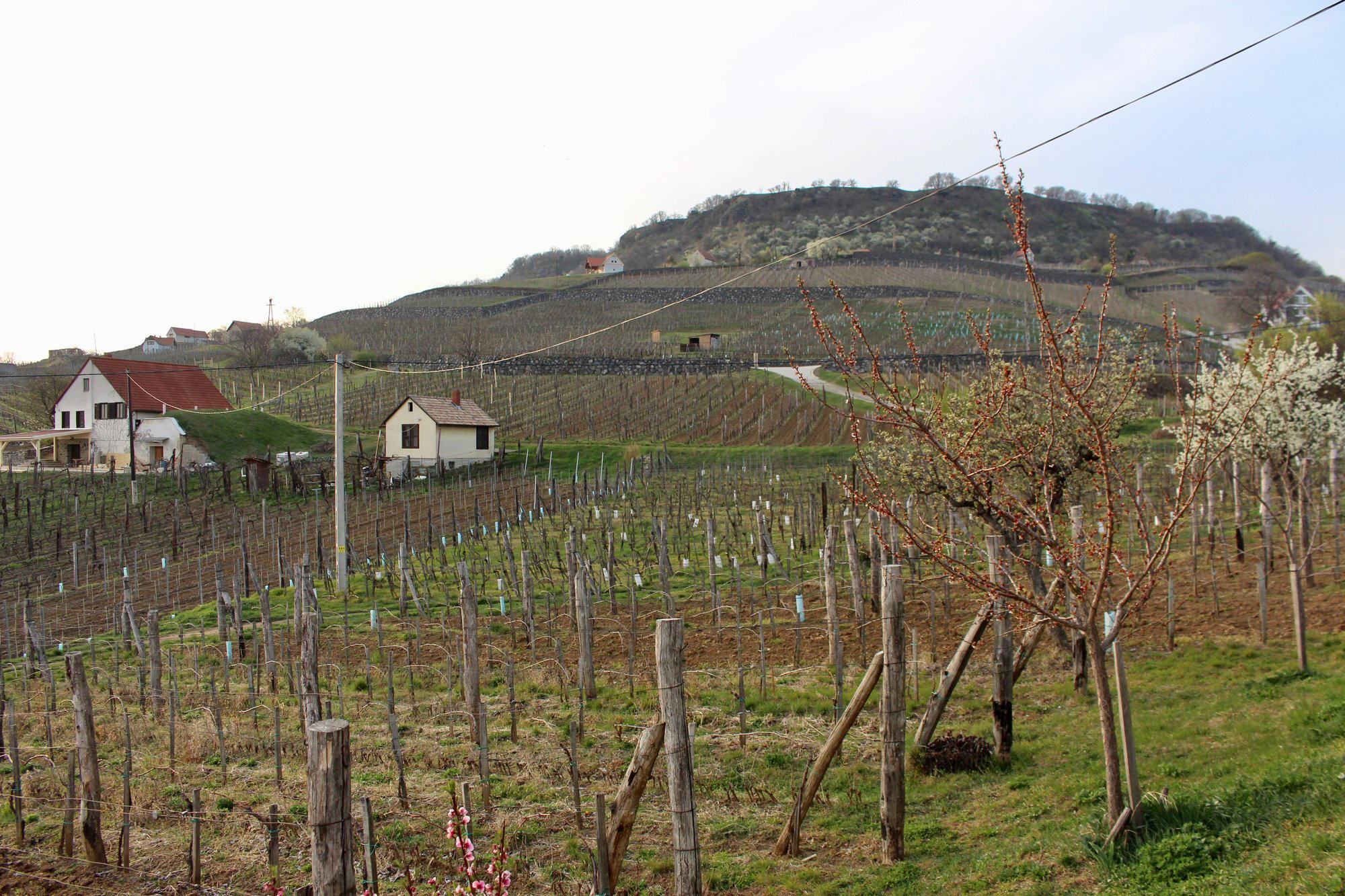
The Pannonhalma wine region is one of Hungary's smaller and less internationally discussed appellations, which partly explains why the Abbey winery operates somewhat outside the comparative frame applied to Tokaj or Villány. Where those regions carry strong varietal or stylistic identities, Pannonhalma has historically been defined by its institutional continuity: Benedictine monks have farmed this hill since the abbey's foundation in 996 AD, making it among the longest-documented vineyard sites in the country. That continuity is not merely historical colour; it represents an unusually stable accumulation of site knowledge across centuries of observation.
Terroir at Elevation: What the Hill Gives
The soils at Pannonhalma are primarily loess over basalt bedrock, with some clay-loam variation across different parcels on the hill. Basalt subsoils retain heat through the night and release it gradually, moderating the temperature swings that can strip freshness from white wines in warmer vintages. The refined position, roughly 282 metres above sea level at the abbey itself, amplifies this effect by increasing exposure to cooler air masses moving in from the northwest across the Győr basin.
Combination produces conditions that favour aromatic white varieties. Riesling and Pinot Gris are among the varieties well suited to this site, as both benefit from the extended hang time that cool nights allow, developing phenolic complexity without losing the acidity that gives structure to the finished wines. For visitors familiar with cool-climate white wine production in Alsace or Germany's Rheinhessen, the site conditions at Pannonhalma will register as a recognisable template, though applied to a distinct Hungarian context with its own soil character and historical rootstock traditions.
Hungary's wine map has undergone significant critical re-evaluation over the past two decades, and appellations like Pannonhalma have gained attention as the focus widened beyond Tokaj's Furmint and Aszú. The shift towards cool-climate whites and orange wines in international wine culture has worked in the region's favour, drawing attention to sites that can deliver the acid tension and mineral definition that the market increasingly values. Pannonhalma's Abbey winery sits inside that reappraisal, though it arrived at its current position through institutional persistence rather than trend-chasing.
Recognition and Peer Position
Within Hungary's premium wine tier, that recognition positions it alongside estates from Tokaj, Eger, Villány, and Szekszárd that have earned comparable acknowledgement. The comparative frame matters: Hungary's fine wine producers now compete across a wider range of styles and regions than the Tokaj-dominated export narrative suggested a generation ago.
Among the Tokaj producers, Disznókő in Mezőzombor, Royal Tokaji in Mád, Tokaj Hétszőlő in Tokaj, Tokaj Oremus in Tolcsva, and Árvay Winery in Rátka represent the appellation's range from large institutionally-backed operations to smaller, single-family estates. Pannonhalma operates with a different institutional model: the winery is part of a living monastic community, which shapes both its production scale and its relationship to the land. Revenues from wine support the abbey's broader work, creating an economic model distinct from either family estates or investor-backed operations.
For context across Hungary's other recognised appellations, Bolyki Winery in Eger, Bock Winery in Villány, Bodri Winery in Szekszárd, Béres Winery in Erdőbénye, Carpinus Winery in Bodrogkisfalud, Bussay Pince in Csörnyeföld, and Babarczi Winery in Gyor illustrate how geographically distributed Hungary's quality tier has become. Pannonhalma's position within that map is geographically proximate to Győr and distinctly separate from the Tokaj or Villány clusters, which means it rarely appears on the same itinerary as those regions despite the quality credentials now attached to it.
Visiting the Site
The address — Vár 1, Pannonhalma — places the winery at the abbey complex itself, not in a separate production facility on the outskirts of town. The site is an active UNESCO World Heritage property, which means a visit involves more than a winery tour: the basilica, the library, and the cloisters are part of the same compound, and most visitors combine wine and cellar access with a broader tour of the monastic buildings. That combination makes Pannonhalma a different kind of wine destination than a dedicated estate winery. The context is centuries wide rather than vintage-specific.
Pannonhalma is accessible from Győr, which sits approximately 20 kilometres to the northwest and connects to Budapest via the M1 motorway. Győr itself is a regional city with direct rail links to Budapest Keleti, making the abbey reachable as a day trip from the capital without requiring a car, though road access is more flexible for those travelling with luggage or continuing west towards Vienna. For itinerary planning in the broader region, our full Pannonhalma restaurants guide covers the local dining context around a visit.
Given the award recognition and the site's draw as a heritage destination, tasting room visits are worth confirming in advance through official abbey channels, particularly during peak summer and autumn months when tour group bookings can affect availability for independent visitors. Specific booking logistics, hours, and current tasting formats are leading verified directly, as monastic schedules and seasonal programming can shift the visitor experience in ways that are not always reflected in third-party listings.
For travellers building a Hungarian wine itinerary, the Abbey winery occupies a category of its own: a historically grounded producer working a cool, refined site with documented roots older than most of the estates that dominate the country's modern wine map. Comparisons with estates from Aberlour or Accendo Cellars in St. Helena underline how award tiers travel across very different wine cultures; what unites properties at this level is site specificity and production discipline, both of which are present at Pannonhalma in measurable form.
A Quick Peer Check
Comparable venues nearby, for context on price, style, and recognition.
| Venue | Cuisine | Price | Awards | Notes |
|---|---|---|---|---|
| Pannonhalmi Apátsági PincészetThis venue — the venue you are viewing | Rheinriesling, Sauvignon Blanc | Not listed | Falstaff Winery - Listed | Not listed |
| Szentesi Pince | Budaörs | $30–50 | Not listed | Not listed |
| Tornai Winery | juhfark, furmint | Not listed | Not listed | Somlójenő |
| Homola Pincészet | Olaszrizling, Kékfrankos | $10–20 | Not listed | Paloznak |
| Gálné Dignisz Éva Winery | Winery | $1–10 | Not listed | Felsőlajos |
| Bujdosó Winery | Italian Riesling, Irsai Olivér | Not listed | Not listed | Balatonlelle |
Recognition history
Dated appearances from independent guides and award organizations, with the underlying list record or original source where available.
Falstaff Winery - Listed
Falstaff
Continue exploring
More in Pannonhalma
Wineries in Pannonhalma
Browse all →
Restaurants in Pannonhalma
Browse all →

Details
- Classic
- Scenic
- Elegant
- Historic
- Wine Education
- Group Outing
- Special Occasion
- Cave Tasting
- Vineyard Tour
- Estate Grounds
- Terrace
- Panoramic View
- Historic Building
- Sustainable
- Vineyard
- Garden
- Rheinriesling
- Sauvignon Blanc
- Gewürztraminer
- Welshriesling
- Királyleányka
- Chardonnay
- Pinot Blanc
- Pinot Noir
- Merlot
- Cabernet Franc
- Still White
- Still Red
- Still Rosé
- Guided Tour
- Cellar Tasting
- Terrace Tasting
- English
- Hungarian
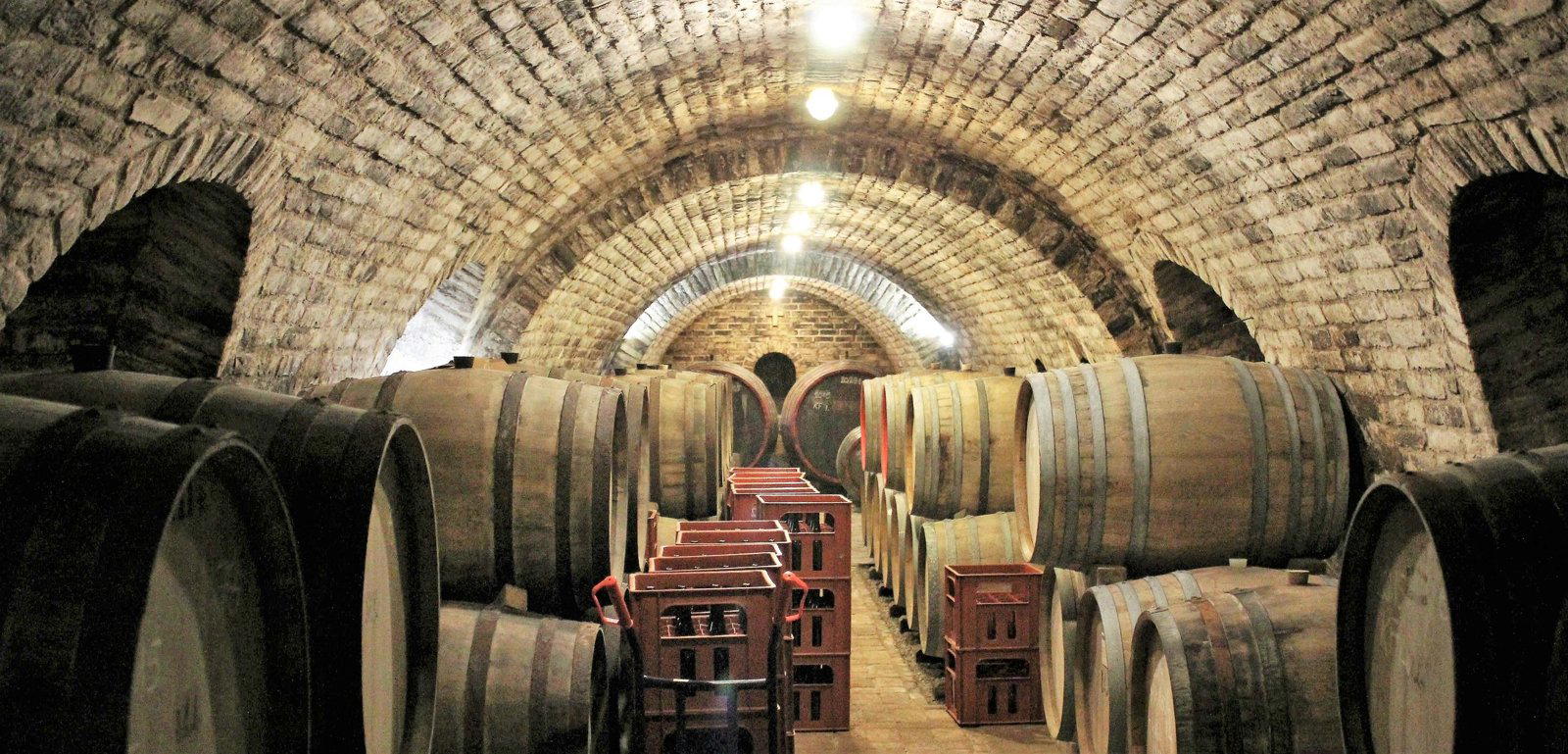
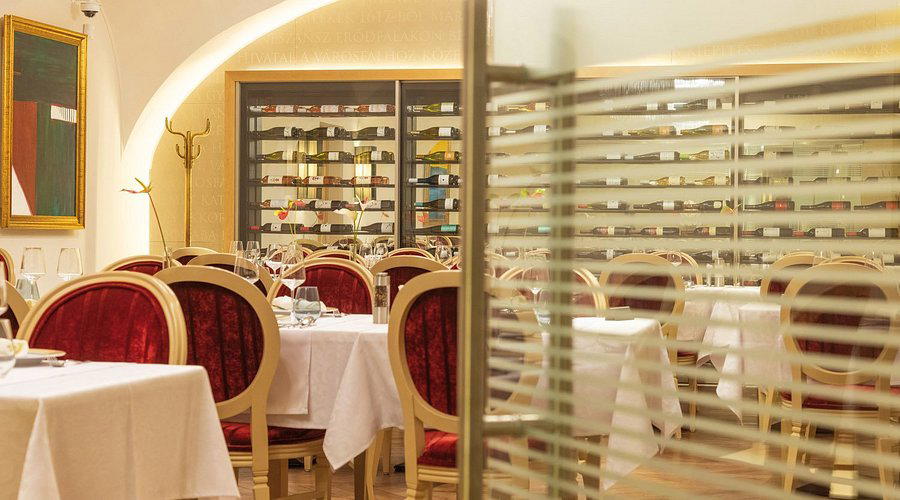
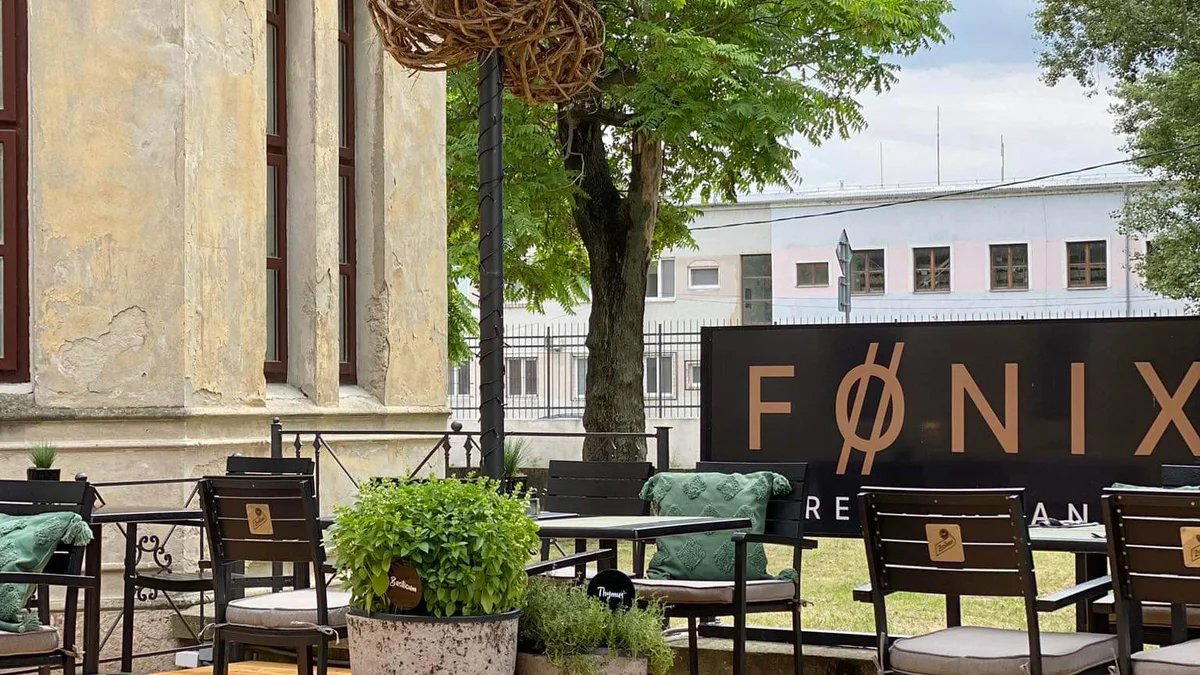
Brick-lined arched cellars with classic ambiance; modern four-story press house with stainless steel tanks; tasting terrace with magnificent monastery and lavender field views.