The address in Mór signals roots in a region long associated with Ezerjó, the indigenous variety that defines this corner of Transdanubia.
Pearl is the En Primeur Club membership app — saves, bookings, and concierge access live there. Same editors, same standards.
- Address
- Mór, Ezerjó u. 3, 8060
- Phone
- +36 20 315 2003
- Website
- mikloscsabi.com
- Directions
- Get directions
 Saves & bookings on Pearl
Mór and the Ezerjó Tradition
Hungary's wine geography is often read through the lens of Tokaj, where Furmint and Aszú dominate both the production calendar and the international conversation. But Transdanubia tells a different story, and within that region, Mór occupies a specific and quietly serious position. The town sits in a valley between the Vértes and Bakony hills, where continental temperatures and well-drained loess soils have shaped a white-wine culture built around Ezerjó, an indigenous variety whose name translates loosely as 'a thousand good things' and whose naturally high acidity sets it apart from Hungary's other notable whites. Producers in Mór work in a context defined by that single grape's character: the wines tend toward the lean and mineral end of the spectrum, with acid structures that reward patience rather than immediate consumption.
That regional identity matters when assessing any Mór producer, because the appellation's logic runs in the opposite direction from the broad, internationally styled wines that dominate export conversations about Hungarian wine. Where Tokaj draws its authority from centuries of documented royal and diplomatic endorsement, Mór's case rests on terroir specificity and indigenous variety integrity. The small producers on Ezerjó utca and the surrounding streets are, in that sense, making a quieter but coherent argument about what Hungarian wine can be.
Miklós Csabi Pincészet: Position in the Mór Producer Field
Among the independent producers operating in Mór, Miklós Csabi Pincészet holds a credentialed position. In a district where small-scale family wineries form the backbone of production, a formal prestige rating carries weight precisely because it distinguishes between producers who are technically consistent and those who are operating at a higher level of intention and execution.
The address on Ezerjó utca is not incidental. Streets named for the grape variety in a wine town tend to cluster the producers most committed to that variety's expression, and the location signals a rootedness in Mór's central viticultural identity rather than a peripheral or mixed-portfolio approach. In comparative terms, the winery sits in the cohort of small, appellation-focused Transdanubian producers who are making the case for place-specific Hungarian white wine on a domestic and regional level, in contrast to the internationally scaled operations further east.
The Winemaking Context: What Ezerjó Demands
Working with Ezerjó is not the path of least resistance for a winemaker. The variety's characteristically high tartaric acid content means that wines made without careful management can read as austere or even aggressive in youth. The producers who handle it well tend to apply a light-touch approach in the cellar, allowing the fruit to express its natural tension without overcorrecting toward softness through extended oak or residual sugar. The result, when the approach is right, is a wine with structural precision and aging potential that surprises visitors who associate Hungarian white wine primarily with the sweetness register of Tokaj Aszú.
That broader Hungarian wine context is worth holding in mind. Tokaj's prestige houses, including Disznókő in Mezőzombor, Royal Tokaji in Mád, Tokaj Hétszőlő in Tokaj, and Tokaj Oremus in Tolcsva, operate with international investment and a well-documented classification system behind them. Mór operates without that infrastructure, which means its serious producers rely on appellation reputation built incrementally, one vintage and one tasting at a time.
Hungary's wine scene beyond Tokaj is increasingly drawing attention from critics who have tracked the eastern European wine revival. Producers in Eger, Villány, and Szekszárd have been part of that conversation for longer; Mór's case rests on a narrower, more specific argument. Wineries like Bolyki Winery in Eger, Bock Winery in Villány, and Bodri Winery in Szekszárd each represent distinct regional identities within the same national revival. Mór's Ezerjó-based producers, including Miklós Csabi Pincészet, operate in a smaller, more specialist niche within that broader movement.
Planning a Visit to Mór
Mór sits roughly 70 kilometres southwest of Budapest, accessible by road in under an hour and a half from the capital. The town is small, and the winery addresses on Ezerjó utca are navigable on foot once you arrive in the centre. For visitors building a Transdanubian wine itinerary, Mór pairs naturally with the producers of the Balaton Highlands and the Etyek-Buda appellation further east. Wine tourism infrastructure in Mór remains modest compared to the well-developed Tokaj trail, which means visits tend to work leading when arranged in advance rather than as walk-in stops. Reaching the winery may require local inquiry or coordination through Mór's regional wine associations.
Visitors interested in comparing the Transdanubian small-producer model with producers from other Hungarian regions might also consider Babarczi Winery in Gyor, Árvay Winery in Rátka, Béres Winery in Erdőbénye, or Bussay Pince in Csörnyeföld as part of a wider sweep through the country's regional wine culture.
Cost Snapshot
Comparable venues nearby, for context on price, style, and recognition.
| Venue | Cuisine | Price |
|---|---|---|
| Miklós Csabi PincészetThis venue — the venue you are viewing | Mór, ezerjó, olaszrizling | $$ |
| Csetvei Pince | Mór, Ezerjó, Kékfrankos | $$ |
| Szőlőskert Pincészet (Mátra) | Winery | Not listed |
| Jásdi Winery | Csopak, Olaszrizling, Furmint | $$ |
| Takler Winery | Szekszárd, Kékfrankos, Kadarka | $$ |
| Garamvári Vineyard | Balatonlelle, Chardonnay, Pinot Noir | $$$ |
At a Glance
- Rustic
- Cozy
- Scenic
- Intimate
- Wine Education
- Group Outing
- Vineyard Tour
- Terrace
- Estate Grounds
- Organic
- Sustainable
- Vineyard
- Mountain
- Móri Borvidék
- Ezerjó
- Olaszrizling
- Chardonnay
- Sauvignon Blanc
- Zöld Veltelini
- Királyleányka
- Rajnai Rizling
- Still White
- Cave Tasting
- Private Tasting
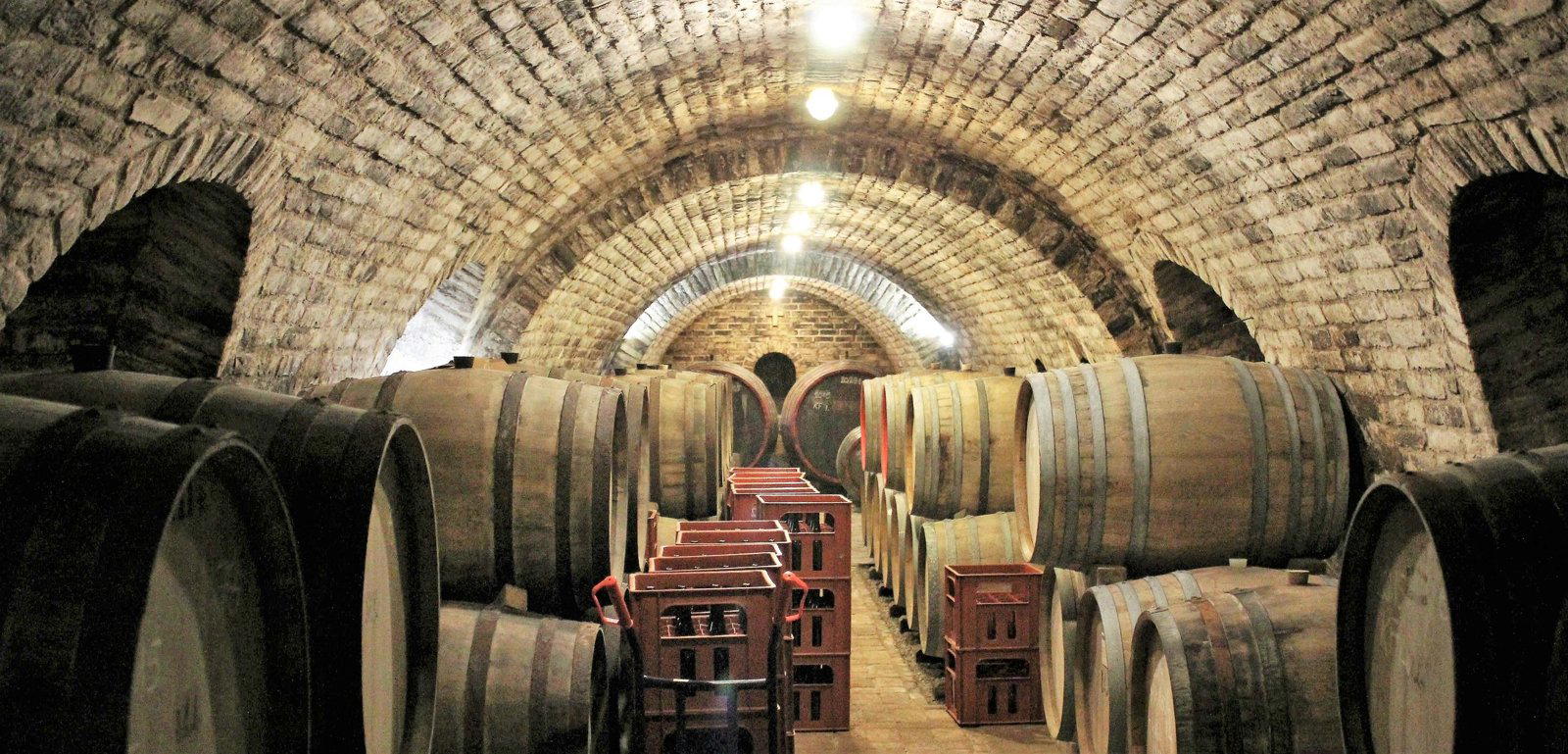
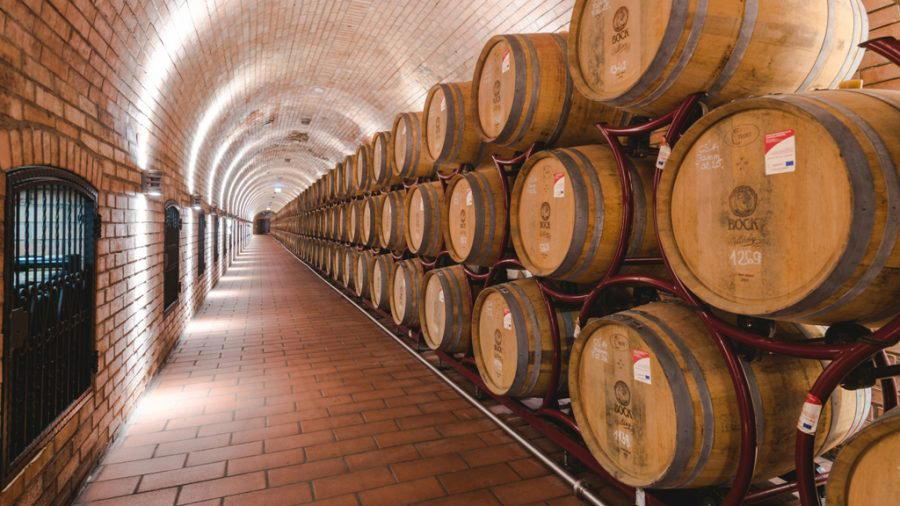
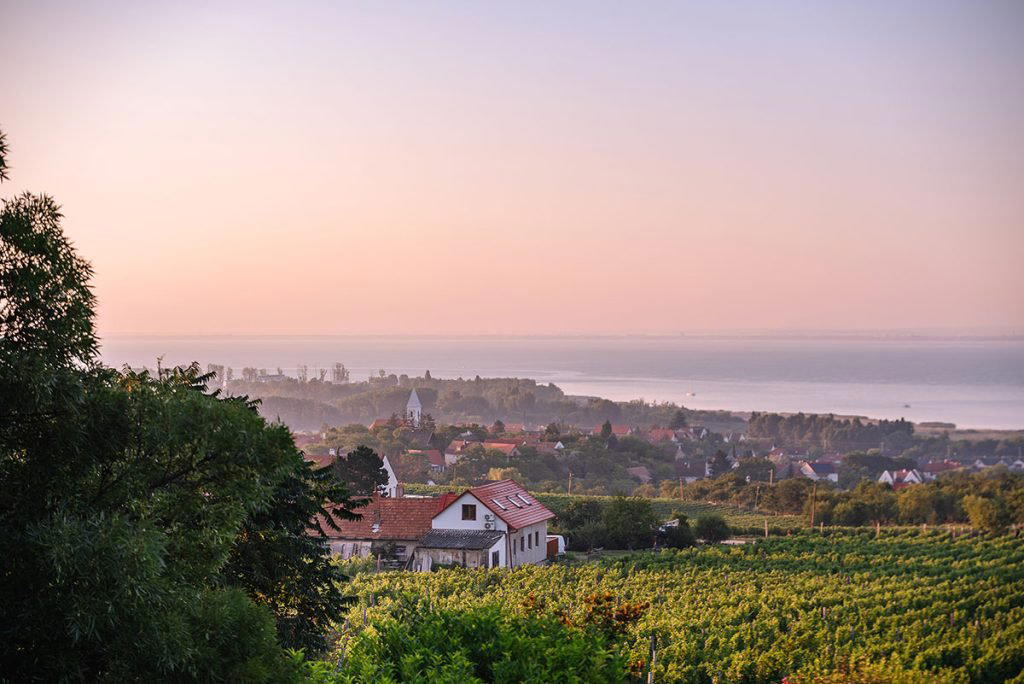
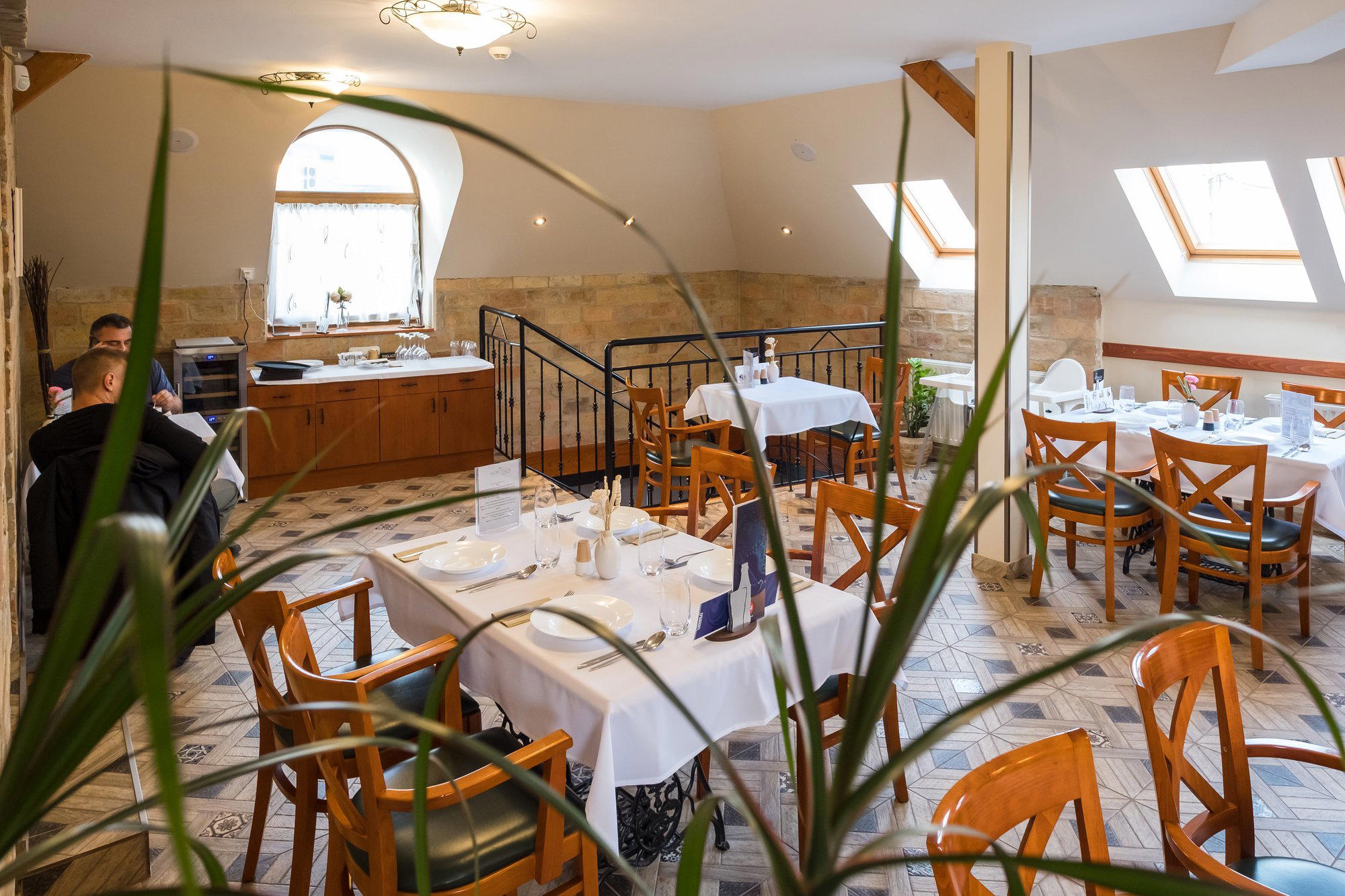
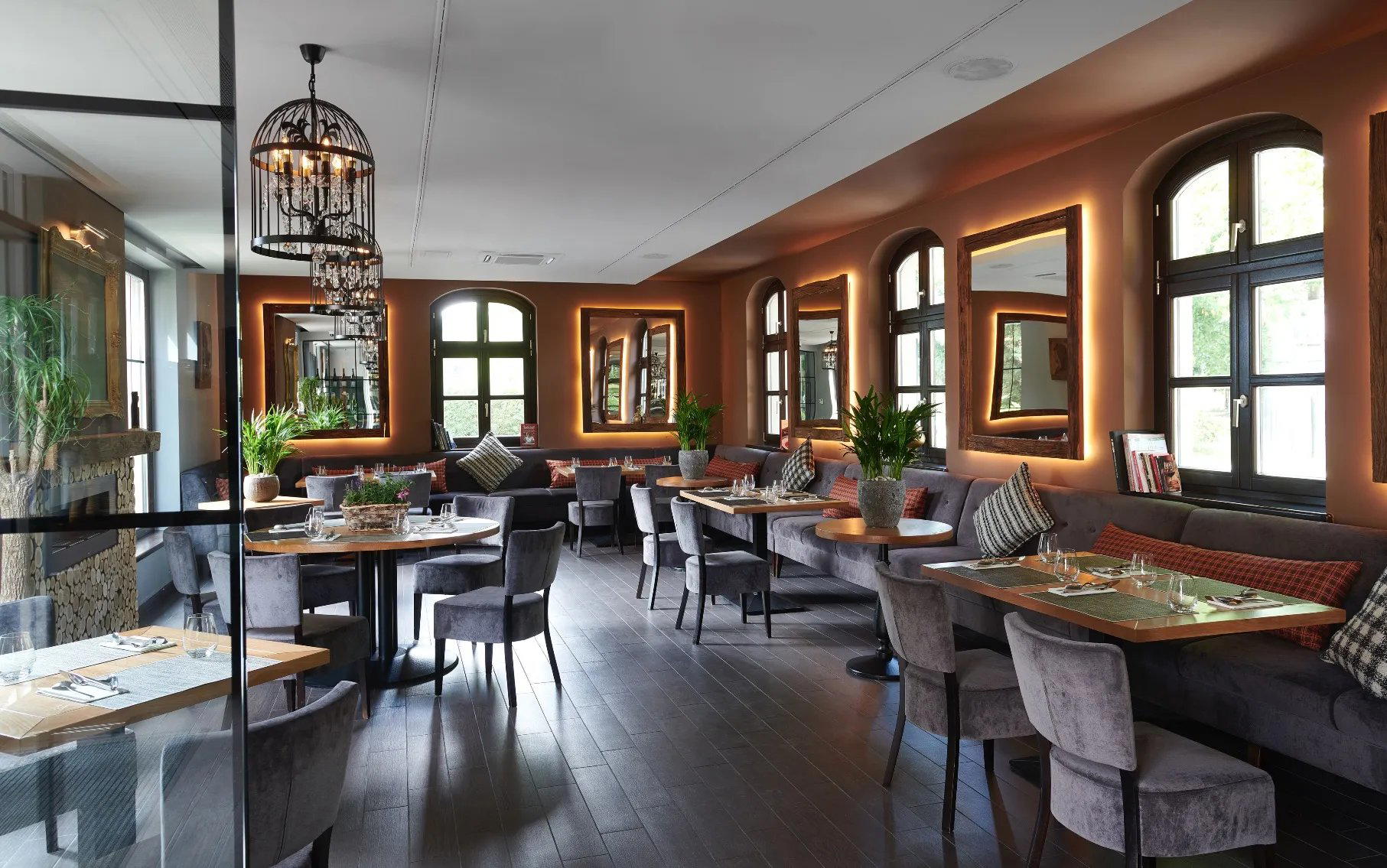
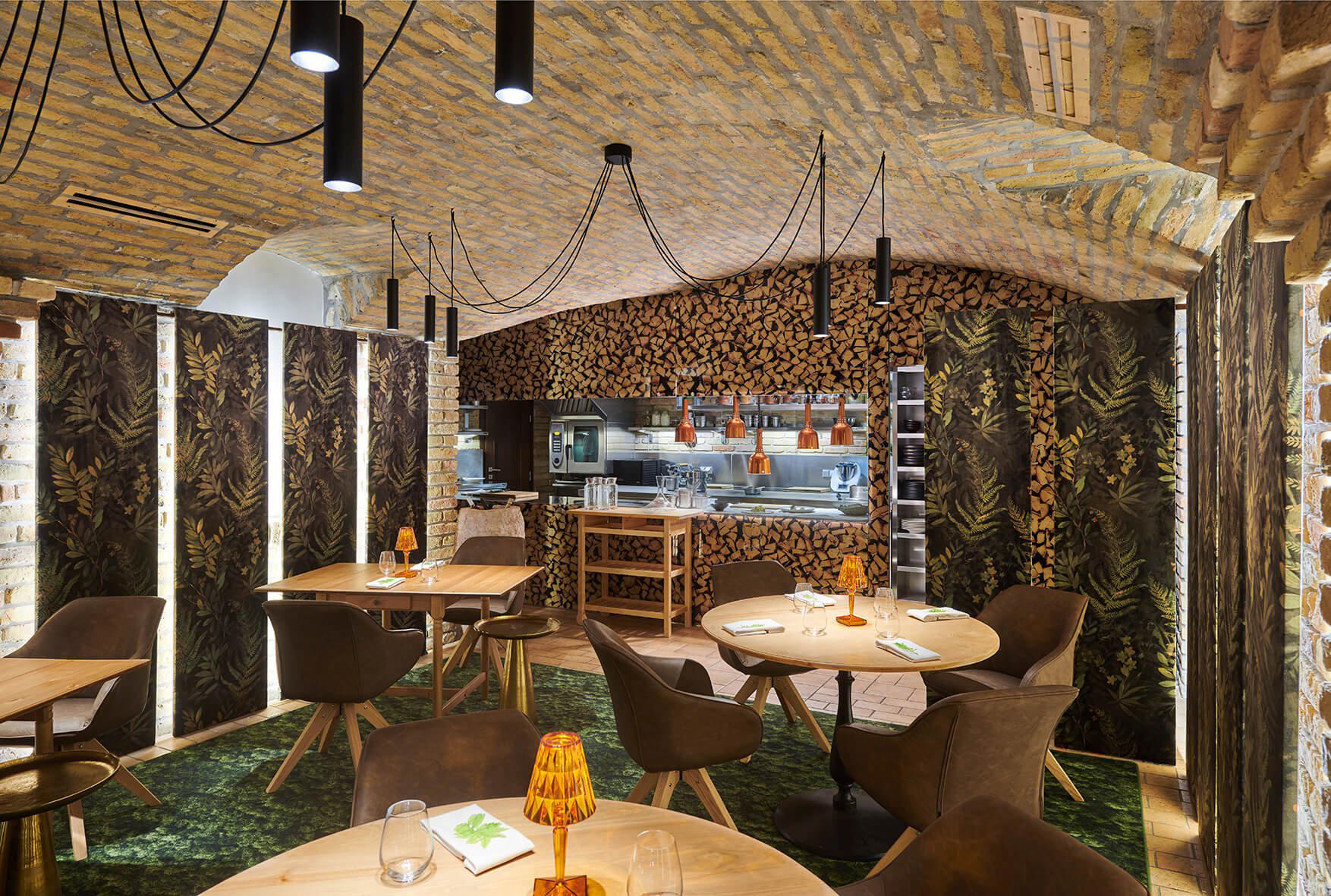
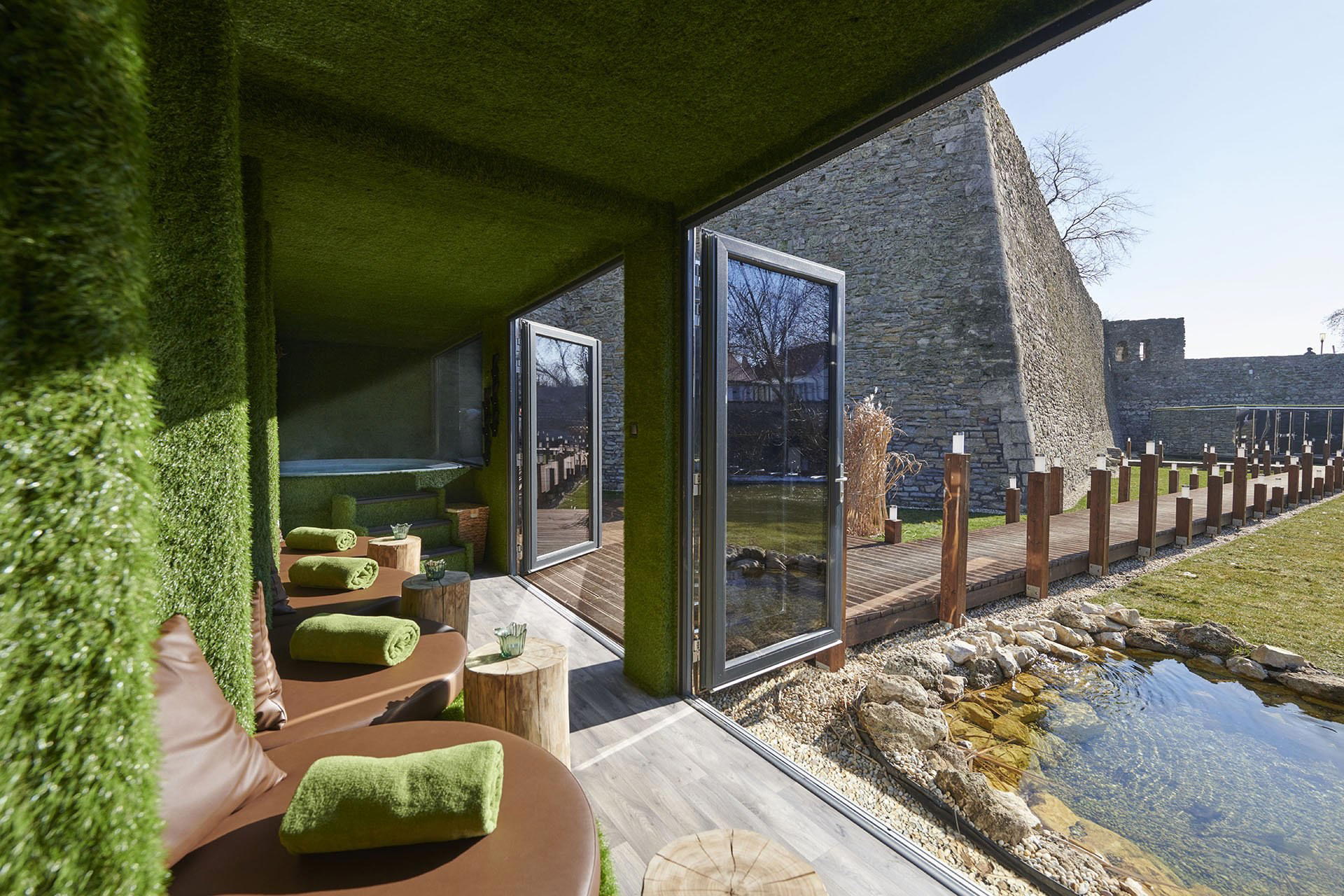
Hangulatos atmosphere in cool cellar or sparkling terrace embraced by kőbánya, with friendly hosting and lively stories.