Fekete Pince Somló
The cellar represents Somló's broader argument that basalt-driven terroir produces whites of structural intensity rarely found elsewhere in Central Europe. For those tracing Hungarian wine beyond Tokaj, it is a serious stop.

Pearl is the En Primeur Club membership app — saves, bookings, and concierge access live there. Same editors, same standards.
- Address
- Somlóvásárhely, H-8481, 8481
- Phone
- +36 20 331 9994
- Website
- feketepincesomlo.hu
- Directions
- Get directions
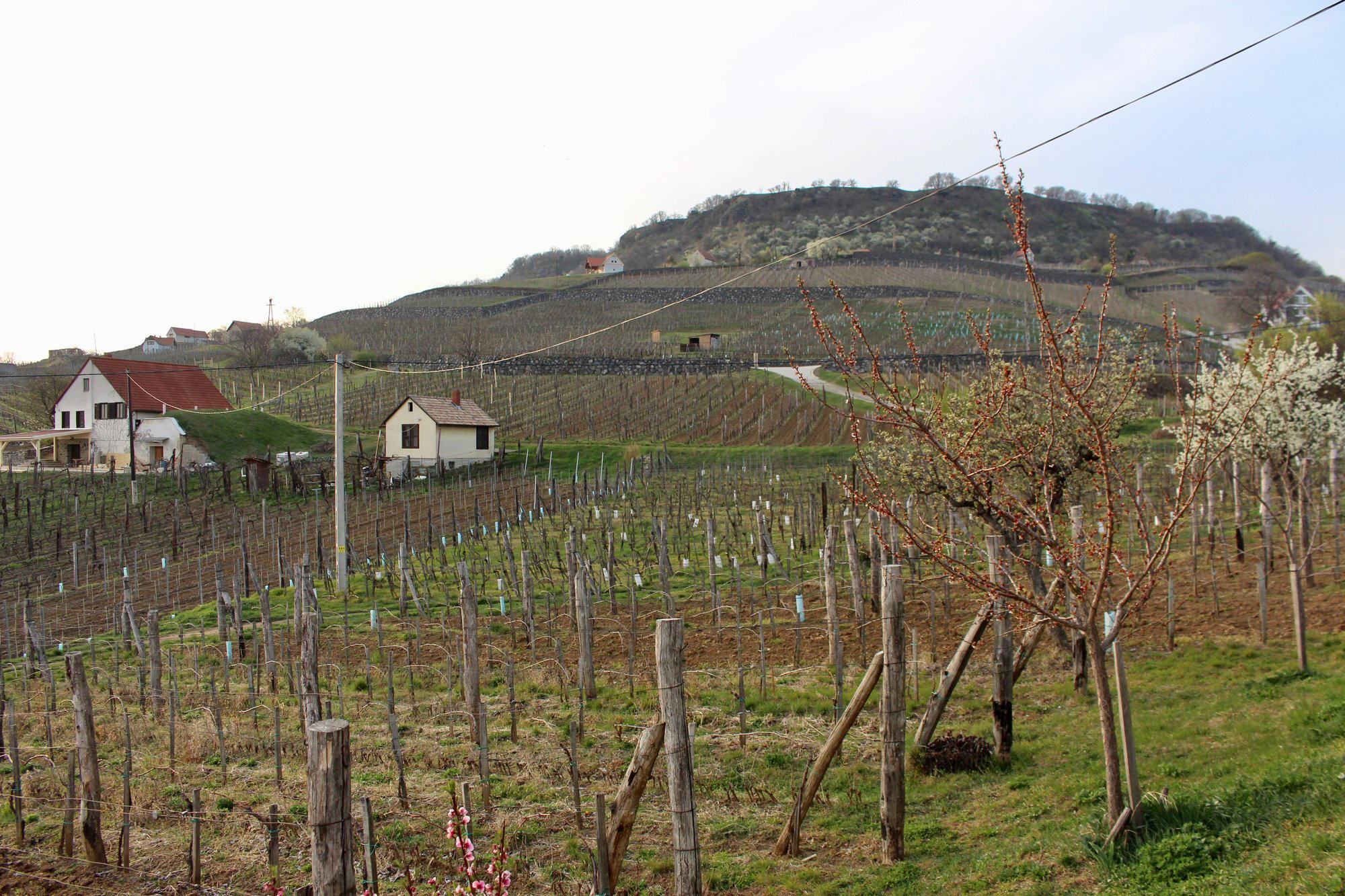
Volcanic Ground, Liquid Argument
Approach Somlóvásárhely from the Transdanubian plain and the landscape makes the case before any wine does. Somló hill rises alone from the flat farmland of western Hungary, an extinct volcanic plug wrapped in terraced vineyards, its basalt-heavy soils visible in road cuts and cellar walls alike. This is not incidental scenery. The geology is the wine's entire argument.
Somló is one of Hungary's smallest protected wine regions, and that scale matters. Where Tokaj draws international attention and wine tourism infrastructure through appellations like those represented by Royal Tokaji in Mád, Tokaj Hétszőlő in Tokaj, and Tokaj Oremus in Tolcsva, Somló operates with a quieter, more concentrated identity. The hill produces a fraction of Tokaj's volume, and its producers tend to attract visitors who already understand that small regions with extreme geology often yield disproportionate interest in the glass.
What the Basalt Does
The volcanic terroir of Somló is not a marketing abstraction. Basalt weathers into mineral-rich soils with exceptional drainage and heat retention, and the single-hill geography creates a microclimate distinct from the surrounding plain. These conditions favour white varieties, particularly Juhfark, Olaszrizling, and Furmint, which under Somló's influence develop a structural density and mineral salinity that distinguishes them from the same grapes grown elsewhere in Hungary.
Juhfark, the indigenous variety most closely associated with Somló, is almost nowhere else taken seriously as a fine wine grape. On basalt, it builds high acidity and a phenolic grip that can read almost as textural weight rather than sharpness. Furmint here diverges from its Tokaj expression: less oriented toward botrytis potential, more focused on dry-wine structure. These are not easy wines in the conventional sense. They reward attention and, often, time in bottle.
This regional character places Somló in a different conversation from Hungary's other significant white wine zones. The Tokaj producers — including Disznókő in Mezőzombor, Árvay Winery in Rátka, and Béres Winery in Erdőbénye, work within an appellation framework defined by sweetness levels, volcanic tuff, and centuries of export identity. Somló's producers work within a tighter, more singular geological frame, and the wines read accordingly.
The Cellar and Its Context
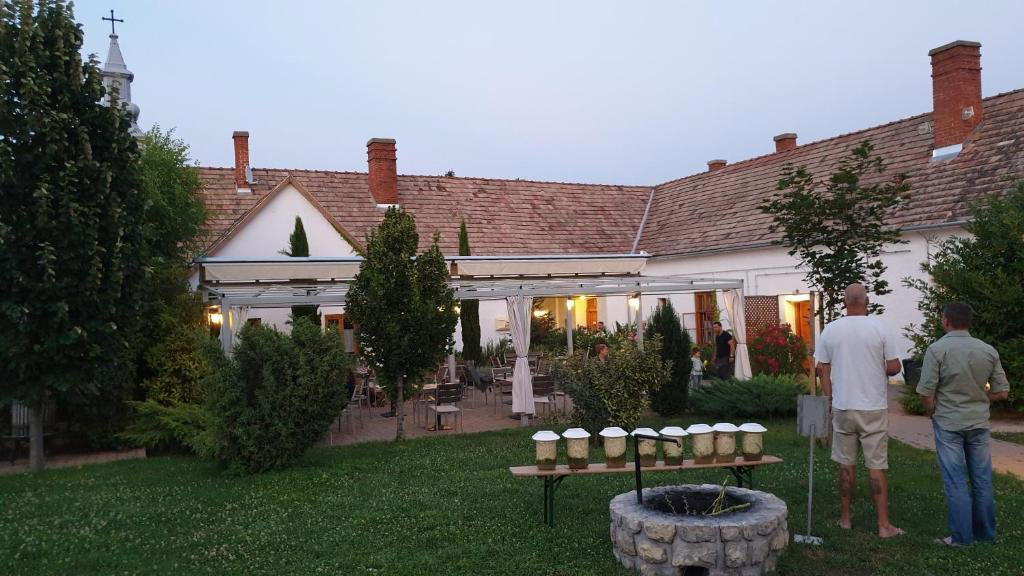
The name Fekete Pince translates directly as Black Cellar, a reference to the basalt stone construction common to the hill's traditional wine infrastructure. Cellars carved into or built from volcanic rock appear throughout Somló, a practical and aesthetic heritage that gives the winemaking environment a physical character distinct from purpose-built facilities elsewhere. The stone maintains consistent temperature and humidity across seasons, conditions that historically shaped how wines were stored and matured before modern refrigeration made those variables controllable.
Visiting cellars on Somló has a particular rhythm. Somlóvásárhely, the village at the hill's base, serves as the practical starting point. There is no dedicated wine tourism centre or tasting route map handed out at an information office. Visitors who arrive with prior contact and a specific appointment find a more considered experience than those who arrive speculatively. For context on planning a visit to the broader area, our full Somlóvásárhely restaurants guide covers the logistical framing of the region.
Where Fekete Pince Sits in the Hungarian Wine Picture
Hungary's wine regions have spent the past two decades rebuilding international credibility, and the process has not been uniform. Tokaj led the recovery narrative, with investment and appellation reform making it the reference point for Hungarian fine wine abroad. Other regions have followed on different timelines and with different assets. Eger, represented in the premium tier by producers such as Bolyki Winery, built its contemporary reputation on Egri Bikavér reform and Cabernet-driven reds. Villány, with producers like Bock Winery, established a southern red wine identity distinct from the north. Szekszárd followed with its own Kadarka and Bikavér tradition, represented by Bodri Winery.
Somló fits none of these trajectories cleanly. It is not rebuilding a lost commercial identity so much as reasserting a geological one that never required large-scale marketing to sustain interest among serious wine drinkers. Comparable recognition patterns can be observed at producers like Carpinus Winery in Bodrogkisfalud and Bussay Pince in Csörnyeföld, both operating in regions that reward geological specificity over appellation fame.
Beyond Hungary, the broader pattern of volcanic terroir driving premium white wine credentials has precedents across Europe. Producers working basalt, tuff, and volcanic soils in Austria, the Canary Islands, and parts of Italy have demonstrated that extreme geology correlates with wines of structural distinctiveness. Somló's case is that it belongs in that conversation. Fekete Pince's award standing is one data point in that argument.
Planning a Visit
Somlóvásárhely sits in Veszprém County in western Hungary, accessible from Budapest by car in approximately two hours via the M7 and connecting routes. There is no direct train service to the village; a car or organised transfer is the practical approach. Given the absence of published booking details for Fekete Pince, direct outreach through local wine tourism contacts or Hungarian wine merchants familiar with Somló producers is the most reliable way to arrange a tasting visit. Somló's harvest season runs roughly from late September into October, and the period before and after harvest typically represents the most active time for cellar visits across the hill. Spring tastings, when the previous vintage is accessible but before the summer tourist season in wider Transdanubia, offer a quieter window. Visitors extending their Hungarian wine itinerary might consider pairing a Somló visit with time in the Győr area to the north, or contrasting the volcanic white wine profile with the red wine focus of Villány or Szekszárd to the south.
Side-by-Side Snapshot
Comparable venues nearby, for context on price, style, and recognition.
| Venue | Cuisine | Price | Awards | Notes |
|---|---|---|---|---|
| Fekete Pince (Somló)This venue — the venue you are viewing | Hárslevelű, Juhfark | Not listed | Not listed | Not listed |
| Kreinbacher Birtok | Furmint, Olaszrizling | Not listed | Michelin Plate | Somlóvásárhely |
| Gilvesy Winery | Olaszrizling, Riesling | $30–50 | Falstaff Winery - Listed | Hegymagas |
| Villa Sandahl | Riesling | $50–100 | Falstaff Winery - Listed | Badacsonytomaj |
| Weninger Winery | Blaufränkisch, Kékfrankos | Not listed | Falstaff Winery - Listed | Balf |
| Ikon Winery | Cabernet Franc, Merlot | Not listed | Not listed | Rádpuszta |
Continue exploring
More in Somlóvásárhely
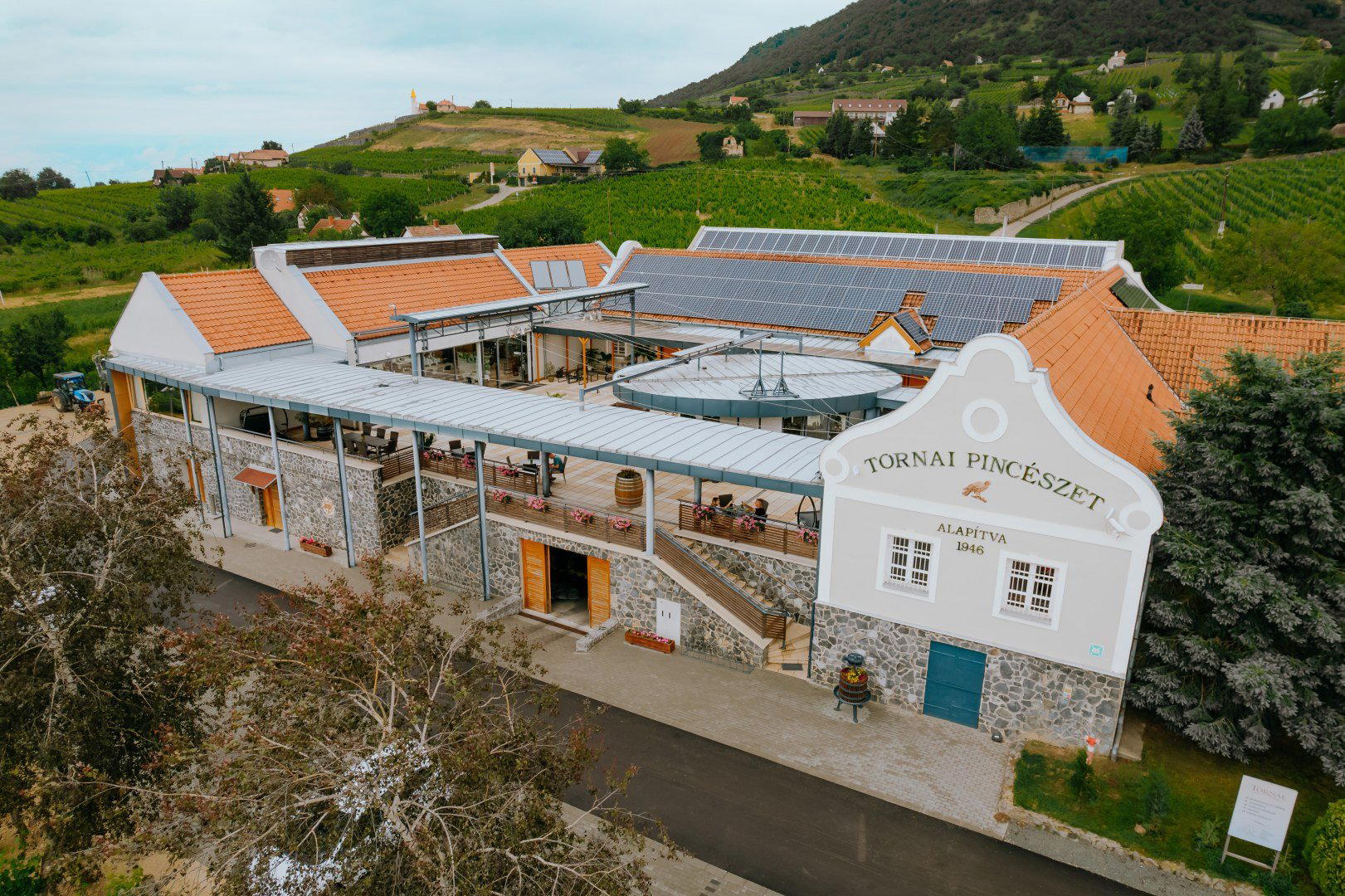
Wineries in Somlóvásárhely
Browse all →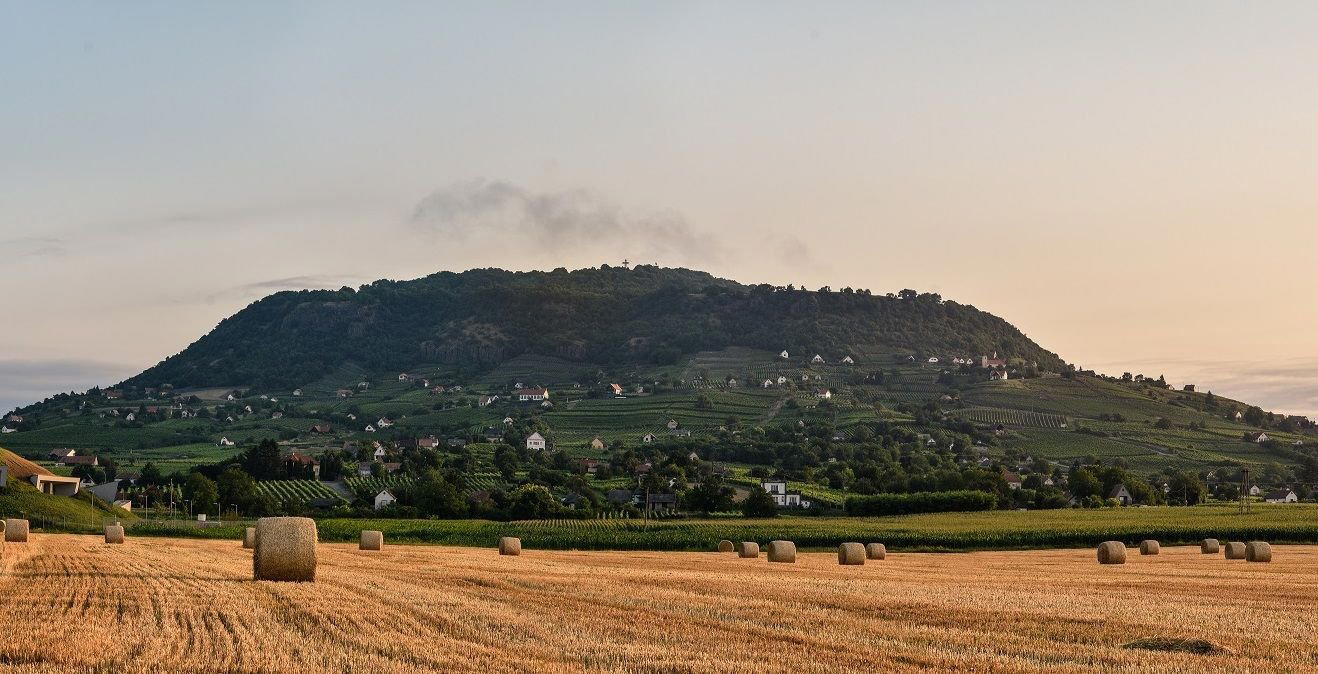

Restaurants in Somlóvásárhely
Browse all →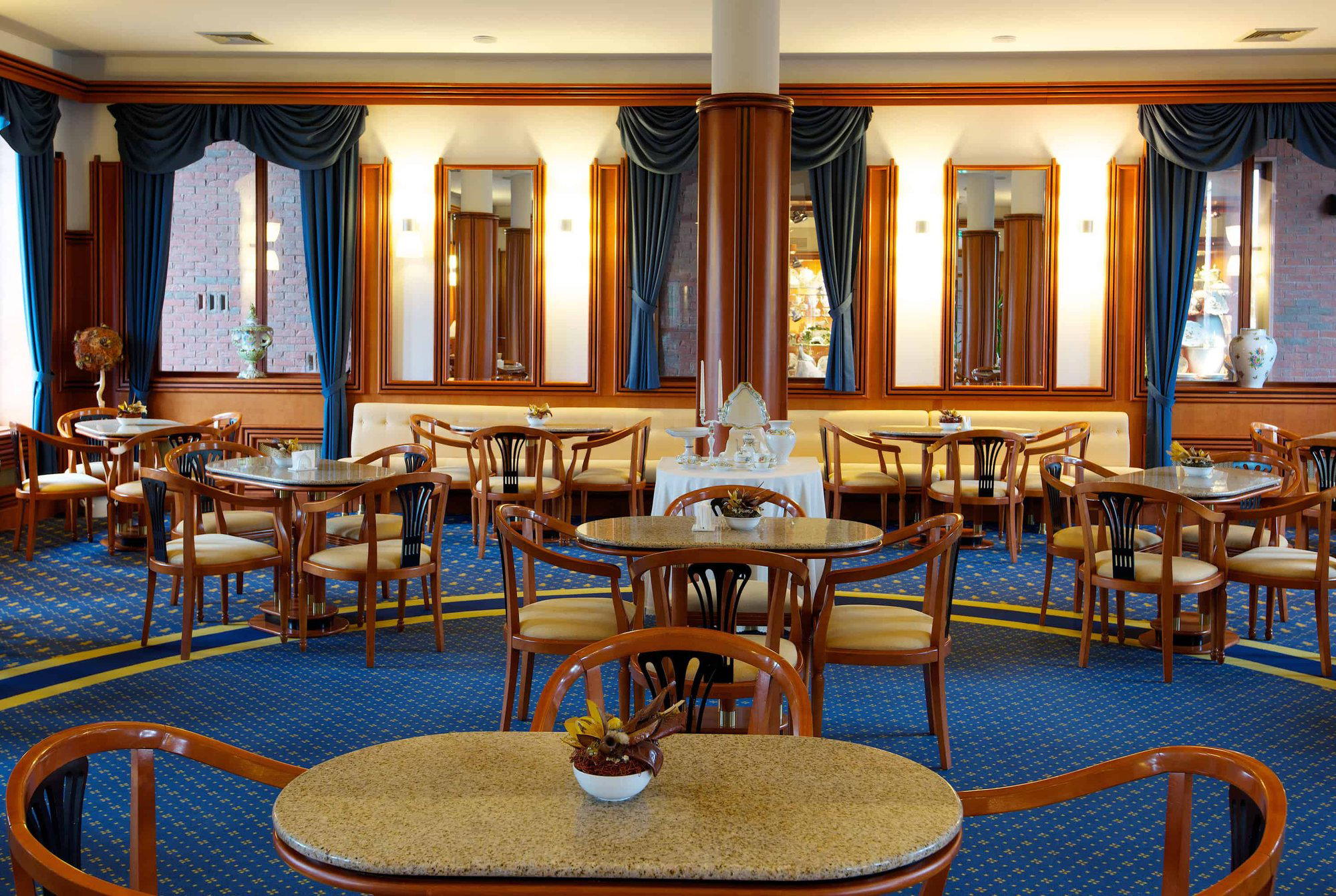
Details
- Rustic
- Elegant
- Classic
- Scenic
- Wine Education
- Solo Exploration
- Group Outing
- Cave Tasting
- Barrel Room
- Vineyard Tour
- Estate Grounds
- Organic
- Dry Farmed
- Vineyard
- Mountain
- Hárslevelű
- Juhfark
- Furmint
- Olaszrizling
- Still White
- Cave Tasting
- Barrel Tasting
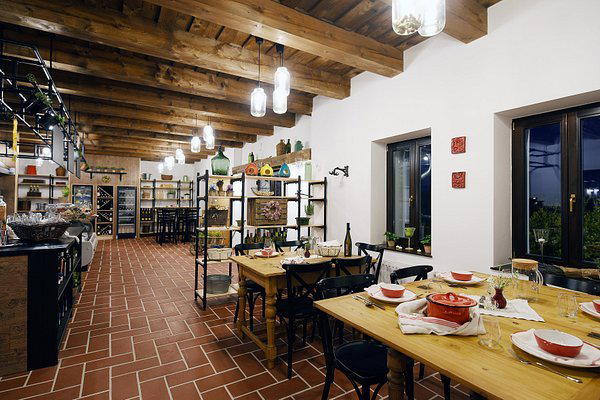
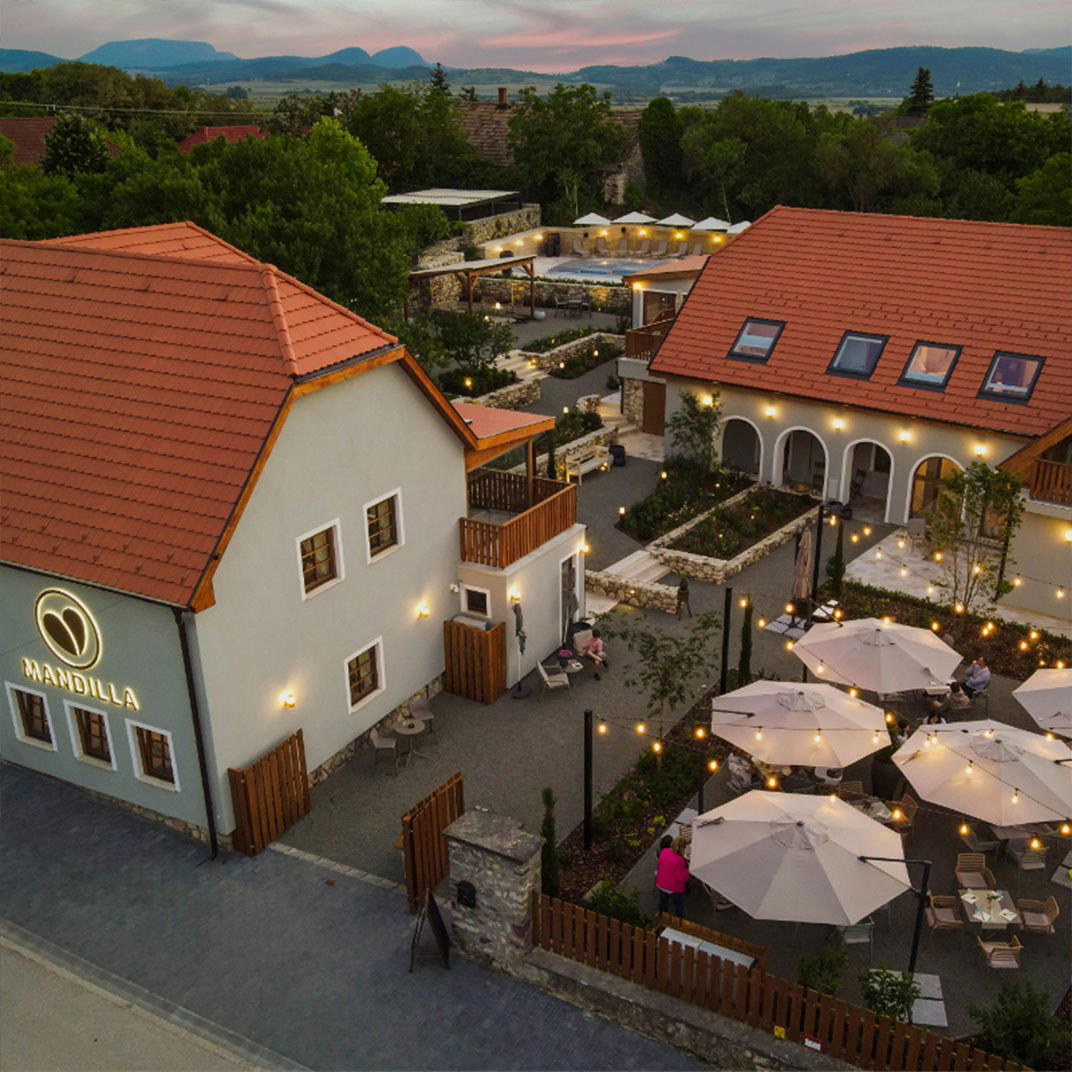
Rustic cellar environment with a focus on traditional winemaking; intimate and educational atmosphere centered on the volcanic minerality and complexity of the wines.