Somlói Apátsági Pince sits on the volcanic slopes of Somló hill in western Hungary. The winery operates from one of Hungary's oldest and most geologically distinctive wine sites, where basalt soils and centuries of monastic viticulture produce wines with a mineral character that sets Somló apart from the country's better-known regions.
Pearl is the En Primeur Club membership app — saves, bookings, and concierge access live there. Same editors, same standards.
- Address
- Somlóvásárhely, Somló-hegy 1070. hrsz, 8481
- Website
- juhfark.hu
- Directions
- Get directions
 Saves & bookings on Pearl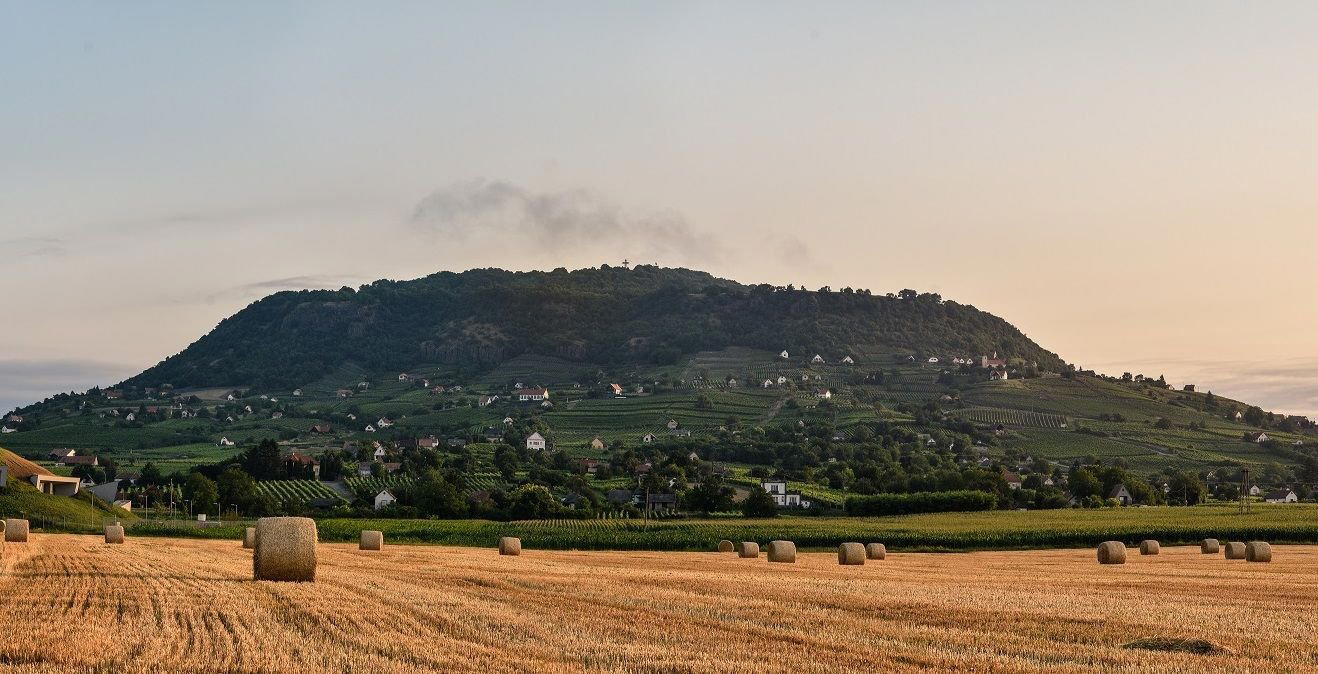
Volcanic Ground, Ancient Vines
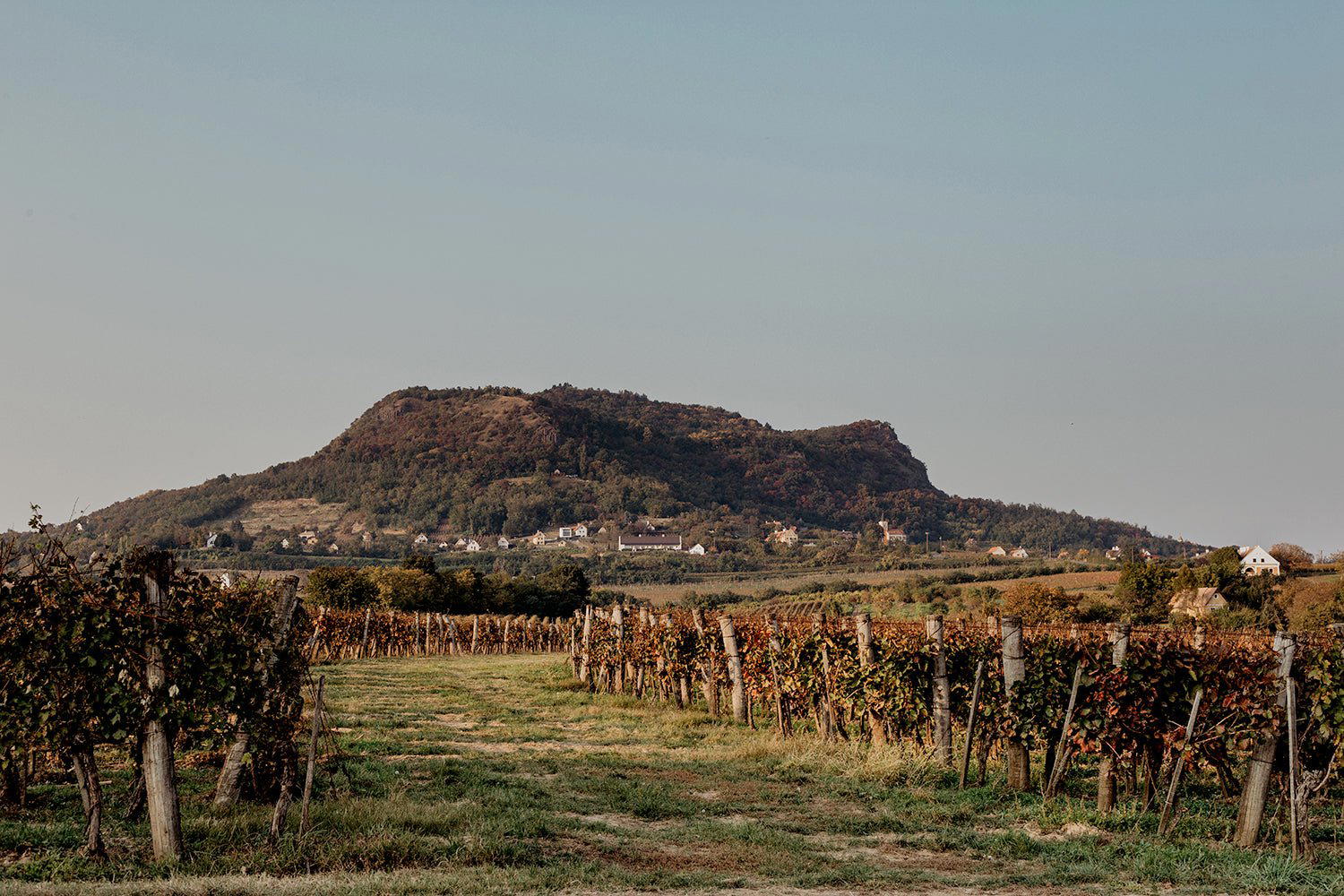
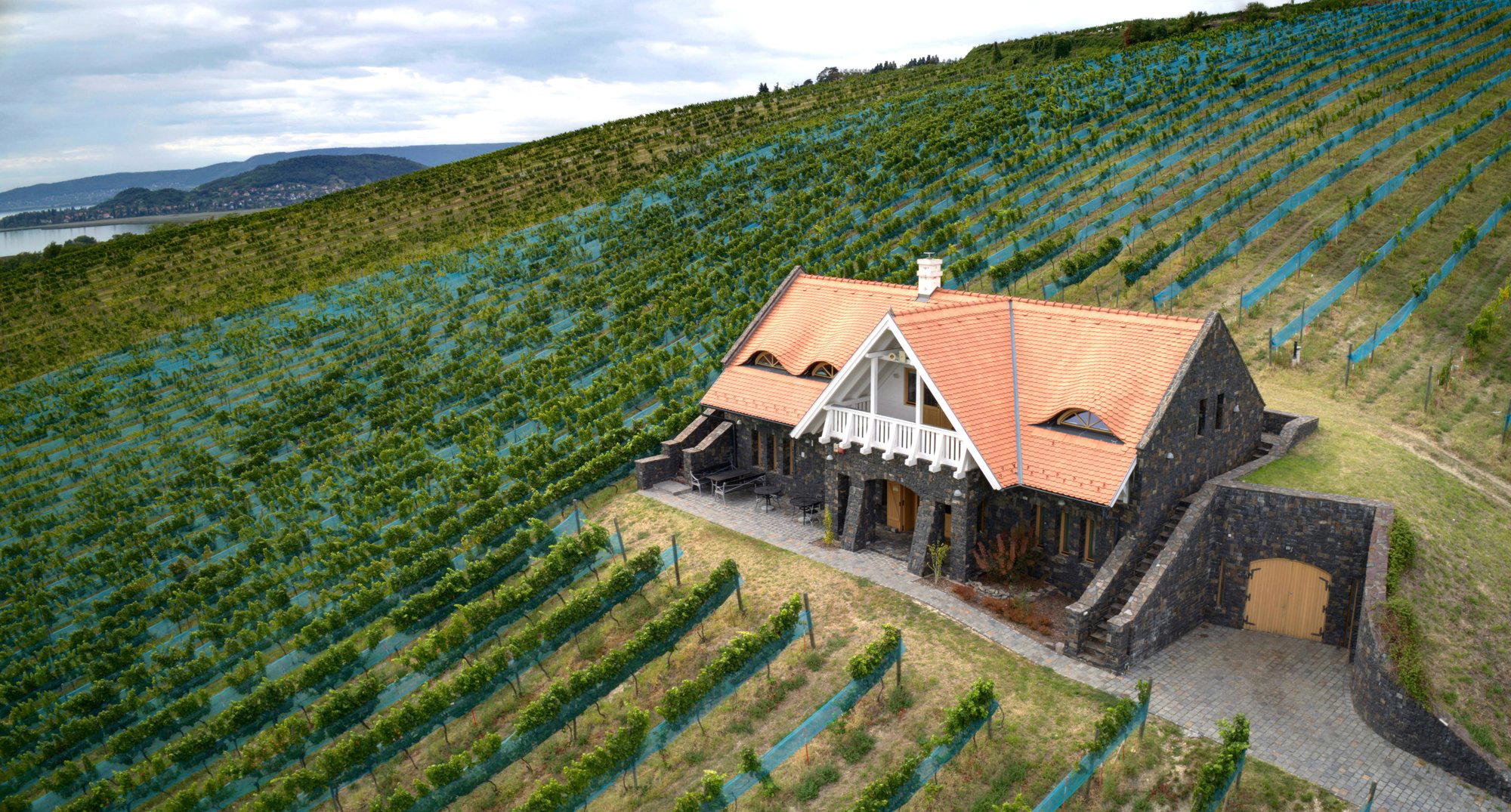
The hill of Somló rises from the Transdanubian plain in western Hungary like a geological anomaly: a solitary basalt butte, the eroded neck of an extinct volcano, ringed by terraced vineyards that have been worked since at least the twelfth century. Approaching the hill, the landscape shifts perceptibly. The flat agricultural plain gives way to steep, dark-soiled slopes where the vine rows follow the contour lines, and the basalt rock breaks through the surface in places like a reminder of what lies beneath everything grown here. Somlói Apátsági Pince, whose name translates directly as the Abbey Cellar of Somló, occupies a position on this hill that carries the full weight of that history. The address alone, Somló-hegy 1070 hrsz, places it within the vineyard cadastre of the hill itself, not in the valley town below.
Somló is one of Hungary's smallest and least-visited wine regions, which is precisely what makes it among the more instructive for anyone interested in how geology expresses itself in the glass. The region's vineyards sit on a base of Pannonian limestone overlaid by basaltic tuff, the volcanic deposit that gives Somló wines their characteristic grip and mineral persistence. In a Hungarian wine context dominated by the Tokaj region's botrytised sweetness and the red wine programs of Villány and Eger, Somló occupies a separate register entirely: a place defined by white wines with pronounced mineral salinity and age-worthiness that has little parallel elsewhere in the country.
A 2025 Pearl Prestige Rating and What It Signals
In a region as small as Somló, where the total vineyard area is measured in hundreds rather than thousands of hectares, a prestige-level award carries particular weight because the competitive set is narrow and the margin for inconsistency is unforgiving. The rating signals that the Abbey Cellar's wines hold up under critical scrutiny, not merely as regional curiosities but as wines measured against a broader standard of quality.
For context on what Pearl Prestige recognition means in the Hungarian wine field: the country's other recognized producers at this level include operations in Tokaj, Eger, Villány, and Szekszárd, regions with substantially larger international profiles. That Somlói Apátsági Pince holds recognition alongside producers from those better-documented areas reflects the argument Somló has been making to serious wine drinkers for decades: that volcanic terroir, when worked carefully, produces wines that outlast their obscurity.
The Terroir Case for Somló
Hungary's wine conversation is, justifiably, often anchored in Tokaj. The furmint-based sweet and dry wines from the northeastern volcanic region have the international recognition, the major investor backing, and the long documentary record. Producers such as Disznókő in Mezőzombor, Royal Tokaji in Mád, Tokaj Hétszőlő in Tokaj, Tokaj Oremus in Tolcsva, and Árvay Winery in Rátka collectively represent a high-profile competitive set that has shaped how Hungarian wine is perceived internationally. Somló operates in a different register, and that difference is geological as much as stylistic.
Where Tokaj's volcanic soils are rhyolitic and the region's identity is built around the concentration effects of botrytis on furmint, Somló's basalt-derived soils produce a more austere, less obviously ornate style of white wine. The primary varieties historically associated with Somló include Olaszrizling, Hárslevelű, Tramini, and Juhfark, the last of which is a grape found in commercial quantity almost nowhere else in the world. Juhfark, which translates as lamb's tail for the elongated shape of its bunch, produces high-acid wines with a smoky, stony mineral character on the basalt slopes of Somló that reads as something close to the volcanic-mineral notes found in benchmark Santorini Assyrtiko or certain Canary Island whites. The parallel is not coincidental: these are all wines where the soil's volcanic origin is the dominant sensory argument.
The abbey connection in the winery's name points to a viticulture history that predates the modern appellation system by centuries. Benedictine monks farmed Somló's slopes from the medieval period, and the continuity of vine cultivation on this hill through successive political and economic transformations has preserved an unusual density of old-vine material and viticultural knowledge. That continuity is a form of terroir in itself, one that younger wine regions cannot replicate by aspiration.
Somló in the Wider Hungarian Wine Field
Hungary's wine regions have diverged sharply in their international positioning over the past two decades. Tokaj captured the critical and collector attention. Eger rebuilt its reputation around Egri Bikavér and single-vineyard furmint and kékfrankos programs, with producers like Bolyki Winery working within that frame. Villány built a red wine identity on cabernet franc and merlot, with Bock Winery among the names that established the region's claim to serious barrel-aged reds. Szekszárd developed a parallel identity for kékfrankos and kadarka-based blends, with Bodri Winery representative of that tradition. Further afield, producers like Babarczi Winery in Gyor, Béres Winery in Erdőbénye, and Bussay Pince in Csörnyeföld each represent distinct regional characters within the broader Hungarian mosaic.
Somló's path has been quieter. The region's small size, the demanding nature of the terrain, and the relative obscurity of its signature grape have kept it off the itineraries of most wine tourists routing through Hungary. That pattern is changing incrementally, driven partly by international interest in high-acid, mineral-driven white wines and partly by a growing critical recognition that the basalt terroir of Somló produces wines with a structural architecture that benefits significantly from bottle age. A 2025 Prestige recognition for Somlói Apátsági Pince fits that trajectory.
Planning a Visit
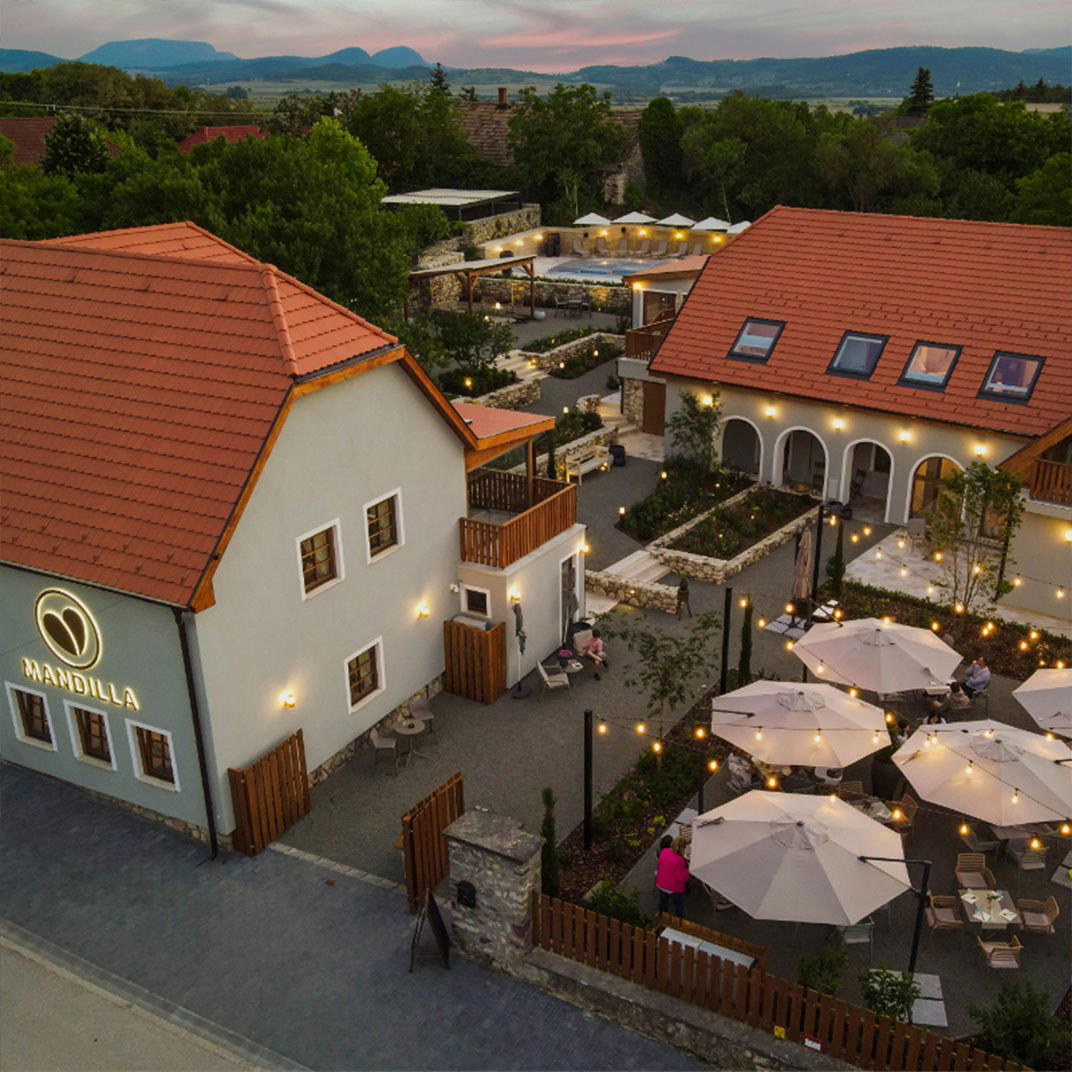
Somló hill sits between the towns of Somlóvásárhely and Somlójenő in Veszprém County, roughly equidistant between the major transit hubs of Győr to the north and Veszprém to the east, each approximately 40 to 50 kilometres by road. The hill is navigable by car; public transport connections to the hill itself are limited, and the vineyard address of Somlói Apátsági Pince suggests a working agricultural property rather than a purpose-built visitor centre. As with many smaller Hungarian producers, contact and visit arrangements are best confirmed in advance. Harvest season, broadly September to October for the varieties grown on Somló, is the period when the hill is most actively worked and when the relationship between the volcanic soil and the fruit is most visibly apparent.
At-a-Glance Comparison
Comparable venues nearby, for context on price, style, and recognition.
| Venue | Cuisine | Price | Notes |
|---|---|---|---|
| Somlói Apátsági PinceThis venue — the venue you are viewing | Furmint, Juhfark | $$ | Not listed |
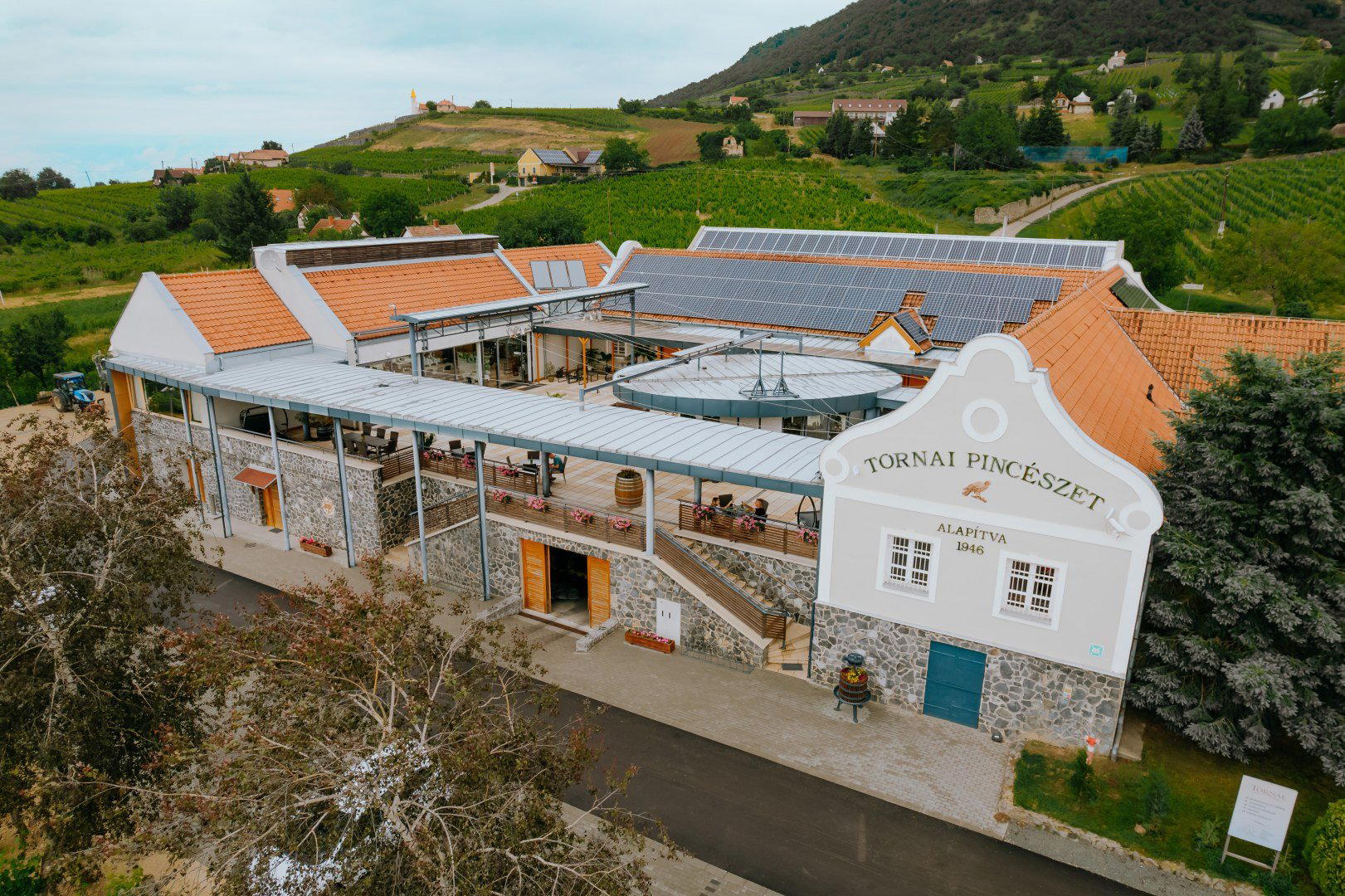
| Tornai Winery | juhfark, furmint | $$ | Somlójenő |
| Figula Winery | Olaszrizling, Pinot Gris | $$ | Balatonfüred |
| Homola Pincészet | Olaszrizling, Kékfrankos | $$ | Paloznak |
| Bodri Winery | Kékfrankos, Kadarka | $$ | Faluhely |
| Heimann Winery | Kékfrankos, Kadarka | $$ | Szekszárd |
Continue exploring
More in Somlójenő
Wineries in Somlójenő
Browse all →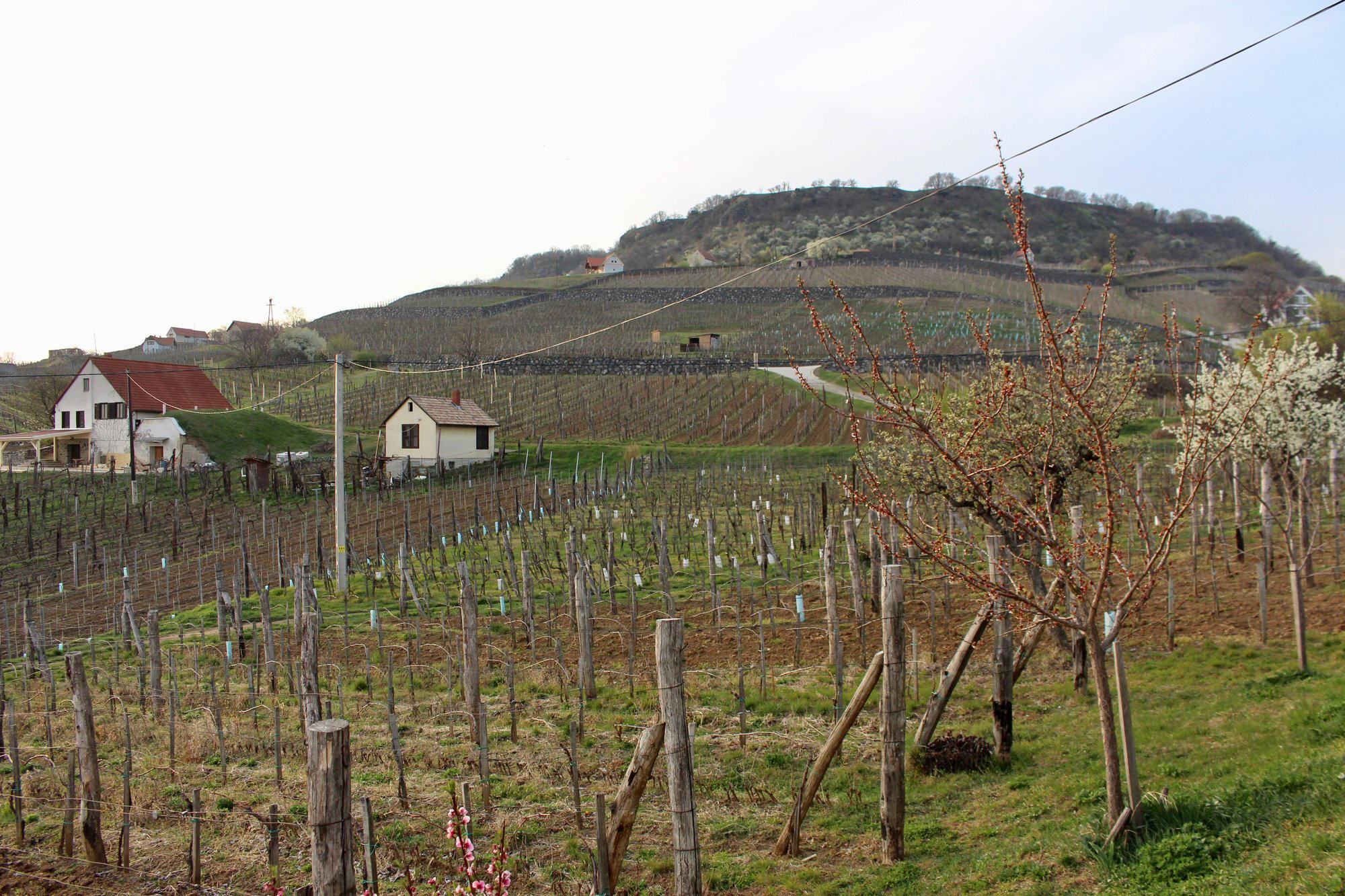
Restaurants in Somlójenő
Browse all →
At a Glance
- Rustic
- Historic
- Intimate
- Scenic
- Wine Education
- Solo Exploration
- Cave Tasting
- Historic Building
- Organic
- Mountain
- Vineyard
- Somló
- Furmint
- Juhfark
- Hárslevelű
- Olaszrizling
- Still White
- Guided Wine Tasting
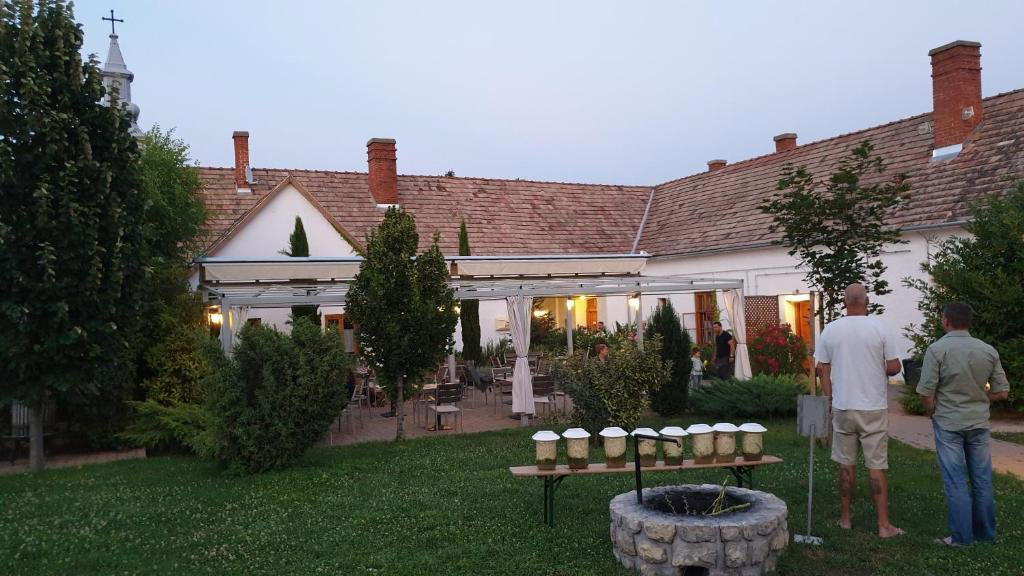
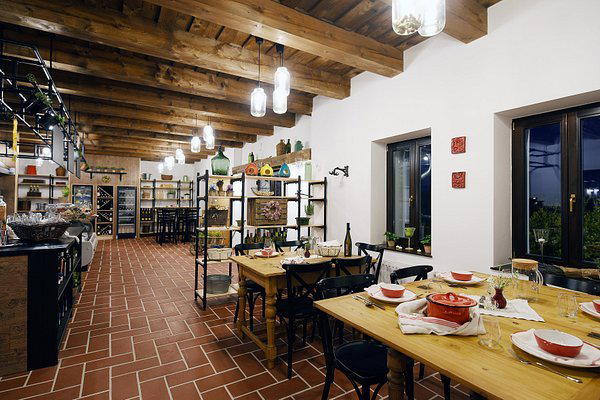
Cozy, traditional atmosphere in a centuries-old rock-built cellar with natural temperature and humidity control.