Reštaurácia FŐNIX occupies a distinct address in Komárno, a Slovak-Hungarian border town where two culinary traditions have coexisted for centuries. The restaurant's name and location place it within a city where Central European cooking meets the Danube basin's agricultural heritage. For travellers passing through southern Slovakia, it represents a practical and locally rooted stop on the Komárno dining circuit.
Pearl is the En Primeur Club membership app — saves, bookings, and concierge access live there. Same editors, same standards.
- Address
- Pevnostný Rad 3, Komárno, 945 05 Komárno, Slovakia
- Phone
- +421905448835
- Website
- url
- Directions
- Get directions
 Saves & bookings on Pearl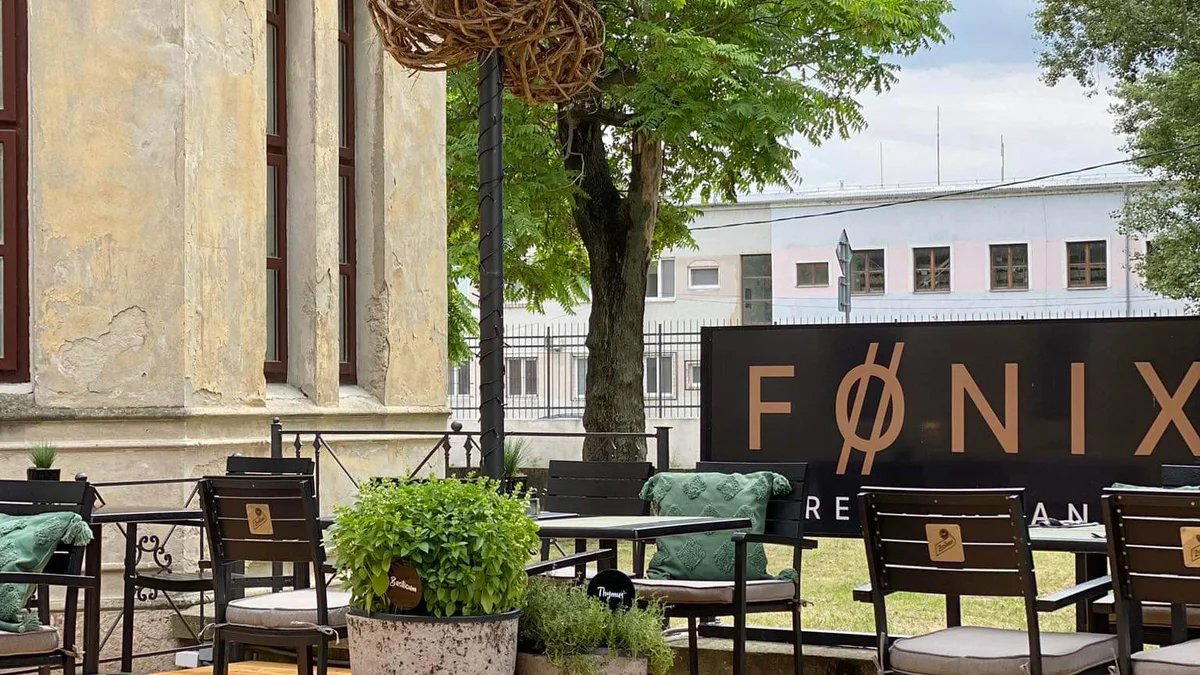
A Border Town Tradition on the Plate
Komárno sits at one of Central Europe's more historically charged crossings: the point where the Danube divides Slovakia from Hungary, and where two cooking traditions have shared a table, sometimes uneasily, for generations. The town's restaurants do not slot neatly into one national cuisine or the other. They tend to draw on both, combining the paprika-rich braising culture of the Hungarian plain with the dumplings, sauerkraut, and smoked meats that define Slovak mountain cooking further north. Reštaurácia FŐNIX, addressed at Pevnostný Rad 3 in the fortress quarter of Komárno, sits inside this culinary overlap. The name itself points to the town's cross-border setting.
The fortress district that gives the address its name is not incidental atmosphere. Komárno's star-shaped fortification system, built under the Habsburg Empire in the 18th and 19th centuries, gives the town a particular civic gravity. Dining here is not the same experience as eating in Bratislava's Old Town or along a Košice pedestrian street. The built environment is heavier, older, and quieter, and restaurants in this part of town tend to serve a mixed clientele of locals, Hungarian day-visitors crossing the bridge from Komárom, and occasional travellers moving along the Danube corridor. That audience shapes what ends up on the menu: it rewards kitchens that understand both sides of the river rather than narrowly committing to one.
What Ingredient Sourcing Looks Like in the Danube Basin
Southern Slovakia's agricultural profile is among the country's most productive. The lowland strip running east from Bratislava along the Hungarian border covers some of the flattest, most fertile ground in the region, yielding wheat, sunflowers, corn, and an extensive network of small vegetable and livestock operations. For kitchens in Komárno, this means proximity to supply that most Slovak restaurants in higher-altitude towns cannot claim. A restaurant operating in this part of the country has plausible access to Danube fish, to freshwater carp and pike-perch from the river system, and to the kind of farmyard pork and goose preparations that define the Great Plain tradition across the border.
This matters because Central European cooking at its most credible is a direct expression of what the surrounding land and water produce. The paprikash, the stuffed cabbage, the cold-smoked sausage: these dishes derive their character not from technique alone but from the fat content of the pigs, the type of paprika grown in nearby fields, and the age of the fermenting crocks used in production. In a border town like Komárno, where the supply chain for those ingredients runs in both directions, kitchens that pay attention to sourcing can access a quality ceiling that restaurants relying on centralised distributors simply cannot reach. Whether any individual restaurant in the town reaches that ceiling is a different question, one that requires a visit to answer properly.
Placing FŐNIX in Komárno's Dining Tier
Komárno is not a city with a deep restaurant industry by Slovak standards. Bratislava, where places like Don Saro Cucina Siciliana represent an increasingly international dining register, operates in a different economic and demographic environment entirely. Komárno's dining scene is more local in orientation, more dependent on the town's resident population and cross-border traffic than on domestic tourism. That means the competitive set for a restaurant like FŐNIX is not a national one: it is the handful of sit-down establishments in Komárno itself, plus whatever pull Hungarian Komárom exerts for meals across the bridge.
Within that local frame, a restaurant with a permanent street address in the fortress quarter occupies a fairly specific position: it is a fixed, sit-down option rather than a fast-service or takeaway format, which already places it toward the more deliberate end of the local spectrum. This is comparable, in structural terms, to how regional restaurants in other Slovak towns position themselves, whether that is Focus Restaurant in Žilina or Cafe Sissi in Trenčín, both of which anchor themselves in their respective town centres and serve a mixed local and visitor clientele.
Slovak dining outside the capital tends to follow a pattern where a few dependable, mid-range restaurants absorb the majority of non-chain traffic. Places like Koliba Patria in Štrbské Pleso or Hotel and Restaurant Drak in Liptovský Mikuláš illustrate the koliba-and-hotel format that dominates regional cooking in mountain areas. Komárno's version of that pattern skews toward the Central European lowland register: heavier, warmer cooking, less mountain herb and more river fish, with Hungarian influences appearing more openly than they would further north.
Restaurants operating in specifically regional Slovak traditions, whether forested interior settings like KOLIBA na Vršku in Bytča or farm-adjacent operations like Fatrabeef in Ľubochňa, demonstrate that sourcing transparency has become a genuine differentiator in Slovak regional dining. Komárno's position on the Danube gives kitchens there a different but equally specific sourcing story to tell, one centred on lowland agriculture and river produce rather than highland pasture.
Planning a Visit
Komárno is reachable by rail from Bratislava in approximately 90 minutes, with the main station sitting a short distance from the fortress quarter where FŐNIX is addressed. The restaurant is recommended for reservations, and its smart casual dress code suits a relaxed but considered visit. The town also draws day visitors from Budapest, which is roughly two and a half hours by road, making it a plausible stop on a longer Danube itinerary. For travellers moving through Slovakia with an interest in the country's more localised dining traditions, stopping in Komárno offers a different cross-section than the capital or the mountain resorts. The restaurant's location on Pevnostný Rad places it within the historical centre, which is compact and walkable. The restaurant is recommended for reservations, and its smart casual dress code suits a relaxed but considered visit.
Against that range, a Danube-basin restaurant drawing on both Slovak and Hungarian culinary traditions occupies a position that remains relatively underrepresented in English-language travel coverage of Slovakia.
In Context: Similar Options
Comparable venues nearby, for context on price, style, and recognition.
| Venue | Cuisine | Price | Notes |
|---|---|---|---|
| Reštaurácia FŐNIXThis venue — the venue you are viewing | Slovak Seasonal Cuisine | $$$ | Not listed |
| Tri Kvety | Slovak Bistro | $$ | Nitra center |
| Rosalia zámocká reštaurácia | Modern Slovak Fine Dining | $$$ | Halic |
| Reštaurácia Sissi | Austro-Hungarian with Local Slovak Influences | $$$ | Tatranská Lomnica |
| TERRA Jasová | Slovak Farm-to-Table | $$ | Jasova |
| Nitriansky Furmanský Dvor | Modern Slovak Cuisine | $$ | Nitra Center |
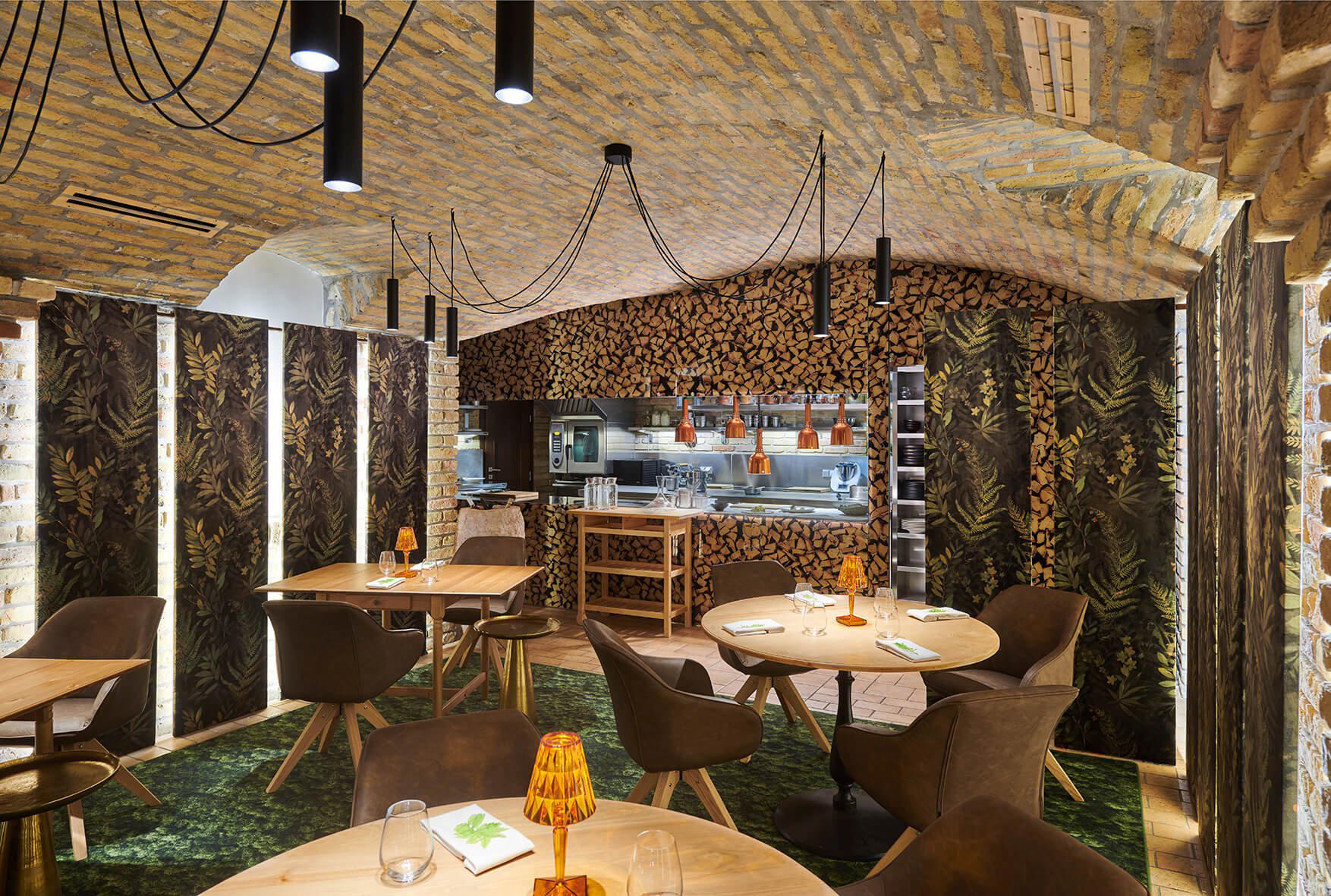
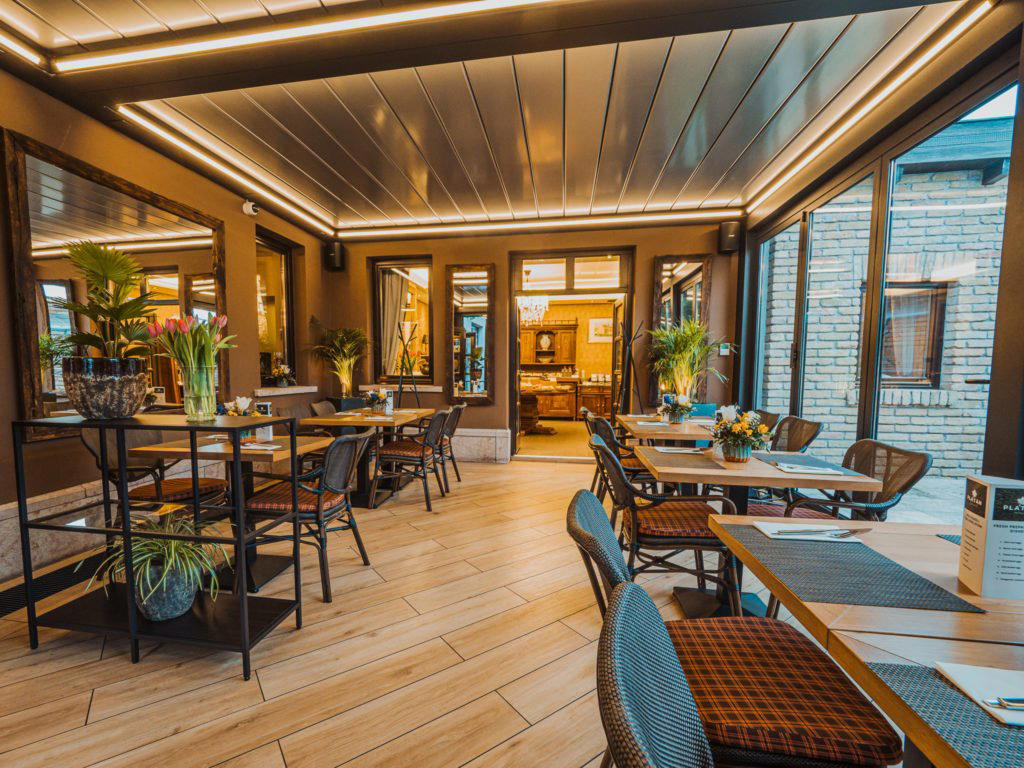
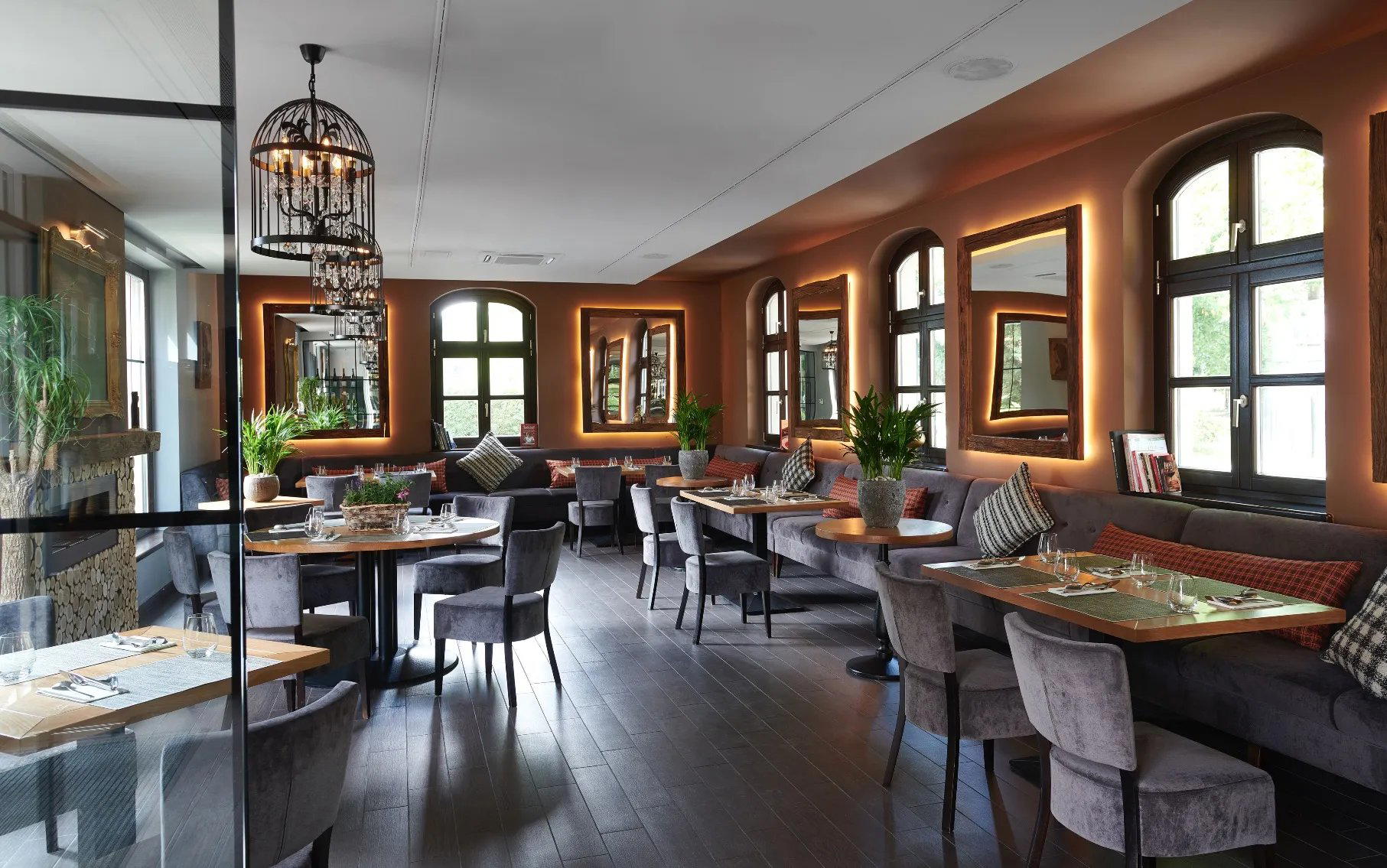
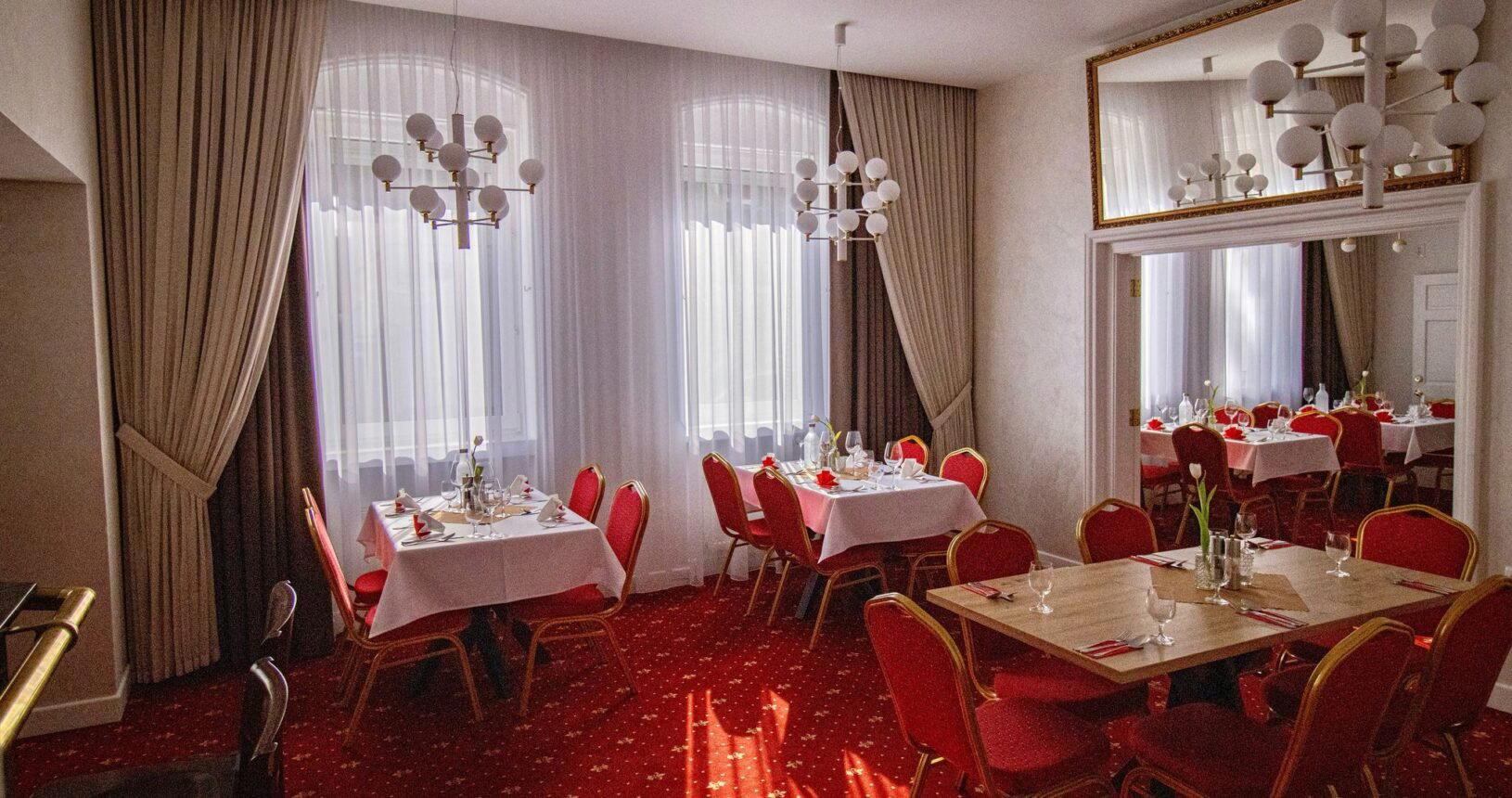
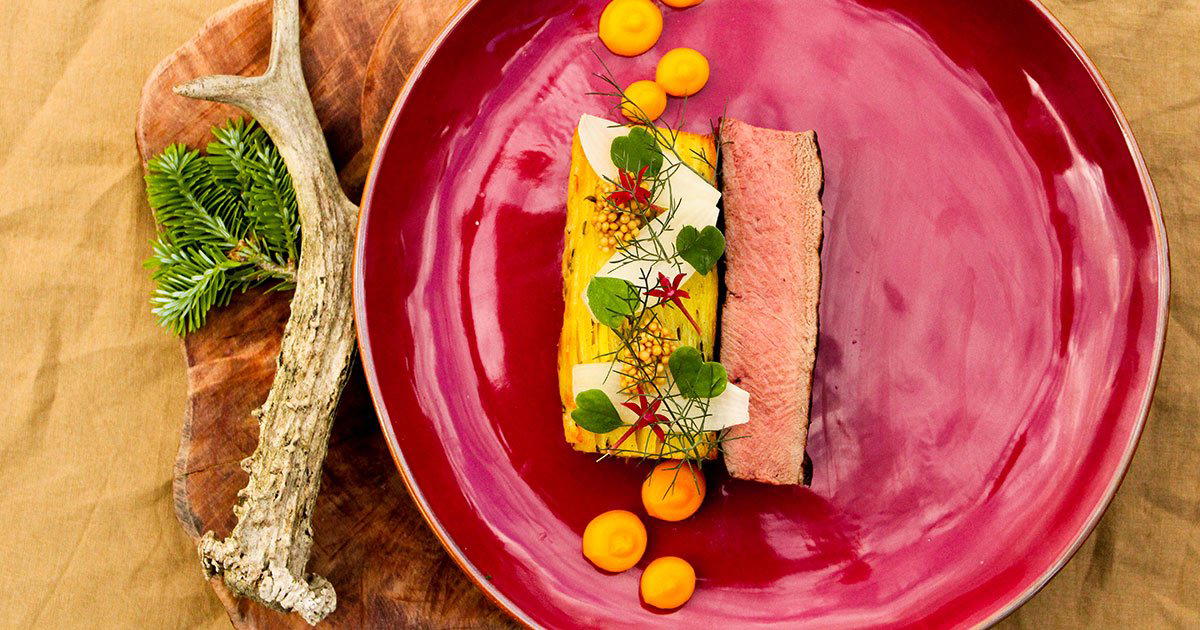
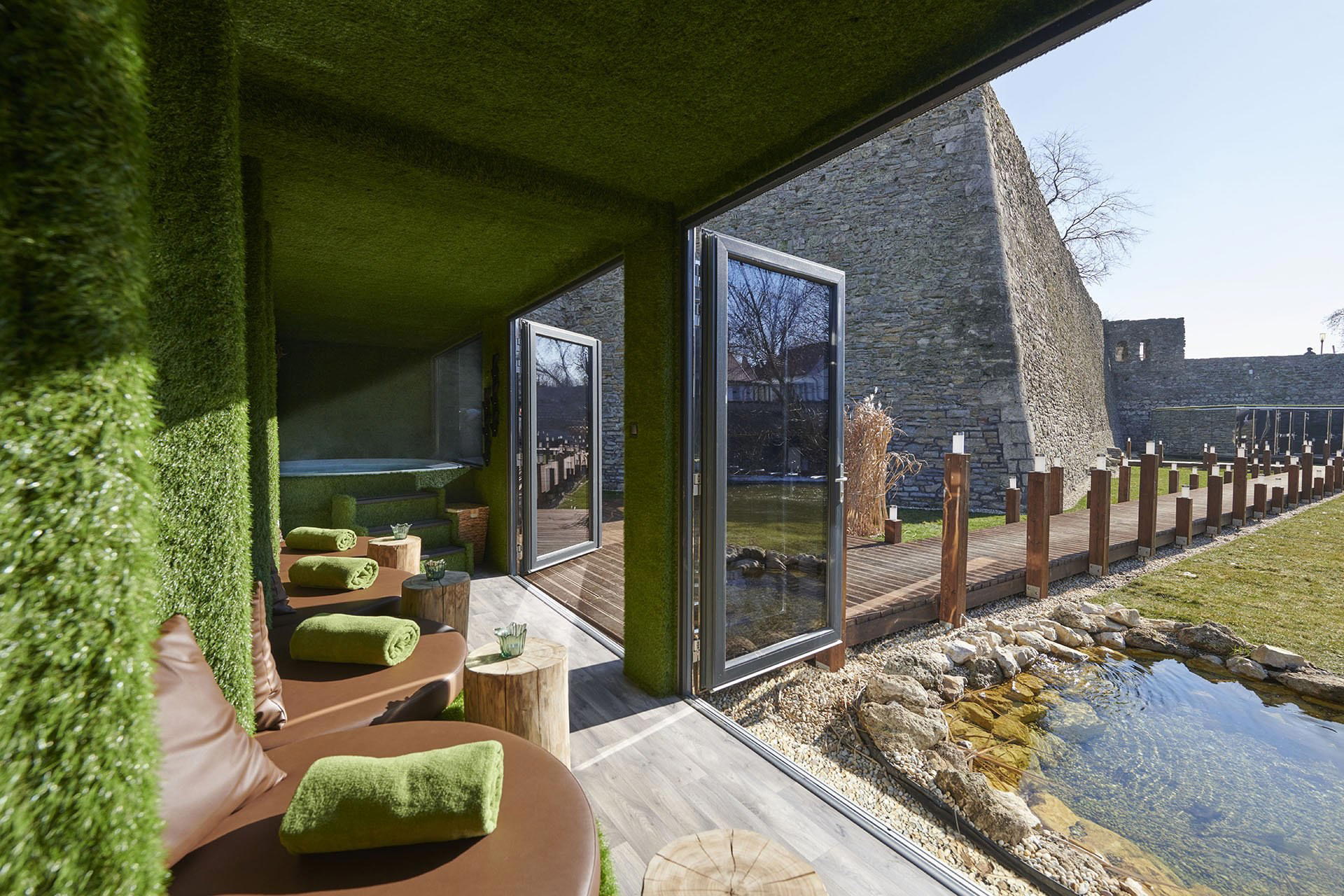
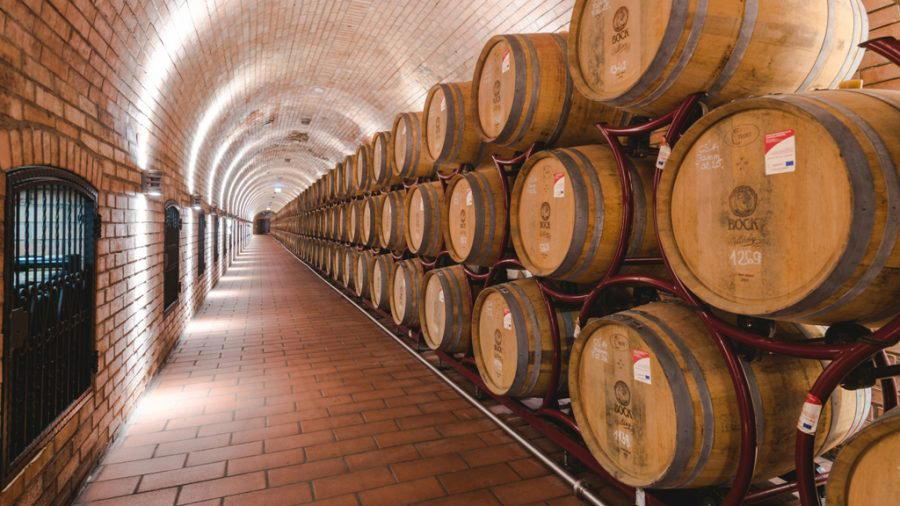

At a Glance
- Elegant
- Classic
- Special Occasion
- Group Dining
- Celebration
- Terrace
- Local Sourcing
Current opening hours
- Monday
- Closed
- Tuesday
- Closed
- Wednesday
- 11 AM–10 PM
- Thursday
- 11 AM–10 PM
- Friday
- 11 AM–10 PM
- Saturday
- 12–10 PM
- Sunday
- Closed
Hours can change for holidays and private events. Last verified .