
Falstaff Winery - Listed
Nicolas Feuillatte sits at the heart of the Champagne cooperative model, operating from Chouilly in the Côte des Blancs where Chardonnay-dominant terroir sets the tone for the house style. For visitors exploring the Marne's grande marque alternatives, this is one of the region's most instructive stops.

Pearl is the En Primeur Club membership app — saves, bookings, and concierge access live there. Same editors, same standards.
- Address
- Plumecoq, CD 40A, 51530 Chouilly
- Phone
- +33 3 26 59 55 50
- Website
- nicolas-feuillatte.com
- Directions
- Get directions
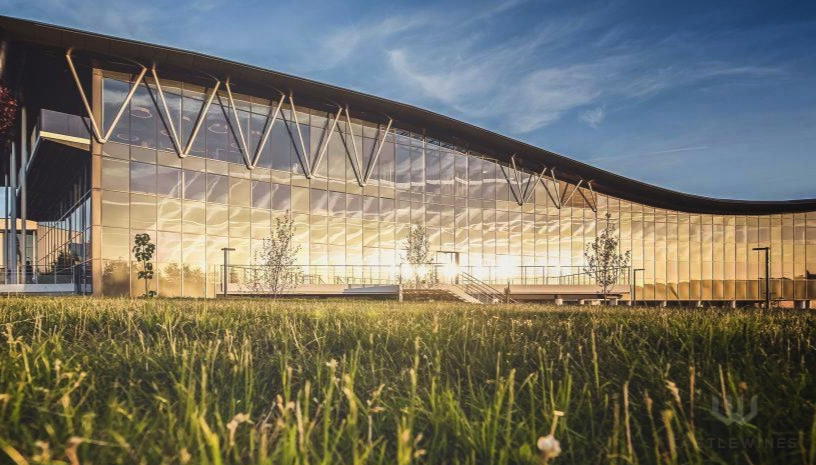
Chouilly and the Cooperative Champagne Tradition
The CD 40A road through Chouilly cuts through some of the Côte des Blancs' most closely watched vineyard land. To drive it in late October is to understand why this strip of northeast-facing chalk slopes commands such attention from producers working with Chardonnay: the light falls at a low angle across the canopy, the soil drains fast, and the elevation shifts enough within a few kilometres to produce measurably different base wines from village to village. Nicolas Feuillatte operates from Plumecoq at the edge of this terrain, and that address is not incidental to what ends up in the bottle.
The cooperative model in Champagne is often misread by visitors schooled on the grande marque narrative. The conventional framing positions a handful of grandes maisons as the region's creative and qualitative centre, with cooperatives filling supermarket allocations. Nicolas Feuillatte disrupts that reading. As one of the largest cooperatives in the Appellation d'Origine Contrôlée, it aggregates fruit from across the Marne, but its positioning in Chouilly means Côte des Blancs Chardonnay sits at the structural core of blending decisions. That geography shapes the house's tonal signature more than any stylistic decree could.
Terroir as a Blending Philosophy
Champagne's terroir argument is more complex than in still wine regions because the finished product almost always reflects multiple origins. The craft lies in how a winemaker reads individual parcels and decides what each contributes to the final assemblage. At Nicolas Feuillatte, Guillaume Roffiaen works with a supply base that spans Premier and Grand Cru villages, giving access to chalk-driven Chardonnay from the Côte des Blancs alongside Pinot Noir from the Montagne de Reims and Meunier from the Marne Valley. That breadth is a blending asset when used with precision.
The Côte des Blancs chalk differs from the chalk-over-limestone profiles found further north. Water retention is lower, root systems go deeper in dry years, and the resulting wines tend toward tension and linear acidity rather than broad, yeast-driven weight. When Chouilly Chardonnay anchors a blend, it tends to set the structural frame — the finish length and the acid spine — around which richer Pinot Noir contributions can be arranged. Whether a particular cuvée achieves that balance in a given vintage is the question worth asking at any tasting visit.
For context, awards in this tier assess consistency across a portfolio rather than a single cuvée's peak performance, which is a more demanding test for a house of this output scale. For visitors comparing across French wine regions, the award sits alongside the kind of portfolio-level recognition given to producers like Château Branaire Ducru in St-Julien or Château Cantemerle in Haut-Médoc, where the benchmark is reliable quality across years rather than a single exceptional release.
What the Chouilly Address Signals
Most visitors to the Champagne region begin in Reims or Épernay, where the grandes maisons maintain their historic cellars and reception infrastructure. Chouilly sits south of Épernay, about a fifteen-minute drive along the D10 that traces the Côte des Blancs escarpment. That short distance places you in a different viticultural world: the villages here, Chouilly, Cramant, Avize, Le Mesnil-sur-Oger, are the addresses that Chardonnay specialists cite when discussing the region's most mineral expressions.
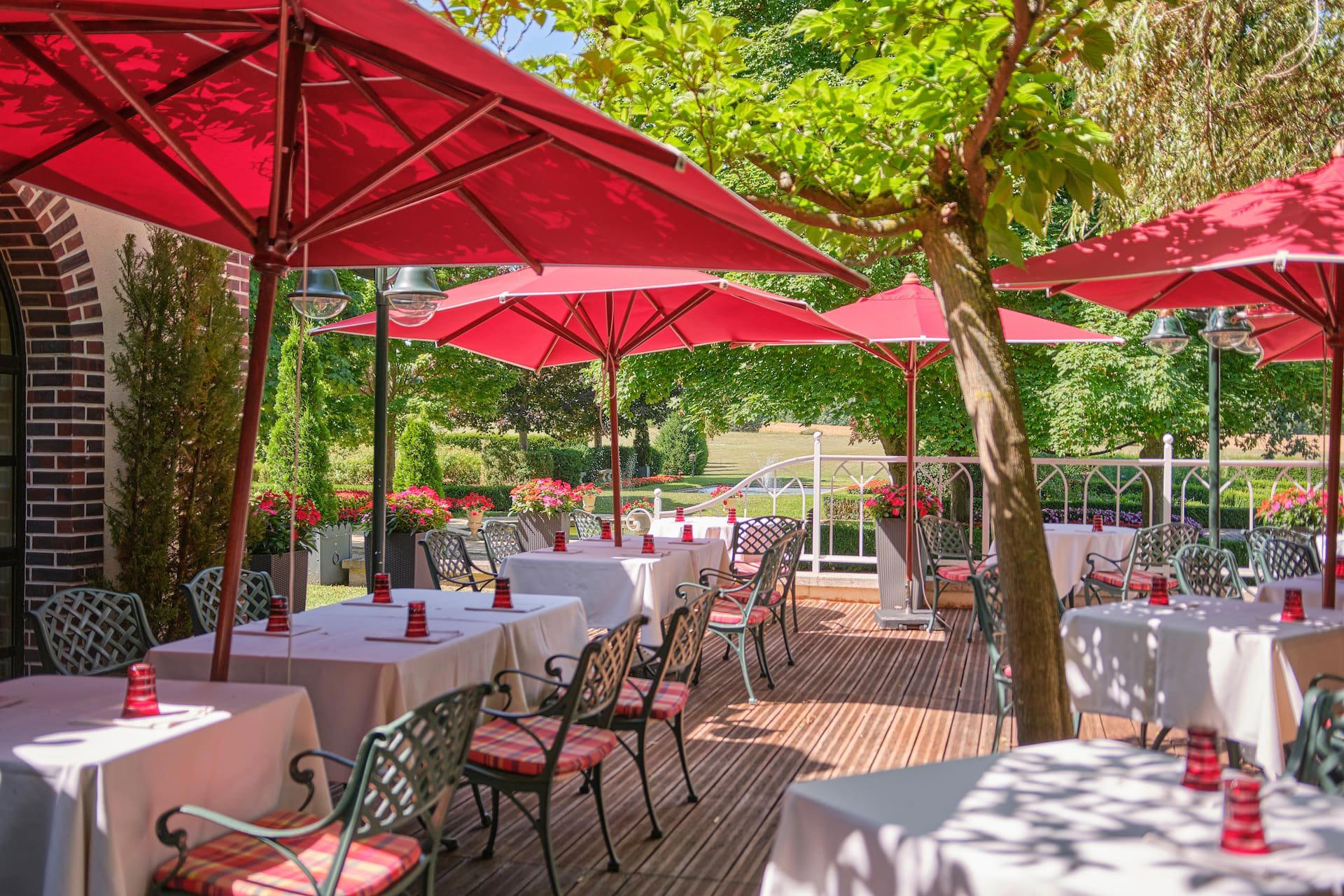
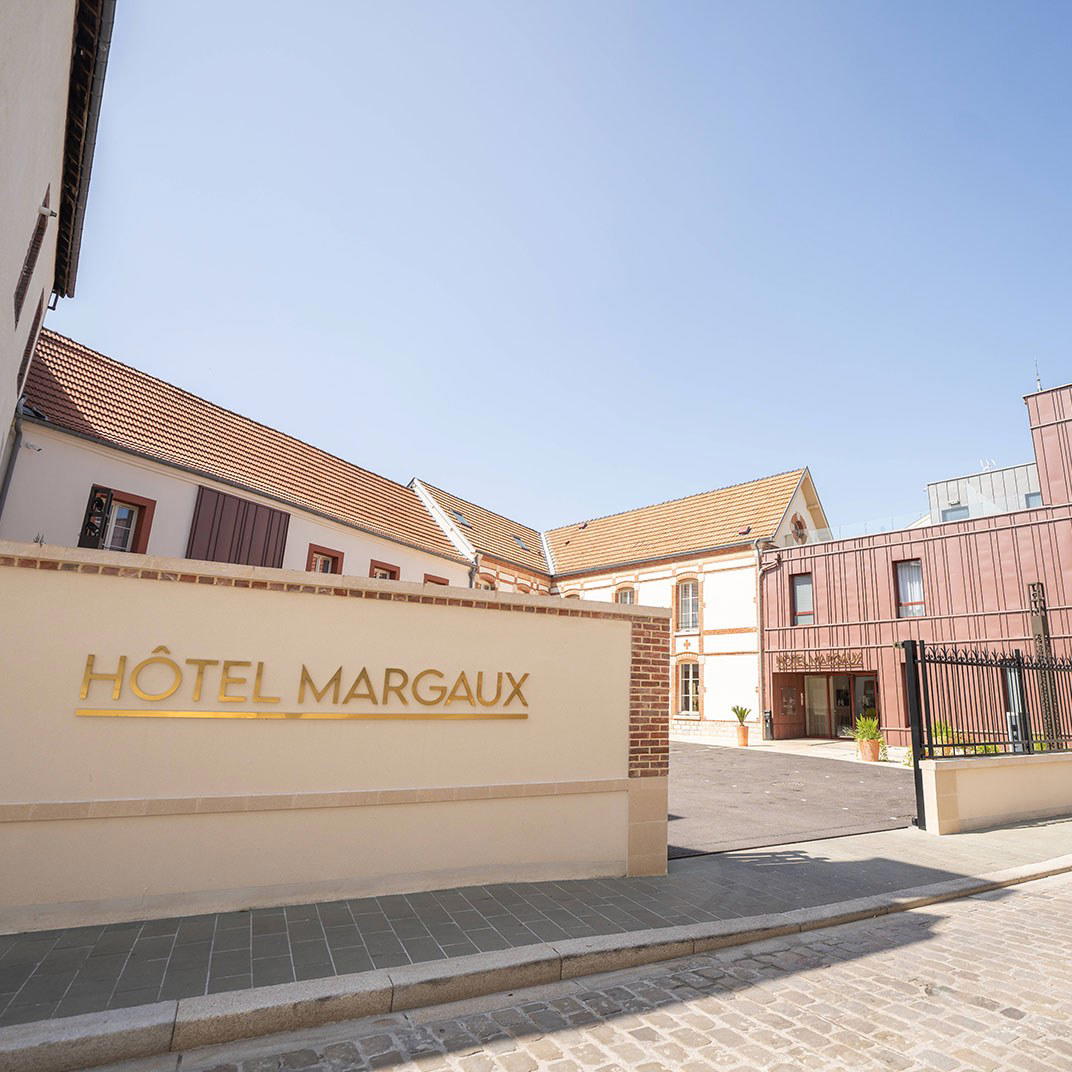
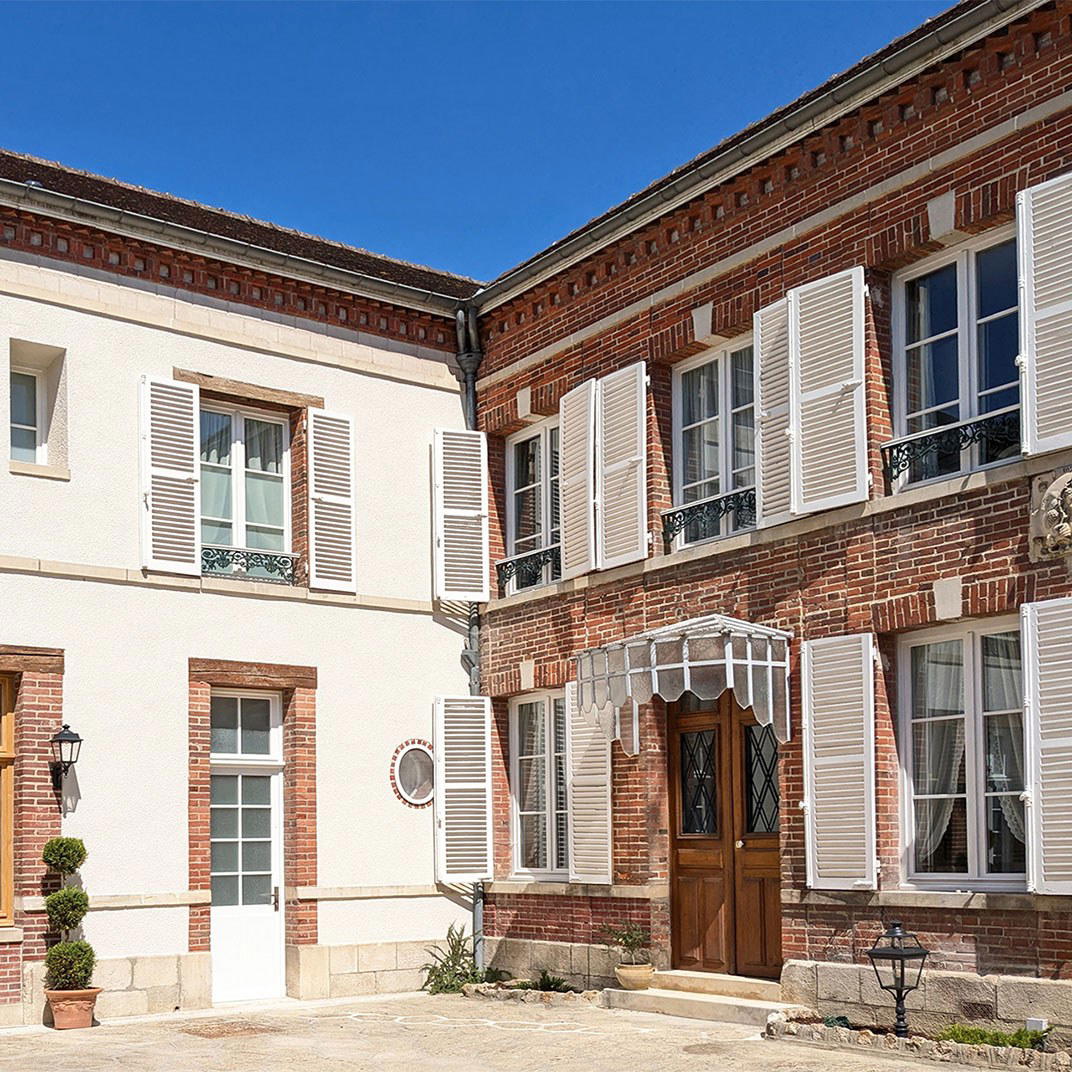
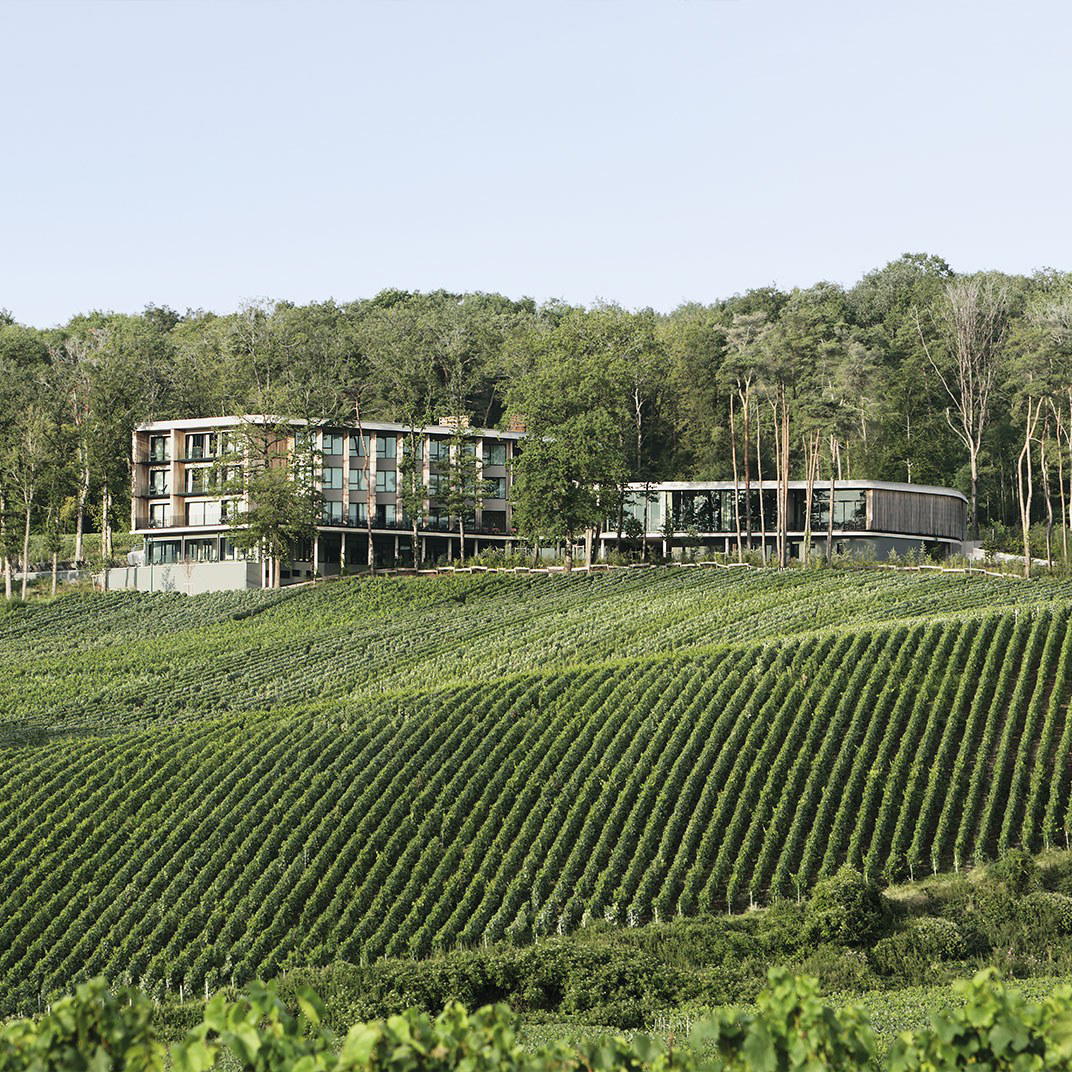
Arriving at Plumecoq, the production facility reflects the cooperative's scale. This is not a château with a park and a formal tasting salon positioned for photography. The site is operational, which tells you something important about where the organisation's resources are directed. Cooperative champagne at this level competes on cuvée quality and price positioning, not on reception theatre. Visitors who arrive expecting the formal pomp of a grande maison will find a different register; those who arrive wanting to understand how large-scale Champagne production actually functions will find it more instructive.
For a broader view of how French producers across different appellations handle the tension between scale and quality signals, the comparison extends well beyond Champagne. Producers like Château Bastor-Lamontagne in Preignac and Château Clinet in Pomerol navigate similar questions in Bordeaux's still wine appellations, where critical ratings and appellation reputation carry more weight than visitor infrastructure in determining market positioning.
Guillaume Roffiaen and the Winemaking Layer
Winemaker credentials in Champagne carry a different weight than in a single-estate still wine context. Because blending is the definitive act, the winemaker's role is primarily analytical and editorial: reading the vintage's component wines, deciding on dosage levels, managing reserve wine stocks for non-vintage continuity, and determining when a prestige cuvée's composition has reached the right internal balance.
For visitors with a specific interest in how Champagne winemaking differs from Alsace or Burgundy methodologies, a comparison with single-varietal specialists like Albert Boxler in Niedermorschwihr clarifies what the assemblage discipline actually demands. In Alsace, terroir expression is pursued through varietal clarity and minimal intervention in individual parcels. In Champagne, terroir expression is refracted through the blending process itself, which requires a different kind of precision.
Planning a Visit
Nicolas Feuillatte's address at Plumecoq, CD 40A, 51530 Chouilly places it within the main Côte des Blancs touring corridor. Visitors building a Champagne itinerary around terroir-focused producers will find the location logical as a complement to village-level grower visits in Cramant or Avize. The site's cooperative scale means production visits, where available, show a dimension of Champagne making that single-domaine grower visits rarely can: the logistics of managing fruit from hundreds of member vignerons, the blending hall infrastructure, and the scale of reserve wine management that non-vintage continuity requires.
Booking and hours information is best confirmed directly through the venue's current channels, as these change seasonally. The Épernay tourist office on Avenue de Champagne is a reliable secondary resource for visit scheduling across the region's major producers. Visitors planning wider French wine itineraries can cross-reference with our coverage of Chartreuse in Voiron for a different model of large-scale French spirits production, or explore still wine producers including Château Bélair-Monange in Saint-Emilion, Château Boyd-Cantenac in Cantenac, Château Dauzac in Labarde, Château d'Arche in Sauternes, Château d'Esclans in Courthézon, and Accendo Cellars in St. Helena for comparative context across premium wine appellations. For Scotch whisky alongside wine travel, Aberlour in Aberlour offers a contrasting study in how terroir claims are constructed in spirit production. Our full Chouilly restaurants guide covers the broader village context for anyone planning an overnight stay in the Côte des Blancs corridor.
A Quick Peer Check
Comparable venues nearby, for context on price, style, and recognition.
| Venue | Cuisine | Price | Awards | Notes |
|---|---|---|---|---|
| Nicolas FeuillatteThis venue — the venue you are viewing | Chardonnay, Pinot Noir | Not listed | Falstaff Winery - Listed | Not listed |
| A. Margaine | Chardonnay, Pinot Noir | $20–30 | Not listed | Villers-Marmery |
| Château Pas de l’Ane | Merlot, Cabernet Franc | $10–20 | Falstaff Winery - 1 Stars | Saint-Émilion |
| King Family Vineyards | Winery | $20–30 | Falstaff Winery - Listed | Crozet |
| Ayala | Chardonnay, Pinot Noir | $30–50 | Falstaff Winery - 3 Stars | Aÿ |
| Larmandier-Bernier | Chardonnay, Pinot Noir | Not listed | Falstaff Winery - 4 Stars | Paso Robles |
Recognition history
Dated appearances from independent guides and award organizations, with the underlying list record or original source where available.
Falstaff Winery - Listed
Falstaff
Continue exploring
More in Chouilly
Wineries in Chouilly
Browse all →
Bars in Chouilly
Browse all →
Restaurants in Chouilly
Browse all →
Details
- Modern
- Elegant
- Sophisticated
- Wine Education
- Celebration
- Group Outing
- Cave Tasting
- Historic Building
- Vineyard
- Chardonnay
- Pinot Noir
- Pinot Meunier
- Sparkling
- Cellar Tasting
- English
- French
Modern industrial ensemble with informative cellar tours in a contemporary production facility.