Its position in Germany's premium drinks scene is built on the Black Forest's botanical density — one of Europe's most complex local terroirs. For those tracking Germany's artisan spirits category, this is a reference-point address.

Pearl is the En Primeur Club membership app — saves, bookings, and concierge access live there. Same editors, same standards.
- Address
- Äußerer Vogelsberg 7
- Website
- monkey47.com
- Directions
- Get directions
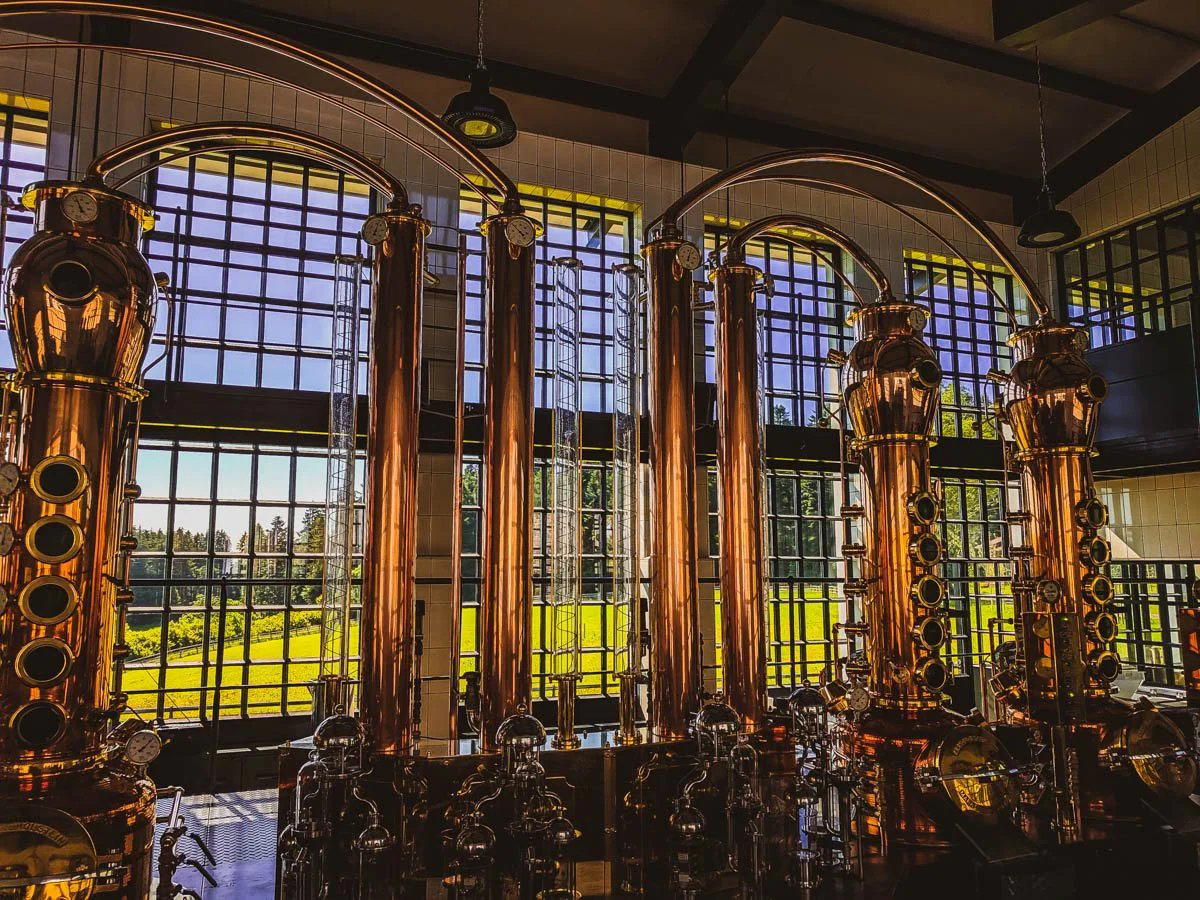
Where the Black Forest Becomes a Recipe
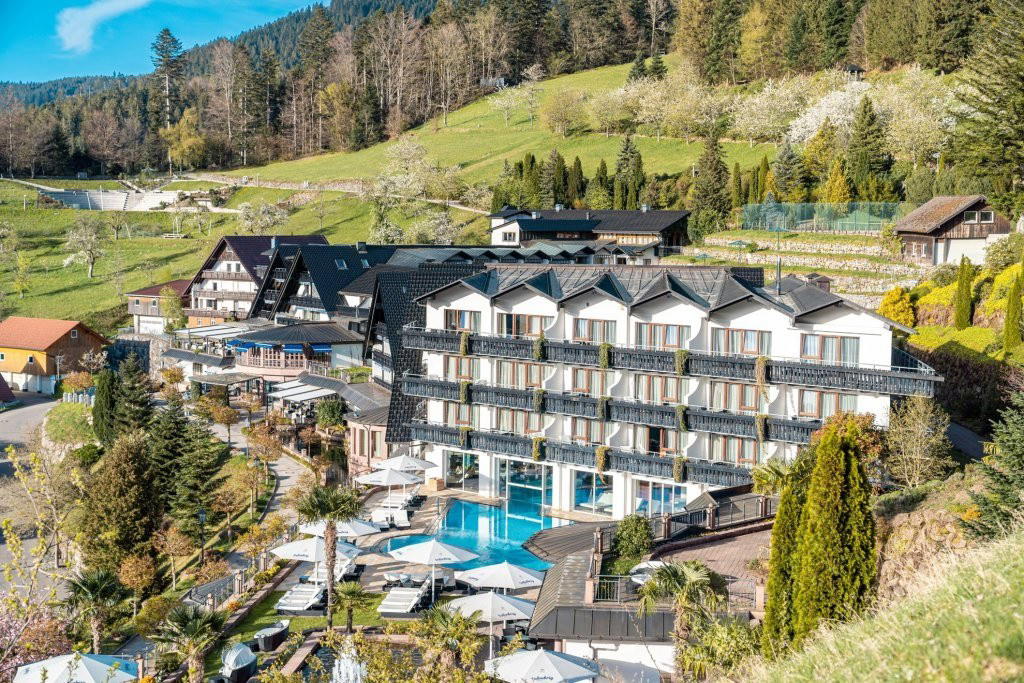
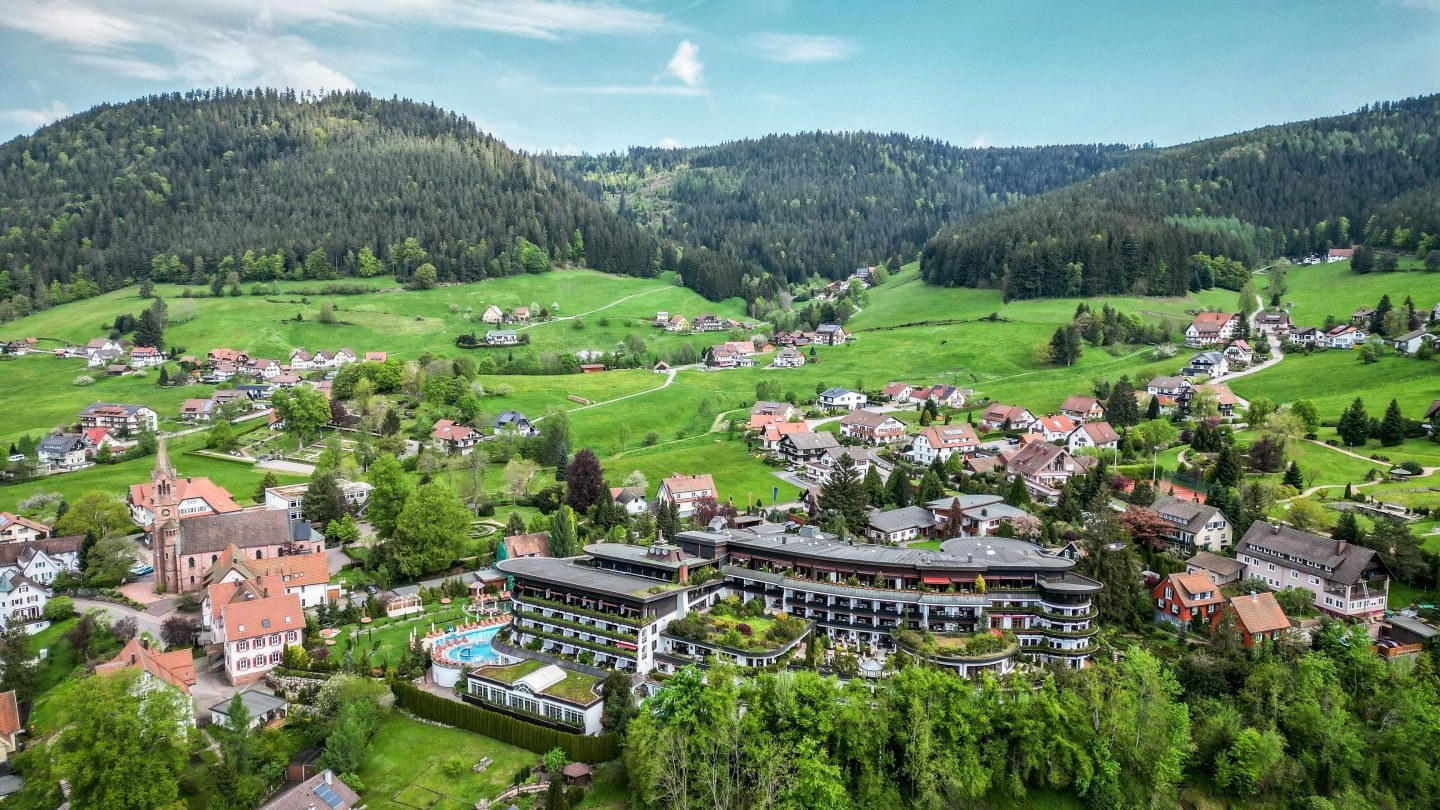
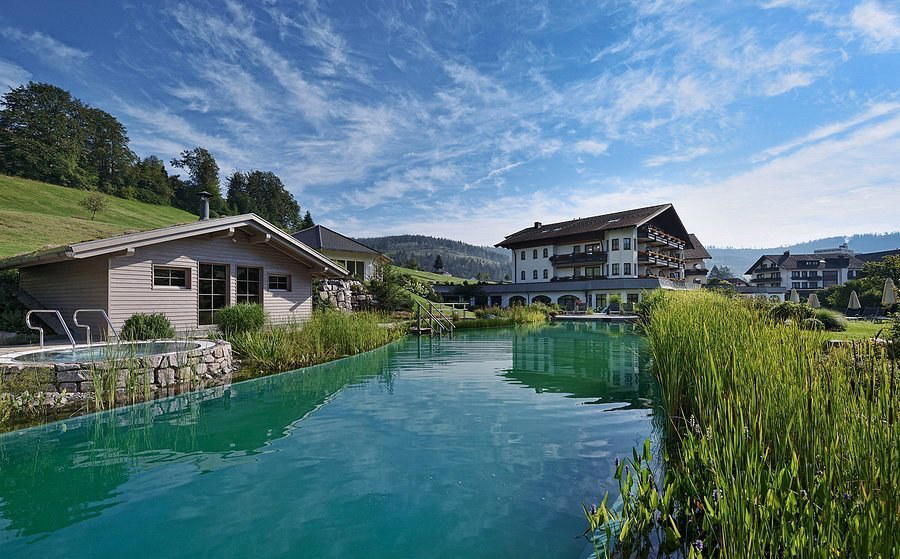
The Black Forest is not a backdrop. Loßburg sits in the southern reaches of Baden-Württemberg, where the densely forested hills of the Schwarzwald carry an extraordinary density of native botanicals: wild berries, bark, mosses, and herbs that don't exist at commercial scale anywhere else in Germany.
Germany's premium spirits category has been reshaped over the past fifteen years by a small number of producers willing to treat their local geography as a competitive asset rather than simply a postcode. The movement parallels what happened to German wine across the same period — a shift from volume and formula to site-specificity and restraint. Producers in Baden, Württemberg, and the Rhine valleys increasingly read their soils and microclimates as makers of Burgundy read their plots. For a comparable expression of that terroir-first instinct applied to wine, Weingut Battenfeld-Spanier in Hohen-Sülzen and Weingut Clemens Busch in Pünderich offer useful reference points — both recognised for the precision with which local geology shapes the final product.
47 Botanicals and the Logic Behind the Number
The botanical count at Monkey 47 is not a marketing flourish. Forty-seven individual plant-derived ingredients, the majority sourced from the Black Forest, produce a gin whose complexity reflects the layered ecology of the region. That number places it in a different technical tier from most European gins, which typically operate in the range of six to fifteen botanicals. The sourcing discipline required to maintain consistency across 47 ingredients in a forest environment, where seasonal variation, moisture levels, and soil chemistry shift the character of individual plants year to year, is closer to the challenge facing a Riesling producer managing a difficult slate slope than to a standard distillery procurement operation.
German wine offers a useful lens for understanding what that kind of botanical precision costs in time and logistics. Producers like Weingut Dr. Bürklin-Wolf in Wachenheim an der Weinstraße and Weingut Bassermann-Jordan in Deidesheim, both with long histories of Pfalz site management, face analogous decisions about what the land gives and what the producer imposes. The Monkey 47 approach sits on the same side of that line: the forest sets the terms.
Across EP Club's rated universe, that tier requires a combination of production consistency, ingredient sourcing rigour, and positioning within an identifiable tradition of place.
For comparison, the wine producers in Germany's recognised prestige tier operate with similar levels of critical scrutiny. Weingut Fritz Haag in Brauneberg and Weingut Georg Breuer in Rüdesheim am Rhein are recognised for output that reflects both site and generational commitment, the same dual criteria that a multi-botanical gin programme run from a specific forest location must satisfy. Kloster Eberbach in Eltville, one of the Rheingau's most historically grounded estates, provides another data point: longevity of site relationship matters as much as technical execution in Germany's premium drinks hierarchy.
Black Forest Terroir as a Competitive Position
Most gin categories are defined by a dominant style, London Dry, New Western, Old Tom, that prioritises flavour profile over provenance. The Black Forest category operates differently. The specific combination of altitude, precipitation, soil type, and native species in the Schwarzwald produces a botanical palette that cannot be replicated by sourcing equivalents from elsewhere. This is not a claim about flavour superiority; it is a structural observation about what makes a particular provenance defensible as a category position.
The parallel in German wine is clearest in the Mosel, where steep blue-slate soils create Rieslings whose mineral signature is chemically traceable to the vineyard. Weingut Grans-Fassian in Leiwen and Weingut Heymann-Löwenstein in Winningen both operate within that logic, building reputations on site specificity rather than stylistic formula. Monkey 47's reliance on the Black Forest's native botanical ecology is a comparable commitment: the terroir is the product brief.
Beyond Germany, the broader conversation about place-driven spirits production includes producers like Aberlour in Aberlour, where the Speyside water source and regional grain character are built into the product identity from the ground up. The logic is consistent across categories: where and how the raw material grows determines what the finished product can be.
Loßburg as a Location Decision
Loßburg is not a drinks-tourism destination in the conventional sense. There are no clusters of tasting rooms, no structured spirits trail, and no significant hospitality infrastructure built around the local producers. That absence is itself informative. Producers who locate in Loßburg are there because the forest is there, not because the footfall is.
For travellers integrating a visit to this part of Baden-Württemberg, the practical context is useful. Loßburg lies in the northern Black Forest, accessible by road from Stuttgart or Freiburg, though neither city is close. The area is more naturally paired with slow, rural itinerary-building than with urban day-trip logistics. Those planning a broader German wine and spirits itinerary should note that Weingut A. Christmann in Neustadt an der Weinstraße and Weingut Allendorf in Oestrich-Winkel anchor two of Germany's most important wine regions at either end of a longer western itinerary. Weingut Bürgerspital zum Heiligen Geist in Würzburg adds a Franconian chapter for those moving east. See our full Loßburg restaurants guide for the broader local picture. Booking and visit arrangements are not detailed in available public data; direct contact through official channels is the appropriate first step. The remoteness of the location is not incidental, it is, in the most direct sense, what makes the product possible.
How It Stacks Up
Comparable venues nearby, for context on price, style, and recognition.
| Venue | Cuisine | Price | Awards | Notes |
|---|---|---|---|---|
| Monkey 47This venue — the venue you are viewing | Schwarzwald | Not listed | Not listed | Not listed |
| Weingut Rainer Schnaitmann | Pinot Noir, Lemberger | Not listed | Falstaff Winery - 5 Stars | Fellbach |
| Weingut Hermann Dönnhoff | Riesling, Pinot Blanc | Not listed | Falstaff Winery - 5 Stars | Oberhausen an der Nahe |
| Weingut Dr. Heger | Riesling, Grauburgunder | $20–30 | Falstaff Winery - 5 Stars | Ihringen |
| Evening Land Vineyards | Winery | $30–50 | Not listed | Salem |
| Weingut Weedenborn | Sauvignon Blanc, Chardonnay | Not listed | Falstaff Winery - 4 Stars | Monzernheim |
Continue exploring
More in Loßburg
Wineries in Loßburg
Browse all →
Bars in Loßburg
Browse all →

Restaurants in Loßburg
Browse all →
Details
- Rustic
- Scenic
- Intimate
- Wine Education
- Solo Exploration
- Historic Building
- Sustainable
- Distillery Tour
- Gin Tasting
- German
- English
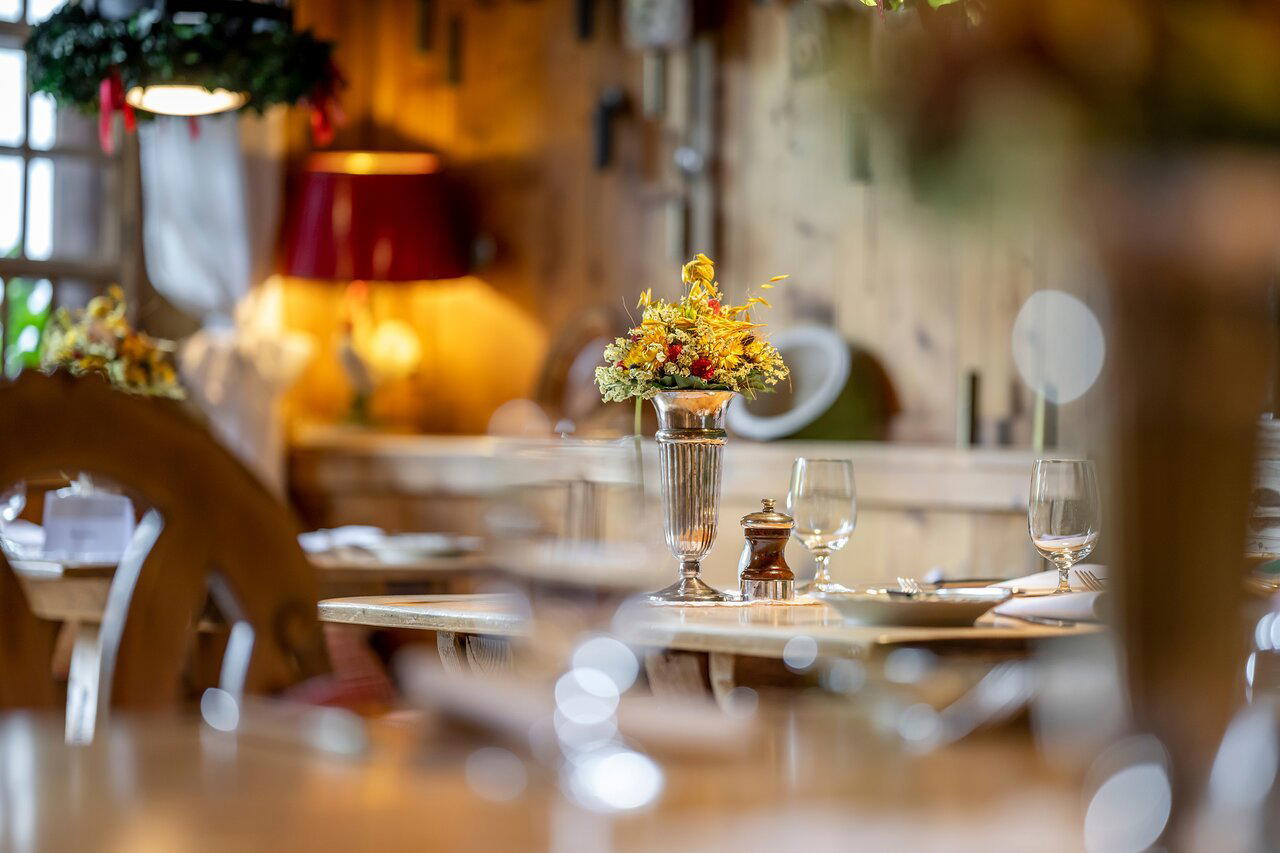
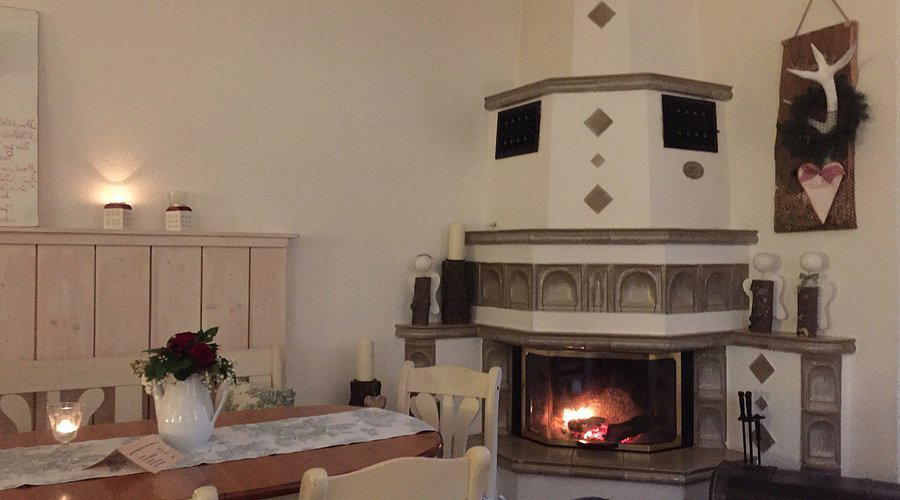
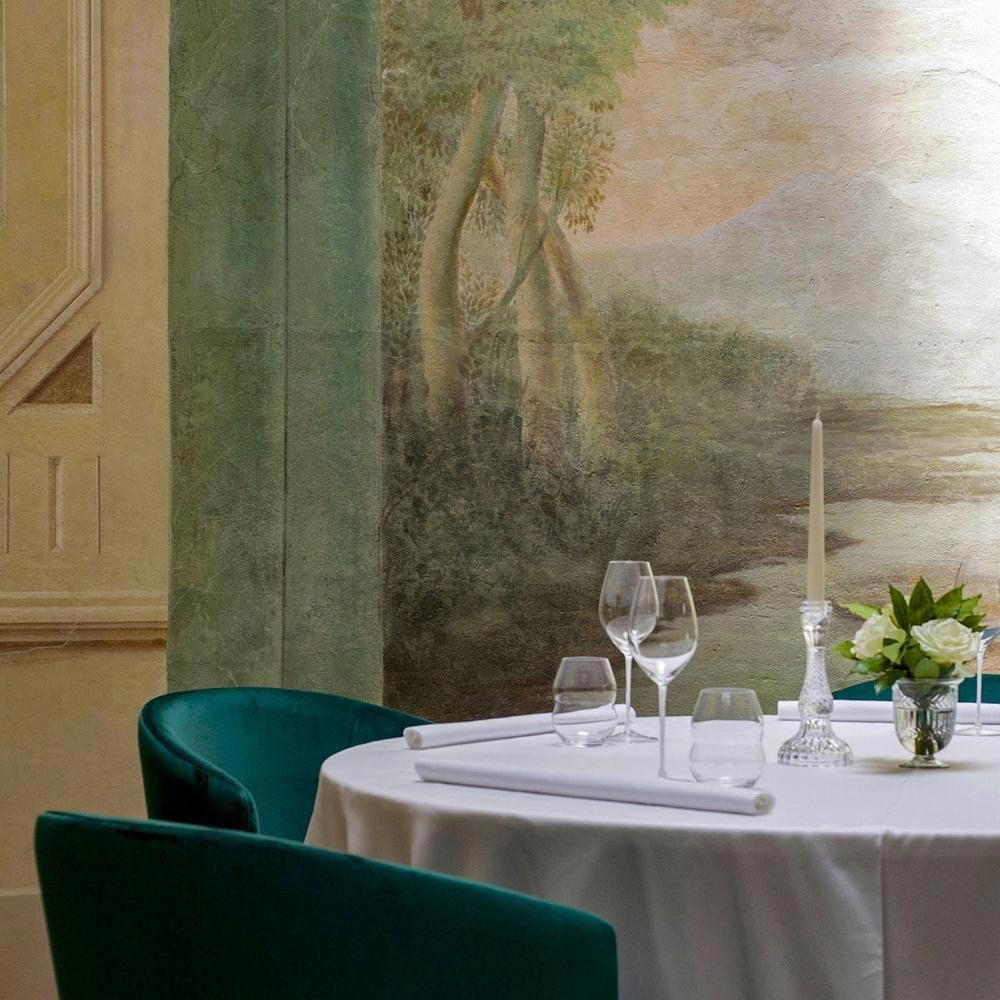
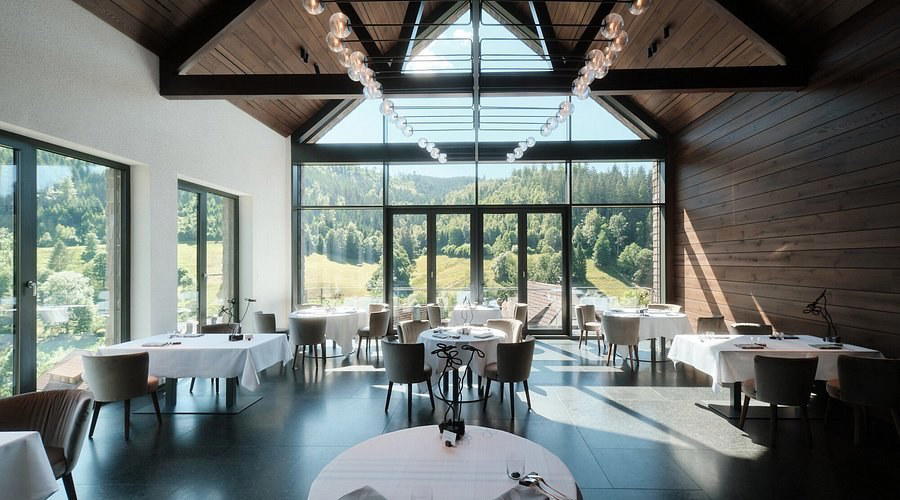
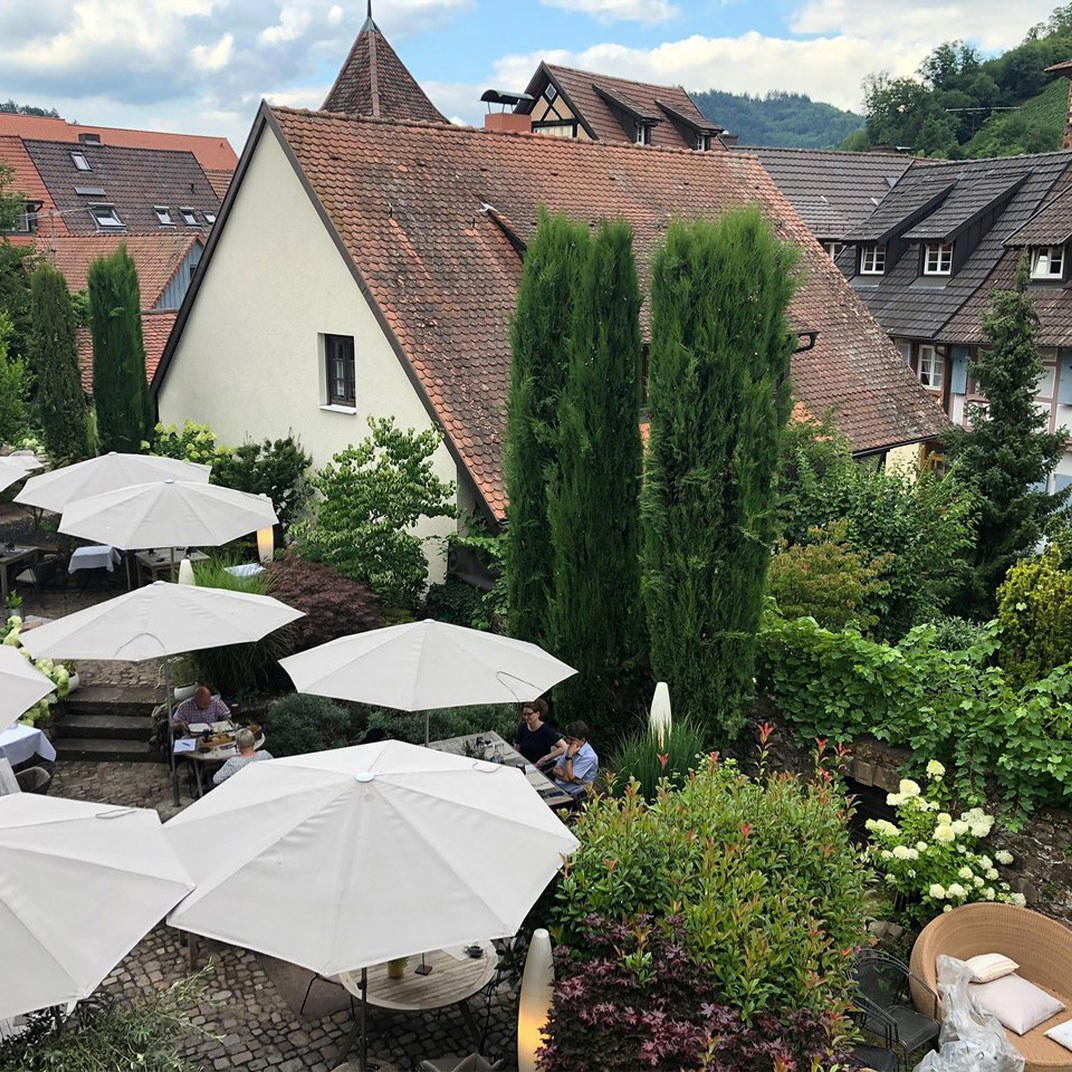
Artisanal and historic atmosphere in the heart of the Black Forest with a focus on craftsmanship and sensory exploration during guided tours.