1789

1 Michelin Star
Our verdict
1789 holds a Michelin star in Baiersbronn's unusually competitive fine-dining corridor, where chef Kyoo Eom brings a modern cuisine approach to a region already shaped by French classical tradition. The restaurant sits at Tonbachstraße 237, occupying a quieter register in a valley better known for three-star ambition. For visitors already navigating the Black Forest dining circuit, it represents a distinct stop.

Pearl is the En Primeur Club membership app, where members save venues, book tables and use the concierge.
The menu
What to order
- Langoustine carpaccio
- Wagyu beef fillet
A Star in the Black Forest's Most Decorated Valley
Baiersbronn is a statistical anomaly in German fine dining. A small Black Forest town with a population that wouldn't fill a mid-sized concert hall has accumulated a density of Michelin recognition that few European cities can match. Schwarzwaldstube and Restaurant Bareiss operate at the three-star level, representing the upper ceiling of classical French cooking in Germany. Below that, a tier of one-star restaurants fills in the range, each carving a distinct identity within a geography that has come to expect seriousness from its kitchens. 1789, on Tonbachstraße, holds its Michelin star across both the 2024 and 2025 guides, which means it has sustained recognition in a town where the bar for sustained recognition is genuinely high.
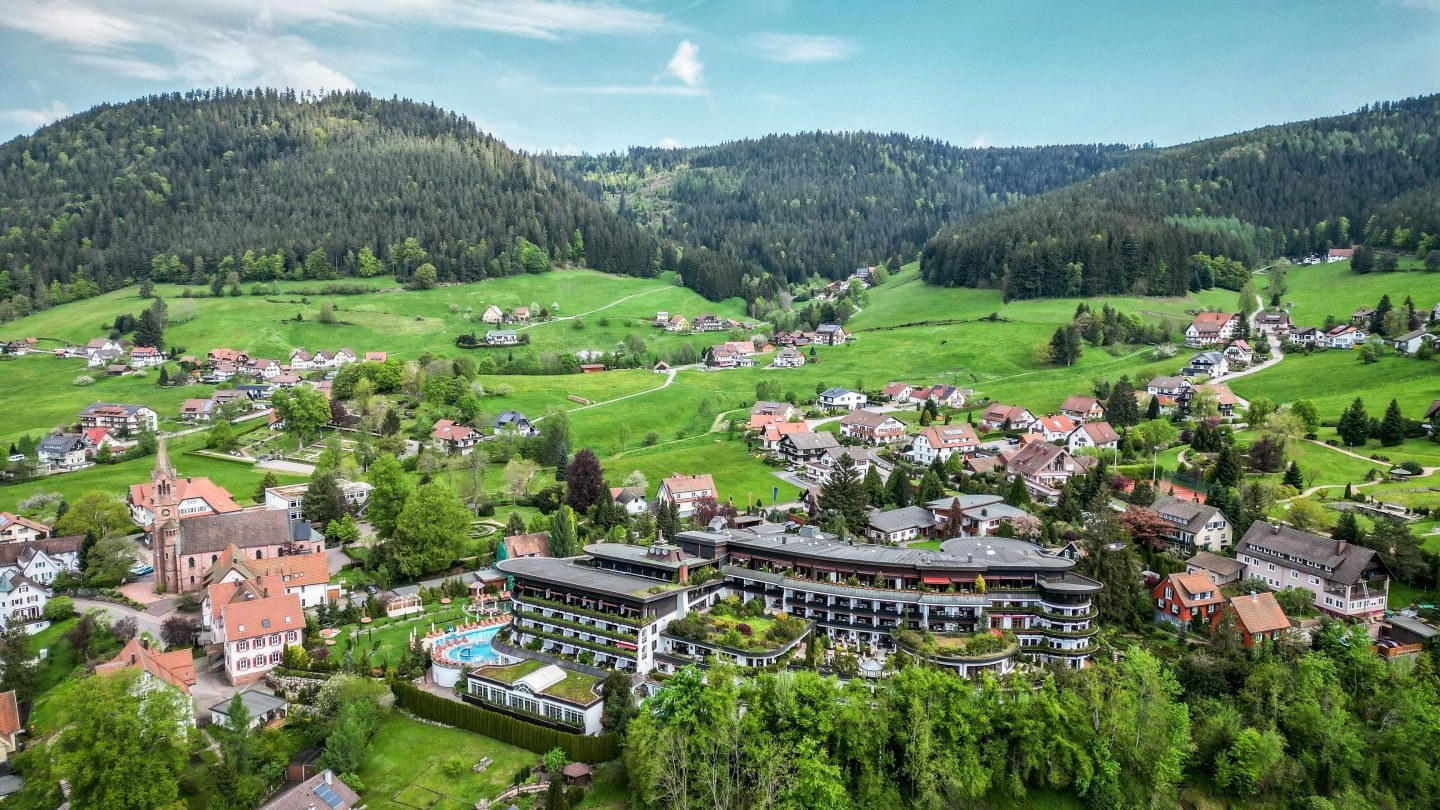
The address, Tonbachstraße 237, places it in the same corridor that has defined the town's reputation for a generation. Arriving here, you feel the weight of that context before you sit down: the Black Forest is not a backdrop, it is the condition. The trees press close to the road, the elevation shifts the air, and the entire sensory register of the journey from the valley floor tells you that whatever follows will be shaped by this particular place. That geographic seriousness has historically favoured French classical cooking in this valley, which makes 1789's modern cuisine positioning a deliberate divergence rather than a default.
Where Modern Cuisine Sits in This Town's Hierarchy
Among Baiersbronn's starred restaurants, the predominant grammar has long been French and classical. The three-star rooms set that tone, and most of the town's fine-dining culture has followed it. 1789 operates in a different register. Modern cuisine, as a category, permits a wider syntax: it can absorb East Asian technique, contemporary European plating, and lighter treatment of protein and acid without the formal obligations that French classicism carries. Chef Kyoo Eom's presence in this kitchen is the primary signal of that divergence.
Both restaurants operate in the leading price tier, both carry Michelin recognition, and both have chosen to work outside the French classical frame that dominates the town's most celebrated rooms. The difference lies in emphasis: where creative cuisine typically foregrounds conceptual invention, modern cuisine at this level is more likely to foreground technical precision applied to seasonal and regional material. What 1789 appears to be doing, based on the sustained Michelin recognition and the chef's background, is placing Korean-influenced modern technique in conversation with the Black Forest's own seasonal and agricultural conditions.
Chef Kyoo Eom and the Cross-Cultural Tension That Shapes the Menu
The editorial angle on 1789 that most rewards attention is not the restaurant itself but the broader pattern it represents: what happens when a chef trained in one culinary tradition, specifically, a non-European one, brings that formation to bear on a region as codified as the Black Forest. Germany's Michelin scene has increasingly recognised kitchens operating at this intersection. JAN in Munich and CODA Dessert Dining in Berlin both represent moments where chefs with non-standard formation for their context have received sustained guide recognition. Aqua in Wolfsburg and Vendôme in Bergisch Gladbach sit at the longer-established end of Germany's fine-dining spectrum, representing the classical tradition against which newer voices are implicitly measured.
Eom's background, Korean, working in a German fine-dining context at a one-star level, positions 1789 within that newer wave. The Michelin star confirmed in both 2024 and 2025 suggests the kitchen is executing with the consistency the guide requires, not just the ambition. Consistency at this level in this town is not a given: the proximity to three-star cooking sets an implicit standard for service, sourcing, and execution that a single star in, say, Hamburg or Frankfurt does not carry in quite the same way. For comparison, Restaurant Haerlin in Hamburg and ES:SENZ in Grassau each operate in their own regional contexts, but neither carries the immediate peer pressure of Baiersbronn's concentrated star count.
The Baiersbronn Dining Ecosystem Beyond Fine Dining
Visitors who build a stay around 1789 are also inheriting the broader Baiersbronn dining ecosystem, which operates at several price points below the starred tier. Dorfstuben offers country cooking at the €€ level, providing the kind of grounded regional reference point that makes a starred meal more legible in context. Engelwirts-Stube brings a farm-to-table approach that reflects the Black Forest's agricultural specificity. Both represent the lower end of the town's dining range without being lesser experiences; they answer different questions about what this place produces and values.
For a full account of where to eat across all categories and price points, our full Baiersbronn restaurants guide maps the complete picture. Those extending a visit to cover the town's full hospitality range will find relevant context in our full Baiersbronn hotels guide, our full Baiersbronn bars guide, our full Baiersbronn wineries guide, and our full Baiersbronn experiences guide.
Placing 1789 in the Wider German and Nordic Modern Cuisine Circuit
Travellers who move between Europe's fine-dining destinations rather than visiting a single city will recognise where 1789 sits in the wider circuit. Modern cuisine at the one-star level in Germany currently spans a range from highly conceptual urban formats to more grounded, regionalist interpretations. The Baiersbronn setting pushes 1789 toward the latter end of that range, the environment and the peer context both encourage rootedness over provocation. For reference points further afield, Frantzén in Stockholm and FZN by Björn Frantzén in Dubai represent the upper bracket of the modern cuisine format internationally, operating at a scale and star count above what 1789 currently holds, but useful as reference points for what the category looks like at full development.
The more direct comparison set remains within Germany: one-star modern cuisine kitchens where a chef's specific formation shapes a menu that sits outside the dominant French classical tradition of its region. In that comparison set, 1789's location in Baiersbronn gives it an unusual advantage and an unusual constraint simultaneously. The advantage is access to Black Forest ingredients and the cultural seriousness of a town that treats fine dining as infrastructure rather than novelty. The constraint is the implicit question every meal here faces: how does this kitchen relate to the three-star rooms two kilometres away? Sustained Michelin recognition across two consecutive guide years suggests the answer, at minimum, is that it has earned its own ground.
Planning a Visit
1789 is at Tonbachstraße 237, 72270 Baiersbronn, Germany. Baiersbronn is approximately 90 minutes by road from Stuttgart and around two hours from Freiburg im Breisgau; there is no direct rail connection into the valley, so a car or pre-arranged transfer is the practical approach. Given the town's dining density and the fact that starred tables here book well in advance, planning the reservation before arranging travel is the standard logic. The restaurant's sustained one-star status across the 2024 and 2025 Michelin guides is the primary trust signal for first-time visitors weighing the trip.
What's the must-try dish at 1789?
Without a published or verified signature dish on record, naming a specific plate would be speculation. What the Michelin recognition across 2024 and 2025 does confirm is that the kitchen executes modern cuisine with consistent quality. Chef Kyoo Eom's Korean background within a Black Forest fine-dining context suggests a menu where seasonal German produce meets East Asian technique, that intersection is where 1789's most distinctive cooking is likely to be found. The honest guidance is to let the kitchen lead: at this price point and star level, the tasting menu format, if offered, will reflect what the season and the chef's current thinking have produced.
Frequently asked questions
Who is the chef or culinary lead at 1789?
The chef associated with 1789 is Kyoo Eom.
Where exactly is 1789?
1789 is located at Tonbachstraße 237, 72270 Baiersbronn, Germany, Baiersbronn.
What's the must-try dish at 1789?
What the consecutive Michelin stars in 2024 and 2025 do confirm is consistent kitchen output under Chef Kyoo Eom's direction. The cross-cultural perspective Eom brings to modern cuisine in this Black Forest setting is the through-line worth tracking across the menu, whatever the current season dictates.
How much does it cost to eat at 1789?
Pricing at 1789 is listed as €€€€.
A Quick Peer Check
| Venue | Cuisine | Price | Awards | Notes |
|---|---|---|---|---|
| 1789This venue (the venue you are viewing) | Modern French with Asian Influences | $100–150 | 1 Michelin Star | Not listed |
| Schwarzwaldstube | Modern French Fine Dining | $150–200 | 3 Michelin Stars · World's 50 Best #47 | French, Classic French |
| Dorfstuben | Traditional Swabian-Baden Black Forest Cuisine | $30–50 | Michelin Bib Gourmand · Relais Chateaux Award | Not listed |
| Köhlerstube | Modern Swabian Fine Dining | $150–200 | Not listed | Not listed |
| Schatzhauser | Modern German with Regional Black Forest Influences | $50–100 | Michelin Bib Gourmand | Not listed |
| Schlossberg | Modern German Fine Dining | $150–200 | 1 Michelin Star | Creative |
Recognition history
Dated appearances from independent guides and award organizations, with the underlying list record or original source where available.
Michelin 1 Star
Michelin
Full recognition history (3 entries)
Michelin 1 Star
Michelin
Michelin 1 Star
Michelin
Continue exploring
More in Baiersbronn
Restaurants in Baiersbronn
All restaurants in Baiersbronn →
Bars in Baiersbronn
Browse all →

1789
The wine
- Wine program
- Deep wine list
- Extensive wine list
- Sommelier-led
Details
- Modern
- Elegant
- Sophisticated
- Intimate
- Minimalist
- Special Occasion
- Date Night
- Hotel Restaurant
- Extensive Wine List
- Sommelier Led
- Tasting Menu
- Set Menu
- Vegetarian Friendly
Current opening hours
- Monday
- Closed
- Tuesday
- 6:30–10 PM
- Wednesday
- 6:30–10 PM
- Thursday
- 6:30–10 PM
- Friday
- 6:30–10 PM
- Saturday
- 6:30–10 PM
- Sunday
- Closed
Hours can change for holidays and private events. Hours as of .
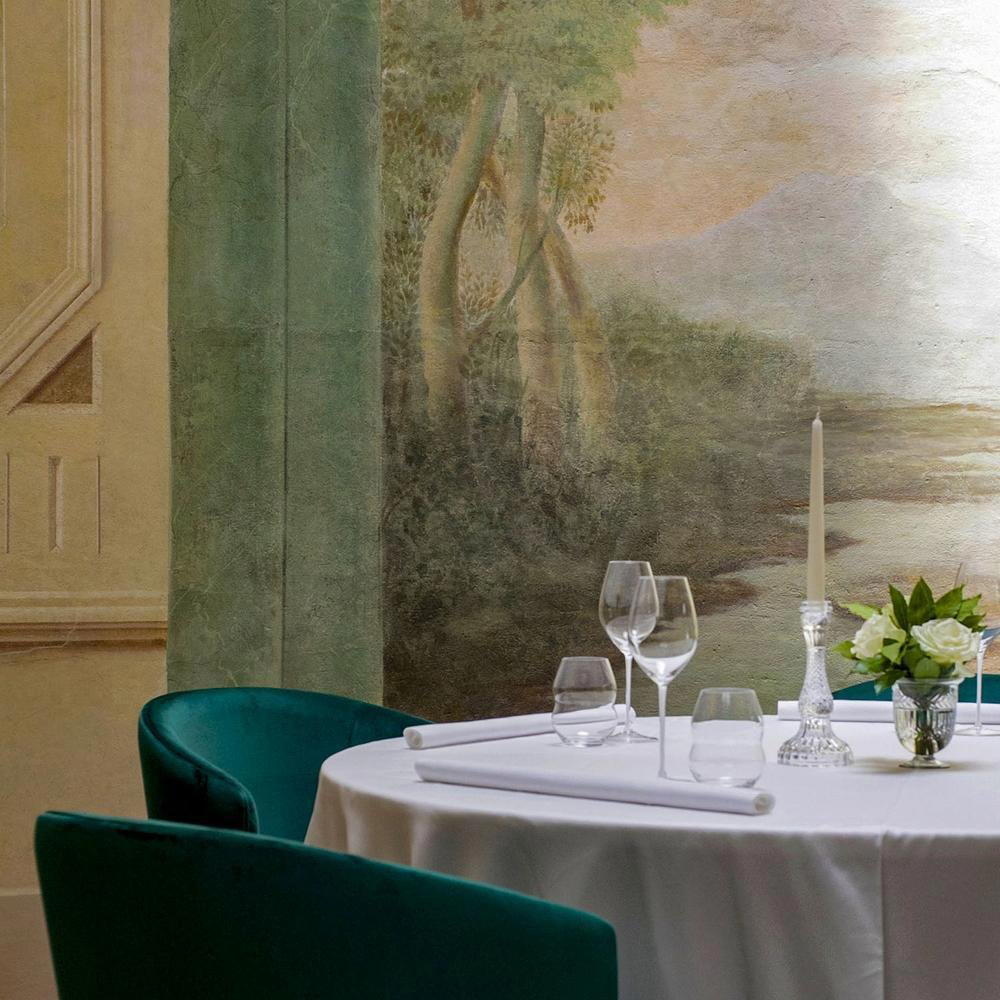
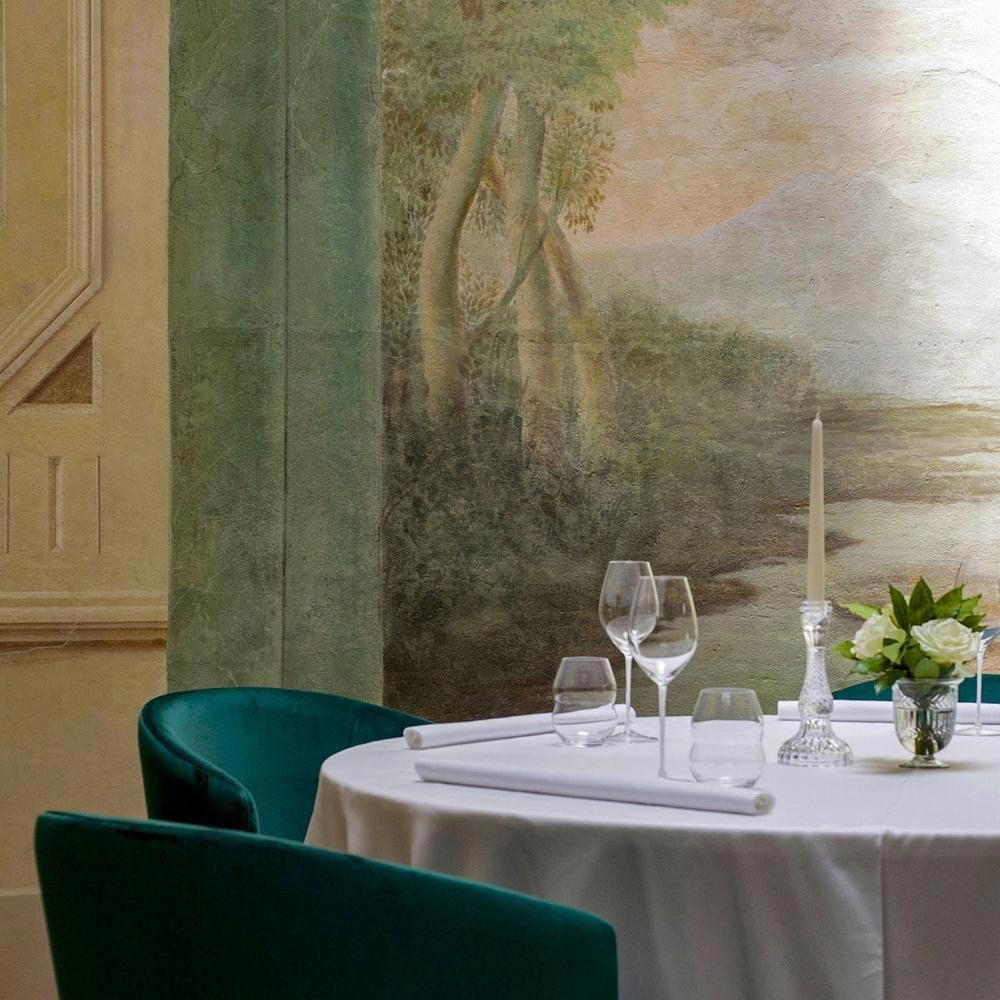
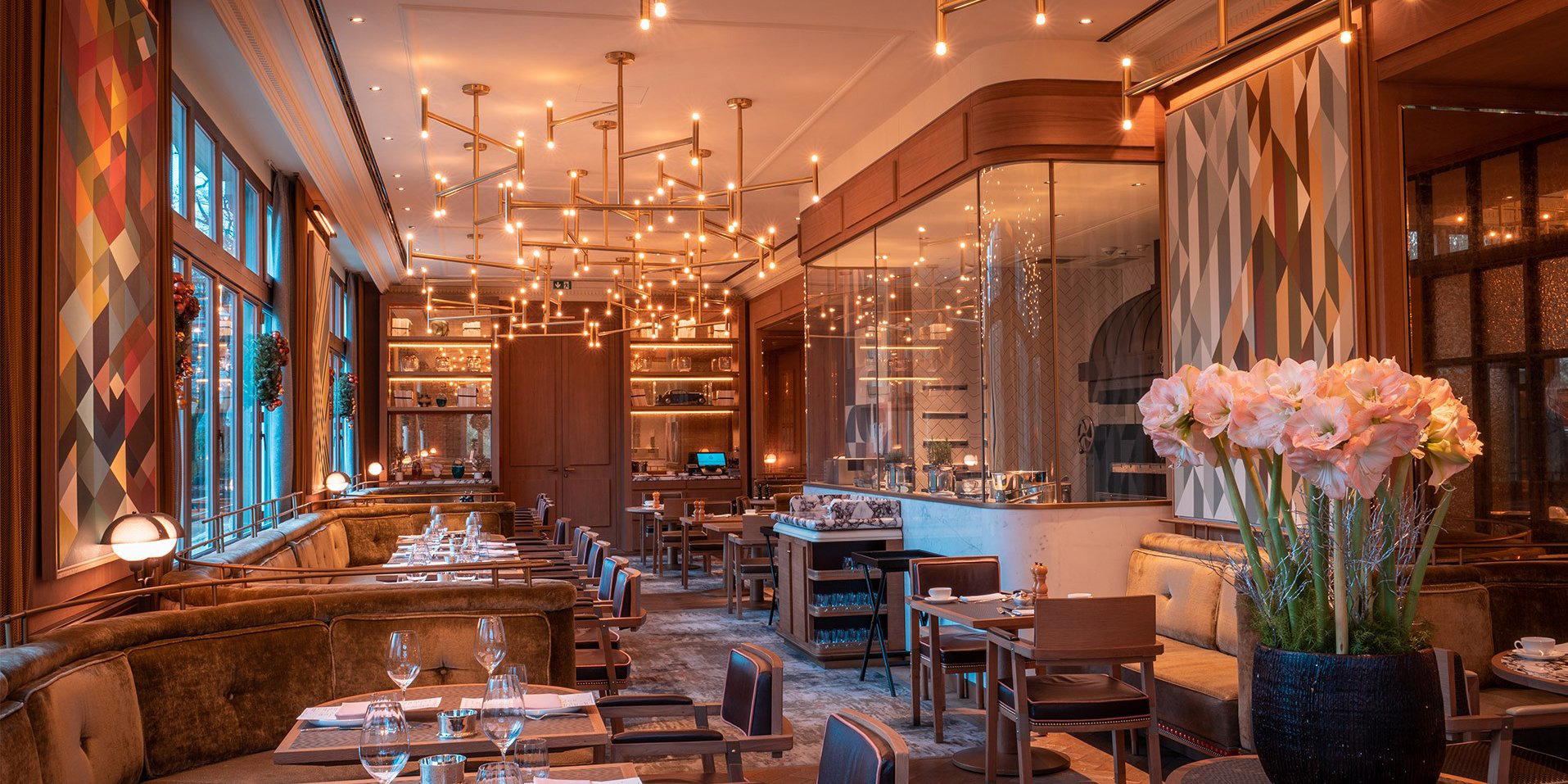
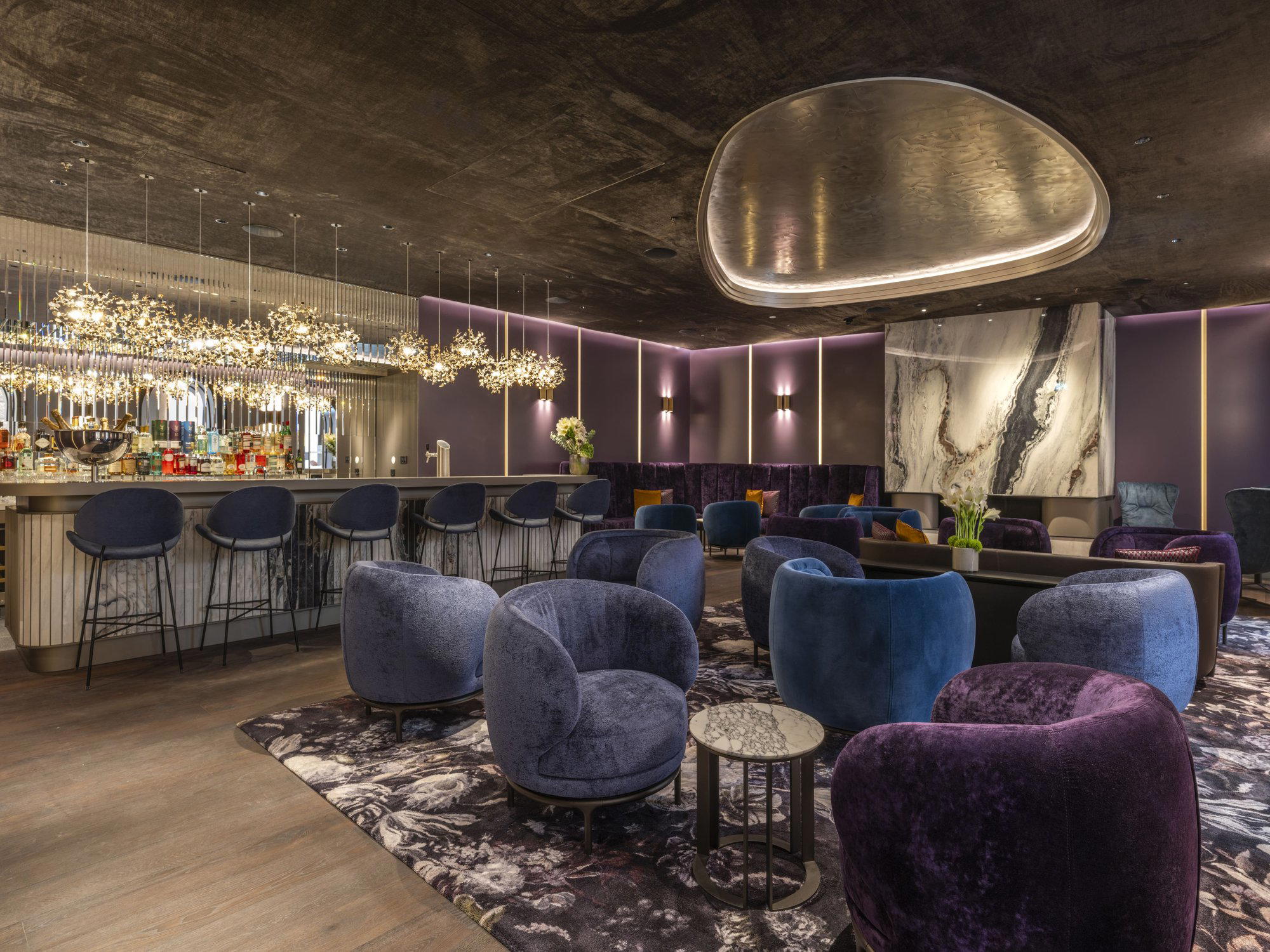
Intimate, minimalist, chic and sophisticated with a relaxed, Japanese-businesslike style and modern timeless design.