Los Trujis


A family-run restaurant on Talavera de la Reina's central Avenida de la Constitución, Los Trujis channels the hunting traditions and agricultural larder of Castilla-La Mancha into a menu built around sharing plates and seasonal local ingredients. The Trujillo brothers run front-of-house and kitchen respectively, and their award-winning Manchego cheesecake has become a reference point for the city's dining scene.
Pearl is the En Primeur Club membership app — saves, bookings, and concierge access live there. Same editors, same standards.
- Address
- Av. de la Constitución, 7, 45600 Talavera de la Reina, Toledo, Spain
- Website
- lostrujis.com
- Directions
- Get directions
 Saves & bookings on Pearl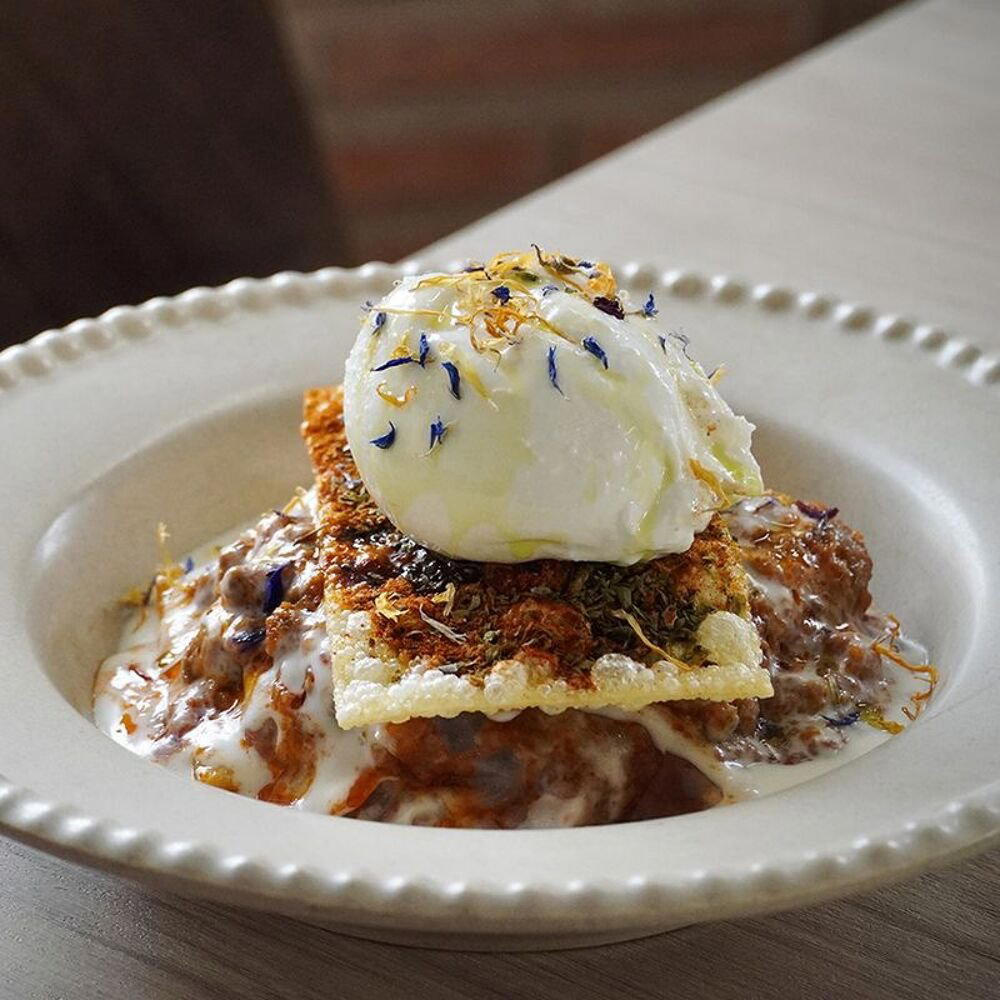
Where Castilla-La Mancha's Larder Comes to the Table
Talavera de la Reina sits in a stretch of Toledo province where the Tagus valley meets the edges of the La Mancha plateau, and the land around it produces some of Castilla-La Mancha's most distinctive raw materials: game from the scrubland, sheep's milk cheeses of genuine character, and the legumes and vegetables of a farming culture that has never needed to perform for tourists. This is a region that cooks from the territory because the territory is genuinely what it knows. Los Trujis, on the central Avenida de la Constitución, sits inside that tradition without apology.
The address places the restaurant in the residential heart of the city. That positioning matters because it tells you something about the audience the kitchen is cooking for: locals who expect the ingredients to be right, not visitors who can be impressed by plating alone. In Castilla-La Mancha, where the hunting season shapes the social calendar and the larder shifts accordingly, a menu that takes game seriously is not a novelty act. It is a direct reflection of how the region eats.
A Menu Rooted in Hunting Culture and Shared Plates
The structure at Los Trujis follows a format common to serious family-run Spanish restaurants: an opening sequence of small bites that reads as a declaration of intent, followed by dishes designed for the table to share. This is not the small-plates model borrowed from modernist tasting menus but the older Castilian logic of communal eating, where generosity and proportion matter as much as technique.
Several dishes draw directly from the world of hunting, which in this part of Spain means partridge, venison, wild boar, and hare, animals that graze or hunt across the same terrain that has defined the region's cooking for centuries. Game cookery at this level requires a different relationship with sourcing than the urban restaurant norm: provenance is local by default, seasonality is non-negotiable, and the cook's job is to understand how to handle animals whose fat content, texture, and flavour shift with the season and the chase. That the kitchen at Los Trujis builds part of its identity around this tradition places it in a specific and credible position within the regional dining conversation.
The menu's engagement with local flavour extends beyond game. Manchego cheese, produced from the milk of Manchega sheep raised on the dry pastures of the plateau, appears here not as a token regional reference but as a central ingredient. The Trujillo brothers' Manchego cheesecake has received award recognition, which in a region not short of producers who take their cheese seriously, carries some weight. It is the kind of dish that appears on a menu because the cook has thought carefully about what the ingredient can do at its leading, not because a food trend pointed in that direction.
The Trujillo Brothers and the Logic of the Family Restaurant
Family-run restaurants in Spain operate within a specific set of expectations. The front-of-house and kitchen dynamic between siblings or family members tends to produce a coherence that hired teams often spend years trying to replicate: the communication is faster, the shared investment in quality is genuine, and the restaurant's identity does not shift when a key hire moves on. David Trujillo running the dining room while Pedro Trujillo runs the kitchen is a structure that appears throughout Spain's most durable neighbourhood restaurants, from small-town tabernas to places that have eventually drawn critical attention from outside the region.
Spain's most decorated restaurants, including El Celler de Can Roca in Girona, Arzak in San Sebastián, and Azurmendi in Larrabetzu, have family structures at their core. The scale and ambition differ entirely from what the Trujillo brothers are doing in Talavera, but the underlying logic, that a family's collective investment produces a more coherent dining experience than a purely commercial operation, holds across price tiers and formats. The restaurant sits at the neighbourhood end of that spectrum, but the principle applies.
Creativity, in the context of a restaurant like this, is not the same thing as avant-garde technique. In a Castilian context, creativity points toward the ability to take ingredients familiar to a local audience and present them in ways that surprise without estranging. That is a more demanding form of creativity than working with unfamiliar ingredients, because the diner's frame of reference is exact and unforgiving.
Talavera de la Reina in Context
Talavera has restaurants that take the regional larder seriously. Raíces-Carlos Maldonado represents the more formally creative end of Talavera's offer, with a tasting menu format that places it in the same conversation as Spain's leading progressive houses. The restaurant occupies a different register: more grounded in sharing-plate tradition, more explicitly connected to hunting culture, and positioned for the local audience that sustains it year-round rather than the destination diner passing through.
The restaurant answers a different question: what does Castilla-La Mancha actually taste like when a kitchen is paying close attention to where the food comes from.
Planning Your Visit
The restaurant is at Avenida de la Constitución 7, in the residential centre of Talavera de la Reina. The restaurant's central location makes it accessible on foot from most of the city's accommodation. Given its reputation for the award-winning Manchego cheesecake and the volume of local custom it draws, booking ahead is the sensible approach, particularly for weekend evenings when game dishes on the menu will draw a full house. No phone or website is listed in publicly available records at time of publication, so one reliable route is to contact the restaurant directly on arrival in Talavera or through local concierge assistance.
In Context: Similar Options
Comparable venues nearby, for context on price, style, and recognition.
| Venue | Cuisine | Price | Awards | Notes |
|---|---|---|---|---|
| Los TrujisThis venue — the venue you are viewing | Creative Spanish with Local Game | $$ | Michelin Plate | Not listed |
| Raíces | Modern Spanish Fine Dining | $$$ | Not listed | Talavera de la Reina |
| Raíces-Carlos Maldonado | Creative Spanish Tasting Menu | $$$ | Michelin 1 Star | Talavera de la Reina |
| San Remo | Modern Spanish Mediterranean | $$ | Michelin Plate | Palencia |
| Asturianos | Traditional Asturian | $$ | Not listed | Vallehermoso |
| Bugao Madrid | Modern Spanish Seafood with Ceuta Influences | $$$ | Michelin Plate | Castellana |
Recognition history
Dated appearances from independent guides and award organizations, with the underlying list record or original source where available.
Macarfi 7.6 Food Rating
Macarfi
Michelin Plate
Michelin
Continue exploring
More in Talavera de la Reina
Restaurants in Talavera de la Reina
Browse all →

At a Glance
- Cozy
- Rustic
- Group Dining
- Special Occasion
- Open Kitchen
- Local Sourcing
Current opening hours
- Monday
- 1:15–5:30 PM
- Tuesday
- Closed
- Wednesday
- 1:15–5:30 PM
- Thursday
- 1:15–5:30 PM
- Friday
- 1:15–5:30 PM, 8:30 PM–12 AM
- Saturday
- 1:15–5:30 PM, 8:30 PM–12 AM
- Sunday
- 1:15–5:30 PM
Hours can change for holidays and private events. Last verified .
Warm family atmosphere in a central residential setting with creative, tradition-infused dishes.