Maroon Wines
Maroon Wines sits on Hagen Road in Napa. The property operates in a tier where allocation culture and producer credibility carry more weight than tasting room foot traffic. For visitors planning around Napa's harvest season or spring release windows, this is a producer worth building an itinerary around.
Pearl is the En Primeur Club membership app — saves, bookings, and concierge access live there. Same editors, same standards.
- Address
- 3565 Hagen Rd, Napa, CA 94558
- Phone
- +1 707-257-3040
- Website
- maroonwines.com
- Directions
- Get directions
 Saves & bookings on Pearl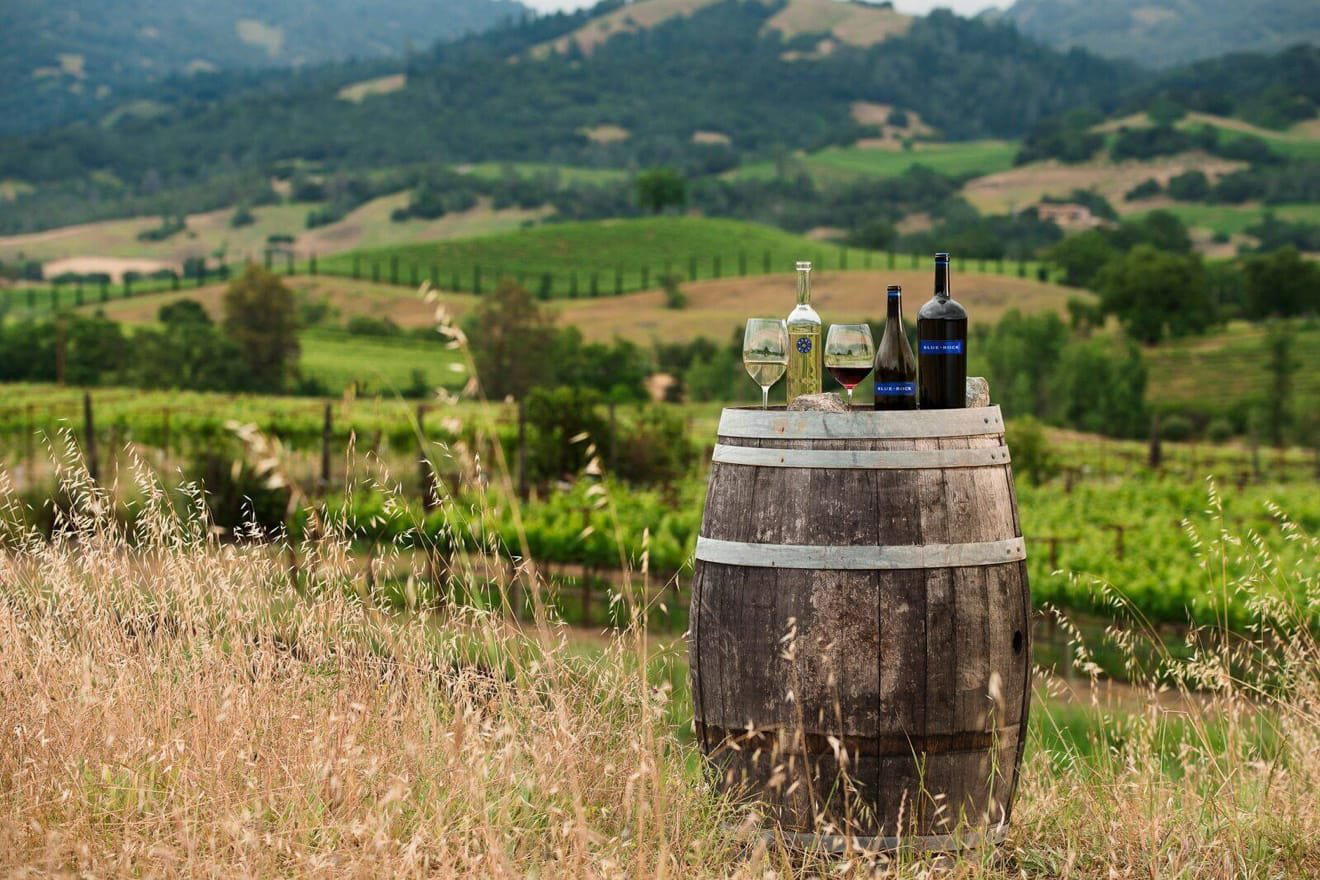
Where Napa's Quieter Roads Yield particularly Considered Producers
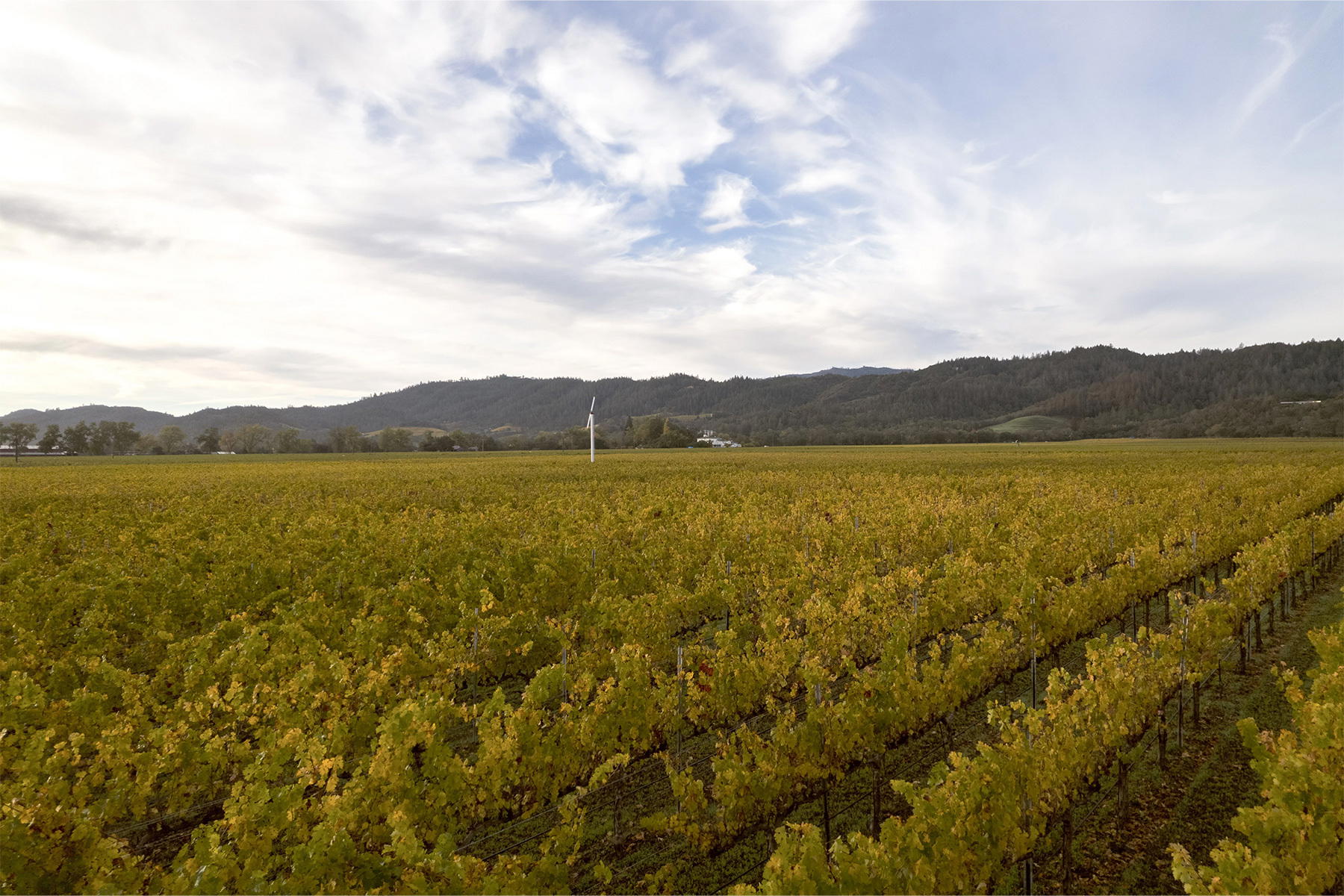
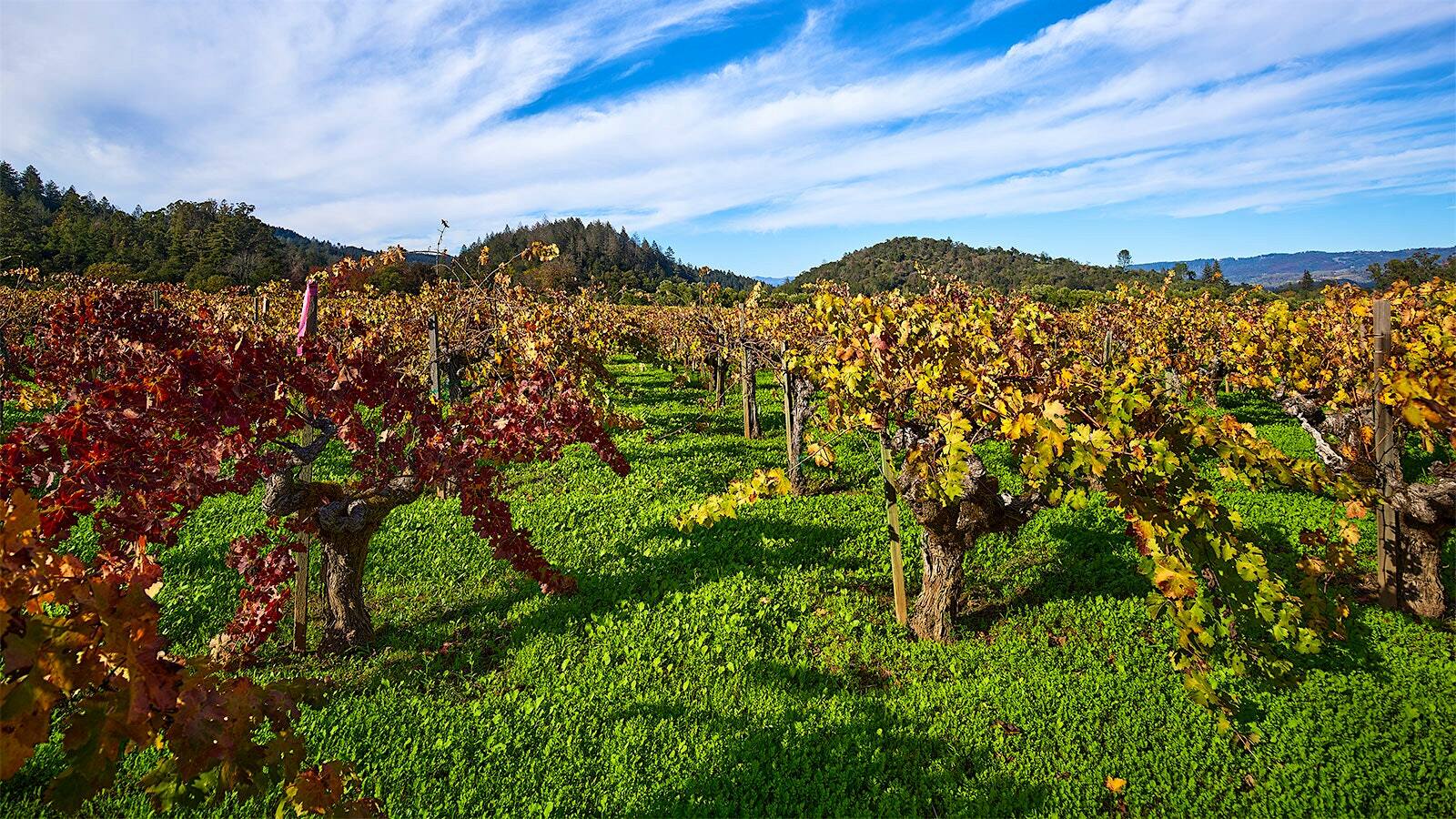
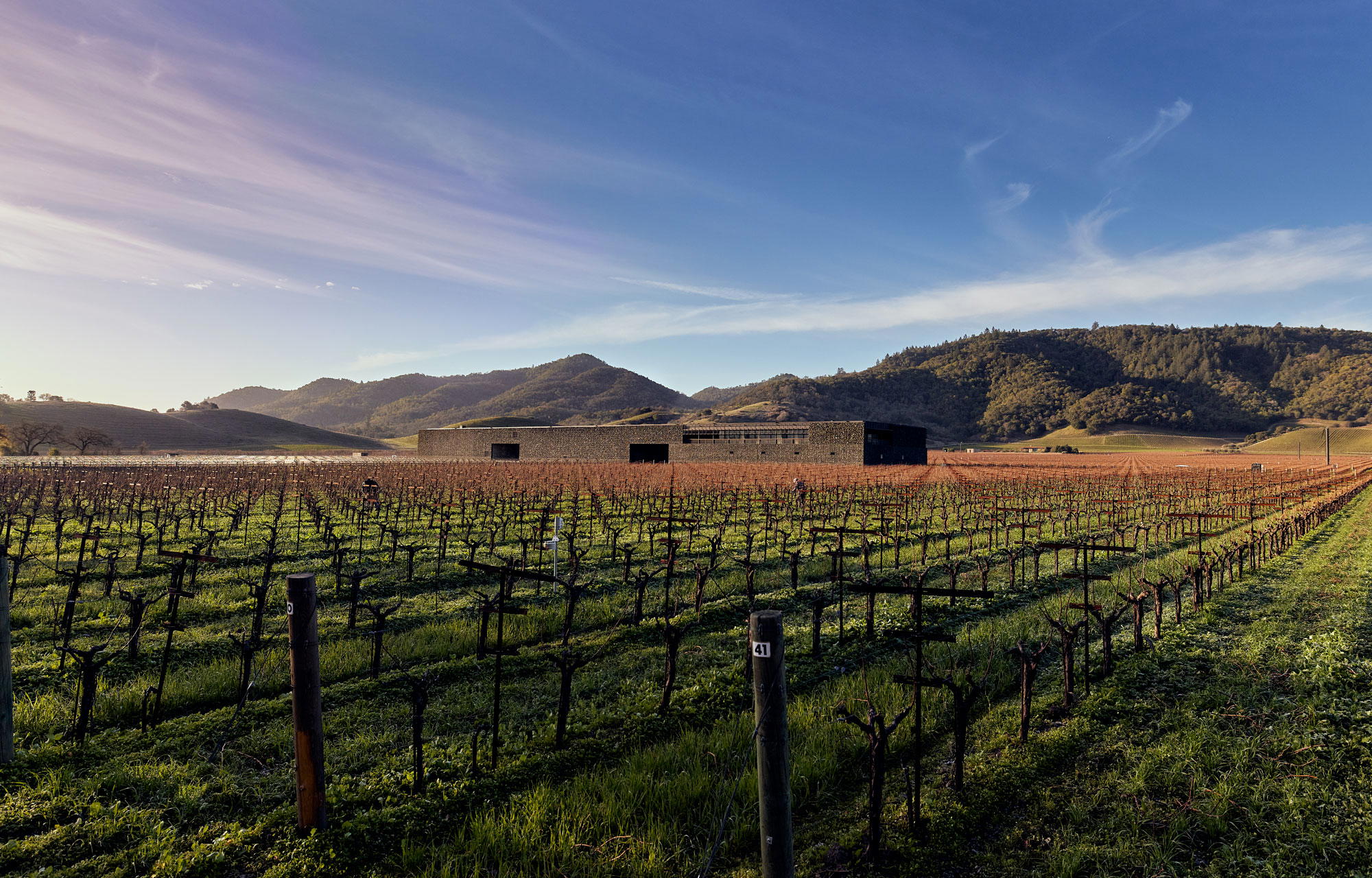
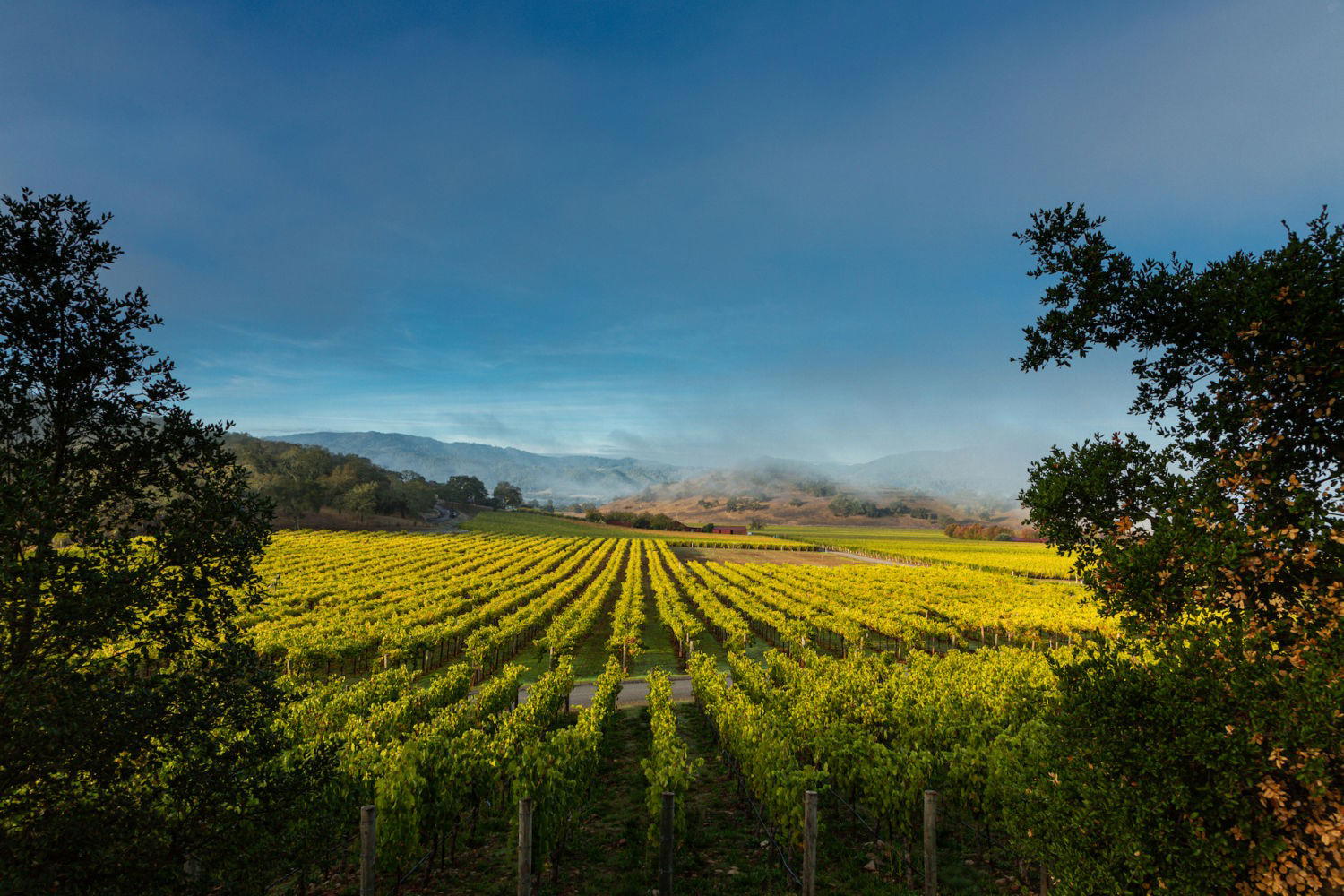
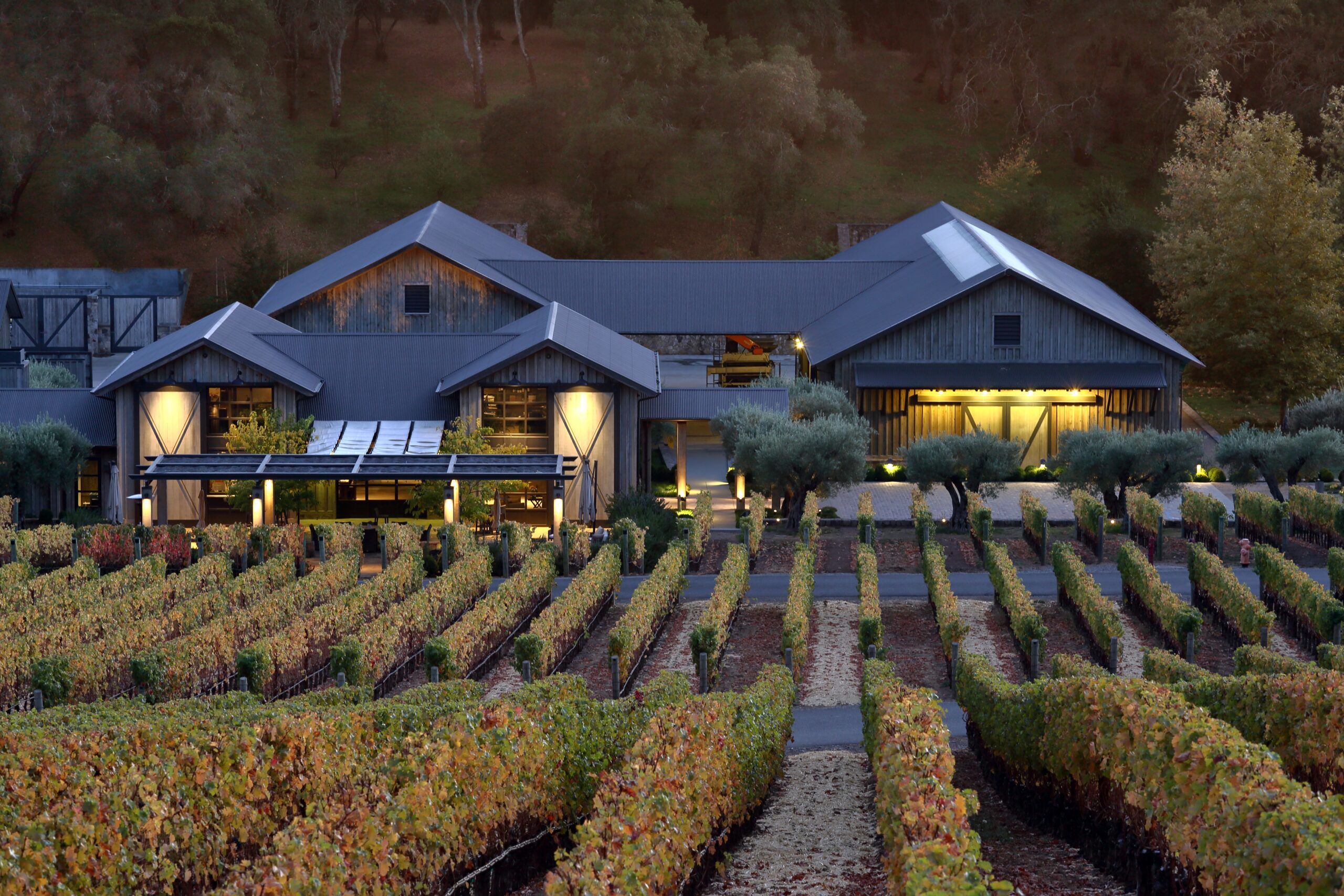
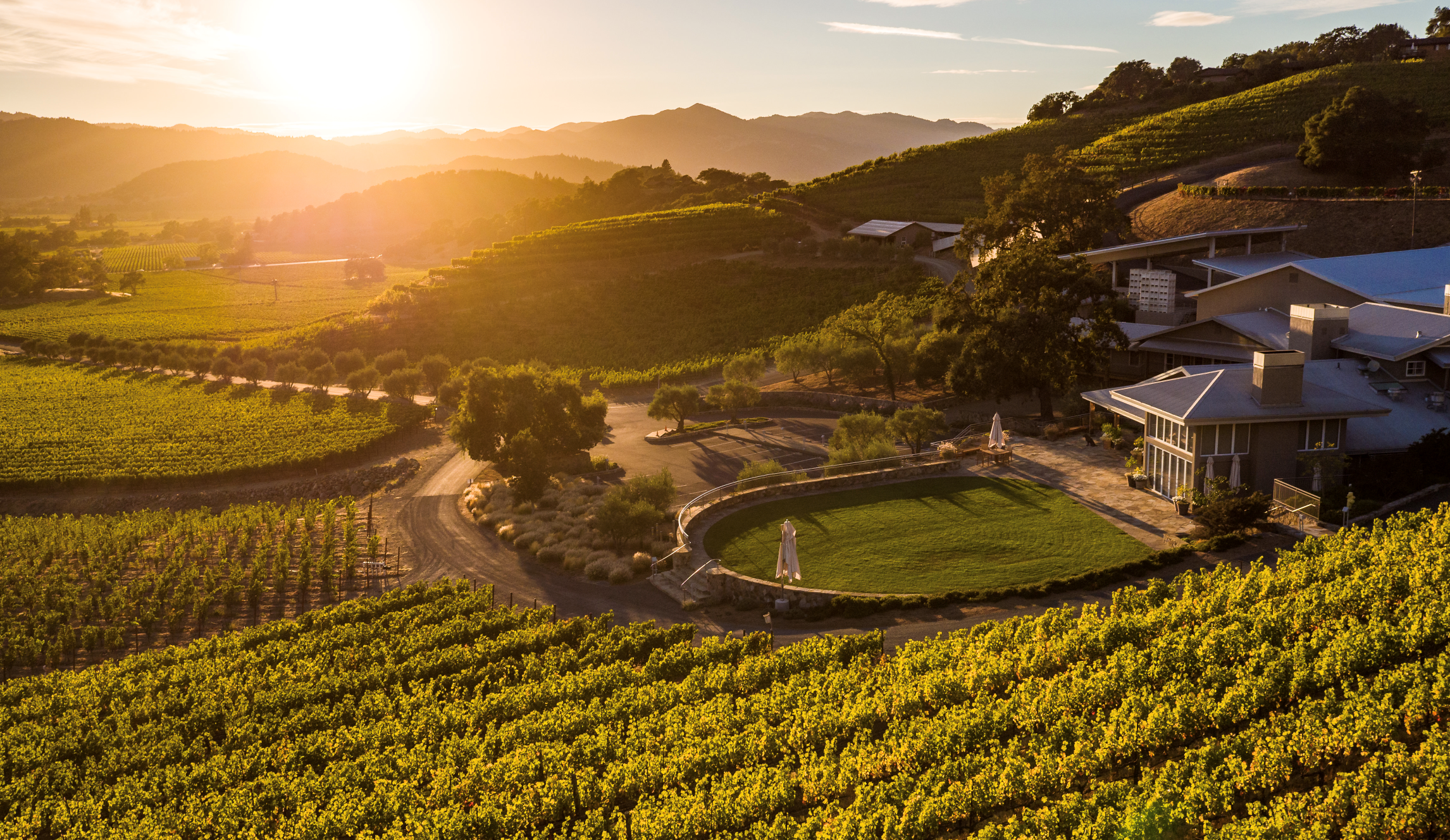
Hagen Road runs through a part of Napa that doesn't announce itself. There are no marquee signs or coach-bus turnarounds, just vine rows, rural quiet, and the kind of address that rewards visitors who have done their research before arriving. Maroon Wines sits here at 3565 Hagen Road, and the setting itself communicates something about how the producer operates: deliberately, away from the valley floor's busier hospitality circuit, in a part of Napa that suits producers focused on the wine rather than the theatre around it.
In a valley where reputation is built slowly and allocation lists move at their own pace, a Prestige-level rating at this stage of a producer's trajectory tends to attract a specific kind of visitor: one who plans ahead, books with intention, and arrives with context already in place.
The Napa Valley Framework These Wines Sit Inside
To understand where Maroon Wines fits, it helps to understand what Napa has become as a wine region. California's premium wine identity was built, and is still largely anchored, around Cabernet Sauvignon, a variety that found its leading American expression in the valley's well-drained volcanic and alluvial soils, long growing season, and marine-cooled evenings. The 1976 Paris Tasting established Napa as a credible rival to Bordeaux on the world stage, and the decades since have seen the region stratify sharply: grand-scale estate houses with global distribution at one end, small-production allocation-model producers at the other, and an increasingly thin middle.
Producers operating from addresses like Hagen Road tend to occupy the smaller, more deliberate end of that spectrum. This is consistent with a broader pattern visible across premium American wine regions: where land costs and reputation pressures are highest, the producers who remain independent and small-scale are often those with the clearest sense of what they are making and why. Maroon Wines fits within that cohort, alongside other Napa producers who compete on quality signals rather than visitor volume. Blackbird Vineyards, Ashes and Diamonds Winery, and Darioush Winery each occupy distinct niches across Napa's producer range, Maroon's Hagen Road positioning and award profile suggest a similarly defined approach.
California Wine's Cultural Roots and What They Mean on the Ground
California winemaking carries a cultural history that often gets flattened into simple origin stories. The reality is more layered. The valley's early viticulture drew from Italian, German, and French immigrant traditions, each leaving marks on how the region approached grape varieties, cellar practices, and the relationship between land and wine. By the mid-twentieth century, a new generation of producers, many trained in European cellars or at UC Davis, began applying both scientific rigor and a distinctly Californian appetite for experimentation to that inherited framework.
What emerged was a regional identity that values craft but also confidence: Napa winemakers have rarely been apologetic about producing wines that are full, expressive, and built for aging. The premium end of the valley's output has always been made with cellaring in mind, wines that reward patience and speak to specific blocks, vintages, and decisions made in the vineyard months before harvest. This is the cultural current that small producers along roads like Hagen operate within. They are not reinventing Napa; they are refining what Napa has always been capable of producing at its most considered.
Napa's winemaking culture sits in contrast to Old World traditions. The transparency around process, the openness to direct consumer relationships, and the allocation model that many premium producers use all reflect a distinctly American approach to building a wine audience. Artesa Vineyards and Winery, originally a Codorníu project bringing Spanish sparkling wine expertise into Napa, illustrates how international influences have shaped the valley's range. Accendo Cellars in St. Helena represents another end of the spectrum: tight production, high placement, and a profile built almost entirely on critical recognition rather than tasting room presence.
Planning a Visit: Timing, Approach, and Peer Context
Napa's calendar divides into recognizable windows for serious visitors. Harvest, typically running from late August through October depending on the vintage and variety, brings energy to the valley but also crowds and road traffic. Spring, particularly April and May, offers the same access with cleaner roads, lower hotel rates, and vineyards in the early growth stages that many growers find as photogenic as harvest. Winter, post-crush, is when production teams are most focused on cellar work, and many smaller producers run shorter or appointment-only hours through January and February.
Given the winery' Prestige-tier standing, visitors should expect to contact the producer directly to arrange access rather than simply arriving during posted hours. Small-production Napa wineries at this recognition level typically operate on appointment, and the lead time needed can extend weeks ahead during peak season. The address on Hagen Road is not in the densely toured corridor around Highway 29 or the Silverado Trail, which means a visit here fits naturally into an itinerary that prioritizes smaller producers over the valley's larger estate experiences.
For those building a wider Napa itinerary, the range of producers worth including spans several tiers and styles. Clos Selene Winery and Alpha Omega Winery in Rutherford represent the valley's more established, visitor-accessible end. Further afield, Adelaida Vineyards in Paso Robles, Alban Vineyards in Arroyo Grande, and Andrew Murray Vineyards in Los Olivos extend the California wine conversation into the Central Coast's Rhône-inflected programs. In Oregon, Adelsheim Vineyard in Newberg offers a clear contrast in grape variety and climate philosophy. Alexander Valley Vineyards in Geyserville provides a Sonoma-county comparison point for visitors curious about how the two neighboring appellations have diverged in style and identity.
Similar Picks
Comparable venues nearby, for context on price, style, and recognition.
| Venue | Cuisine | Price | Notes |
|---|---|---|---|
| Maroon WinesThis venue — the venue you are viewing | Cabernet Sauvignon, Chardonnay | $$$ | Not listed |
| Levendi Winery | Cabernet Sauvignon, Chardonnay | $$$ | Downtown Napa |
| Odette Estate Winery | Cabernet Sauvignon, Chardonnay | $$$ | Stags Leap District |
| Black Stallion Estate Winery | Cabernet Sauvignon, Chardonnay | $$$ | Oak Knoll District |
| Paraduxx Winery | Zinfandel, Cabernet Sauvignon | $$$ | Silverado Trail |
| John Anthony Vineyards | Cabernet Sauvignon, Chardonnay | $$$ | downtown Napa |
At a Glance
- Rustic
- Intimate
- Scenic
- Elegant
- Wine Education
- Special Occasion
- Vineyard Tour
- Estate Grounds
- Panoramic View
- Sustainable
- Vineyard
- Mountain
- Coombsville AVA
- Cabernet Sauvignon
- Chardonnay
- Zinfandel
- Merlot
- Petit Verdot
- Pinot Noir
- Rosé Of Pinot Noir
- Sauvignon Blanc
- Still Red
- Still White
- Still Rosé
- Private Tasting
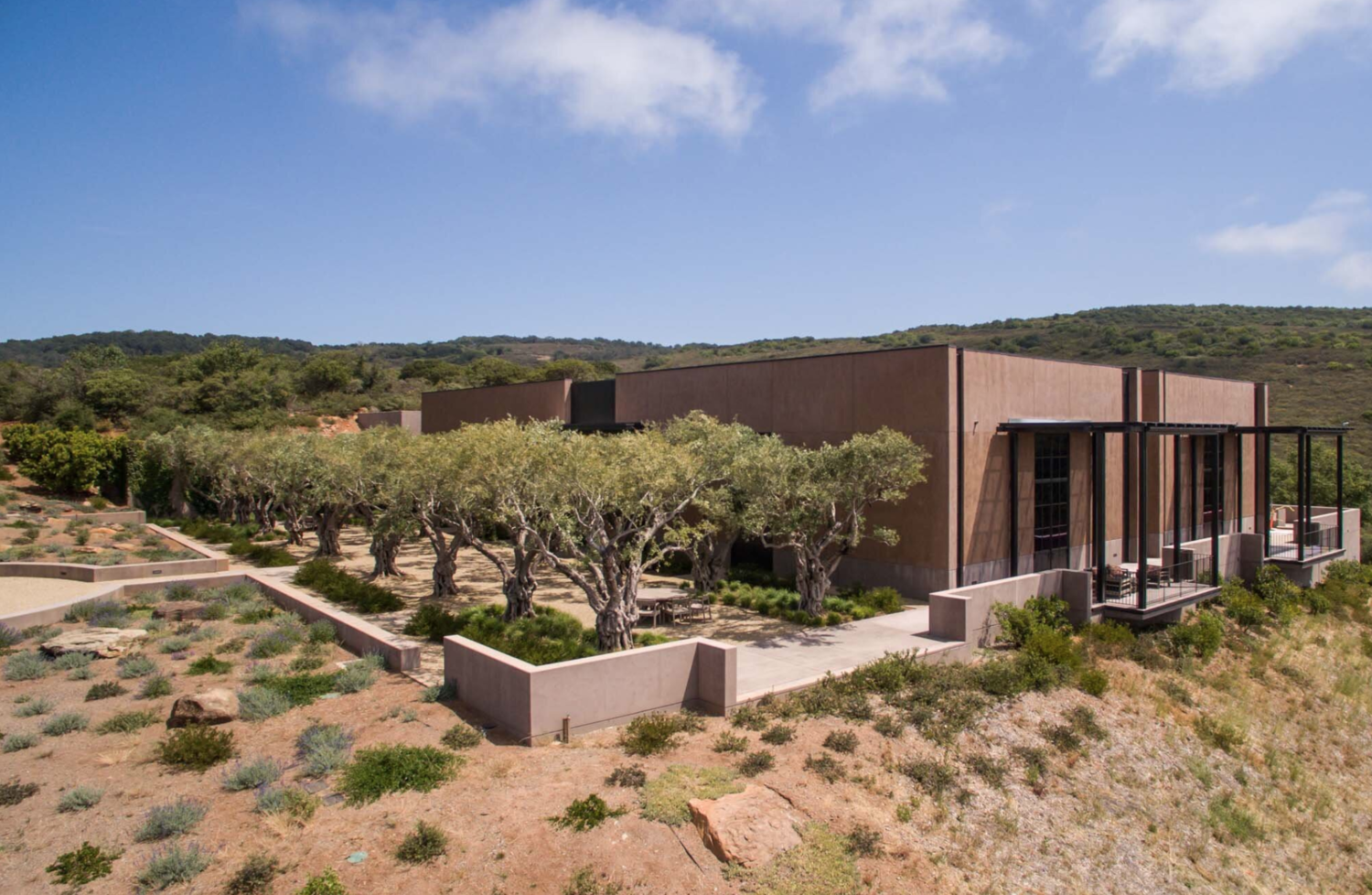
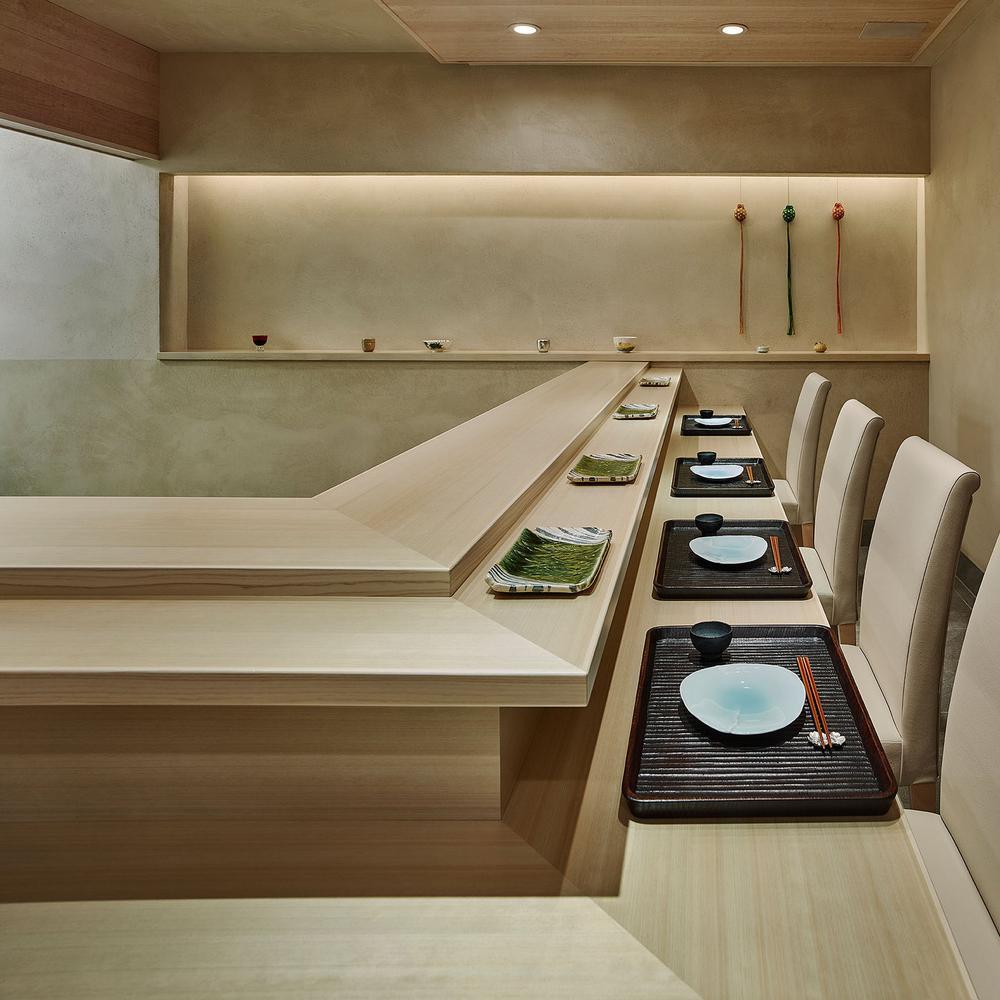
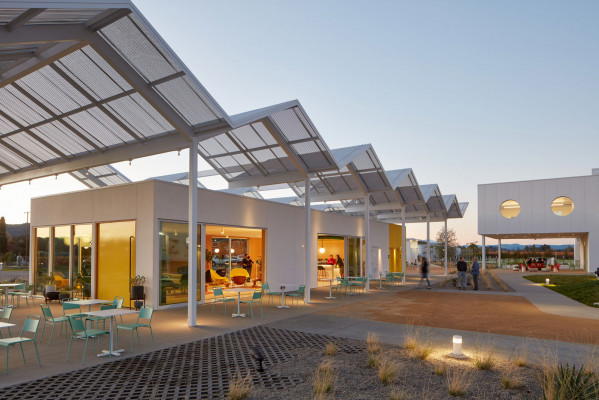
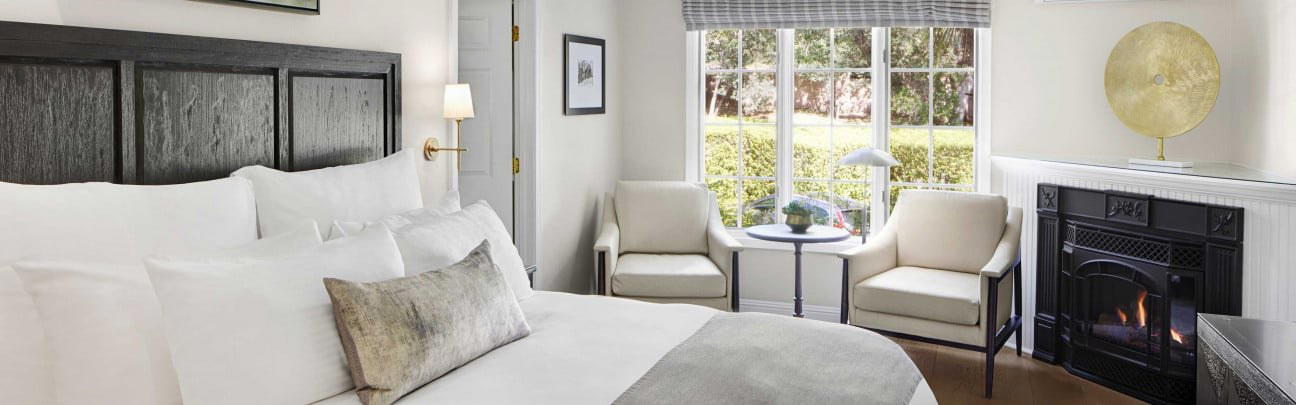
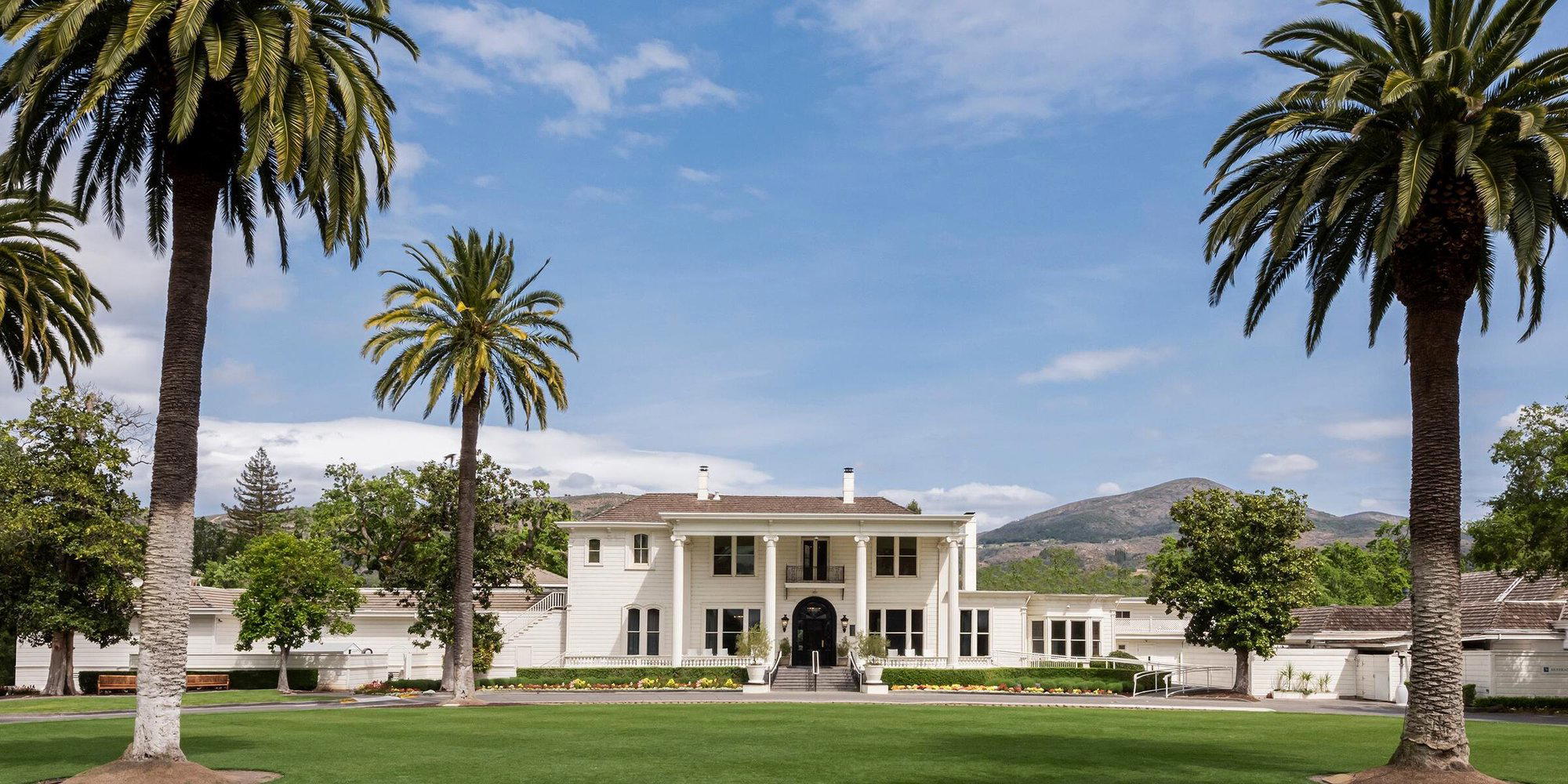
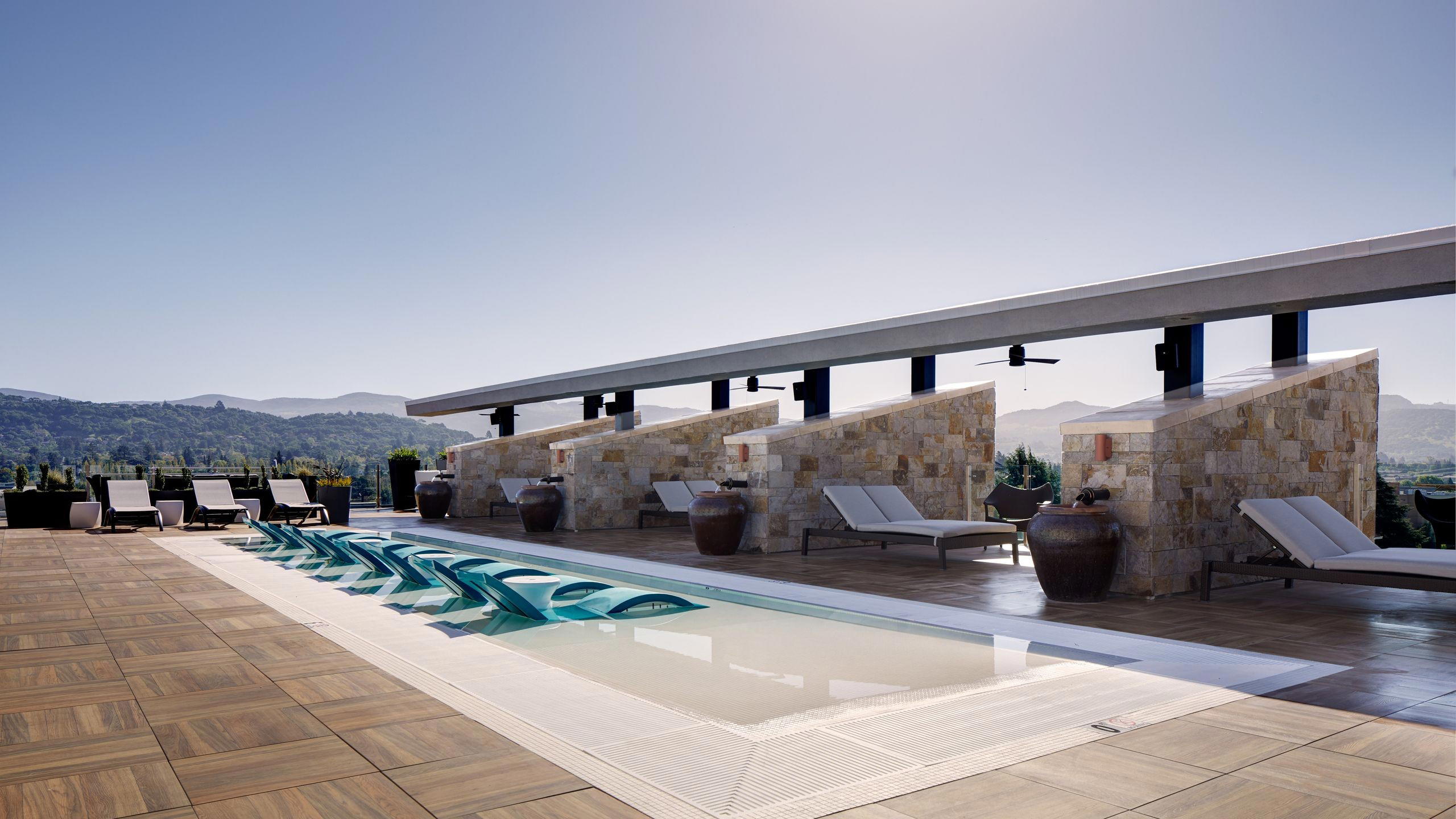
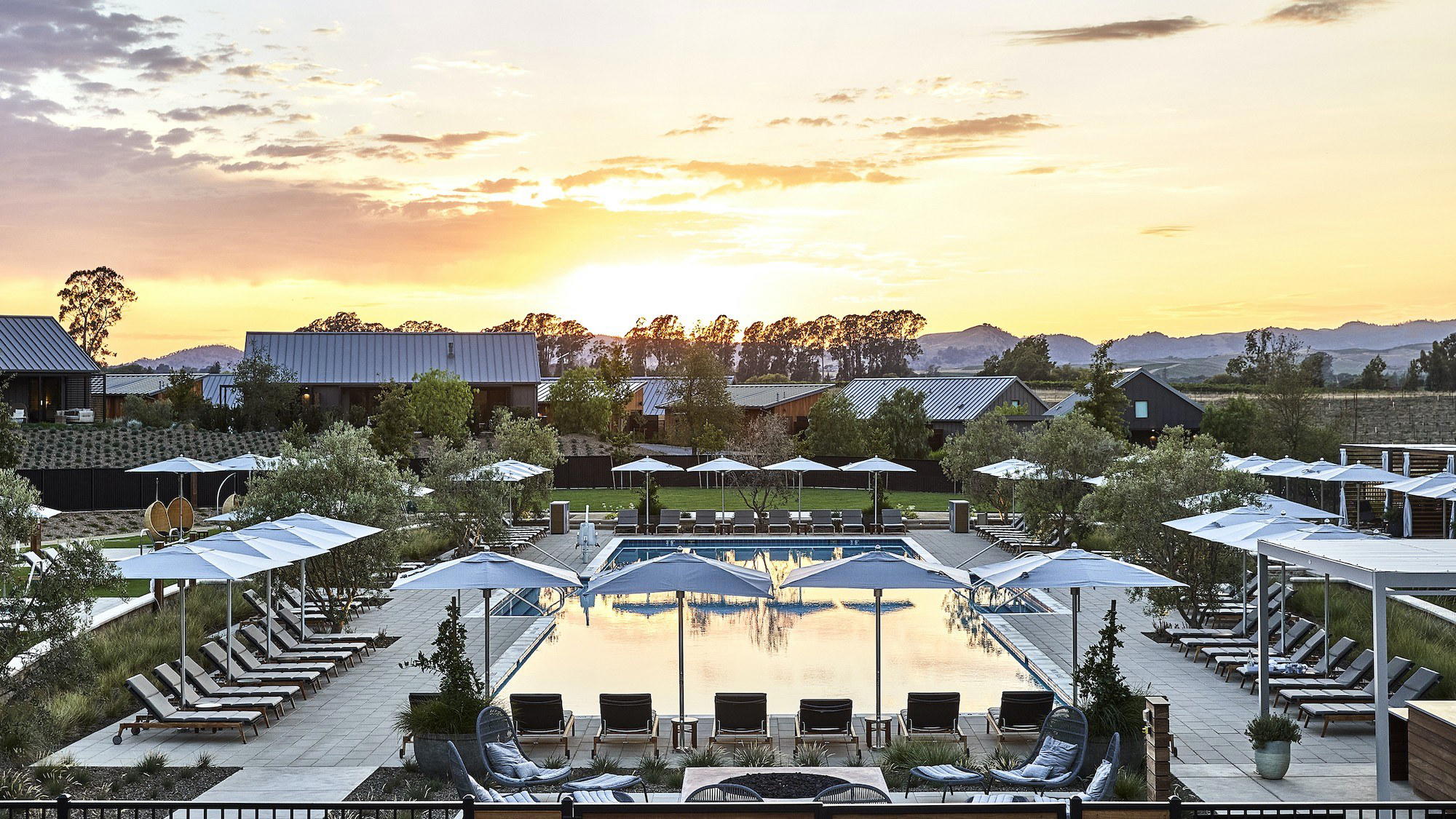
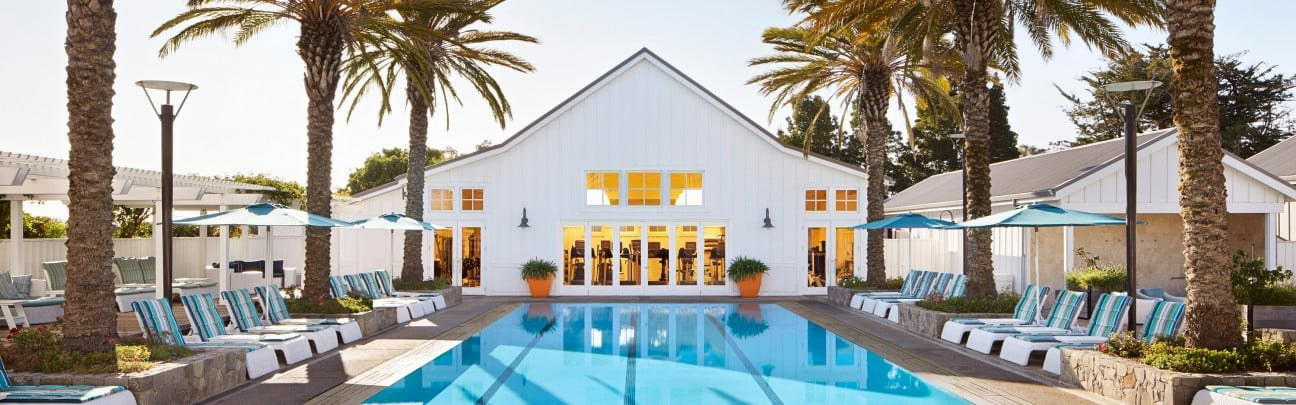
Refined and sophisticated atmosphere in a private estate vineyard setting with dramatic views, ideal for serious wine enthusiasts.