Lake Breeze Wines
The property offers a grounded tasting experience against the backdrop of one of Australia's most underappreciated wine corridors.

Pearl is the En Primeur Club membership app — saves, bookings, and concierge access live there. Same editors, same standards.
- Address
- 319 Step Rd, Langhorne Creek SA 5255
- Phone
- +61 8 8537 3017
- Website
- lakebreeze.com.au
- Directions
- Get directions
Langhorne Creek and the Case for Slower Wine Country
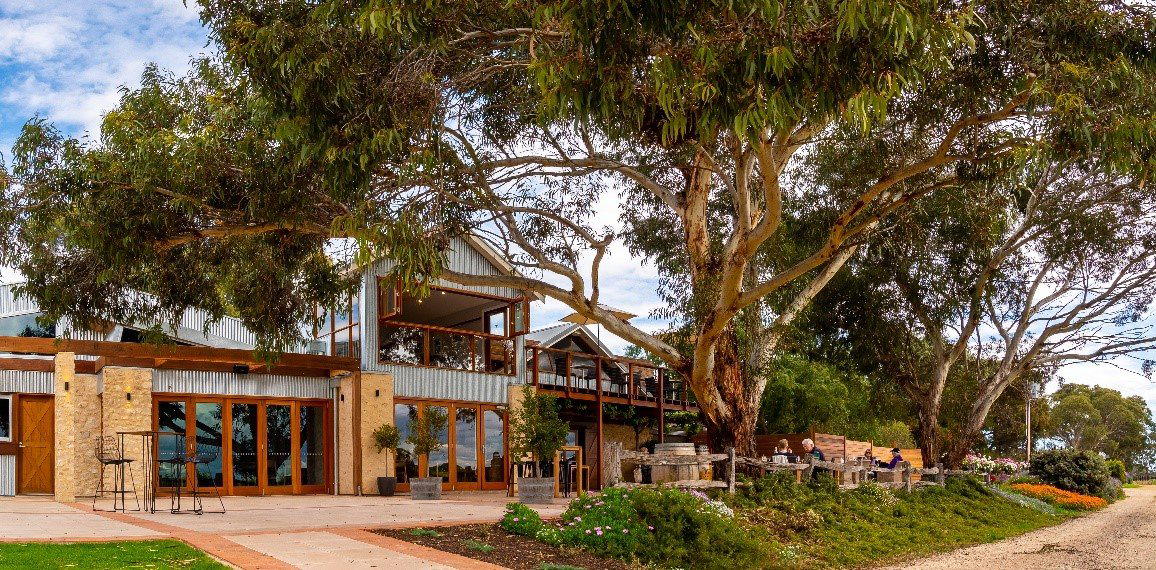
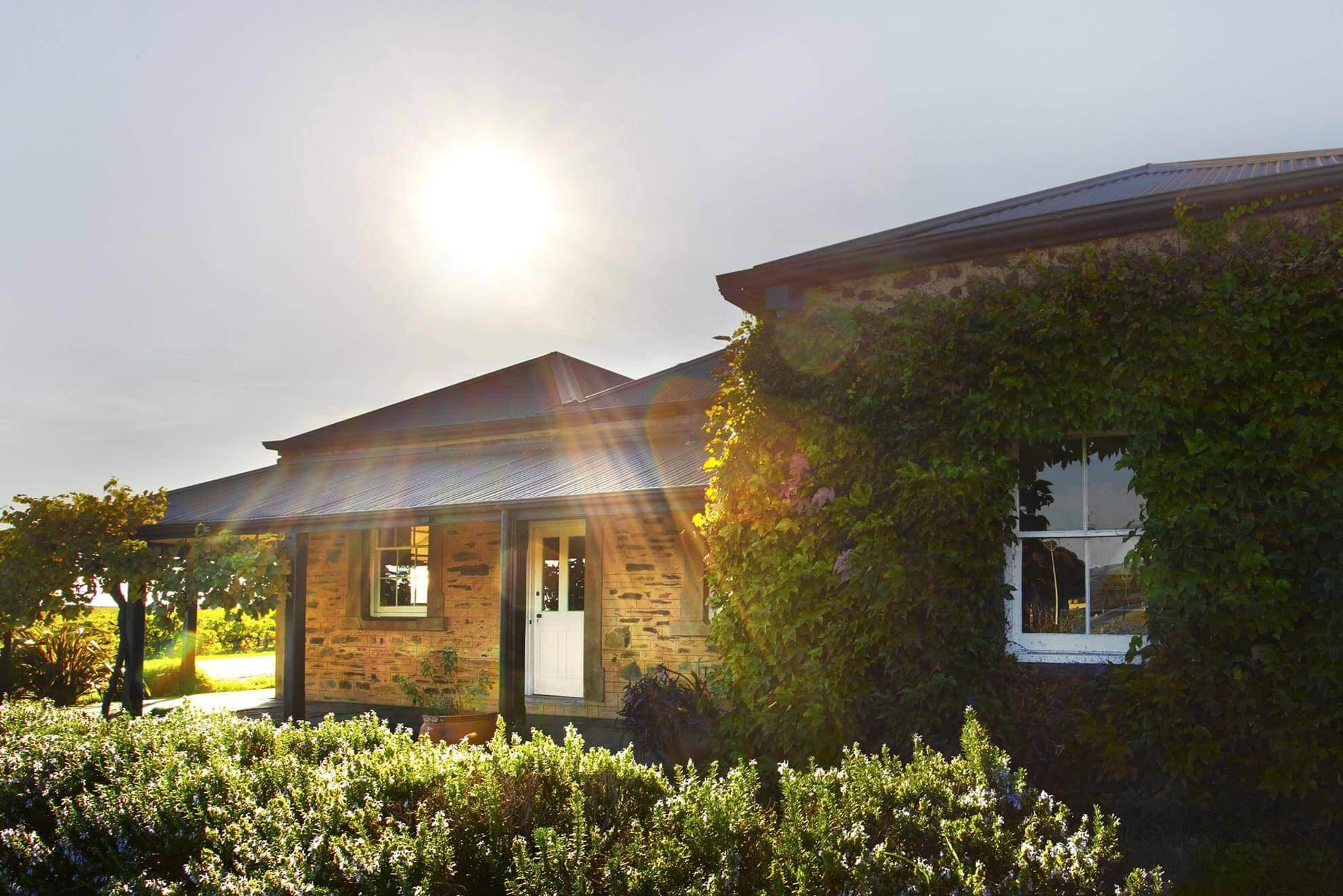
The road into Langhorne Creek doesn't announce itself the way the Barossa Valley does. There are no billboard cellar doors, no heritage-font tourism signs every five kilometres. Step Road runs through flat lake country where the Bremer River once flooded to deposit the deep alluvial soils that define the region's vine character. Arriving at Lake Breeze Wines at 319 Step Rd, the setting reads less as a managed tourism experience and more as a working property that happens to welcome visitors. That distinction matters when you're trying to understand what kind of tasting encounter this is.
Langhorne Creek sits roughly an hour's drive south-east of Adelaide, positioned between Lake Alexandrina and the Southern Fleurieu. It has supplied fruit to some of Australia's most commercially dominant red blends for decades, yet the region itself has rarely received the visitor attention directed at McLaren Vale or the Adelaide Hills. For producers like Lake Breeze, that relative obscurity shapes the tasting room dynamic: the format here is calibrated for people who came specifically, not passing trade.
A Region That Built on Cabernet and Shiraz Before the Crowds Arrived
Langhorne Creek's reputation was forged largely in the back-end of big-brand Australian red blends through the 1990s and 2000s. The region's combination of lake-moderated temperatures and those alluvial flood-plain soils produces grapes with natural depth and relatively soft tannin structure, which made the fruit attractive as a blending component before smaller producers began to develop their own estate-bottled ranges. That trajectory, from bulk supplier to recognised regional producer, is one shared across several Langhorne Creek estates, and it frames how the region's cellar doors position themselves today.
Against regional peers like Bleasdale Vineyards and Bremerton Wines, Lake Breeze occupies a similar tier within the prestige-rated segment of the region. Bleasdale carries significant historical weight as one of the oldest continuously operating wineries in Australia; Bremerton has built a following on Verdelho and Shiraz.
Across a broader Australian context, Langhorne Creek remains distinct from the regions that tend to draw the most international attention. Properties like Bass Phillip in Gippsland or Bird in Hand in Adelaide Hills operate in regions with stronger public profiles. Langhorne Creek's cellar doors, by contrast, attract a visitor who has generally done the research rather than simply following the most-promoted wine trail out of Adelaide.
The Tasting Room Format and What It Signals
The editorial angle on any Langhorne Creek tasting experience begins with what the region's size and pace allow that larger, higher-traffic regions cannot consistently deliver: access. When a cellar door isn't processing tour buses or large walk-in groups throughout the day, the staff-to-visitor ratio changes, and so does the quality of the conversation you're likely to have about the wines in front of you.
At Lake Breeze, the address on Step Road places it in the agricultural core of the appellation rather than on a commercial strip. This is not a tasting room designed around retail foot traffic. The format will appeal to visitors who prefer to ask questions about site, season, and viticulture rather than work through a branded tasting sheet at speed. For those accustomed to the high-volume cellar door experience at larger South Australian producers, the pacing here is different.
For a region that has historically undersold itself on the national stage, that recognition carries contextual weight for a first-time visitor trying to calibrate expectations.
Positioning Within the South Australian Prestige Tier
South Australia's wine producing geography is unusually concentrated, with the Barossa, Clare Valley, McLaren Vale, Coonawarra, and Langhorne Creek each carrying distinct regional identities while sitting within a day's drive of one another. Within that context, rated Langhorne Creek producers operate in a competitive set that doesn't include only regional neighbours.
For reference, the spread of rated Australian producers extends well beyond South Australia. Brokenwood in Hunter Valley and Brown Brothers in King Valley represent Victoria's depth of rated output, while Leading's Wines in Great Western and Blue Pyrenees Estate in Pyrenees demonstrate that prestige recognition reaches into less-publicised Victorian appellations. Lake Breeze's position within that national tier is its clearest signal to visitors arriving without prior regional knowledge.
Internationally, the comparison class for properties operating at this prestige level in low-profile regions with strong site-driven output includes estates like Accendo Cellars in St. Helena or Aberlour in Aberlour, both of which operate with formal recognition in regions where the visitor experience is shaped by the property rather than by surrounding tourist infrastructure.
Planning a Visit to Langhorne Creek
For visitors building a South Australian wine itinerary, Langhorne Creek is most logically approached as either a standalone day trip from Adelaide or as a stop on a longer southern route that takes in Fleurieu Peninsula producers. The region lacks the accommodation density of the Barossa, so most visitors arrive and return to Adelaide or stay in nearby Strathalbyn. Lake Breeze's address at 319 Step Rd, Langhorne Creek SA 5255 is findable via standard navigation, and Step Road itself is a reasonable sealed road through the vineyard corridor.
Our full Langhorne Creek restaurants and cellar door guide covers the broader regional picture for itinerary planning.
For those who want to extend the Australian rated-producer circuit, All Saints Estate in Rutherglen represents a comparable exercise in discovering a prestige-rated estate in a region that doesn't generate the same volume of visitor publicity as the country's most-marketed wine corridors. Archie Rose Distilling Co in Sydney and Bundaberg Rum Distillery in Bundaberg extend the rated Australian drinks-producer picture beyond wine entirely for visitors building a broader itinerary.
Cuisine Lens
Comparable venues nearby, for context on price, style, and recognition.
| Venue | Cuisine | Price | Awards | Notes |
|---|---|---|---|---|
| Lake Breeze WinesThis venue — the venue you are viewing | Cabernet Sauvignon, Shiraz | Not listed | Not listed | Not listed |
| Bleasdale Vineyards | Shiraz, Cabernet Sauvignon | Not listed | Not listed | Langhorne Creek |
| Bremerton Wines | Cabernet Sauvignon, Shiraz | Not listed | Falstaff Winery - Listed | Langhorne Creek |
| Unico Zelo | Fiano, Nero d'Avola | Not listed | Not listed | Gumeracha |
| Koomilya | Shiraz, Cabernet Sauvignon | Not listed | Not listed | McLaren Vale |
| Jim Barry Wines | Riesling, Shiraz | $10–20 | Falstaff Winery - Listed | Clare Valley |
Continue exploring
More in Langhorne Creek
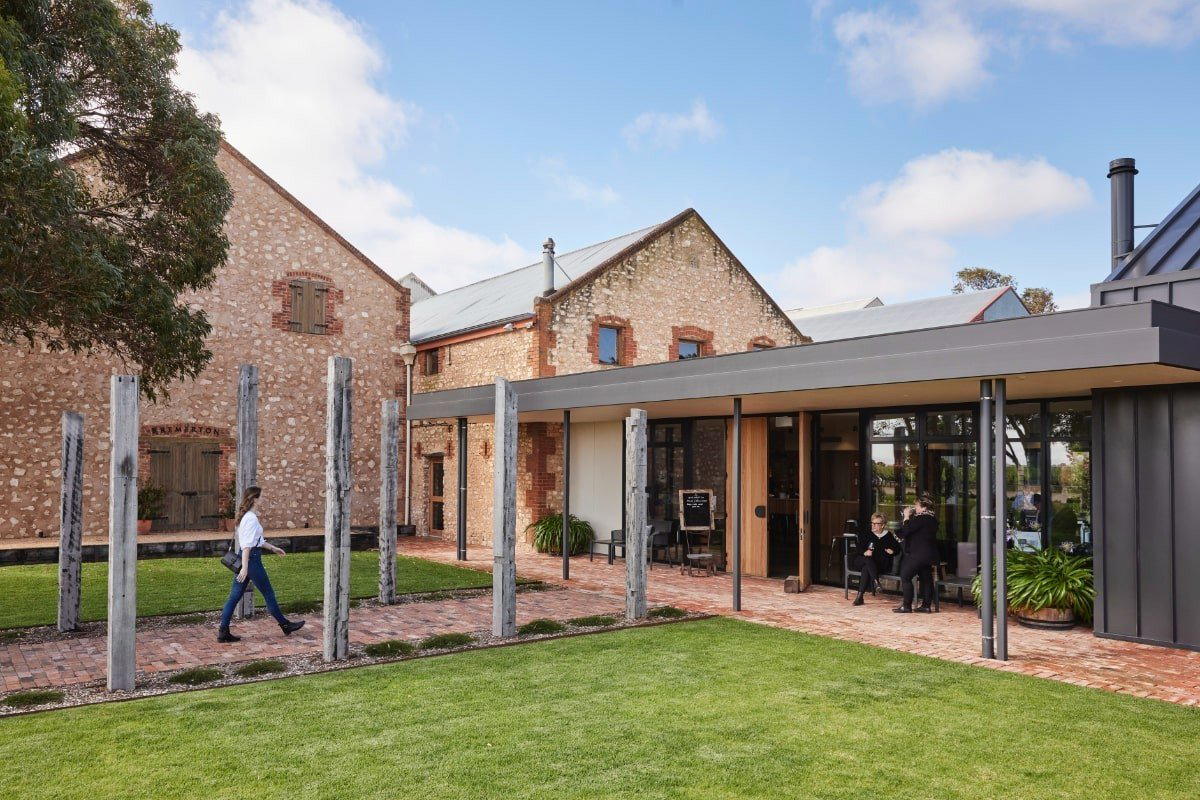
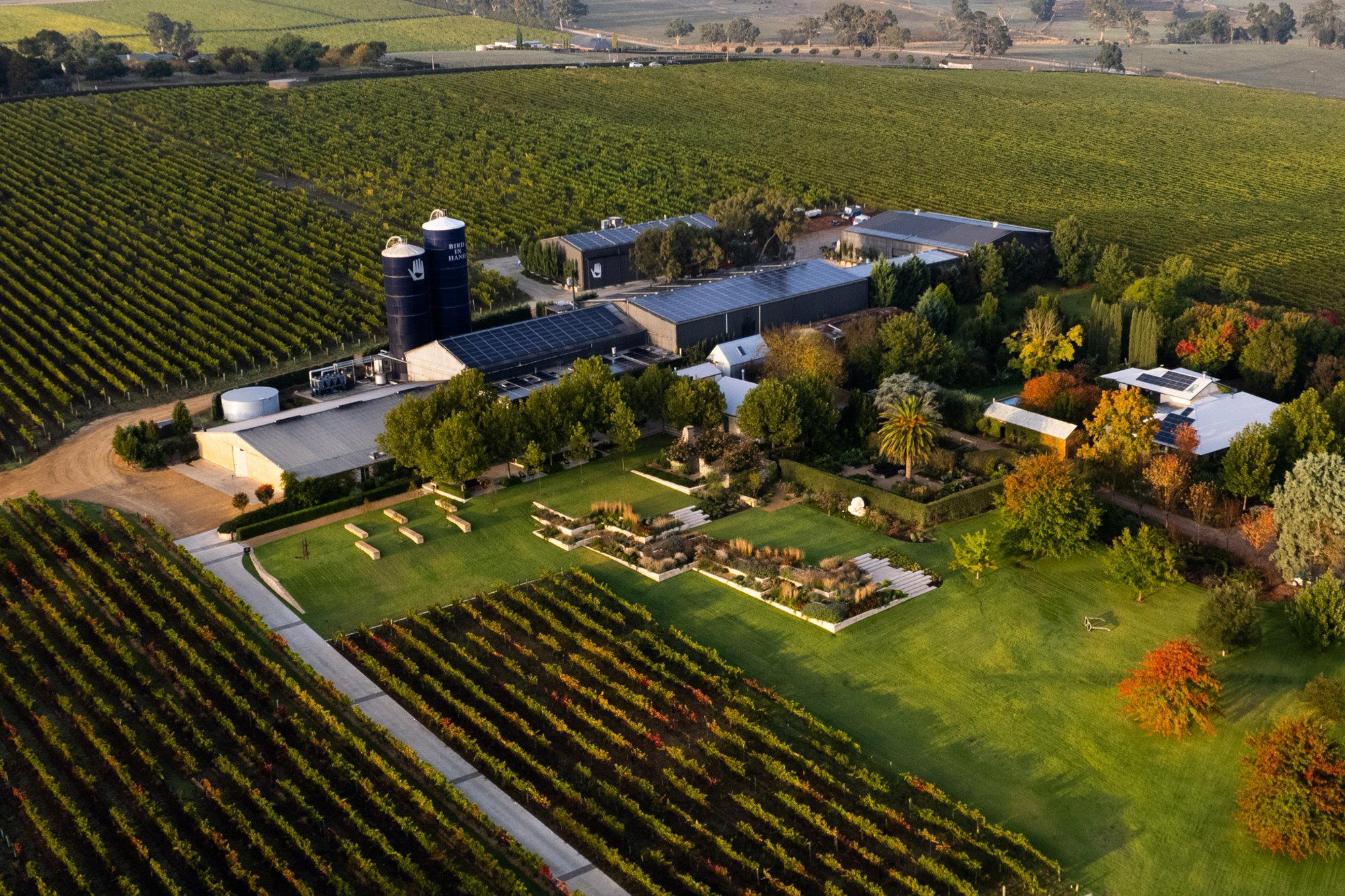
Wineries in Langhorne Creek
Browse all →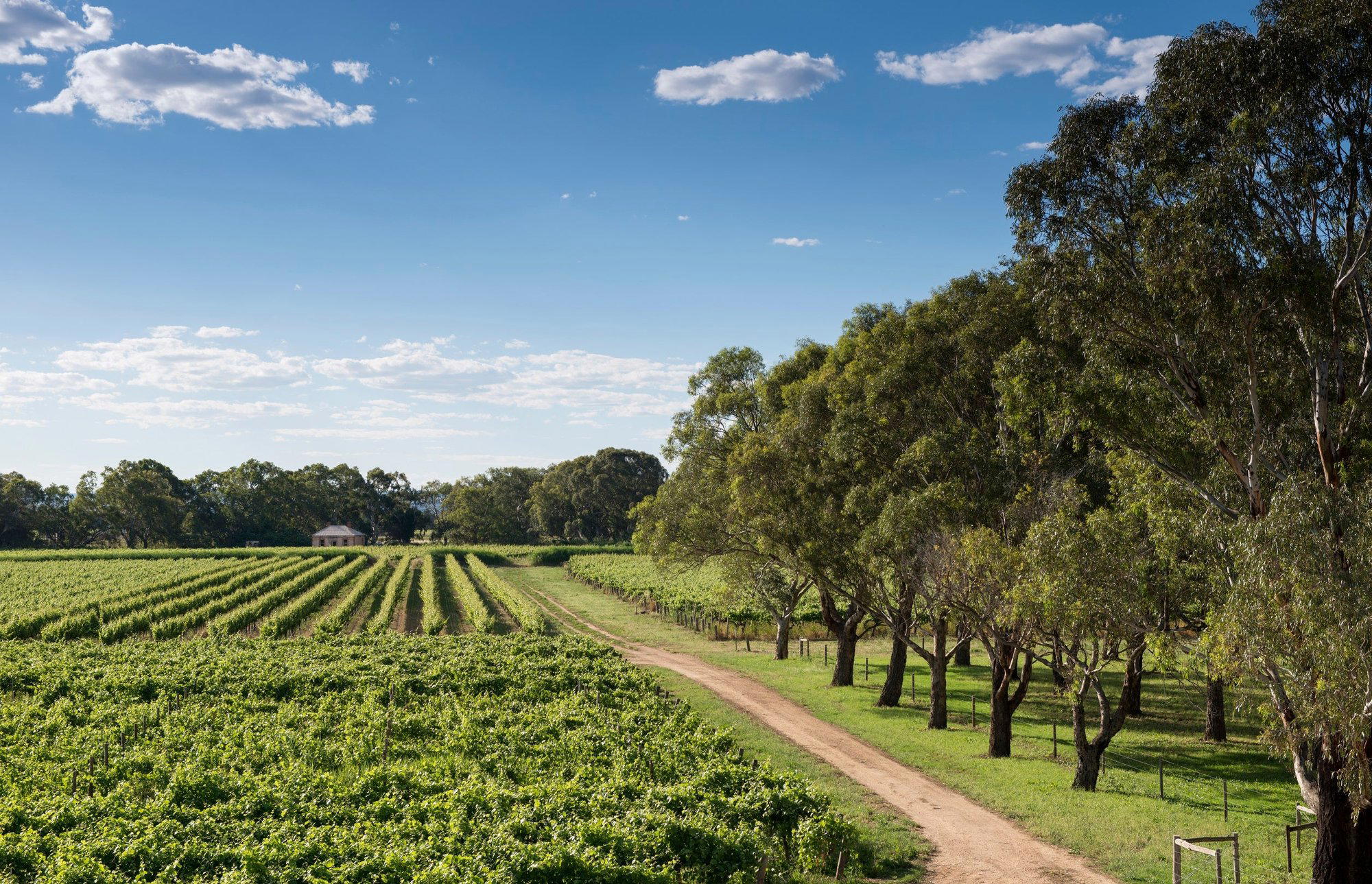
Bars in Langhorne Creek
Browse all →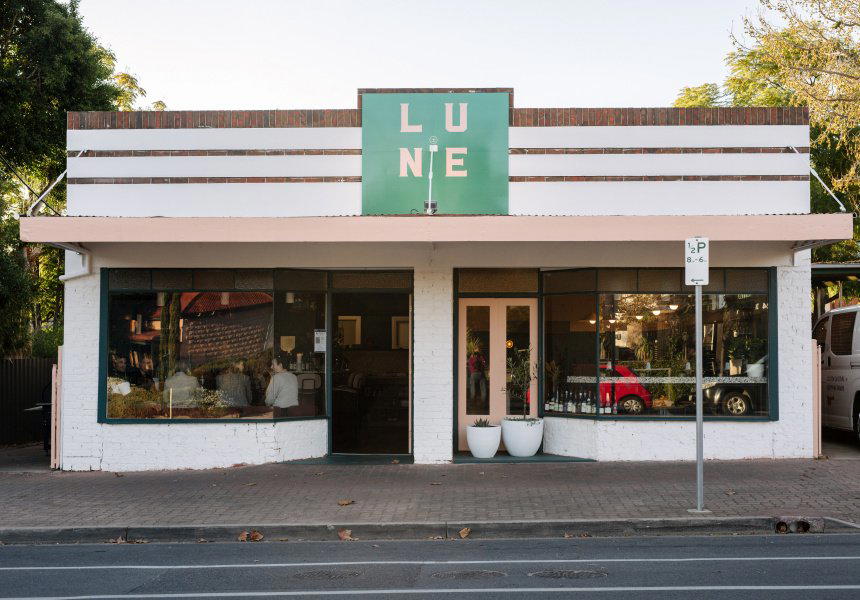
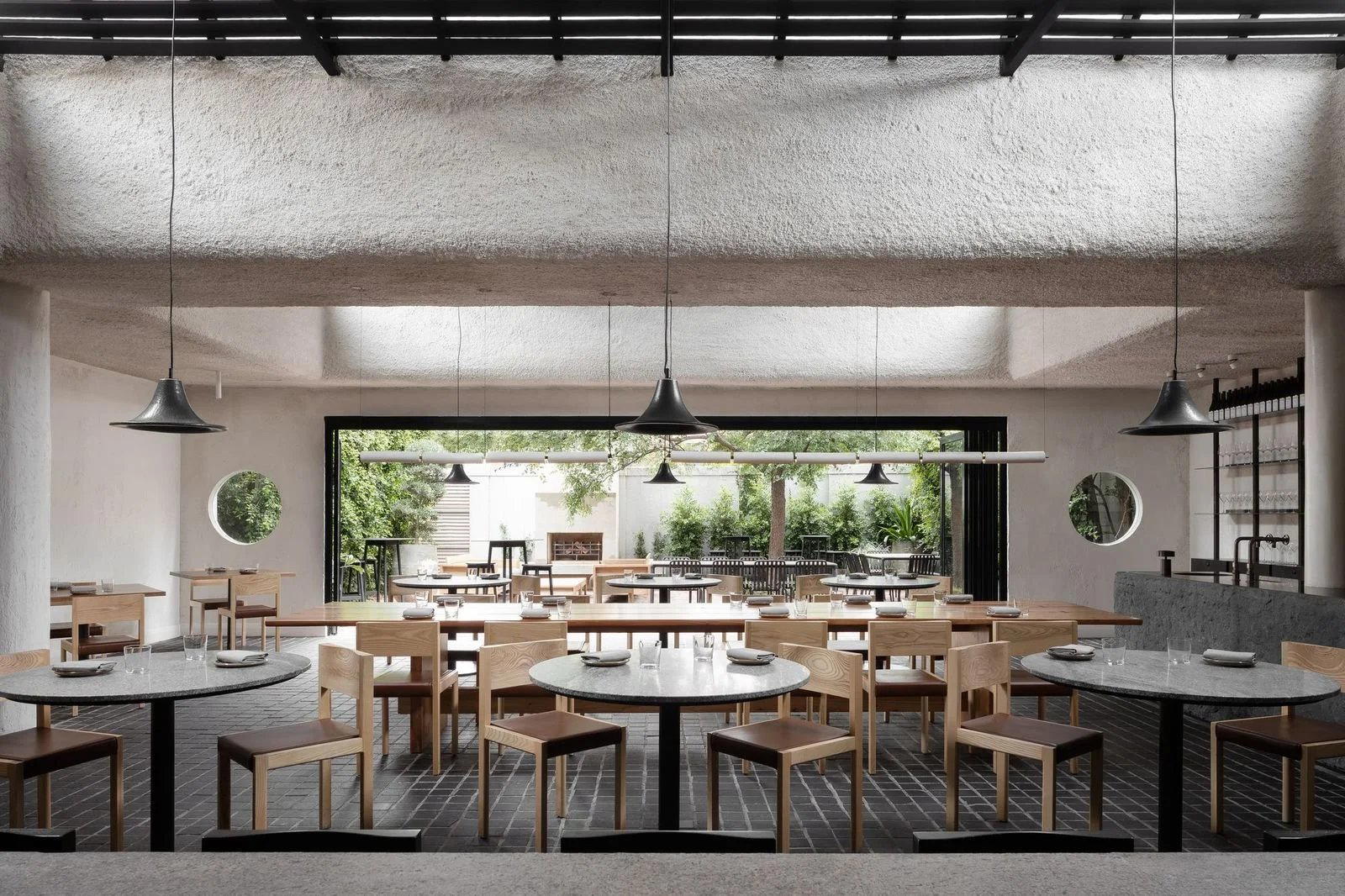
Restaurants in Langhorne Creek
Browse all →


Details
- Scenic
- Rustic
- Elegant
- Group Outing
- Celebration
- Wine Education
- Terrace
- Estate Grounds
- Vineyard
- Garden
- Cabernet Sauvignon
- Shiraz
- Malbec
- Chardonnay
- Pecorino
- Nero D’avola
- Still Red
- Still White
- Cellar Tasting
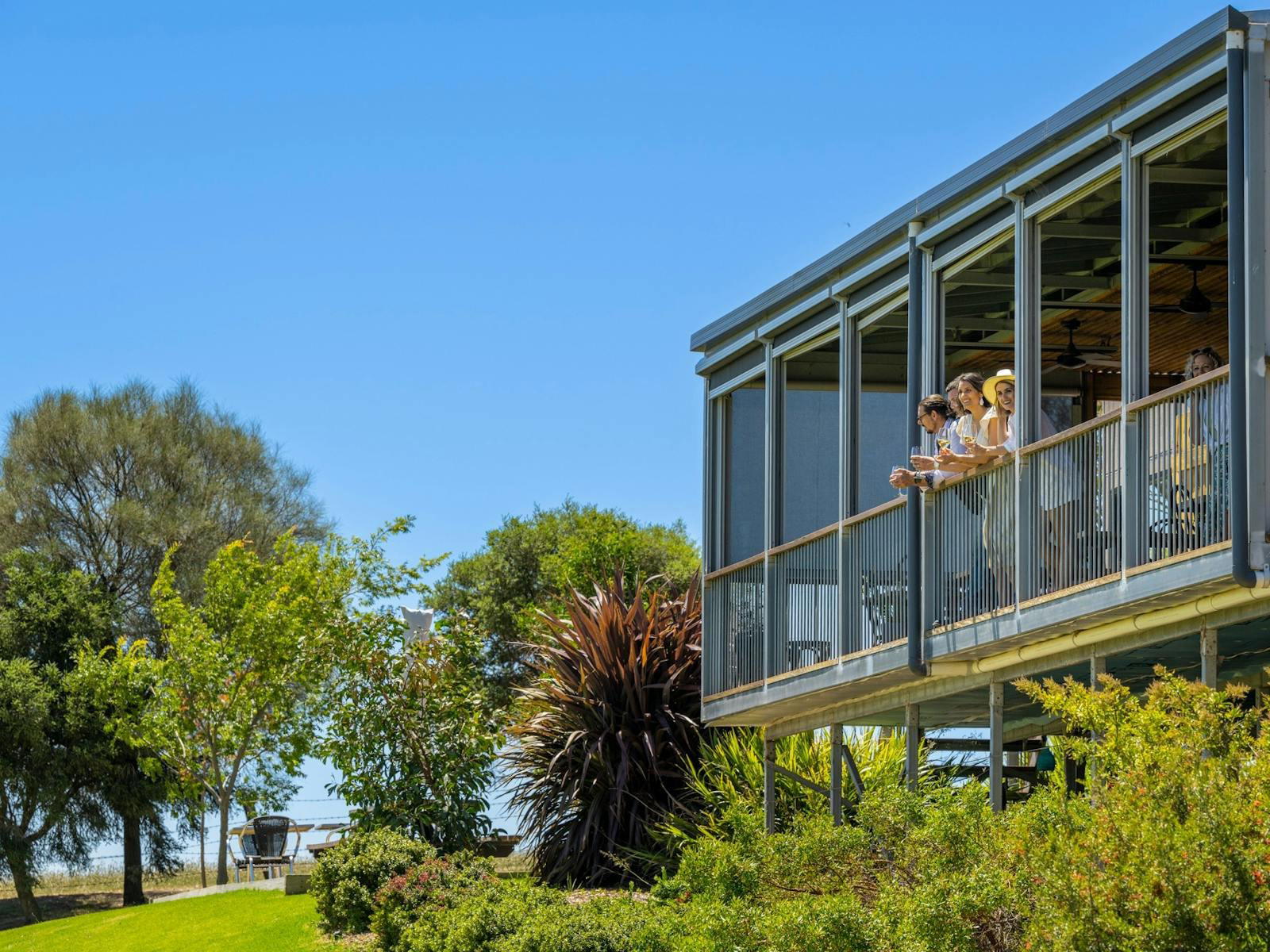
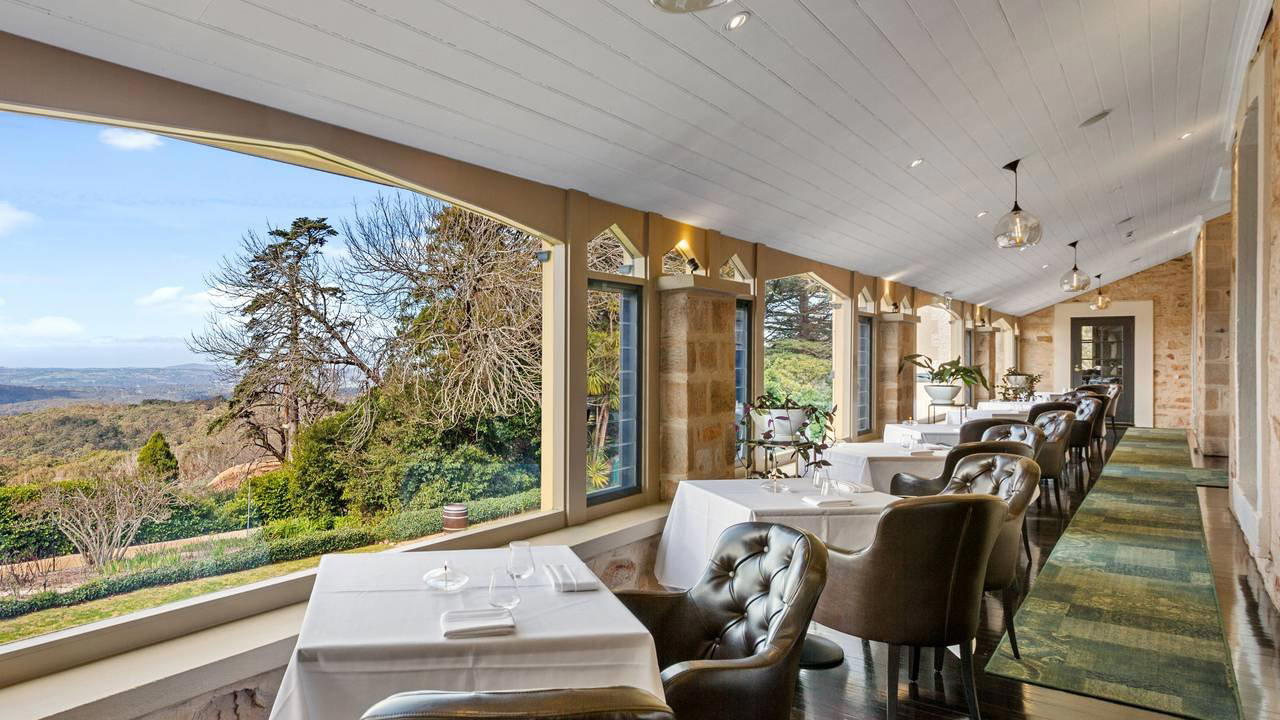
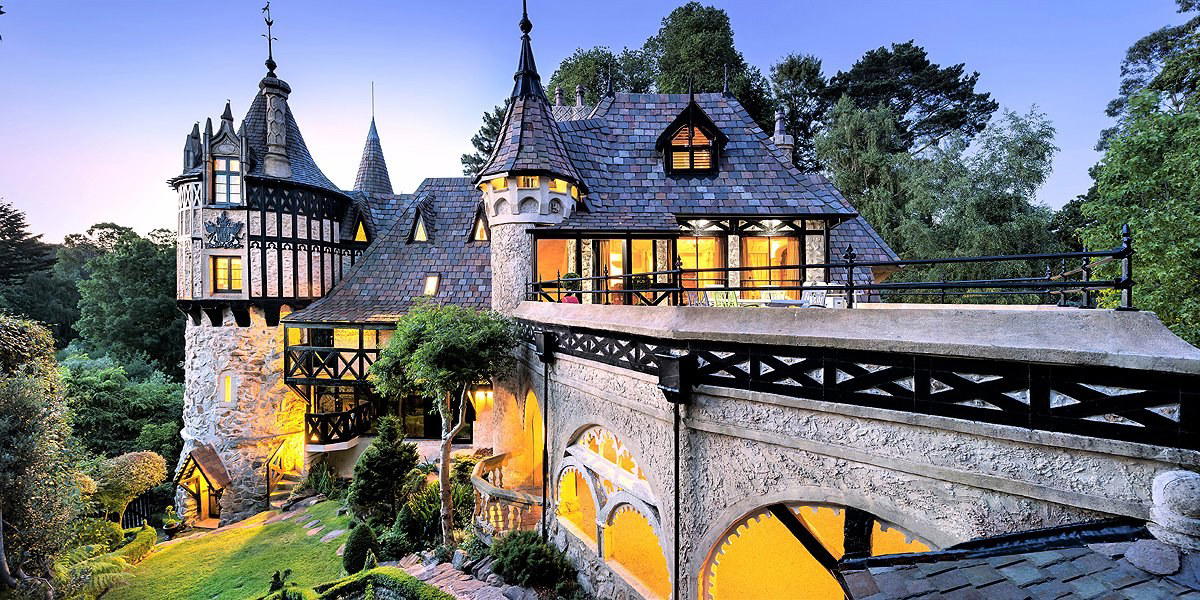
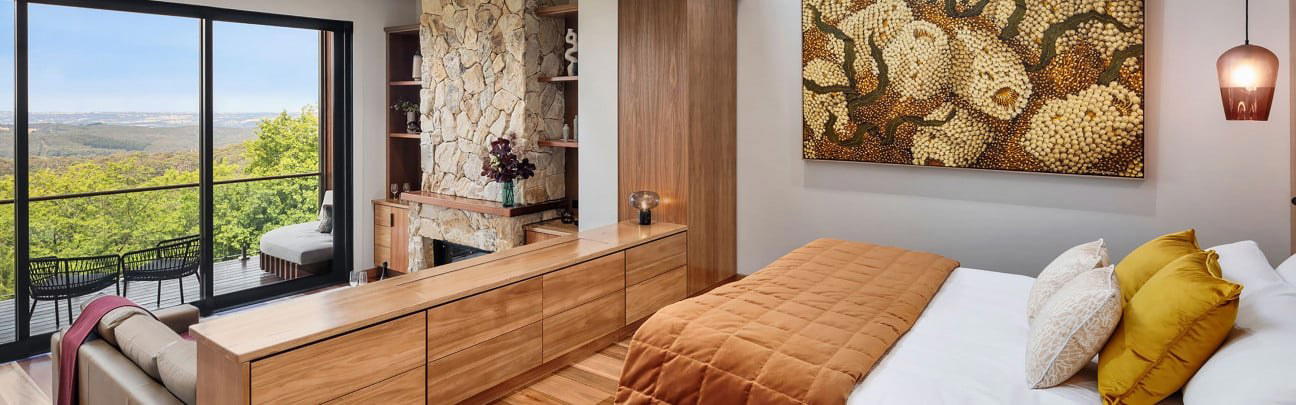
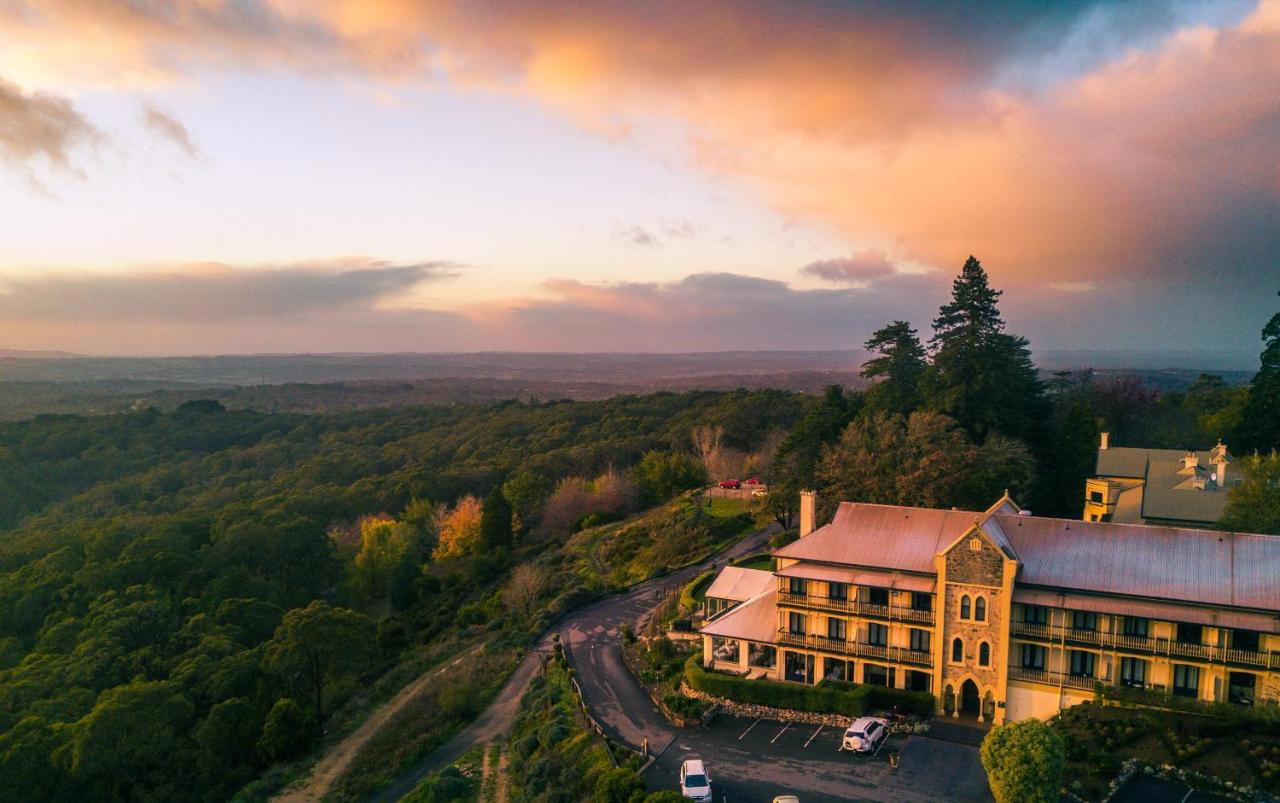
Bright and airy contemporary restaurant with terrace balcony overlooking picturesque vineyards, airy indoor spaces, and welcoming atmosphere.