Bleasdale Vineyards
One of Langhorne Creek's most established producers, Bleasdale Vineyards draws on the region's flood-irrigated alluvial flats and Mediterranean climate to make wines of genuine depth..

Pearl is the En Primeur Club membership app — saves, bookings, and concierge access live there. Same editors, same standards.
- Address
- 1640 Langhorne Creek Rd, Langhorne Creek SA 5255
- Phone
- +61 8 8537 4000
- Website
- bleasdale.com.au
- Directions
- Get directions
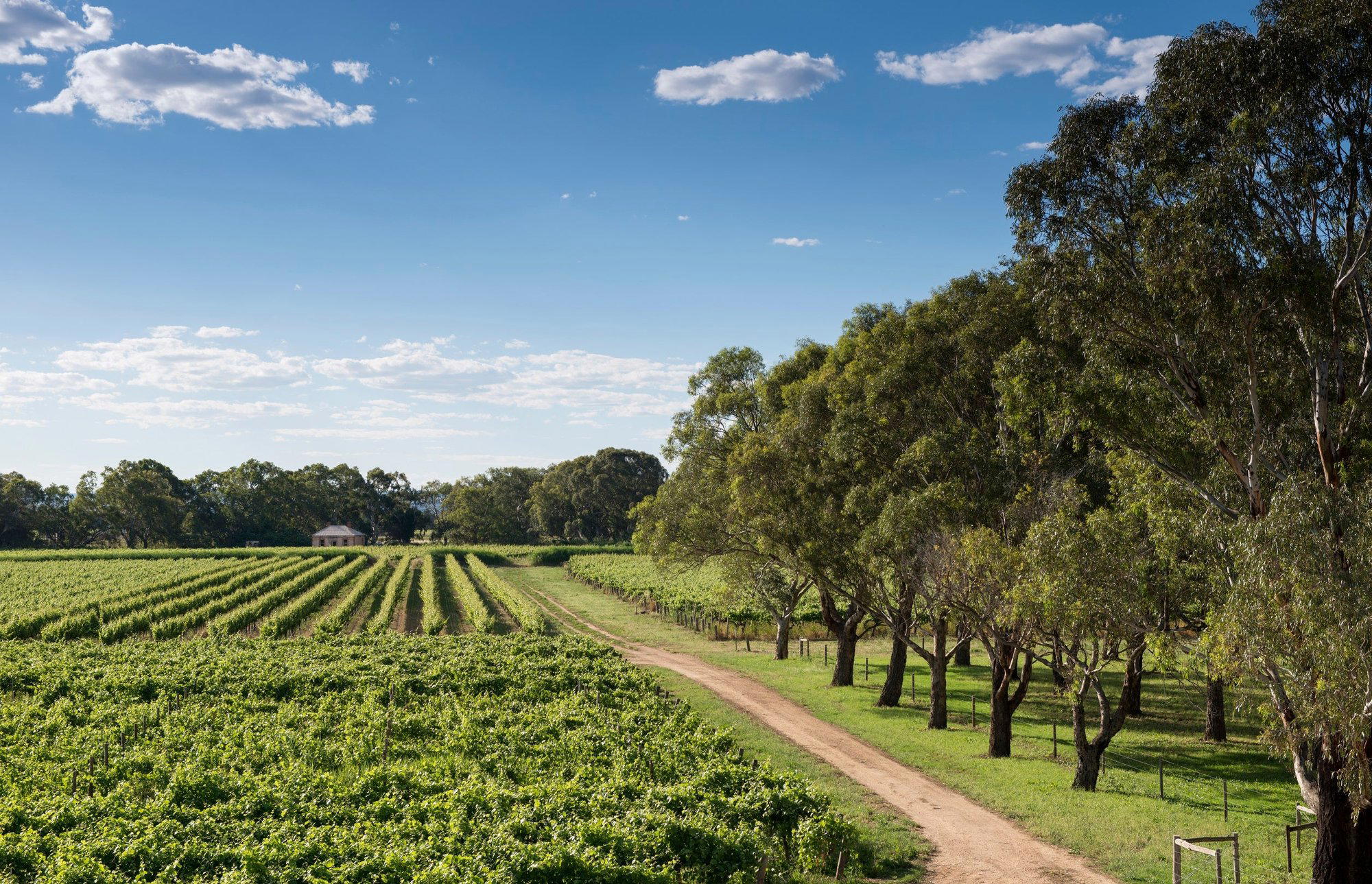
What Langhorne Creek's Floodplain Actually Gives the Wine
Langhorne Creek is not a region that announces itself loudly. The drive south-east from Adelaide along the Fleurieu Peninsula passes through flat, open country — no dramatic escarpments, no obvious visual drama. What the region holds is subtler: deep alluvial soils deposited by centuries of Lake Alexandrina flooding, a Mediterranean-continental climate moderated by lake breezes, and a growing season long enough to develop phenolic complexity without pushing alcohol unnecessarily high. These are conditions that suit slow-ripening varieties, and Cabernet Sauvignon and Shiraz have anchored the region's identity for generations as a result.
Bleasdale Vineyards, at 1640 Langhorne Creek Road, sits squarely within that tradition. The address alone places it in the heart of the appellation, where flood irrigation historically recharged the water table and the lake's moderating influence kept diurnal temperature ranges gentle. That thermal moderation is the region's structural advantage over warmer South Australian sub-regions further north: fruit retains acidity through ripening, which means the wines carry structure without demanding intervention.
In a region where peer producers like Bremerton Wines and Lake Breeze Wines are also earning serious critical recognition, that rating positions Bleasdale within a concentrated cluster of quality rather than as an isolated outlier. Langhorne Creek has historically supplied fruit to large Barossa and McLaren Vale blends — Penfolds drew significantly from the region for decades, and the move toward estate-focused, single-region releases across the appellation has sharpened the critical conversation around what individual producers here are doing with fruit they once sent elsewhere.
That distinction matters for producers whose reputation is built on reliability: in a region with Langhorne Creek's vintage consistency, a producer earning sustained recognition is one that has converted a terroir advantage into a repeatable winemaking result.
Terroir as the Argument: Alluvial Soils and Lake Influence
The alluvial flats that define Langhorne Creek's floor produce wines with a textural character that is distinct from the gravelly loam of McLaren Vale or the red-brown earth of the Barossa Valley. Soils here are deep, moisture-retentive, and mineral-rich from centuries of deposit. Vines planted into that profile develop extensive root systems that give them access to consistent moisture and trace minerals through the growing season, reducing the stress response that can produce aggressive tannins in drier-farmed blocks.
Lake Alexandrina's influence on temperature moderation is well-documented in the region. Afternoon breezes off the lake reduce heat accumulation during ripening, extending the season and allowing phenolics to develop gradually. The effect is visible in the style of Cabernet Sauvignon that the region produces at its most expressive: full-coloured, with tannin that has density without coarseness, and a natural acidity that gives the wines length. This is the terroir argument that producers like Bleasdale are making with their estate releases, and it is a different argument from the one being made at, say, Bass Phillip in Gippsland or Bird in Hand in Adelaide Hills, different soil types, different climate signatures, different varietal priorities.
Placing Bleasdale in its Competitive Set
Australian producers with generational histories occupy an interesting critical position: they carry the credibility of longevity but face pressure to demonstrate that heritage translates into contemporary winemaking relevance. Bleasdale sits in that space alongside estates such as Leading's Wines in Great Western and All Saints Estate in Rutherglen, producers whose identities are tied to specific regional stories and whose task is to make those stories legible in the glass rather than just on the label.
The comparison with Angove Family Winemakers in Renmark is also instructive. Both are South Australian producers with multi-generational roots, both operate across price tiers, and both face the challenge of maintaining estate-quality focus while sustaining broader commercial operations.
Further afield, the contrast with Brokenwood in Hunter Valley or Brown Brothers in King Valley illustrates how different Australian regions are building distinct premium identities: Brokenwood through Semillon and Shiraz regionalism in the Hunter, Brown Brothers through varietal diversity and altitude in King Valley, Bleasdale through the flood-flat Cabernet and Shiraz tradition of Langhorne Creek. Each approach reflects a specific set of geographic constraints and opportunities. For producers in regions without Langhorne Creek's water-management history, the alluvial terroir argument is simply not available.
Visiting Langhorne Creek: What to Know Before You Go
Langhorne Creek sits roughly an hour's drive from Adelaide, making it a natural day trip or weekend destination from the city. The region is compact enough to cover multiple producers in a single day, and the cluster of estates along Langhorne Creek Road, including Bremerton Wines and Lake Breeze Wines, means that tasting room visits can be sequenced without significant travel between stops. For broader Fleurieu Peninsula planning, Adelaide Hills producers like Bird in Hand can be added as a northern bookend to the same trip.
The shoulder seasons, March through May, when the harvest is either underway or just concluded, and September through November, when vine growth is visible but crowds are thinner, tend to offer the most direct access to working winery environments. Specific visiting hours and booking requirements for Bleasdale should be confirmed directly with the estate, as operational details are subject to seasonal variation. Our full Langhorne Creek restaurants guide covers the broader food and drink picture for the region, including dining options to pair with a tasting-focused itinerary.
That holds for Bleasdale as it does for comparably rated estates across the country, from Blue Pyrenees Estate in Pyrenees to Accendo Cellars in St. Helena, where the cellar door experience is where the producer's full range is most legible.
How It Stacks Up
Comparable venues nearby, for context on price, style, and recognition.
| Venue | Cuisine | Price | Awards | Notes |
|---|---|---|---|---|
| Bleasdale VineyardsThis venue — the venue you are viewing | Shiraz, Cabernet Sauvignon | Not listed | Not listed | Not listed |
| Lake Breeze Wines | Cabernet Sauvignon, Shiraz | Not listed | Not listed | Langhorne Creek |
| Bremerton Wines | Cabernet Sauvignon, Shiraz | Not listed | Falstaff Winery - Listed | Langhorne Creek |
| Mountain Ridge Winery | Shoalhaven Coast | Not listed | Not listed | Shoalhaven Heads / Berry – Coolangatta Mountain ridge |
| Imperial Measures Distilling | Winery | Not listed | Not listed | Thebarton |
| Two Hands Wines | Shiraz, Grenache | $10–20 | Falstaff Winery - Listed | Marananga |
Continue exploring
More in Langhorne Creek
Wineries in Langhorne Creek
Browse all →
Bars in Langhorne Creek
Browse all →
Restaurants in Langhorne Creek
Browse all →

Details
- Historic
- Rustic
- Scenic
- Classic
- Wine Education
- Solo Exploration
- Group Outing
- Historic Building
- Vineyard Tour
- Estate Grounds
- Vineyard
- Shiraz
- Cabernet Sauvignon
- Malbec
- Verdelho
- Grenache
- Petit Verdot
- Still Red
- Cellar Door Tasting
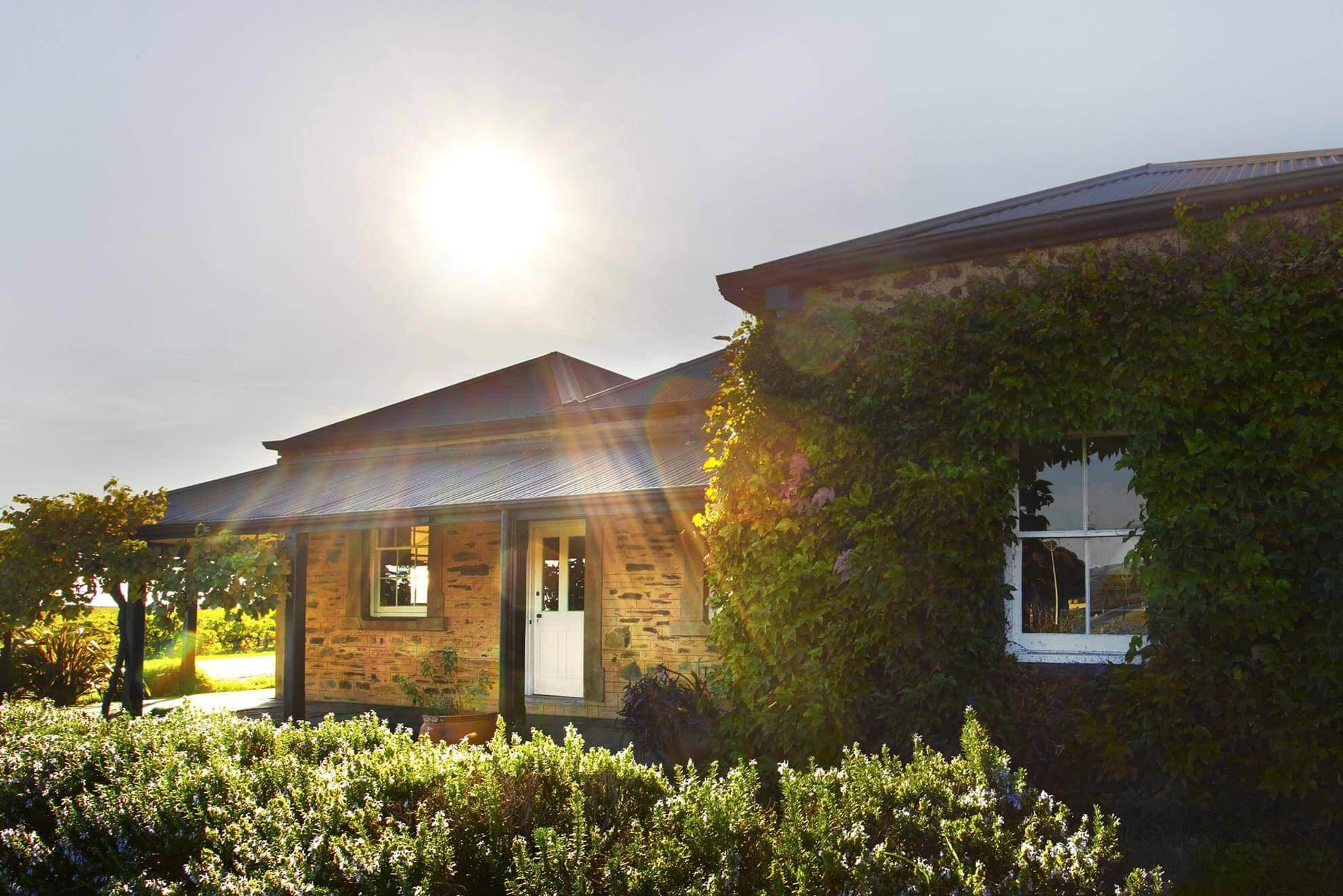
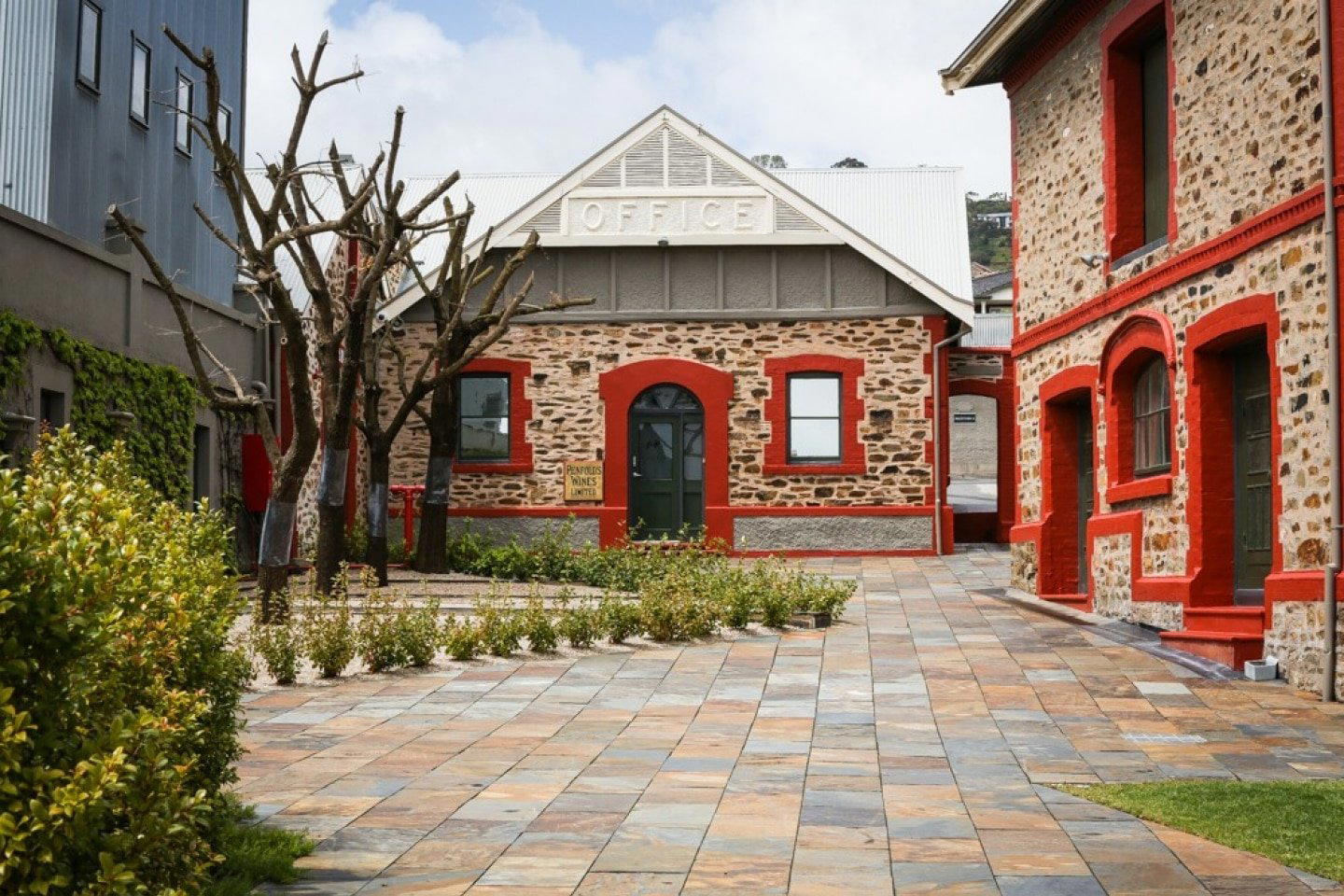
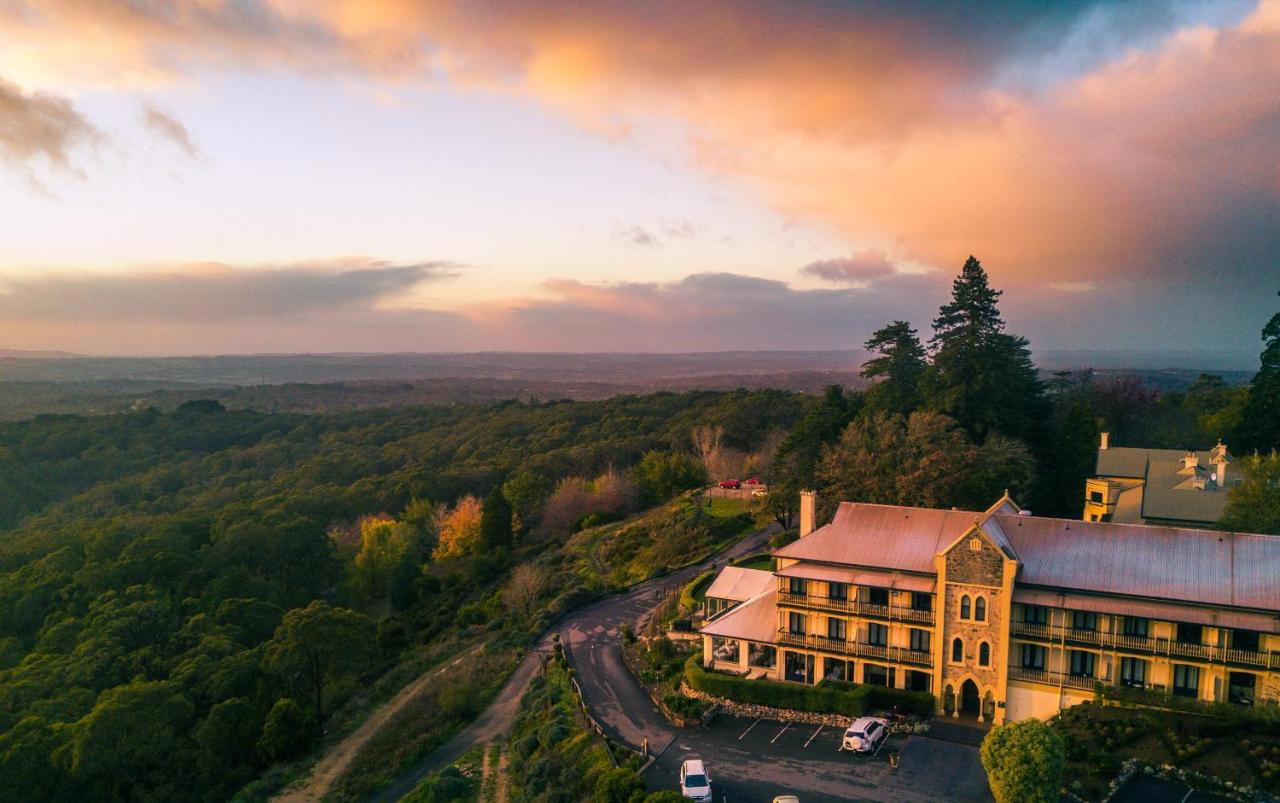
Characterful and history-rich with heritage sheds, old domed cellars, and oak-filled barrel rooms evoking a sense of timeless winemaking tradition.