
Falstaff Winery - Listed
Kovács Nimród Winery operates from the hillside address of Verőszala u. 66 in Eger. The producer sits within Eger's premium tier, where the region's volcanic soils and continental climate shape wines built for extended cellaring. For visitors to northern Hungary's wine country, this is a producer whose recognition places it among the addresses worth planning around.

Pearl is the En Primeur Club membership app — saves, bookings, and concierge access live there. Same editors, same standards.
- Address
- Eger, Verőszala u. 66, 3300
- Phone
- +36-36-537-232
- Website
- kovacsnimrodwinery.com
- Directions
- Get directions
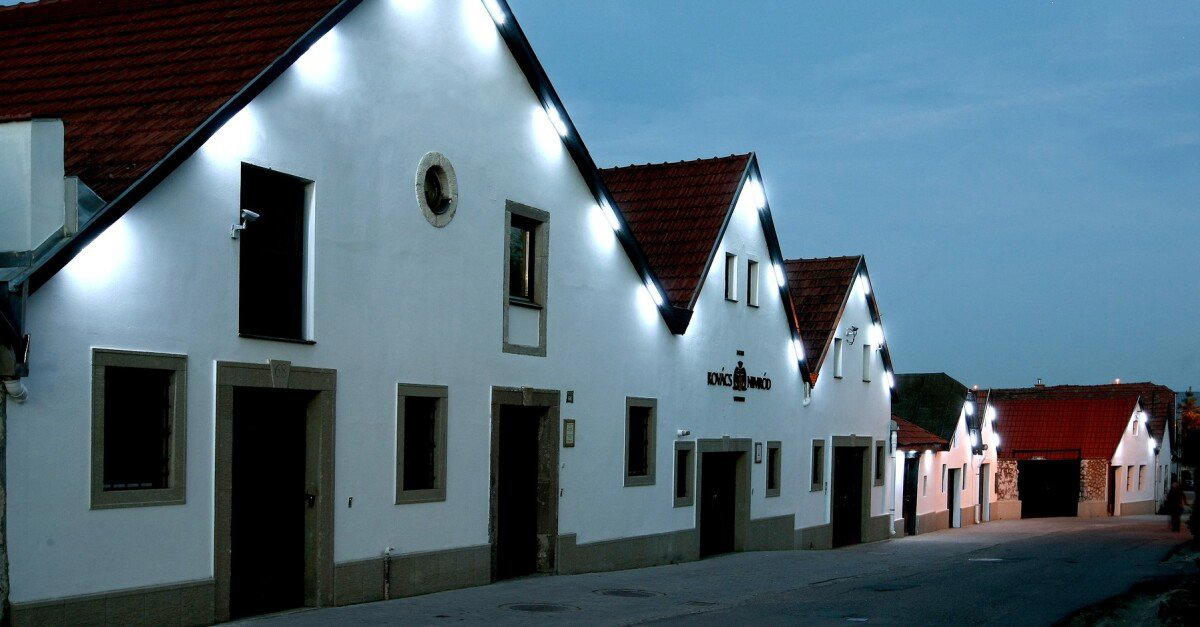
Where the Hillside Begins to Speak
Approaching a winery along Eger's Verőszala street, the city's baroque rooflines give way to vine rows and cellar gates set into the hillside. This is the physical logic of Eger's premium wine district: the urban core and the wine landscape are separated by minutes, not hours. Kovács Nimród Winery sits at number 66 on that street, in a part of the appellation where proximity to the volcanic ridge is not incidental but structural to what ends up in the bottle. For a region whose wines are built as much underground as above it, the address carries meaning before a glass is poured.
Eger's Premium Tier and What It Demands
Eger is one of Hungary's two internationally referenced wine appellations, the other being Tokaj to the northeast. Where Tokaj's identity is anchored in botrytised Furmint and the Aszú tradition, Eger has historically positioned itself on red wines, particularly Egri Bikavér (Bull's Blood) and varietal Kékfrankos, though the region's leading producers have spent the past two decades arguing for a more complex identity. The volcanic soils of the Bükk foothills, combined with a continental climate that delivers warm summers and sharp autumn temperature differentials, produce grapes with natural acidity and structural tannin. These are grapes that reward patience in the cellar more than they reward early release.
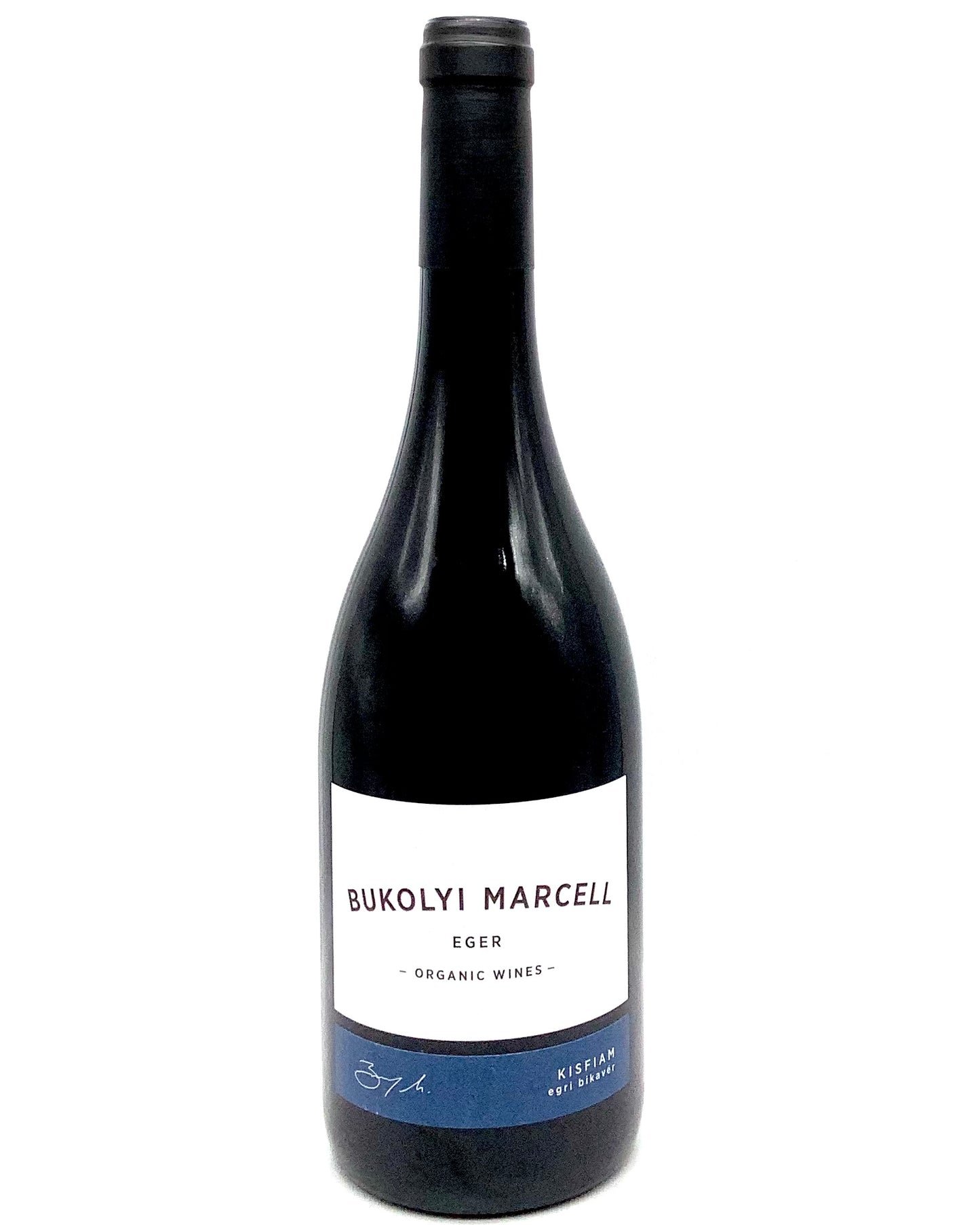
Peers in the same city operating at comparable recognition levels include Bolyki Winery, Bukolyi Winery, Gál Tibor Winery, Gróf Buttler Winery, and Demeter Csaba Winery. At this tier, producers are competing not only with each other but with the broader international conversation about Hungarian wine's place in the premium European market.
After Harvest: The Case for Eger's Cellar Culture
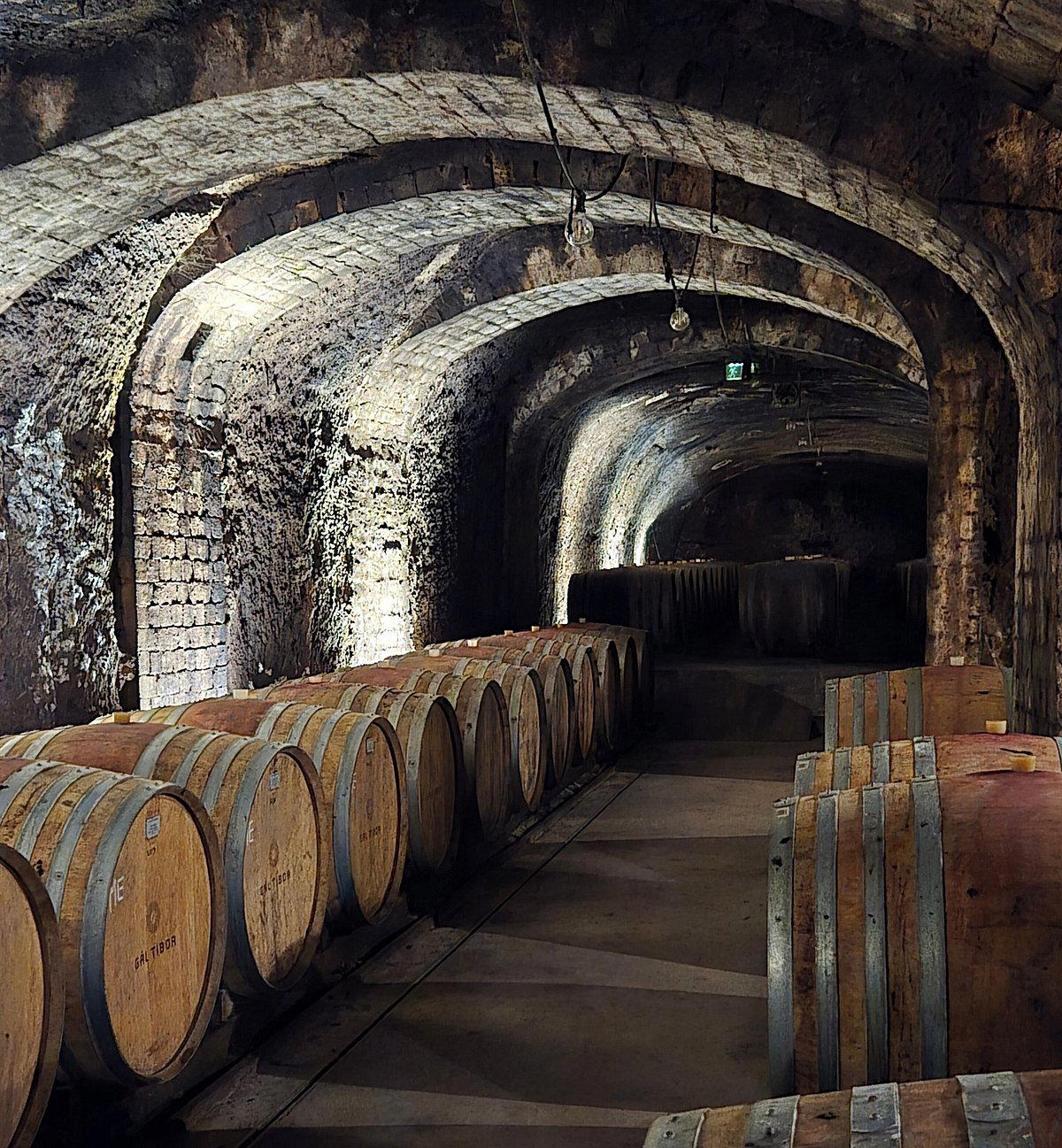
The editorial angle that matters most when assessing a producer in Eger's upper tier is not what happens in the vineyard during summer, but what decisions are made once the fruit is inside. Eger has a cellar culture rooted in the tufa and volcanic rock beneath the city. The historic cellars carved into the hillside were not romantic affectations but practical responses to a climate that demands controlled aging environments. Modern producers in the appellation have inherited that infrastructure and, in many cases, have built on it.
In wine regions where terroir delivers naturally high acidity and firm tannin structure, the barrel selection and aging duration are the decisions that determine whether a wine finds coherence or stays angular. Eger's Kékfrankos, for instance, is a variety that responds distinctly to different oak regimes: new French oak can overwhelm its bright red-fruit character, while older barrels or Hungarian oak allows more of the mineral and herbal register to come forward. The blending decisions in Egri Bikavér production are similarly weighted, as the appellation's regulations require a minimum number of varieties but leave the proportional question open. These are not abstract technical points; they translate directly into wines that age differently and reward cellaring on different timescales.
Prestige-tier recognition from EP Club reflects a pattern of quality rather than a single outstanding vintage, which means the cellar programme has demonstrated reliability across multiple release cycles.
Planning a Visit to Eger's Wine District
Eger is accessible by direct train from Budapest's Keleti station, with journey times running approximately two hours. The city's wine district is concentrated enough to visit multiple producers on foot or by bicycle, with Verőszala and the surrounding hillside streets forming a natural circuit. For visitors building a day around the premium tier, the logical approach is to book directly with producers in advance rather than arriving without prior contact, as the upper-bracket cellars in Eger typically receive guests by appointment.
The late summer and early autumn period, when harvest is either approaching or underway, is when the cellar activity at any winery becomes most visible. Visiting in September or October in a good vintage year gives a different kind of access than a mid-winter visit to finished wines. That said, Eger's premium cellars are worth visiting in any season: the temperature-stable underground environments mean the experience of the wine space itself does not change dramatically with the calendar, and late spring releases often make April and May particularly instructive months for tasting newly bottled wines from the prior vintage.
For broader context on the region, EP Club's full Eger restaurants and wine guide covers the appellation's dining and hospitality ecosystem in detail.
Kovács Nimród in the Hungarian Wine Conversation
Hungarian wine's premium tier has gained measurable international traction over the past decade, driven largely by Tokaj's recognition in export markets. Producers in Eger are operating within that rising-tide dynamic but are making a distinct argument: that the region's reds, built on volcanic mineral structure and disciplined cellar work, belong in a peer conversation with other continental European premium appellations, not merely as a price-accessible alternative to them.
The Tokaj comparison is worth making directly. Producers such as Disznókő in Mezőzombor, Royal Tokaji in Mád, Tokaj Hétszőlő in Tokaj, Tokaj Oremus in Tolcsva, and Árvay Winery in Rátka have built significant international profiles around a completely different grape and style canon. Eger producers, including those at the Prestige level, are making a parallel case for a red-wine identity built on structure and aging potential rather than sweetness and botrytis complexity. These are different arguments to the same question: what does Hungarian wine mean at the premium end?
Beyond Hungary, the broader EP Club network places Eger's upper tier in a wider frame that includes producers such as Babarczi Winery in Gyor, Béres Winery in Erdőbénye, and international reference points like Aberlour in Aberlour and Accendo Cellars in St. Helena. The comparison is not one of style but of ambition: producers at this tier are operating with a clarity of purpose about what their appellation can achieve at its ceiling.
Comparable Options
Comparable venues nearby, for context on price, style, and recognition.
| Venue | Cuisine | Price | Awards | Notes |
|---|---|---|---|---|
| Kovács Nimród WineryThis venue — the venue you are viewing | Kékfrankos, Pinot Noir | Not listed | Falstaff Winery - Listed | Not listed |
| Bolyki Winery | Kékfrankos, Cabernet Franc | $30–50 | Not listed | Losonczy Valley |
| Bukolyi Winery | Kékfrankos, Syrah | Not listed | Not listed | Eger |
| Gróf Buttler Winery | Kadarka, Syrah | Not listed | Not listed | Eger |
| Demeter Csaba Winery | Kékfrankos, Kadarka | Not listed | Not listed | Szépasszonyvölgy |
| Gál Tibor Winery | Kékfrankos, Kadarka | Not listed | Not listed | Eger |
Recognition history
Dated appearances from independent guides and award organizations, with the underlying list record or original source where available.
Falstaff Winery - Listed
Falstaff

Details
- Rustic
- Historic
- Intimate
- Elegant
- Wine Education
- Solo Exploration
- Cave Tasting
- Barrel Room
- Historic Building
- Sustainable
- Organic
- Kékfrankos
- Pinot Noir
- Syrah
- Chardonnay
- Furmint
- Still Red
- Still White
- Cave Tasting
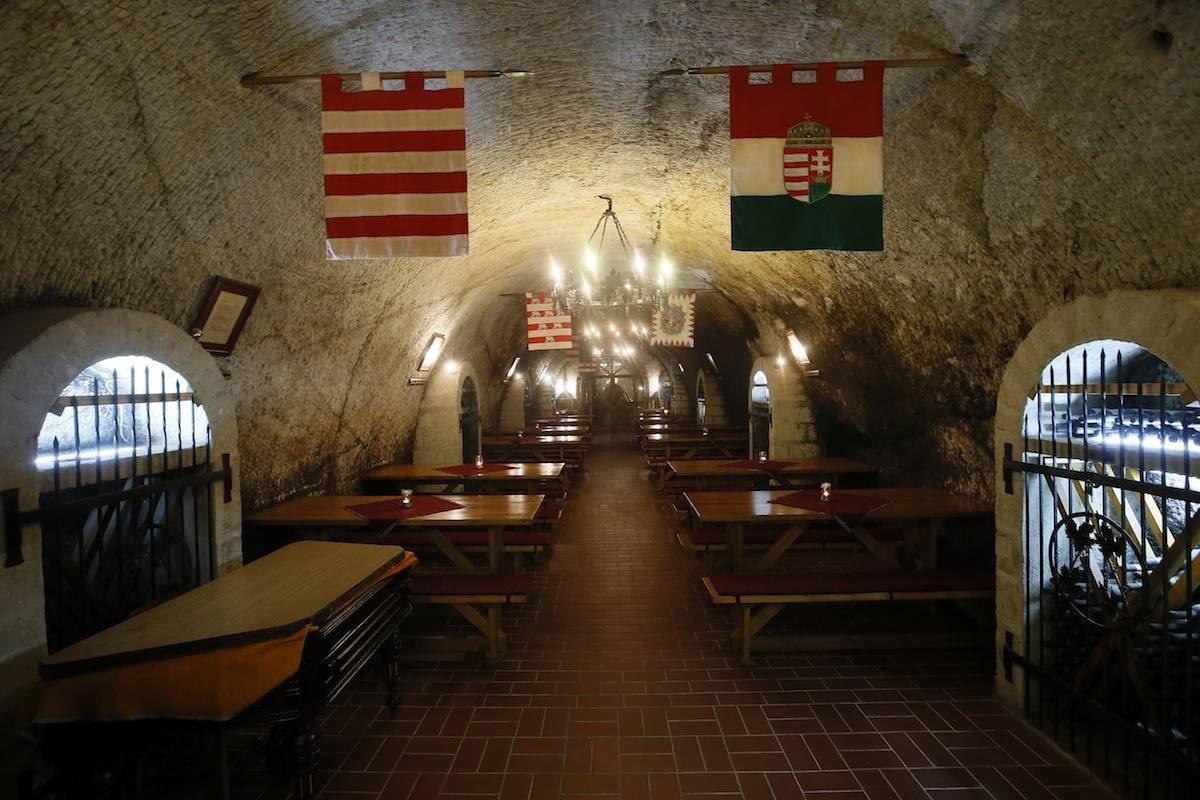
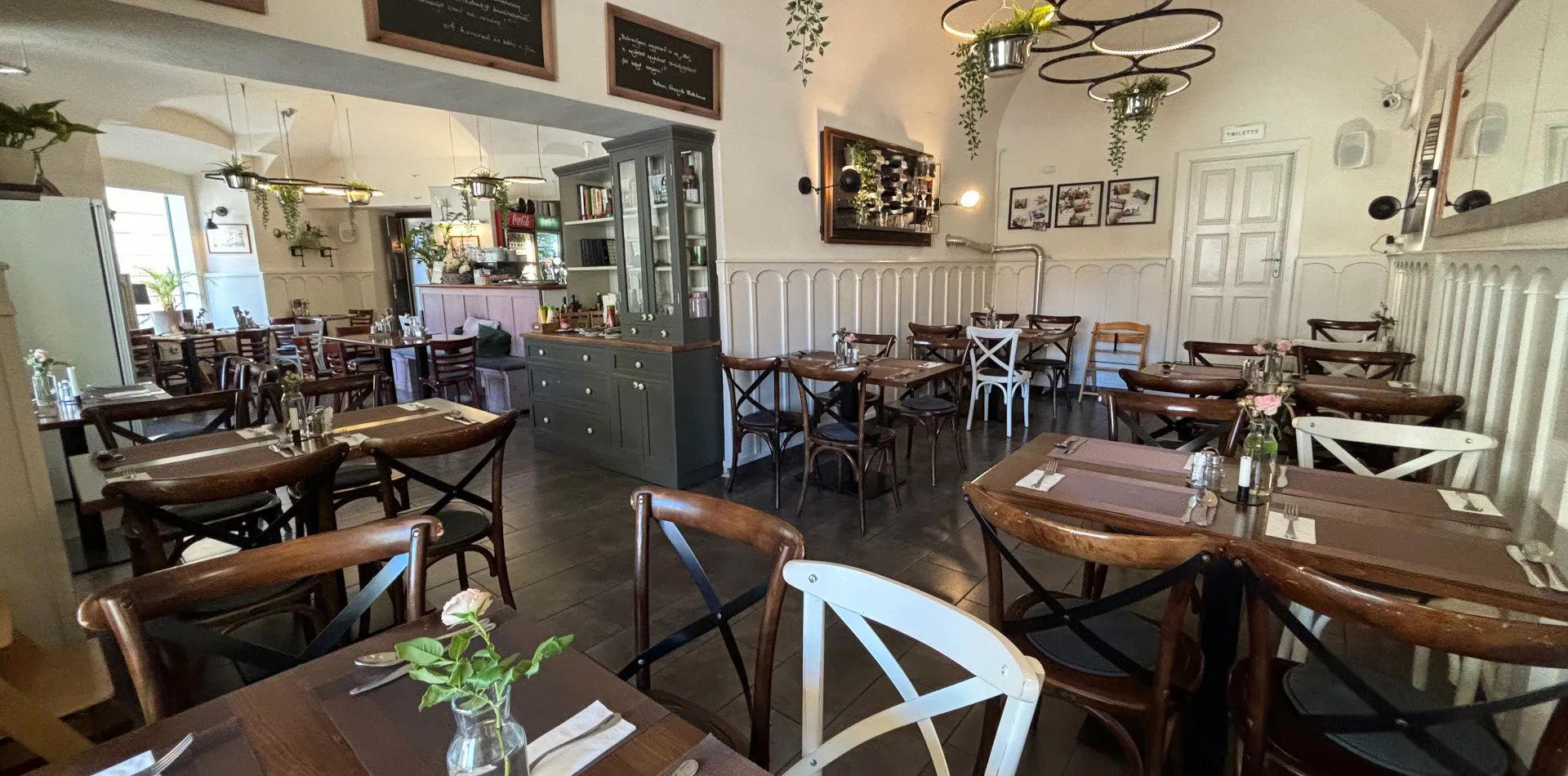
Magical historic cellar atmosphere with cool barrel-lined storage evoking 18th-century wine tradition.