Bukolyi Winery sits on the Nagy-Eged-dűlő hillside outside Eger, one of Hungary's most storied red wine appellations. For visitors to northern Hungary, it represents a focused, single-estate perspective on what the region's terroir can produce.

Pearl is the En Primeur Club membership app — saves, bookings, and concierge access live there. Same editors, same standards.
- Address
- Eger, Nagy-Eged-dűlő 517/3, 3300
- Phone
- +36 30 481 5694
- Website
- bukolyimarcell.hu
- Directions
- Get directions
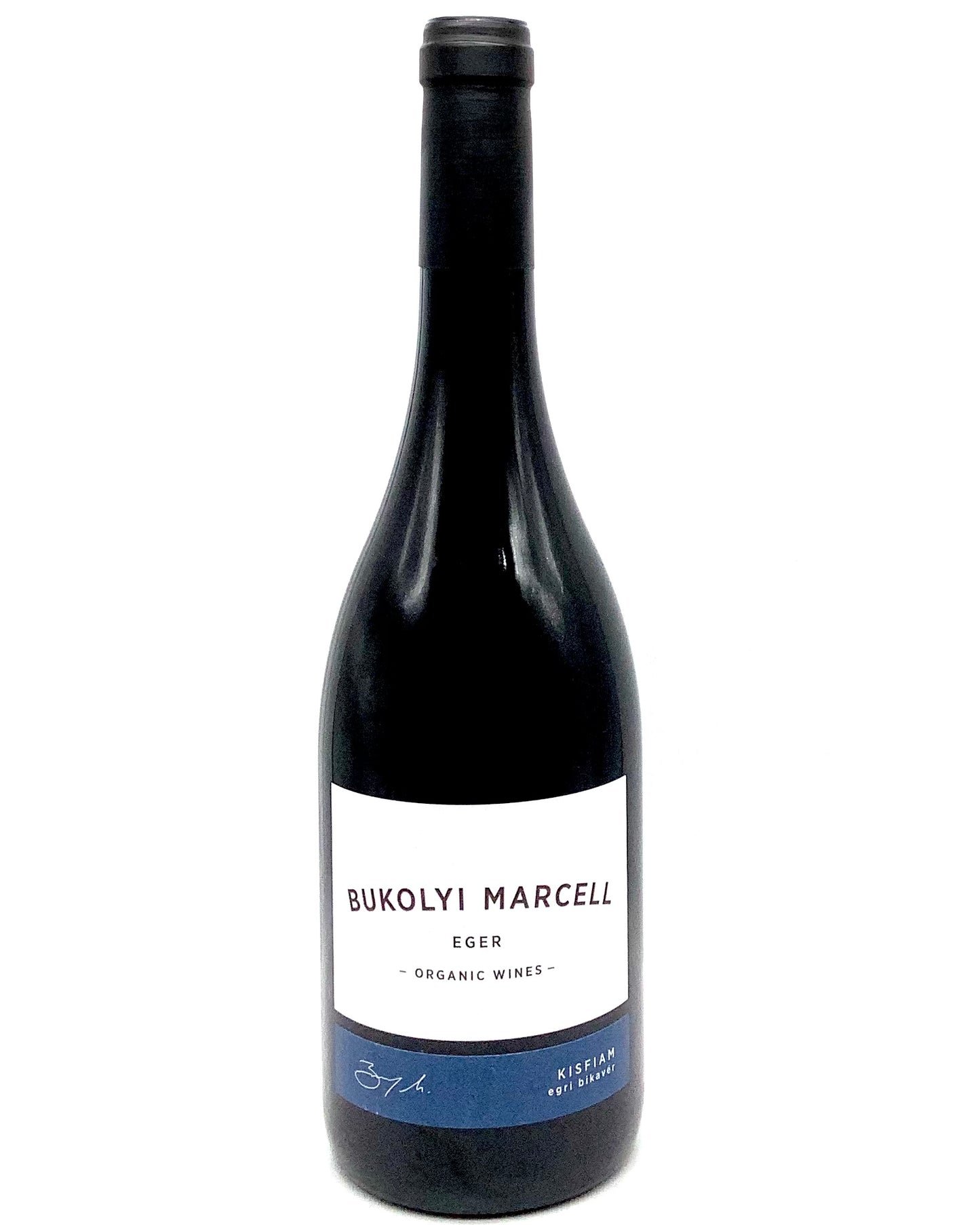
Nagy-Eged-dűlő and the Eger Hillside Tradition
The vineyards above Eger occupy a different register from the town's baroque streetscape below. On the Nagy-Eged slopes, the elevation climbs toward volcanic and andesite rock formations that have shaped the Eger appellation's most serious red wines for centuries. This is not incidental geography. The steep gradient, the aspect toward the south and southwest, and the underlying mineral complexity of the soil all press themselves into wines made here in ways that flatter grapes associated with the region: Egri Bikavér blends built around Kékfrankos, alongside single-variety bottlings that the better producers have been advocating for since the 1990s reform era of Hungarian wine.
Bukolyi Winery holds its address at Nagy-Eged-dűlő 517/3, which places it directly within this hillside context rather than in the valley floor where larger, more commercially oriented producers have historically operated. The distinction matters to anyone comparing small hillside estates against the broader Eger production ecosystem. Where valley-floor operations often prioritize volume, the producers working the upper reaches of Nagy-Eged tend to treat low yields and site-specific expression as the core of their argument.
In the context of Eger specifically, where the competition among serious estates has intensified since the appellation's restructuring under the new Egri Borvidék regulations, a prestige-level award represents meaningful external validation. The award signals that Bukolyi is not simply trading on address. The wines themselves have drawn scrutiny and held up under it.
For travelers and collectors comparing estates within the Eger appellation, that credential sits alongside the work being done at Bolyki Winery, Gál Tibor Winery, Gróf Buttler Winery, Juhász Winery, and Demeter Csaba Winery. Each of these producers has staked out a different position within the appellation's hierarchy. Bukolyi's hillside address and prestige-level recognition align it with the smaller, more site-focused end of that peer group.
The Winemaking Approach at Nagy-Eged
The editorial angle here is not a founder biography. It is what the physical constraints of the Nagy-Eged hillside demand of anyone farming it seriously. The slopes are steep enough that mechanization becomes difficult or impossible on certain parcels, which means hand-harvesting is not a marketing point but a practical requirement. That manual engagement with the vineyard tends to produce a different kind of attention to vine health and fruit selection. Producers who can only pick by hand pick more carefully, because the cost of bringing sub-standard fruit to the cellar falls directly on their bottling decisions later.
In Eger's more progressive estates, the winemaking philosophy across the last two decades has moved away from the heavy extraction and oak dominance that characterized the region's export wines in the 1980s and much of the 1990s. The trend toward fresher, more site-transparent wines has been documented by both Hungarian critics and international reviewers who returned to the region after a period of disinterest.
Eger in the Hungarian Wine Context
Hungary's wine story is often told through Tokaj, the northeastern appellation that produces Aszú and commands most of the international press attention. Tokaj producers like Disznókő in Mezőzombor, Royal Tokaji in Mád, Tokaj Hétszőlő in Tokaj, Tokaj Oremus in Tolcsva, Árvay Winery in Rátka, and Béres Winery in Erdőbénye have attracted investment and collector interest that has kept Tokaj in conversation with other premium sweet wine regions internationally.
Eger operates differently. The appellation's claim is red wine, and the central argument is Egri Bikavér, the Bull's Blood blend whose reputation was badly damaged by industrialization under communism and has been painstakingly rebuilt by committed producers since the 1990s. The recovery has been real. International wine writers who dismissed Eger Bikavér a generation ago have revisited the appellation and found that the serious estates are producing structured, age-worthy reds with genuine regional identity. That shift in perception has made the Eger appellation more competitive internally, as producers compete for a narrower set of quality-focused buyers and distributors.
For producers working outside Hungary's traditional wine-touring circuit, as estates like Babarczi Winery in Gyor do in their own region, the challenge is always building awareness beyond the local hospitality ecosystem. Bukolyi's position on the Nagy-Eged hillside, combined with a 2025 prestige-level award, suggests it is moving toward recognition beyond purely domestic channels.
The distinction between valley producers and hillside producers in Eger is not absolute, but it is meaningful. Hillside estates on Nagy-Eged work smaller parcels, face steeper terrain, and tend to produce lower volumes with higher site specificity. That is the same logic that governs hillside premiums in Burgundy, the northern Rhône, and Piedmont: the argument is that the difficulty of the site forces both the vine and the producer toward concentration and character that flat, easier land cannot replicate.
Bukolyi sits within that hillside argument. Against peers like Bolyki and Gál Tibor, both of which have substantial international profiles, Bukolyi appears to represent a more contained, production-focused operation.
For comparison outside Hungary, the logic of small hillside estates earning prestige-level recognition while remaining relatively under-discussed internationally is not unique to Eger. It applies equally to producers like Aberlour in Aberlour in their own category, or to Napa producers like Accendo Cellars in St. Helena who operate at high quality levels with limited volume and visibility.
Planning a Visit to Bukolyi Winery
Eger is accessible from Budapest by train in under two hours, making it a practical day trip for visitors based in the capital, though the town rewards an overnight stay, particularly for anyone intending to visit multiple producers on the Nagy-Eged hillside. Bukolyi's address at Nagy-Eged-dűlő 517/3 places it on the hillside above the town, and reaching it by car is the most practical option given the terrain. The our full Eger restaurants guide covers the broader dining and hospitality picture in the city for those planning a longer stay around the appellation.
Cost Snapshot
Comparable venues nearby, for context on price, style, and recognition.
| Venue | Cuisine | Price |
|---|---|---|
| Bukolyi WineryThis venue — the venue you are viewing | Eger, Kékfrankos, Syrah | Not listed |
| Demeter Csaba Winery | Szépasszonyvölgy, Kékfrankos, Kadarka | Not listed |
| Juhász Winery | Eger, Kékfrankos, Cabernet Sauvignon | $10–20 |
| Gál Tibor Winery | Eger, Kékfrankos, Kadarka | Not listed |
| Tóth Ferenc Pincészet | Eger, Leányka, Kadarka | $10–20 |
| Gróf Buttler Winery | Eger, Kadarka, Syrah | Not listed |
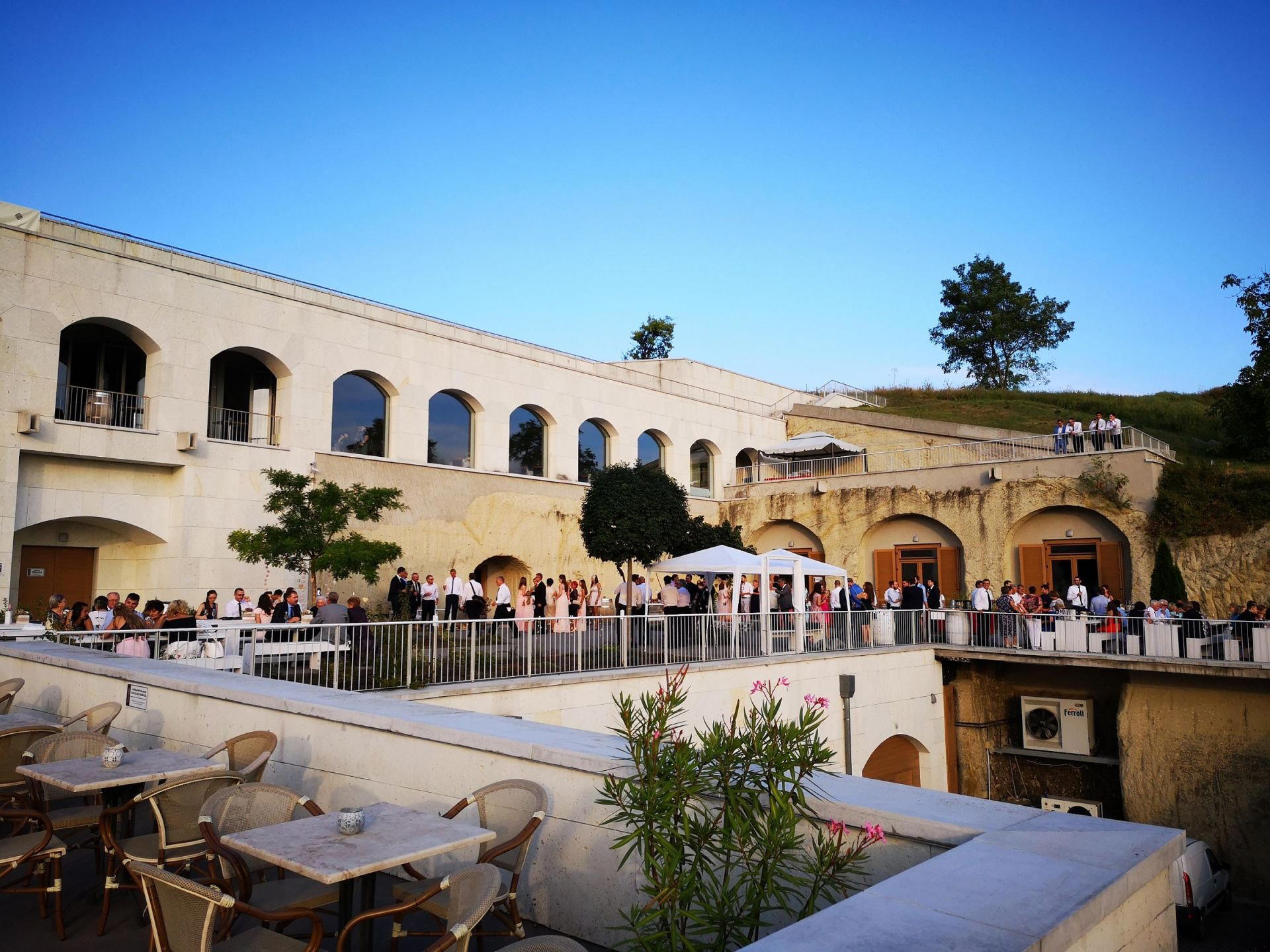
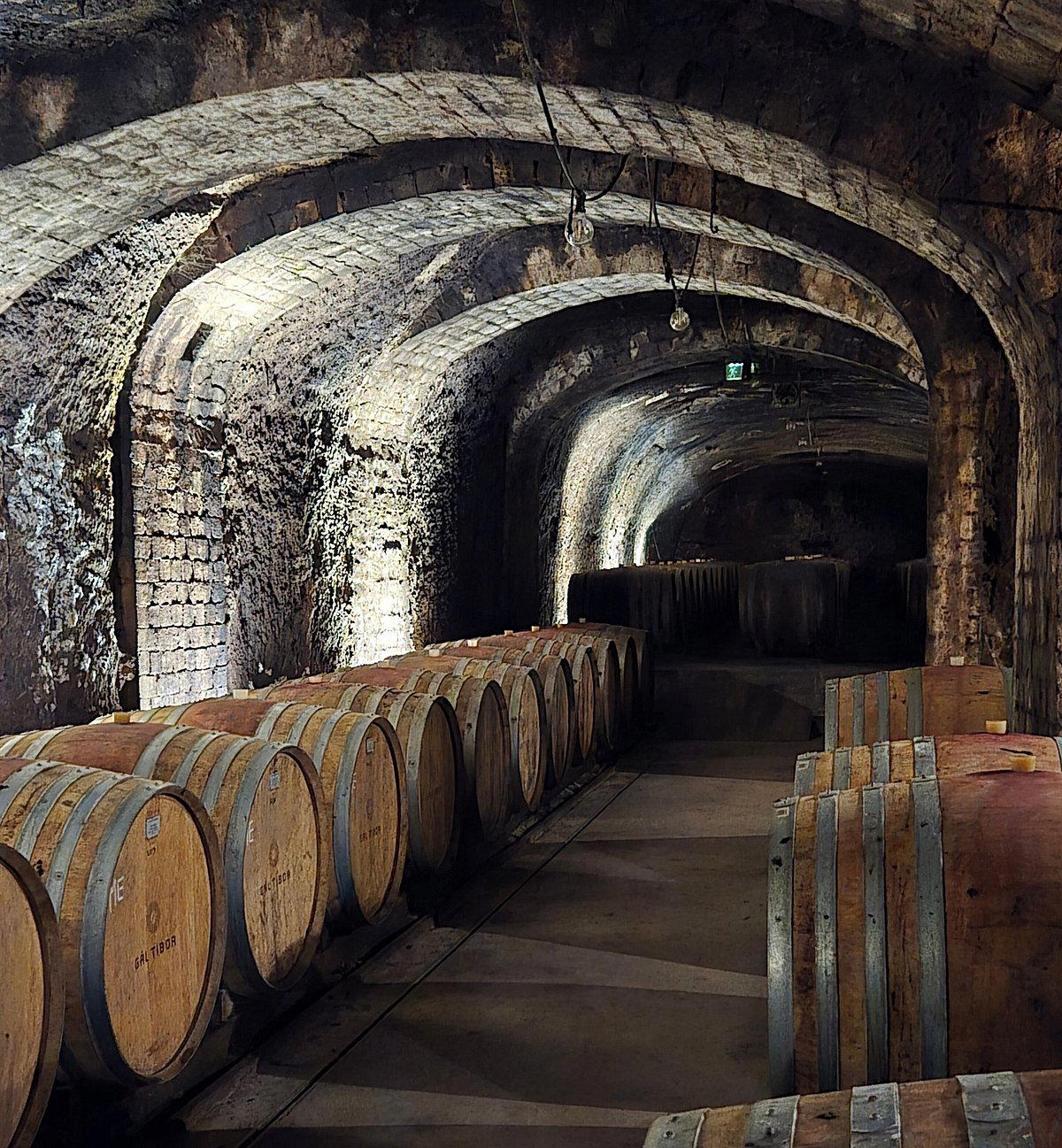
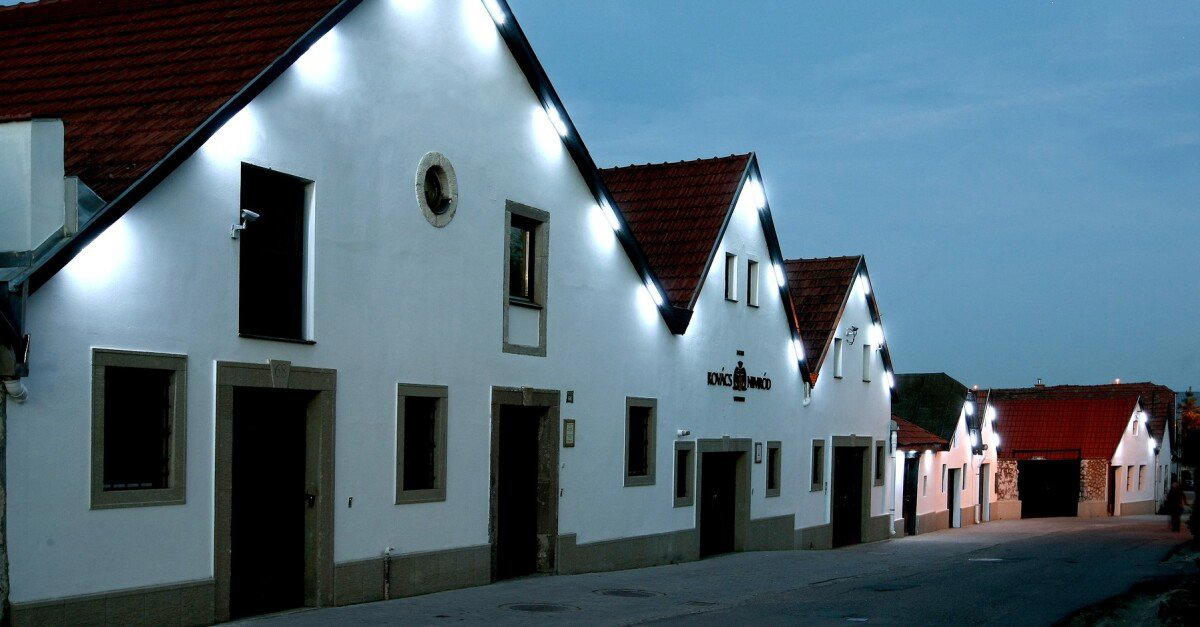

Details
- Rustic
- Scenic
- Wine Education
- Solo Exploration
- Vineyard Tour
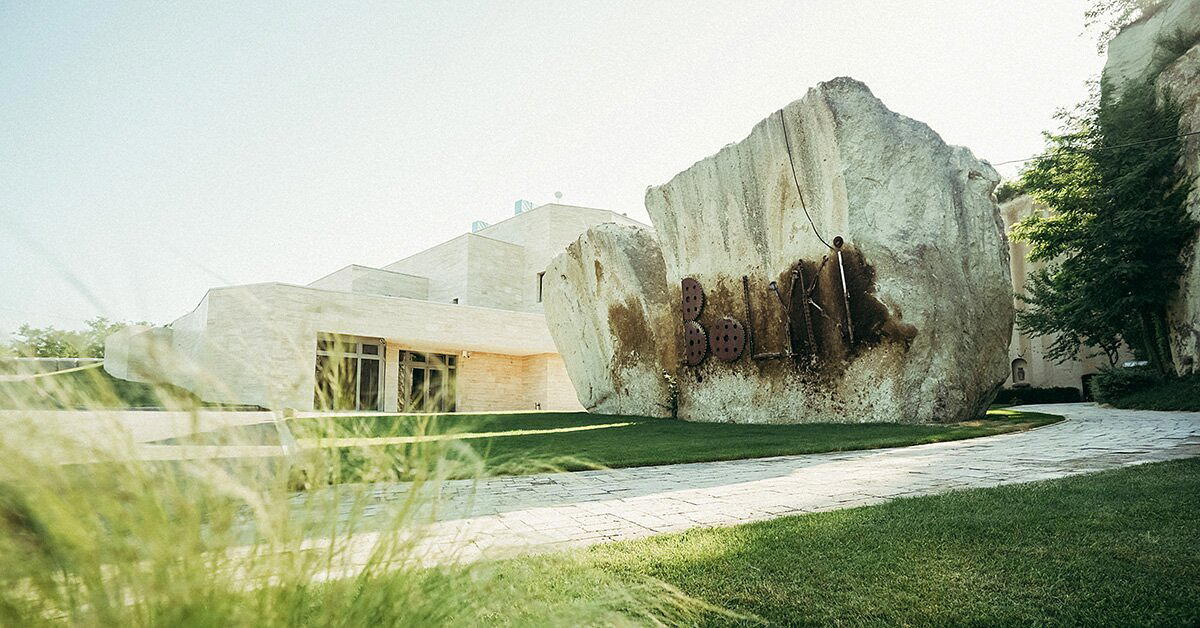
- Estate Grounds
- Organic
- Vineyard
- Mountain
- Kékfrankos
- Syrah
- Furmint
- Hárslevelű
- Riesling
- Pinot Noir
- Cabernet Franc
- Still Red
- Still White
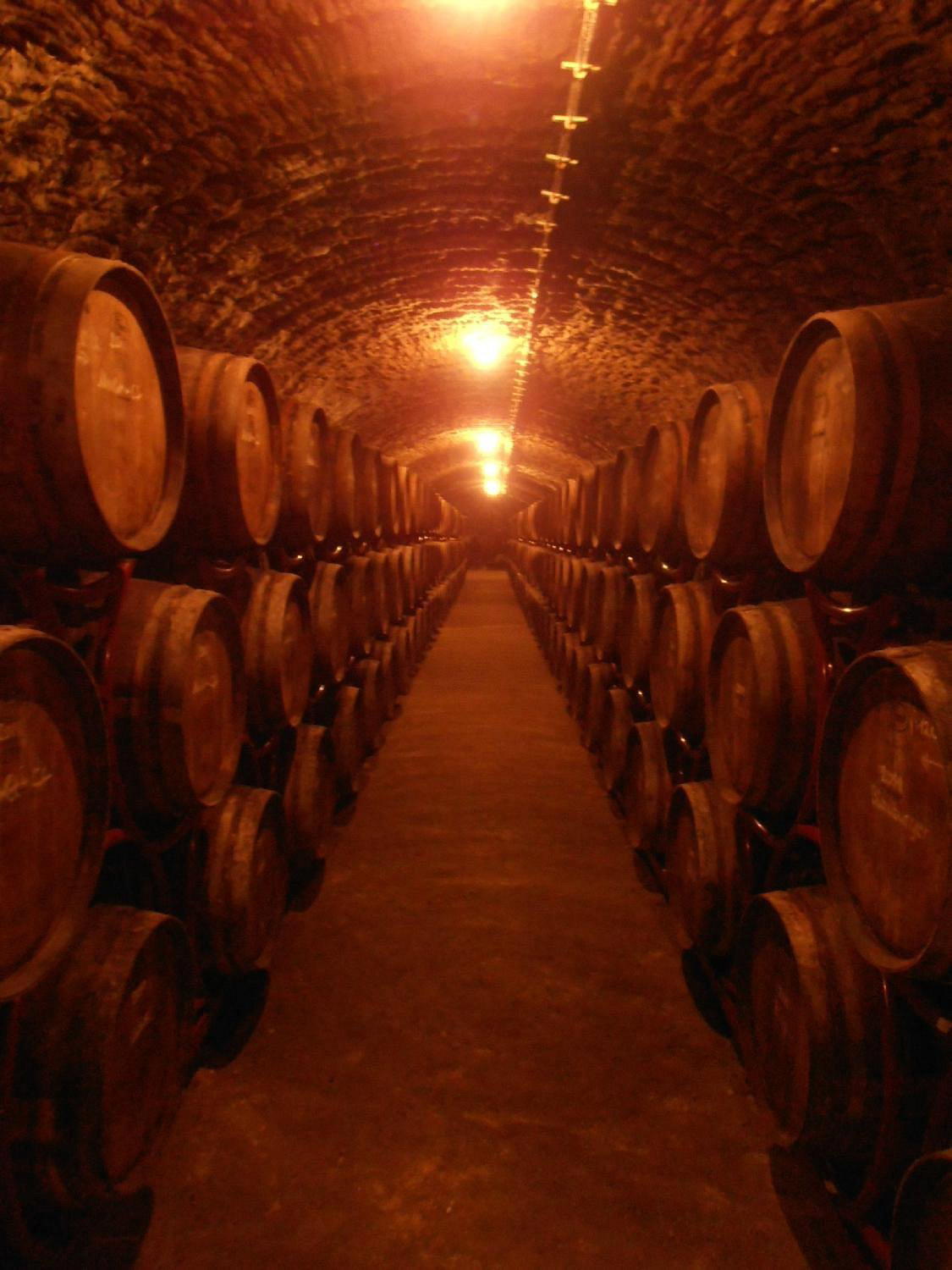
- Cave Tasting
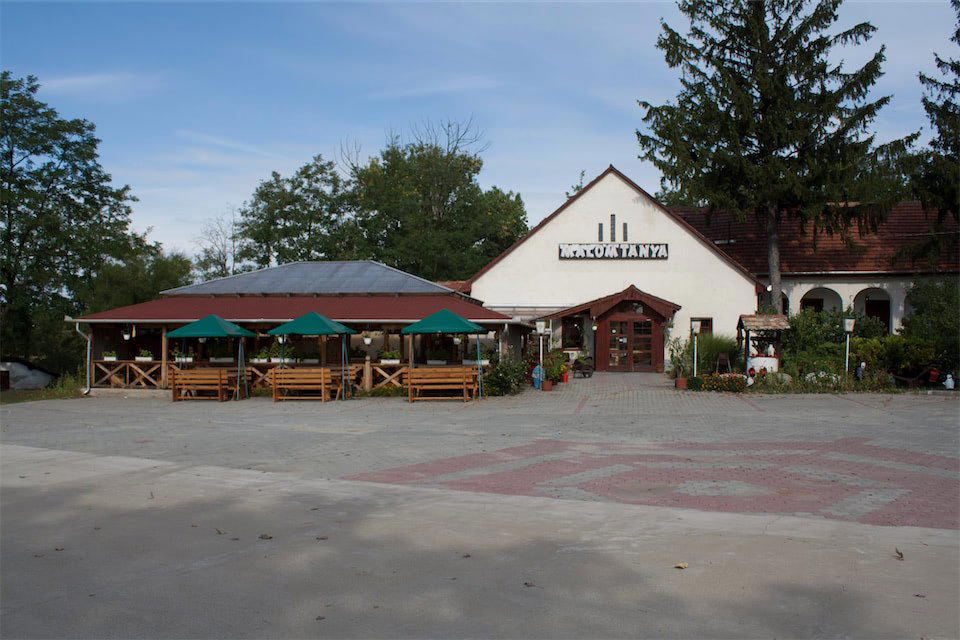
Rustic and scenic vineyard setting with a focus on organic production.