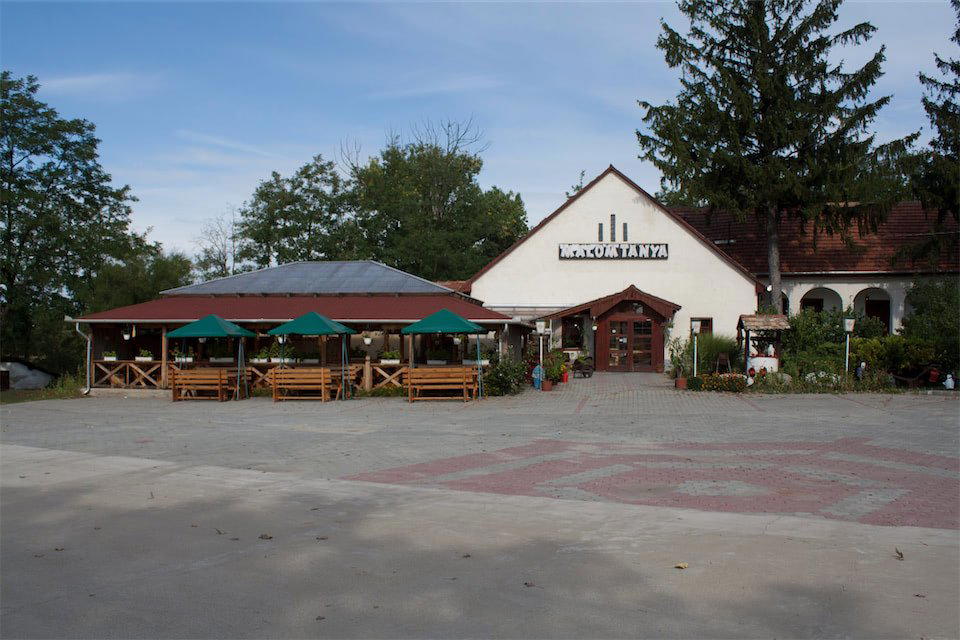
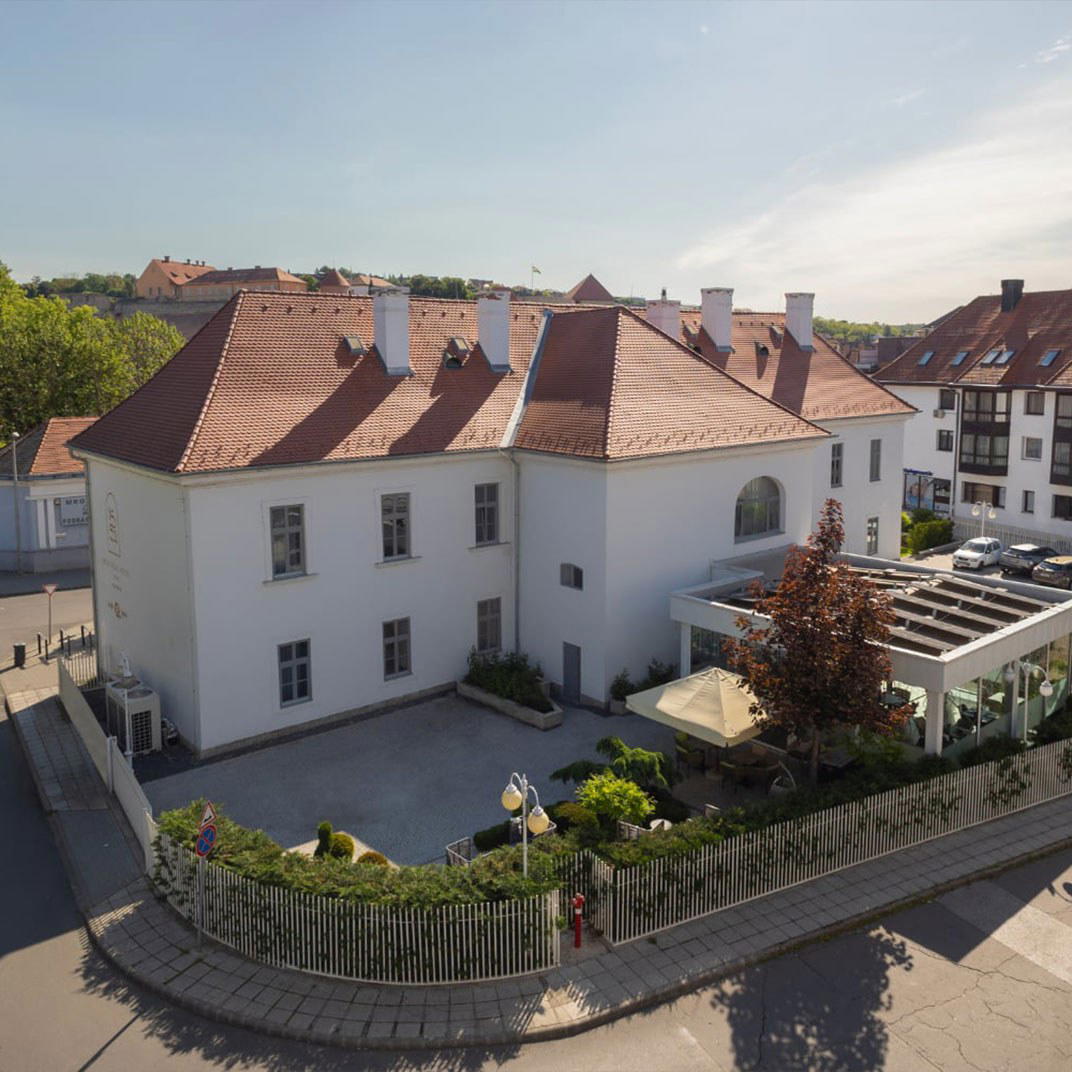
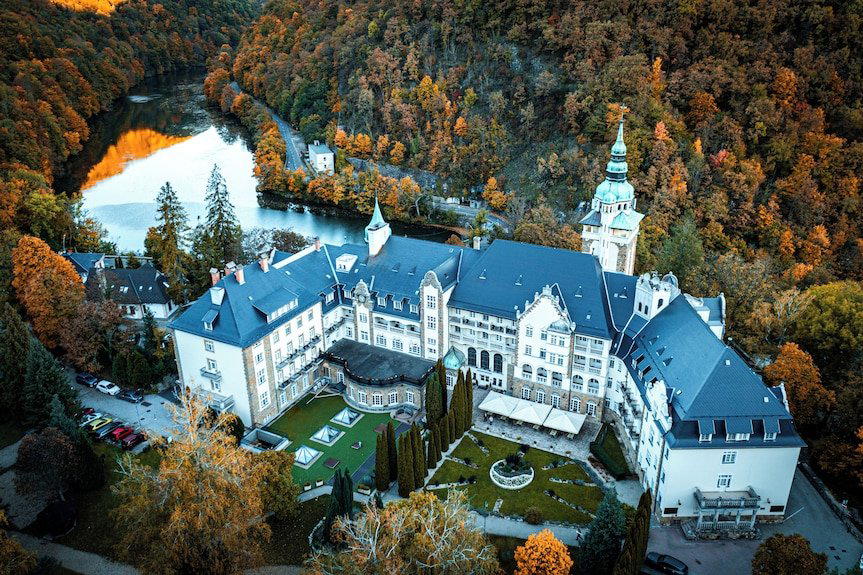
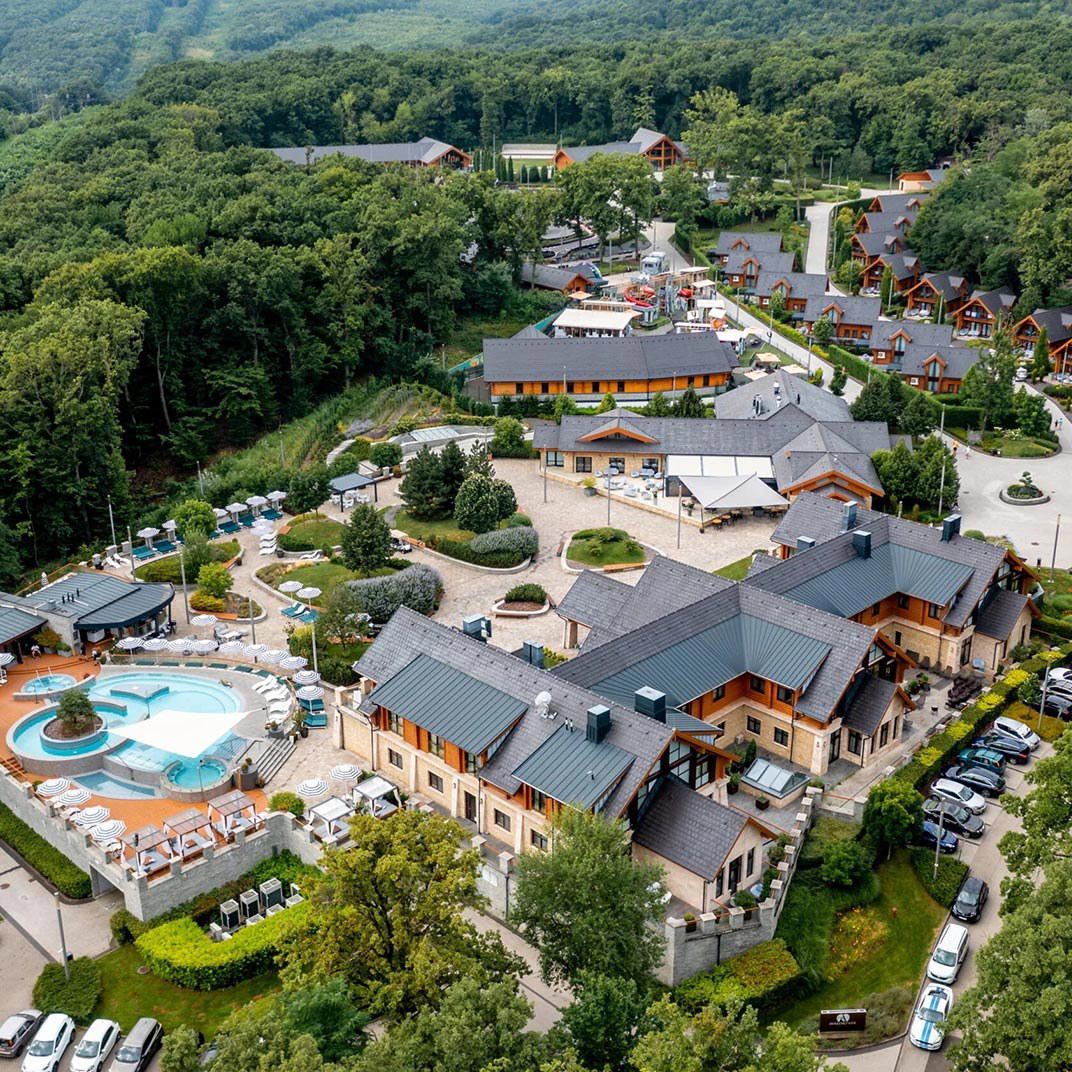
Gróf Buttler Winery sits on Nagykőporos út at the edge of Eger's hillside wine zone.
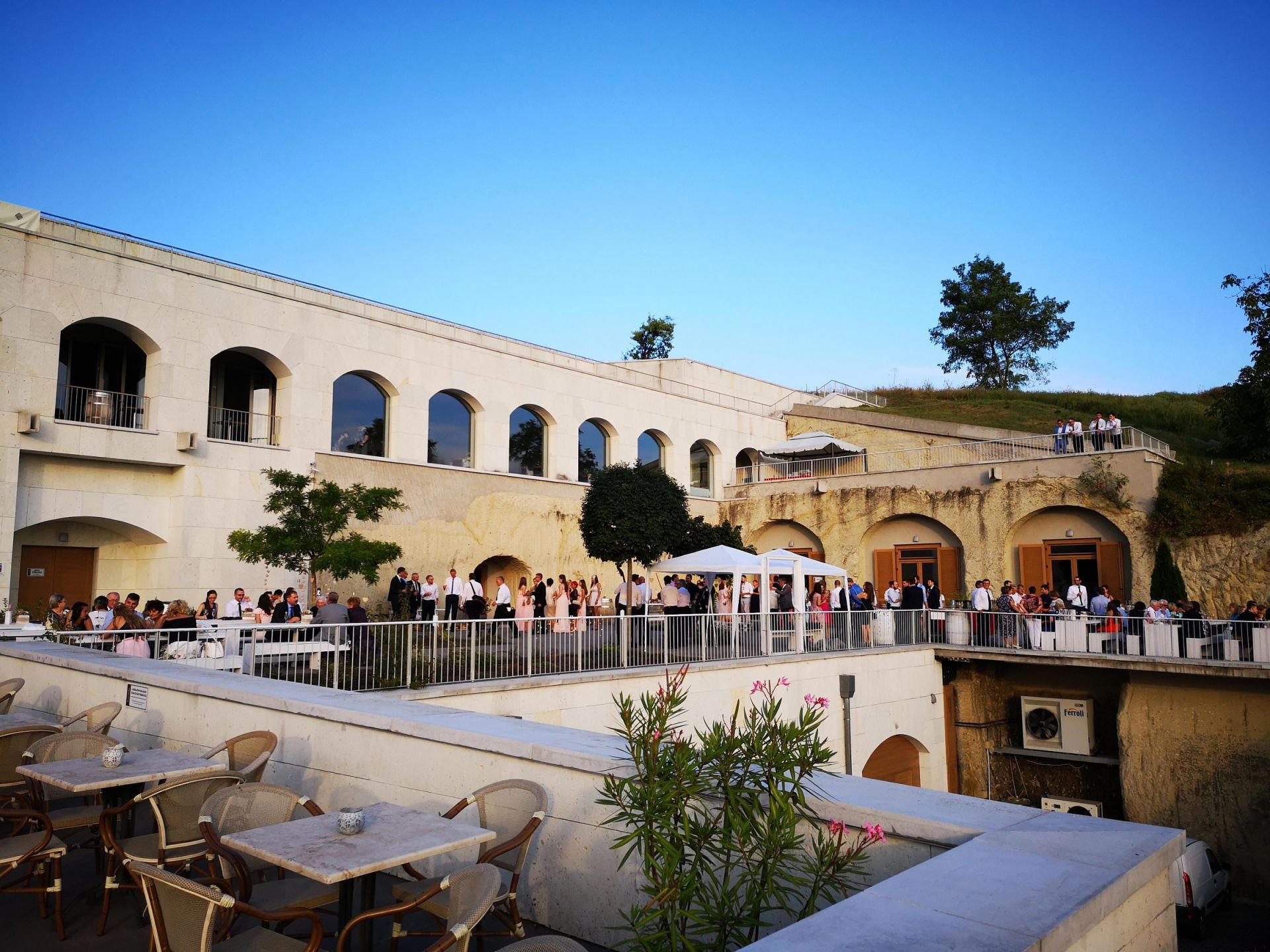
Where Eger's Hillside Wine Country Begins
Approach Nagykőporos út from central Eger and the city falls away quickly. Within minutes the streets narrow, the gradient rises, and the vineyards take over. This is the functional edge of Eger's wine zone, where the volcanic and limestone soils that define the region's character are closest to the surface and the aspect shifts toward the south and southwest. Wineries along this corridor work with a terroir that has been shaping Hungarian wine for centuries, and the physical setting announces that context before you ever reach a tasting room. Gróf Buttler Winery, at number 23 on Nagykőporos út, sits exactly here, framed by the kind of working hillside landscape that serious wine production in this part of Hungary has always occupied.
Eger's wine identity rests almost entirely on red varieties, principally Egri Bikavér, the famous Bull's Blood blend, and its component grapes: Kékfrankos, Kadarka, Merlot, Cabernet Franc, and a roster of Hungarian heritage varieties that have been undergoing a quiet rehabilitation over the past two decades. At the same time, a smaller but growing cohort of producers has pursued a more restrained, terroir-led approach that places Eger alongside Central Europe's more serious wine regions rather than simply trading on its historic name.
The Terroir Argument for Nagykőporos
Hungary's wine conversation has shifted decisively in recent years toward place-specificity. Where Egri Bikavér once functioned as a category label applied broadly, producers in the serious tier now argue for individual parcels, distinct elevations, and specific soil profiles. The Nagykőporos ridge is one of the sites at the centre of that argument. The combination of rhyolite tuff, volcanic sediment, and good sun exposure produces wines with structure and acidity that can support extended cellaring, a profile that separates them from the lighter, earlier-drinking styles produced on flatter ground closer to town.
This matters for understanding where Gróf Buttler sits in the regional picture. An estate on Nagykőporos út is not making the same argument as one operating from a warehouse on the plain. The physical location is itself a credentialing signal, visible in the approach, legible in the wines. Producers here tend to work with lower yields, older vines where available, and a slower timeline from vineyard to release.
Eger in Context: Hungary's Second Wine Narrative
Within Hungary, Tokaj dominates international perception. The sweet Aszú wines of the Tokaj-Hegyalja appellation have UNESCO heritage status and a global distribution infrastructure that Eger cannot match. Estates like Disznókő in Mezőzombor, Royal Tokaji in Mád, Tokaj Hétszőlő in Tokaj, and Tokaj Oremus in Tolcsva operate with decades of international backing and a wine style that exports cleanly. Eger's position is different: its identity is primarily red, its international profile is still being built, and its serious producers are making a case to critics and importers that the region can deliver structured, age-worthy reds at a competitive level.
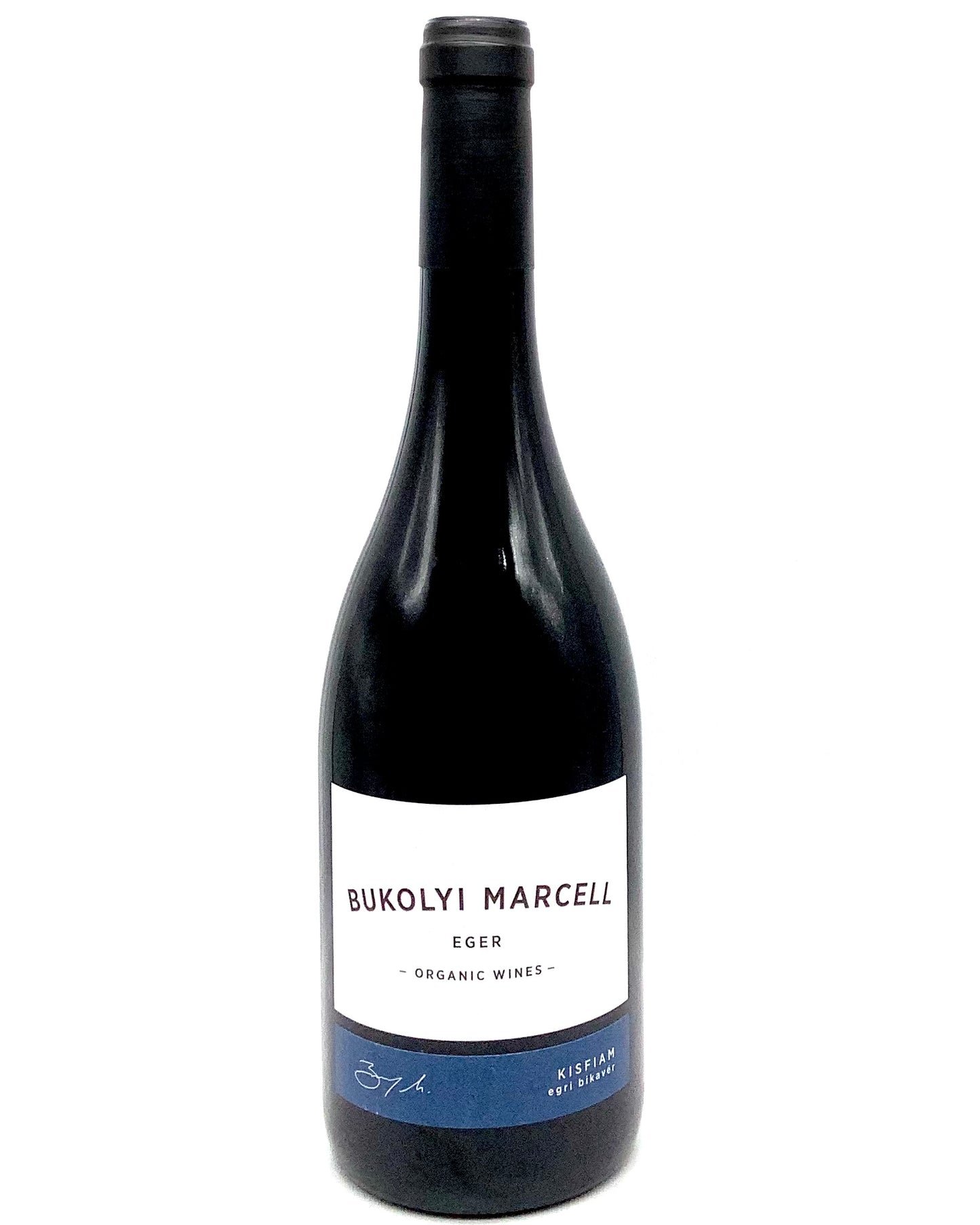
That case is becoming more credible. A cluster of estates, including Buttler, Bukolyi Winery, and Demeter Csaba Winery, are accumulating awards and critical attention at a rate that signals a regional inflection point rather than isolated individual success. For visitors and buyers paying attention to value at the premium end of Central European wine, this is the moment to engage with Eger before the pricing catches up with the quality signals.
Within the regional peer group, this level of recognition typically correlates with consistent vineyard management, cellar discipline, and a house style that holds across vintages rather than peaking in exceptional years only. Producers at this tier in Eger tend to operate with direct sales models, limited export allocation, and visitor programmes that reward early engagement. The comparison is instructive: at similarly recognised estates in other Hungarian appellations, including Árvay Winery in Rátka and Béres Winery in Erdőbénye, demand from domestic and regional buyers tends to outpace production once the awards attention arrives. Internationally, the comparison framework extends to credentialed smaller estates like Babarczi Winery in Gyor, and even to highly focused single-origin production models seen at distillery estates like Aberlour in Aberlour or allocation-based American producers such as Accendo Cellars in St. Helena, where the principle of limited, terroir-specific production drives both quality signal and scarcity.
Planning a Visit to Nagykőporos
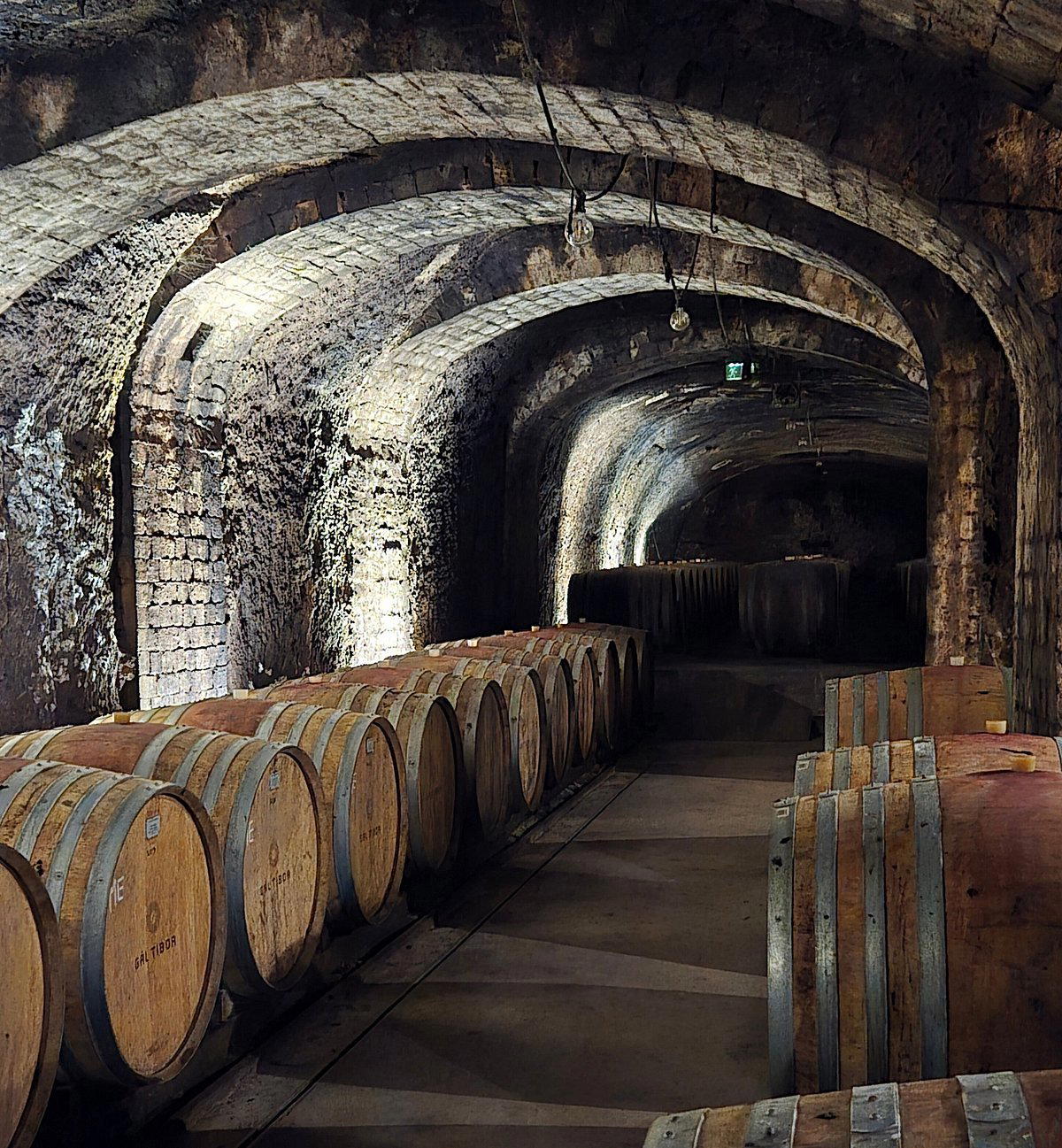
Eger is approximately 130 kilometres northeast of Budapest, accessible by direct train in under two hours from Keleti station, making it a practical day trip or a short overnight for visitors based in the capital. The wine district along Nagykőporos út is within reach of the city centre on foot or by taxi, and the hillside location means the approach itself is worth building into the visit rather than rushing past. Because booking information for Gróf Buttler Winery is not publicly listed at the time of writing, contact via the estate's address at Nagykőporos út 23, 3300 Eger, or an approach through a local wine specialist or the Eger tourism office is the practical route to arranging access. Visitors already planning to cover multiple producers should note that Bolyki Winery and Gál Tibor Winery operate in the same zone and can be grouped efficiently. The full picture of what Eger's producer scene currently looks like is mapped in our full Eger restaurants guide.
Frequently asked questions
Where is Gróf Buttler Winery in Eger?
Gróf Buttler Winery is located at Eger, Nagykőporos út 23, 3300, Eger.
What wines should I try at Gróf Buttler Winery?
Eger's core identity runs through Egri Bikavér and the varieties that build it: Kékfrankos, Kadarka, and Cabernet Franc are the starting points at any serious estate in this appellation. Heritage Eger whites, particularly from Leányka, are worth asking about as well.
What should I know about Gróf Buttler Winery before I go?
The estate sits at Nagykőporos út 23 in Eger's northern hillside wine zone, a short drive from the city centre where the gradient and vineyard cover increase noticeably. Contact details and confirmed opening hours are not publicly listed, so reaching out through local tourism offices or Eger wine trail resources before arriving is advisable.
Do they take walk-ins at Gróf Buttler Winery?
Smaller estate wineries along Eger's Nagykőporos corridor typically operate on a mixed model: some hold open tasting hours during peak season, others run by appointment only. Confirming availability before visiting will save a wasted trip, particularly outside the summer and harvest season.
The Essentials
Comparable venues nearby, for context on price, style, and recognition.
| Venue | Cuisine | Price | Awards | Notes |
|---|---|---|---|---|
| Gróf Buttler WineryThis venue (the venue you are viewing) | Eger, Kadarka, Syrah | Not listed | Not listed | Not listed |
| Juhász Winery | Eger, Kékfrankos, Cabernet Sauvignon | $10–20 | Not listed | Not listed |
| Kovács Nimród Winery | Verőszala Street, Kékfrankos, Pinot Noir | Not listed | Falstaff Winery - Listed | Not listed |
| Demeter Csaba Winery | Szépasszonyvölgy, Kékfrankos, Kadarka | Not listed | Not listed | Not listed |
| Bolyki Winery | Not listed | $30–50 | Not listed | Losonczy Valley, Kékfrankos, Cabernet Franc |
| Bukolyi Winery | Eger, Kékfrankos, Syrah | Not listed | Not listed | Not listed |
Request a visit to Gróf Buttler Winery
Tell us when you would like to go and how many people, and we put the request to the estate and reply to you by email.
Continue exploring
More in Eger
Wineries in Eger
All wineries in Eger →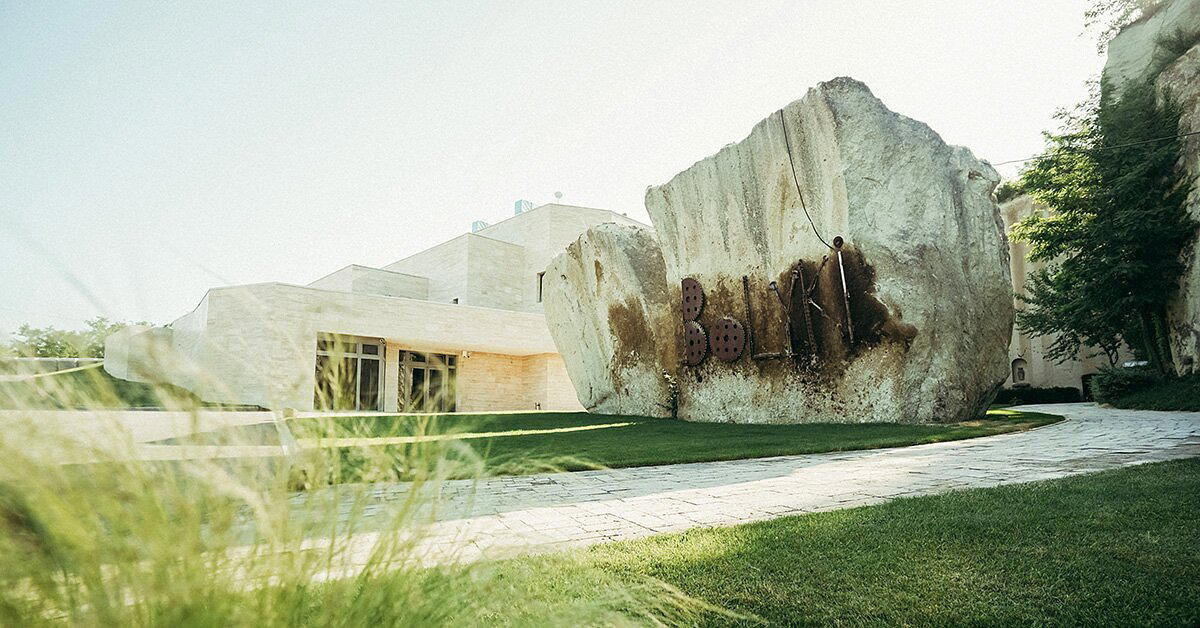
Details
- Rustic
- Scenic
- Elegant
- Classic
- Wine Education
- Special Occasion
- Vineyard Tour
- Panoramic View
- Historic Building
- Mountain
- Vineyard
- Kadarka
- Syrah
- Pinot Noir
- Kékfrankos
- Merlot
- Chardonnay
- Viognier
- Still Red
- Still White
- Guided Tasting
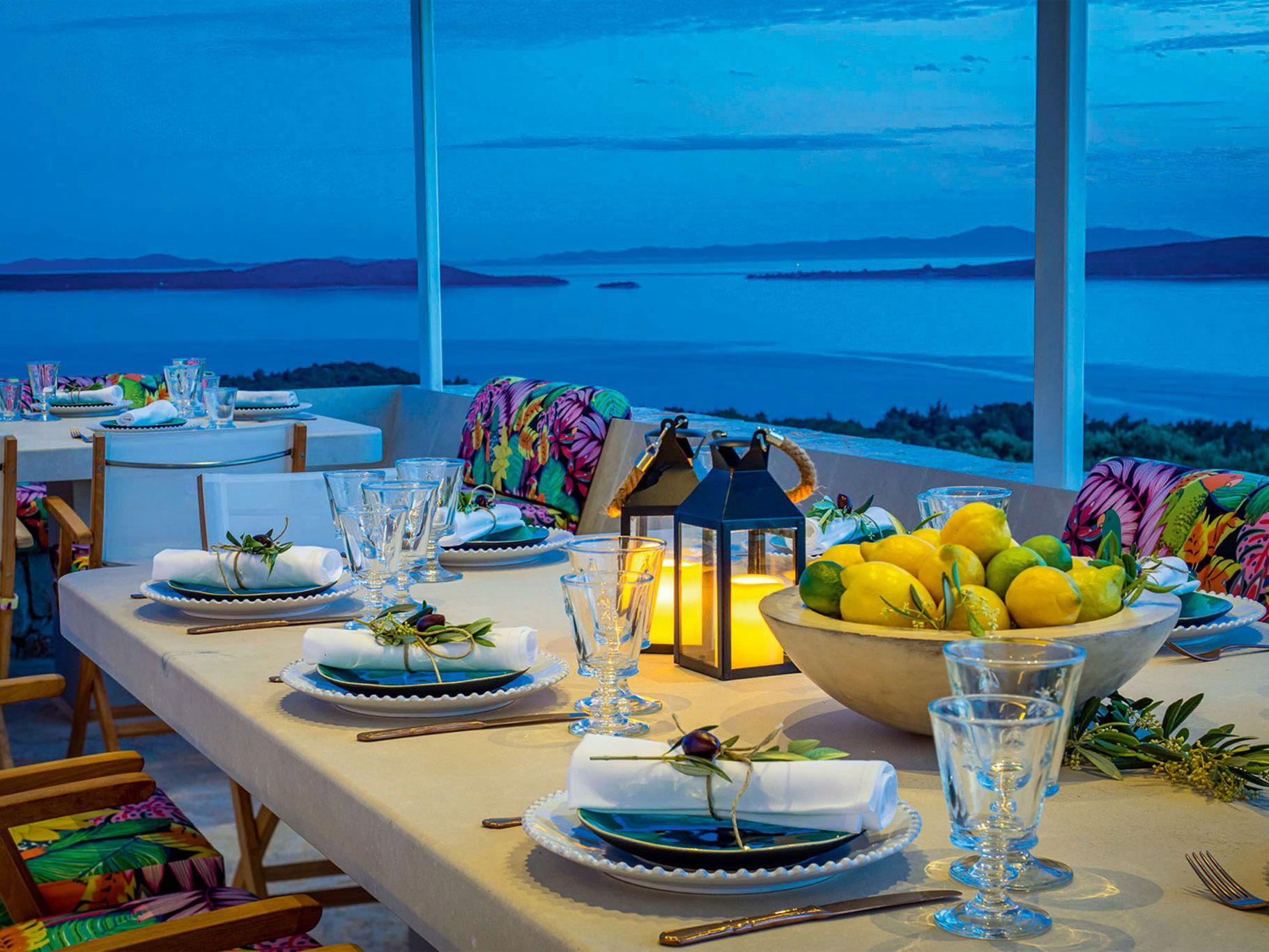
Mediterranean atmosphere with panoramic views of Eger city from the winery building.