Il Molino di Grace

Falstaff Winery - 4 Stars
Il Molino di Grace belongs to the Chianti Classico conversation where sangiovese, old vines, and the freedom of IGT Toscana meet on the same estate. Near Panzano in Chianti, the winery’s modern chapter dates to the mid-1990s, with recognition from Gambero Rosso and Wine & Spirits giving context to a focused red-wine portfolio.

Pearl is the En Primeur Club membership app, where members save venues, book tables and use the concierge.
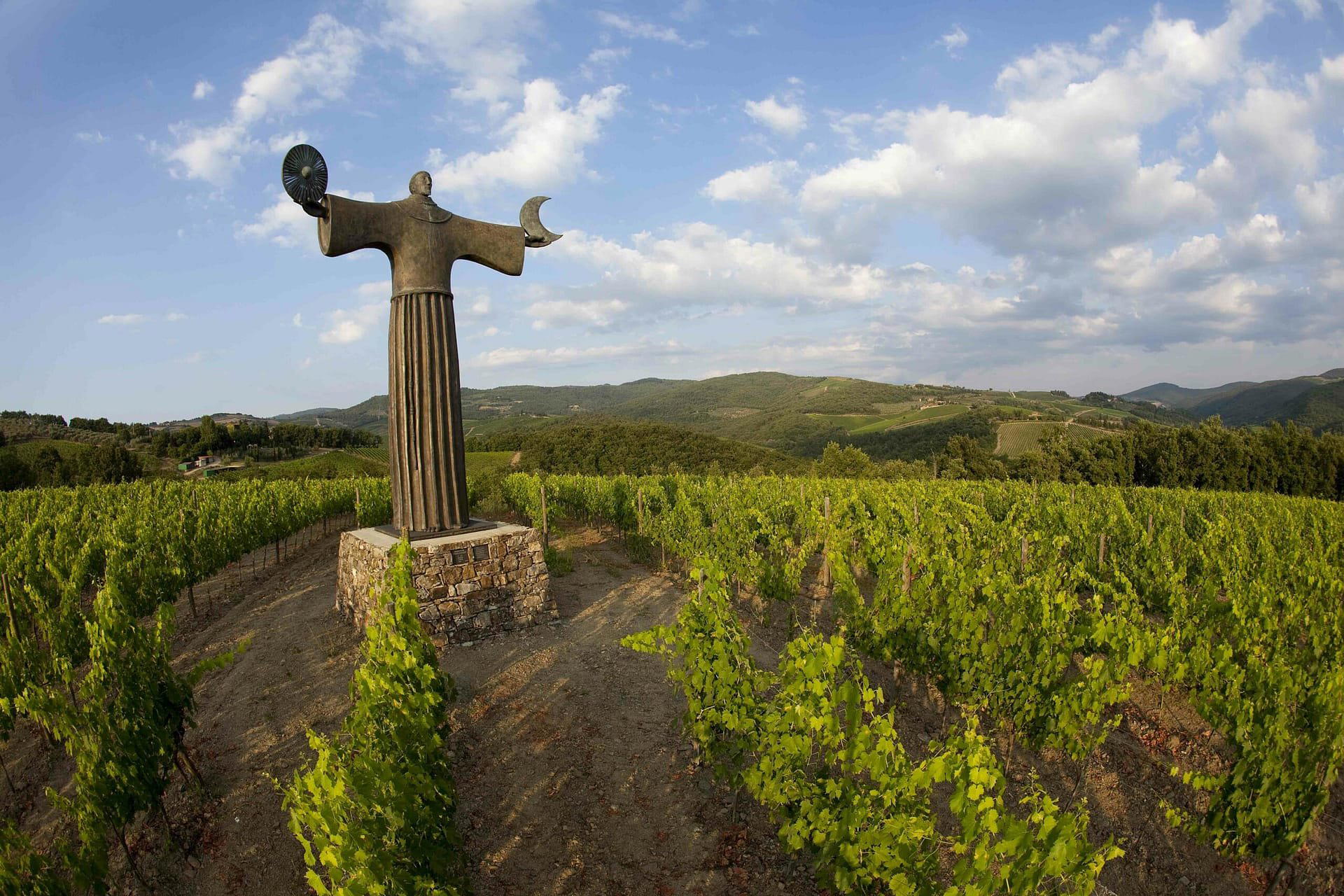
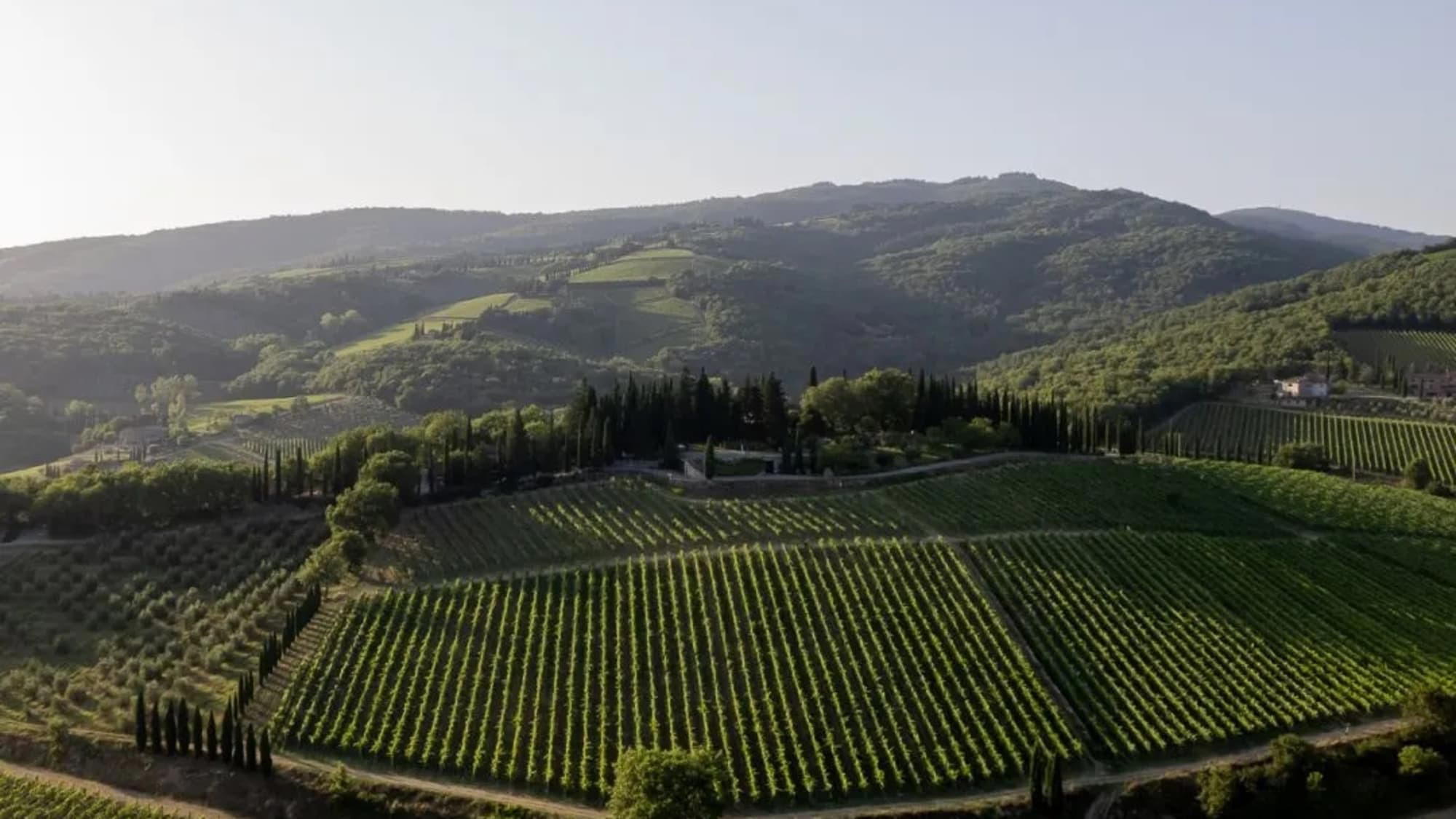
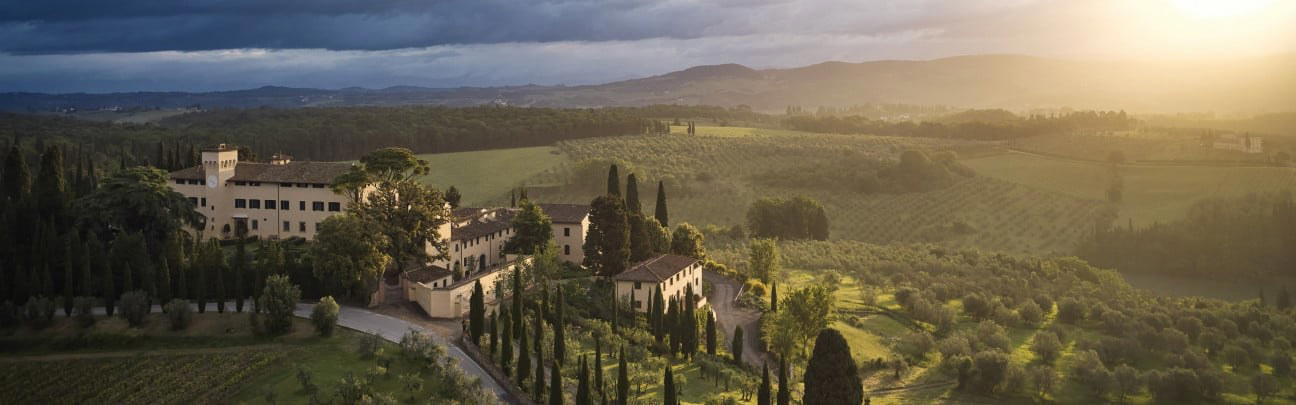
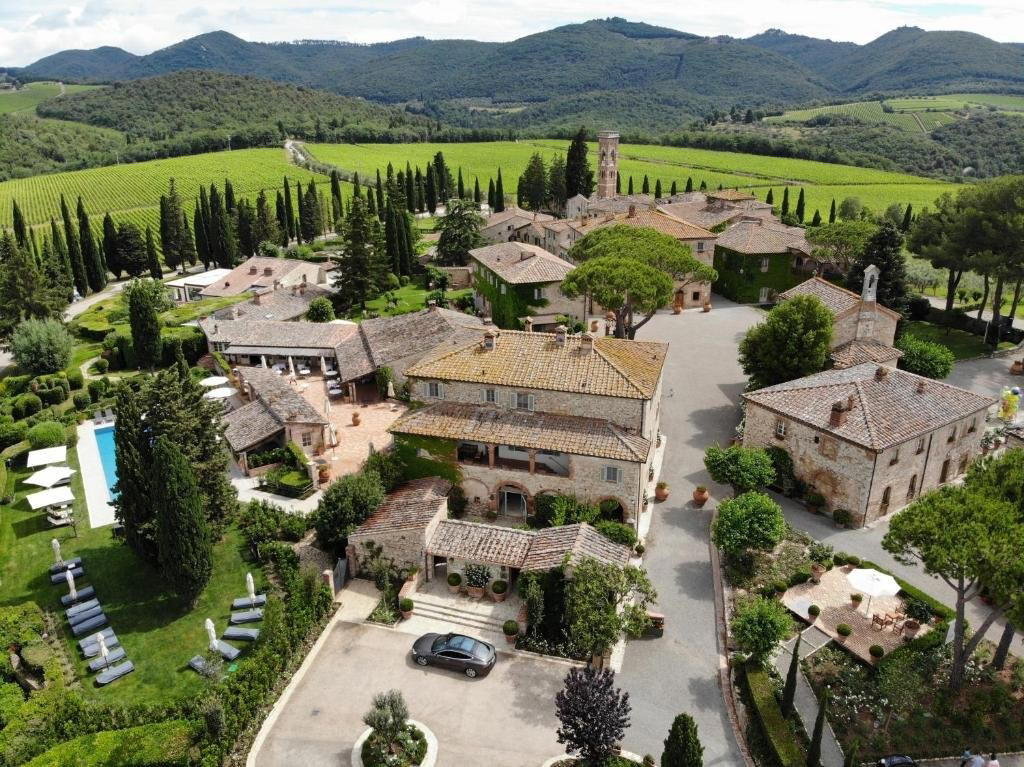
Approaching a Tuscan winery near Panzano, the first cue is usually not architecture but agriculture: vine rows, stone, the quiet scale of a working estate, and the sense that the tasting room is only one part of the story. Il Molino di Grace fits that Chianti Classico register. The property is described as about 90 hectares, with roughly 20 hectares of vineyards, set between Florence and Siena in the Greve in Chianti area. That ratio matters. This is not a hospitality concept with vines as scenery; the vineyard footprint is central to the way the wines are framed.
Chianti Classico is often misread by visitors as a single style. In practice, the region is a negotiation between appellation discipline and producer interpretation, with sangiovese carrying the argument. Here, the estate’s core signals are clear: Chianti Classico, IGT Toscana Il Margone, and IGT Toscana Gratius. The first keeps the estate tied to denomination identity. Il Margone brings cabernet sauvignon into a sangiovese-led Tuscan blend. Gratius narrows the lens again, using 100% sangiovese from the estate’s oldest vines. That triangle says more about the winery than a longer list would.
Sangiovese, old vines, and the Chianti Classico argument
The strongest reading of Il Molino di Grace is terroir-led, but not in the vague brochure sense. The estate’s vocabulary is built around Chianti Classico, estate vineyards, old vines, and organic production philosophy. In this part of Tuscany, sangiovese is prized less for easy charm than for its ability to translate site, farming, and cellar choices into structure. A 100% sangiovese bottling from older vines suggests a producer using vine age as a mark of concentration and continuity rather than relying only on blending ambition.
The IGT Toscana side of the portfolio is just as revealing. Tuscany’s IGT category has long allowed producers to step outside stricter appellation rules, often by blending native grapes with international varieties. Il Margone’s sangiovese-cabernet sauvignon composition places the estate inside that modern Tuscan conversation without abandoning local identity. The better question for visitors is not whether the estate is traditional or modern, but how it uses both registers: Chianti Classico for regional grammar, IGT Toscana for stylistic latitude.
Recognition helps place that ambition in context. Gambero Rosso named the estate “Emerging Vineyard of the Year” in 2004, and Wine & Spirits included the winery in its 20th Annual Buying Guide ’07 list of 100 wineries globally, with Il Margone also ranked among 100 wines globally in that same guide. The 2001 Chianti Classico Riserva placed 9th among 357 Tuscan reds tasted by Wine & Spirits in April 2007. Those are historical markers rather than current scores, but they show the estate’s rise was not only local enthusiasm.
A modern ownership chapter rather than inherited nostalgia
Many Tuscan estates lean heavily on family continuity. Il Molino di Grace reads differently. Its modern identity is tied to Frank Grace’s purchase in the 1990s, with Gerhard Hirmer named as winemaker in the venue attributes and Franco Bernabei associated with the wines’ development as consulting oenologist. That structure places the winery in a category familiar across ambitious Italian regions: capital, technical expertise, and focused vineyard work reshaping an existing property into a more visible producer.
That distinction is useful for travelers because it changes the expectations. The estate’s story is not built primarily on a centuries-long family narrative; it is built on a late-20th-century push toward quality recognition in Chianti Classico. For a region often packaged through rustic romance, that is a sharper lens. The atmosphere may be classic Tuscan estate, but the competitive position comes from modern stewardship, sangiovese focus, and a concise portfolio that can be read without a seminar.
The setting also explains the draw. Greve in Chianti and Panzano sit in one of Tuscany’s better-known wine corridors, where winery visits compete with long lunches, hill-town itineraries, and villa stays. For readers mapping a broader stay, the local ecosystem matters as much as any single bottle. EP Club’s Greve coverage can be useful across categories: Our full Greve in Chianti wineries guide for cellar planning, Our full Greve in Chianti restaurants guide for meals around tastings, Our full Greve in Chianti hotels guide for overnight bases, Our full Greve in Chianti bars guide for after-dinner drinking, and Our full Greve in Chianti experiences guide for non-cellar days.
How to read the visit within a wider wine itinerary
The estate is better approached as a focused Chianti Classico stop than as a broad lifestyle venue. The available format points to private tasting and vineyard-tour elements, with a quiet, rustic estate atmosphere and group suitability. Food pairing is not part of the listed offer, and the wine emphasis is still red wine. That makes the visit cleaner for travelers who want to understand sangiovese in place: vineyard, estate context, then the contrast between appellation wine and IGT Toscana expression.
Within a longer Italian wine itinerary, Il Molino di Grace also shows how Chianti Classico differs from other regions that sell scale, spectacle, or cellar architecture. The point here is not breadth. It is a compact reading of a Tuscan estate through land, vine age, and a portfolio that keeps returning to sangiovese. Nearby Greve-area winery pages such as Ambrogio e Giovanni Folonari Tenute, Antico Borgo di Sugame, Azienda Agricola La Torraccia di Presura, Basilica Cafaggio, and Cafaggio help frame how dense the local wine map becomes once Greve is used as a base.
For travelers comparing Italy with wider European wine routes, the contrast is instructive. A Chianti Classico estate built around sangiovese and Tuscan IGT flexibility occupies a different cultural lane from producers such as 3GP SRL in Treviso, 47 Anno Domini in Trebaseleghe, A Mano Wine in Noci, »der Steiner« Hans Steiner in Podersdorf am See, and & Handwein in Mannheim. Il Molino di Grace is strongest when treated as a study in Chianti’s central tension: tradition anchored by appellation, and freedom expressed through carefully chosen alternatives.
Recognition history
Dated appearances from independent guides and award organizations, with the underlying list record or original source where available.
Falstaff Winery - 4 Stars
Falstaff
Continue exploring
More in Greve in Chianti
Wineries in Greve in Chianti
All wineries in Greve in Chianti →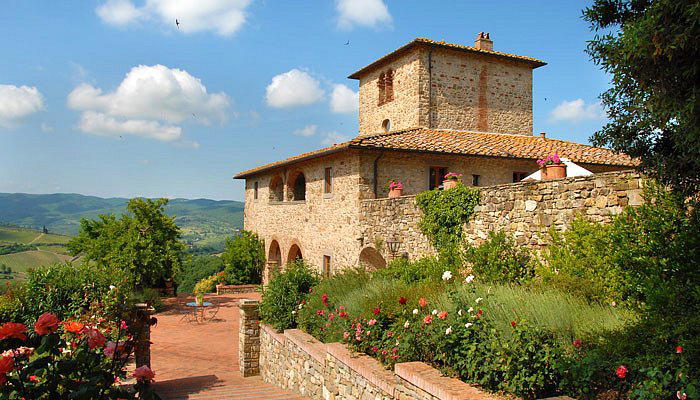
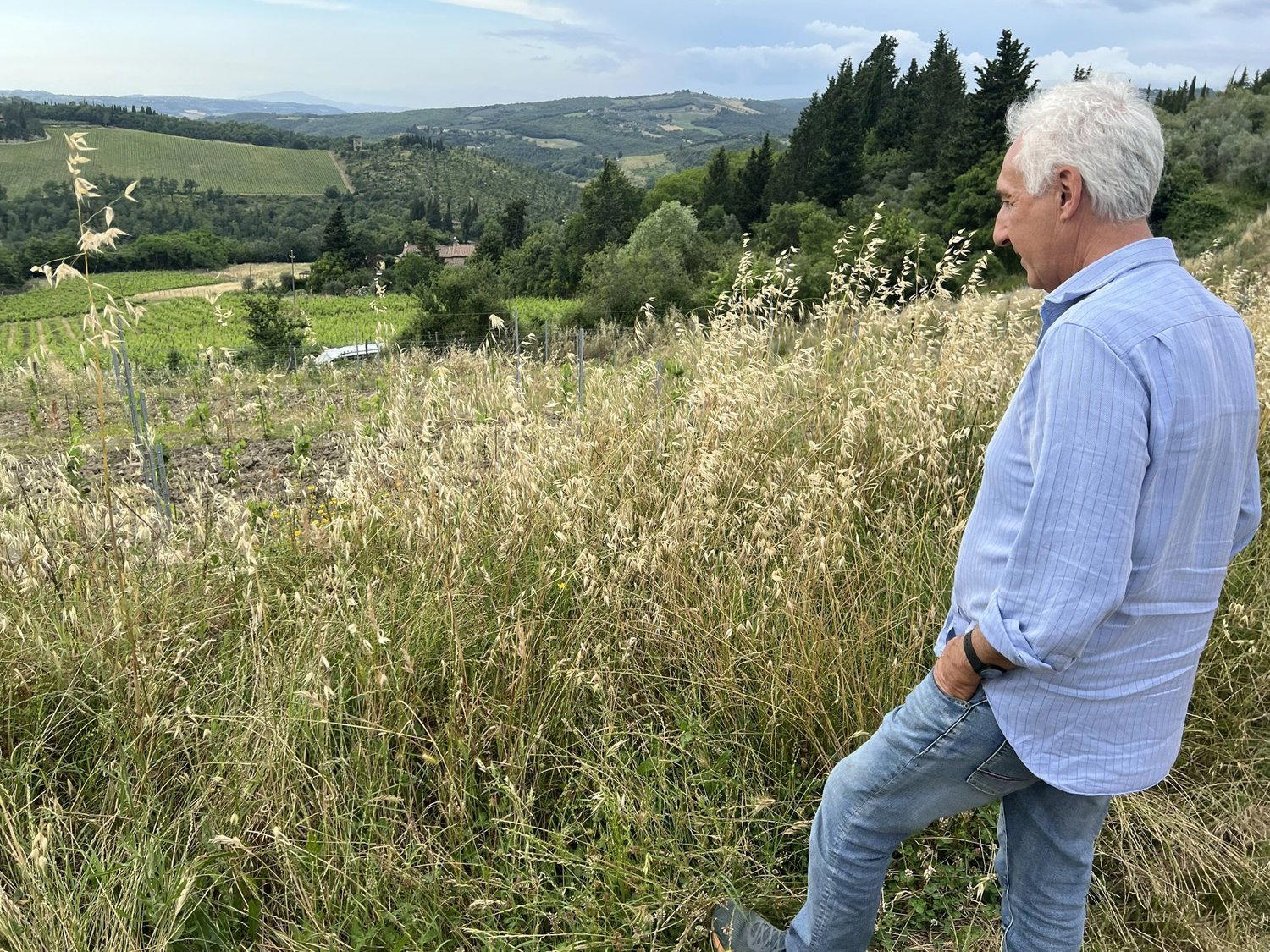
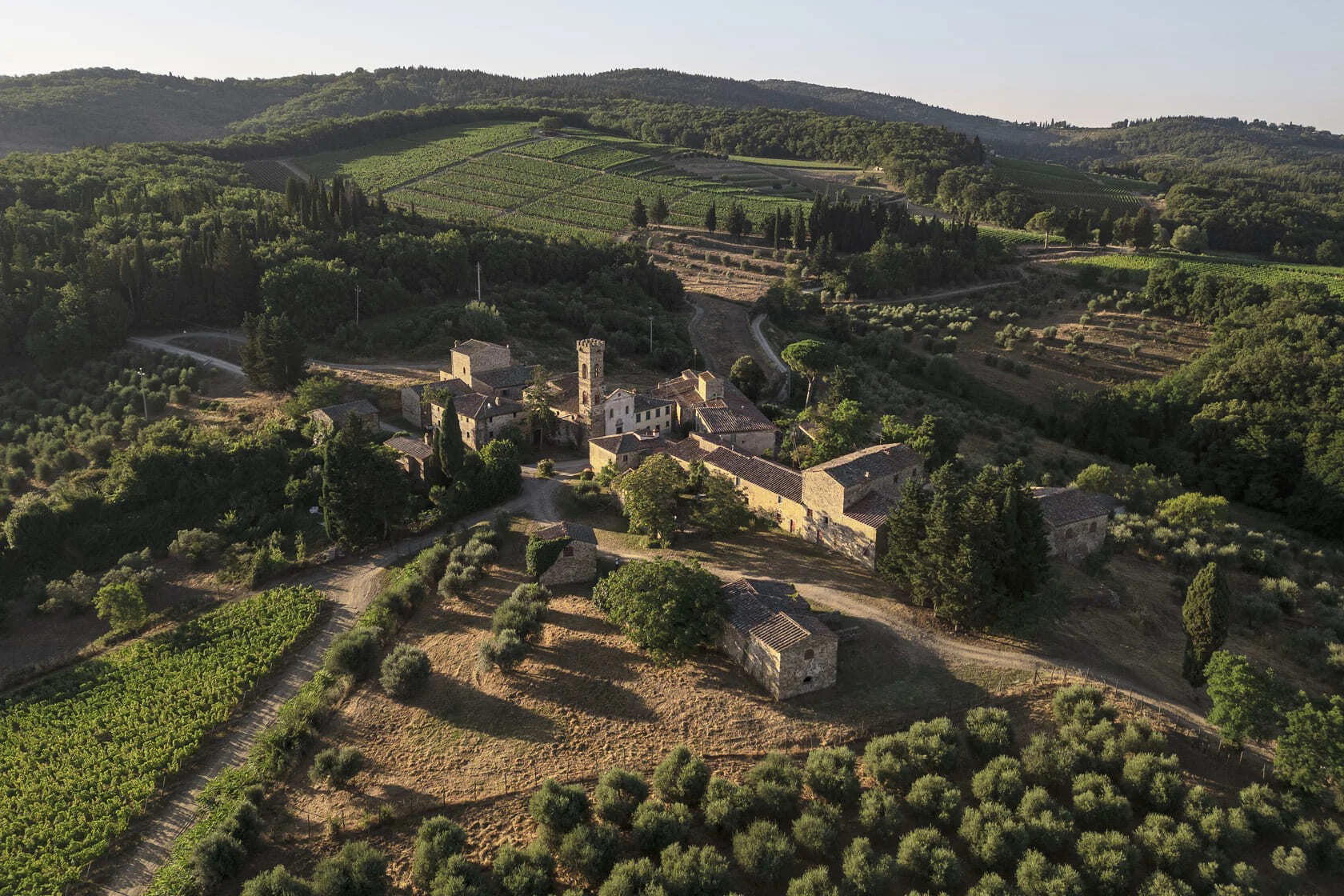
Bars in Greve in Chianti
All bars in Greve in Chianti →
Restaurants in Greve in Chianti
All restaurants in Greve in Chianti →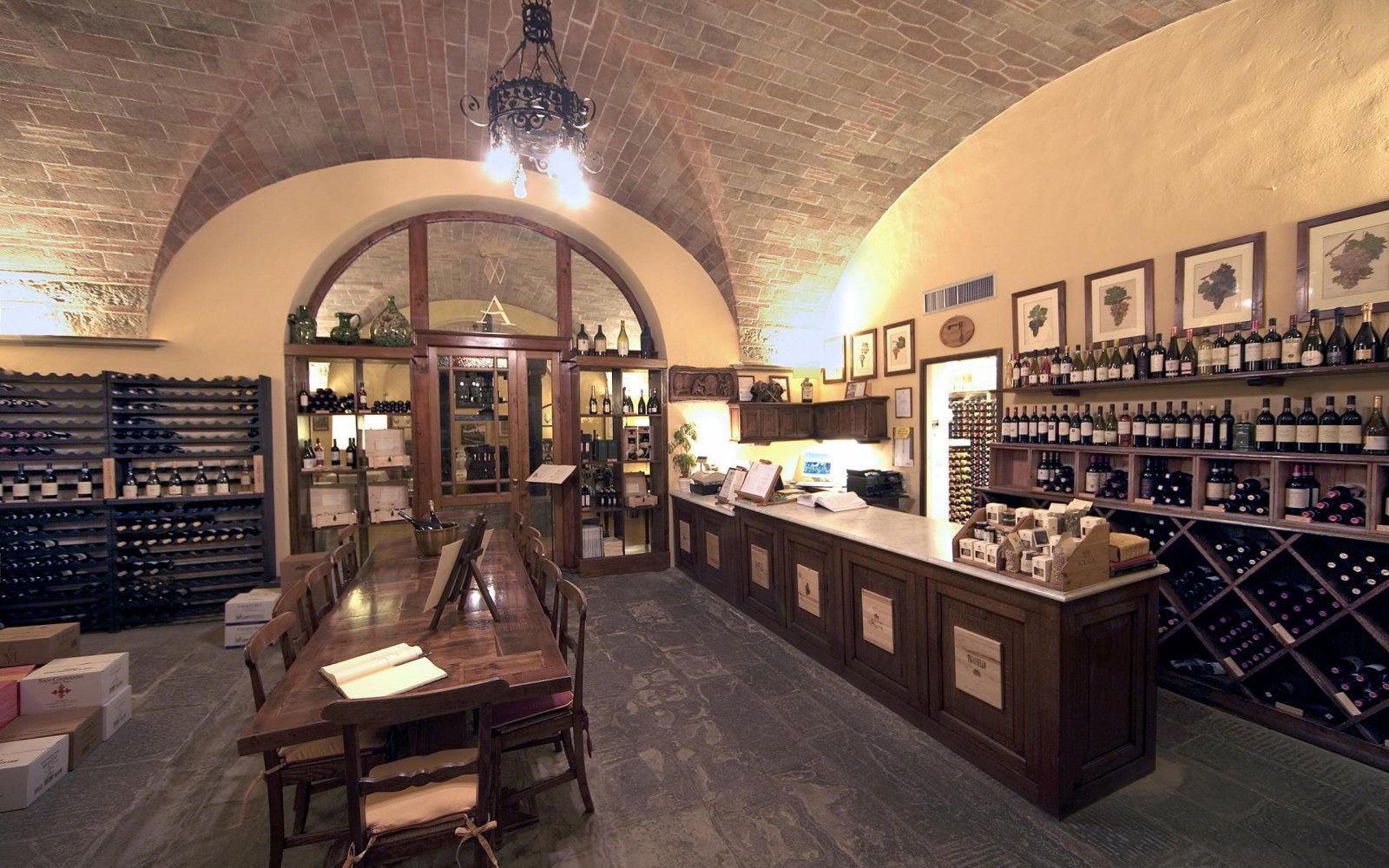
Details
- Rustic
- Scenic
- Classic
- Wine Education
- Group Outing
- Special Occasion
- Vineyard Tour
- Historic Building
- Private Tasting
- Organic
- Vineyard
- Sangiovese
- Cabernet Sauvignon
- Still Red
- Private Tasting
Current opening hours
- Monday
- 10 AM–6 PM
- Tuesday
- 10 AM–6 PM
- Wednesday
- 10 AM–6 PM
- Thursday
- 10 AM–6 PM
- Friday
- 10 AM–6 PM
- Saturday
- 10 AM–6 PM
- Sunday
- 10 AM–6 PM
Hours can change for holidays and private events. Hours as of .
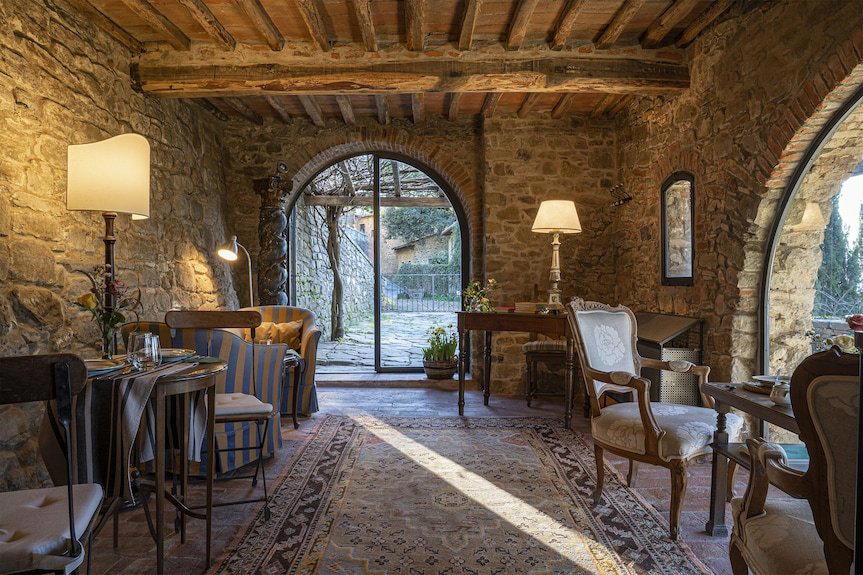
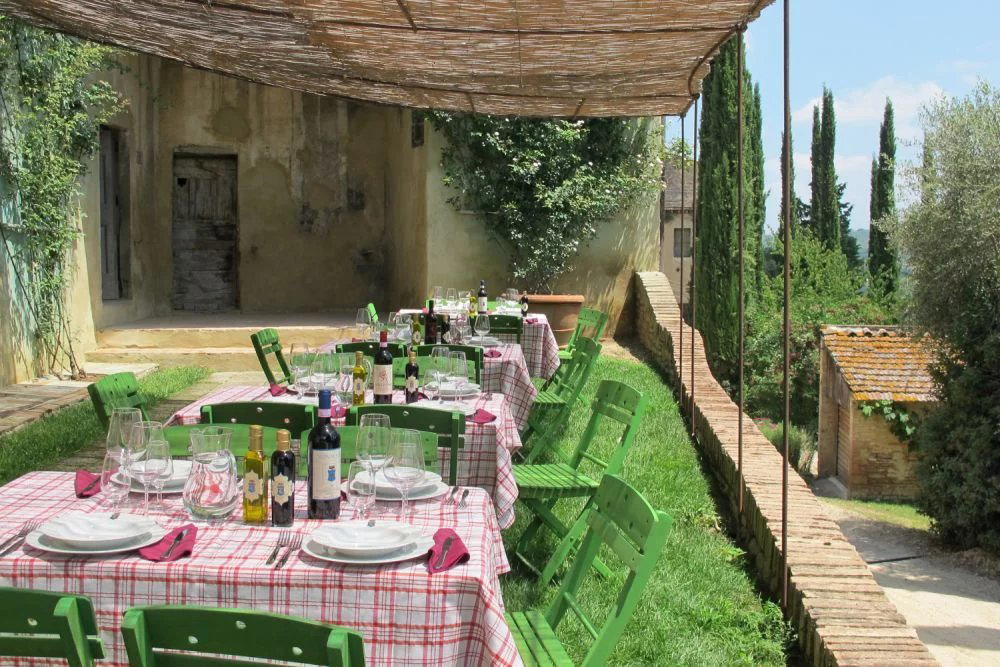
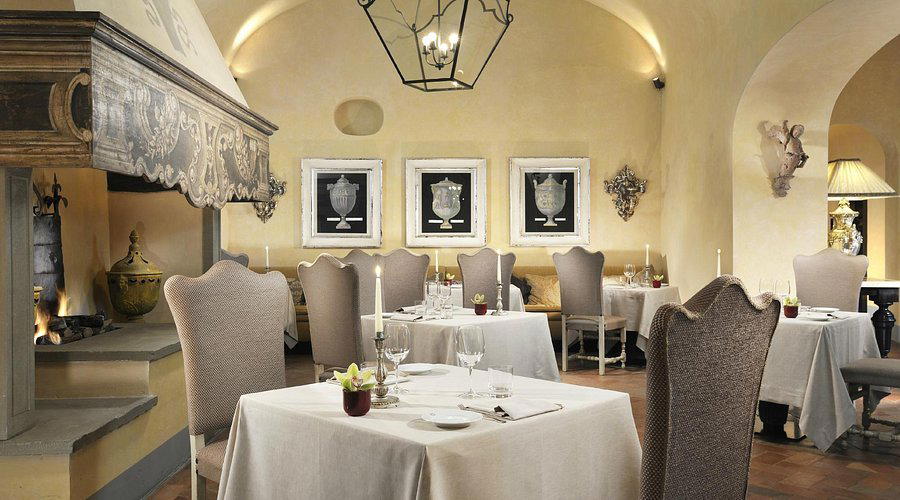
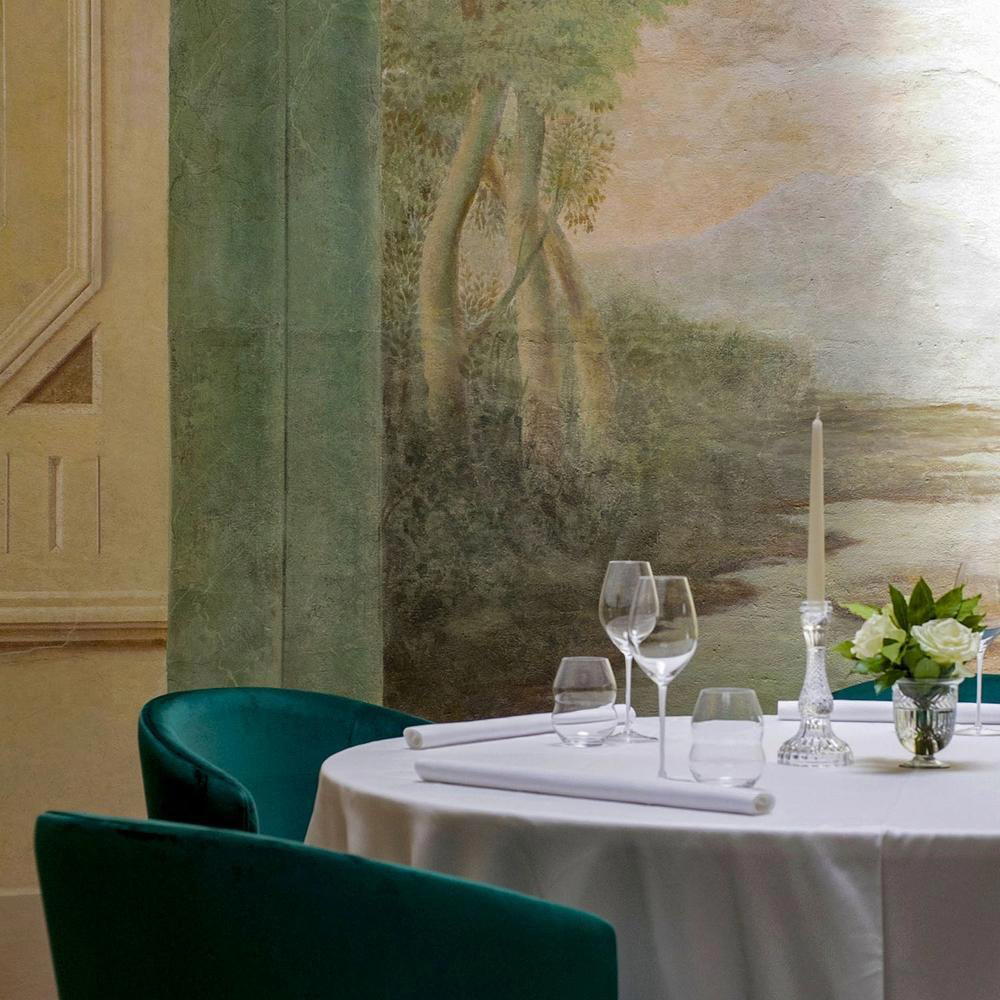
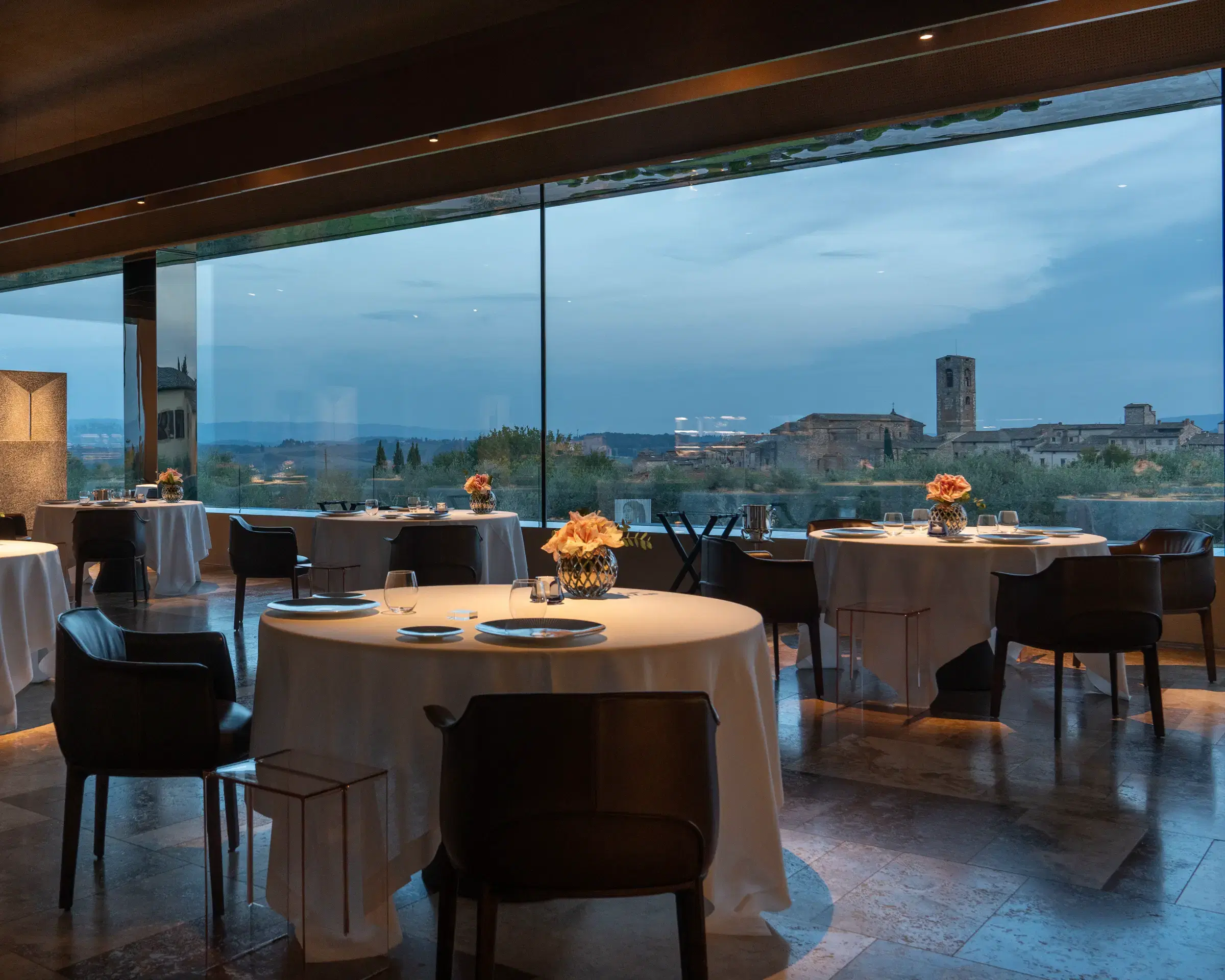
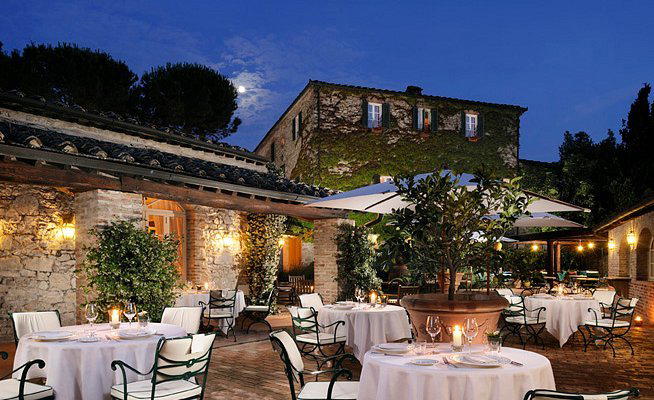
Rustic Tuscan estate atmosphere in the heart of Chianti, centered on vineyards and a historic winery setting.