Il Borghetto

Falstaff Winery - 3 Stars
Il Borghetto is a Chianti Classico agritourism estate where wine, olive oil, lodging and the surrounding hills operate as one rural hospitality format. The draw is not trophy architecture or critic-led prestige, but an organic, family-run property in San Casciano V P with small-scale tastings, Mediterranean food pairings, vineyard and garden views, and an archaeological layer on the estate itself.

Pearl is the En Primeur Club membership app, where members save venues, book tables and use the concierge.

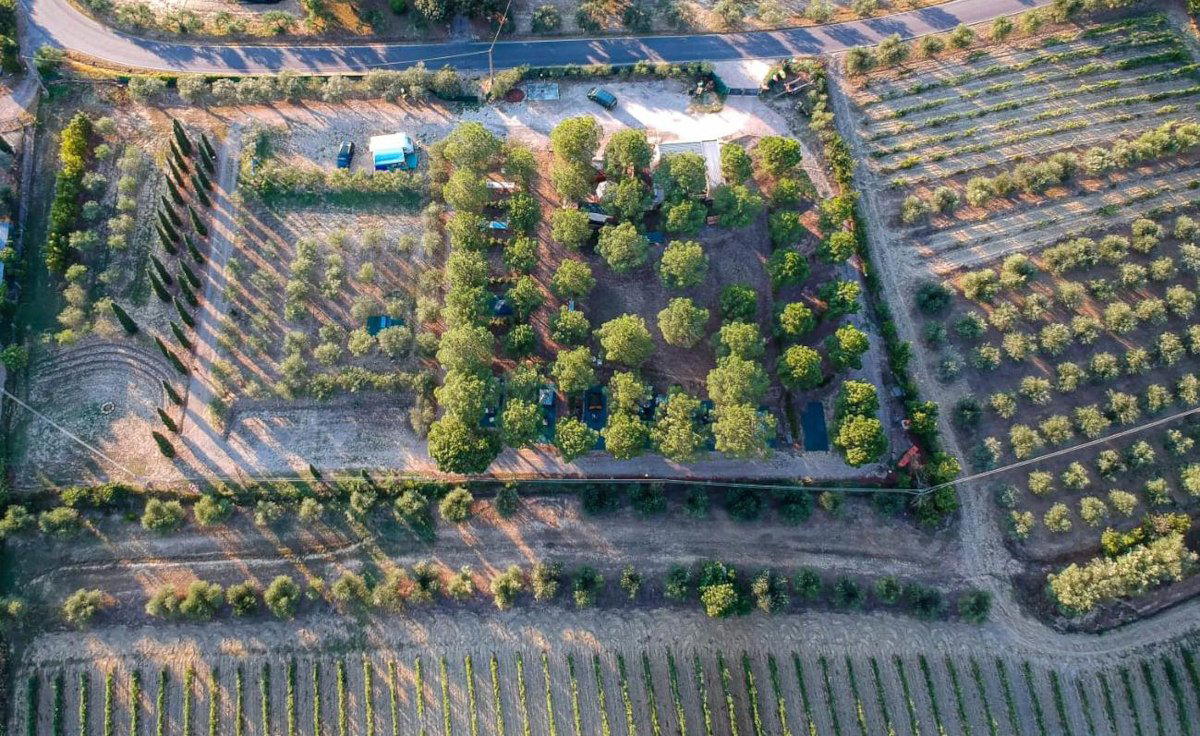
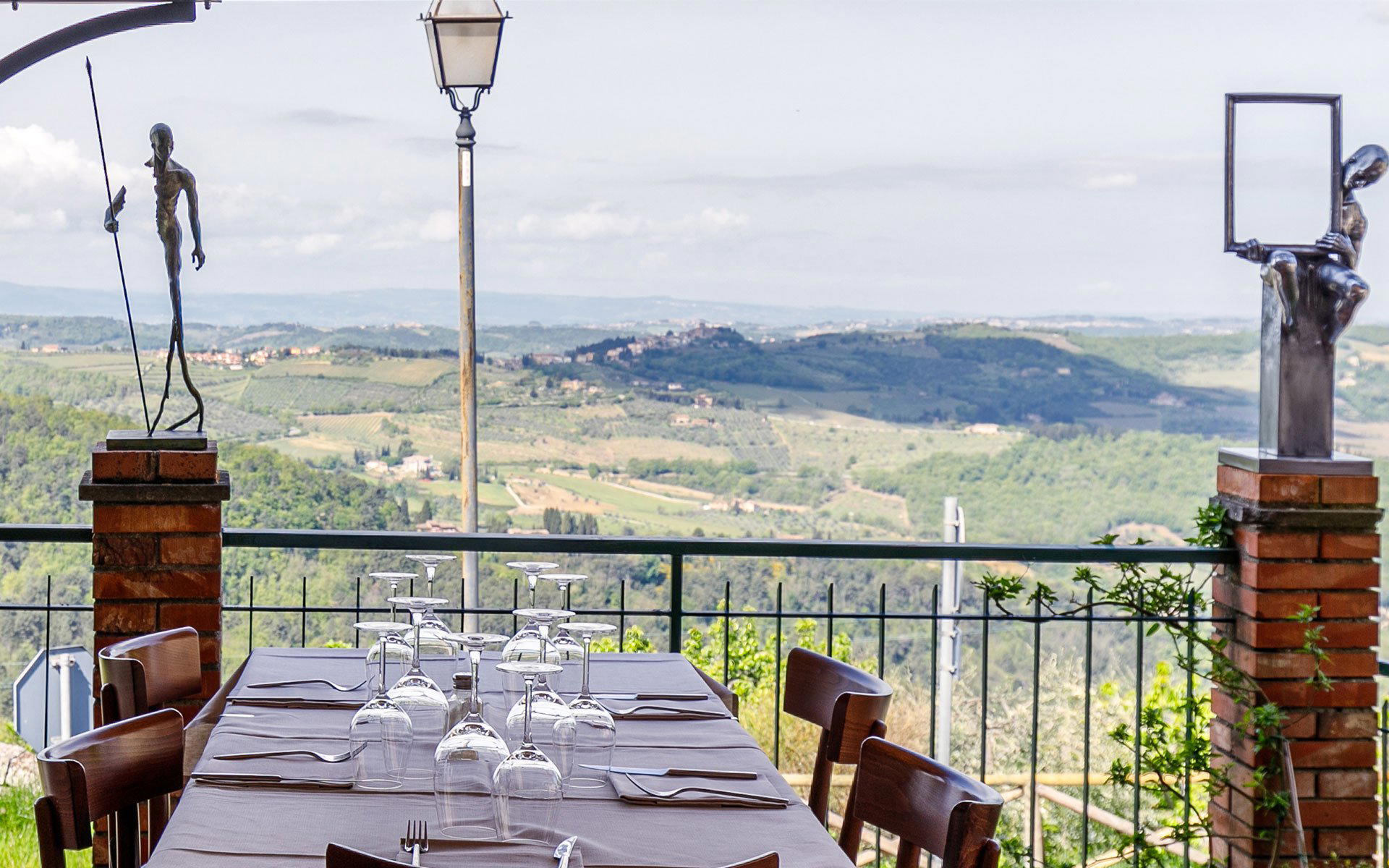
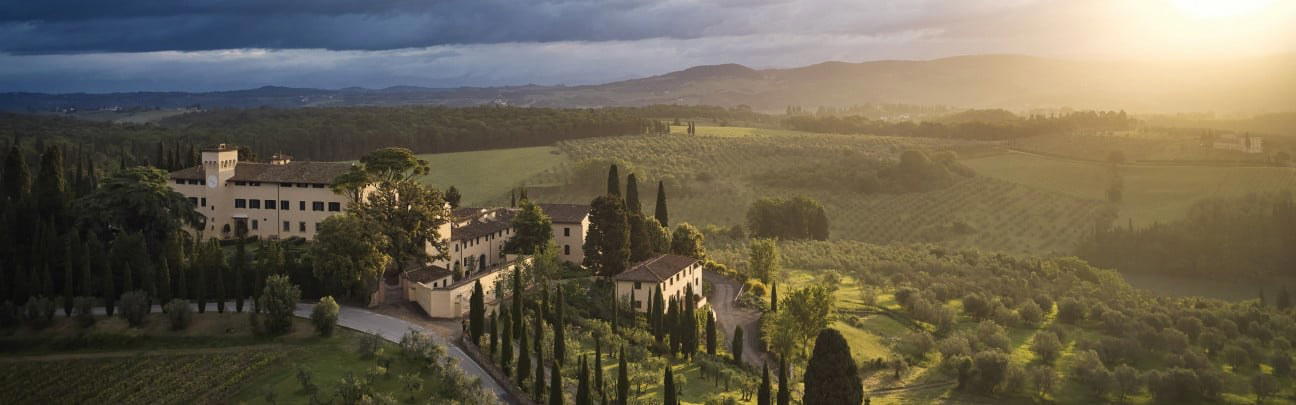
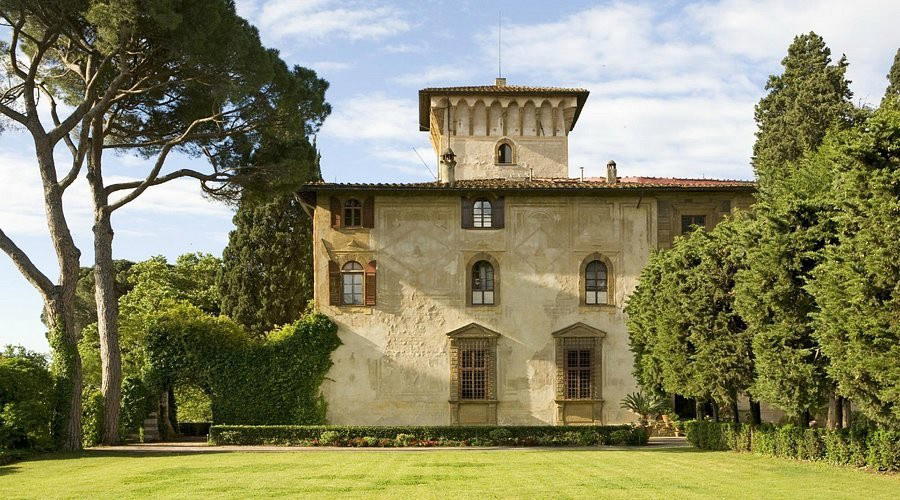
The Chianti hills work differently when the winery is also the inn, the garden, the kitchen and the afternoon walk. At Il Borghetto, the approach is rural rather than showroom-polished: a restored medieval hamlet, vineyards and olive groves, woods, a salt-water pool and views across the Val di Pesa countryside. The setting matters because this is not a conventional cellar-door visit with a tasting counter bolted onto production. It belongs to the older Tuscan agritourism model, where wine is one expression of a working estate rather than the whole performance.
That distinction gives the place its editorial interest. Tuscany has plenty of wineries built around prestige labels, polished hospitality suites and heavily staged tastings. The more revealing category is the mixed-farm estate, where vines sit beside olive trees, vegetable gardens feed the kitchen and hospitality slows the visit into a stay. Il Borghetto sits in that lane: organic agriculture, small artisanal red-wine production, family stewardship and a country-inn rhythm rather than a luxury-release narrative.
Organic Chianti hospitality built around land rather than spectacle
The estate’s wine identity is red-led and tied to Chianti Classico. Sangiovese is listed among the varietals, and the portfolio includes Bilaccio IGP, Rosie IGP, Clante IGP, Collina 21 IGP, Montigiano IGP, Monte de Sassi Chianti Classico and Paz Passito. That range is useful context for travelers because it suggests a cellar shaped for drinking across a meal, not only for collectors chasing a narrow prestige tier. The inclusion of IGP bottlings, a Chianti Classico expression and a passito gives the tasting program a practical arc from regional reds to a sweet-wine finish.
The stronger signal, though, is agricultural. The property describes itself as fully organic and sustainable, and its production philosophy is explicitly organic. Vineyards alternate with olive trees across twelve hectares, which places the wine inside a broader Mediterranean farming pattern rather than a monoculture estate. That mosaic is central to how this kind of Tuscan hospitality reads: the vineyard is not isolated from the kitchen, the garden or the olive press.
Olive-oil program reinforces the point. Organic extra virgin olive oil is made from Morellino, Frantoiano, Pendolino and Leccino olives, pressed and bottled on property. In a Chianti visit, olive oil can be treated as a side note; here it functions as evidence of estate agriculture with the same place-based logic as the wines. For travelers interested in terroir, that matters. The land is expressed through red wine, oil, garden produce and the rhythms of a small hospitality estate.
Agritourism here means tastings, meals, walks and archaeological depth
Il Borghetto’s format is more layered than a tasting appointment alone. The property operates as a country inn and winery, with a B&B kitchen, a cottage and seasonal villa rental woven into the estate. Wine tastings can include appetizers from the Mediterranean kitchen, and cooking classes form part of the broader food program. Lunch and dinner are offered by reservation, with produce from the organic vegetable garden shaping the kitchen’s role in the experience.
The estate’s cultural marker is unusually concrete: the Etruscan Tomb of the Archer sits on the property and dates to the 7th century B.C. That detail changes the nature of the visit. Many Tuscan estates lean on vague romance; this one has a specific archaeological reference embedded in the grounds. Walks through olive groves, guided treks, bike tours, balloon excursions and wine tours in the Chianti and Brunello areas extend the property from tasting venue into countryside base.
Antonio Cavallini is named as estate manager and winemaker, but the public identity is not built around chef-like celebrity. The more persuasive credential is continuity: the owner’s family has run the renewed hamlet for three decades, with the open year listed as 1999. In a region where new hospitality projects can overproduce the fantasy of Tuscany, that longer stewardship gives the estate a steadier register.
The atmosphere is quiet, casual and small-scale. The practical fit is for travelers who want the vineyard visit to sit inside a day of slow rural movement, food and landscape, not for those seeking a high-gloss tasting salon. Group use is naturally intimate, with the property suited to small gatherings rather than large-format events. Outdoor seating, garden views and the surrounding vines are part of the draw, but the tone remains country-inn rather than resort theater.
Where it fits in a San Casciano V P wine itinerary
San Casciano V P sits in a particularly useful position for Chianti travel because the countryside remains close to Florence while retaining a farming character of its own. Il Borghetto is listed in Montefiridolfi, at the northern end of Chianti Classico, a setting that helps explain the blend of accessibility and rural quiet. Florence is given as about 20 minutes away and Siena about 40 minutes away, so the estate can work either as a countryside base or as a focused wine-and-food stop within a wider Tuscan route.
The editorial case is strongest for travelers who care about how place is assembled: vines, olive groves, garden produce, historic buildings and archaeological remains, all held within a small organic agritourism. Formal awards are not the headline here. Recognition includes a New York Times mention from 1996, but the more useful trust signal is the estate’s operating continuity, organic production stance, Chianti Classico appellation link and hospitality format.
For broader planning around the area, EP Club’s San Casciano V P coverage includes nearby winery pages for Castello di Bibbione, Castello di Gabbiano, Cigliano, Poggio Torselli and Villa Vallacchio. City-level planning sits in the full San Casciano V P wineries guide, alongside the San Casciano V P restaurants guide, San Casciano V P hotels guide, San Casciano V P bars guide and San Casciano V P experiences guide. Wider wine reading can stretch beyond Tuscany through 3GP SRL in Treviso, 47 Anno Domini in Trebaseleghe, A Mano Wine in Noci, »der Steiner« Hans Steiner in Podersdorf am See and & Handwein in Mannheim.
Recognition history
Dated appearances from independent guides and award organizations, with the underlying list record or original source where available.
Falstaff Winery - 3 Stars
Falstaff
Continue exploring
More in San Casciano in Val di Pesa
Wineries in San Casciano in Val di Pesa
All wineries in San Casciano in Val di Pesa →
Bars in San Casciano in Val di Pesa
Browse all →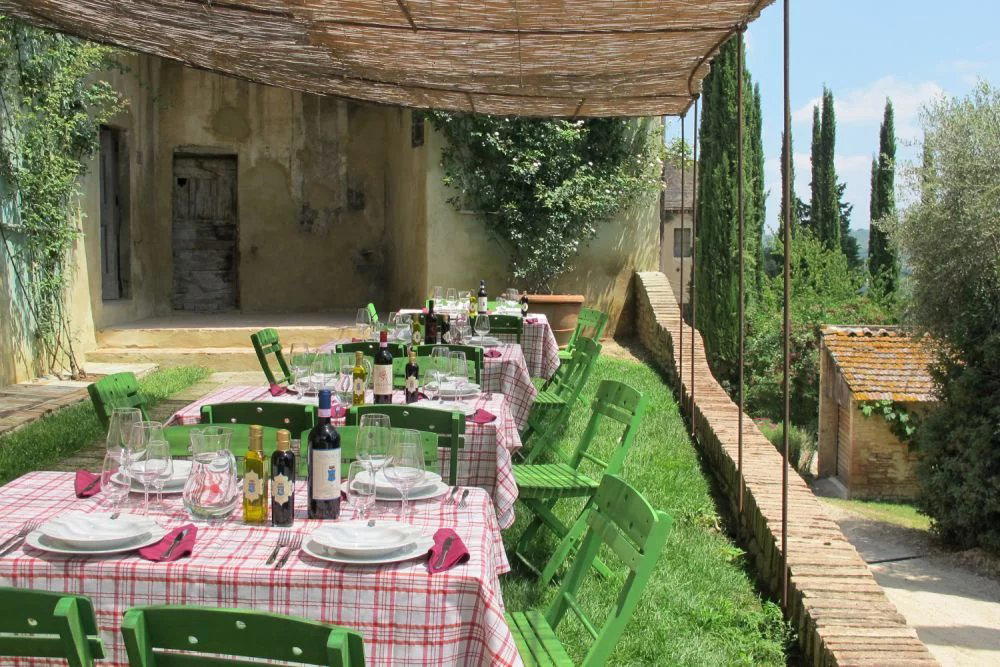
Details
- Romantic
- Scenic
- Cozy
- Rustic
- Intimate
- Romantic Getaway
- Group Outing
- Wine Education
- Special Occasion
- Family
- Vineyard Tour
- Estate Grounds
- Garden
- Panoramic View
- Historic Building
- Private Tasting
- Organic
- Biodynamic
- Sustainable
- Vineyard
- Garden
- Mountain
- Sangiovese
- Still Red
- Dessert
- Estate Tasting
- Vineyard Tour And Tasting
- Private Small Group Tasting
- Italian
- English
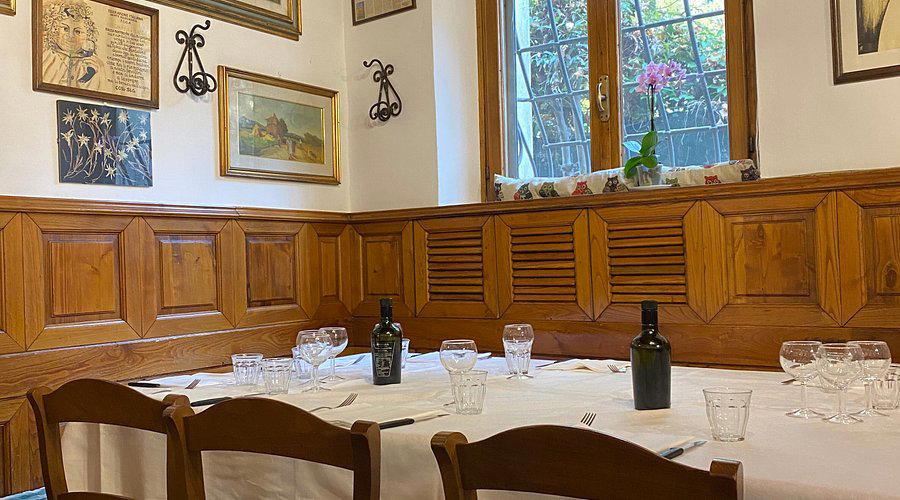
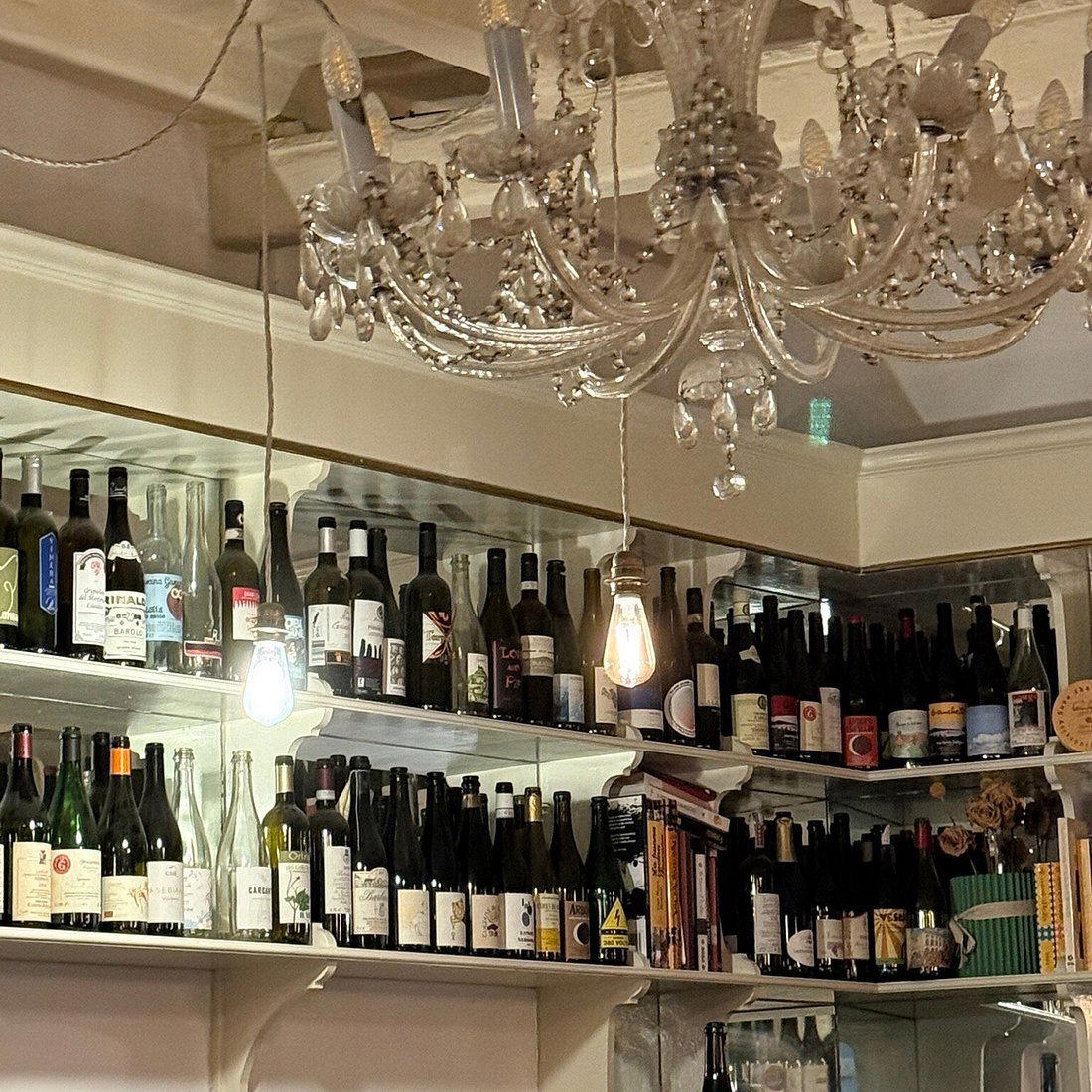
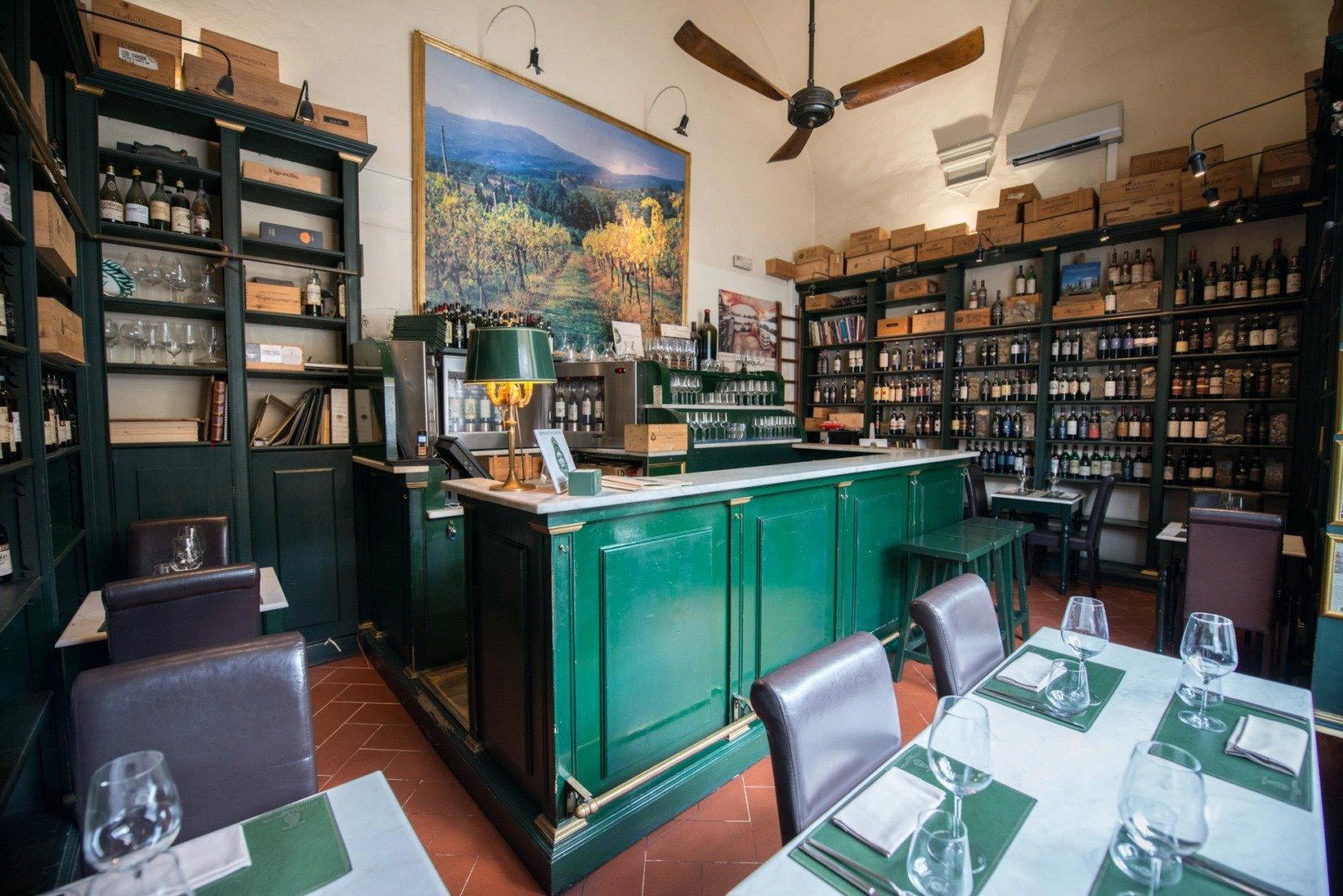
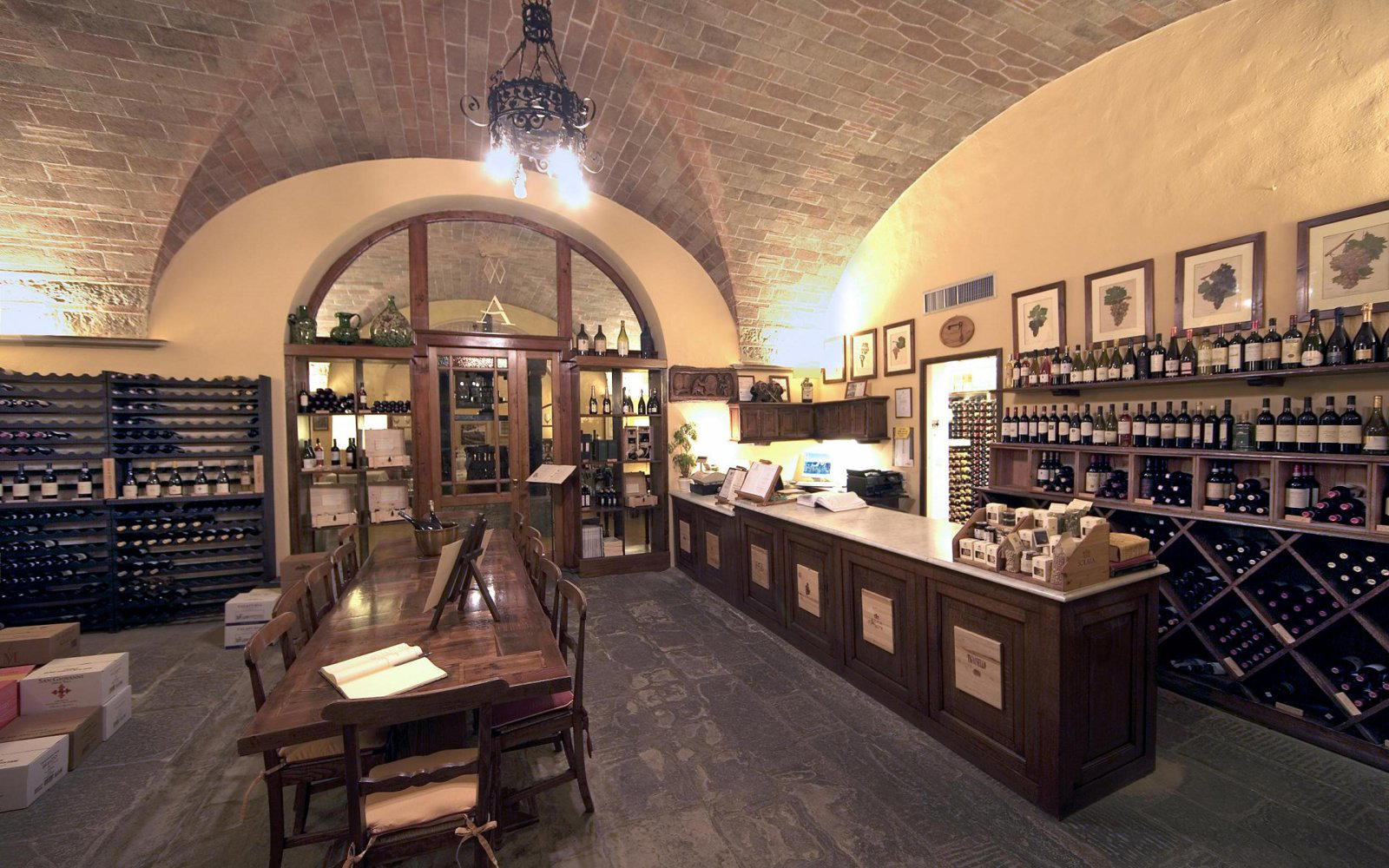
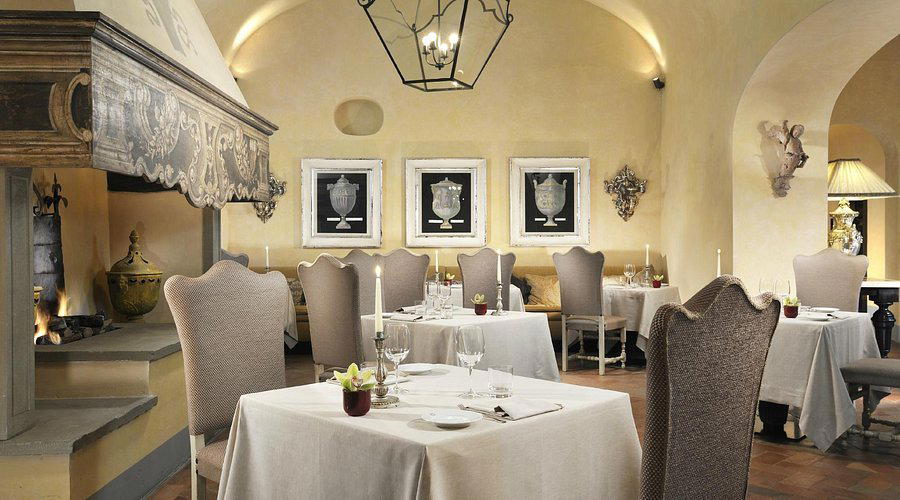
Relaxed and intimate country-inn atmosphere in a restored medieval hamlet, with a homey kitchen, fragrant garden and salt-water pool set among vineyards, olive groves and woods in the Chianti hills.