iDivini

iDivini reads as a Monferrato wine stop shaped by old vines, regional grapes, and owner-led hospitality rather than spectacle. The Isola d’Asti winery works across Barbera, Freisa, Cortese, Pinot Nero, Nebbiolo and Moscato, with tastings that lean personal, multilingual and food-friendly in a UNESCO-buffer hillside setting.
Pearl is the En Primeur Club membership app — saves, bookings, and concierge access live there. Same editors, same standards.
- Address
- Isola d'Asti, Piedmont, Italien
- Directions
- Get directions
 Saves & bookings on Pearl
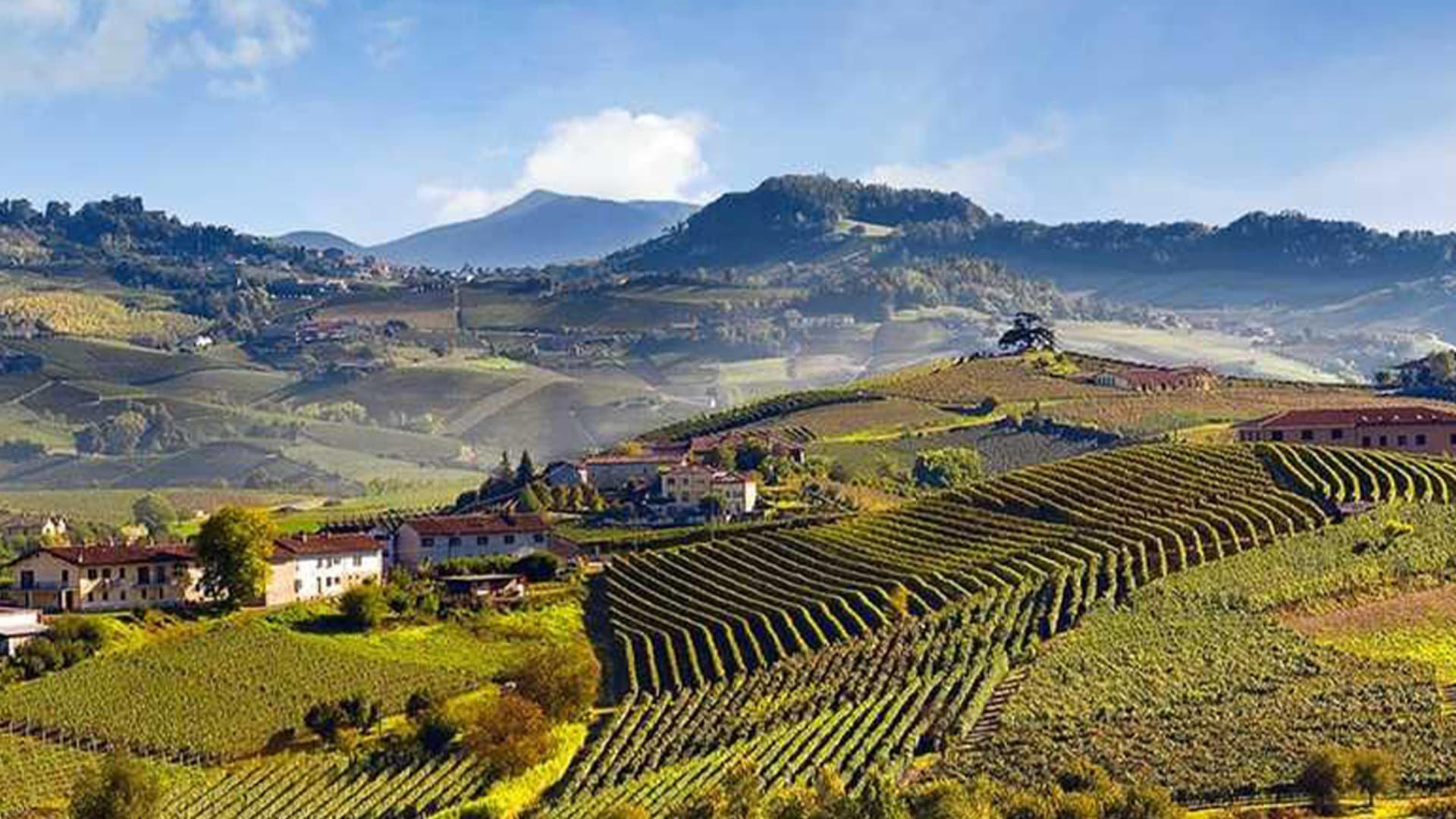
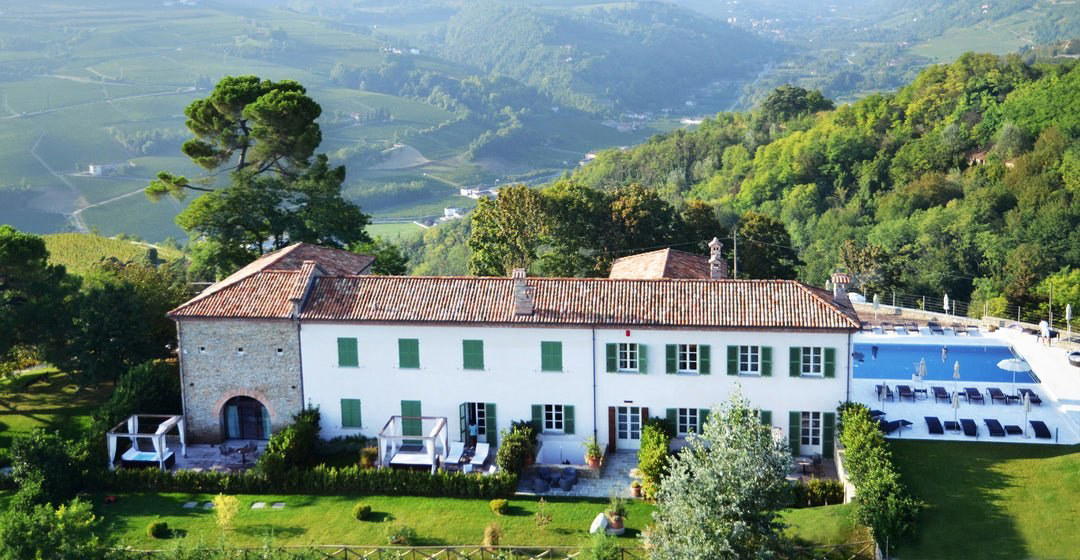
Approaching wine in Isola d’Asti means entering a Piedmont frame where vineyards are not scenery; they are the argument. The Monferrato hills, within a UNESCO World Heritage buffer zone, carry long agricultural memory, and the better small estates make that continuity legible through Barbera, Freisa and Cortese rather than grand architecture or luxury theatre. iDivini belongs to that quieter category: modern in facility, intimate in scale, and more persuasive through the hills and old vines around it than through any single label.
The first useful distinction is regional. Piedmont’s international reputation often bends toward Barolo, Barbaresco and Nebbiolo gravity, but Asti and Monferrato work on a broader register. Barbera d’Asti DOCG gives the area its most direct red-wine identity, Freisa keeps a local dialect alive, Cortese carries the white-wine thread, and Moscato confirms aromatic sweetness as part of the regional canon, not an afterthought. A winery working across those grapes is not scattered; it reflects a zone where mixed viticulture has long mattered.
Old Monferrato vines, contemporary cellar thinking
The strongest production signal is vine age. The estate works with vineyards described as 75 to 100 years old, bringing resilience and site character. That does not guarantee quality, but it creates different raw material from young, high-yielding plantings. In a region where Barbera can be simple table wine or a more serious DOCG expression, vine material changes the ceiling.
iDivini was founded in 2018 by Koen and Anna, Belgian owners working with local staff in a landscape whose agricultural logic was defined by generations of growers. The point is not founder romance; it is the increasingly visible Monferrato pattern of small, hospitality-aware estates using contemporary production facilities without abandoning local varieties. That balance is clear in the portfolio: Barbera d’Asti DOCG anchors the range, while Freisa d’Asti DOC, Piemonte DOC Cortese, Monferrato Rosso DOC blends and a traditional-method sparkling wine from Pinot Nero and Cortese widen the lens.
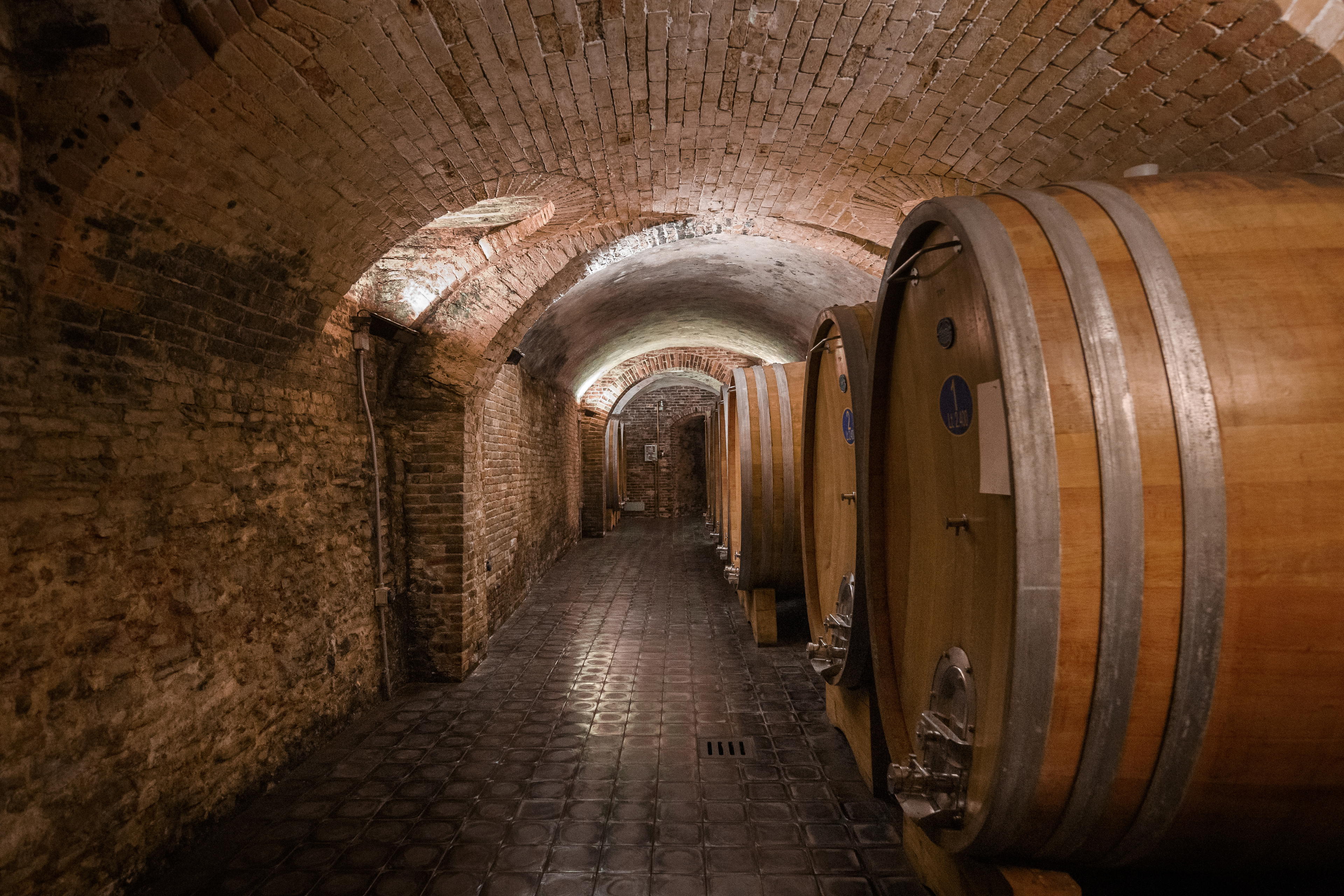
The grape list also signals ambition. Barbera, Freisa, Cortese, Pinot Nero, Nebbiolo and Moscato pull in several directions: acidity-led reds, local historic varieties, whites, sparkling base material and aromatic dessert tradition. Freisa aged in small oak barrels suggests a structured reading of a grape often treated casually, while the traditional-method sparkling format shows cellar technique beyond standard still-wine production. This is not a single-variety shrine; it is a Monferrato workbook with enough range to show how the same hills produce several wine languages.
A tasting culture built around conversation, not ceremony
Wine tourism in Piedmont splits between formal tasting-room choreography and personal cellar visits where explanation matters as much as the pour. iDivini sits closer to the second model. Hospitality is small, quiet and owner-led in tone, with standard tastings, tour-and-tasting formats, private tastings and food-pairing tastings all offered. The useful signal is not luxury polish; it is access to explanation, especially for visitors wanting to understand why Barbera, Freisa and Cortese behave differently in this part of Piedmont.
Language access strengthens that educational role. Tastings are offered in English, Italian, German, French and Dutch, an unusually broad spread for a small family-run winery and a practical advantage in a region drawing European road-trippers as well as destination wine collectors. Food pairings matter because Monferrato wines often make more sense with local fat, salt and cheese than as isolated analytical samples. Barbera’s acidity, Freisa’s rustic edge and Cortese’s freshness are easier to read at the table.
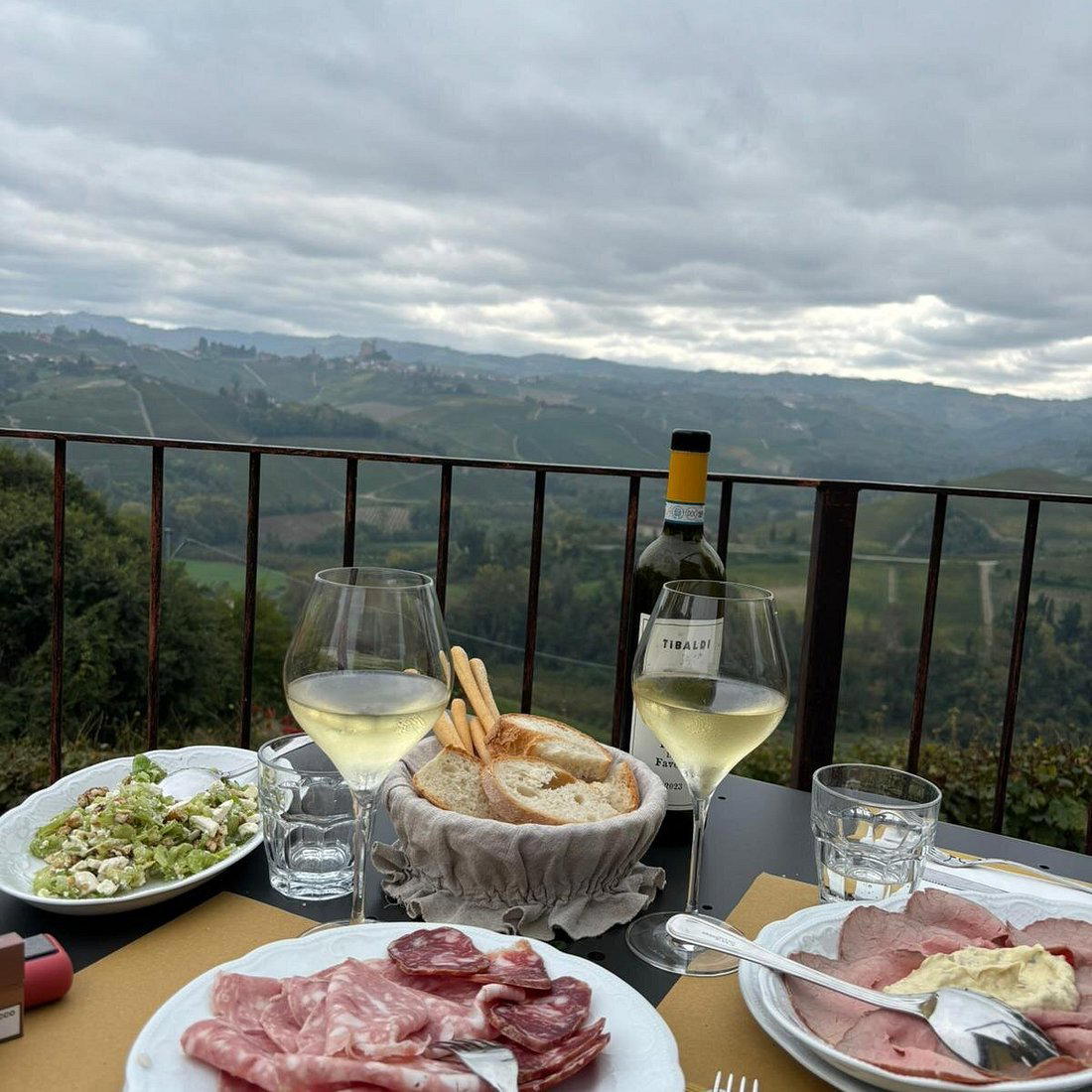
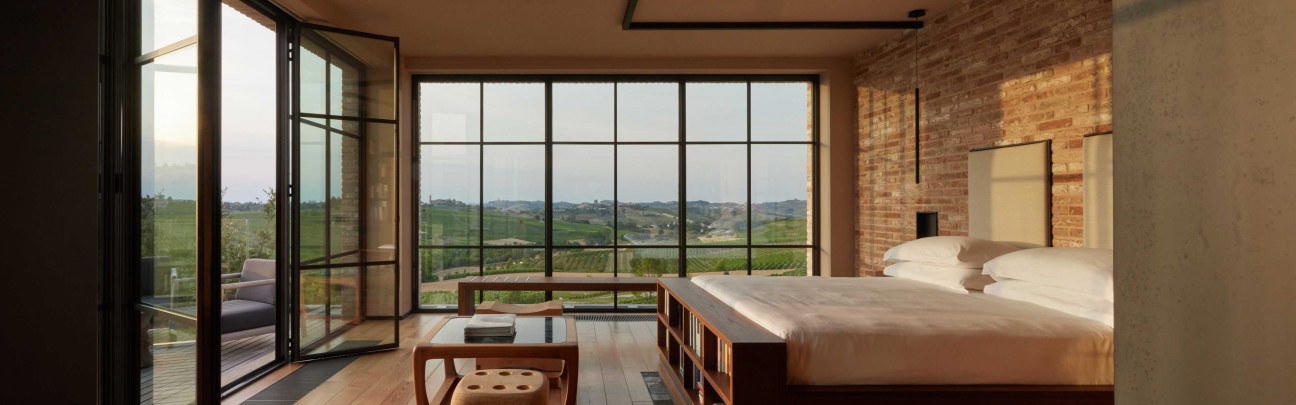
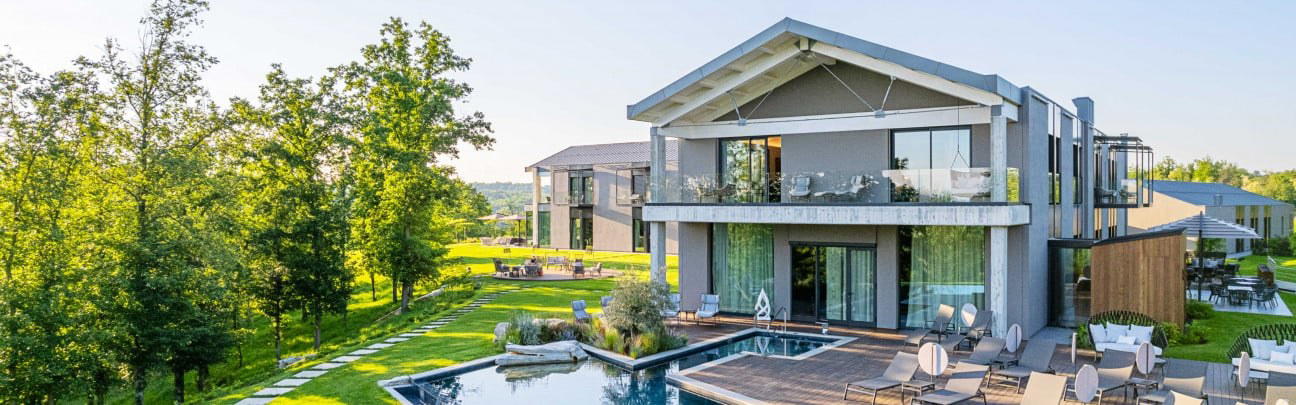
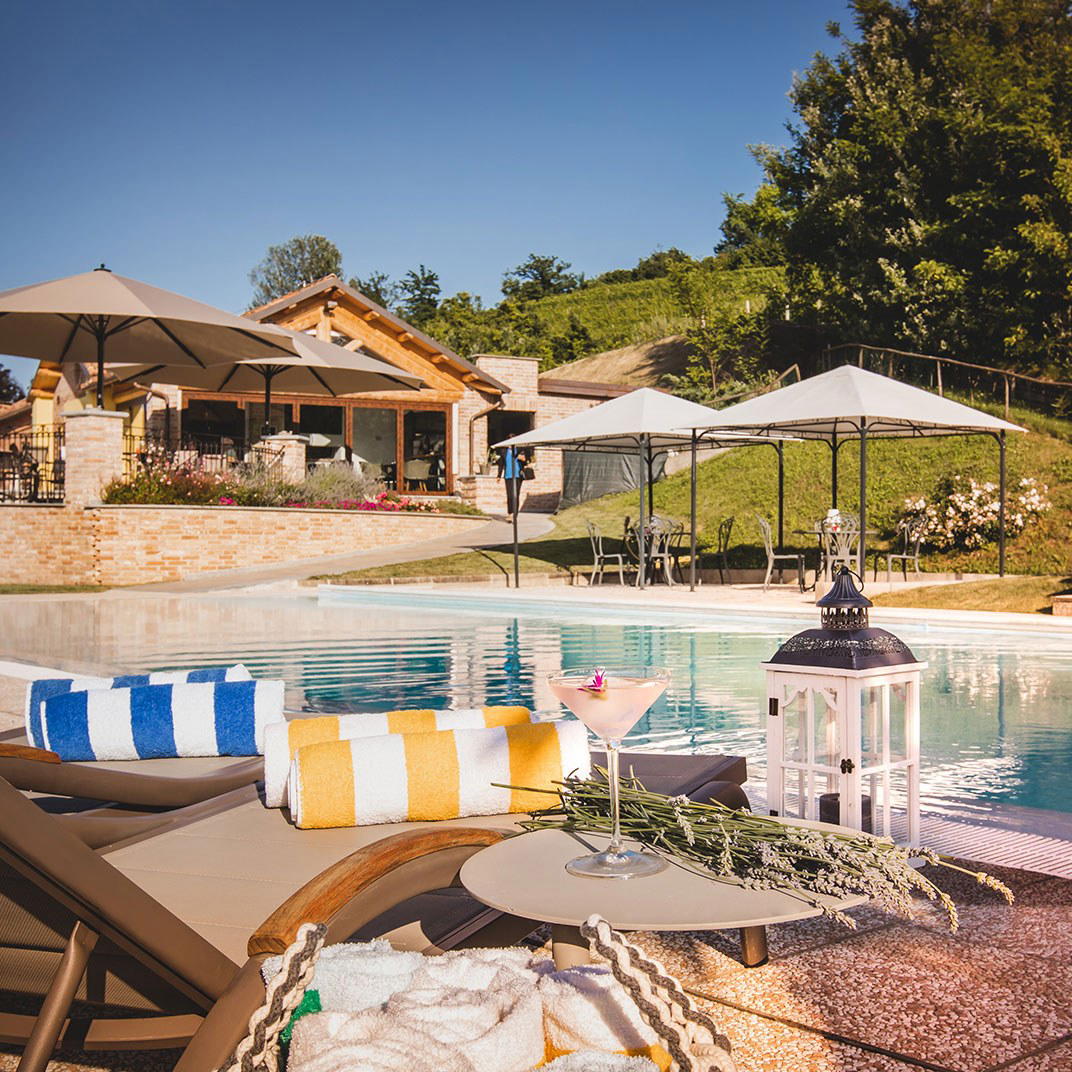
The setting reinforces the scale. The winery operates from a modern building among old vineyards near the Val Tiglione and Valle Tanaro, with vineyard and hill views rather than urban tasting-room energy. Reduced-mobility access, accessible parking, on-site parking, outdoor seating and a dog-friendly policy make the visit more practical than many rural cellar stops. The atmosphere is quiet and casual, suited to visitors who prefer questions, vineyard context and a measured pace over a high-volume tasting counter.
How to read iDivini within Isola d'Asti
For travellers using Isola d’Asti as a wine base, this stop’s value is its clear terroir-to-glass storyline. The UNESCO-buffer setting gives cultural context, old vines provide viticultural weight, and the grape range explains why Monferrato should not be reduced to a single red-wine identity. Barbera d’Asti DOCG remains the reference point, but the revealing move is to taste around it: Freisa for local character, Cortese for white-wine freshness, Pinot Nero and Cortese in sparkling form for cellar interpretation, and Moscato for the aromatic register.
The broader itinerary should treat iDivini as part of a compact Asti-area wine circuit rather than a standalone trophy. For nearby winery planning, see Poderi dei Bricchi Astigiani and Torchio1953, then use Our full Isola d'Asti wineries guide to build a fuller route. Food, lodging and evening planning sit separately in Our full Isola d'Asti restaurants guide, Our full Isola d'Asti hotels guide and Our full Isola d'Asti bars guide; activity planning belongs in Our full Isola d'Asti experiences guide.
Italian wine travellers often benefit from seeing how regional identity changes outside Piedmont. For contrast beyond Isola d’Asti, the wider EP Club winery index includes 3GP SRL in Treviso, 47 Anno Domini in Trebaseleghe, A Mano Wine in Noci, a6mani in Fragagnano, Abbadia Ardenga in Torrenieri and Abbazia di Crapolla in Neapel. Cross-border context comes through »der Steiner« Hans Steiner in Podersdorf am See and & Handwein in Mannheim.
The editorial verdict is simple: iDivini is strongest as a terroir-led Monferrato visit, not a trophy tasting. Its credibility comes from old vines, Barbera d’Asti and Monferrato affiliation, a varied regional portfolio, and hospitality built for explanation. Travellers chasing famous labels may find the format modest; travellers trying to understand why this corner of Piedmont deserves time will find the argument coherent.
Recognition history
Dated appearances from independent guides and award organizations, with the underlying list record or original source where available.
Falstaff Winery - Listed
Falstaff
Continue exploring
More in Isola d'Asti
Wineries in Isola d'Asti
Browse all →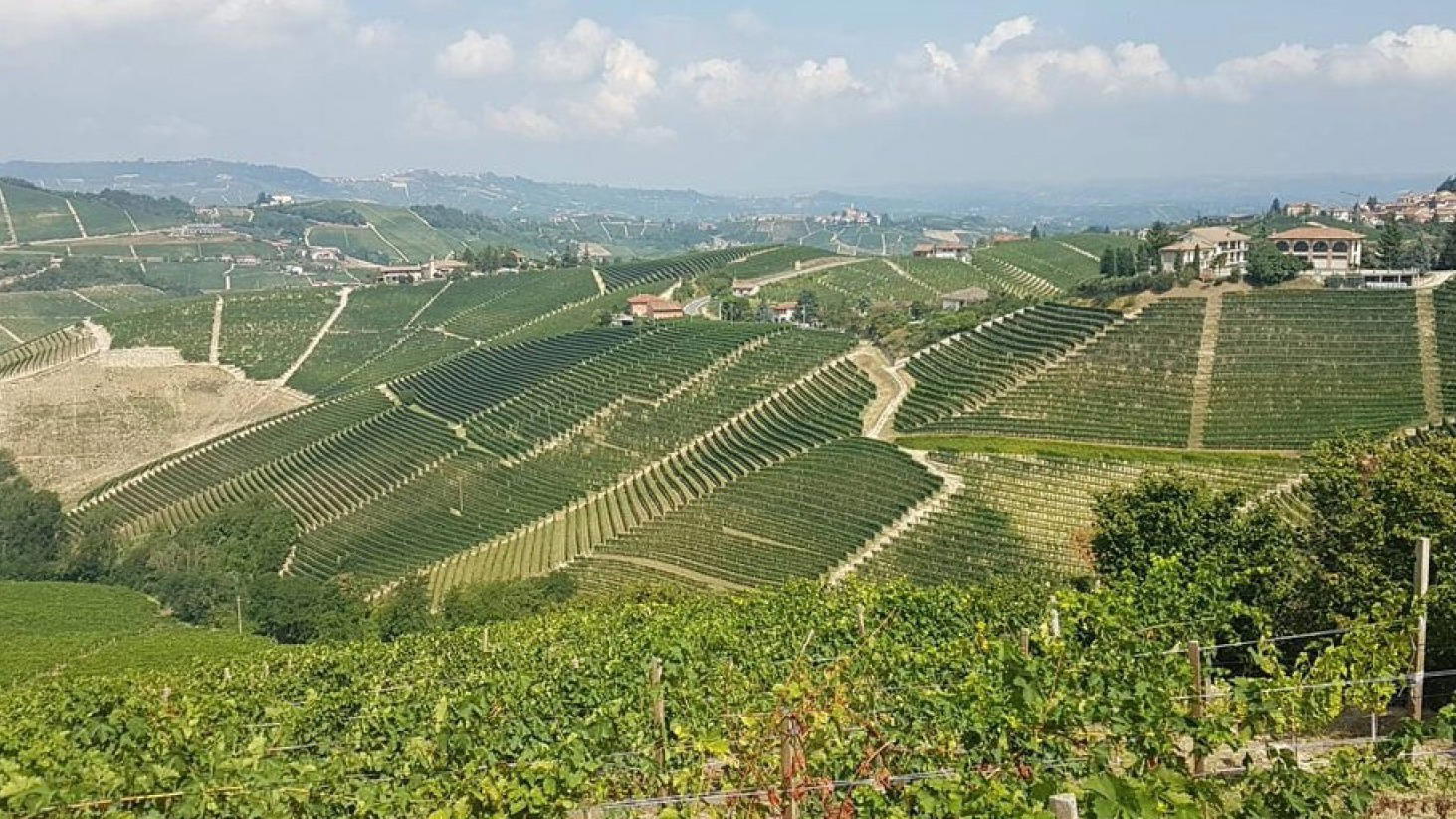
Bars in Isola d'Asti
Browse all →
Restaurants in Isola d'Asti
Browse all →

At a Glance
- Elegant
- Scenic
- Rustic
- Romantic
- Intimate
- Romantic Getaway
- Group Outing
- Wine Education
- Solo Exploration
- Special Occasion
- Vineyard Tour
- Estate Grounds
- Private Tasting
- Panoramic View
- Vineyard
- Mountain
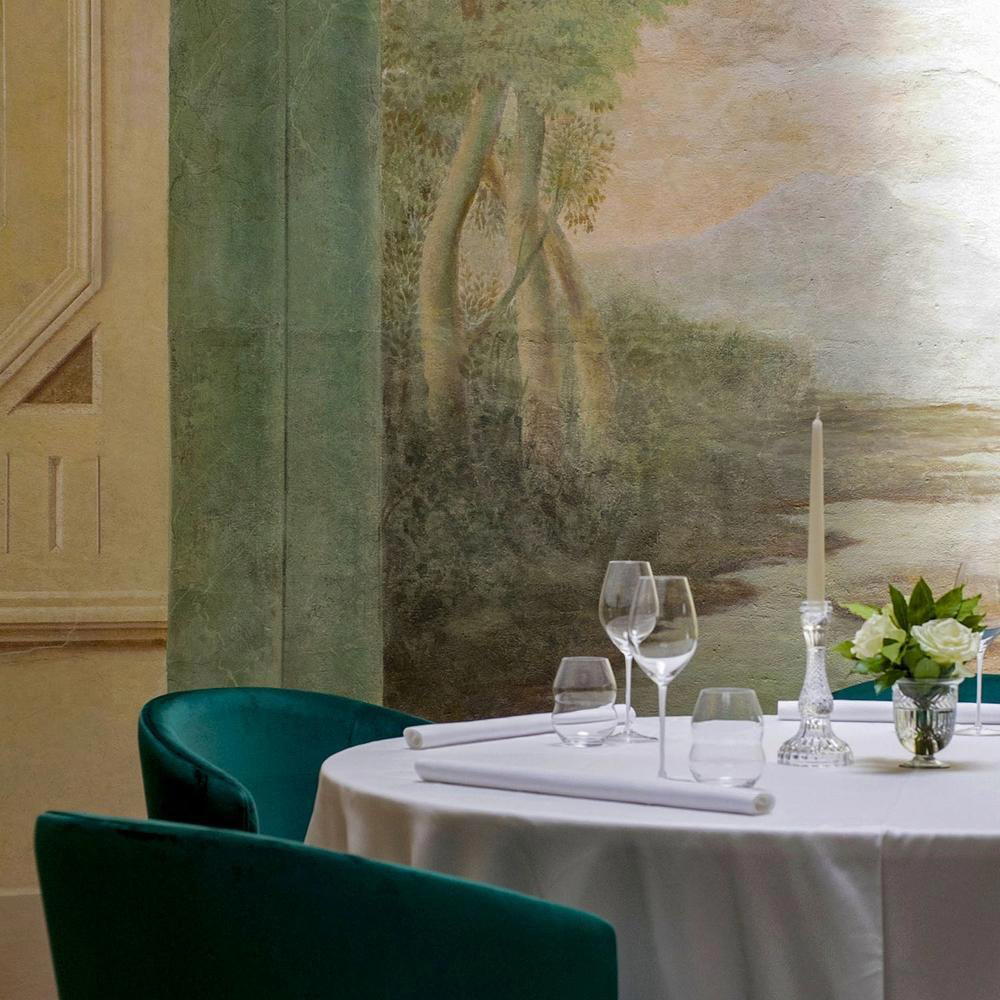
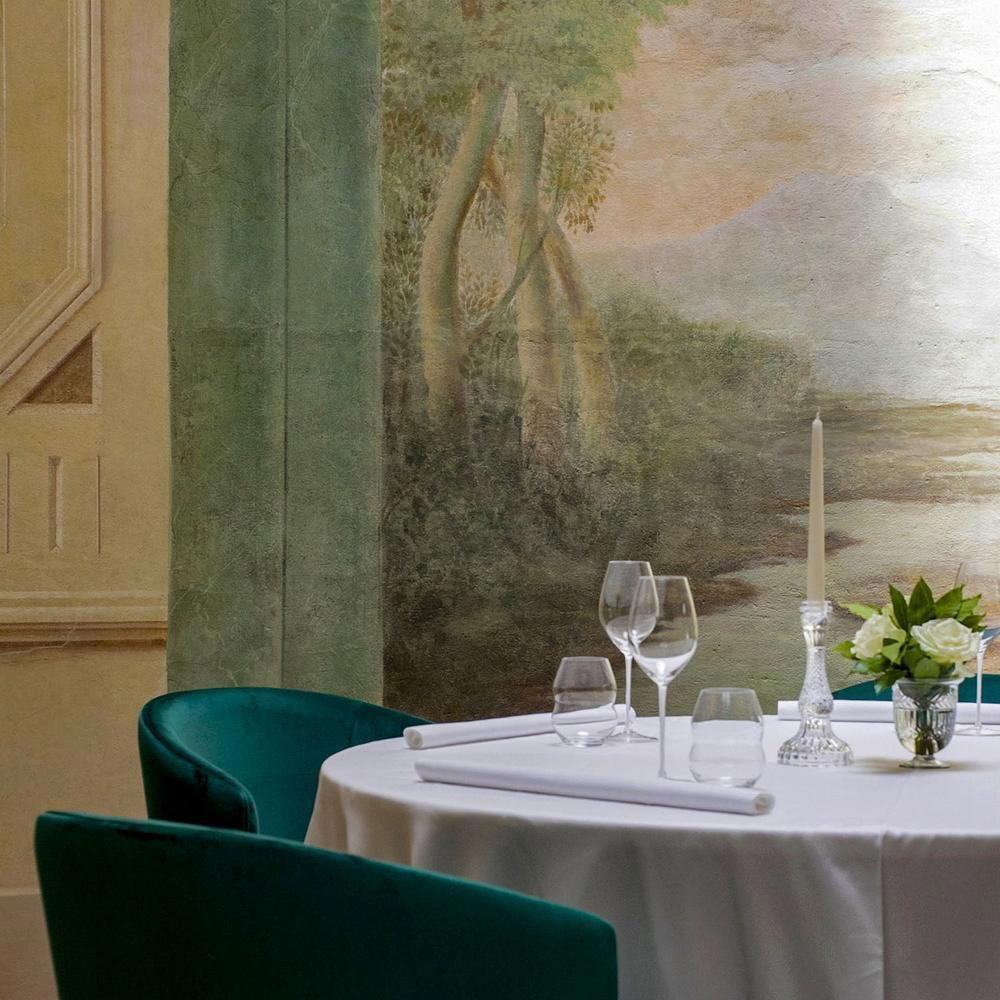
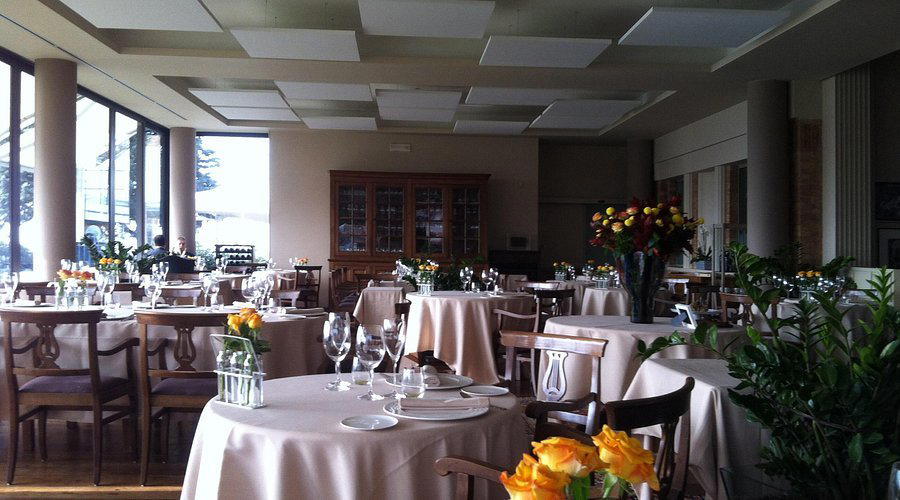
Modern and elegant yet intimate, with a personal, owner-led atmosphere that blends contemporary winemaking facilities with the scenic, historic Monferrato hills and surrounding old vineyards.