Giuseppe Cortese

Giuseppe Cortese is a Barbaresco winery defined by Rabajà, Nebbiolo and a family move toward estate-led production that began in 1971. The draw is not spectacle but a quiet, vineyard-centered reading of Barbaresco DOCG, with critic recognition for the 2021 Barbaresco and a cellar identity built around classic structure rather than tourism theater.
Pearl is the En Primeur Club membership app — saves, bookings, and concierge access live there. Same editors, same standards.
- Address
- Barbaresco, Piedmont, Italien
- Directions
- Get directions
 Saves & bookings on Pearl
Giuseppe Cortese is a venue in Barbaresco. Public details are limited, so one useful way to present it is as a direct Barbaresco listing rather than as a page built around claims about visits, awards, menus, or service format. That restraint matters here: with only a small set of confirmed information available, the listing is best used as a practical point of reference for travelers who are already looking at Barbaresco and want to understand where this venue sits in basic planning terms.
What
The confirmed basics are concise: Giuseppe Cortese is in Barbaresco, its price range is listed as $$, and the dress code is casual. Those details make it easy to place in a Barbaresco itinerary without adding assumptions about the exact experience. The $$ marker is useful as a broad planning signal, but it should be read only at that level: it does not confirm a particular price, package, menu structure, tasting cost, or minimum spend. Likewise, casual dress gives visitors a direct indication of how formal they need to be, without implying anything more specific about the setting or service.
Because no confirmed details are available here about hours, booking method, menu, tasting format, awards, scores, production focus, or specific offerings, travelers should verify current arrangements directly before making plans. That is especially important when a venue listing is intentionally brief: even basic logistics can affect whether a stop makes sense on a given day, and those details should come from the venue or a current official source rather than from inference.
For planning purposes, treat Giuseppe Cortese as a Barbaresco venue with casual dress and $$ pricing. Any more specific expectations should be checked with the venue rather than assumed in advance. The value of the listing is not in promising a particular format, but in giving readers a reliable baseline from which to ask the right questions before they go.
How to think about the visit
The winery can be considered as part of a broader Barbaresco plan, especially for visitors comparing different options in the area. In that role, it works well as one entry among several possibilities rather than as a fully described destination with a fixed visitor experience. If a traveler is organizing time in Barbaresco, the sensible first step is to note the venue, recognize the casual dress code and $$ price tier, and then confirm whether the current arrangements match the traveler’s needs.
The practical approach is simple: confirm opening details, availability, and any current visitor arrangements before going. Dress can remain casual, and the $$ price tier gives a general sense of positioning without implying a specific menu, tasting price, or package. This is a useful distinction because price tiers are directional tools, not guarantees. They help with broad comparison, but they do not replace direct confirmation when a plan depends on timing, format, group size, or the exact nature of what is being offered.
It keeps the focus on what is confirmed. That approach also protects the usefulness of the page: readers can see the essential listing information without having to separate facts from unsupported detail. In a place where travelers may be building a day around multiple stops, that clarity is more helpful than speculation.
How to place it within a Barbaresco itinerary
Visitors can compare several unnamed local options while keeping plans flexible. The winery may fit into that kind of itinerary, but the exact role depends on current availability and the kind of experience the venue is offering at the time of visit. It may be useful to think of the listing as a planning marker: a Barbaresco venue to consider, then verify, rather than a stop whose format can be assumed from the name alone. This keeps the itinerary adaptable and reduces the risk of building the day around details that have not been confirmed here.
Readers mapping the area should place the winery alongside other venue options in Barbaresco generically, rather than assuming specific services that have not been here. In practical terms, that means comparing it on the basis of the few confirmed elements available: Barbaresco location, $$ price range, and casual dress. Anything beyond that belongs in the follow-up stage of planning, when travelers can check current information and decide whether it suits the shape of their visit.
The editorial case is intentionally narrow: the winery is a Barbaresco venue with $$ pricing and casual dress. For anything beyond those basics, confirm directly before planning around it. That narrowness is deliberate, not a lack of care; it is one accurate way to present the venue when the public details available here do not support broader claims. Used that way, the listing remains clear, practical, and honest for readers organizing time in Barbaresco.
Recognition history
Dated appearances from independent guides and award organizations, with the underlying list record or original source where available.
Falstaff Winery - 3 Stars
Falstaff
Continue exploring
More in Barbaresco
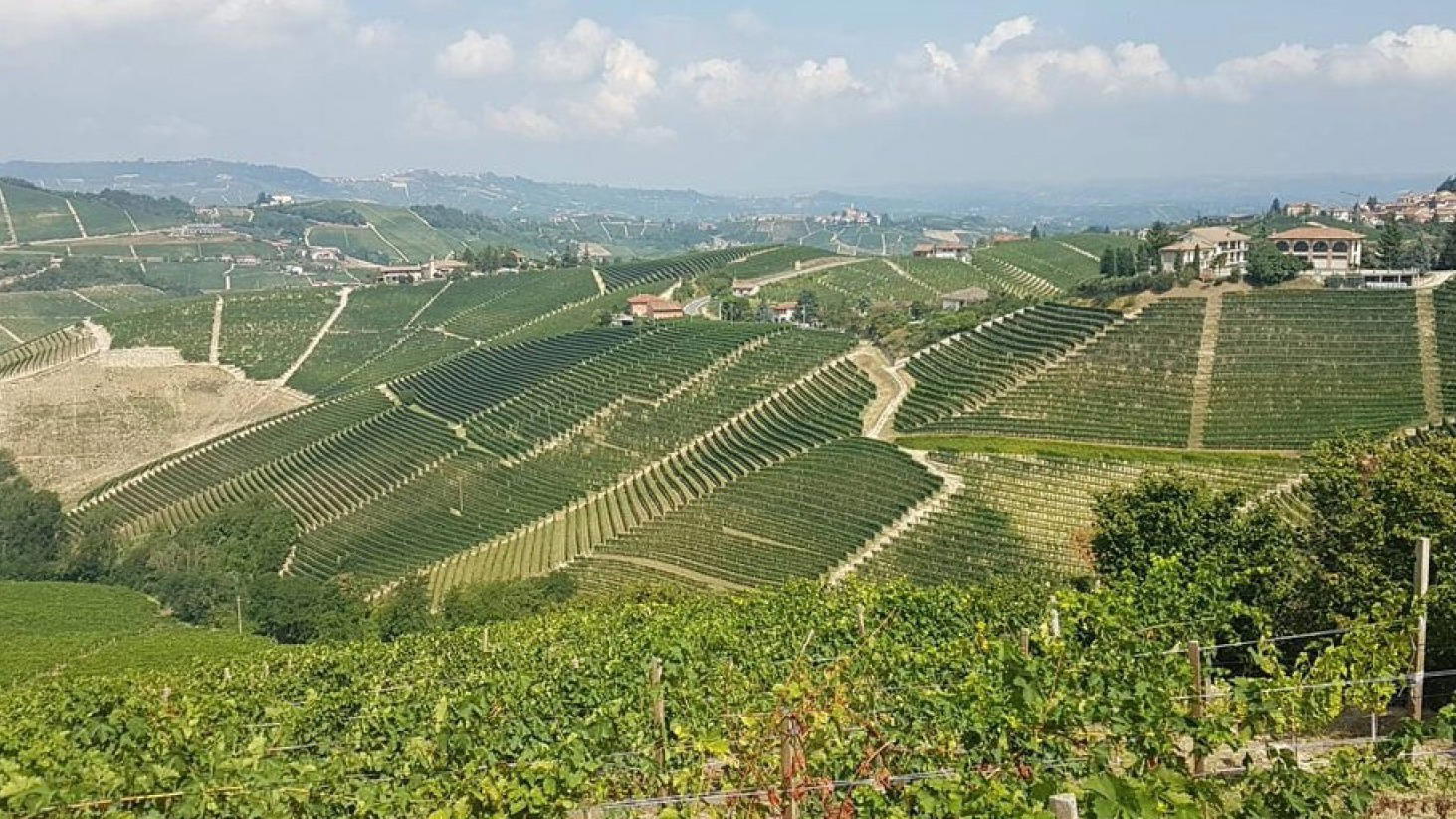
Wineries in Barbaresco
Browse all →
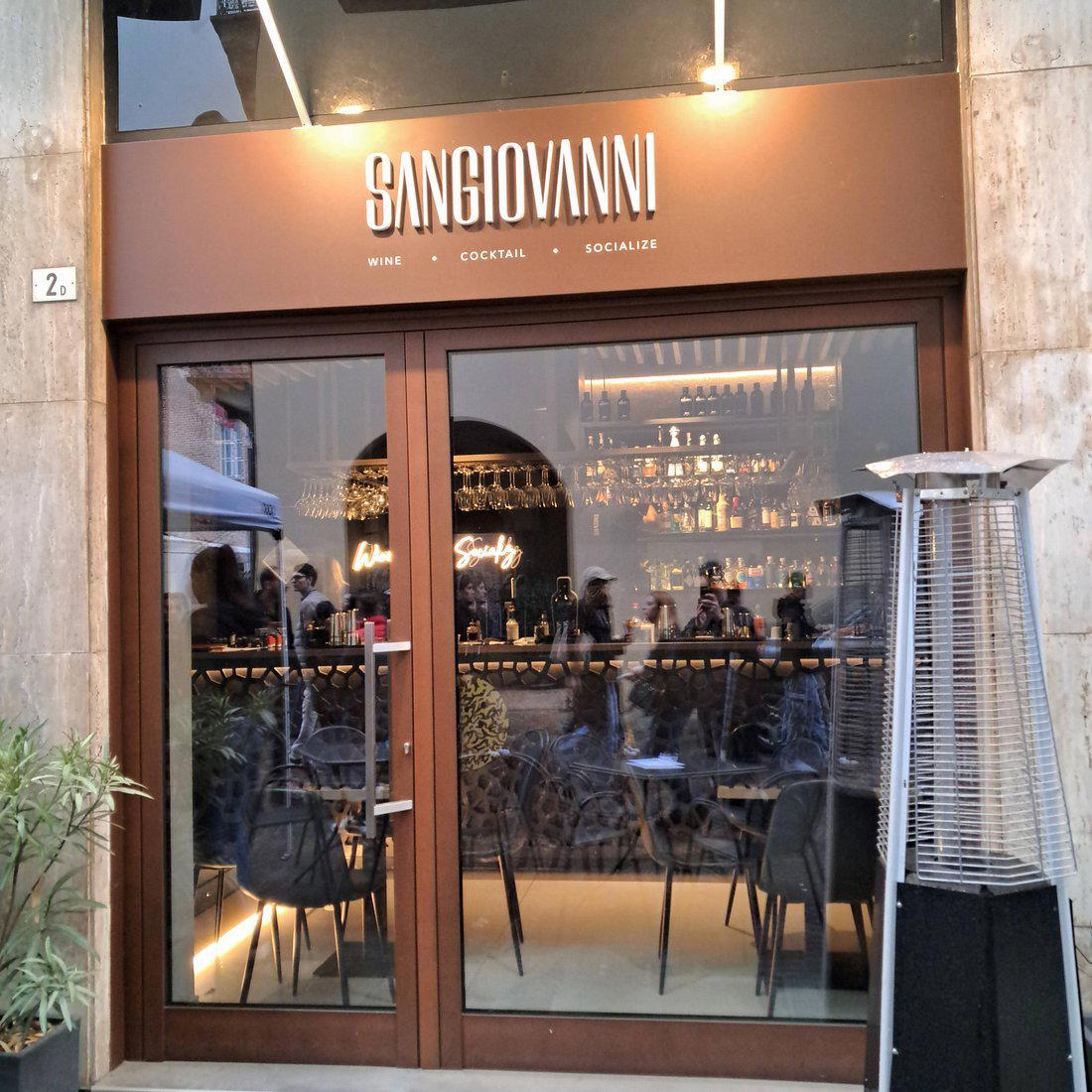
Bars in Barbaresco
Browse all →
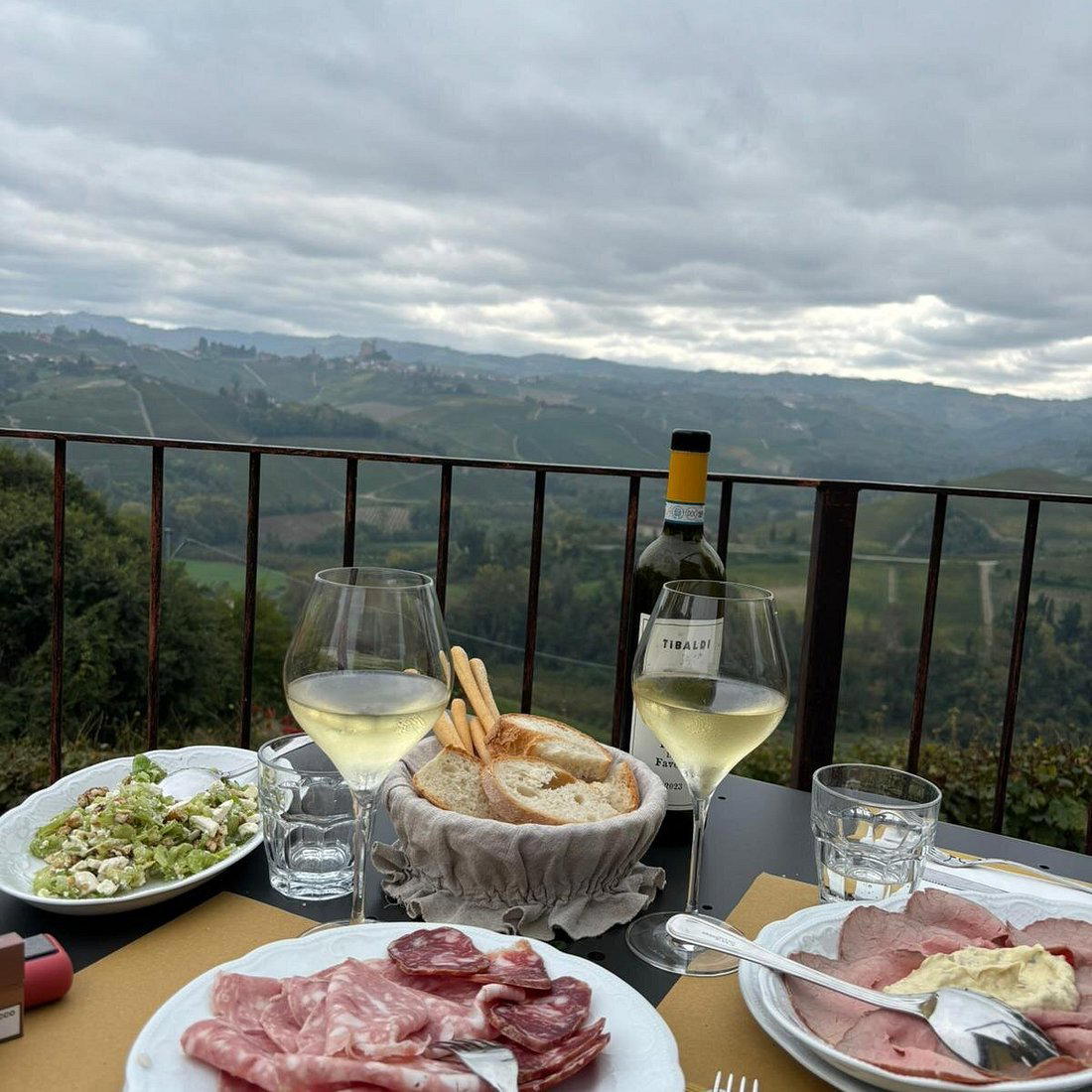
Restaurants in Barbaresco
Browse all →
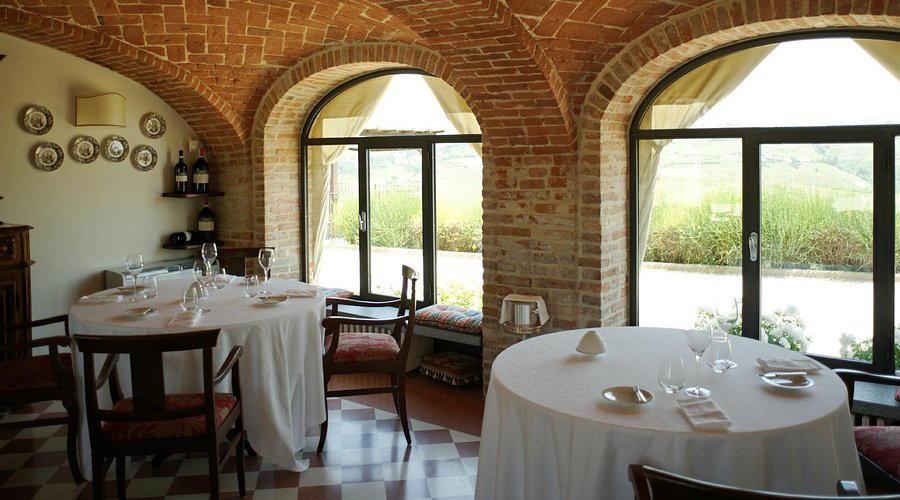
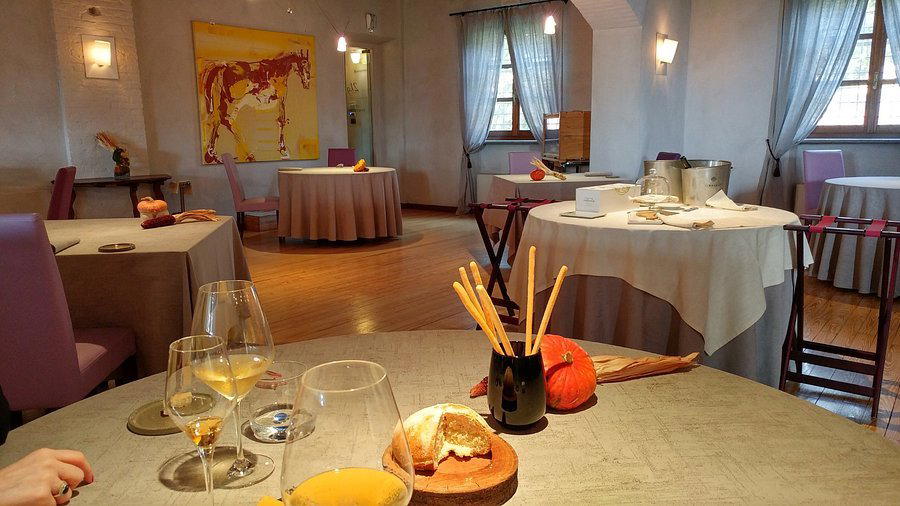
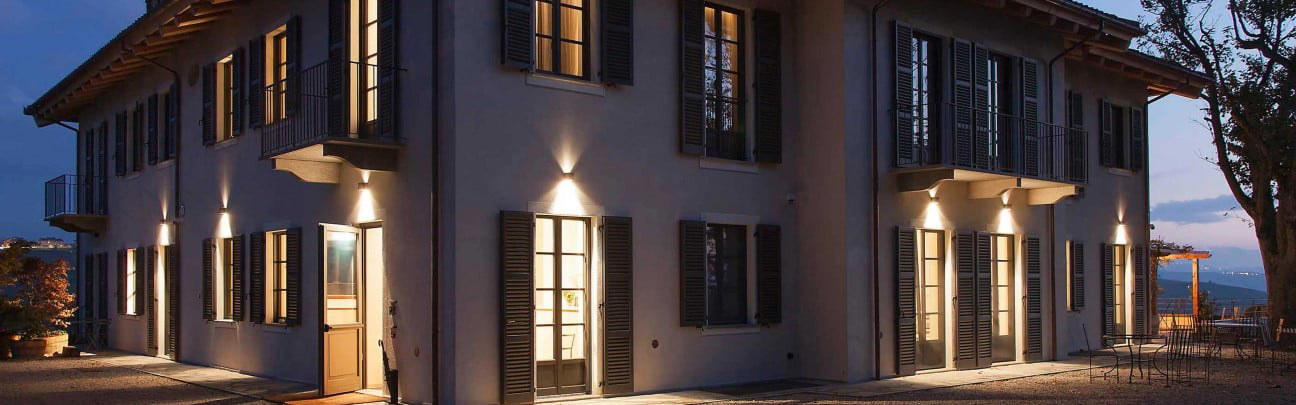
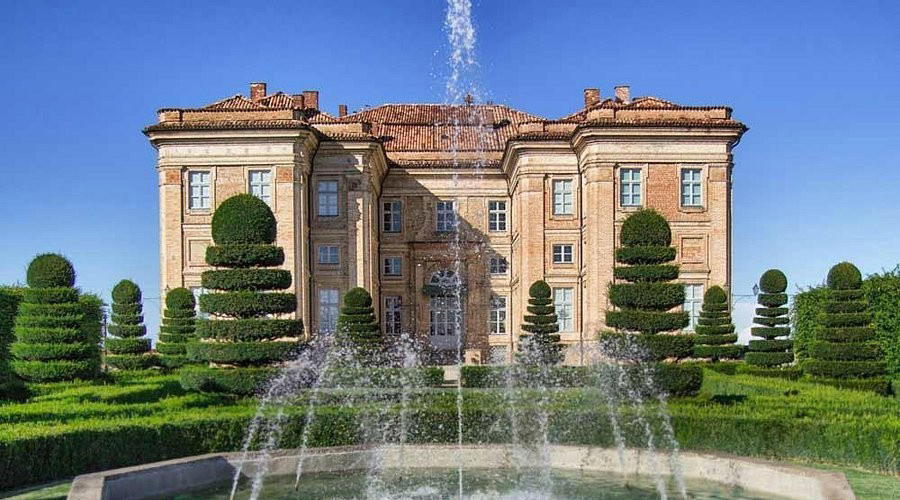
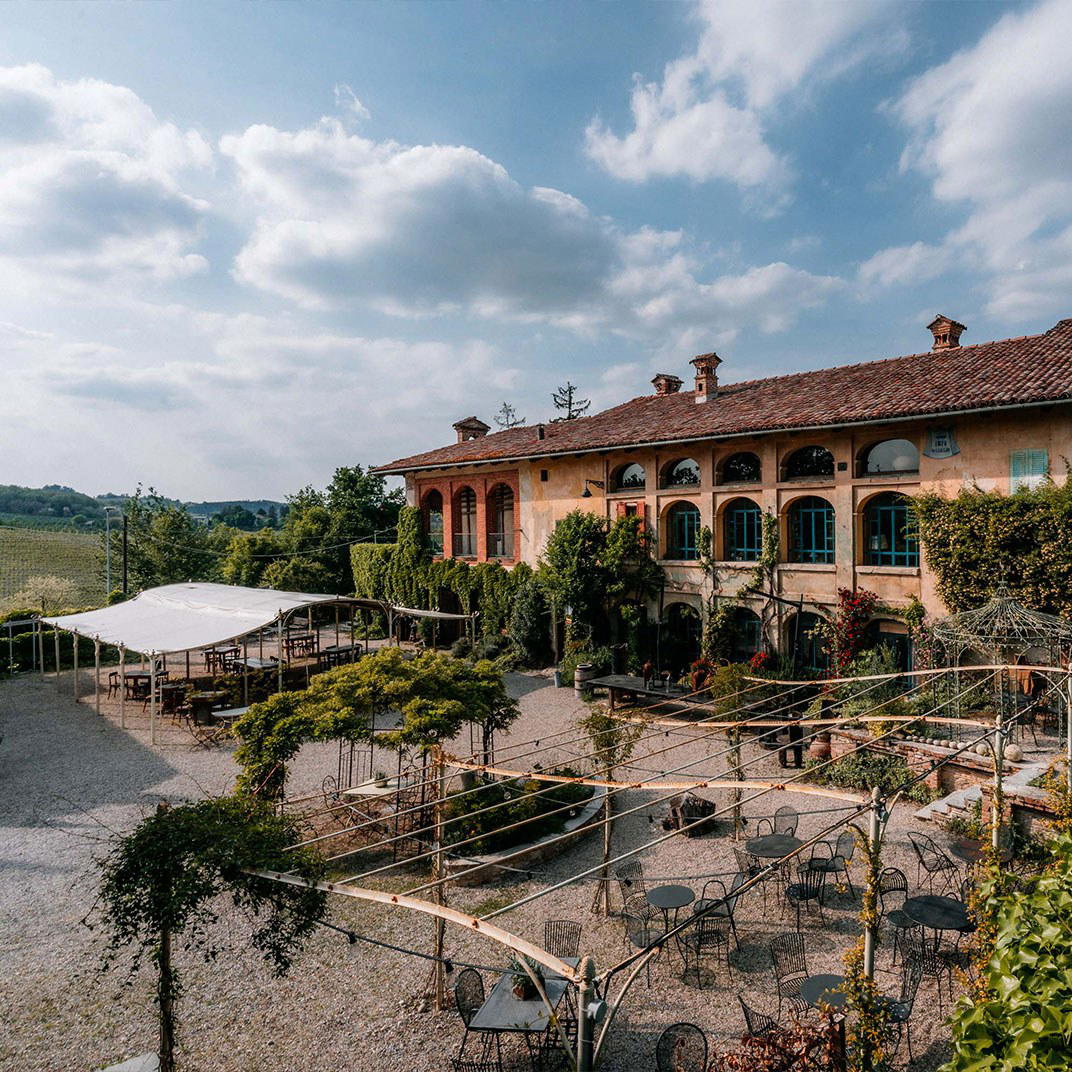
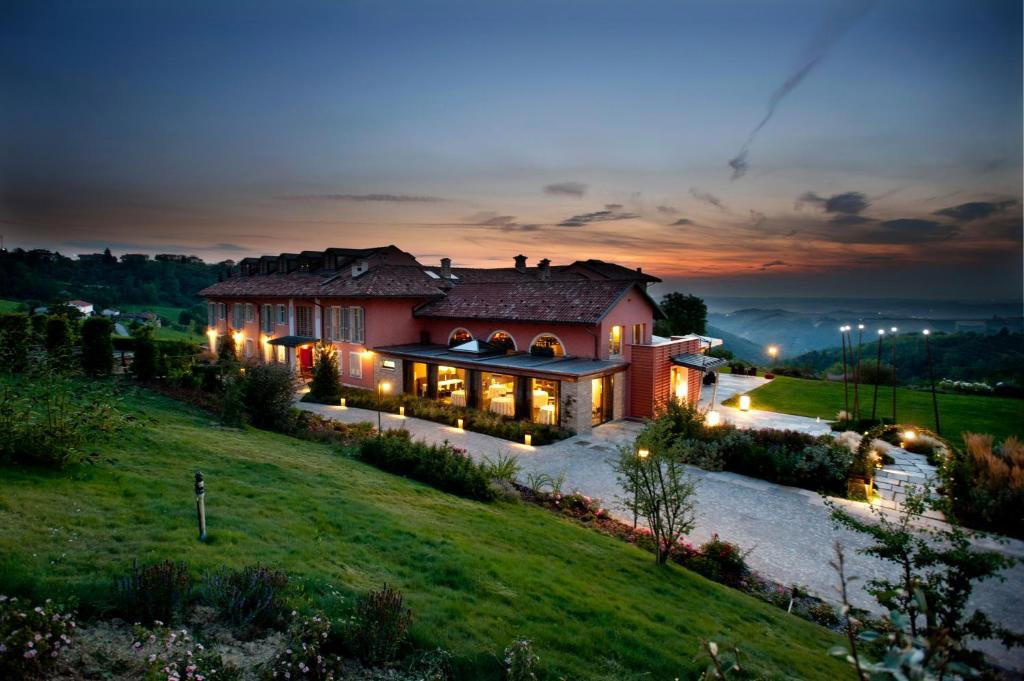
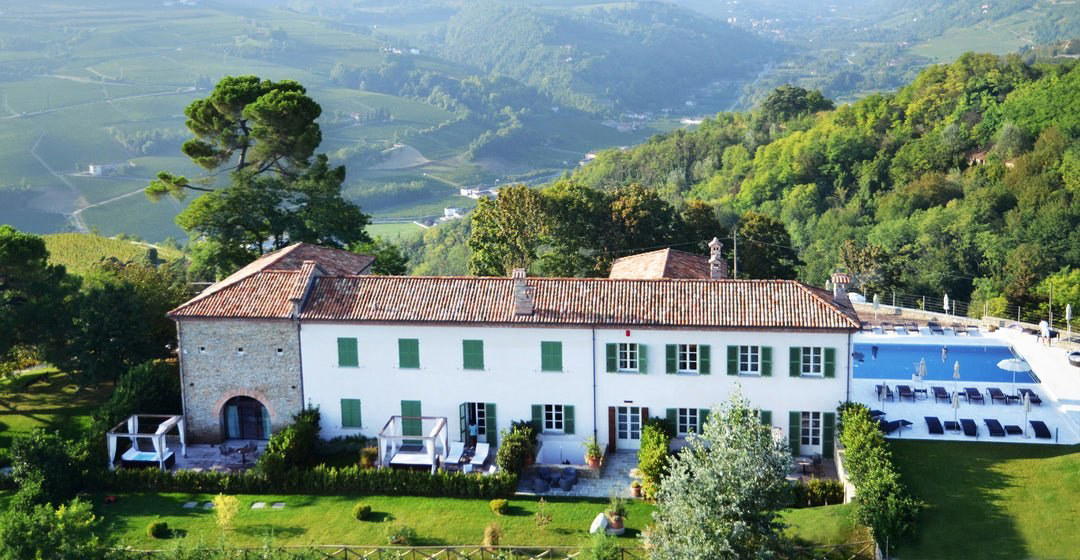
At a Glance
- Classic
- Quiet
- Sophisticated
- Wine Education
- Solo Exploration
- Special Occasion
- Group Outing
- Private Tasting
- Vineyard Tour
- Historic Building
- Vineyard
- Barbaresco DOCG
- Nebbiolo
- Barbera
- Bianco
- Still Red
- Still White
- Guided Tasting
- Private Tasting
Traditional family-run winery in Barbaresco with a quality-focused, classic cellar operation and a vineyard-centered identity rooted in Rabajà.