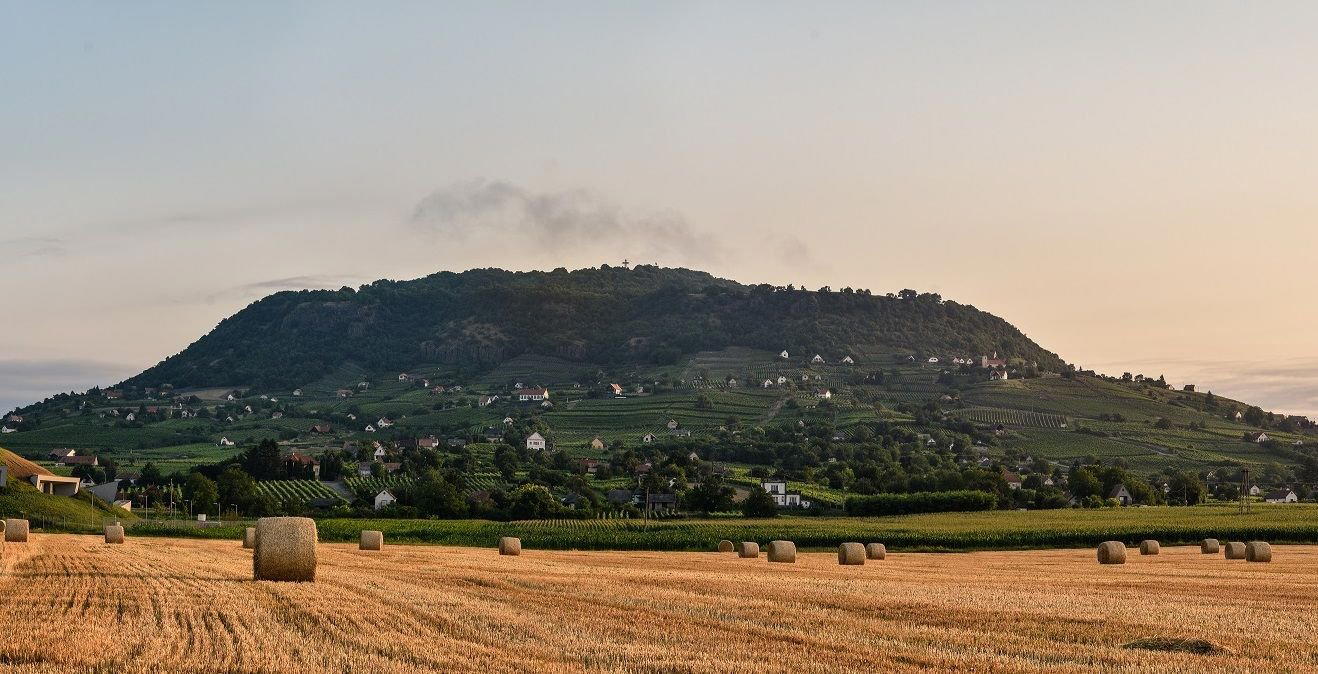
Tornai Winery sits on the volcanic slopes of Somló, one of Hungary's smallest and most geologically distinctive wine regions. Visiting requires a deliberate detour into western Transdanubia, and that effort is precisely the point.

Pearl is the En Primeur Club membership app, where members save venues, book tables and use the concierge.
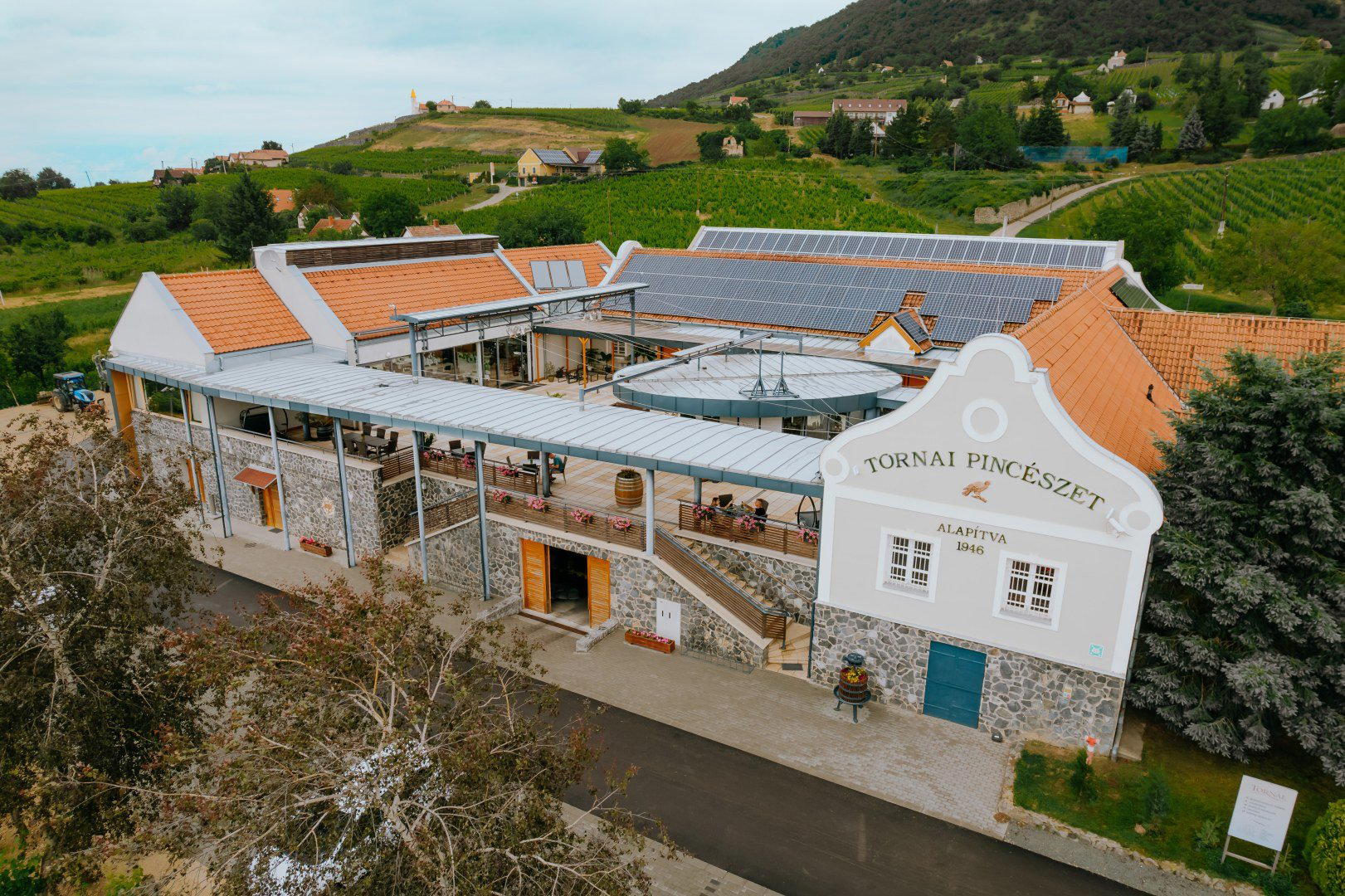
Somló and the Logic of Volcanic Wine
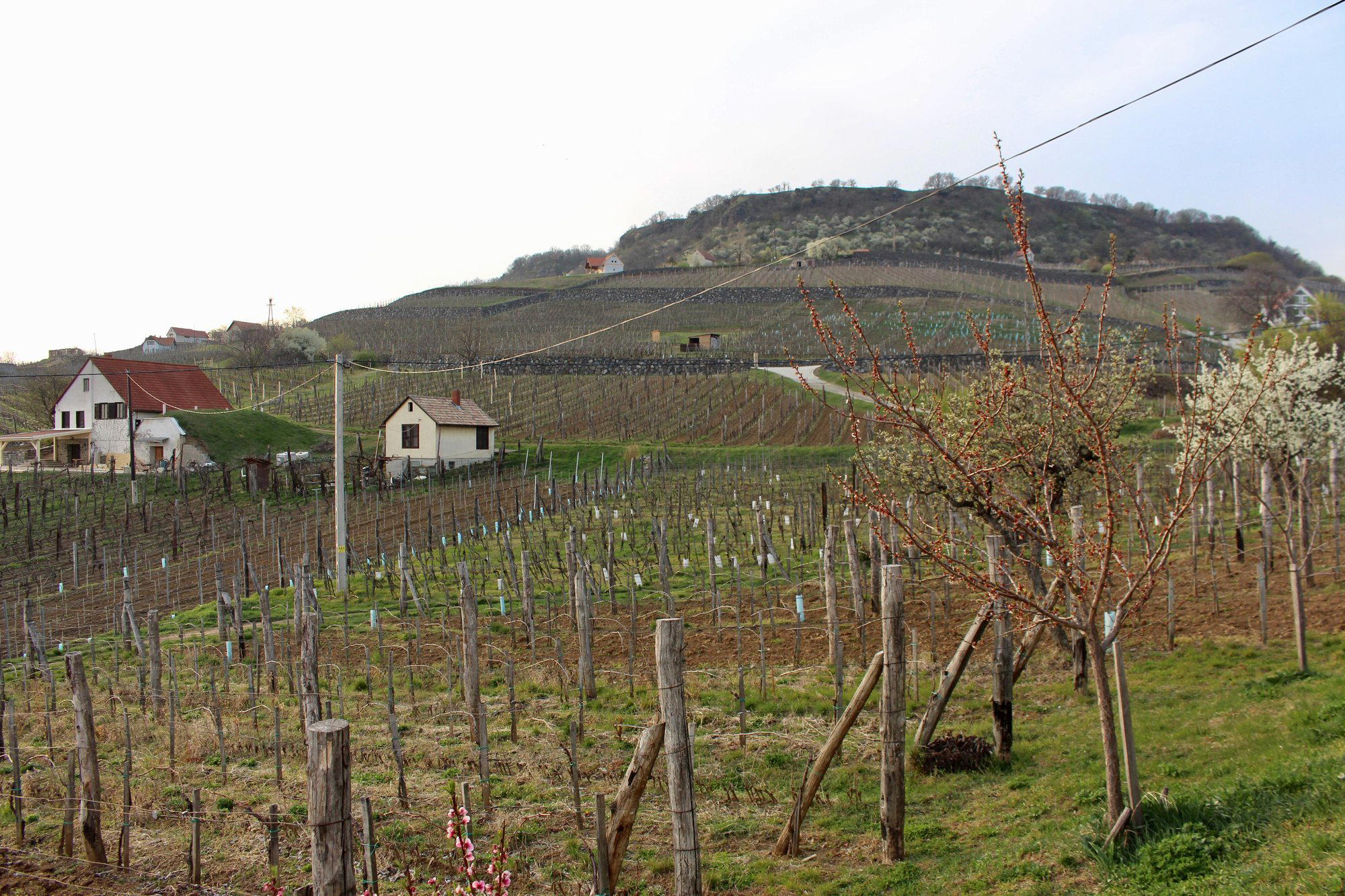
Hungary's wine conversation defaults quickly to Tokaj, and with good reason: the reputation runs deep, the infrastructure is mature, and producers from Disznókő in Mezőzombor to Royal Tokaji in Mád have spent decades building international recognition. But Somló operates on a different register entirely. This small, isolated volcanic hill rising from the Transdanubian plains of western Hungary produces wines that are structurally unlike almost anything else in the country. The soils here are ancient basalt and volcanic tuff, and they impart a mineral character, sometimes described as a flinty or even saline edge, that winemakers in more celebrated regions actively try to simulate through technique. In Somló, the geology does the work.
For context on what that award tier signals: in Hungary's prestige recognition framework, two-star standing in this category places an estate among a comparatively small cohort of producers whose wines demonstrate both technical discipline and regional typicity. Tornai earns that position on Somló's own terms, not by chasing styles that play better in international markets.
What Somló Actually Produces
The Somló appellation is dominated by white varieties. Juhfark is the grape most closely associated with the hill, a high-acid, late-ripening variety that struggles to achieve balance outside of Somló's specific climatic and geological conditions. When it works, Juhfark produces wines of striking austerity in youth that reward extended cellaring, opening into something more textural and layered over five to ten years. Olaszrizling and Furmint also grow here, the latter connecting Somló loosely to the Tokaj tradition even though the two regions produce fundamentally different wines from the same variety.
The volcanic basalt is not just marketing shorthand. It retains heat during the day and releases it at night, moderating diurnal temperature swings and allowing grapes to ripen slowly and evenly. The mineral load in the soil expresses directly in the wines, particularly in the mid-palate and finish. Producers in other Hungarian appellations, including some well-regarded estates in Eger and Szekszárd, work with interesting terroirs, but Somló's volcanic character is genuinely distinct within the national picture.
The Estate on the Hill
Tornai Winery is addressed at Somló hegy 1242, which places it on the hill itself rather than in the village below. That positioning matters practically and symbolically: estates sited directly on the mountain tend to have access to a broader range of exposures and elevations, which translates into more varied parcels and, in the hands of a thoughtful producer, a more complex lineup of wines. Somló is small enough that the entire appellation can feel like a single extended property; the differences between producers here come less from dramatic variation in terroir and more from decisions about variety selection, harvest timing, and cellar approach.
For the region's wider context, Somlói Apátsági Pince represents another significant name working from the same village, and comparing the two gives visitors a more complete read on what Somló's range looks like at the prestige end of the spectrum.
Winemaking Orientation and Regional Positioning
Somló producers generally sit outside the export-facing commercial mainstream that defines, say, larger Villány estates like Bock Winery or the Tokaj producers built partly around international investment, including Tokaj Oremus in Tolcsva and Tokaj Hétszőlő. The commercial logic at Somló tends toward smaller production, deliberate aging, and a domestic market base supplemented by specialist exporters. That positioning makes estates like Tornai more resistant to stylistic drift; when your primary market values typicity, there is less pressure to soften or sweeten the wines for broader palatability.
Award recognition at this tier is not given for market performance; it reflects technical and qualitative assessment of the wines themselves. In that sense, Tornai's standing is a useful signal for wine travelers who want to engage with Hungarian production at a level above the mass-market but without necessarily chasing the most internationally marketed names.
Planning a Visit to Somló
Somlójenő sits in western Transdanubia, roughly equidistant between Lake Balaton and the Austrian border. The nearest significant city is Győr, where Babarczi Winery offers another reference point for western Hungarian production, though it operates in a different appellation and style context. Public transport to Somló is limited; a car is the practical option for most visitors. The hill itself is compact enough to walk, and several estates are within reasonable distance of each other on foot once you reach the summit area.
This is not unusual for smaller Somló producers; the region's estate tourism infrastructure is less developed than Tokaj's, and visits often benefit from prior arrangement. For a fuller picture of what Somlójenő offers beyond Tornai, our full Somlójenő restaurants guide covers the broader dining and producer scene in the area.
The ideal time to visit is autumn, when harvest activity adds context to any tasting and the vine-covered hillside is at its most visually immediate. Spring visits work well too, when the prior year's wines are being assessed and producers may be more willing to discuss the vintage character in detail. Summer weekends bring more domestic tourism to the area; midweek visits in shoulder season generally allow for more focused, less crowded engagement with individual estates.
For wine travelers building a wider Hungarian itinerary, Somló pairs naturally with a Tokaj leg. The contrast between Somló's austere, mineral-driven whites and Tokaj's aszú and late-harvest tradition gives a more complete picture of what Hungarian viticulture actually spans. Estates like Bussay Pince in Csörnyeföld can serve as a useful western Transdanubian complement along the same route. For those whose Hungarian wine interest extends into international comparisons, the volcanic mineral character of Somló whites has reasonable analogues in parts of the Jura or in producers like Aberlour in terms of their emphasis on terroir expression over fruit-forward accessibility, though the production categories are entirely different. For Napa contrast, Accendo Cellars in St. Helena represents the other end of the spectrum in terms of market positioning and production scale.
Cost Snapshot
Comparable venues nearby, for context on price, style, and recognition.
| Venue | Cuisine | Price | Awards |
|---|---|---|---|
| Tornai WineryThis venue (the venue you are viewing) | Somlójenő, juhfark, furmint | Not listed | Not listed |
| Somlói Apátsági Pince | Somlójenő, Furmint, Juhfark | Not listed | Not listed |
| Légli Ottó Pincészet | Balatonboglár, Olaszrizling, Riesling | Not listed | Not listed |
| Homola Pincészet | Paloznak, Olaszrizling, Kékfrankos | $10–20 | Not listed |
| Weninger Winery | Balf, Blaufränkisch, Kékfrankos | Not listed | Falstaff Winery - Listed |
| Babarczi Winery | Győrújbarát, Irsai Olivér, Olaszrizling | $10–20 | Not listed |
Continue exploring
More in Somlójenő
Wineries in Somlójenő
All wineries in Somlójenő →
Details
- Rustic
- Scenic
- Classic
- Wine Education
- Solo Exploration
- Vineyard Tour
- Terrace
- Vineyard
- Mountain
- Juhfark
- Furmint
- Hárslevelű
- Olaszrizling
- Riesling
- Still White
- Wine Tasting
- Hungarian
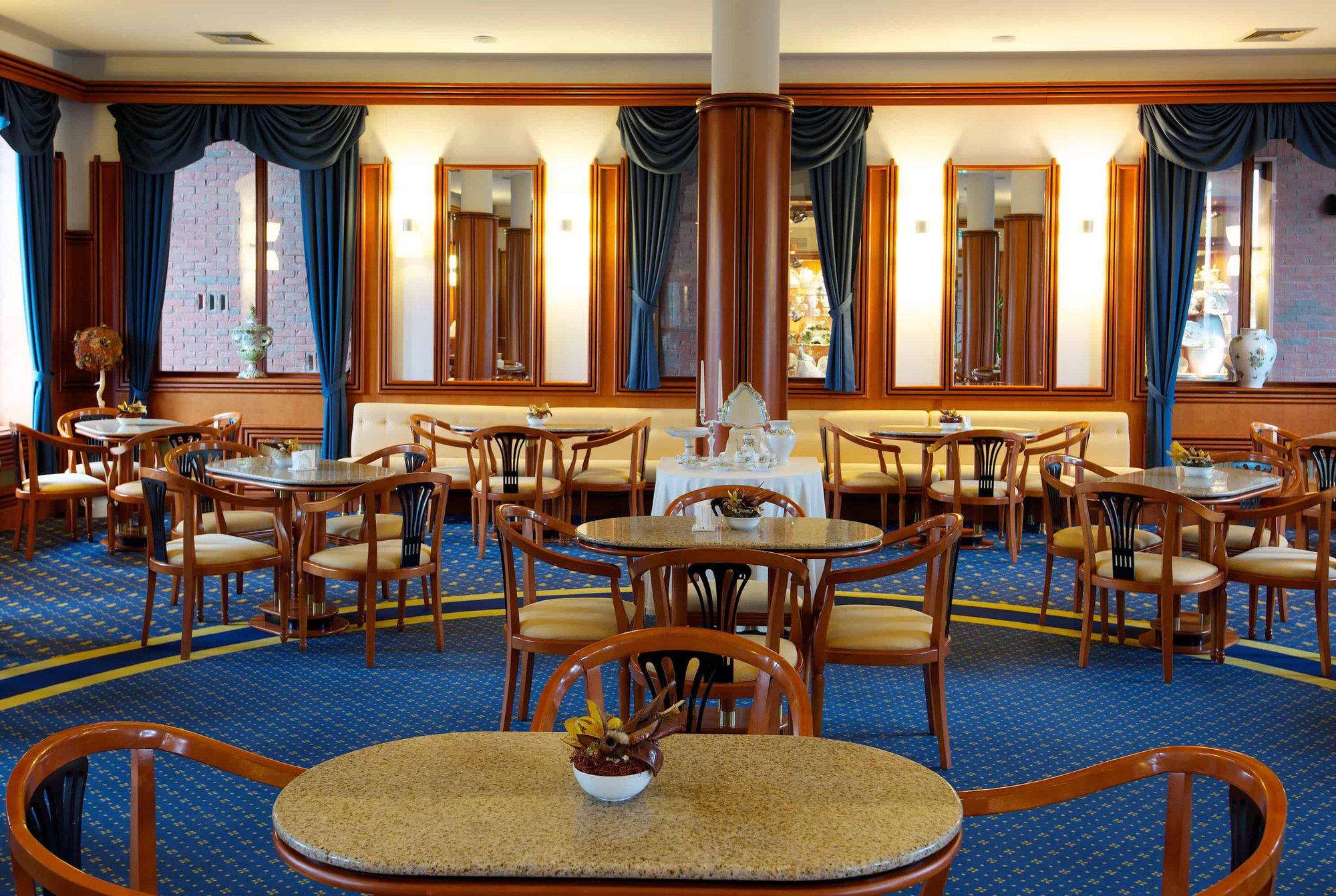
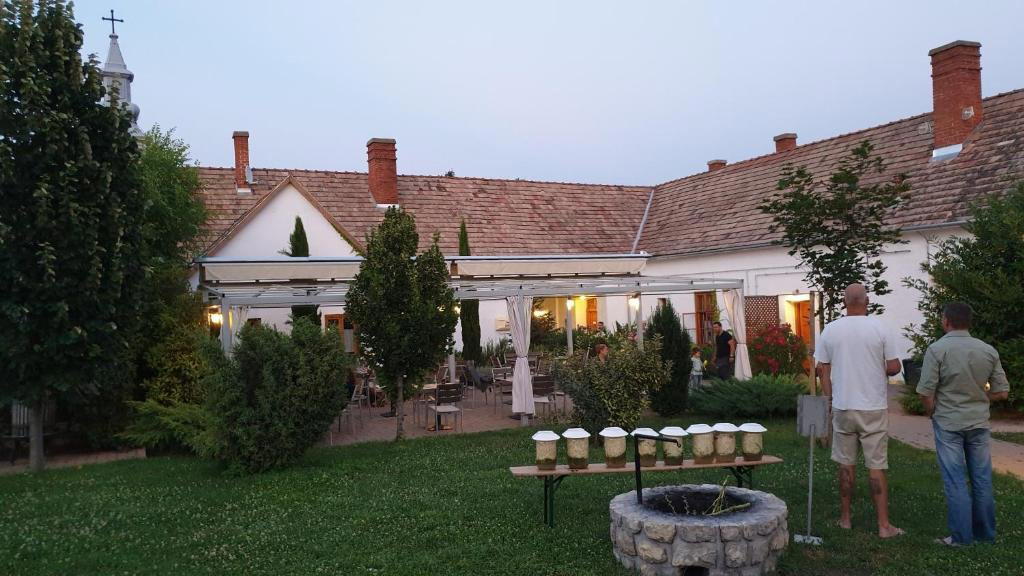
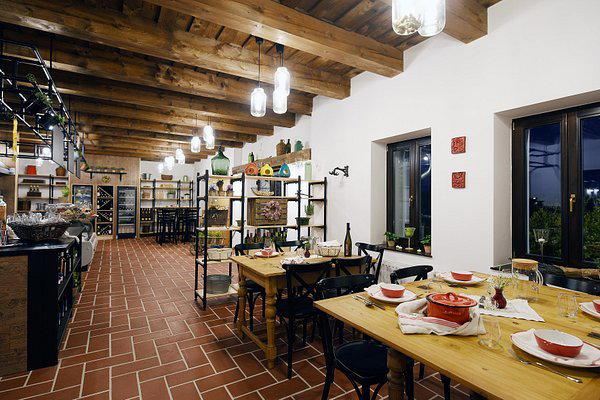
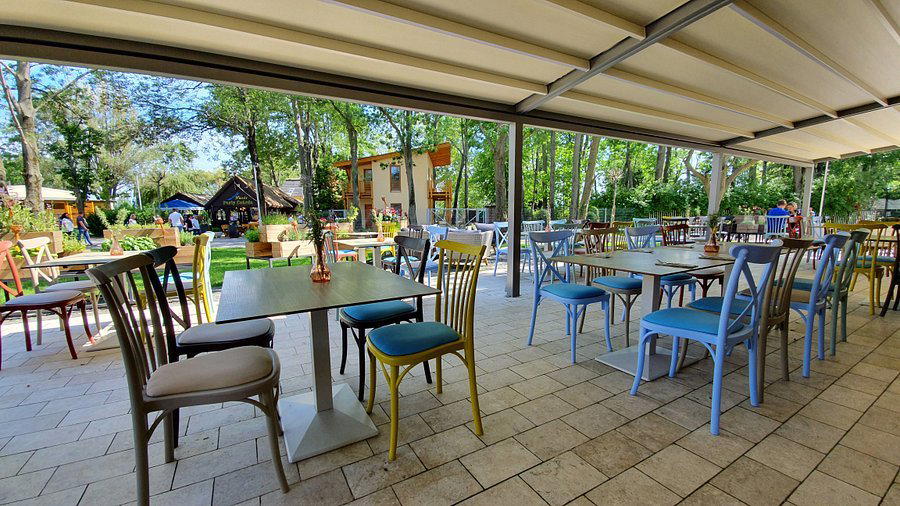
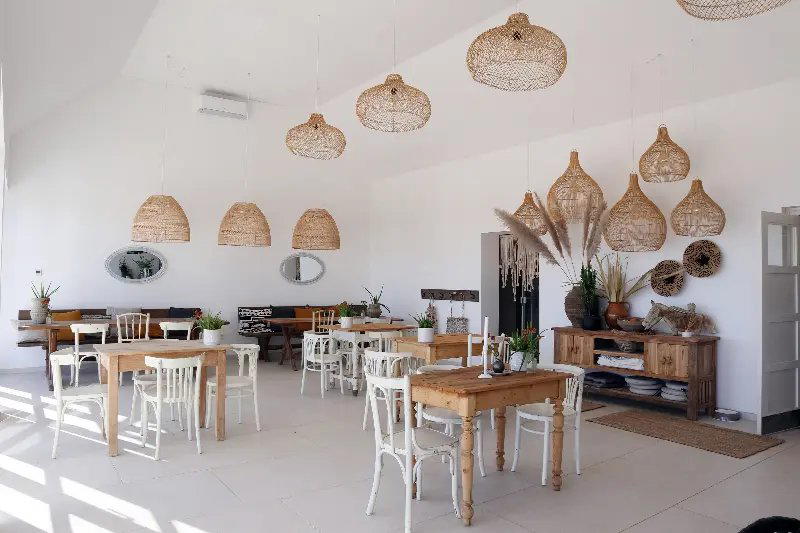
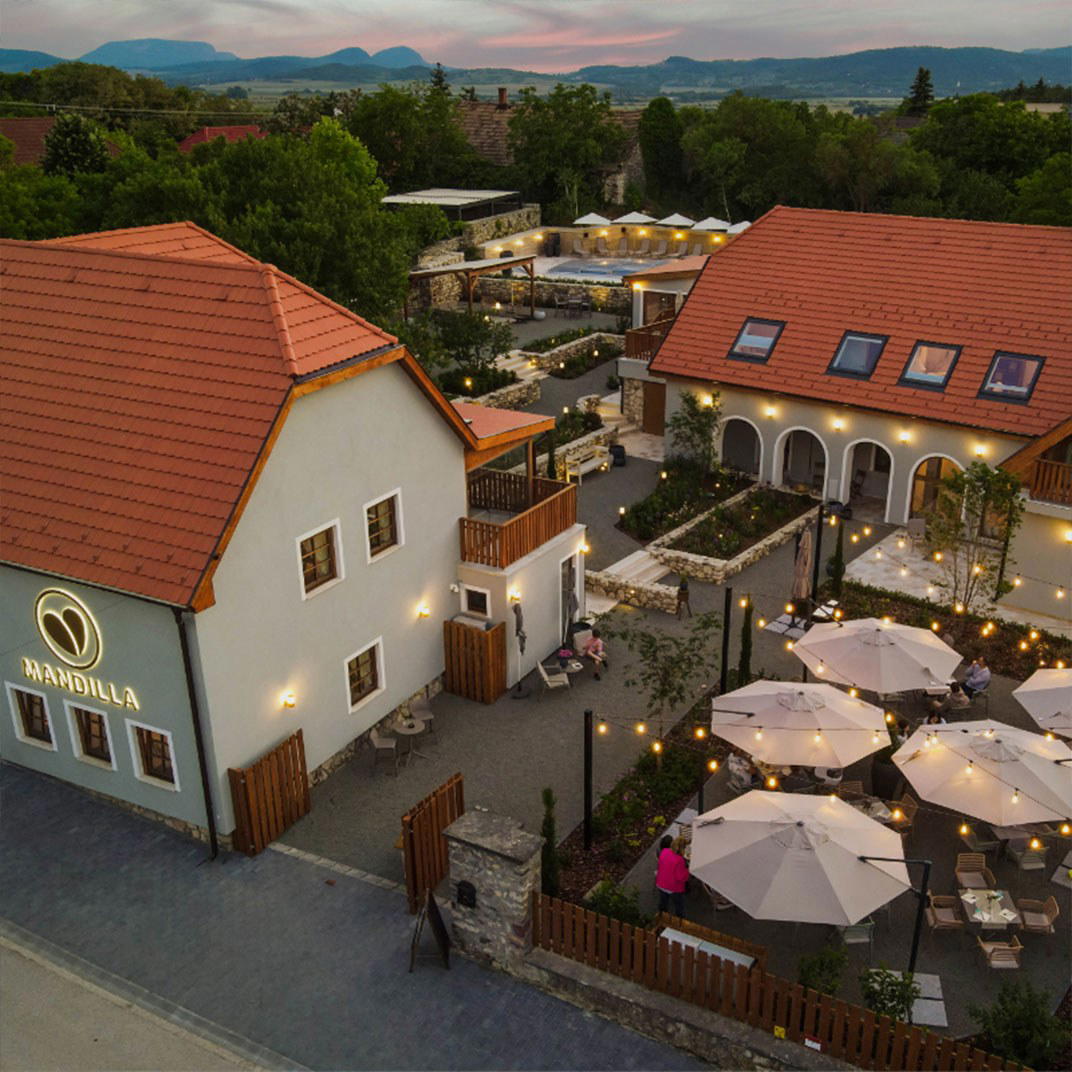
Country-style bistro atmosphere on a huge wine terrace amid volcanic hill vineyards.