
Falstaff Winery - Listed
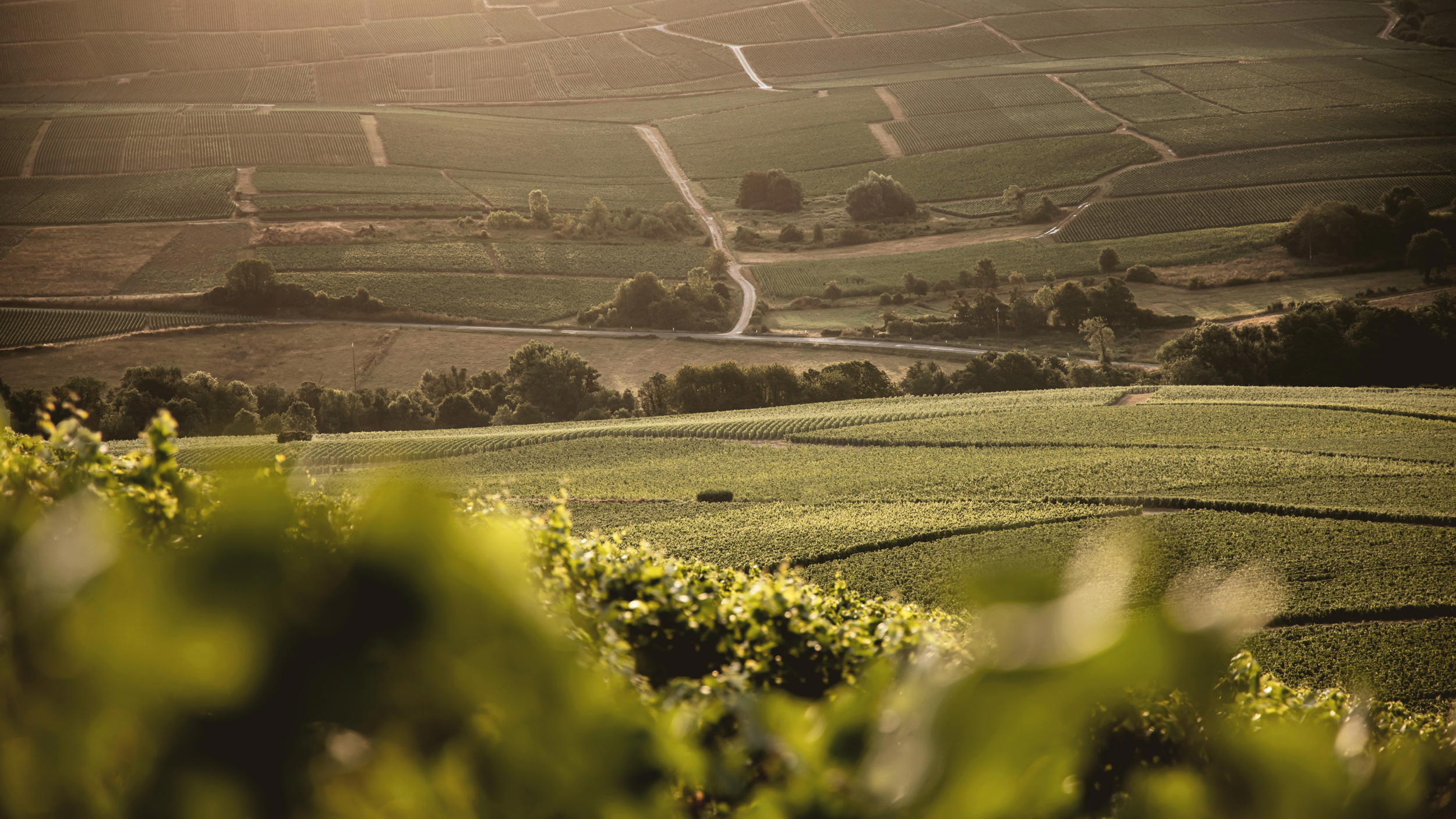
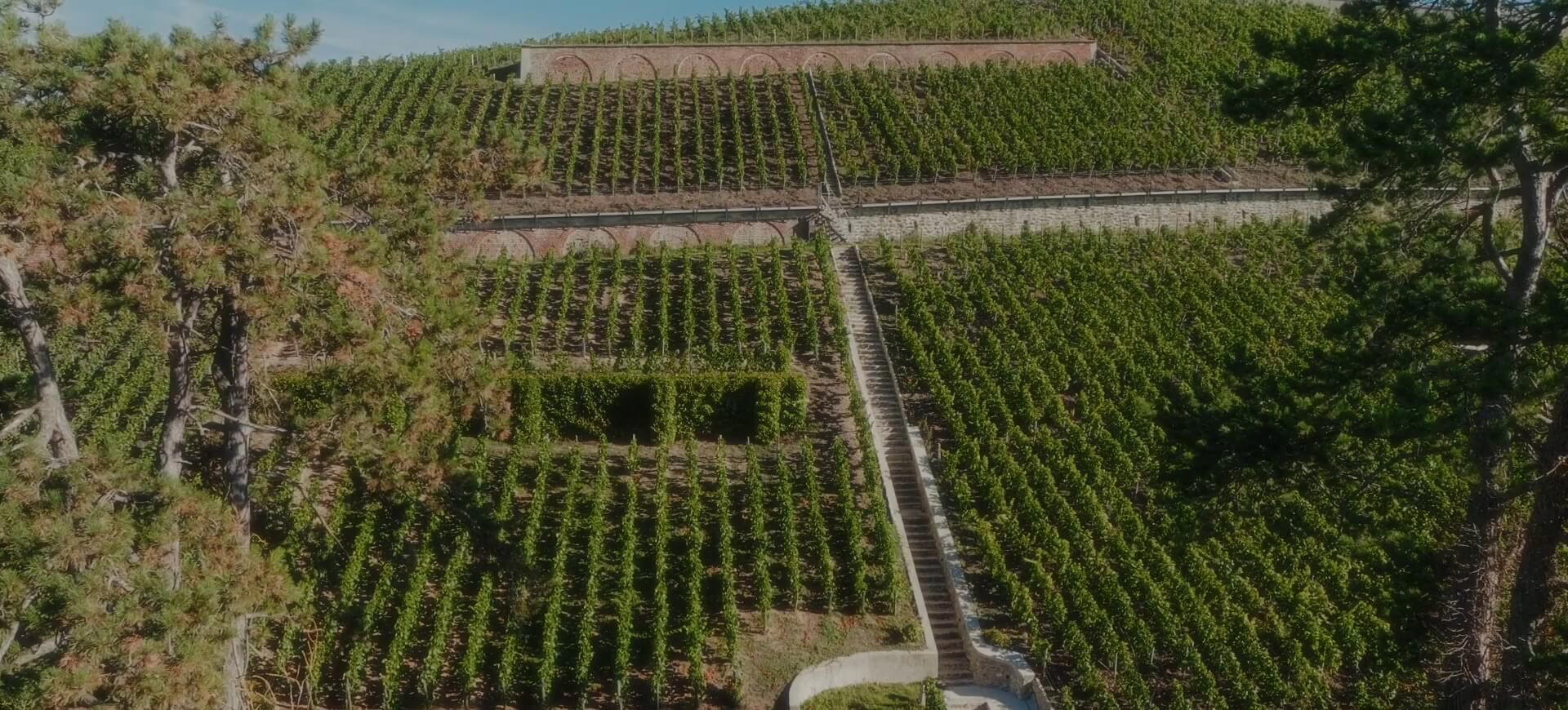
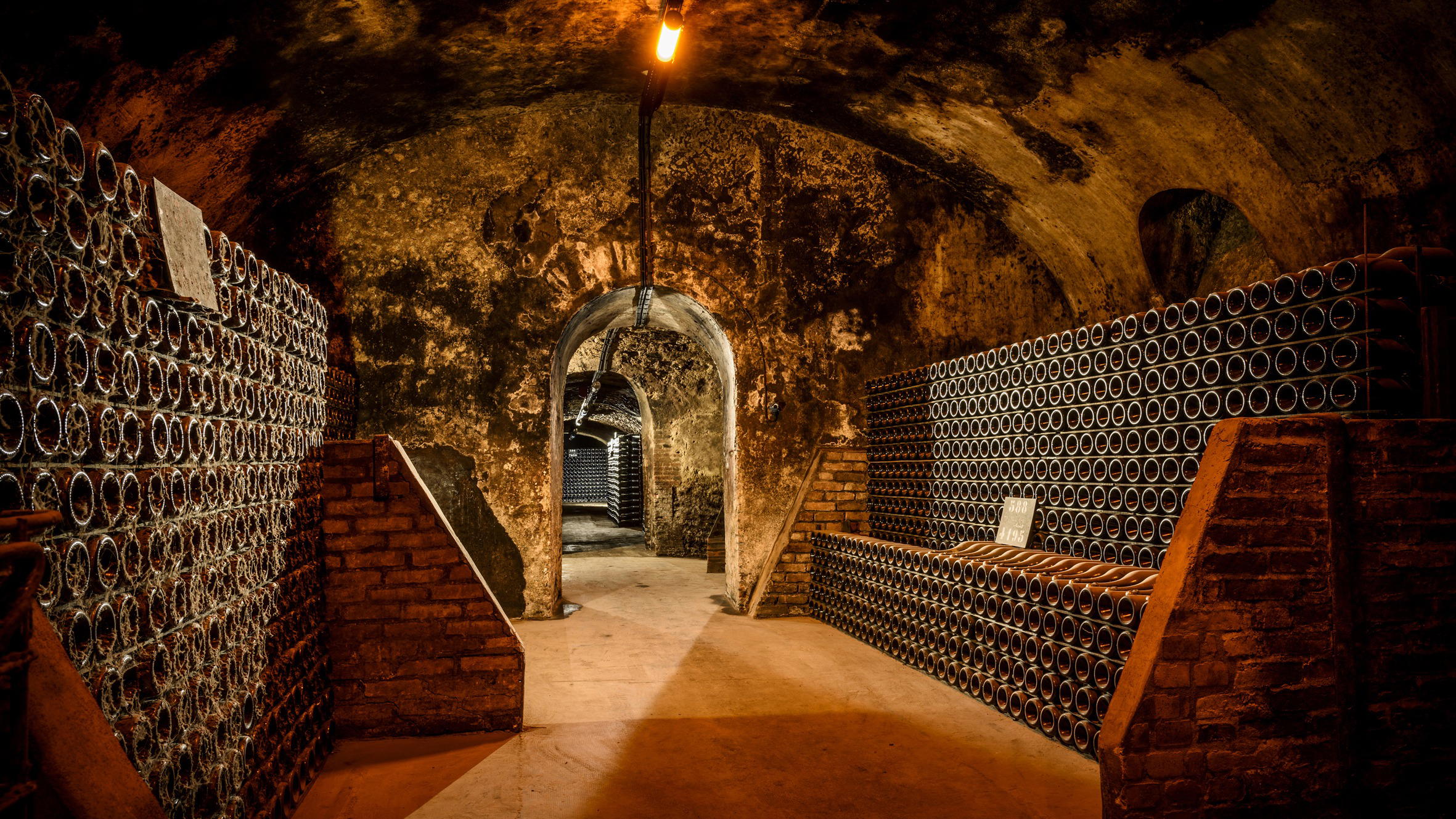
Fabrice Bertemès gives Trépail’s Chardonnay-heavy side of the Montagne de Reims a clear, small-estate reading. The draw is not spectacle but terroir: Premier Cru fruit, sustainable viticulture, low dosage, stainless-steel vinification without malolactic fermentation, and cellar aging that runs from three to seven years.

Pearl is the En Primeur Club membership app — saves, bookings, and concierge access live there. Same editors, same standards.
- Address
- Trépail, Grand Est, Frankreich
- Directions
- Get directions

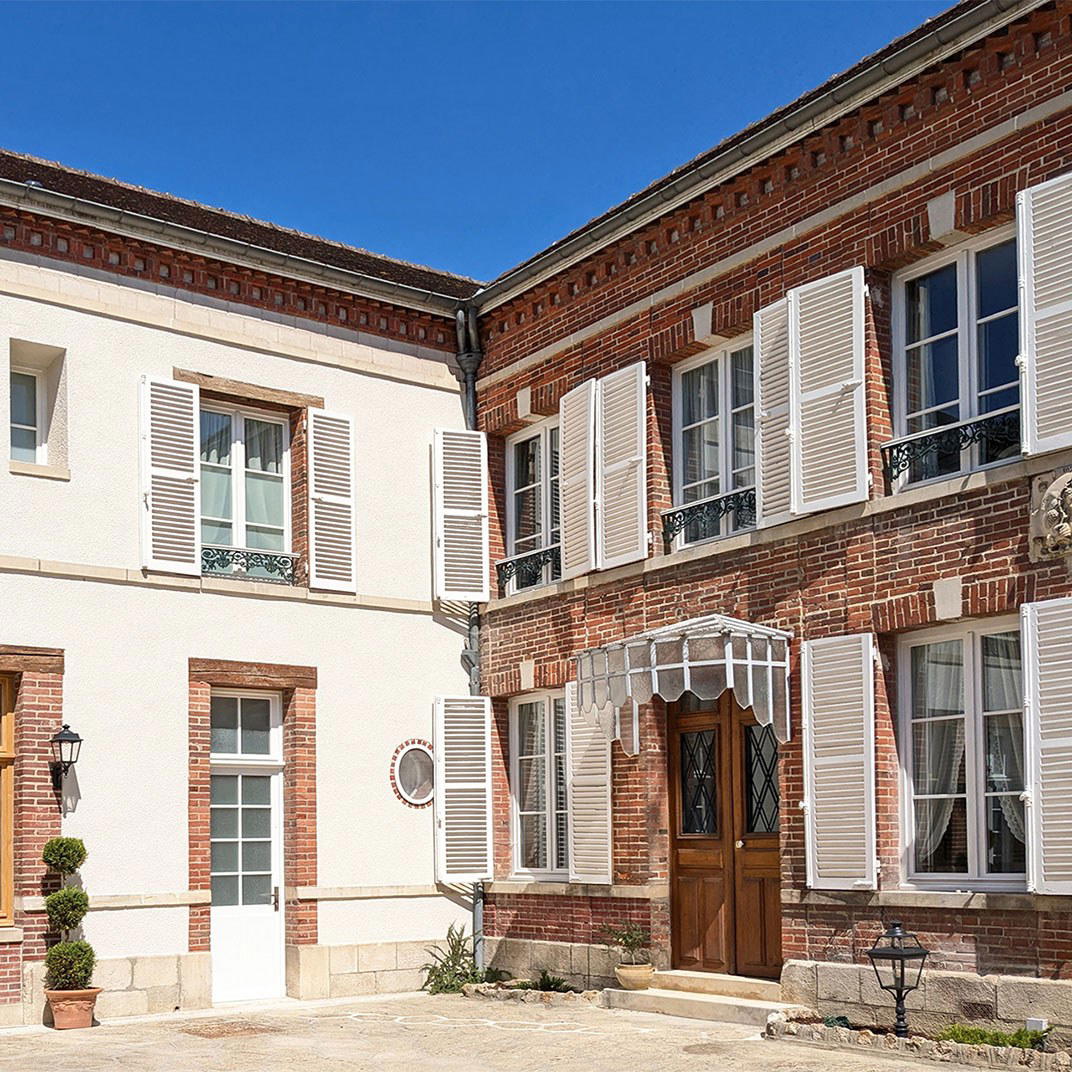
Fabrice Bertemès in Trepail is best approached as a traditional family Champagne house rather than a high-theatre hospitality stop. The profile is quiet, classic, rustic, and sophisticated, with the appeal centered on heritage, sustainable viticulture, and cellar-aged wines. In practical terms, that means the venue should be read through the language of continuity rather than spectacle: a place whose interest lies in the family-house character, the Champagne setting, and the slower appeal of wines associated with cellar time.
For wider planning around the village, use general Trepail dining, hotel, bar, and experience research to build a broader Champagne itinerary around a visit to Fabrice Bertemès. This is especially important because the strongest public-facing reasons to visit are not framed as a full-service hospitality ecosystem, but as a focused Champagne-house experience. Treat it as one anchor within a broader day in the area, then fill in meals, accommodation, and other stops through separate local research.
Trepail heritage, read through a family cellar
The public profile for Fabrice Bertemès does not support specific claims about vineyard size, grape varieties, named cuvées, cellar methods, or technical production figures. What can be stated safely is that the house presents itself through a traditional family Champagne identity, with heritage and cellar-aged wines at the center of the experience. That limited but useful description gives the venue a clear editorial shape: less about granular production data, and more about the atmosphere and values associated with a family Champagne house in Trepail.
That makes the venue a better fit for travelers who value a quieter Champagne setting over a highly staged or trend-driven one. The emphasis is on a classic house style and a sense of continuity rather than on claims about particular parcels, blends, or winemaking specifications. For some visitors, that restraint is part of the appeal. The point is not to arrive expecting a heavily narrated technical showcase, but to understand Fabrice Bertemès as a place where tradition, family identity, and the patience implied by cellar-aged wines do much of the work.
That is not a weakness so much as a necessary planning step. Anyone building an itinerary around particular bottles, a particular style of tasting, or a specific wine-learning agenda should verify those details in advance rather than extrapolating from the broader heritage profile.
Sustainability here is technical, not decorative
Sustainable viticulture is part of the profile of Fabrice Bertemès. The safest way to frame that is as a core element of the house’s identity, not as a claim about any specific certification, year, or technical vineyard program unless confirmed directly by the estate. In editorial terms, sustainability here should be treated as a serious part of the venue’s positioning, but not over-described beyond what the available information supports.
The broader character is traditional and family-oriented, with heritage playing a major role in how the venue should be understood. For EP Club readers, the useful takeaway is simple: Fabrice Bertemès is a quiet Champagne house in Trepail where the draw is the combination of family continuity, sustainable vineyard values, and cellar-aged wines. Those elements sit naturally together. Heritage gives the experience its sense of rootedness, sustainability gives the vineyard story a contemporary relevance, and cellar-aged wines reinforce the slower, more patient rhythm of the house.
Travelers comparing options in and around Trepail should treat Fabrice Bertemès as a heritage-led Champagne stop rather than a restaurant, bar, or luxury hospitality venue. Other local planning can be handled generically through Trepail dining and accommodation research. This distinction matters when setting expectations: the venue’s value is not in broad amenities or a dramatic hospitality concept, but in the more specific pleasure of engaging with a traditional family Champagne identity in a village context.
A Champagne stop for heritage-led drinkers
Fabrice Bertemès is a stronger fit for travelers who prefer understated Champagne settings: classic, quiet, rustic, and sophisticated. It is well suited to visitors who are comfortable with a measured, low-key experience and who do not need every element translated into a polished performance. The attraction is the mood as much as the message: a family Champagne house profile, a Trepail setting, and an emphasis on wines understood through heritage and cellar aging.
Within Trepail planning, the venue works well as a heritage-focused Champagne house with a sustainable viticulture emphasis. If comparing it with other nearby options, keep the comparison broad unless current details have been confirmed directly. A fair comparison should focus on the kind of experience being sought: a quiet, traditional stop versus something more hospitality-driven, more restaurant-led, or more explicitly structured around visitor services.
The editorial case for Fabrice Bertemès is modest but clear: it offers a traditional family Champagne house experience in Trepail, with a emphasis on heritage, sustainable viticulture, and cellar-aged wines. It should not be inflated into something it is not, and it should not be reduced to a generic Champagne address either. Its appeal is in the combination already present in its profile: family continuity, a classic and rustic sensibility, and a restrained sophistication that will make the most sense to heritage-led drinkers.
Recognition history
Dated appearances from independent guides and award organizations, with the underlying list record or original source where available.
Falstaff Winery - Listed
Falstaff
Continue exploring
More in Trepail
Wineries in Trepail
Browse all →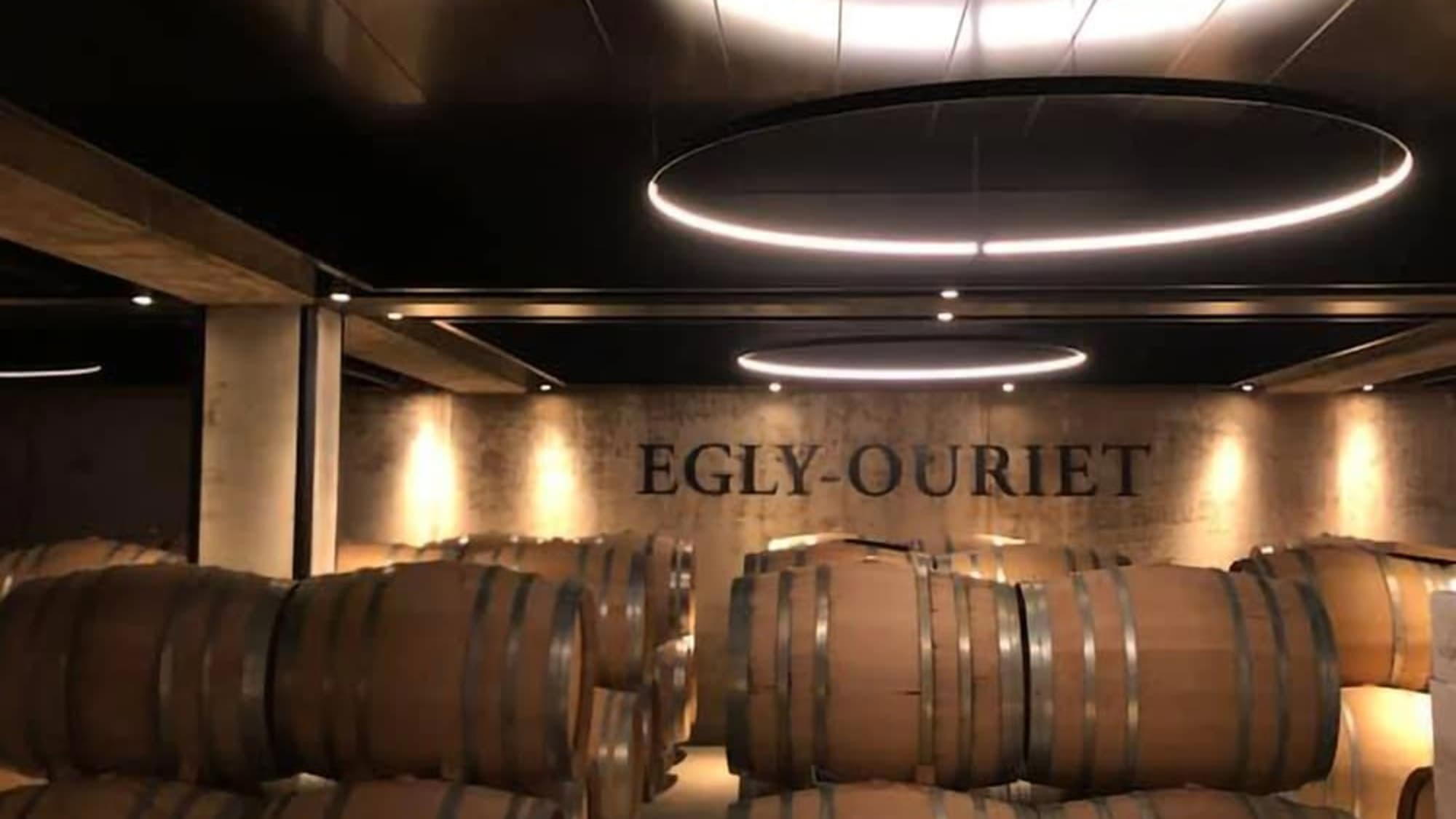
Bars in Trepail
Browse all →
Restaurants in Trepail
Browse all →
Details
- Classic
- Quiet
- Sophisticated
- Rustic
- Solo Exploration
- Group Outing
- Special Occasion
- Private Tasting
- Historic Building
- Vineyard Tour
- Sustainable
- Vineyard
- Chardonnay
- Pinot Noir
- Sparkling
- Private Tasting
- Estate Tasting
Traditional family Champagne house with a strong emphasis on heritage, sustainable viticulture, and cellar-aged wines.