

Donnafugata is a family-owned Sicilian estate operating since 1851, with vineyards spread across the island and a flagship winery in Marsala. Visitors follow a guided tour through underground barrique halls before tasting across a wide portfolio alongside local cuisine.
Pearl is the En Primeur Club membership app — saves, bookings, and concierge access live there. Same editors, same standards.
- Address
- Via Sebastiano Lipari, 18, 91025 Marsala TP, Italy
- Phone
- +39 0923 724245
- Website
- donnafugata.it
- Directions
- Get directions
 Saves & bookings on Pearl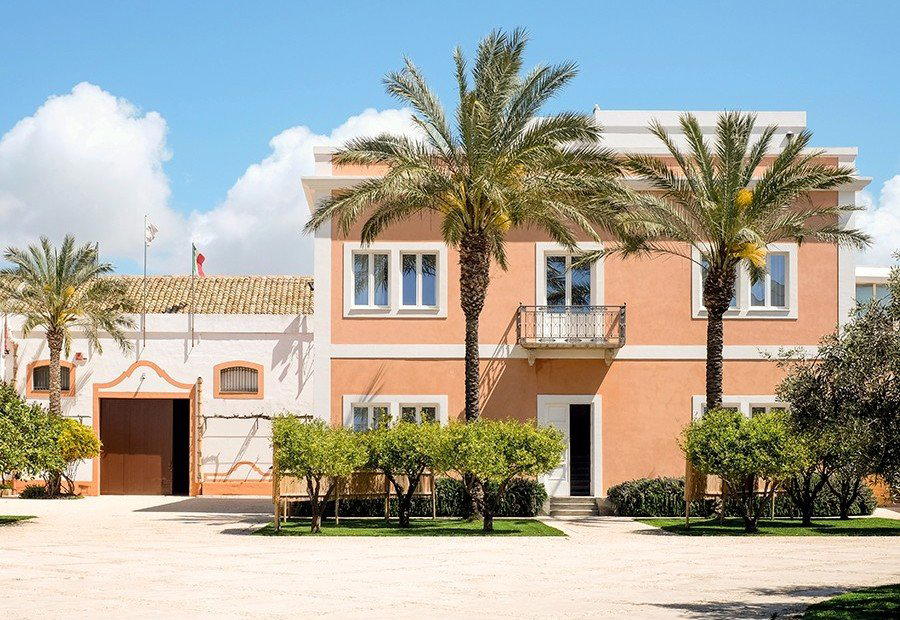
Where Sicilian Terroir Meets a Century and a Half of Family Craft
Donnafugata is a winery in Marsala, Sicily, ranked No. 45 on The World’s 50 Best Vineyards list in 2025. Marsala sits at Sicily's far western tip, where North Africa feels geographically plausible and the light carries a particular intensity that has shaped viticulture here since Phoenician traders first recognised the island's agricultural potential. The town itself is better known for its fortified wine tradition than for the kind of estate-driven, label-driven culture that Donnafugata has spent decades building. Walking through that contrast is, in some ways, the whole point of the visit.
Sicily's wine identity has shifted considerably over the past thirty years. For much of the twentieth century, the island functioned largely as a bulk supplier: high-alcohol, sun-saturated juice shipped north to bolster thin French and northern Italian blends. The pivot toward quality-led, estate-bottled production began in earnest in the 1980s, and Donnafugata's own makeover during that decade places it squarely at the start of that transformation. The colourful, artist-commissioned labels that now define the brand were part of the same repositioning: a deliberate signal that this was a producer thinking about identity, narrative, and the international market simultaneously. Today, those labels function as shorthand in wine shops from Milan to Tokyo, a recognition that the estate earned by building a portfolio coherent enough to carry the weight of a strong visual identity.
The Land Behind the Labels
Donnafugata's approach to terroir is, by necessity, an exercise in contrast. The estate's vineyard sites are distributed across Sicily rather than concentrated in a single appellation, and each location contributes something distinct to the overall portfolio. Marsala itself sits in the province of Trapani, where the scirocco wind off the African coast and the reflective heat of limestone soils push grapes toward full phenolic development and concentrated aromatics. This is warm-climate viticulture in an unambiguous sense, but the altitude and cooling maritime influence at some of the estate's other island sites moderate that warmth in ways that allow for freshness and structure alongside the ripeness.
The name Donnafugata, meaning 'fleeing woman,' is drawn from Giuseppe Tomasi di Lampedusa's novel The Leopard, a work whose central themes of transformation beneath an unchanging surface feel apt for an estate that has reinvented itself while remaining family-owned since 1851. That continuity matters in a region where wine estates with genuine multi-generational depth are less common than in, say, Burgundy or Piedmont. For context, producers like Aldo Conterno in Monforte d'Alba or Lungarotti in Torgiano represent the kind of family continuity that anchors Italian regional wine culture; Donnafugata's own lineage places it in that same tier, but with a distinctly Sicilian inflection.
Inside the Underground: The Barrique Hall
The guided tour at Marsala moves visitors through the winery's underground barrique hall, and this is where the physical reality of winemaking at this scale becomes tangible. Barrel halls have a particular sensory logic: the temperature drops as you descend, the smell of oak and fermenting lees thickens the air, and the rows of barrique offer a visual grammar for understanding how time and vessel interact with wine. At Donnafugata, the hall is not merely functional infrastructure but a deliberate part of the visitor experience, designed to make the connection between process and product legible before the tasting begins.
Ca' del Bosco in Erbusco and Castello di Volpaia in Radda in Chianti both run visitor programs that use the architecture and atmosphere of production spaces to contextualise the wines before they're poured. The difference at Donnafugata is the specific character of the place: underground cool in a landscape defined by surface heat, and Sicilian local cuisine as the pairing medium rather than the more internationally familiar Tuscan or Lombardian table.
The Tasting: Sicily in the Glass
The tasting portion of the visit covers a wide array of wines, which reflects the estate's strategic breadth across the island's appellations and styles. This is not a single-varietal producer building a reputation on one great wine; it is an estate that has invested in multiple terroir expressions simultaneously. That breadth is both a strength and a complexity for visitors: the range gives a genuine survey of what Sicily's different zones can produce, from the volcanic influence of Etna to the sun-baked western plains, but it also demands more attention and discernment from the taster than a focused, narrower portfolio would.
Tasting alongside local Sicilian cuisine grounds the wines in their geographic context in a way that a neutral tasting environment cannot replicate. Sicilian food carries the same warm-climate intensity as the wines: bold acidity from tomatoes, salinity from capers and olives, the sweetness of slow-cooked vegetables and almonds. These flavours interact with the wines in ways that can seem surprising to palates more accustomed to northern Italian or French pairings, and that surprise is itself an education in how terroir extends from soil and climate into cuisine.
For visitors planning a broader circuit of Sicilian wine producers, Planeta in Menfi represents the obvious peer comparison: another large, multi-site Sicilian estate with strong international recognition and a developed visitor program. The two producers occupy a similar tier in terms of scale and brand visibility, but their stylistic emphases and the specific terroirs they draw from differ in ways that make visiting both a worthwhile exercise.
Recognition and Peer Context
Donnafugata ranked No. 45 on The World’s 50 Best Vineyards list in 2025. That kind of award does specific work: it signals that the estate has been assessed against a defined set of peers and found to meet a standard that distinguishes it from the general run of Sicilian producers. The fact that Donnafugata holds comparable recognition from a Sicilian base is a useful signal of how far the island's leading producers have moved toward parity with Italy's more historically prestigious wine regions.
The estate's cultural positioning is worth noting separately from its wine credentials. The integration of food, fashion, art, and music into the brand is not window dressing; it reflects a genuine effort to situate wine within a broader Sicilian cultural identity rather than letting it stand alone as a technical product. This approach has more in common with certain Napa estates, like Accendo Cellars in St. Helena, or Italian producers who have invested in architecture and arts programming, than with the more austere, terroir-only communication style of Burgundy or Barolo. Whether that resonates depends on what you're looking for in a winery visit.
Planning Your Visit
The Marsala winery at Via Sebastiano Lipari, 18 is the primary visitor site, accessible from Trapani's airport, which operates regular flights from Italian and European hubs. Marsala itself is a workable base for exploring western Sicily's broader wine and cultural circuit, including the salt flats of the Stagnone lagoon and the archaeological sites at Selinunte. The guided tour and tasting format at Donnafugata is structured rather than drop-in, so advance booking through the estate's website is the standard approach; visiting in spring or autumn avoids the peak summer heat that can make winery visits in western Sicily physically demanding.
Comparable Venues
Comparable venues nearby, for context on price, style, and recognition.
| Venue | Cuisine | Price | Awards | Notes |
|---|---|---|---|---|
| DonnafugataThis venue — the venue you are viewing | Nero d'Avola, Nerello Mascalese | $$$ | World's 50 Best #45 | Not listed |
| Azienda Agricola Arianna Occhipinti | Frappato, Nero d'Avola | $$$ | World's 50 Best #78 | Vittoria |
| Azienda Agricola Casanova di Neri di Giacomo Neri | Sangiovese, Cabernet Sauvignon | $$$ | World's 50 Best #87 | Montalcino |
| Tenuta Castelbuono (Tenute Lunelli) | Sagrantino, Sangiovese | $$$ | World's 50 Best #25 | Bevagna |
| Tenuta Cavalier Pepe | Aglianico, Fiano di Avellino | $$$ | World's 50 Best #14 | Irpinia |
| Castello Banfi | Sangiovese, Cabernet Sauvignon | $$$$ | World's 50 Best #22 | Montalcino |
Recognition history
Dated appearances from independent guides and award organizations, with the underlying list record or original source where available.
Falstaff Winery - 5 Stars
Falstaff
World's 50 Best Best Vineyards #45
World's 50 Best
Continue exploring
More in Sicily
Wineries in Sicily
Browse all →
Bars in Sicily
Browse all →
Restaurants in Sicily
Browse all →
At a Glance
- Elegant
- Scenic
- Rustic
- Sophisticated
- Wine Education
- Special Occasion
- Vineyard Tour
- Barrel Room
- Garden
- Historic Building
- Panoramic View
- Sustainable
- Vineyard
- Mountain
- Garden
- DOC Sicilia
- Nero D'avola
- Nerello Mascalese
- Catarratto
- Zibibbo
- Syrah
- Petit Verdot
- Still Red
- Still White
- Still Rosé
- Dessert
- Fortified
- Professional Tasting
- Guided Tour
- Pairings
Current opening hours
- Monday
- 10 AM–1 PM, 3:30–6 PM
- Tuesday
- 10 AM–1 PM, 3:30–6 PM
- Wednesday
- 10 AM–1 PM, 3:30–6 PM
- Thursday
- 10 AM–1 PM, 3:30–6 PM
- Friday
- 10 AM–1 PM, 3:30–6 PM
- Saturday
- 10:30 AM–1 PM, 3:30–6 PM
- Sunday
- 12–1 PM, 3:30–6 PM
Hours can change for holidays and private events. Last verified .
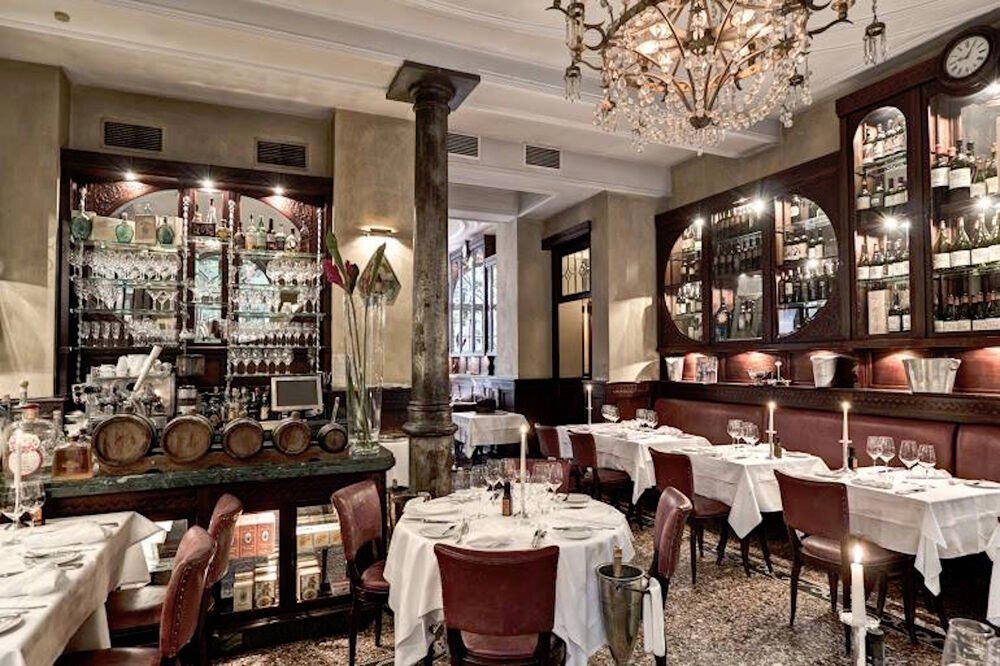
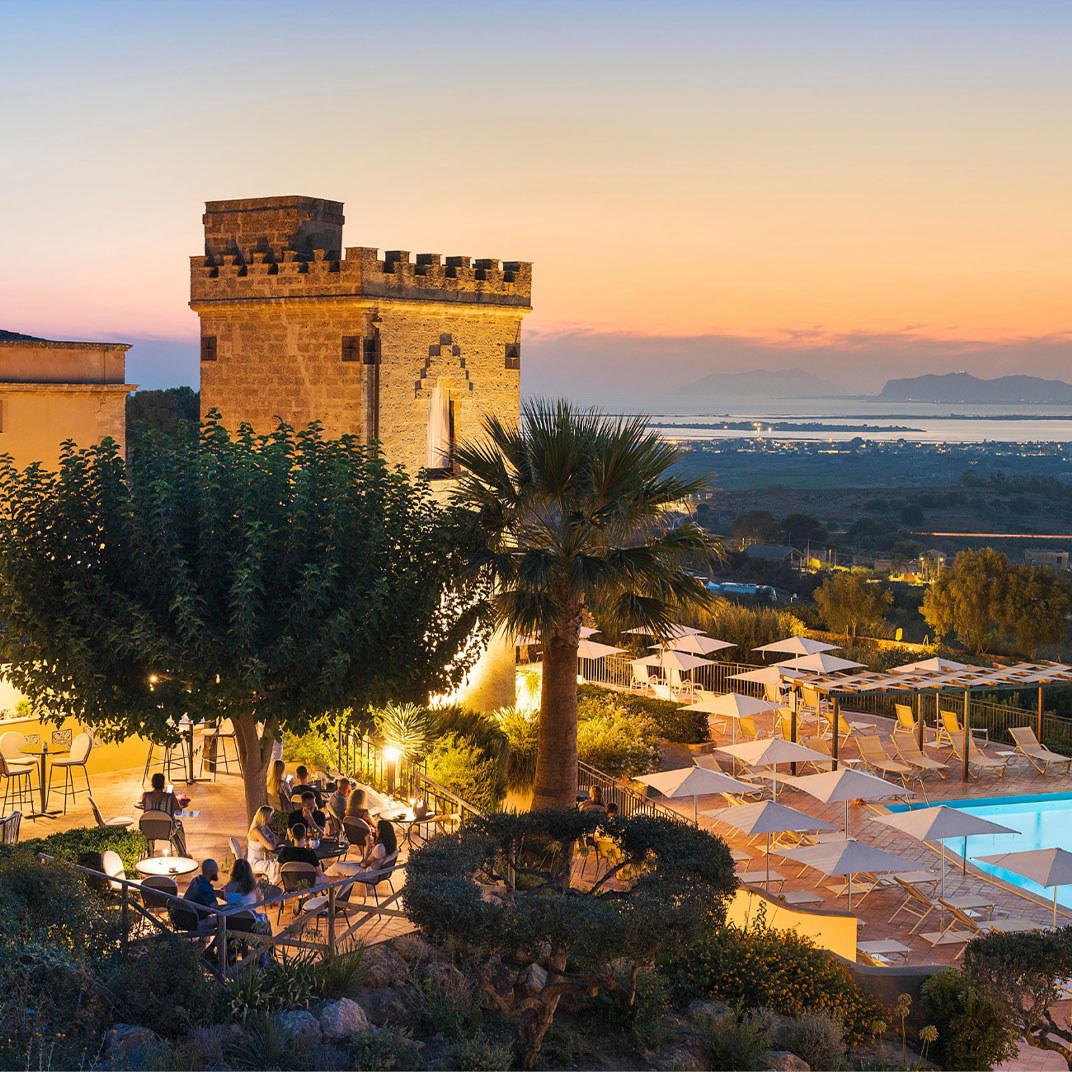
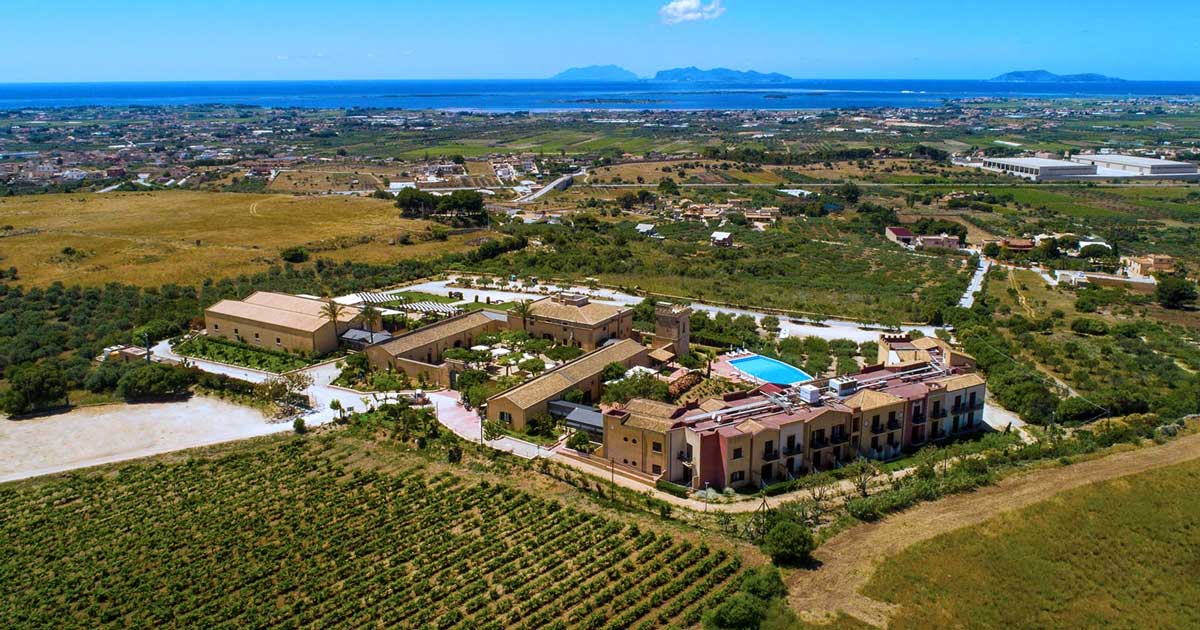
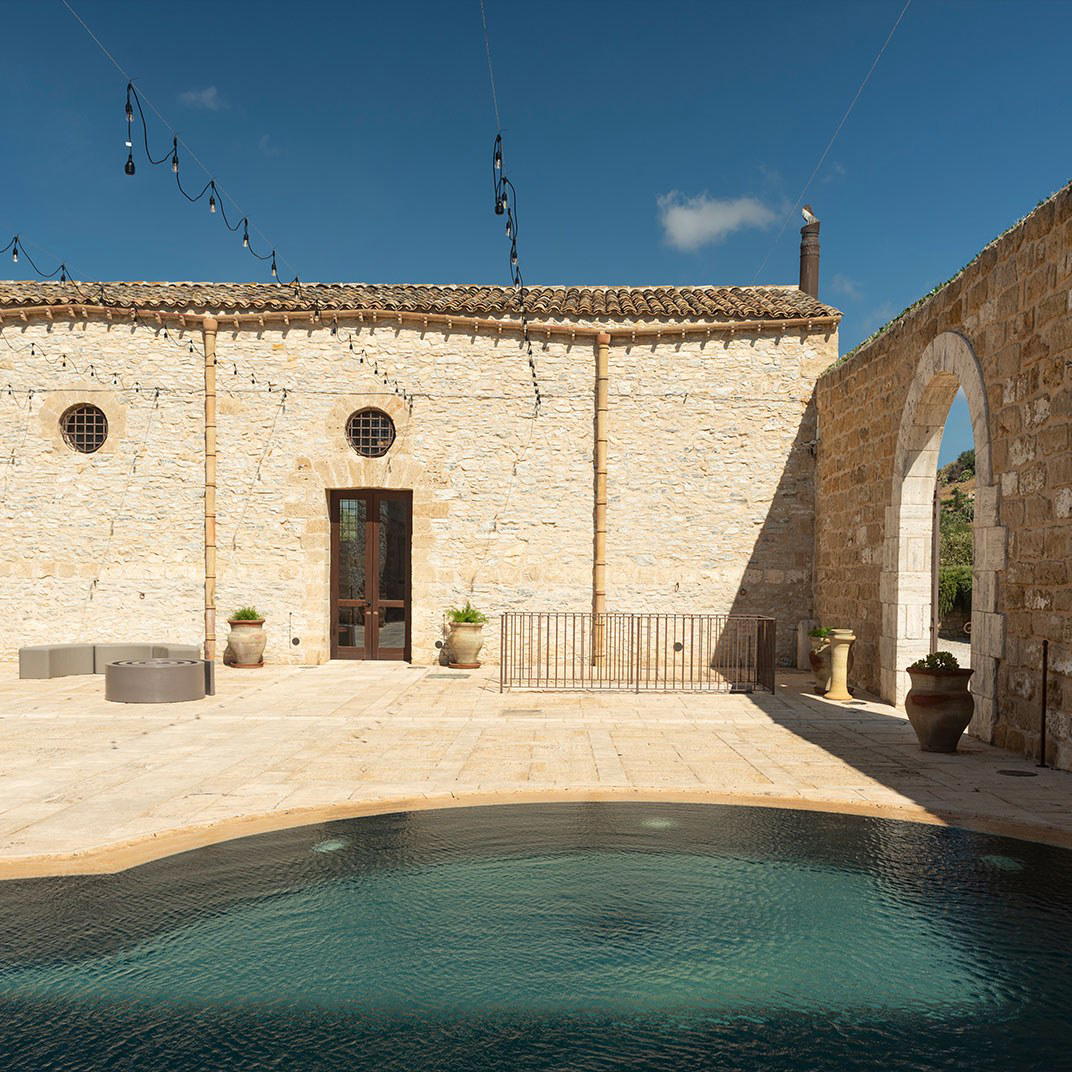
Refined and welcoming Sicilian hospitality in beautiful settings with manor houses, splendid gardens, and volcano views, creating multi-sensory experiences blending wine, art, and nature.