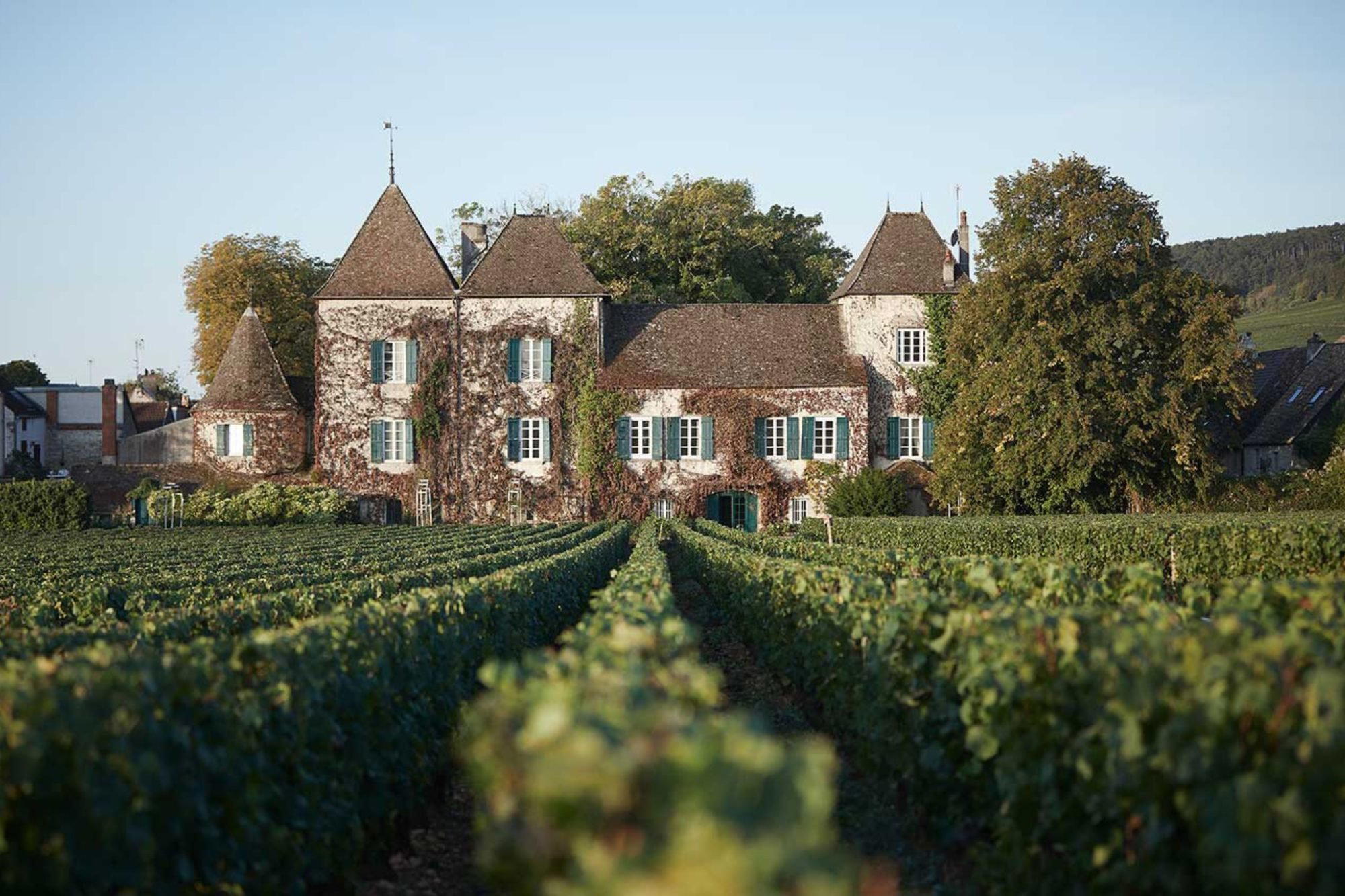
Domaine Marthe Henry occupies a quietly respected position in the village of Meursault, one of Burgundy's most closely watched white wine communes. Selected as a producer for La Paulée de Meursault 2026, the domaine sits within the prestige tier of an appellation where allocation access and event invitations carry more weight than public-facing recognition. Visiting requires directness: arrive at 3 Rue du Leignon with patience and a plan.
Pearl is the En Primeur Club membership app — saves, bookings, and concierge access live there. Same editors, same standards.
- Address
- 3 Rue du Leignon, 21190 Meursault, France
- Phone
- +33 6 30 36 22 99
- Website
- marthehenry.fr
- Directions
- Get directions
 Saves & bookings on Pearl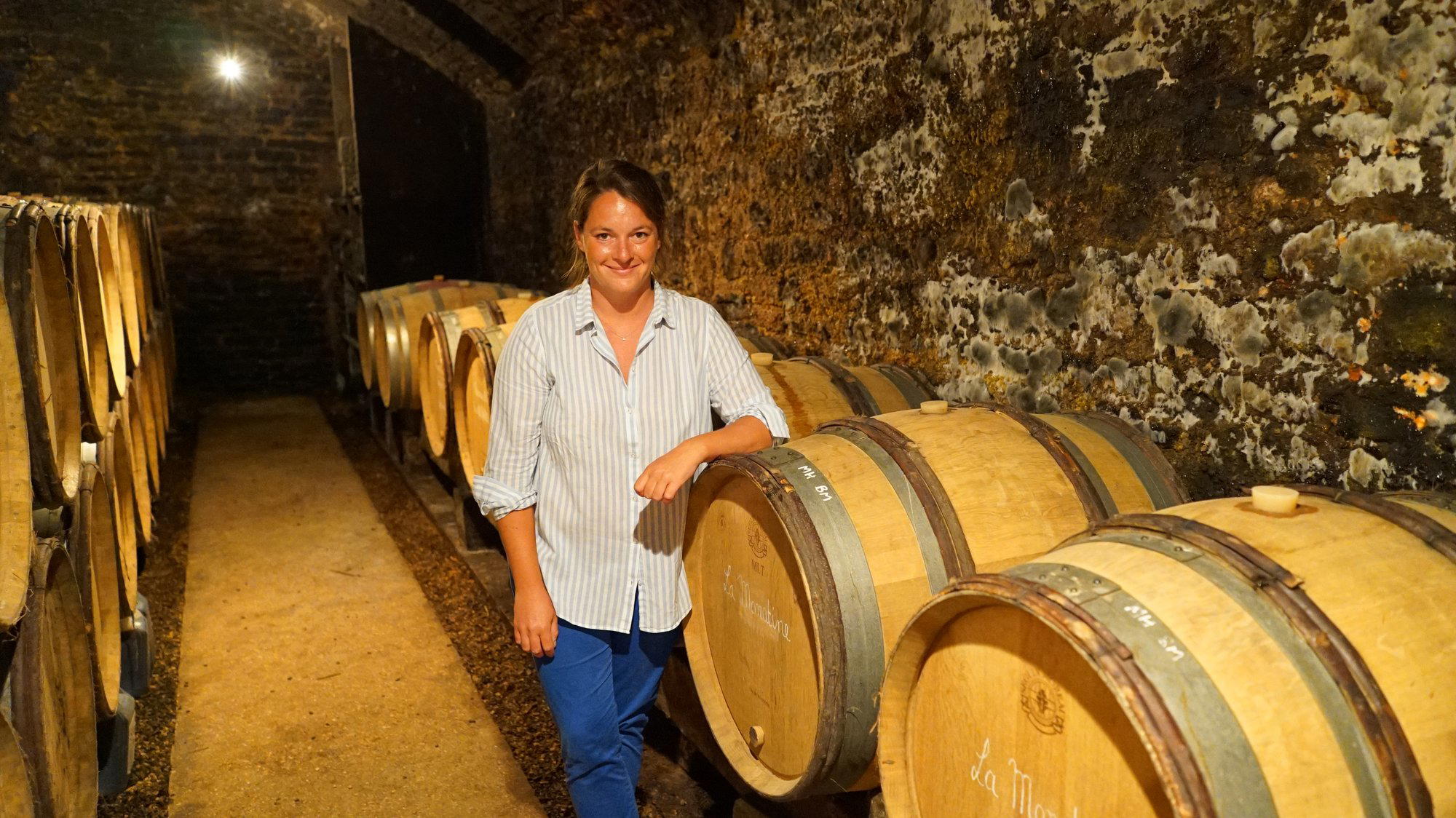
Meursault in January: The Village Before the Crowds Arrive
The Côte de Beaune in winter operates at a different register than the harvest season that draws attention from London, Tokyo, and New York. Meursault's lanes empty early, the stone walls hold cold air well into the morning, and the domaines along Rue du Leignon become accessible in ways they aren't when the village fills for La Paulée or the Trois Glorieuses. Domaine Marthe Henry is a winery at 3 Rue du Leignon, 21190 Meursault, France, operating by appointment in Burgundy's Meursault appellation.
What the La Paulée Selection Signals
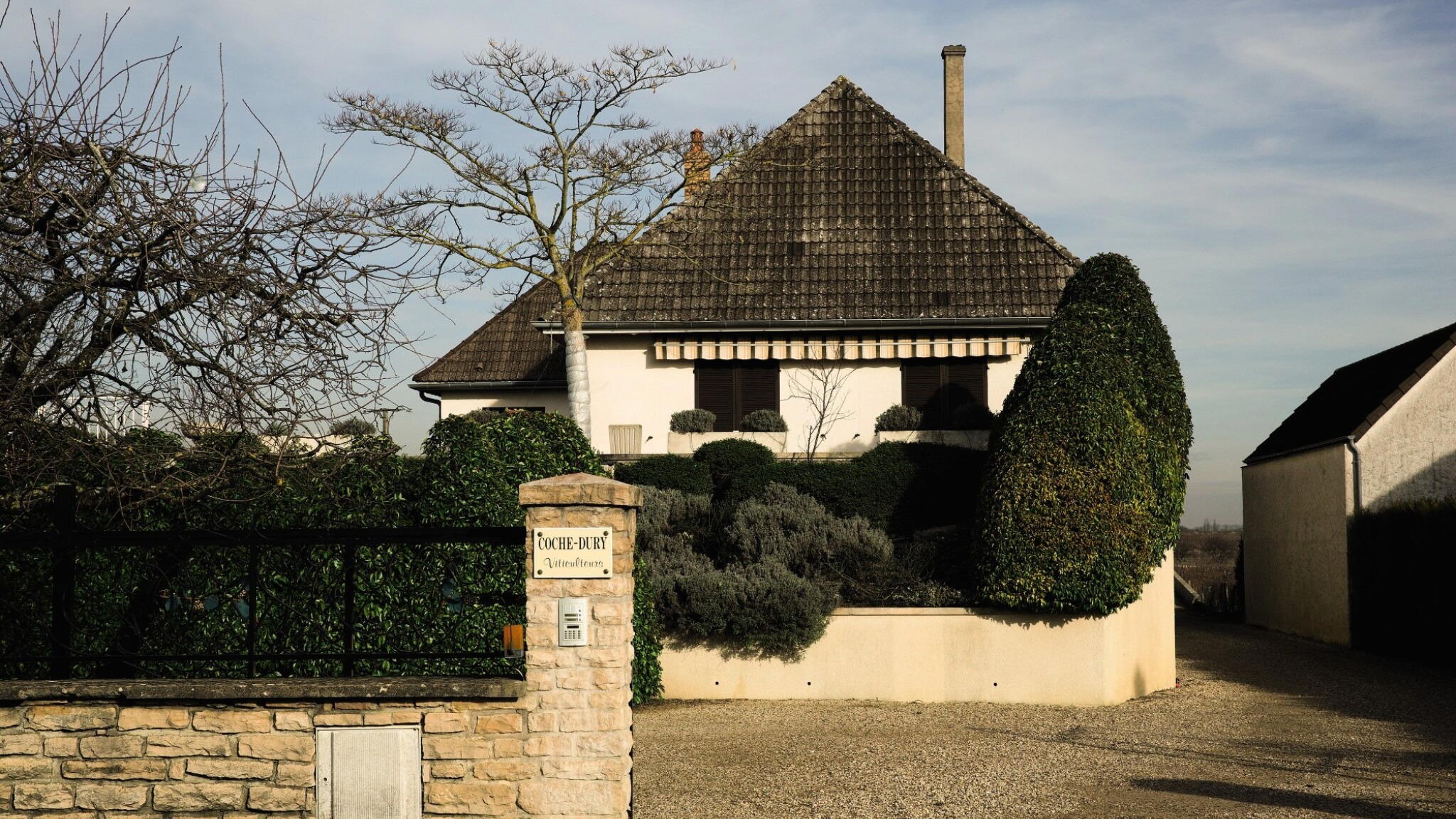
La Paulée de Meursault is the annual harvest celebration that gathers the commune's producers and their guests for a lunch built around bottles brought by the guests themselves. Selection as a featured producer for the 2026 event places Domaine Marthe Henry within a notable tier of Meursault's producer hierarchy. That calibration matters because Meursault operates through reputation layers that are not always legible from the outside. At the apex sit domaines whose allocations are traded before they are even released, Domaine Coche-Dury is one cited example, its wines moving through private channels at multiples of their release prices. Below that tier, but meaningfully separated from entry-level village producers, sits a cohort of growers whose work appears on serious lists and whose bottles reach La Paulée tables. Domaine Marthe Henry's inclusion signals membership in that intermediate-to-upper band.
The geography reinforces this reading. Meursault's premier cru vineyards, Perrières, Charmes, Genevrières, among others, are concentrated on the commune's eastern slopes, and access to fruit from these sites, even partial access, shapes a producer's standing in ways that no amount of winemaking attention can replicate if the raw material isn't there. Domaine Marthe Henry's address places it within the village proper, close to producers like Domaine Antoine Jobard and Domaine Chavy-Chouet, both of which work with premier cru parcels and occupy a comparable tier in the appellation's informal hierarchy.
The Meursault White Wine Tradition and Where This Domaine Fits
Meursault's reputation rests on Chardonnay that expresses a specific combination of weight and mineral tension. The village wines tend toward a broader, richer register than Puligny-Montrachet immediately to the south, with a texture that absorbs oak more visibly and a profile that collectors often describe as more immediately pleasurable, less austere than the grands crus of neighbouring communes. This is the tradition within which every Meursault producer operates, and the question for any given domaine is where along the spectrum from generous-and-approachable to taut-and-age-worthy it positions its wines.
The appellation's leading figures have shaped expectations for the category globally. Domaine Henri Boillot works across Meursault and the wider Côte de Beaune with a focus on precision. Château de Meursault operates at larger scale and serves as many visitors' introduction to the appellation. Further up the prestige register, Domaine Jacques Prieur holds grand cru holdings that anchor its international standing. Against this comparable set, smaller growers with La Paulée-tier recognition occupy a distinct niche: less accessible by volume, more interesting to collectors tracking the commune's full depth.
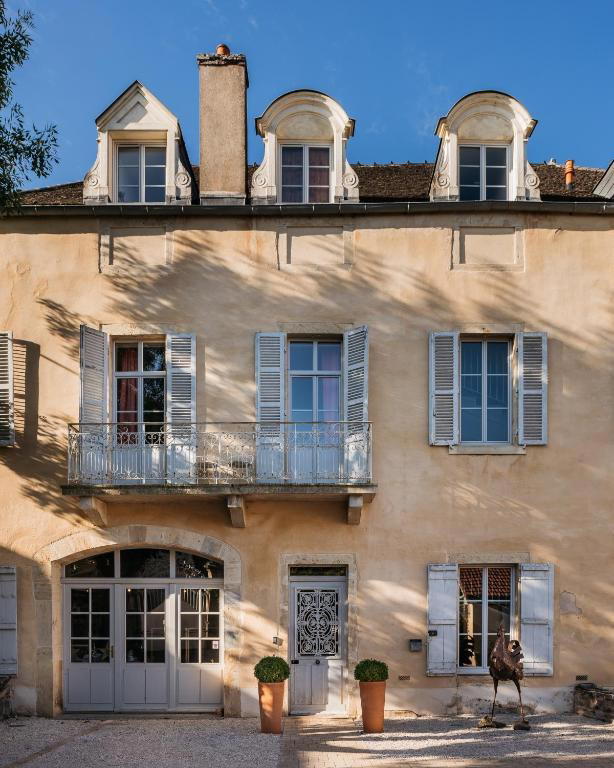
Arriving at 3 Rue du Leignon
The address places visitors in the residential fabric of Meursault village rather than on one of the main routes that funnel tourist traffic toward larger estates. This is a practical distinction with real consequences for how a visit unfolds. The winery does not have a listed phone number or website in the public record, which means that an impromptu arrival is a gamble. The more productive approach is to contact the domaine through trade channels or through a specialist wine merchant who has an existing relationship, then plan a visit around that introduction. This pattern is common among small Burgundy growers who allocate their production through personal networks rather than through open retail.
Timing of a visit shapes what's available and accessible. The period between harvest and the spring tastings is when many domaines are working through barrel samples and the previous year's bottlings simultaneously. La Paulée itself, scheduled for 2026, draws the commune's producers into a concentrated period of activity and visibility in late autumn, the weeks immediately before and after the event are when the village's hospitality infrastructure operates at full capacity and when cellars are most active with visitors. Planning around the event calendar, rather than treating Meursault as a standalone stop on a generic wine route, tends to produce more substantive encounters.
For context on how the broader appellation fits into a Burgundy visit, the full Meursault guide covers the commune's range of producers, dining options, and practical logistics in detail. Comparisons across Burgundy's white wine communes can be useful, including Albert Boxler in Niedermorschwihr for Alsatian white wine context, or further afield, Château Bastor-Lamontagne in Preignac and Château Batailley in Pauillac for Bordeaux comparisons that illuminate why Burgundy's appellation-driven prestige system operates so differently from classification-based hierarchies.
The winery's recognition also aligns with producers beyond Burgundy. That standing aligns the domaine with properties like Château Bélair-Monange in Saint-Emilion, Château Boyd-Cantenac in Cantenac, Château Branaire Ducru in St-Julien, and international producers such as Accendo Cellars in St. Helena. These are producers whose standing is established within serious collector and trade circles, whose output is limited enough that access requires effort, and whose bottles appear at events like La Paulée precisely because the guests who attend those events regard them as worth bringing.
That comparable set is a useful frame for understanding what the winery represents in the context of a Meursault visit. It is not a large estate with a visitor centre and a retail allocation. It is a small Burgundian grower operating within the traditions of the commune, recognised at the level where recognition among peers matters more than recognition from mass-market guides. For collectors and serious enthusiasts building knowledge of Meursault's full range, that positioning is the point. Alongside other producers such as Aberlour in Aberlour and Chartreuse in Voiron, the winery illustrates how prestige in traditional production categories accumulates through event participation, peer recognition, and allocation scarcity rather than through marketing infrastructure.
Planning Considerations
Visits to the winery should be arranged by appointment. Arriving unannounced is possible but unlikely to produce a meaningful tasting. Meursault village is accessible by car from Beaune in under fifteen minutes, and the Rue du Leignon address sits within the central part of the village, walkable from the church square.
Peers You’d Cross-Shop
Comparable venues nearby, for context on price, style, and recognition.
| Venue | Cuisine | Price | Notes |
|---|---|---|---|
| Domaine Marthe HenryThis venue — the venue you are viewing | Chardonnay, Pinot Noir | $$$ | Not listed |
| Domaine Pierre Morey | Chardonnay, Pinot Noir | $$$ | Meursault |
| Domaine Génot-Boulanger | Chardonnay, Pinot Noir | $$$ | Meursault |
| Domaine Yves Boyer-Martenot | Chardonnay, Pinot Noir | $$$ | Meursault |
| Château de Meursault | Chardonnay, Pinot Noir | $$$ | Meursault |
| Domaine Rougeot Père et Fils | Chardonnay, Pinot Noir | $$$ | Meursault |
Continue exploring
More in Meursault
Wineries in Meursault
Browse all →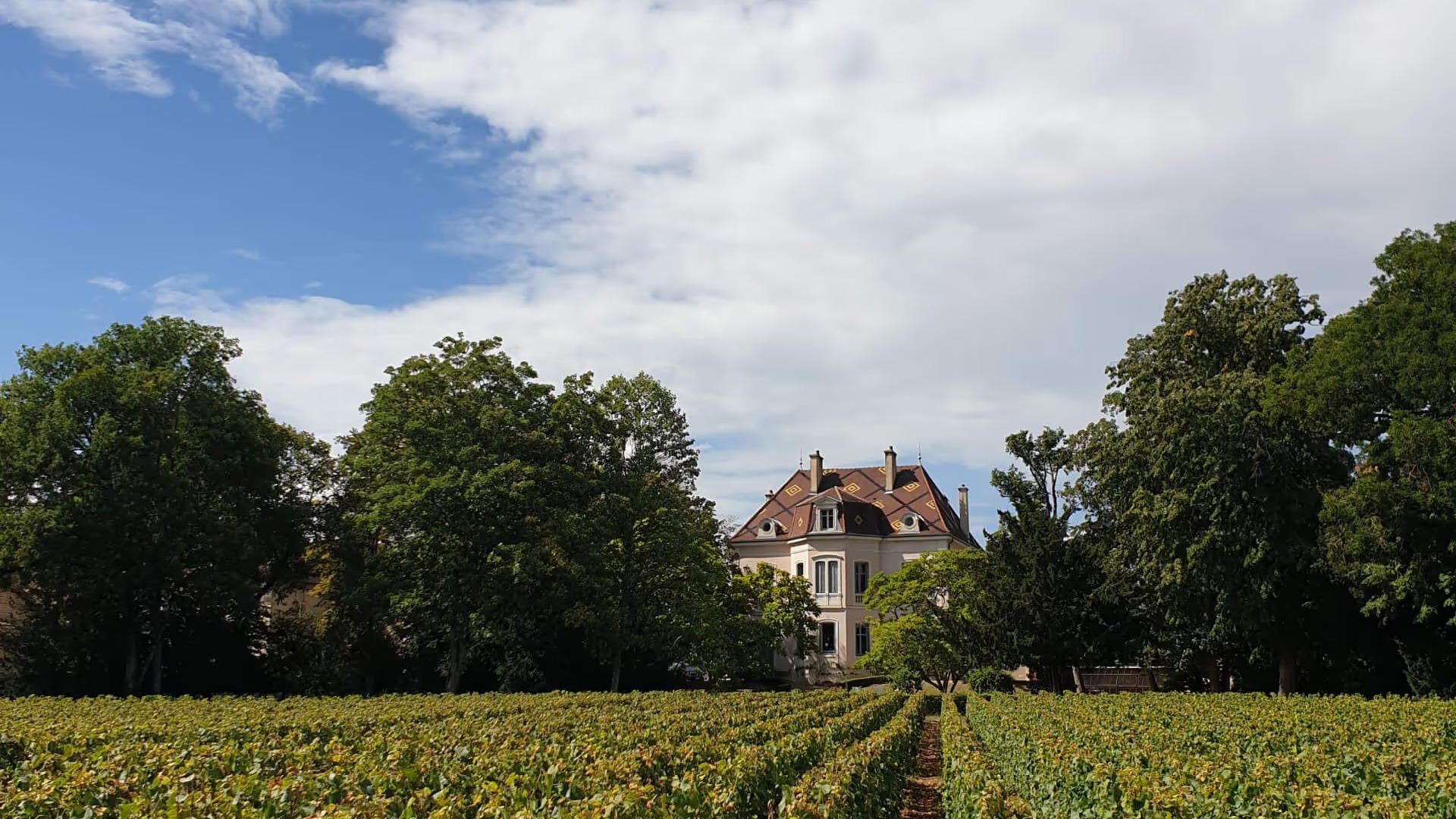
Bars in Meursault
Browse all →
Restaurants in Meursault
Browse all →
At a Glance
- Elegant
- Rustic
- Intimate
- Classic
- Wine Education
- Solo Exploration
- Special Occasion
- Cave Tasting
- Barrel Room
- Organic
- Vineyard
- Meursault AOC
- Chardonnay
- Pinot Noir
- Gamay
- Still White
- Still Red
- Cave Tasting
Refined and energetic atmosphere in a historic family cellar with airy, pure, and harmonious wines.