Domaine Georges Roumier

Domaine Georges Roumier has been producing Chambolle-Musigny since its first vintage in 1921, now under the stewardship of winemaker Christophe Roumier. Awarded Pearl 4 Star Prestige in 2025, the domaine operates from a quiet address on Rue de Vergy and commands a position among the most closely watched allocations in Burgundy. Access is narrow, demand is sustained, and the wines speak to the village's signature tension between aromatic lift and structural depth.
 Discover on Pearl
Pearl is the En Primeur Club membership app — saves, bookings, and concierge access live there. Same editors, same standards.
- Address
- 4 Rue de Vergy, 21220 Chambolle-Musigny
- Phone
- +33 3 80 62 86 37
- Website
- roumier.com
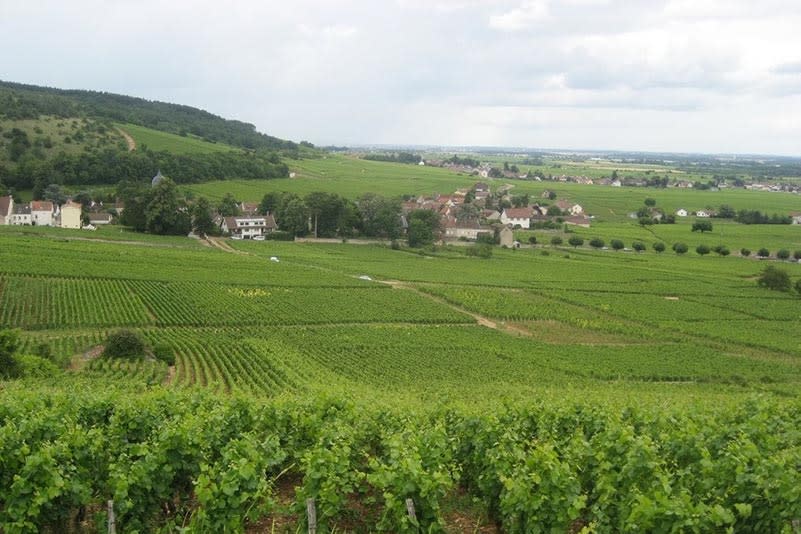
A Lane in Chambolle-Musigny That the Wine Trade Has Never Stopped Watching
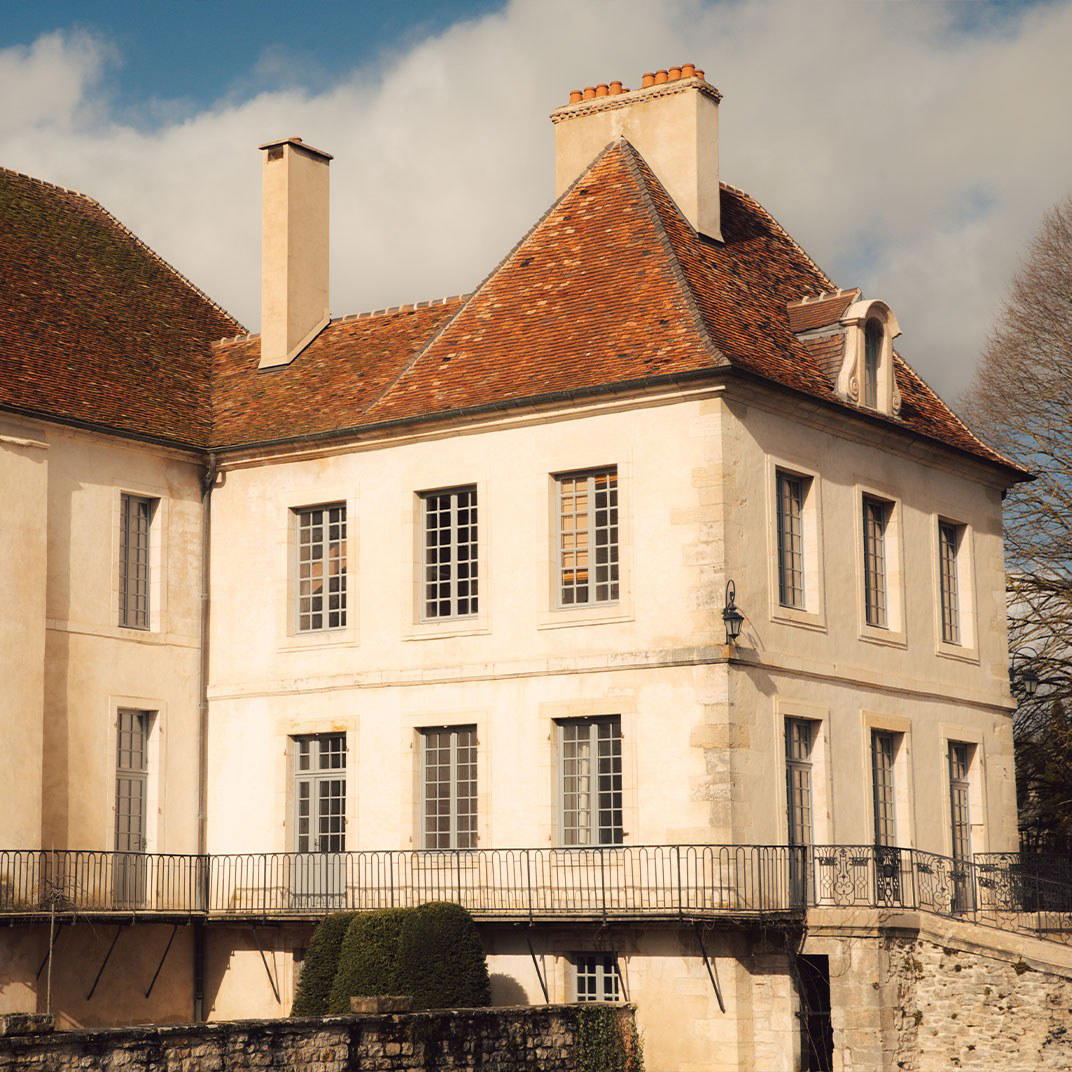
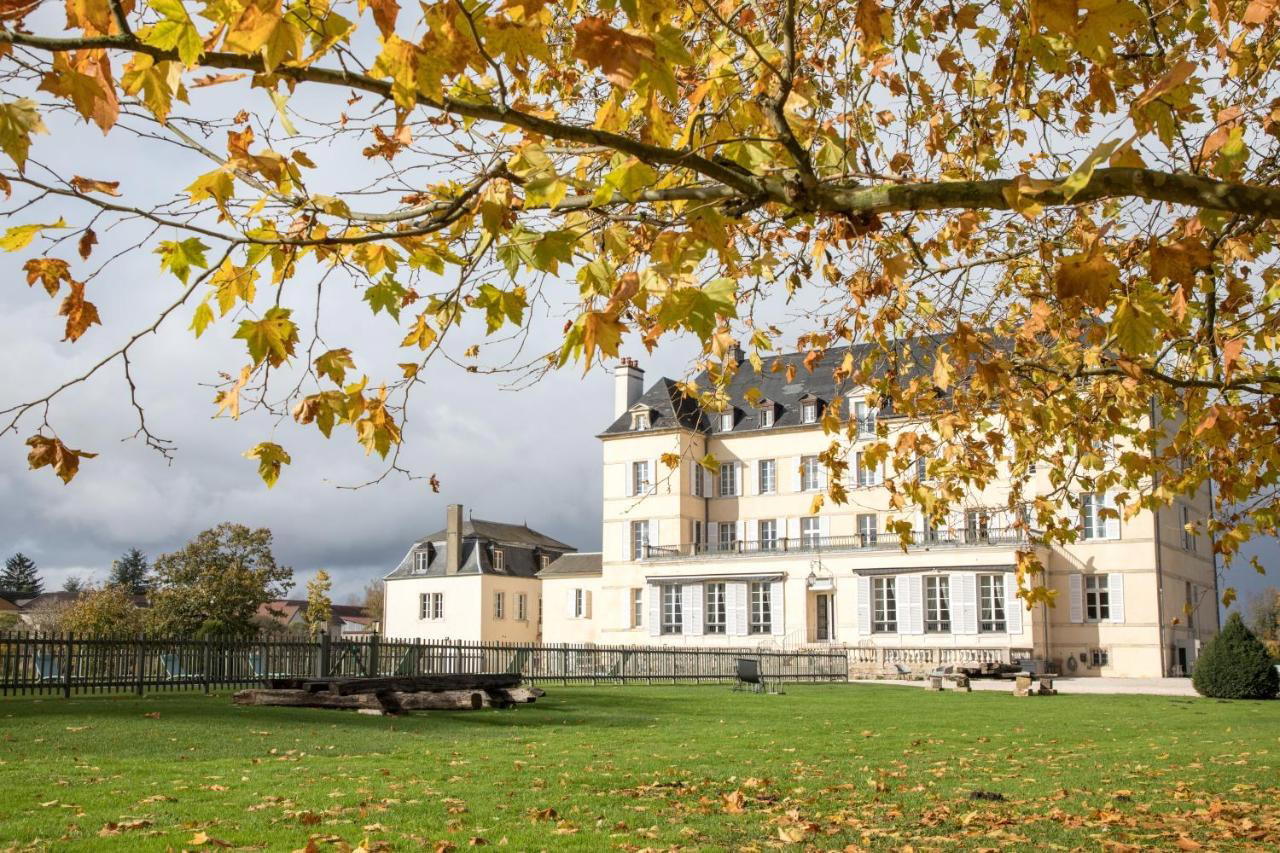
Rue de Vergy is a short, unremarkable strip in one of Burgundy's smallest and most scrutinised villages. The address at number four does not announce itself. There is no tasting room designed for passing visitors, no roadside signage scaled for tourism. What arrives instead is the quiet that defines Chambolle-Musigny itself: a commune of around 350 residents whose vineyards produce some of the Côte de Nuits's most discussed Pinot Noir, traded in allocation circles and reviewed in the same breath as the Côte's most decorated producers. Domaine Georges Roumier fits precisely within that register. The domaine has been making wine here since 1921.
What the Village Produces and Where Roumier Sits in It
Chambolle-Musigny's reputation rests on wines that combine structural grip with aromatic finesse in a proportion few other Côte de Nuits villages reliably achieve. The appellation sits between Gevrey-Chambolle to the north and Vougeot to the south, and its limestone-heavy soils with a relatively high active chalk content encourage a style that leans toward precision rather than weight. Two grand crus anchor the village: Musigny and Bonnes-Mares, the latter shared with Morey-Saint-Denis. The premier cru tier is deep, with plots including Les Amoureuses carrying prices and collector demand that rival grand cru bottlings from other communes.
Within this comparable set, Domaine Georges Roumier occupies the upper tier. Christophe Roumier has led production since the late 1980s, and the domaine's holdings, including Bonnes-Mares and Musigny at the grand cru level, place it alongside Domaine Comte de Vogue as one of the two domaines whose Chambolle releases generate the most sustained secondary market activity. The 2025 Pearl 4 Star Prestige award confirms a recognition that collectors and trade buyers have applied informally for decades. This is a domaine with a long track record.
Peer domaines including Domaine Ghislaine Barthod, Domaine Amiot-Servelle, Domaine Hudelot-Baillet, and Domaine Hudelot-Noëllat each work within the same appellation and offer genuine points of comparison for visitors building a picture of Chambolle's range. A considered itinerary through the village would include more than one of these addresses, since the variation across holdings and winemaking approaches within a single commune is itself the argument for Burgundy as a study destination rather than a destination for a single producer visit.
The Format of a Visit and What to Expect
Burgundy's leading domaines rarely function as visitor attractions in any conventional hospitality sense, and Domaine Georges Roumier is consistent with that pattern. Visits are by appointment, access is not offered at the door, and the allocation system means that the relationship between the domaine and its buyers is established primarily through négociants, importers, and long-standing private clients rather than walk-in commerce. For the collector or trade professional arriving with an existing connection, the experience of visiting a domaine at this level in the Côte de Nuits involves entering working winery space, encountering the barrel cellar where current vintages are developing, and engaging directly with the winery team on production decisions and vineyard status.
This format is common across the upper tier of Burgundy producers, and it is worth calibrating expectations accordingly before planning travel. The tasting room, where it exists, is a functional space rather than a designed visitor experience. The communication is technical and specific. The bottles opened, if samples are offered, represent wines that exist in genuinely limited quantity, Roumier's grand cru and premier cru production runs are small, and allocation access for new buyers is tightly constrained. Visitors who arrive without an existing trade or collector relationship will find the standard experience unavailable, which is itself a useful signal about where this domaine sits in the production and distribution hierarchy.
For context at the wider regional level, similar allocation and visit dynamics apply across Burgundy's most discussed producers, from single-village specialists in the Côte de Beaune to grand format estates further afield. The pattern is not unique to Chambolle or to Roumier: scarcity, appointment access, and trade-first allocation are structural features of this production tier. Those new to Burgundy as a travel and tasting destination might usefully explore our full Chambolle-Musigny restaurants guide to plan the broader visit before concentrating on individual domaine access.
A Century of Vintage as Context for the 2025 Recognition
The domaine was founded in 1921. The wines produced since then have moved through multiple regulatory frameworks, multiple generations of winemaking, and a substantial shift in the international market for Burgundy that accelerated from the 1990s onward as collector interest from North America and Asia expanded the buyer pool against a fixed production ceiling.
The Pearl 4 Star Prestige award received in 2025 lands during a period of ongoing climate pressure in Burgundy. Christophe Roumier's stewardship through this period, maintaining the domaine's critical standing while managing vineyard responses to a changing climate, is the current chapter in a long institutional narrative. For those tracking Burgundy at the level where production decisions and vineyard philosophy matter as much as the label itself, the consistency of recognition across this timeframe is the significant data point.
Comparable recognition patterns at other French producers, from Albert Boxler in Niedermorschwihr in Alsace to Château Bélair-Monange in Saint-Emilion and Château Branaire Ducru in St-Julien, illustrate that sustained prestige-level recognition across different regions and appellations tends to correlate with long production timelines and stable winemaking direction rather than with recent repositioning or critical rediscovery.
Planning a Visit: What the Logistics Require
Chambolle-Musigny sits roughly 15 kilometres south of Dijon on the D122, the Route des Grands Crus. The village is not served by public transport at a useful frequency for day visitors; a hire car from Dijon or Beaune is the standard approach. The journey from Beaune takes approximately 25 minutes. Domaine Georges Roumier's address at 4 Rue de Vergy places it within the compact village centre, reachable on foot from any point in the commune once a vehicle is parked.
Access to the domaine requires an appointment. Château Bastor-Lamontagne in Preignac, Château Batailley in Pauillac, or Château Boyd-Cantenac in Cantenac in Bordeaux, where visitor programmes are more formally structured. Chartreuse in Voiron and Aberlour in Aberlour offer a useful point of contrast in how heritage producers in other categories approach visitor access, as does Accendo Cellars in St. Helena for those also covering Napa.
Style and Standing
Comparable venues nearby, for context on price, style, and recognition.
| Venue | Cuisine | Price | Awards | Notes |
|---|---|---|---|---|
| Domaine Georges RoumierThis venue — the venue you are viewing | Pinot Noir, Chardonnay | $$$$ | 1 recognition | |
| Domaine Hudelot-Baillet | Pinot Noir, Chardonnay | $$$$ | 1 recognition | Chambolle-Musigny |
| Domaine Hudelot-Noëllat | Pinot Noir, Gamay | $$$$ | 1 recognition | Chambolle-Musigny |
| Domaine Ghislaine Barthod | Pinot Noir, Chardonnay | $$$ | 1 recognition | Chambolle-Musigny |
| Domaine Comte de Vogue | Pinot Noir, Chardonnay | $$$$ | 1 recognition | Chambolle-Musigny |
| Domaine Amiot-Servelle | Pinot Noir, Chardonnay | $$$$ | 1 recognition | Chambolle-Musigny |
Continue exploring
More in Chambolle-Musigny
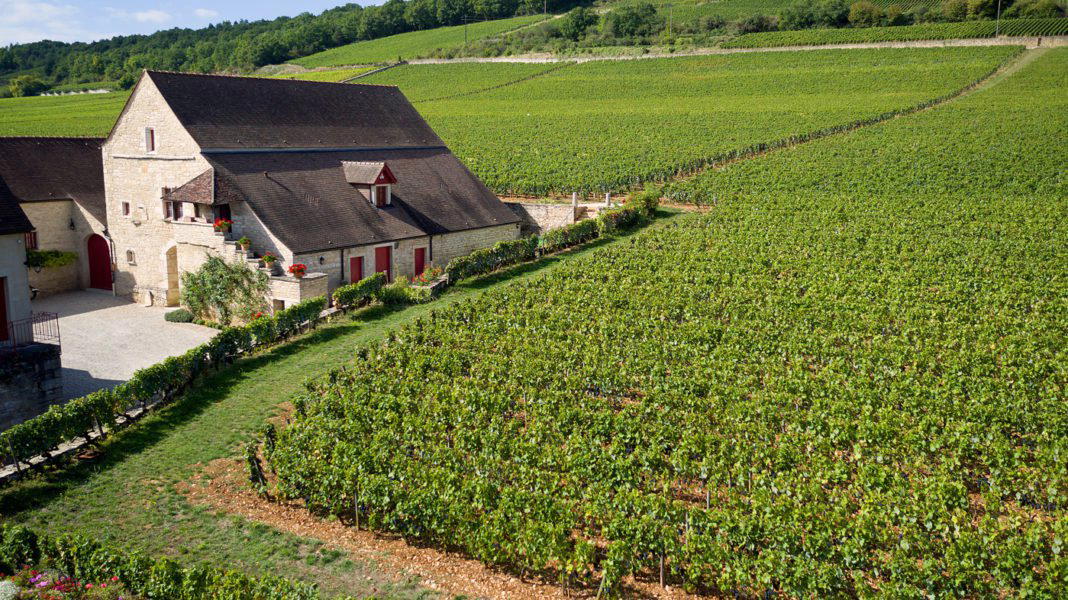
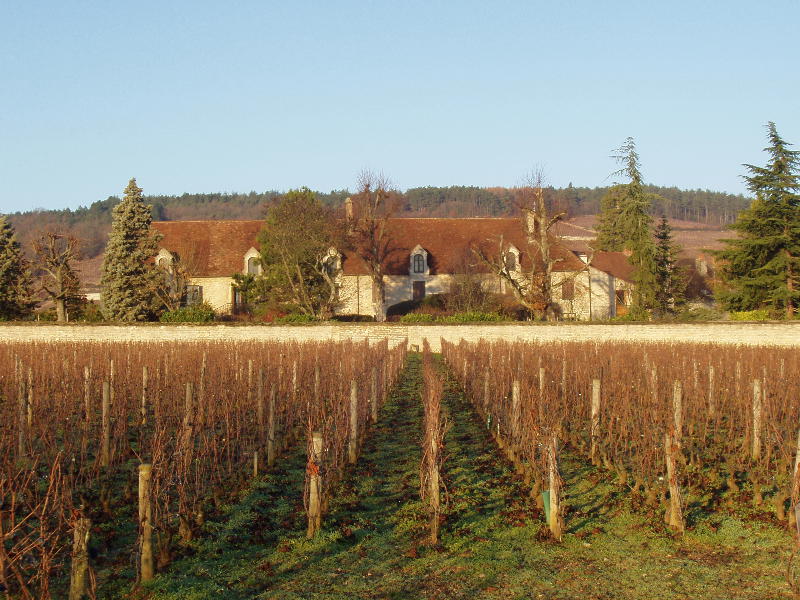
Wineries in Chambolle-Musigny
Browse all →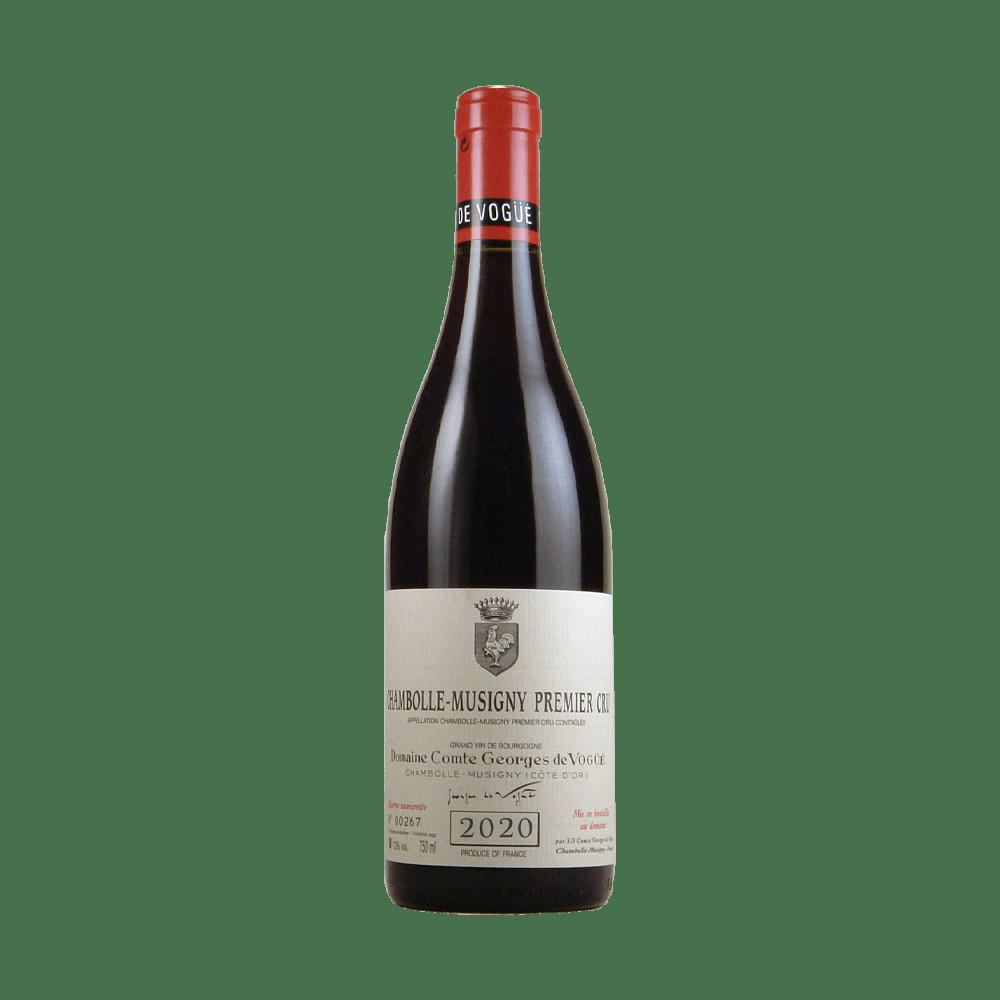
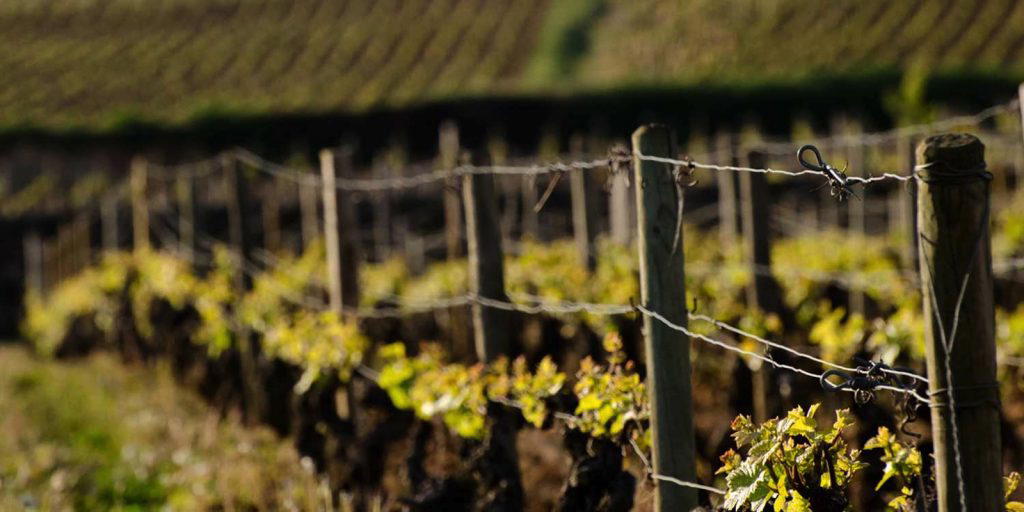
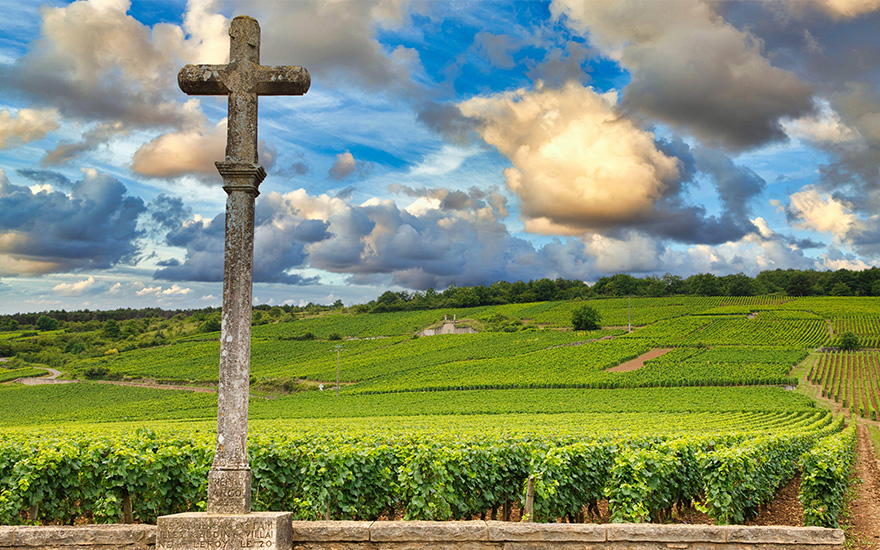
Bars in Chambolle-Musigny
Browse all →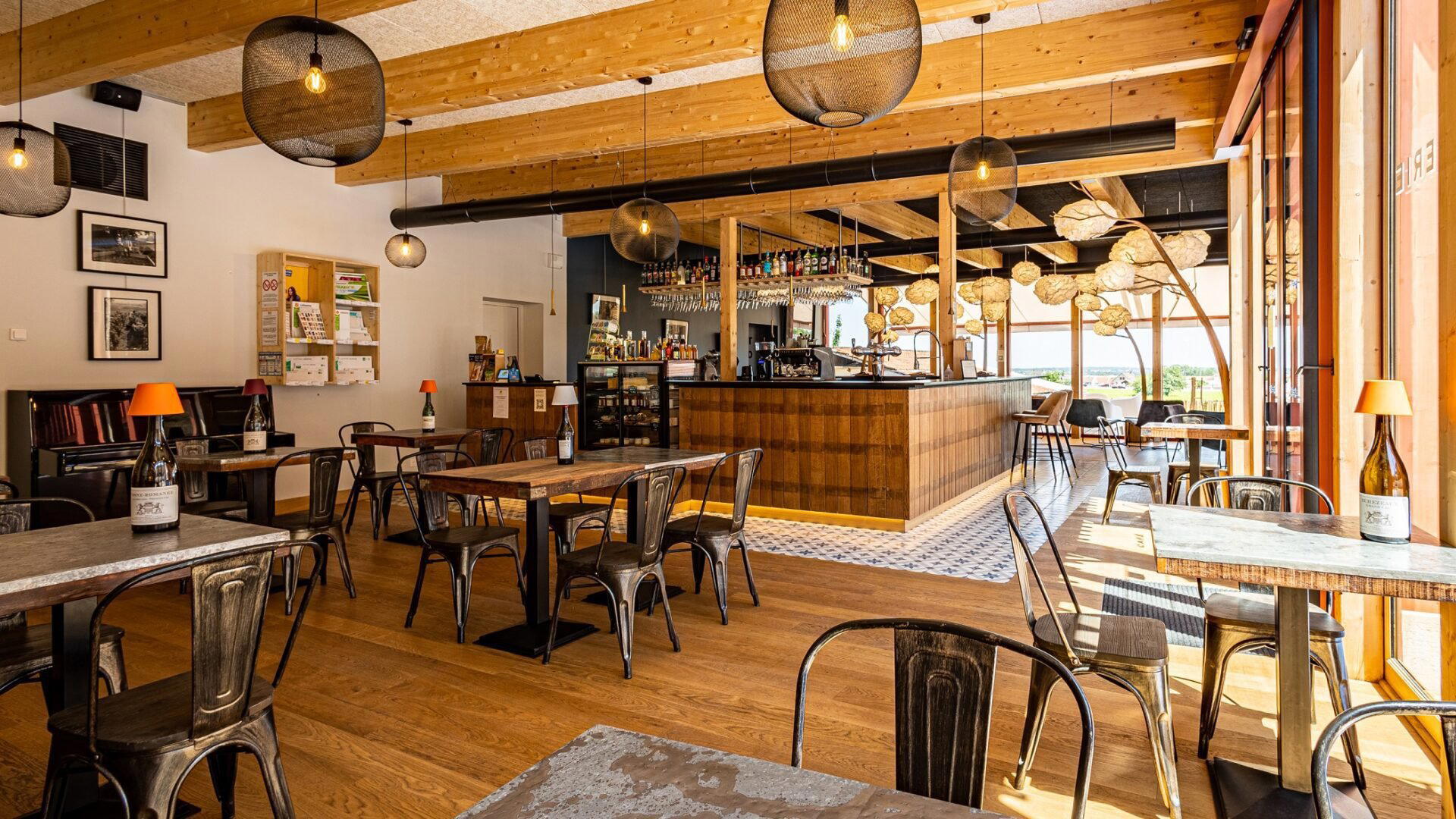
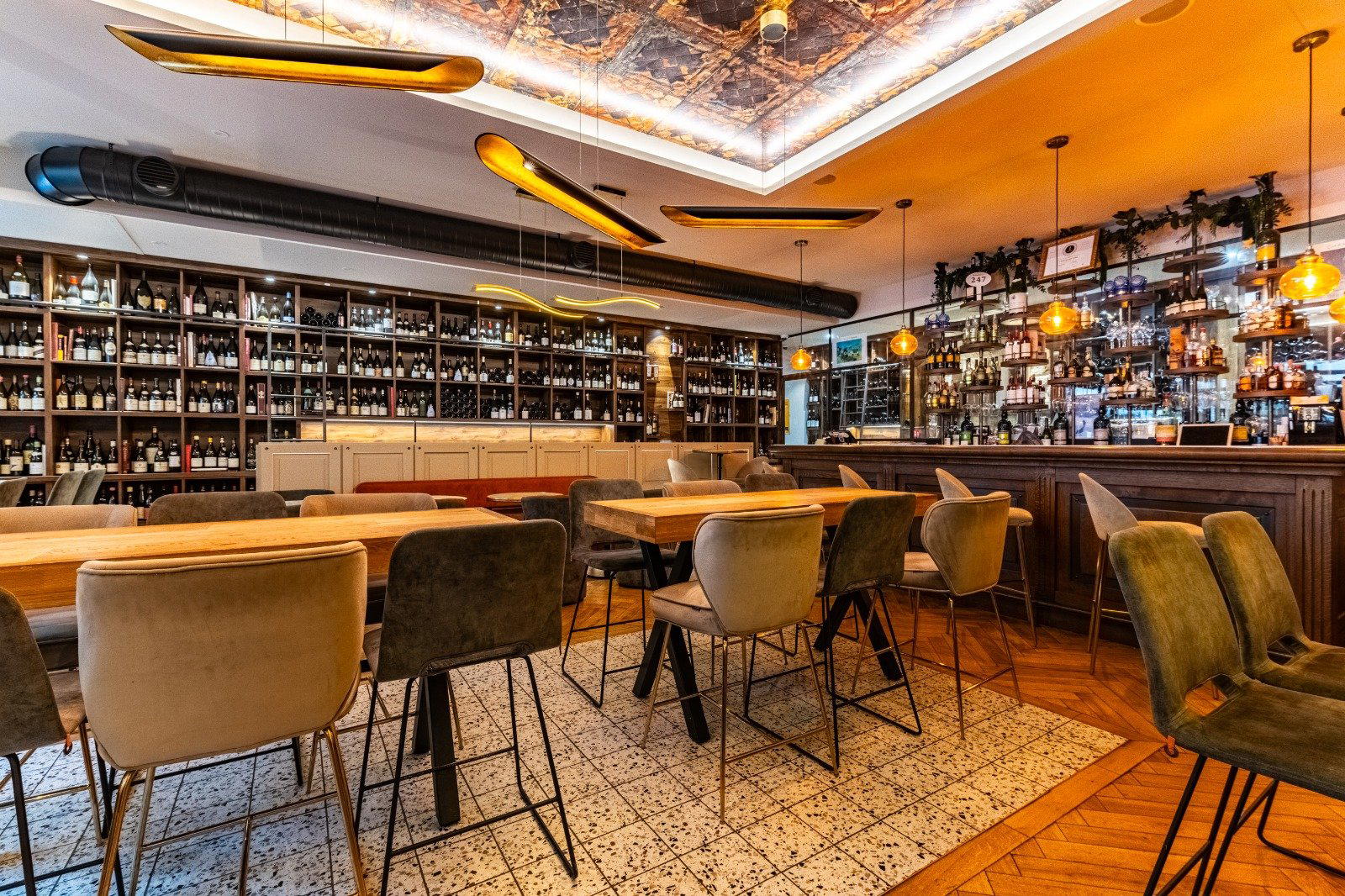
Restaurants in Chambolle-Musigny
Browse all →
At a Glance
- Elegant
- Classic
- Sophisticated
- Intimate
- Wine Education
- Special Occasion
- Celebration
- Cave Tasting
- Estate Grounds
- Private Tasting
- Sustainable
- Vineyard
Warm and welcoming family-run estate with meticulous attention to detail; visitors describe the proprietors as very sympathetic and the experience as magnificent, though production is almost entirely pre-allocated.