Domaine Hudelot-Baillet
A small-scale Chambolle-Musigny domaine producing Pinot Noir from one of Burgundy's most aromatic communes since 1981, under the direction of winemaker Dominique Le Guen.
Pearl is the En Primeur Club membership app — saves, bookings, and concierge access live there. Same editors, same standards.
- Address
- 21 Rue Caroline Aigle, 21220 Chambolle-Musigny
- Phone
- +33380628588
- Website
- domainehudelotbaillet.com
- Directions
- Get directions
 Saves & bookings on Pearl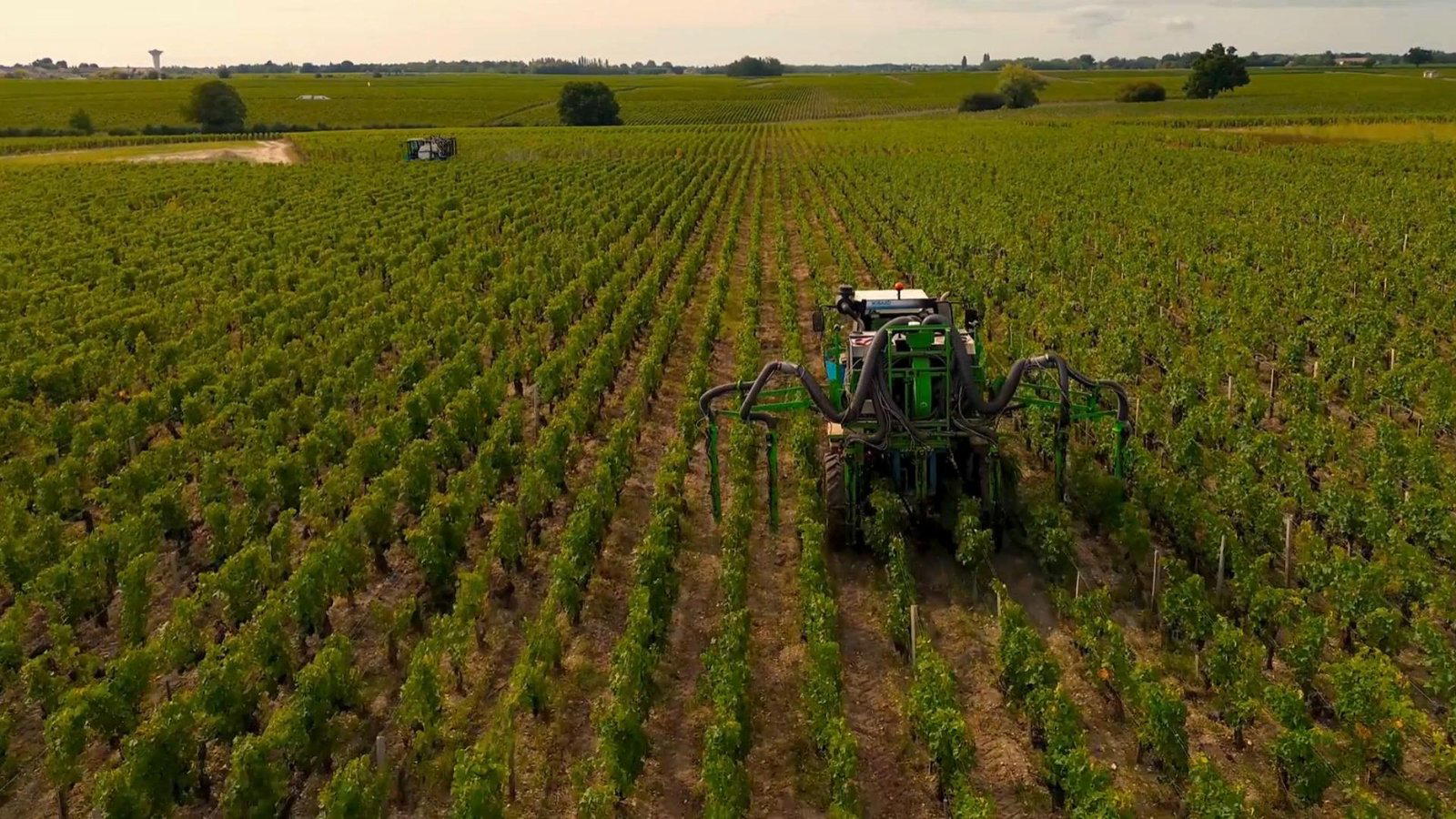
A Village Defined by Fragrance and Finesse
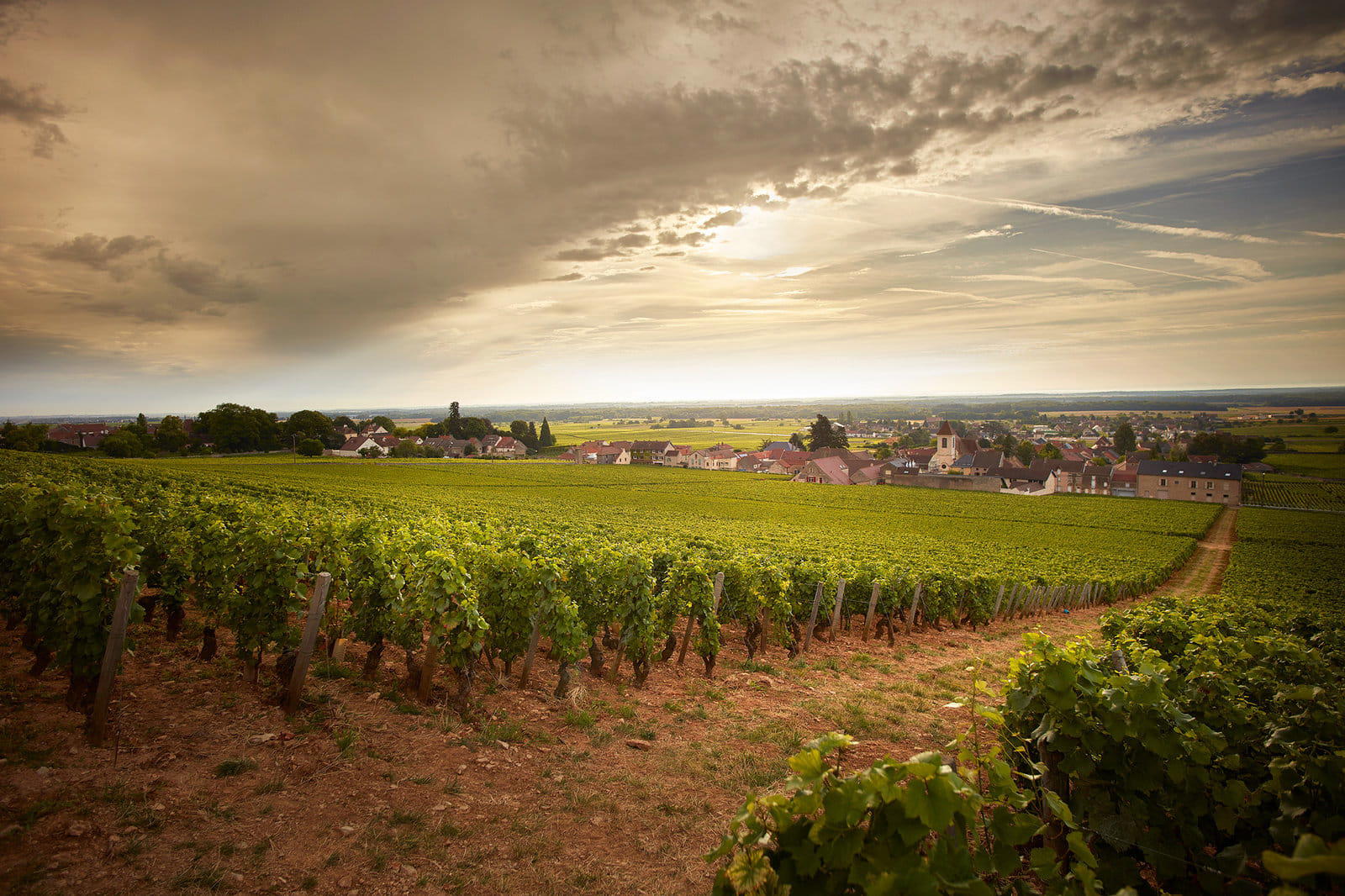
Drive into Chambolle-Musigny on the D122 and the village announces itself quietly. Stone walls, a Romanesque church, and the unmistakeable pattern of the Côte de Nuits stretching south toward Vosne-Romanée. What the village lacks in commercial bustle it compensates in vineyard density: within a few hectares, Chambolle holds two grand crus and a cluster of premiers crus that have set the register for aromatic Burgundy across generations. The wines that emerge here, when the work in the vineyard is serious, tend toward silk over structure, perfume over power. It is a commune that rewards growers who understand restraint.
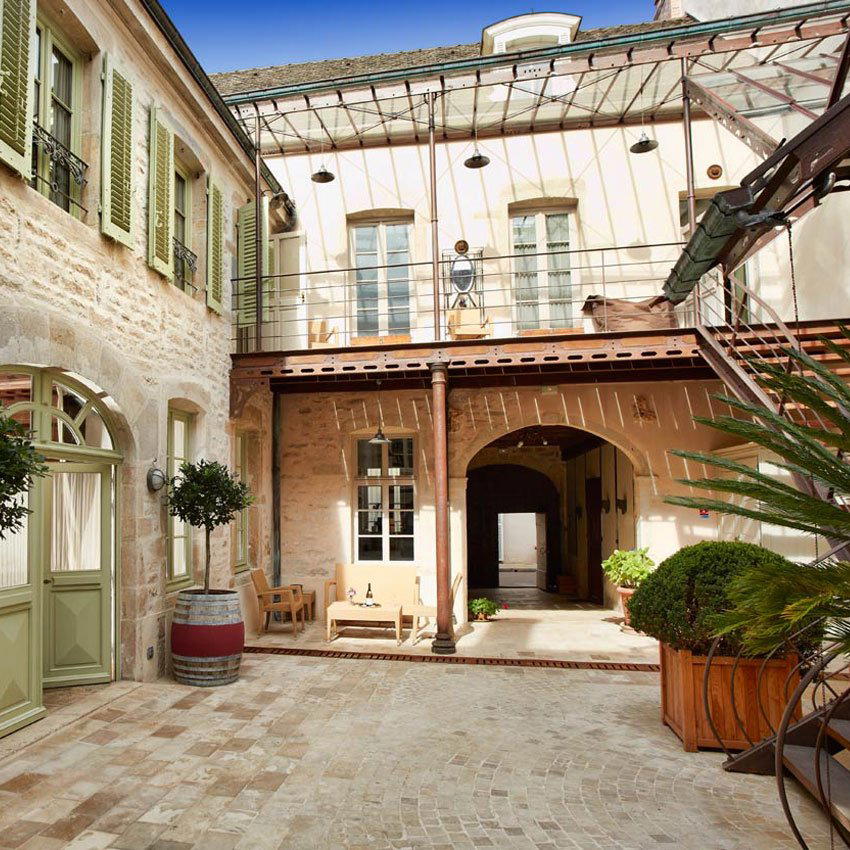
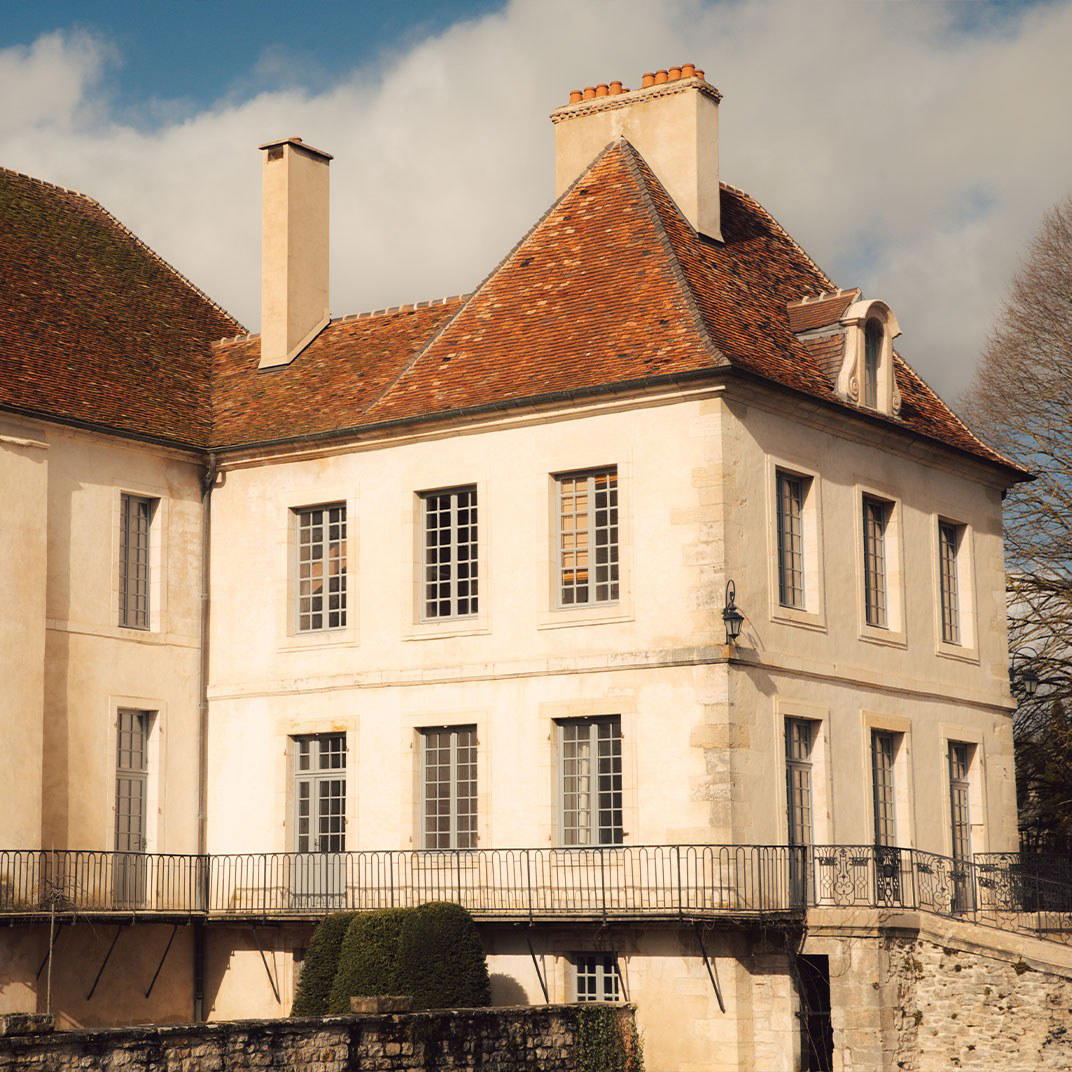
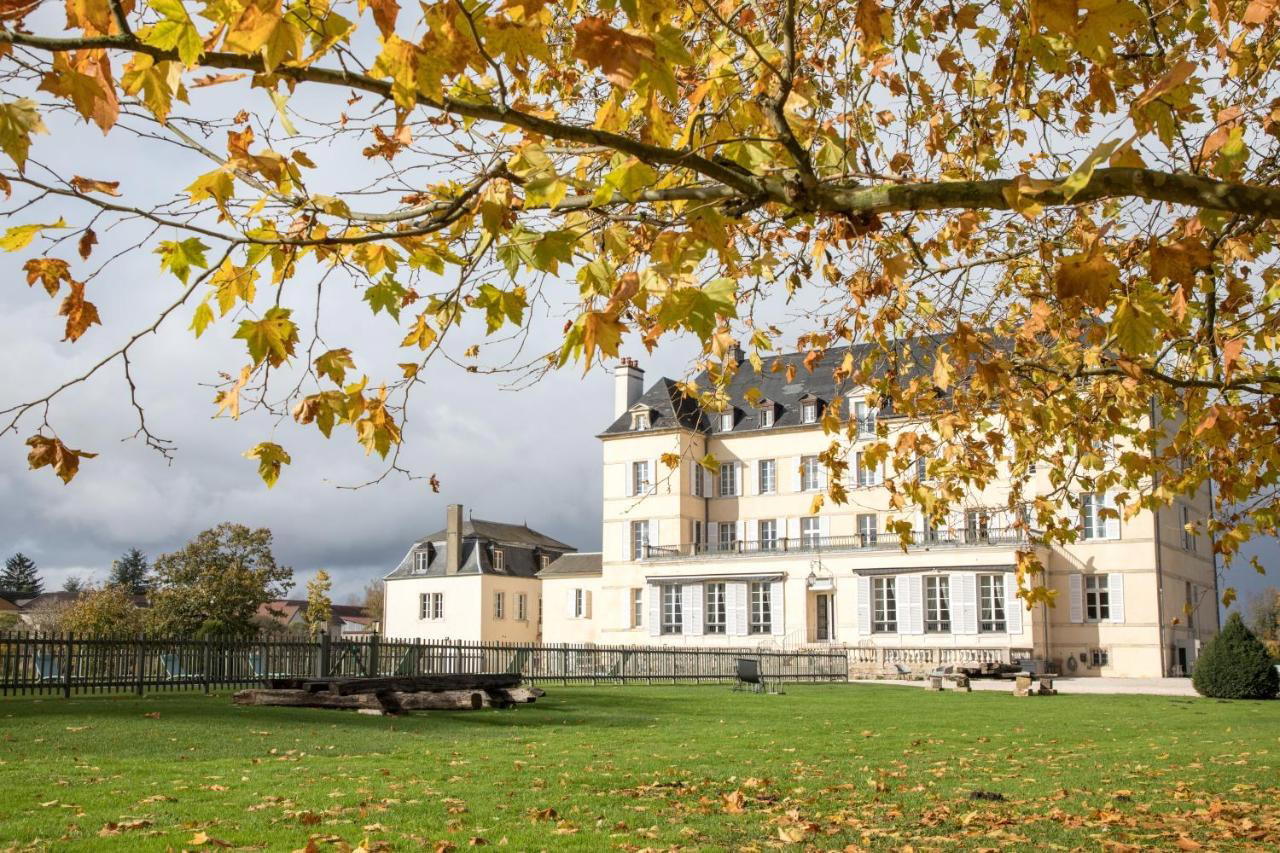
Domaine Hudelot-Baillet, on Rue Caroline Aigle in the village centre, has been part of that conversation for decades. Over four decades, it has accumulated the kind of local credibility that does not arrive through press campaigns. Winemaker Dominique Le Guen presides over the cellar and the vineyard decisions, and the approach is one that the broader Côte de Nuits has increasingly come to treat as a baseline expectation rather than a differentiator: minimal intervention, close attention to the vine, and a conviction that the commune's character should arrive intact in the bottle.
Viticulture as the Primary Text
Chambolle-Musigny's reputation for aromatic complexity is inseparable from its limestone-rich soils and the altitude of the slope. But soil is only the precondition. What actually happens on the vines determines whether a wine expresses the commune or merely references it. Across the Côte de Nuits, the domaines that have achieved sustained recognition in the past two decades have generally shared a common orientation: lower yields, reduced or eliminated synthetic inputs, and harvest timing calibrated to phenolic rather than purely brix-based readiness. This shift represents among the more consequential changes in Burgundy viticulture since the appellation system was codified, and it has redefined the competitive set in villages like Chambolle.
Hudelot-Baillet's approach aligns with that direction. The estate traces its viticulture through the logic of the terroir-first grower rather than the cellar-first producer. For a domaine operating in a commune where peers like Domaine Ghislaine Barthod and Domaine Amiot-Servelle have long demonstrated what careful, low-intervention work produces, the standard of reference is already high. Dominique Le Guen's stewardship of the domaine positions it within that tradition of growers who treat the vineyard as the primary text and the cellar as the editing room.
The sustainability question in Burgundy is now less about whether a domaine is moving in an ecological direction and more about how far and how rigorously. Across the broader region, growers who adopt reduced-input approaches consistently report improvements in vine health, root depth, and ultimately in the expressiveness of site-specific aromas, the characteristics that define Chambolle at its most compelling.
Reading the Peer Group
Chambolle-Musigny's grower landscape is among the more analytically interesting on the Côte de Nuits precisely because it contains several tiers of quality operating within a small geographic footprint. At the leading, Domaine Comte de Vogue sets the reference for Musigny grand cru, while Domaine Georges Roumier commands allocation lists and secondary-market prices that place it among the more sought-after addresses in all of Burgundy. Below that narrow summit, a broader cohort of serious growers works premier cru and village-level sites with genuine craft. It is in this cohort that Hudelot-Baillet occupies its position, alongside names like Domaine Hudelot-Noëllat, which covers overlapping Chambolle and Vosne territory with similar precision.
The value of understanding this tier structure is practical. It tells a collector or a serious buyer where they are likely to find bottles without allocation-list friction while still drinking at the level the appellation can reach. For buyers exploring this tier, the comparison set includes growers across the Côte de Nuits and beyond: meticulous small producers like Albert Boxler in Niedermorschwihr, where Alsatian terroir-specificity mirrors Burgundy's vineyard-first ethos, or precision-driven estates like Accendo Cellars in St. Helena, which applies a similarly low-volume, high-attention model on the other side of the Atlantic.
The Chambolle Village Setting
The address at 21 Rue Caroline Aigle places the domaine in the village itself rather than in one of the larger négociant towns. This is a detail that carries meaning in the Côte de Nuits. Growers based in the commune tend to have a closer relationship with their specific vineyard parcels, and the scale of operations in a village domaine typically means that decisions about picking dates, sorting intensity, and cellar temperature are made by the same people who walk the rows. The intimacy of that model is not decorative. It is structural, and it shapes the kind of wine that results.
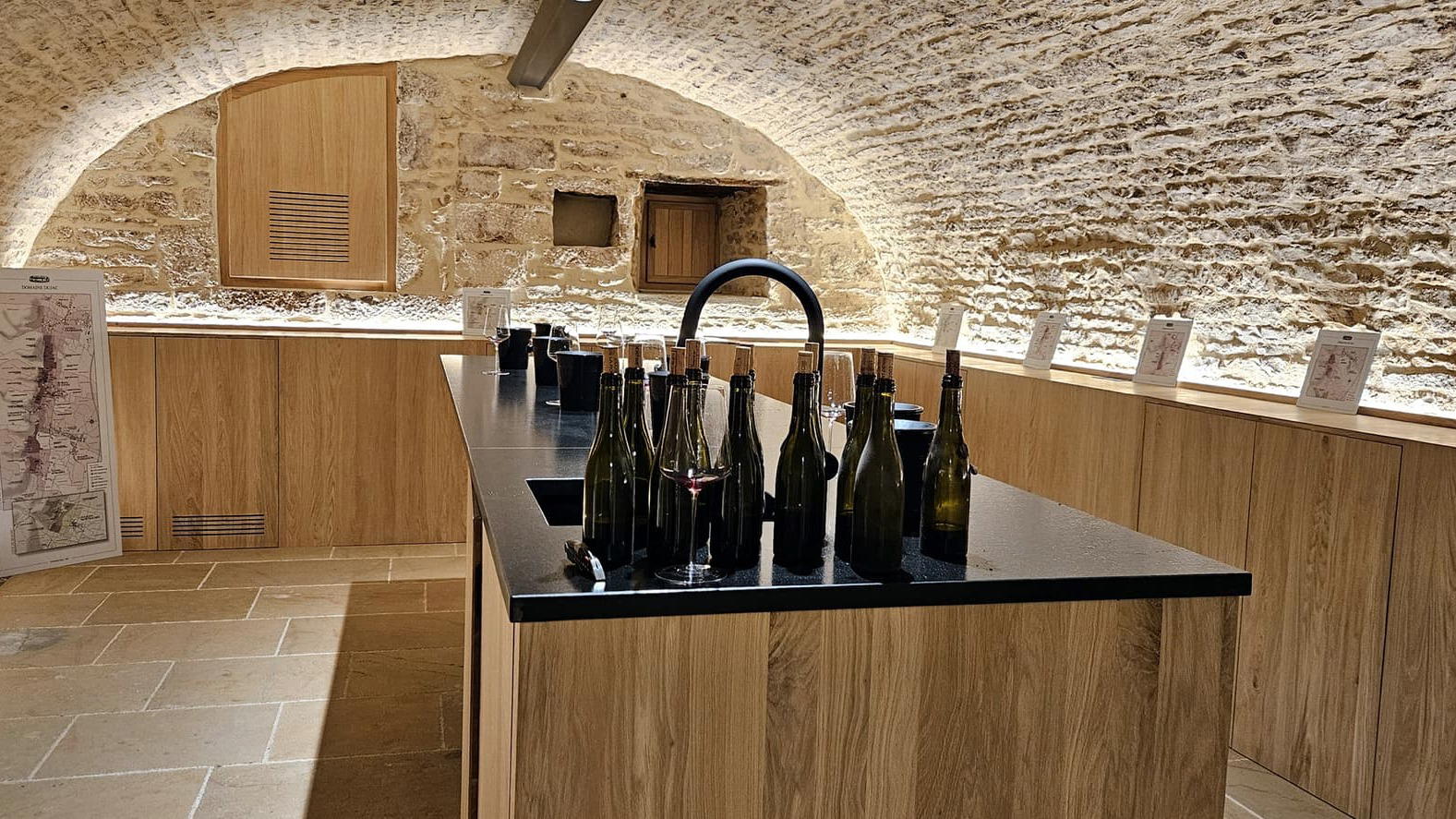
For visitors to the region, Chambolle-Musigny rewards those who approach it with time. The village itself is compact enough that an hour's walk covers its key sites, and the proximity to other serious addresses makes a single-day itinerary genuinely productive. Visits are by appointment only. Direct contact via the domaine's address at 21 Rue Caroline Aigle is the appropriate starting point for visit enquiries. For context on the wider Chambolle scene,
The broader Burgundy appellation sits within easy reach of Beaune to the south, and the D122 connects the major communes in sequence. For those extending their itinerary into different French wine regions, the contrast between Chambolle's aromatic Pinot Noir and the structured Cabernet-led wines of estates like Château Batailley in Pauillac or Château Branaire Ducru in St-Julien illustrates how differently the same country's winemaking traditions can express themselves across regions. Even the right-bank alternative of Château Bélair-Monange in Saint-Emilion offers a useful Merlot-driven counterpoint to Chambolle's Pinot purity. For sweet wine enthusiasts, Château Bastor-Lamontagne in Preignac represents Sauternes at a serious level, another expression of French terroir specificity applied to a wholly different grape and method.
It is, in practical terms, one of the cleaner signals available for identifying where quality sits without the inflation of hype.
For collectors building a Chambolle cellar, the principle applies whether the domaine is in Burgundy or in Bordeaux appellations covered by names like Château Boyd-Cantenac in Cantenac. The award is the evidence. The village, the forty-plus years of vintages, and winemaker Dominique Le Guen's consistent stewardship provide the context. Together, they establish Hudelot-Baillet as a domaine that earns its place in any serious account of what Chambolle-Musigny produces at its most considered.
Accolades, Compared
Comparable venues nearby, for context on price, style, and recognition.
| Venue | Cuisine | Price | Notes |
|---|---|---|---|
| Domaine Hudelot-BailletThis venue — the venue you are viewing | Pinot Noir, Chardonnay | $$$$ | Not listed |
| Domaine Ghislaine Barthod | Pinot Noir, Chardonnay | $$$ | Chambolle-Musigny |
| Domaine Georges Roumier | Pinot Noir, Chardonnay | $$$$ | Chambolle-Musigny |
| Domaine Amiot-Servelle | Pinot Noir, Chardonnay | $$$$ | Chambolle-Musigny |
| Domaine Comte de Vogue | Pinot Noir, Chardonnay | $$$$ | Chambolle-Musigny |
| Domaine Hudelot-Noëllat | Pinot Noir, Gamay | $$$$ | Chambolle-Musigny |
Continue exploring
More in Chambolle-Musigny
Wineries in Chambolle-Musigny
Browse all →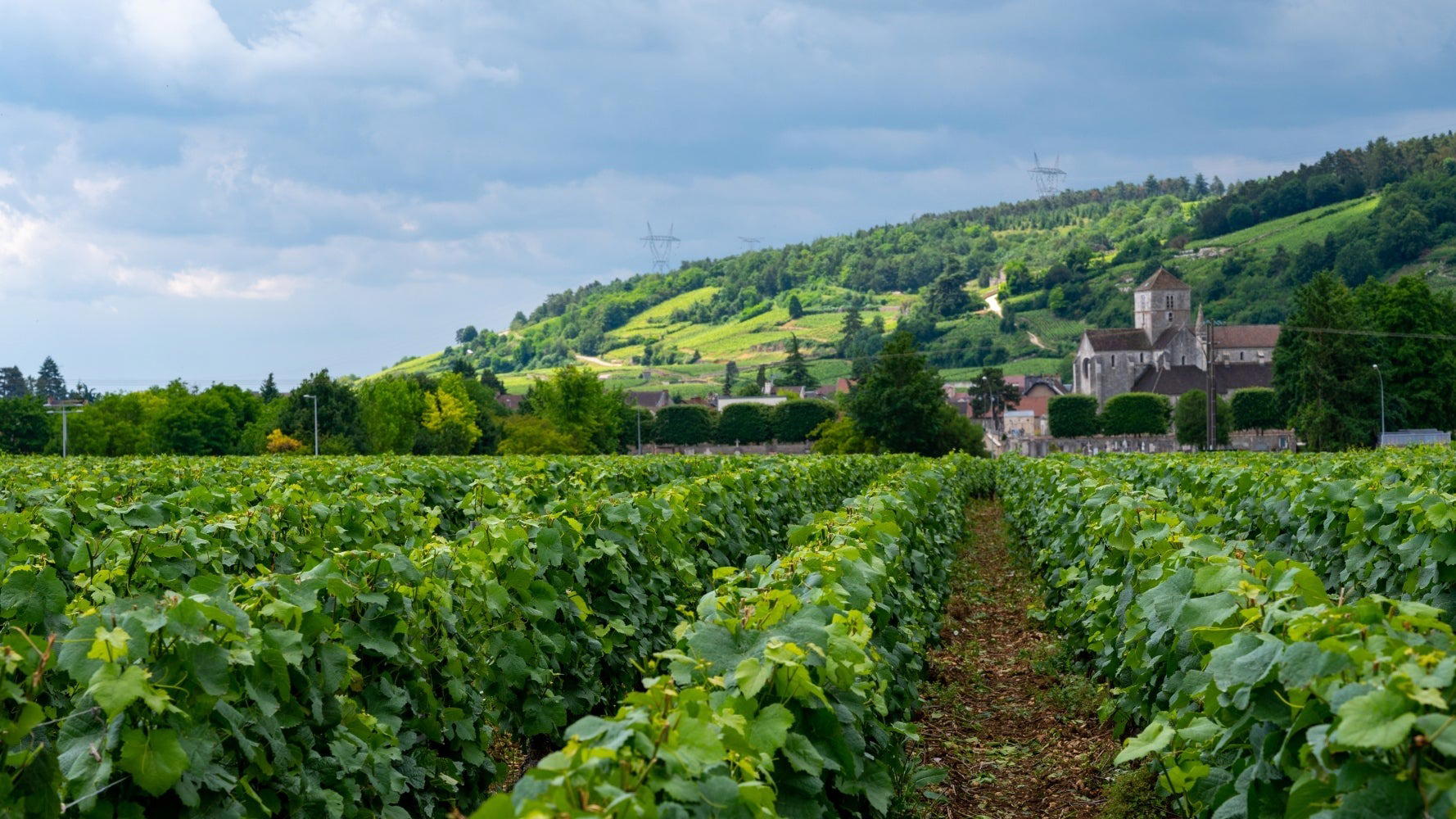
Bars in Chambolle-Musigny
Browse all →
Restaurants in Chambolle-Musigny
Browse all →
At a Glance
- Classic
- Elegant
- Intimate
- Rustic
- Wine Education
- Solo Exploration
- Special Occasion
- Cave Tasting
- Vineyard Tour
- Sustainable
- Vineyard
- Chambolle Musigny AOC
- Pinot Noir
- Chardonnay
- Still Red
- Still White
- Estate Tasting