Domaine Arlaud

Falstaff Winery - Listed
Domaine Arlaud operates from the heart of Morey-Saint-Denis, one of the Côte de Nuits villages most prone to being overshadowed by its famous neighbours.. For Pinot Noir at this latitude, the address at 41 Rue d'Epernay is worth understanding before you visit.

Pearl is the En Primeur Club membership app — saves, bookings, and concierge access live there. Same editors, same standards.
- Address
- 41 Rue d'Epernay, 21220 Morey-Saint-Denis
- Phone
- +33 3 80 34 32 65
- Website
- domainearlaud.com
- Directions
- Get directions
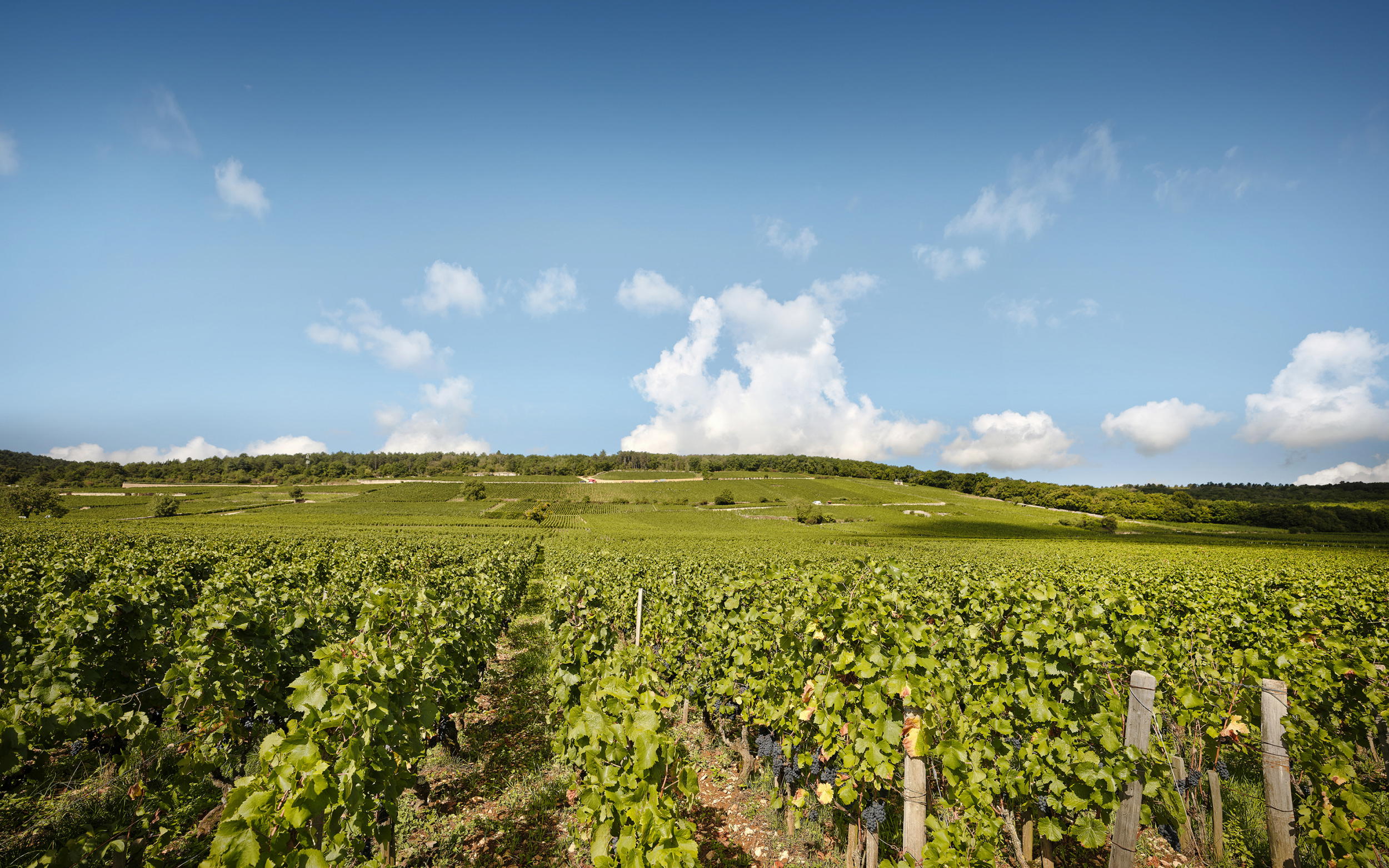
Where Morey-Saint-Denis Speaks Most Clearly
The village of Morey-Saint-Denis sits between Gevrey-Chambertin to the north and Chambolle-Musigny to the south, and for decades that positioning worked against it. Critics reached for the muscular grammar of Gevrey or the silky register of Chambolle, and Morey — with its more complex geology — tended to get filed as somewhere in between. That framing has gradually shifted. A generation of producers working the village's mix of Bathonian limestone, clay, and iron-rich soils has drawn attention to what Morey actually is, rather than what it sits between. Domaine Arlaud, at 41 Rue d'Epernay, belongs squarely to that conversation.
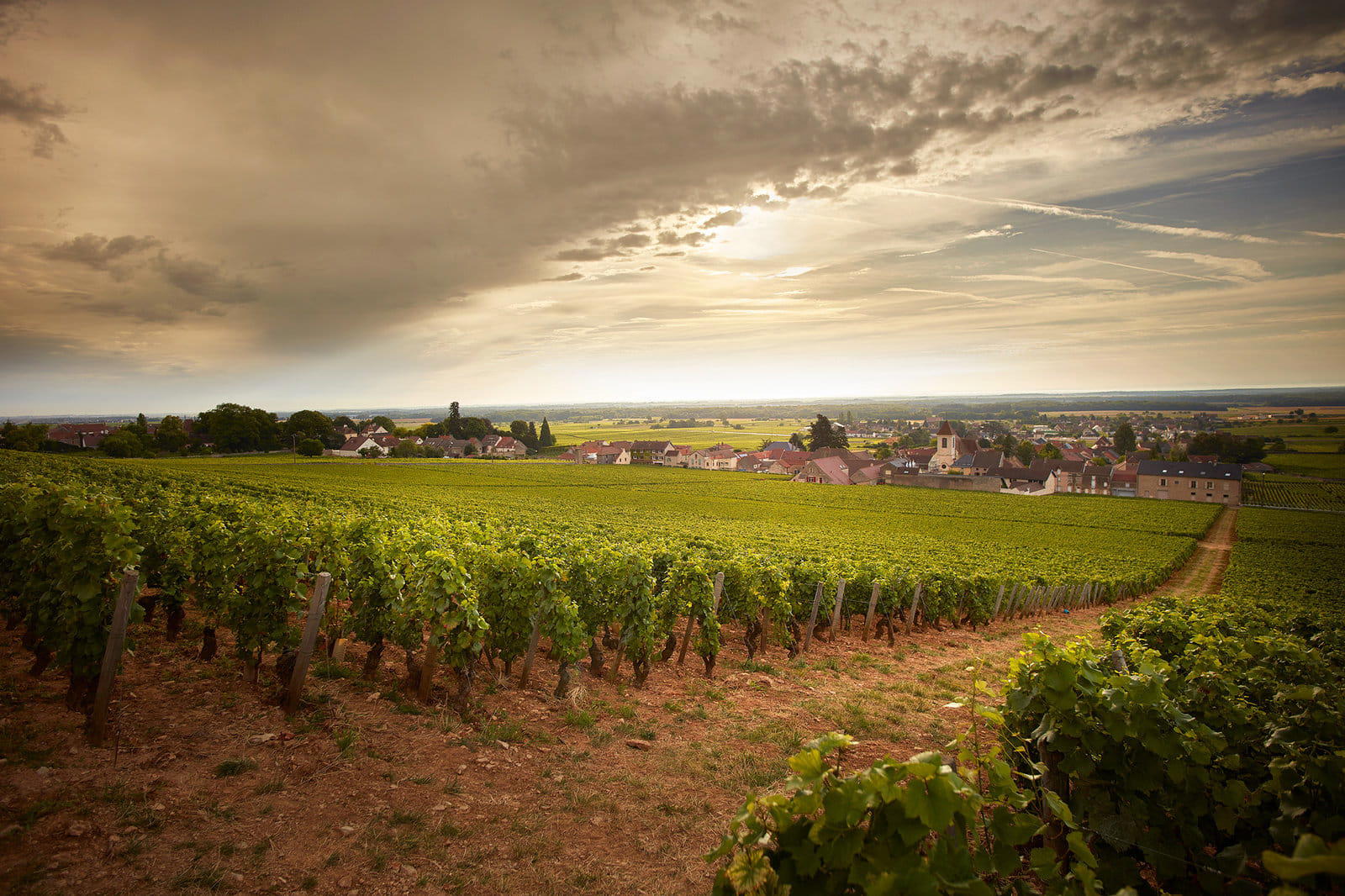
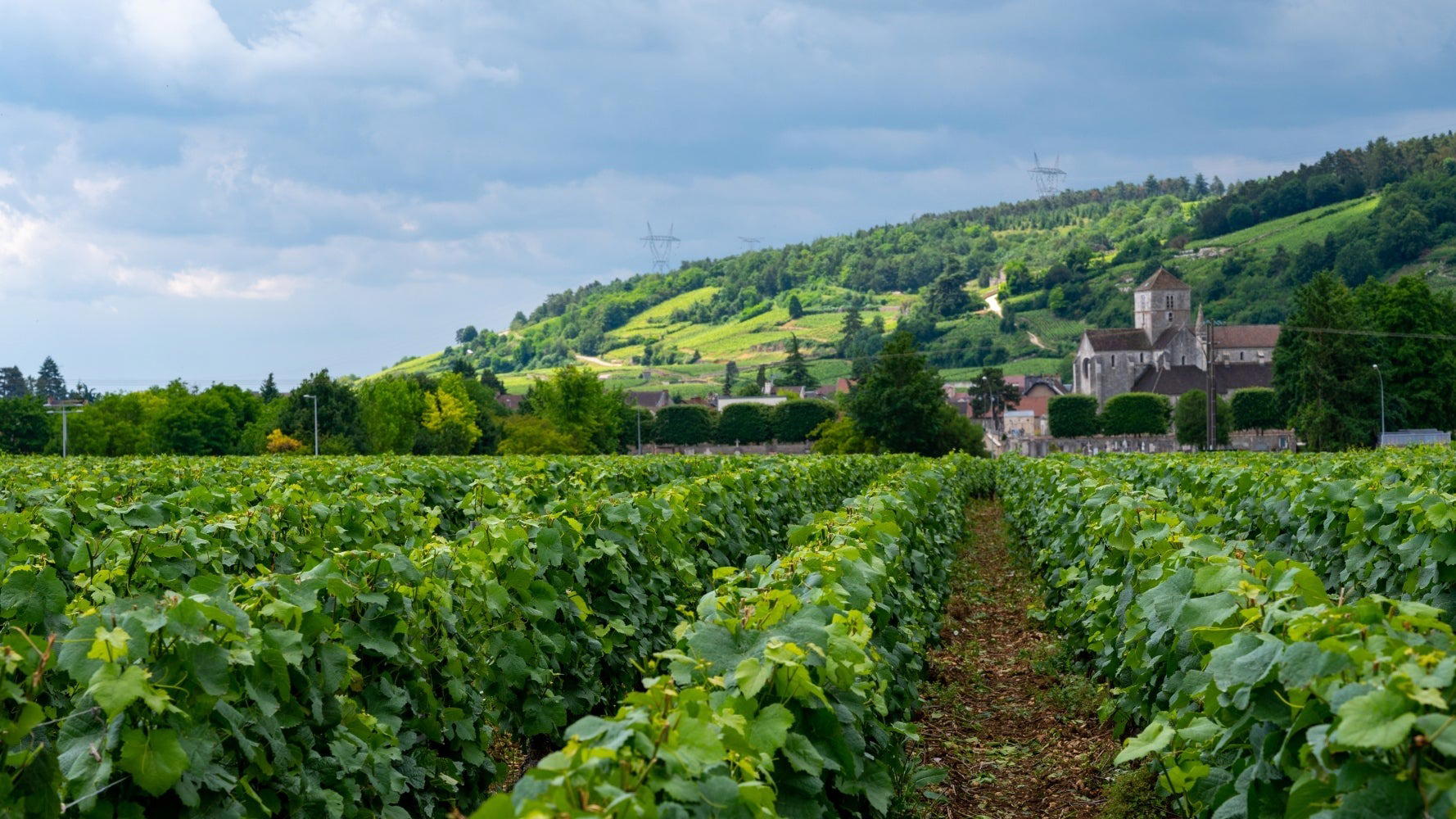
Walking along Rue d'Epernay in any season, the scale of the Côte de Nuits reasserts itself. The plots are narrow, the walls are old, and the distance between a premier cru vineyard and the road is sometimes measured in steps rather than metres. This is not a region that performs grandeur; it accumulates it through specificity. Arlaud's position in the village, physically and reputationally, reflects that logic.
The Geology That Drives the Wines
Understanding Domaine Arlaud's output requires understanding what Morey-Saint-Denis's soils actually do to Pinot Noir. The village sits on a band of Bathonian limestone that runs through the mid-slope, with younger alluvial deposits lower down and harder, more iron-inflected soils on the higher parcels. That variation across relatively short distances is why Morey can produce wines that feel structurally different from plot to plot, even within the same appellation.
The Côte de Nuits broadly runs on a northeast-southwest fault structure, and Morey's parcels express that tectonic history through wines that tend to carry more mineral tension than their Chambolle neighbours and more finesse than the northern communes. Where Gevrey often builds on power, and Chambolle on texture, Morey operates in the space between, not as a compromise, but as its own register. Domaine Arlaud's holdings across this terrain give the wines a range that reflects the commune's geological argument rather than flattening it into a house style.
Producers at this level in Morey work alongside a peer group that includes Domaine Perrot-Minot, Domaine Hubert Lignier, and Domaine Dujac, each of whom interprets the same geology through a different winemaking lens. The comparison is instructive: where Dujac has built its identity around whole-cluster fermentation and Gevrey-adjacent power, and Hubert Lignier tends toward structural precision in the village and premier cru tiers, Arlaud sits in a position that rewards direct comparison with both.
Grand Cru Territory and the Weight of the Address
Morey-Saint-Denis contains five grand cru vineyards, a density unusual even for the Côte de Nuits. Domaine des Lambrays and Domaine du Clos de Tart effectively monopolise two of those vineyards, making the competitive and allocational dynamics of the grand cru tier in Morey quite specific. Access to premier cru and village-level fruit from across the commune becomes, in that context, a meaningful signal of a domaine's breadth and its relationship with the land.
The grand cru vineyards of Clos Saint-Denis and Clos de la Roche, the two that allow multiple producers to hold parcels, sit on different soil profiles. Clos de la Roche occupies some of the best-drained, most mineral mid-slope land in the village, and wines from that vineyard historically show a combination of density and lift that places them among the Côte de Nuits' most age-worthy expressions of Pinot Noir.
How Arlaud Fits the Morey Pattern
The broader pattern among serious Morey producers involves a deliberate restraint in winemaking intervention, a tendency to let fermentation decisions follow the vintage rather than impose a fixed protocol, and a preference for ageing regimes that allow the vineyard character to read clearly in the glass. This is not universally the case, but the producers who have attracted consistent critical attention in Morey over the past two decades tend to share that framework. Arlaud operates within it.
That editorial stance, letting terroir speak rather than amplifying it through technique, is reflected across a range of French appellations working at this level. Comparable discipline in a different register appears at Albert Boxler in Niedermorschwihr, where Alsatian grand cru Riesling and Gewurztraminer are treated with similar restraint, or at Château Bélair-Monange in Saint-Emilion, where limestone-plateau Merlot is handled with a precision that resists the appellation's historic tendency toward extraction. The shared logic across these producers is that the address carries more information than any winemaking technique could add.
Planning a Visit to Morey-Saint-Denis
Morey-Saint-Denis is a working village rather than a tourist town, and visiting a domaine like Arlaud operates on different terms than a Napa tasting room or a Champagne maison with a visitor centre. The village itself, reachable by road from Beaune in under thirty minutes or from Dijon in roughly twenty, offers limited hospitality infrastructure, which means visits to producers are arranged in advance and conducted on the domaine's terms.
The harvest window in Burgundy typically runs from late August through October, depending on the vintage. That period brings the village to life in a way that the quiet winter months do not, but availability at serious domaines during harvest is correspondingly restricted. Spring and early summer visits, when the vines are in growth and the domaine is between the demands of harvest and bottling, often offer the most productive access for visitors with serious tasting intent. For broader context on what the village offers across food, wine, and accommodation, see our full Morey-Saint-Denis guide.
This is not unique to Arlaud; it describes the structural reality of the upper tier of Burgundy production.
Comparison Snapshot
Comparable venues nearby, for context on price, style, and recognition.
| Venue | Cuisine | Awards | Notes |
|---|---|---|---|
| Domaine ArlaudThis venue — the venue you are viewing | Pinot Noir, Aligote | Falstaff Winery - Listed | Not listed |
| Domaine Robert Groffier Père & Fils | Pinot Noir, Gamay | Not listed | Morey-Saint-Denis |
| Domaine des Lambrays | Pinot Noir, Chardonnay | Michelin 1 Grape · Falstaff Winery - Listed | Morey-Saint-Denis |
| Domaine Perrot-Minot | Pinot Noir | Falstaff Winery - Listed | Morey-Saint-Denis |
| Domaine Taupenot-Merme | Pinot Noir, Chardonnay | Falstaff Winery - Listed | Morey-Saint-Denis |
| Domaine Ponsot | Pinot Noir, Aligoté | Michelin 1 Grape · Falstaff Winery - Listed | Morey-Saint-Denis |
Recognition history
Dated appearances from independent guides and award organizations, with the underlying list record or original source where available.
Falstaff Winery - Listed
Falstaff
Continue exploring
More in Morey-Saint-Denis
Wineries in Morey-Saint-Denis
Browse all →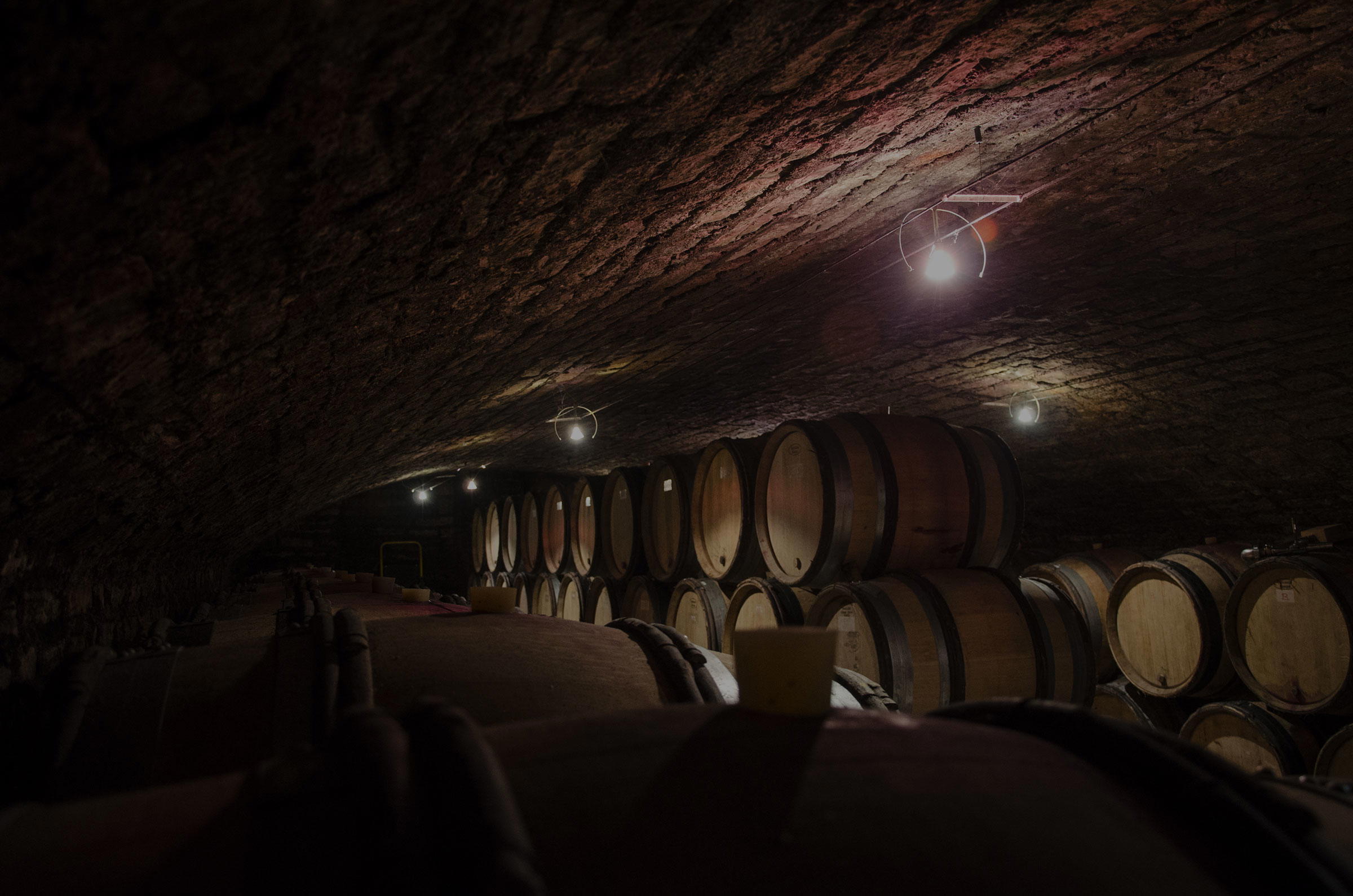
Bars in Morey-Saint-Denis
Browse all →
Restaurants in Morey-Saint-Denis
Browse all →
Details
- Elegant
- Rustic
- Intimate
- Sophisticated
- Wine Education
- Solo Exploration
- Special Occasion
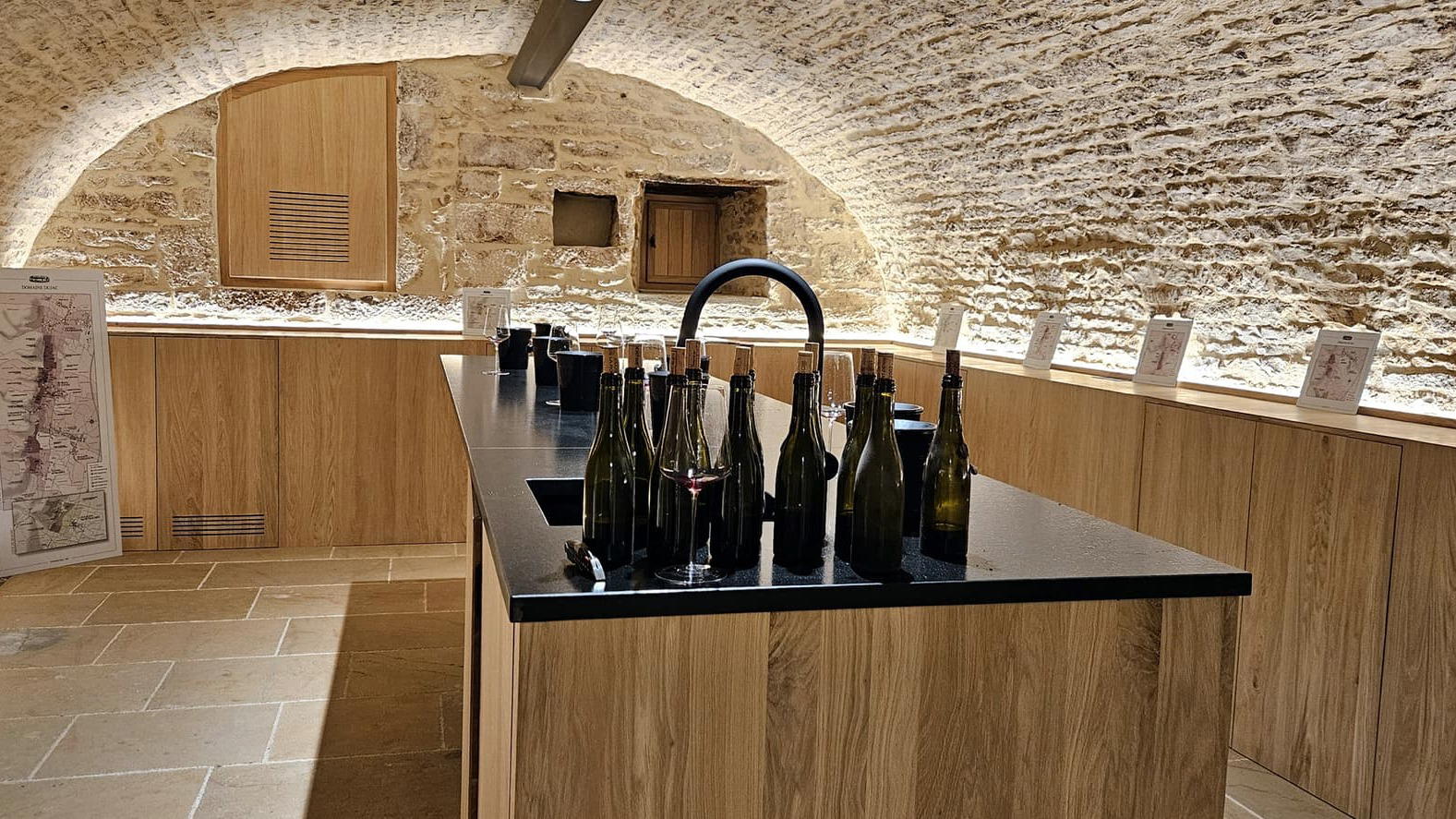
- Cave Tasting
- Vineyard Tour
- Barrel Room
- Biodynamic
- Organic
- Vineyard
- Pinot Noir
- Aligote
- Still Red
- Cave Tasting
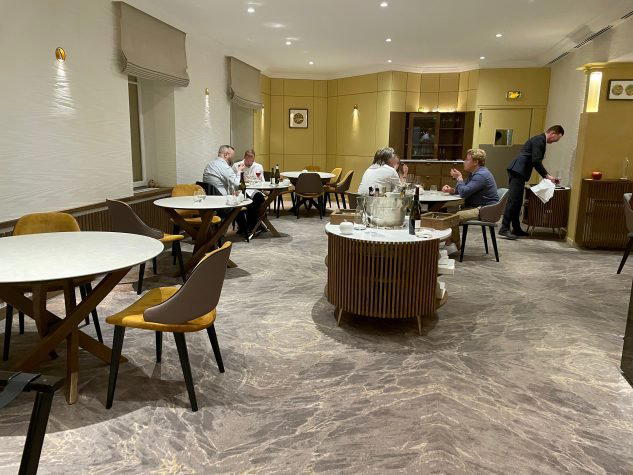
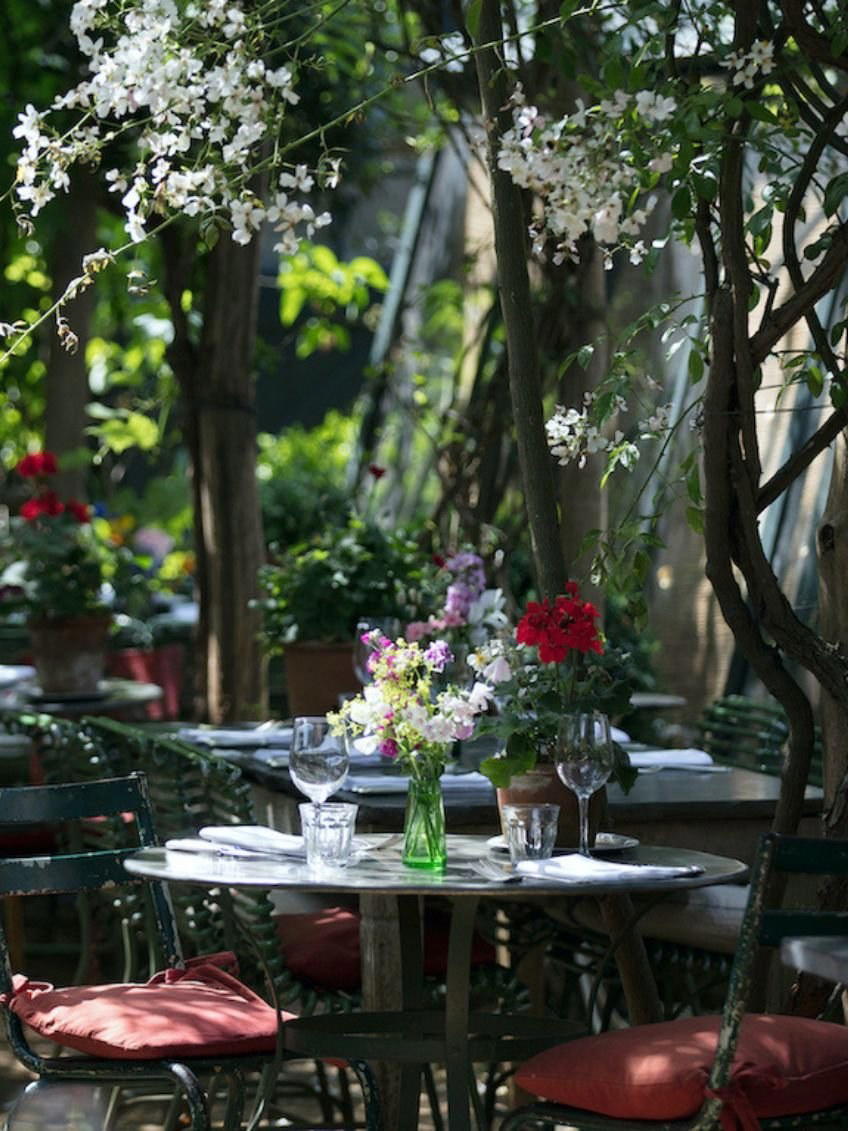
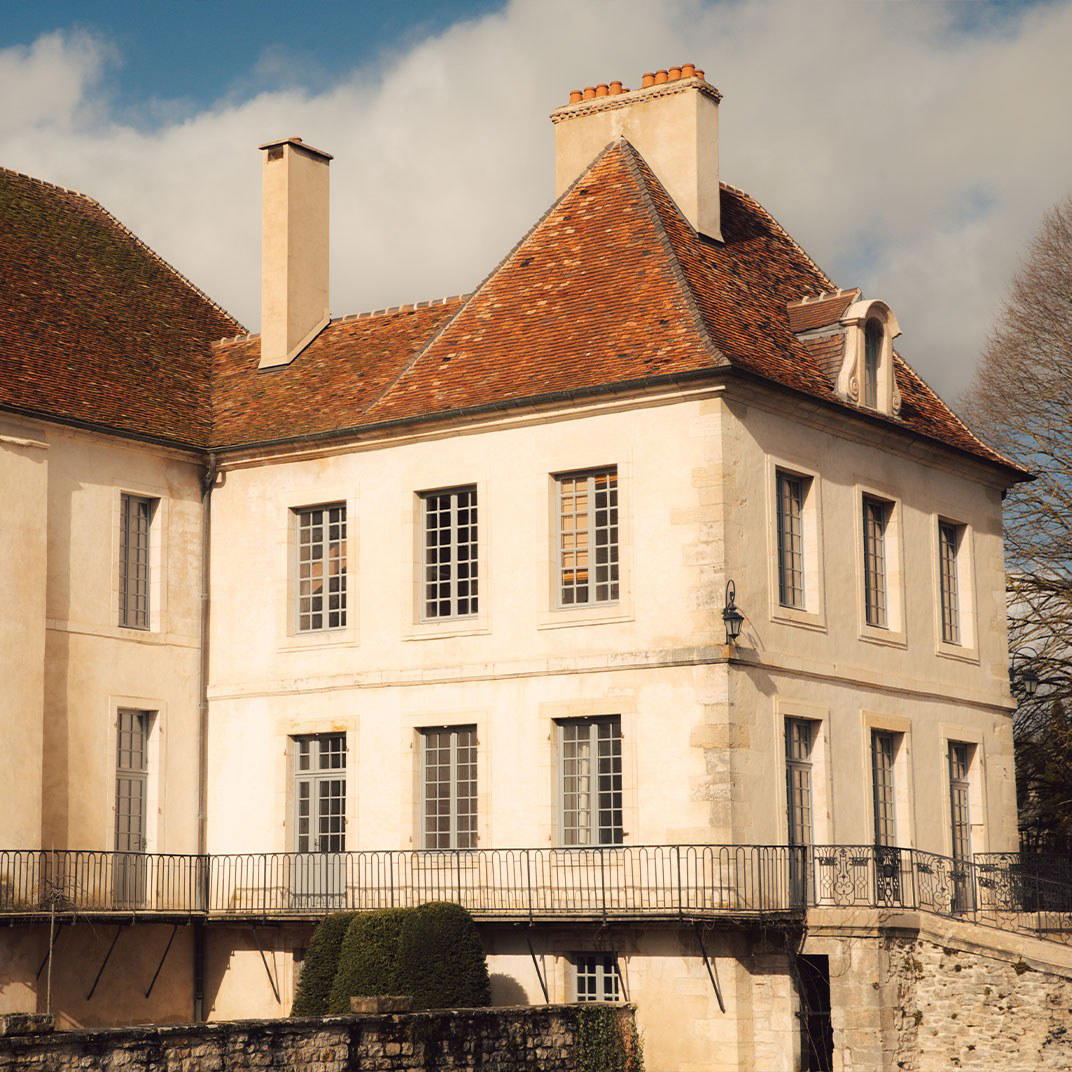
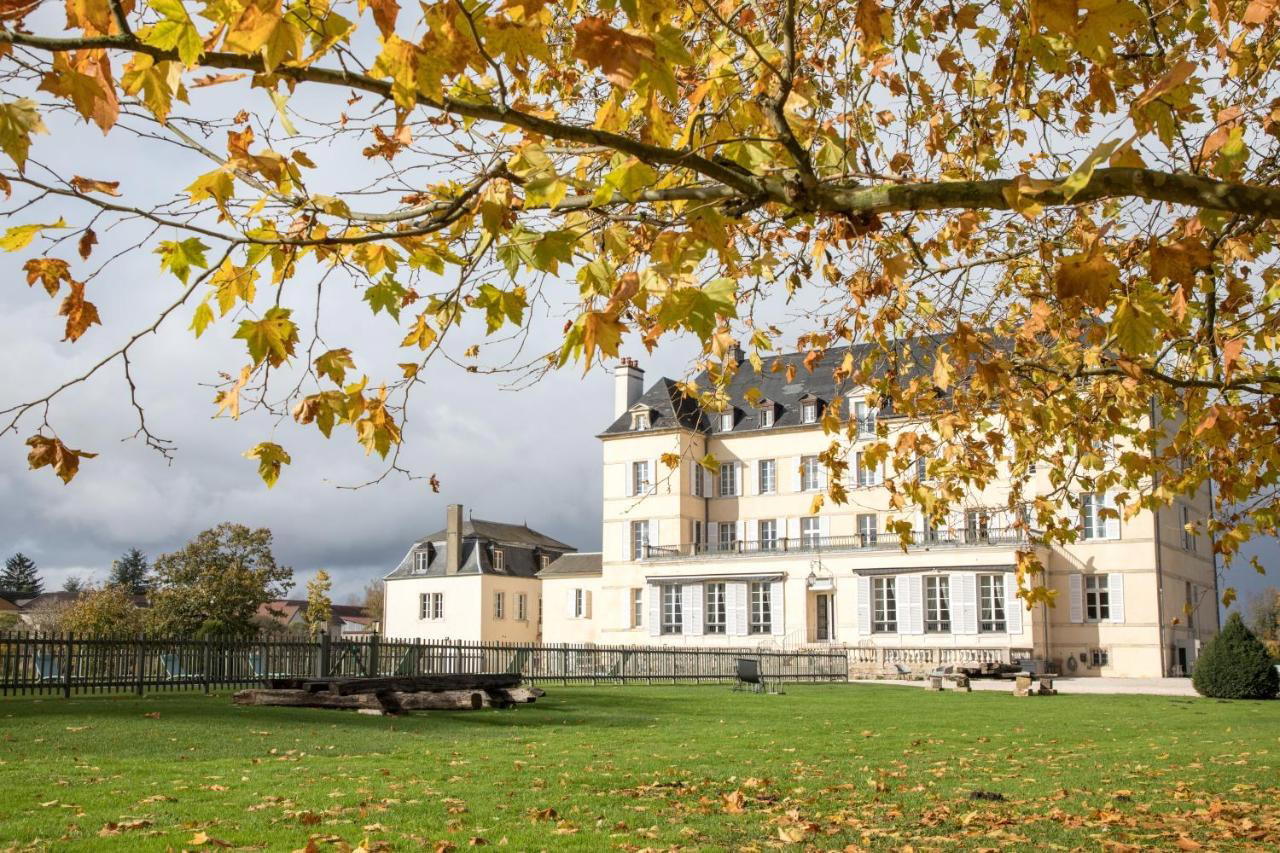
Classic, historic 14th-century cellars among the coldest in Côte de Nuits, fostering an elegant, pure, and authentic atmosphere reflective of Burgundy's terroir.