Domaine Amiot-Servelle
The domaine sits within a competitive comparable set that includes some of the Côte de Nuits' most sought-after producers. For collectors and serious Burgundy buyers, it represents a credentialled entry point into the village's signature style: fine-boned, aromatic Pinot Noir with genuine terroir precision.
Pearl is the En Primeur Club membership app — saves, bookings, and concierge access live there. Same editors, same standards.
- Address
- 6 Rue de Morey, 21220 Chambolle-Musigny
- Phone
- +33 3 80 62 80 39
- Website
- amiot-servelle.com
- Directions
- Get directions
 Saves & bookings on Pearl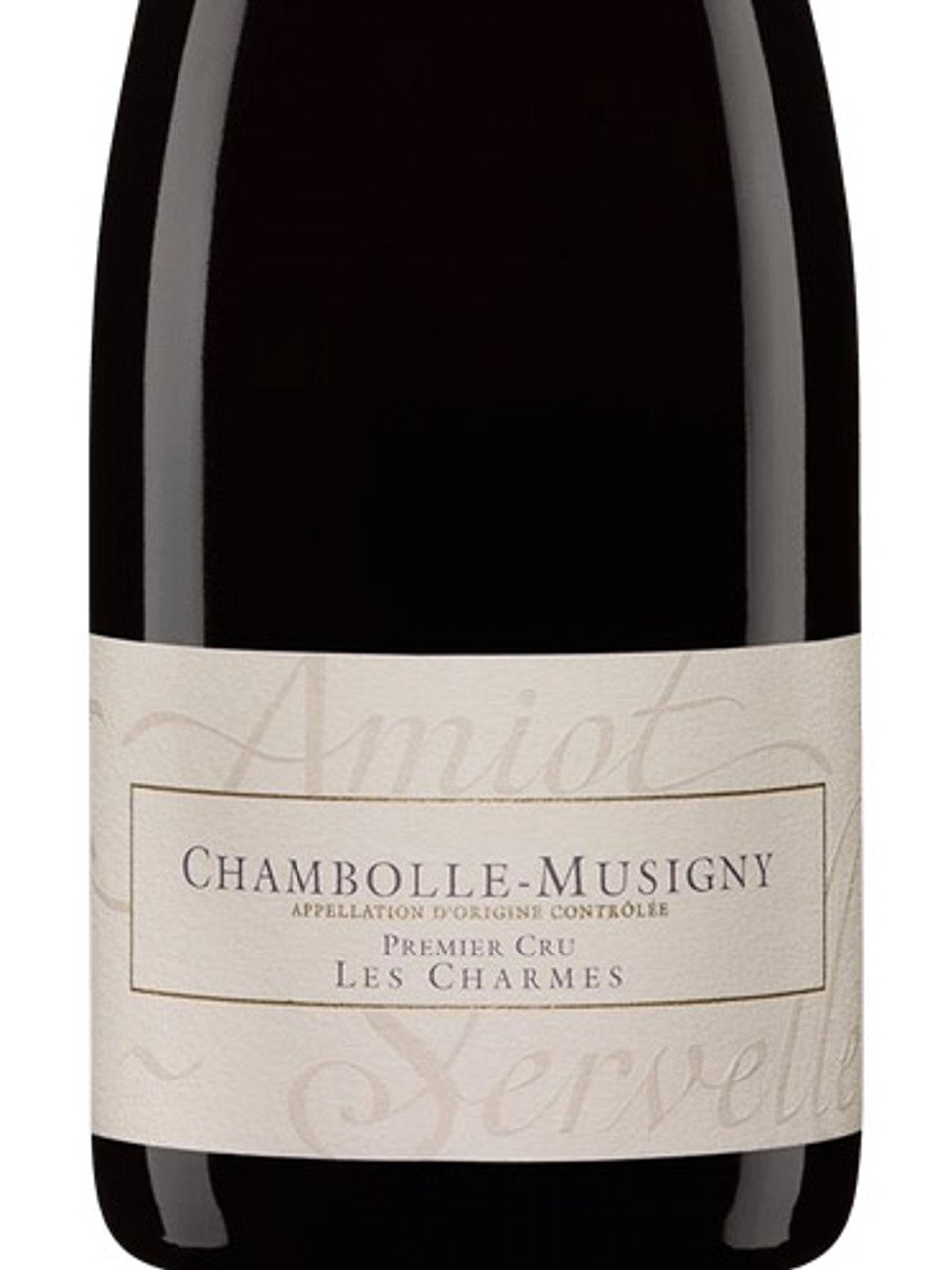
Where the Village Speaks Through the Wine
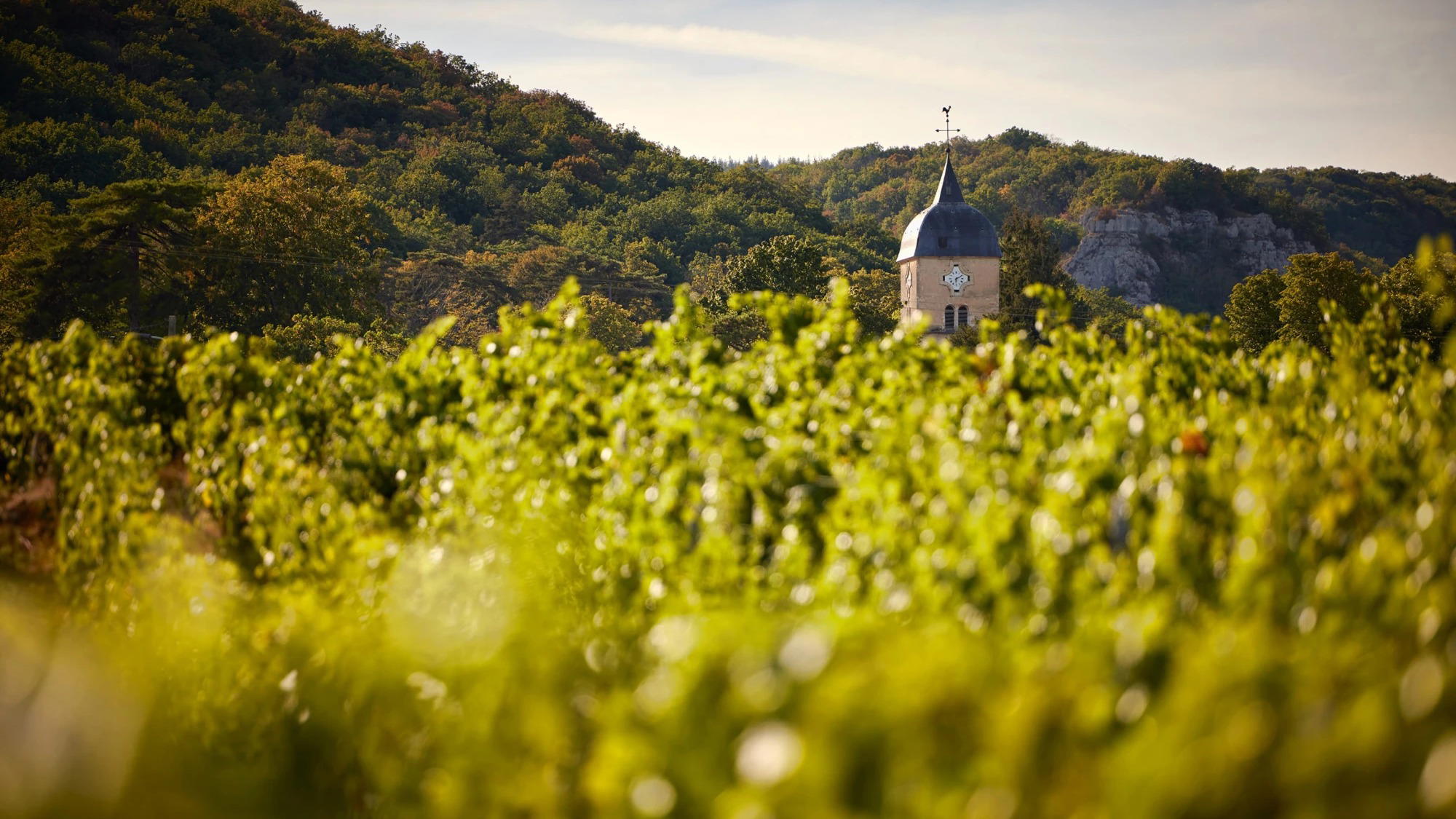
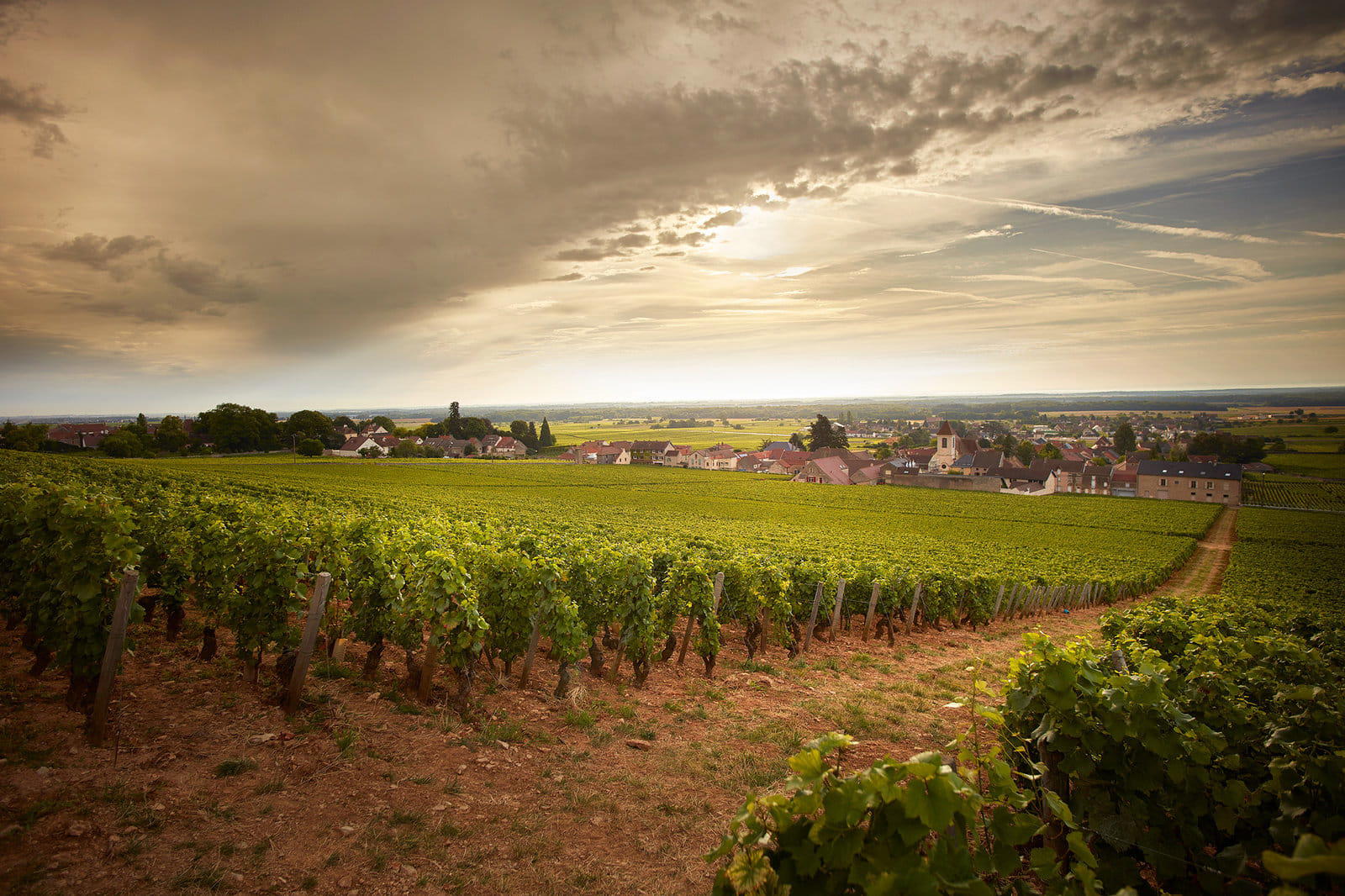
The road into Chambolle-Musigny from the N74 is unremarkable by Burgundian standards: a flat approach across the plain, then a quick climb into the village proper, where the limestone escarpment of the Côte de Nuits begins in earnest. The vines here sit on particularly calcium-rich, well-drained soils in France, and that geology is not incidental to the wines. It explains why Chambolle produces Pinot Noir of a particular character: finer-grained, more transparent, more dependent on site than on extraction or winemaker intervention.
The comparison set is instructive: Domaine Ghislaine Barthod, Domaine Comte de Vogue, Domaine Georges Roumier, Domaine Hudelot-Baillet, and Domaine Hudelot-Noëllat all operate from the same tight geography and the same appellation logic, yet each produces wines that read differently in the glass. That differentiation, achieved within such strict stylistic parameters, is precisely what makes Chambolle worth studying.
The Terroir Case for Chambolle-Musigny
Chambolle's terroir argument rests on a combination of thin topsoils, active limestone subsoil, and a particular northeast-facing exposure that moderates afternoon heat. The result is wines that tend toward aromatic delicacy rather than structural weight. Where Gevrey-Chambertin, just a few kilometres north, leans on firmer tannins and darker fruit, Chambolle produces something closer to the texture of fine silk: Pinot Noir with red-fruit clarity, floral lift, and a minerality that reads more as tension than as grip. This is not a style that rewards winemakers who over-extract or over-oak; the terroir punishes interference and rewards patience.
Amiot-Servelle's address on Rue de Morey places it at the northern edge of the village, close to parcels that can draw on the geological continuity with Morey-Saint-Denis to the north. The village appellation of Chambolle-Musigny itself produces wines of genuine quality, but the Premier Cru designations, particularly Les Amoureuses and Les Charmes, represent the appellation's clearest expression of site specificity. Les Amoureuses, directly below the boundary with Musigny, is considered one of Burgundy's strongest cases for Premier Cru classification that punches well above its formal category, regularly trading at prices that approach Grand Cru levels. Amiot-Servelle's positioning within the village puts it in proximity to this geography, and its 2025 award recognition reflects continued attention from the trade.
Chambolle's Producer Hierarchy and Where This Domaine Fits
Burgundy's production model is structured around family domaines with small landholdings across multiple appellations. The hierarchy is not simply about quality at any single level but about the breadth and consistency of the portfolio across village, Premier Cru, and Grand Cru holdings. Domaine Comte de Vogue, among the more scrutinised producers in the Côte de Nuits, holds significant parcels in Musigny Grand Cru and sets the ceiling for what Chambolle can achieve. Domaine Georges Roumier occupies a similar position through its Bonnes-Mares and Chambolle Premier Cru holdings. These are the reference points against which all Chambolle producers are eventually measured.
Allocation for the village's leading producers has tightened significantly over the past decade, as global demand for Burgundy, particularly from Asian markets, has compressed supply. That market dynamic benefits second-tier producers who have maintained quality and kept their distribution relationships intact. For buyers who approach Chambolle systematically rather than chasing single marquee bottles, Amiot-Servelle represents a logical part of the conversation alongside Domaine Hudelot-Noëllat and Domaine Hudelot-Baillet.
Visiting the Domaine and Planning Around the Appellation
Chambolle-Musigny is small: fewer than 300 residents, a single main road, and a church square that serves as the village's social centre. The domaine at 6 Rue de Morey is physically accessible, but visits to any Chambolle producer require advance arrangement; this is not an appellation that accommodates walk-in tourism. The serious way to approach the village is to plan visits across two or three producers in a single morning, allowing time to understand how the same terroir reads differently from one cellar to the next. The spring and autumn periods, outside the pressures of harvest and the January-February quiet season, tend to be particularly practical windows.
Albert Boxler in Niedermorschwihr applies comparable attention to site and terroir expression in Alsace. Further south, Chartreuse in Voiron represents a different tradition of craft production but shares the same Rhône corridor geography. Château Bastor-Lamontagne in Preignac, Château Batailley in Pauillac, Château Bélair-Monange in Saint-Emilion, Château Boyd-Cantenac in Cantenac, and Château Branaire Ducru in St-Julien all occupy analogous positions in their respective appellations: credentialled, consistent, and positioned below the top tier in price while maintaining serious quality credentials. Aberlour in Aberlour and Accendo Cellars in St. Helena round out the EP Club network for cross-category planning.
The Editorial Verdict
Chambolle-Musigny remains one of Burgundy's most consistent arguments for the relationship between geology, climate, and wine character. For collectors who have grown accustomed to allocation frustration at the leading, or for those approaching Chambolle for the first time with a serious intent to understand the appellation across multiple producers, this is a name that belongs in the research file alongside Barthod, Hudelot-Baillet, and Roumier. The terroir is doing the work that good Chambolle always does; the question is simply how closely you want to pay attention.
A Quick Peer Check
Comparable venues nearby, for context on price, style, and recognition.
| Venue | Cuisine | Price | Notes |
|---|---|---|---|
| Domaine Amiot-ServelleThis venue — the venue you are viewing | Pinot Noir, Chardonnay | $$$$ | Not listed |
| Domaine Georges Roumier | Pinot Noir, Chardonnay | $$$$ | Chambolle-Musigny |
| Domaine Comte de Vogue | Pinot Noir, Chardonnay | $$$$ | Chambolle-Musigny |
| Domaine Hudelot-Baillet | Pinot Noir, Chardonnay | $$$$ | Chambolle-Musigny |
| Domaine Hudelot-Noëllat | Pinot Noir, Gamay | $$$$ | Chambolle-Musigny |
| Domaine Ghislaine Barthod | Pinot Noir, Chardonnay | $$$ | Chambolle-Musigny |
Continue exploring
More in Chambolle-Musigny
Wineries in Chambolle-Musigny
Browse all →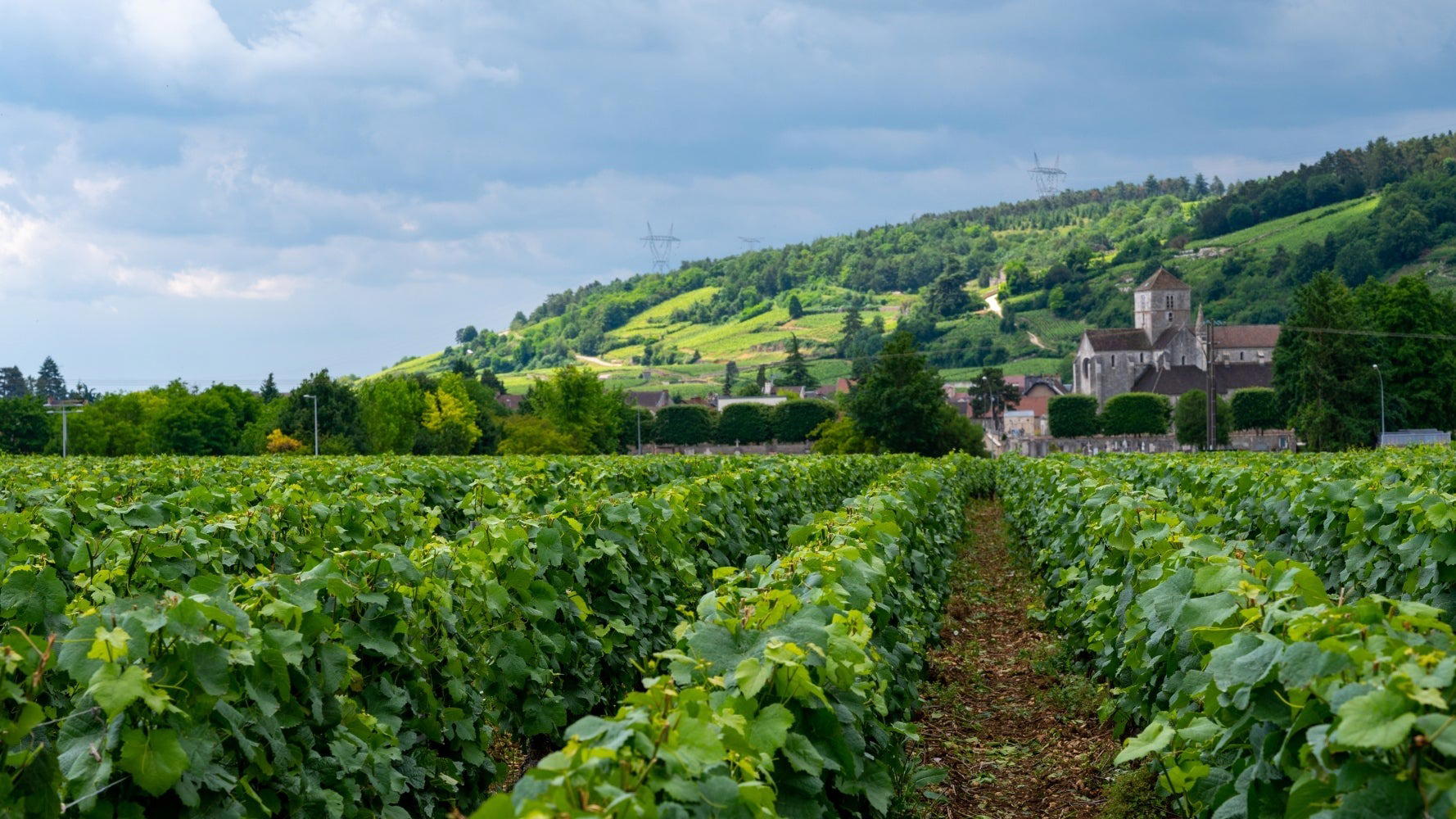
Bars in Chambolle-Musigny
Browse all →
Restaurants in Chambolle-Musigny
Browse all →
At a Glance
- Elegant
- Classic
- Rustic
- Intimate
- Scenic
- Wine Education
- Solo Exploration
- Special Occasion
- Vineyard Tour
- Cave Tasting
- Estate Grounds
- Organic
- Vineyard
- Chambolle Musigny AOC
- Pinot Noir
- Chardonnay
- Still Red
- Cave Tasting
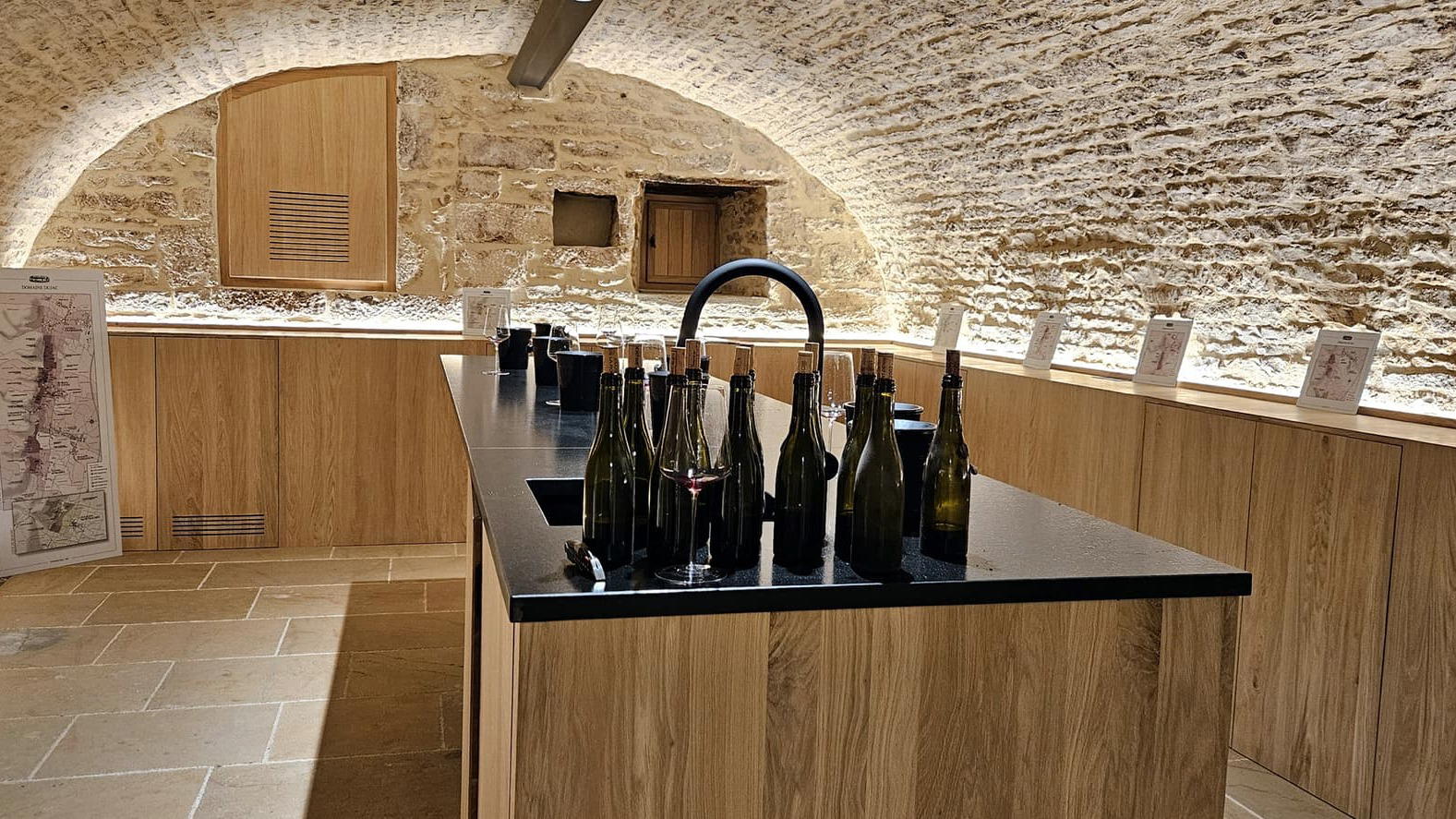
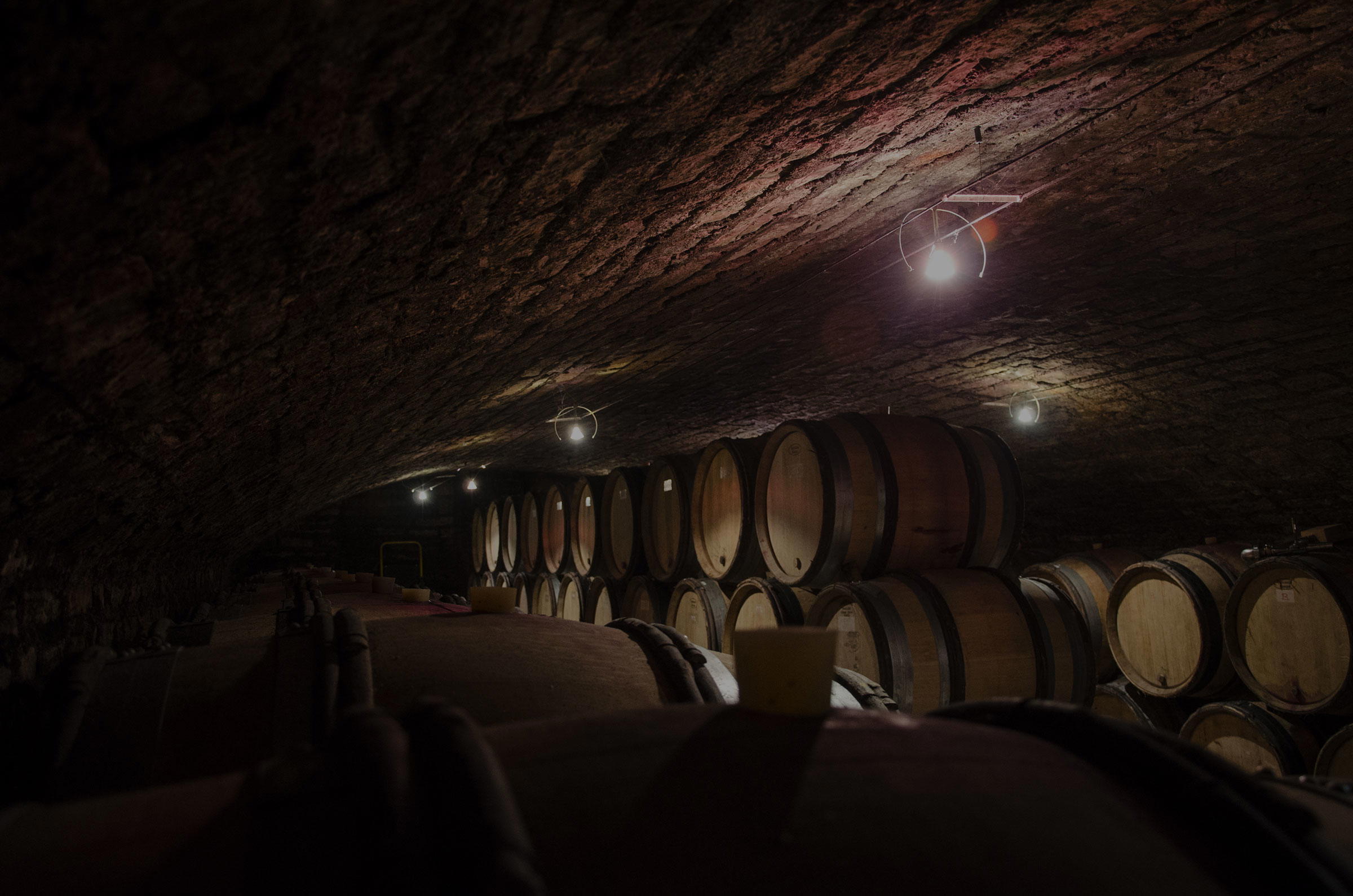
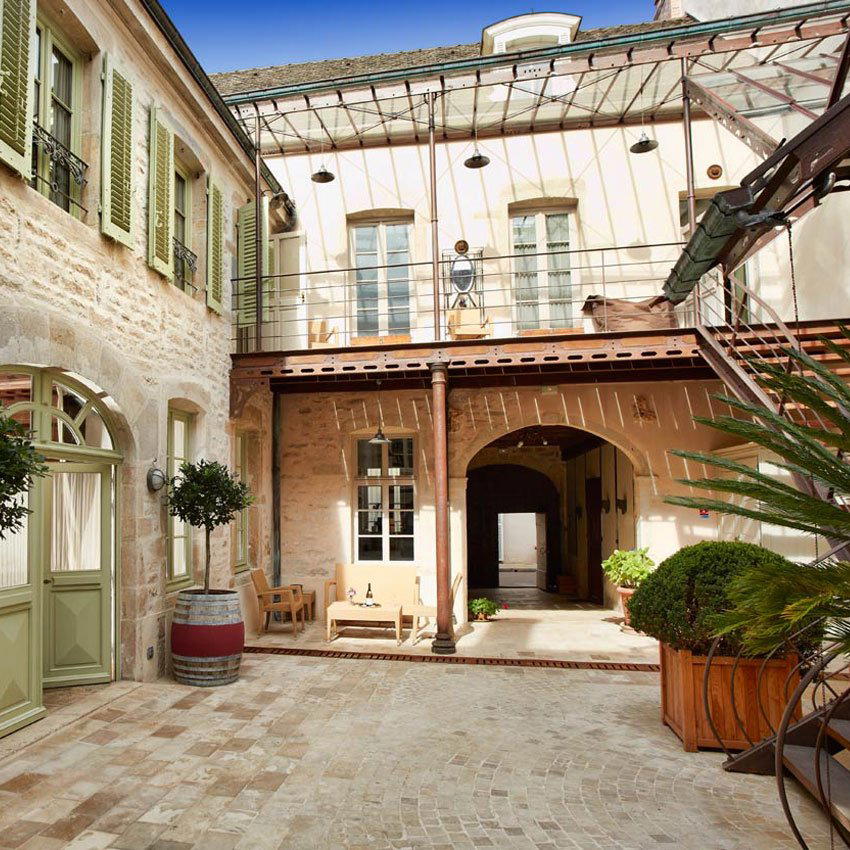
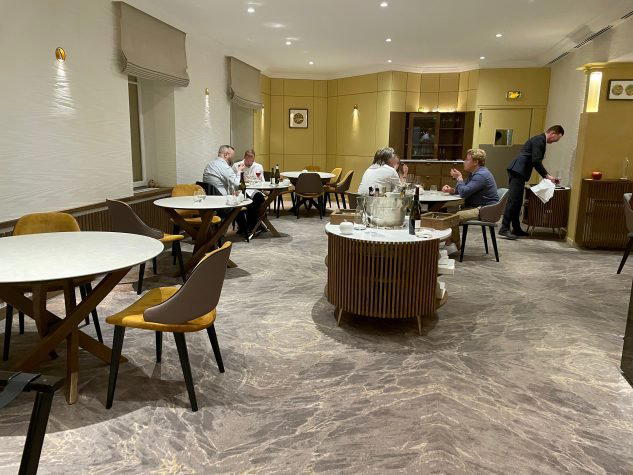
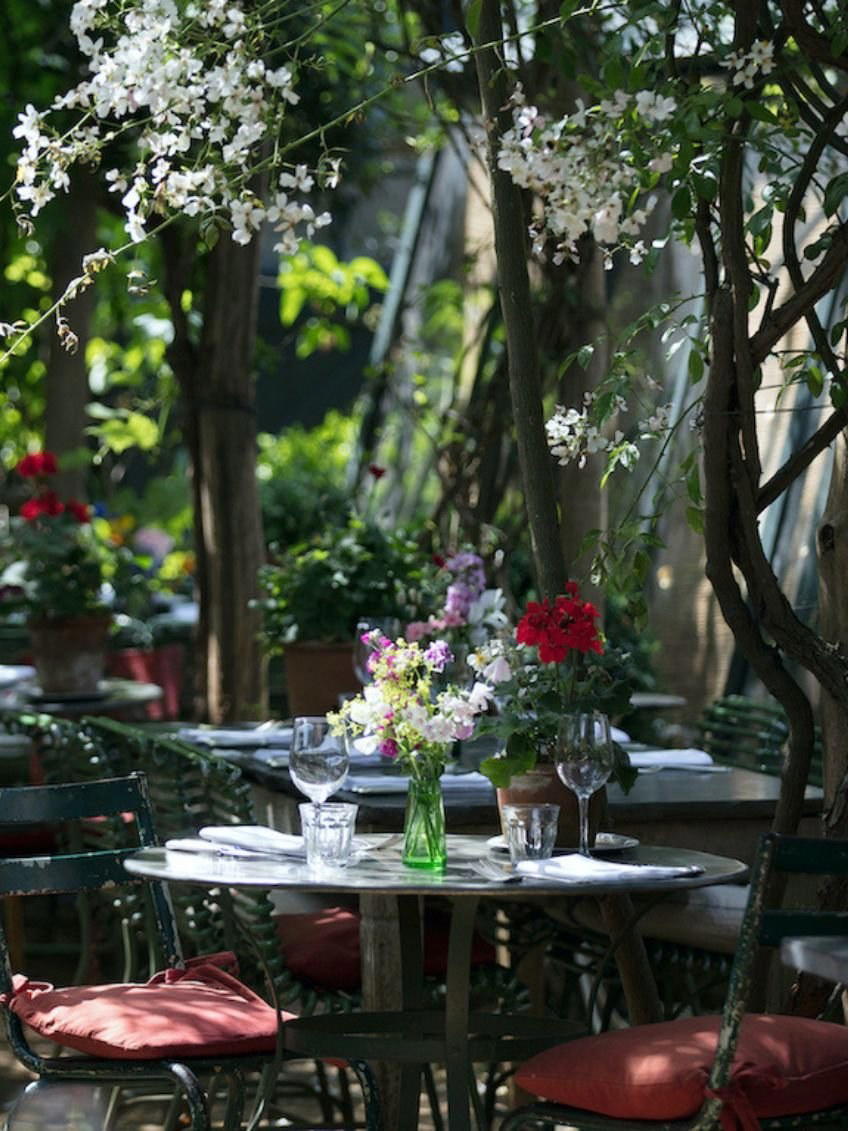
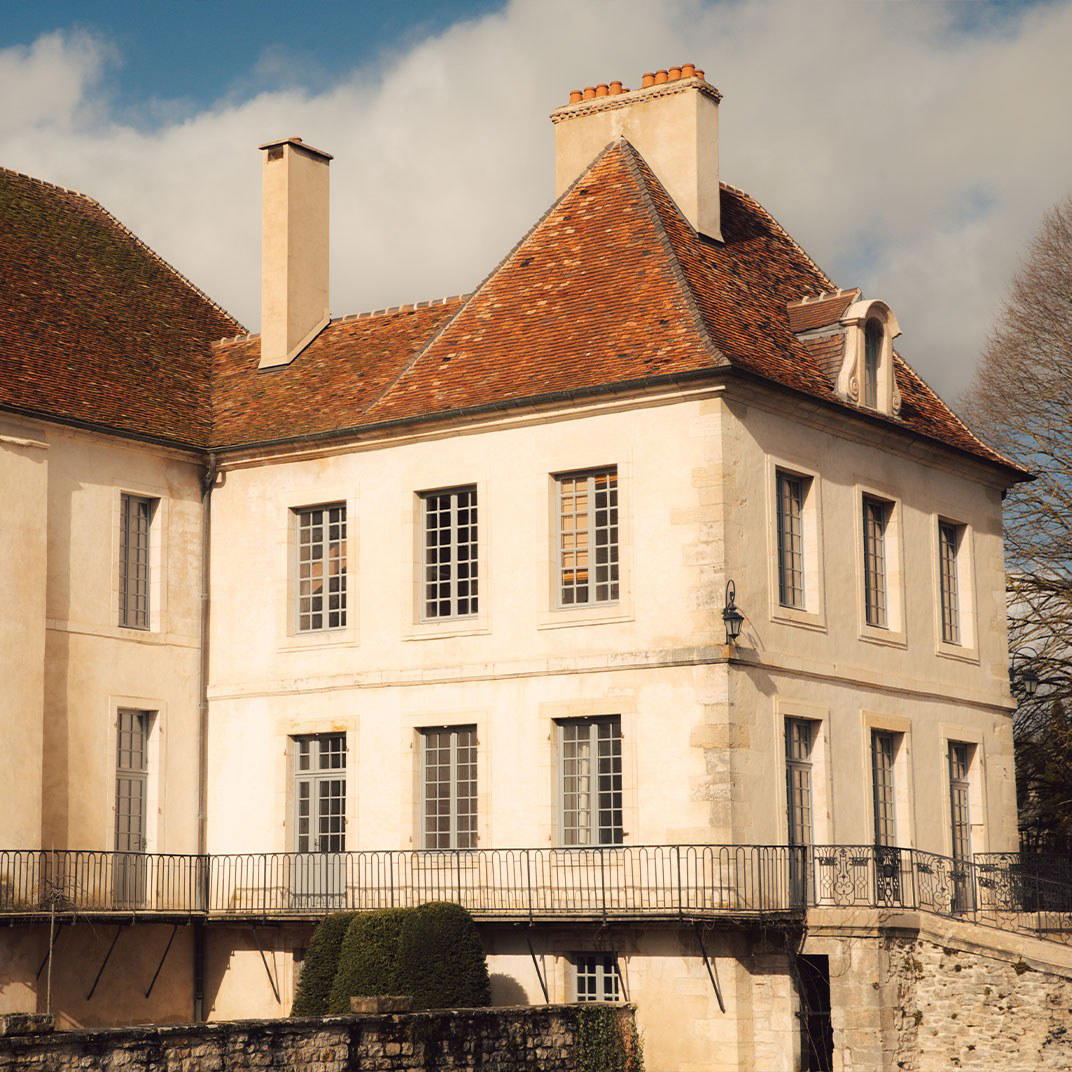
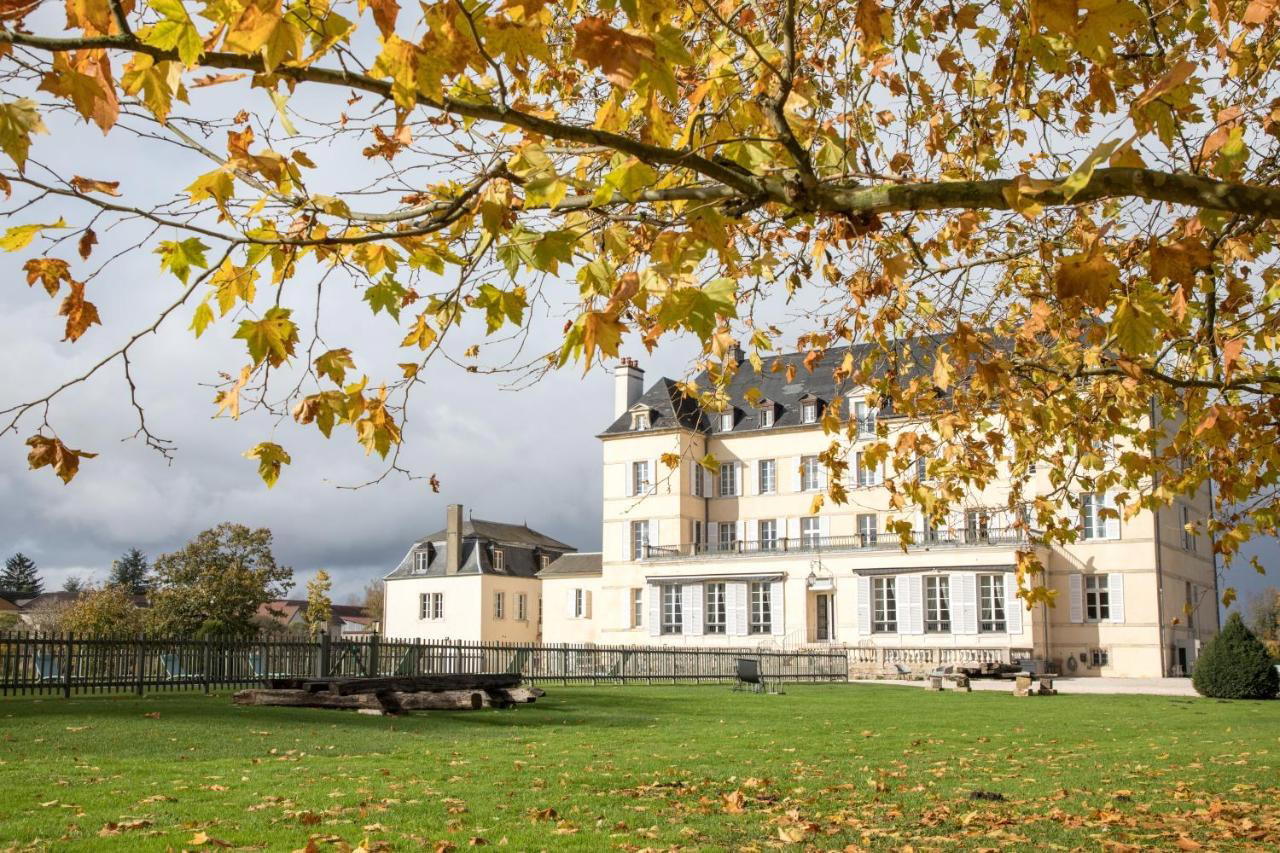
Modern eco-friendly winery overlooking Chambolle-Musigny vineyards with a well-stocked cellar and welcoming family atmosphere.