

Michelin Main Selection · Falstaff Winery - 3 Stars
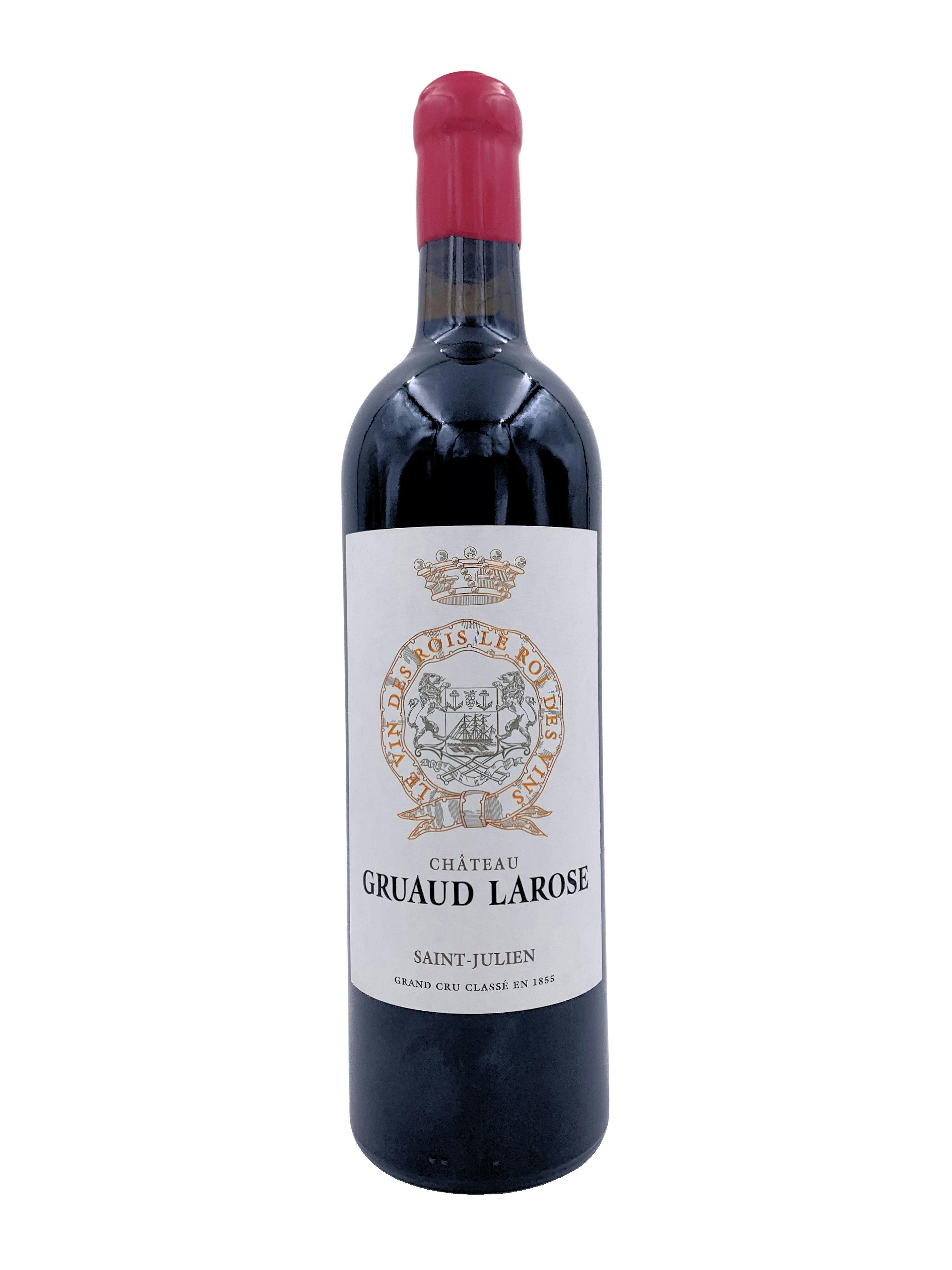
Château Gruaud-Larose is a classified Second Growth estate in Saint-Julien-Beychevelle, working with consulting winemaker Eric Boissenot and. The property sits within one of the Médoc's most consistently structured appellations, producing Cabernet-dominant blends with the structural depth and aging potential that define Saint-Julien's upper tier.

Pearl is the En Primeur Club membership app — saves, bookings, and concierge access live there. Same editors, same standards.
- Address
- 33250 Saint-Julien-Beychevelle
- Phone
- +33 5 56 73 15 20
- Website
- gruaud-larose.com
- Directions
- Get directions
Saint-Julien's Structural Argument
Among the left bank's classified appellations, Saint-Julien occupies an unusually precise position. It produces no First Growths, yet its Second and Third Growths routinely outperform peers from larger, more famous communes on consistency alone. The appellation's 900-odd hectares sit between the gravelly ridges of Pauillac to the north and the broader soils of Margaux to the south, and the resulting wines carry a combination of Cabernet Sauvignon structure and aromatic precision that collectors return to for exactly that reason. Château Gruaud-Larose, at its address in Saint-Julien-Beychevelle, is one of the larger estates in this compact appellation, classified as a Second Growth under the 1855 classification and.
To understand what that position means in practice, it helps to look at who else occupies the Saint-Julien classified tier. Château Leoville Poyferre and Château Branaire Ducru operate within the same commune and face similar site and stylistic constraints. Château Saint-Pierre represents the appellation's smaller, more tightly allocated end of the classified spectrum. Gruaud-Larose occupies a different position: larger in production, historically broad in distribution, and carrying the weight of a 1855 classification that creates its own expectations about price, style, and cellaring horizon. For buyers building a Médoc collection, understanding which tier of Saint-Julien a wine comes from matters as much as appellation provenance alone.
The Boissenot Influence Across the Médoc
Consulting winemaker Eric Boissenot is one of the most consequential figures in contemporary Médoc viticulture, advising across a significant portion of the classified estates. His influence is not idiosyncratic or personality-driven in the way that some New World consulting arrangements can be. Instead, Boissenot's approach is rooted in a rigorous reading of each appellation's traditional blending logic, in particular the proportion and role of Cabernet Franc and Merlot within predominantly Cabernet Sauvignon assemblages. The result, across the estates he advises, tends toward wines with strong structural definition, controlled extraction, and the kind of mid-palate density that rewards patience rather than early opening.
At Gruaud-Larose, that philosophy meets a large, well-sited vineyard in one of the Médoc's most reliable communes. The combination of Boissenot's precision-focused blending approach and Saint-Julien's naturally firmer tannin profile positions the estate firmly in the cellar-worthy, long-horizon category of Bordeaux. This is not wine designed for casual drinking on release; the structural signature that Boissenot has consistently reinforced across his portfolio is the opposite of early-drinkability. Collectors who have followed his influence across properties such as Château Batailley in Pauillac or Château Cantemerle in the Haut-Médoc will recognize the same discipline applied to different terroir conditions.
It is worth noting how this positions Gruaud-Larose relative to estates guided by winemakers with more interventionist or modernist leanings. Across Bordeaux, there has been a visible split in recent decades between properties pursuing darker, more extracted, higher-alcohol profiles aimed at international critical attention and those maintaining classical balance. Boissenot's clients have consistently sat closer to the classical end of that divide. Whether looking at Château Bélair-Monange in Saint-Emilion or right-bank properties like Château Clinet in Pomerol, the broader Bordeaux context shows a wine world increasingly divided on this point.
The rating does not operate in isolation. It reflects an assessment of the estate's current trajectory relative to its peers within the Saint-Julien classified tier, and it signals the kind of consistent performance that makes futures or en primeur allocation a practical consideration rather than speculative.
For comparison, other properties working within similar frameworks, including Château Bastor-Lamontagne in Preignac and Château Boyd-Cantenac in Cantenac, each occupy their own tier within the broader Bordeaux classification hierarchy. Gruaud-Larose's Second Growth status and the scale of its vineyard mean it operates with a slightly different profile from smaller-production classified estates, with wider availability but also the capacity to support sustained demand across multiple vintages simultaneously. The 2025 rating reflects where the estate sits in that context now, not a historical average.
Placing Gruaud-Larose in a Wider French Fine Wine Picture
The conversation around classified Bordeaux does not happen in isolation from the rest of France's premium wine geography. In Alsace, domaines like Albert Boxler in Niedermorschwihr operate at the opposite end of the production-scale spectrum, where tiny yields and single-vineyard precision define value. In Sauternes, Château d'Arche works within a classified framework of its own, producing wines with a completely different aging logic. Even beyond wine, France's premium appellation culture extends to products like Chartreuse in Voiron, where centuries of controlled production and classification create collector markets with structural similarities to Bordeaux futures. Gruaud-Larose sits within this broader culture of classified, appellation-defined French production, and its value proposition is shaped by the same forces: scarcity management, classification prestige, and the long-run reliability of a named terroir.
Across the Atlantic, the comparison becomes shaper. Napa estates like Accendo Cellars in St. Helena work within a different classification framework, one built on reputation and critical score rather than 1855 decree. That difference matters to the collector calculus: Bordeaux's classification system, whatever its imperfections, provides a structural reference point that has persisted for 170 years. Gruaud-Larose's Second Growth status is not a marketing position; it is a fixed reference within that system, and the estate's current performance rating either closes or widens the gap between that classification and actual quality, vintage by vintage.
Planning a Visit and Acquisition
Saint-Julien-Beychevelle is accessible from Bordeaux city by car, with most classified estates in the commune receiving visitors by appointment rather than walk-in. The address at 33250 Saint-Julien-Beychevelle places Gruaud-Larose within the central corridor of classified properties along the D2 wine route, making it logical to combine with visits to neighboring communes on the same trip. Château visits in this part of the Médoc typically require advance booking, and the estate's scale means group and trade visits are more commonly accommodated than impromptu tourism. For buyers interested in acquisition rather than tourism, the en primeur release window in spring following harvest is the primary moment to engage, either through negociants or allocation lists. For a broader orientation to Saint-Julien's estates and dining options, the full St-Julien guide on EP Club covers the commune's classified properties and visitor context in detail.
Budget Reality Check
Comparable venues nearby, for context on price, style, and recognition.
| Venue | Cuisine | Price | Awards |
|---|---|---|---|
| Château Gruaud-LaroseThis venue — the venue you are viewing | Saint-Julien, Cabernet Sauvignon, Merlot | Not listed | Michelin Main Selection · Falstaff Winery - 3 Stars |
| Château Saint-Pierre | Saint-Julien, Cabernet Sauvignon, Merlot | Not listed | Michelin Main Selection · Falstaff Winery - 3 Stars |
| Château Leoville Poyferre | Saint-Julien, Cabernet Sauvignon, Merlot | Not listed | Falstaff Winery - 3 Stars |
| Château Branaire Ducru | Saint-Julien, Cabernet Sauvignon, Merlot | $50–100 | Michelin 1 Grape · Falstaff Winery - 3 Stars |
| Château Batailley | Pauillac, Cabernet Sauvignon, Merlot | Not listed | Falstaff Winery - 2 Stars |
| Château Ferrière | Margaux, Cabernet Sauvignon, Merlot | $50–100 | Falstaff Winery - Listed |
Recognition history
Dated appearances from independent guides and award organizations, with the underlying list record or original source where available.
Michelin Main Selection
Michelin
Falstaff Winery - 3 Stars
Falstaff
Continue exploring
More in St-Julien
Wineries in St-Julien
Browse all →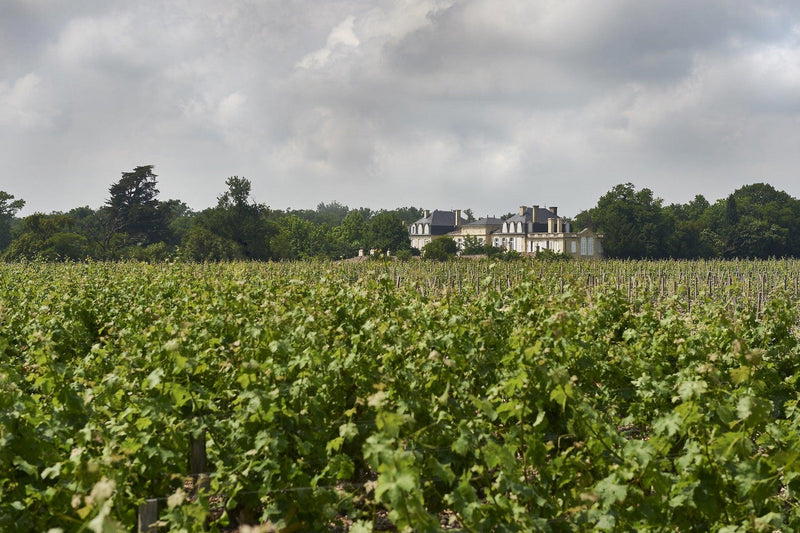
Bars in St-Julien
Browse all →
Restaurants in St-Julien
Browse all →
Details
- Classic
- Elegant
- Sophisticated
- Well Known
- Wine Education
- Special Occasion
- Vineyard Tour
- Panoramic View
- Historic Building
- Vineyard
- Cabernet Sauvignon
- Merlot
- Still Red
- Cave Tasting
- Private Tasting
- English
- French
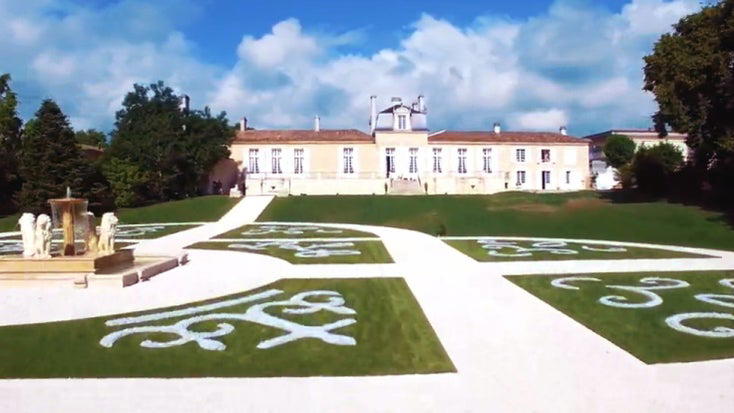
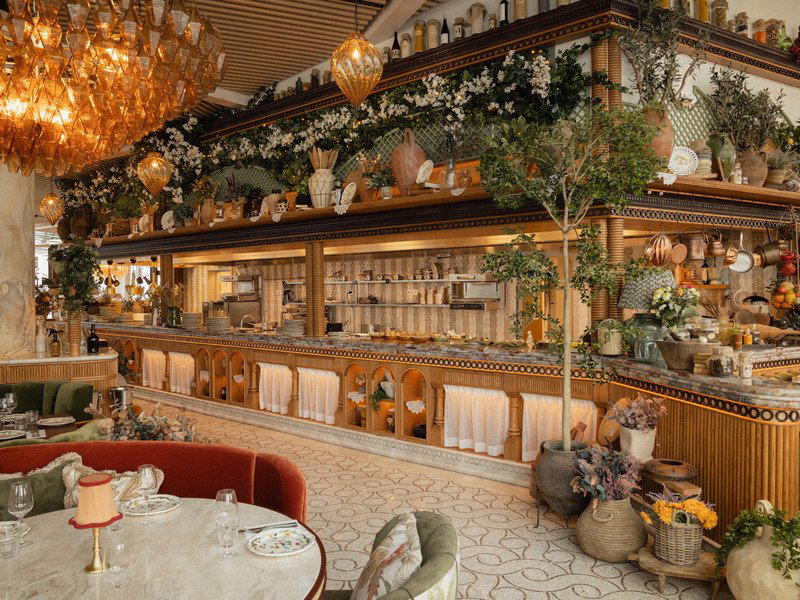
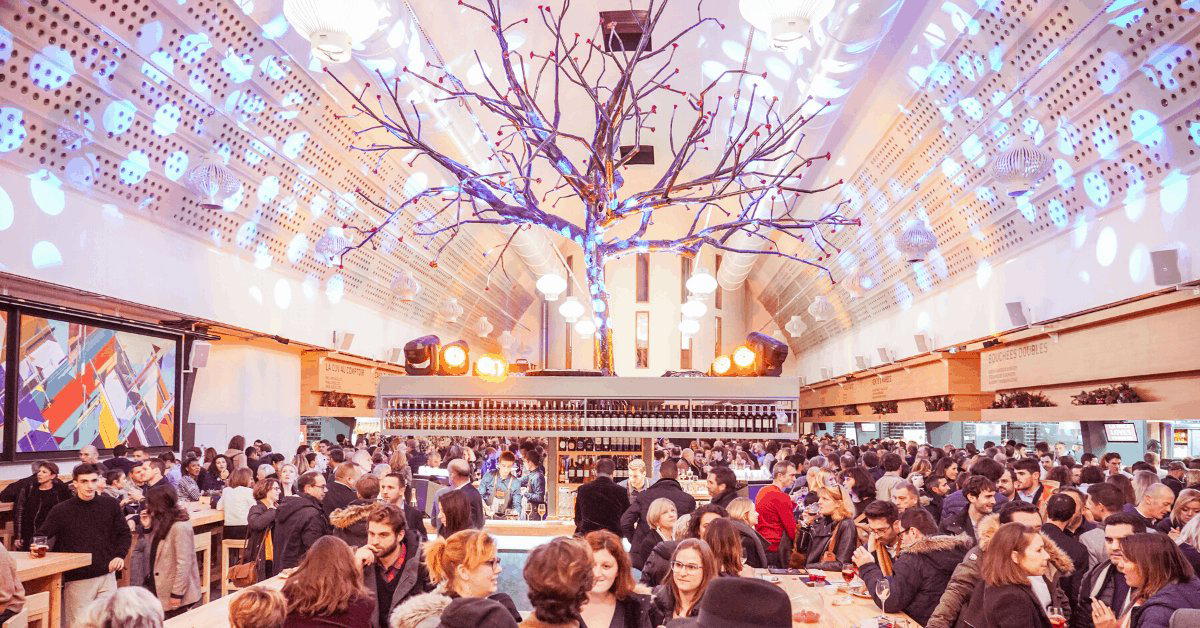
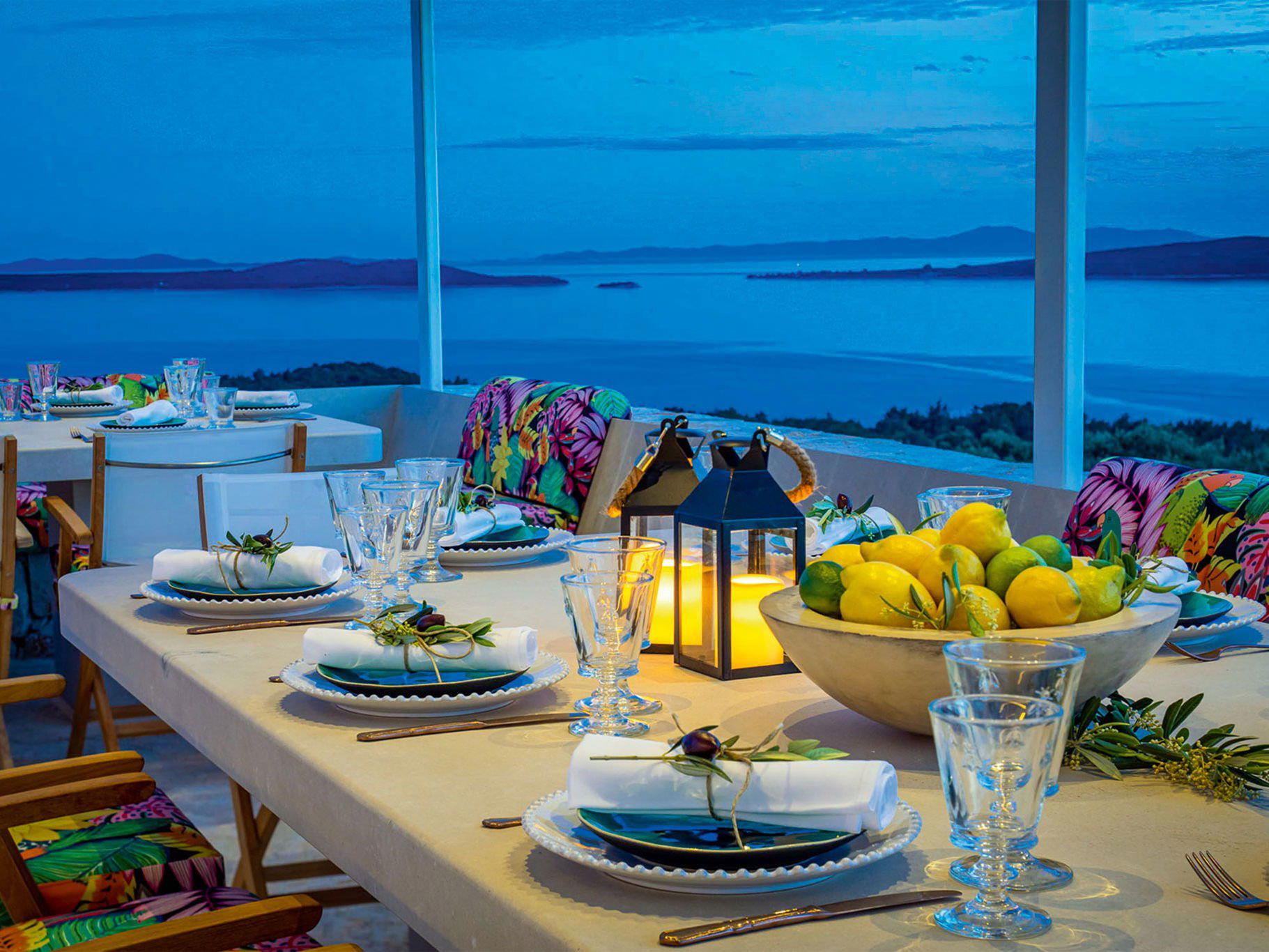
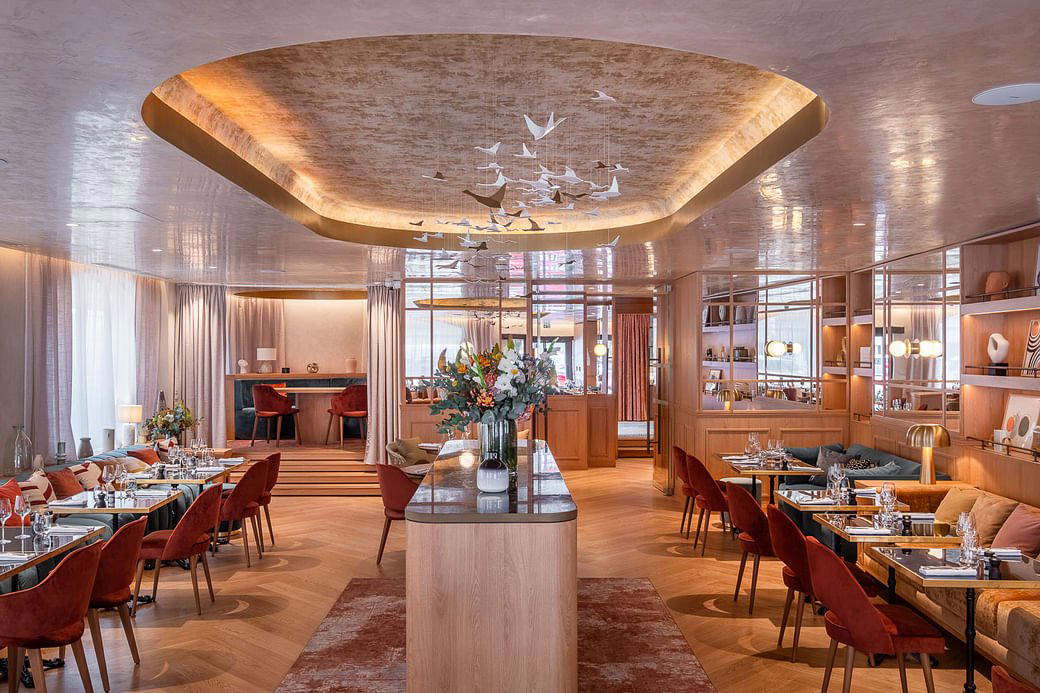
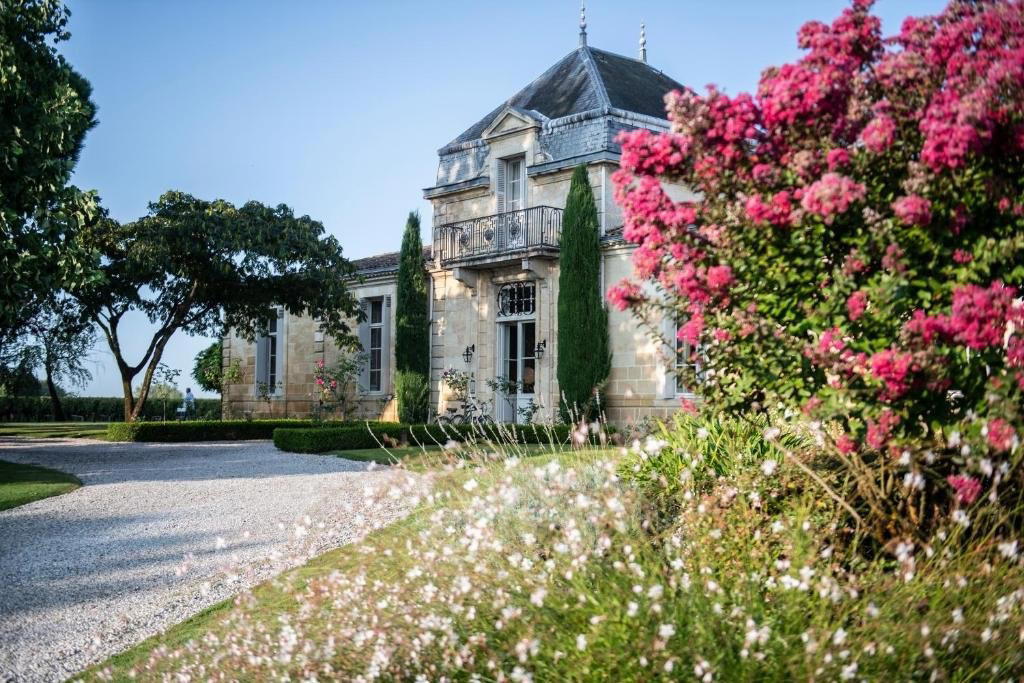
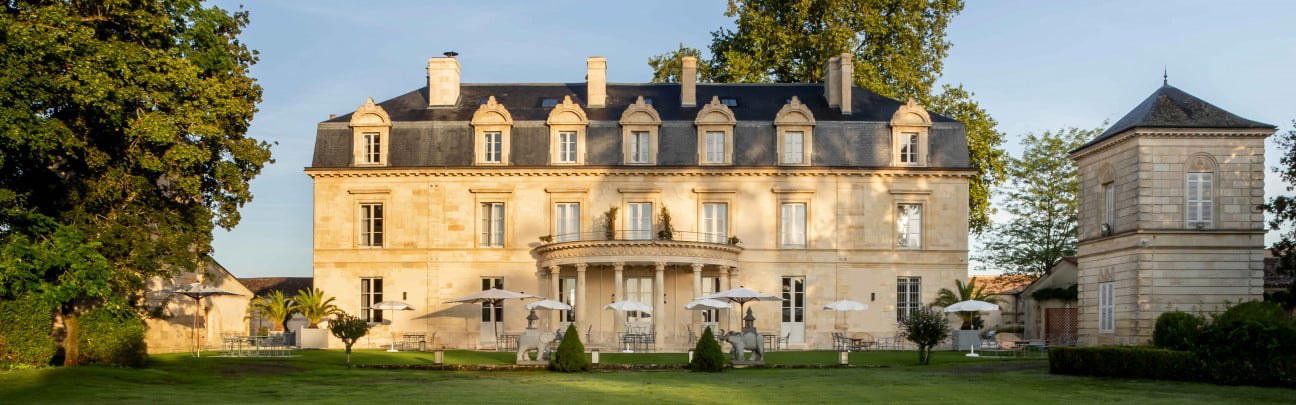
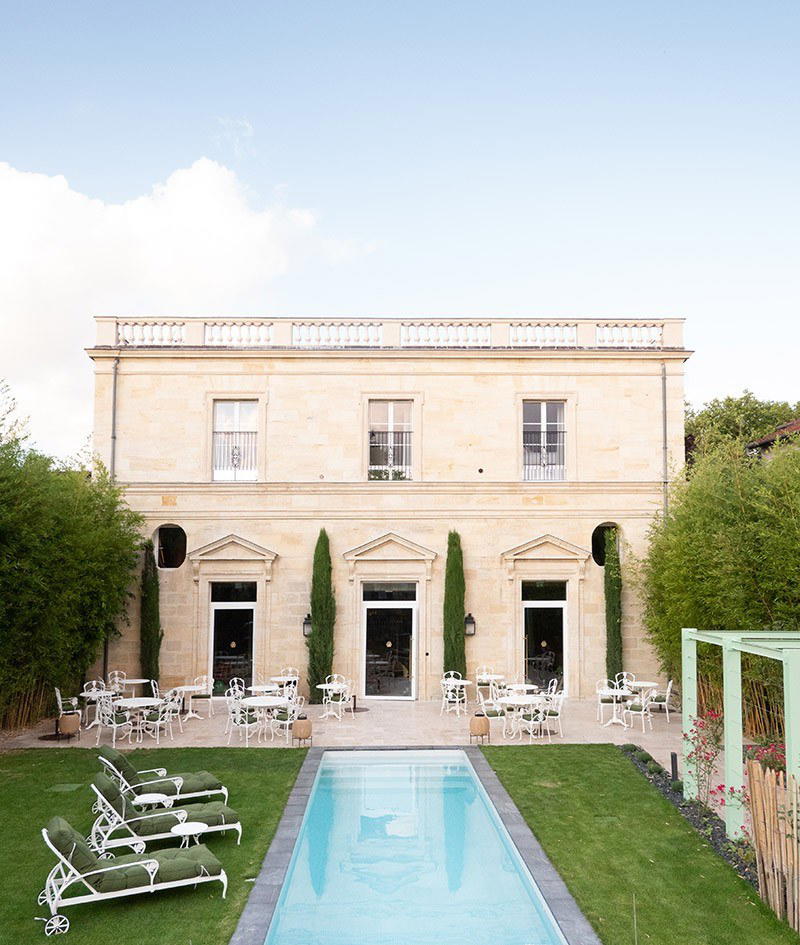
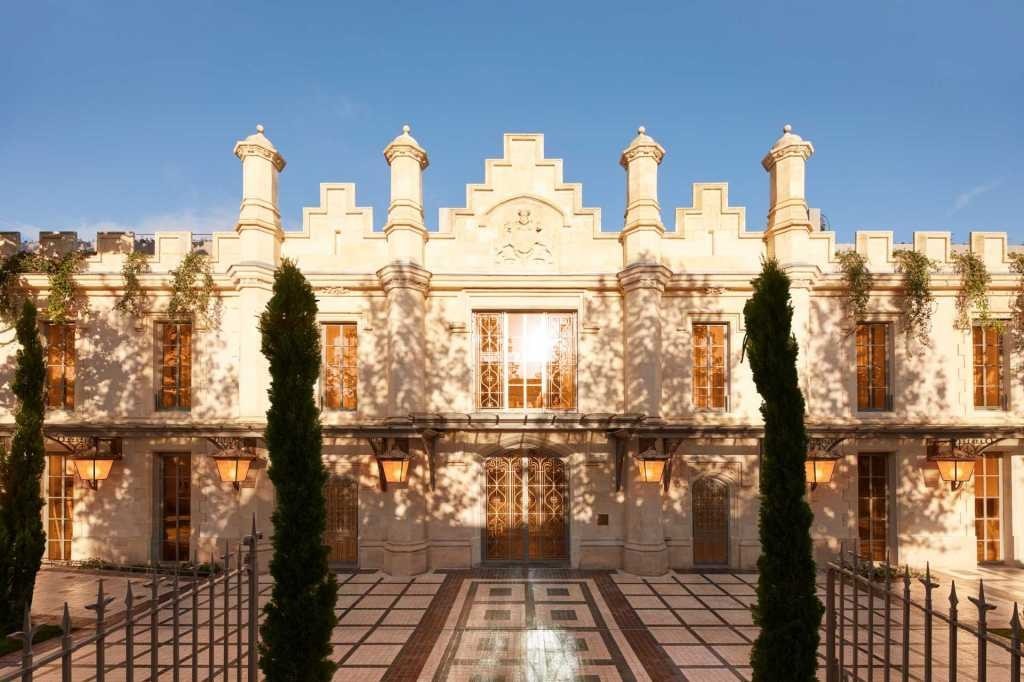
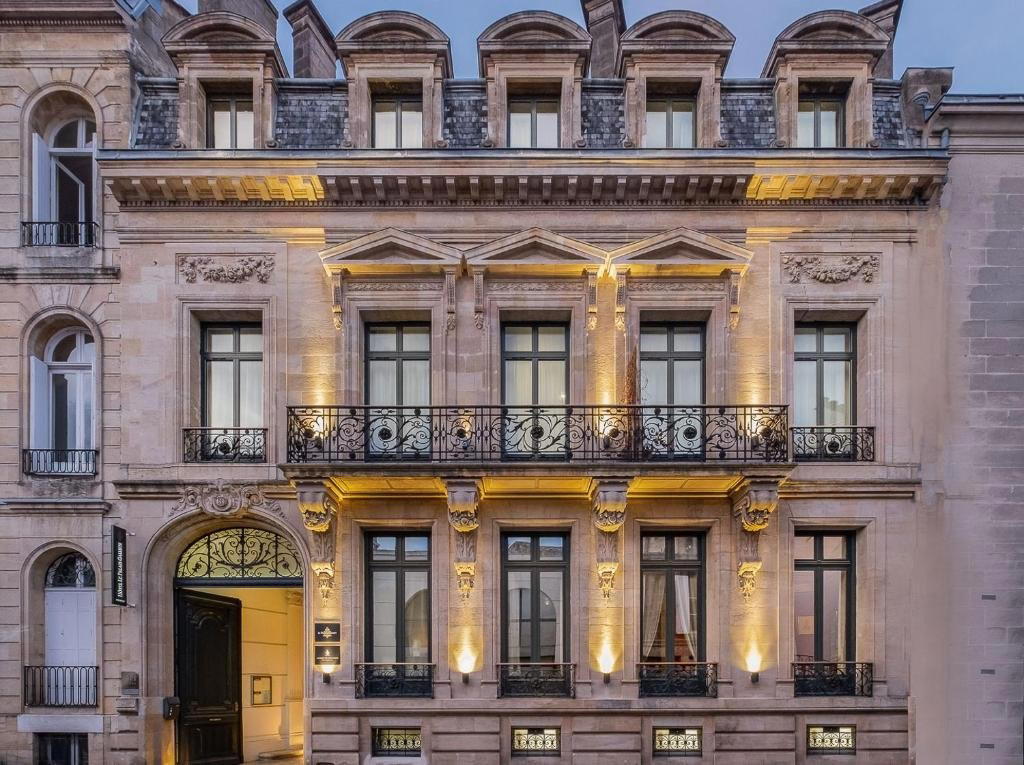
Elegant blend of historic château architecture and modern facilities with a welcoming, professional atmosphere highlighted by knowledgeable guides.