Château Dereszla
Château Dereszla sits in Bodrogkeresztúr at the heart of the Tokaj wine region, where volcanic soils, morning mists off the Bodrog and Tisza rivers, and a singular microclimate have shaped Aszú production for centuries. It belongs on any considered itinerary through Hungary's most historically significant wine country.

Pearl is the En Primeur Club membership app — saves, bookings, and concierge access live there. Same editors, same standards.
- Address
- Bodrogkeresztúr, Felső u. 2, 3916
- Phone
- +36 30 151 5081
- Website
- dereszla.com
- Directions
- Get directions
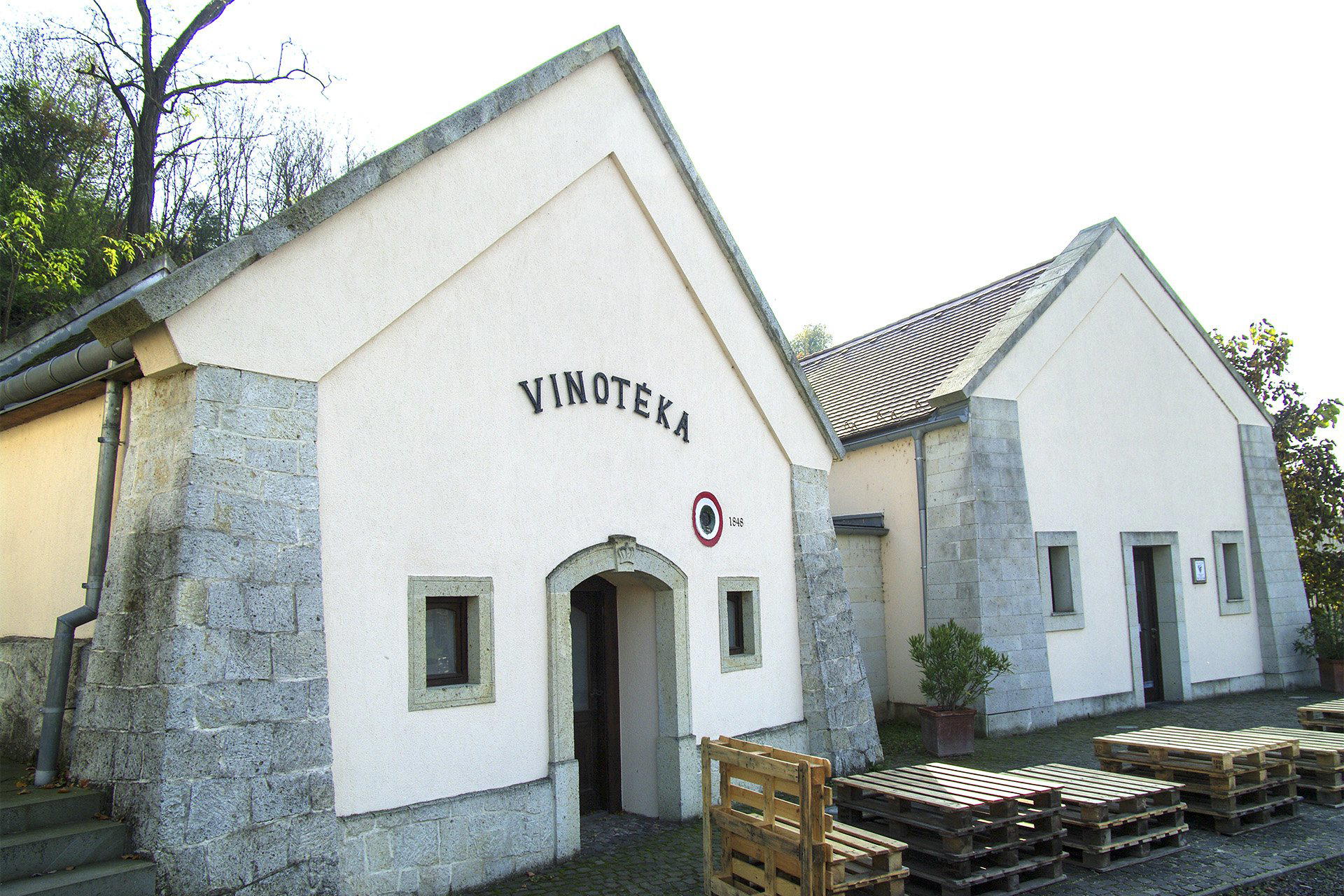
Where the Bodrog Valley Defines the Wine
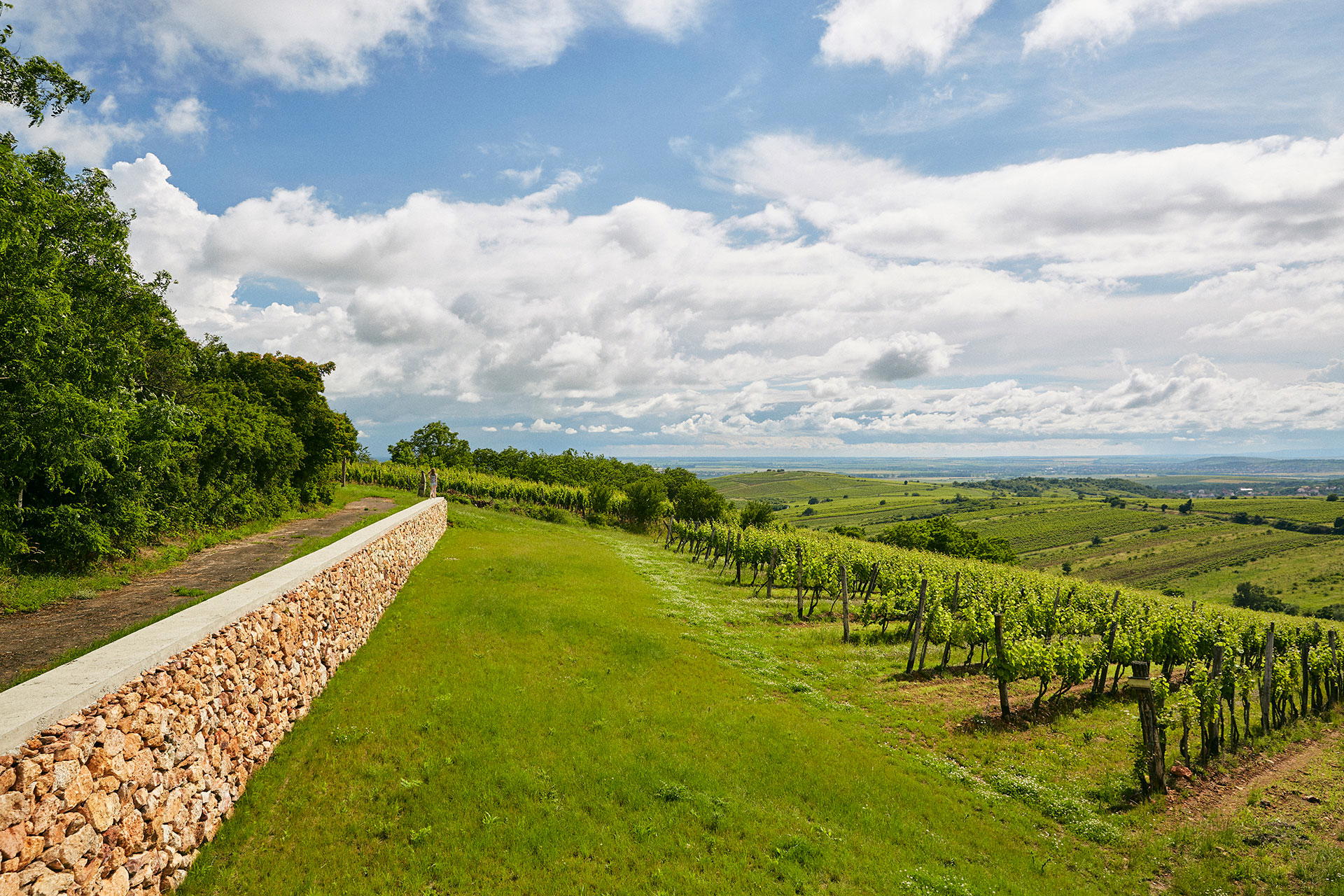
The village of Bodrogkeresztúr occupies a narrow corridor between the Zemplén hills and the rivers Bodrog and Tisza, and that geography is not incidental. It is the entire argument. Morning fog rolls off the confluence of those two rivers each autumn, settling over the vineyards with the kind of regularity that winemakers in drier climates can only approximate artificially. That moisture, combined with the warm afternoons that follow, creates the conditions under which Botrytis cinerea — the noble rot — develops on Furmint, Hárslevelű, and Sárga Muskotály grapes. The result, across centuries and across producers in this corridor, is Aszú: a wine so dependent on a specific set of environmental variables that no other region has convincingly replicated it.
Château Dereszla, addressed at Felső u. 2 in Bodrogkeresztúr, sits directly inside that corridor. To understand what Château Dereszla does, you first need to understand what the Tokaj appellation demands of every estate within it.
Volcanic Soils and the Logic of Aszú
The Zemplén hills are geologically unusual. Their soils are formed largely from rhyolite tuff and andesite, volcanic rock that weathers into a substrate with strong mineral retention and relatively low fertility. Low fertility forces vines to root deeply, and deep roots access a more stable, mineral-rich water supply than surface-level irrigation could ever mimic. The wines that come from these soils tend toward a particular structural tension: high acidity even when the sugar concentration is extreme, a mineral thread that persists through the sweetness of late-harvest and Aszú styles.
That tension is what separates serious Tokaj Aszú from sugar-forward sweet wines made in regions where the botrytis conditions are induced rather than natural. When the Bodrog valley fog arrives on schedule in October and November, noble rot concentrates sugars, glycerol, and acidity simultaneously. The result is a wine measured in Puttonyos, the traditional baskets once used to transport botrytised berries, where 5 and 6 Puttonyos designations indicate extraordinary concentration without the cloying quality that plagues sweet wines lacking structural acidity.
Estates in this specific part of the appellation, including those clustered around Bodrogkeresztúr and its neighbours, work with that natural framework rather than against it. Tokaj Nobilis, also based in Bodrogkeresztúr, operates within the same microclimate, and the comparison between producers in this village and those from higher, drier sites to the north and west, such as Tokaj Oremus in Tolcsva, illustrates how meaningfully sub-appellation position shapes the wine's character.
The Château Context: Architecture and Memory in the Cellar
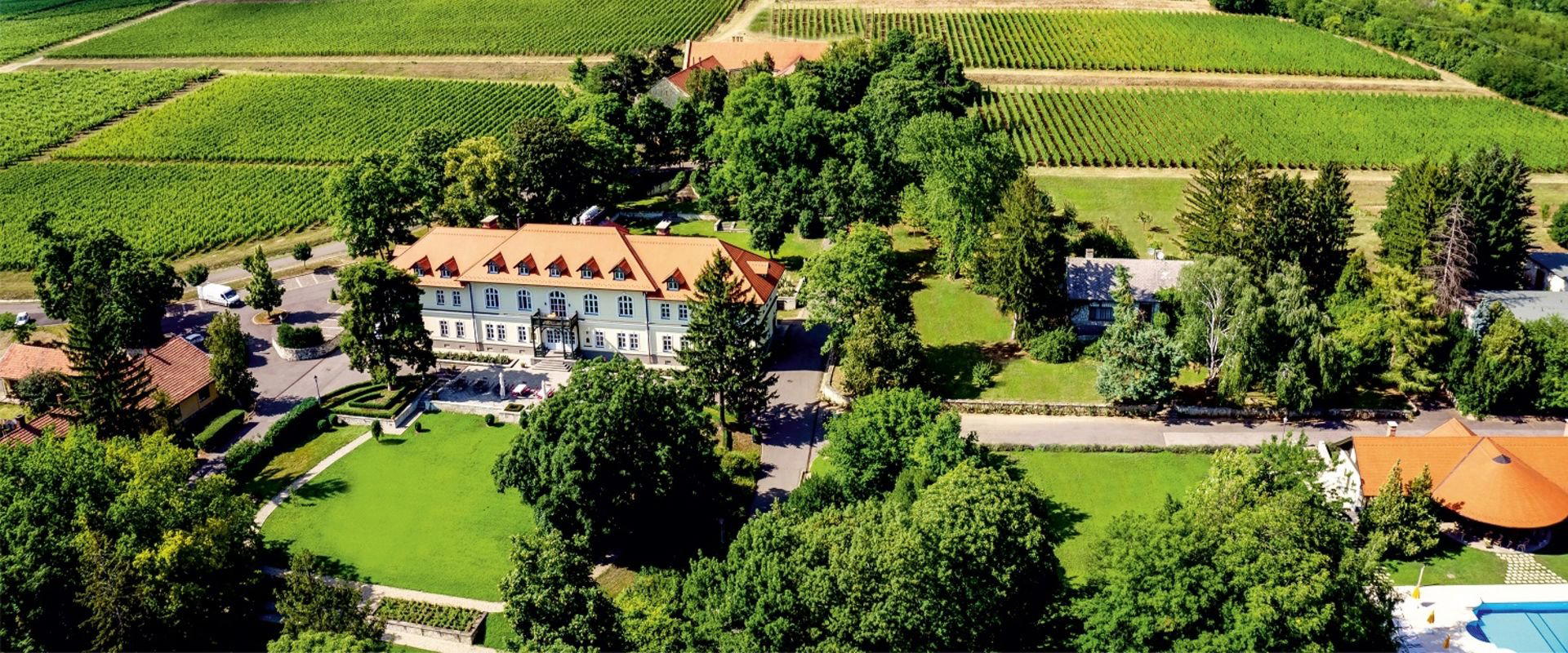
The built environment of serious Tokaj estates is rarely incidental. Cellars cut into the volcanic hillsides maintain the cool, humid conditions that Aszú requires during its extended ageing, some estate wines spend two to three years in barrel before release, and the stone-walled cellars of Bodrogkeresztúr and its neighbours have been doing this work since the 17th century. The word château in a Tokaj context borrows from the French estate model, signalling a vertically integrated operation where the vineyard, winery, and ageing facility share a single address. That model, common among the more invested estates in the region, implies a level of control over the full production chain that co-operative or négociant models cannot match.
Château Dereszla's address on Felső utca places it in the upper part of the village, the refined street that historically housed the more substantial agricultural estates. That positioning is consistent with how the estate presents itself within the appellation's premium tier, a tier whose defining characteristic is not scale but precision: smaller parcel work, extended ageing, and wines that require time to reveal their architecture.
Dereszla Among Its Peers
Comparing that positioning to other decorated Tokaj estates helps place it accurately. Royal Tokaji, operating from Mád with a longer international export profile, and Disznókő, backed by AXA Millésimes investment since the early 1990s, both sit in the appellation's internationally recognised upper bracket.
For visitors making a considered circuit of the Tokaj appellation, the clustering of serious producers in and around Bodrogkeresztúr, Mád, Tarcal, and Tolcsva means that building an itinerary around sub-appellation character is possible and instructive. Árvay Winery in Rátka and Tokaj Hétszőlő add further reference points when comparing how site and producer philosophy interact. Beyond Tokaj itself, Hungary's broader wine identity extends across quite different terroirs: Bolyki Winery in Eger works with the volcanic soils of the north, while Béres Winery in Erdőbénye operates within the Tokaj appellation from the Erdőbénye sub-zone, offering yet another comparative data point on how volcanic geology expresses itself across positions.
Visiting Bodrogkeresztúr: What to Know Before You Go
Bodrogkeresztúr is a small village, and the practical reality of visiting is that it rewards a considered approach rather than a spontaneous one. The easiest access point is from Miskolc, roughly 60 kilometres to the west, or directly from Budapest via the M3 motorway and then northeast toward the Zemplén hills, a drive of approximately two and a half hours depending on traffic. The village sits on a regional rail line connecting Tokaj town with Szerencs, though most serious visitors arrive by car, particularly those combining multiple estate visits in a single day.
The Tokaj appellation as a whole has developed a degree of visitor infrastructure over the past two decades, with the town of Tokaj itself offering accommodation and a concentration of tasting rooms. Bodrogkeresztúr, being smaller, offers a quieter, more estate-focused experience. Autumn is the logical season: harvest runs from late September through November, and the mists that define Aszú production are visible and legible rather than abstract. Visiting in October means arriving at the precise moment when the appellation's defining climatic mechanism is in operation.
For those building a wider Hungarian wine itinerary that extends beyond the Tokaj appellation, the country's other serious wine regions, Villány in the south with producers like Bock Winery, Szekszárd with Bodri Winery, and Babarczi Winery near Győr, offer a sense of how differently Hungarian terroir expresses itself outside the volcanic northeast. And for those with a broader premium wine travel appetite, Bussay Pince in Csörnyeföld represents the Zala region's quieter, less internationally known proposition. Further afield, the contrast with non-Hungarian appellations, whether spirit production in Speyside or Napa Valley estates like Accendo Cellars in St. Helena, underlines how specific the Tokaj terroir argument really is.
See our full Bodrogkeresztúr restaurants and wine guide for a complete picture of what the village and its immediate surroundings offer the visiting wine traveller.
Side-by-Side Snapshot
| Venue | Price | Awards |
|---|---|---|
| Château DereszlaThis venue — the venue you are viewing | Not listed | Not listed |
| Disznókő | $20–30 | World's 50 Best #63 |
| Royal Tokaji | Not listed | Falstaff Winery - Listed |
| Tokaj Hétszőlő | $30–50 | World's 50 Best #58 · Falstaff Winery - Listed |
| Tokaj Oremus | $20–30 | Falstaff Winery - Listed |
Continue exploring
More in Bodrogkeresztúr
Wineries in Bodrogkeresztúr
Browse all →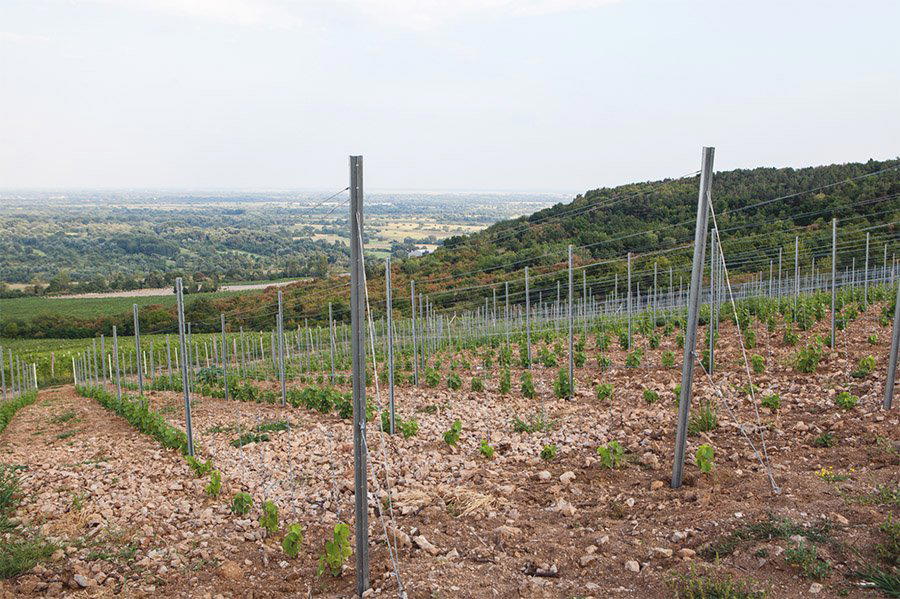
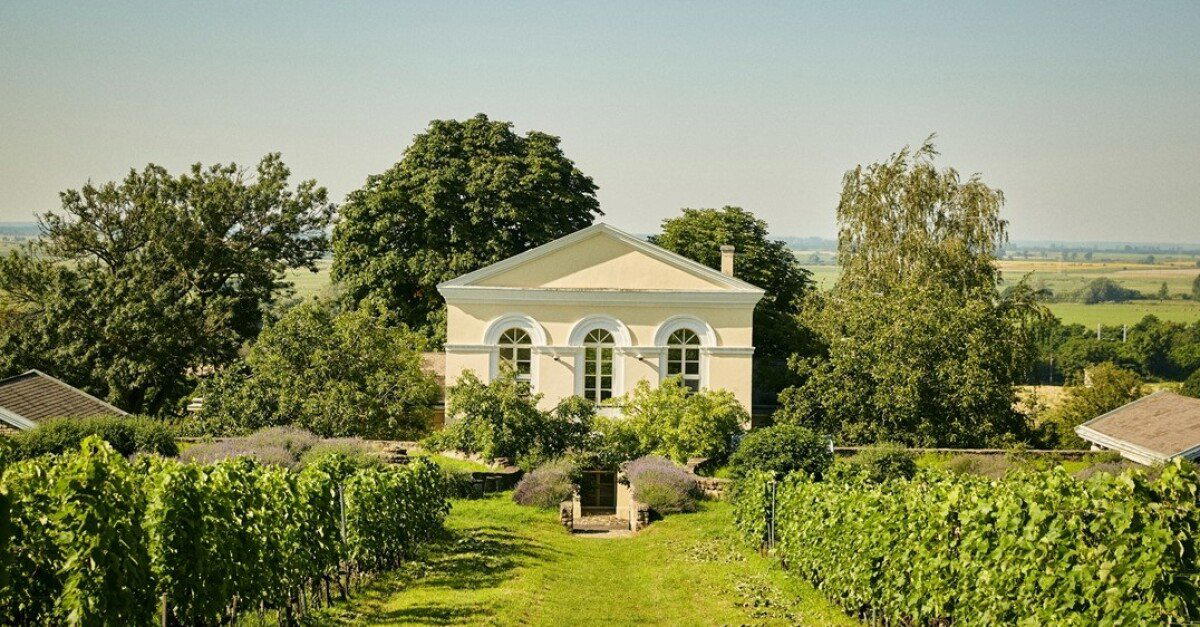
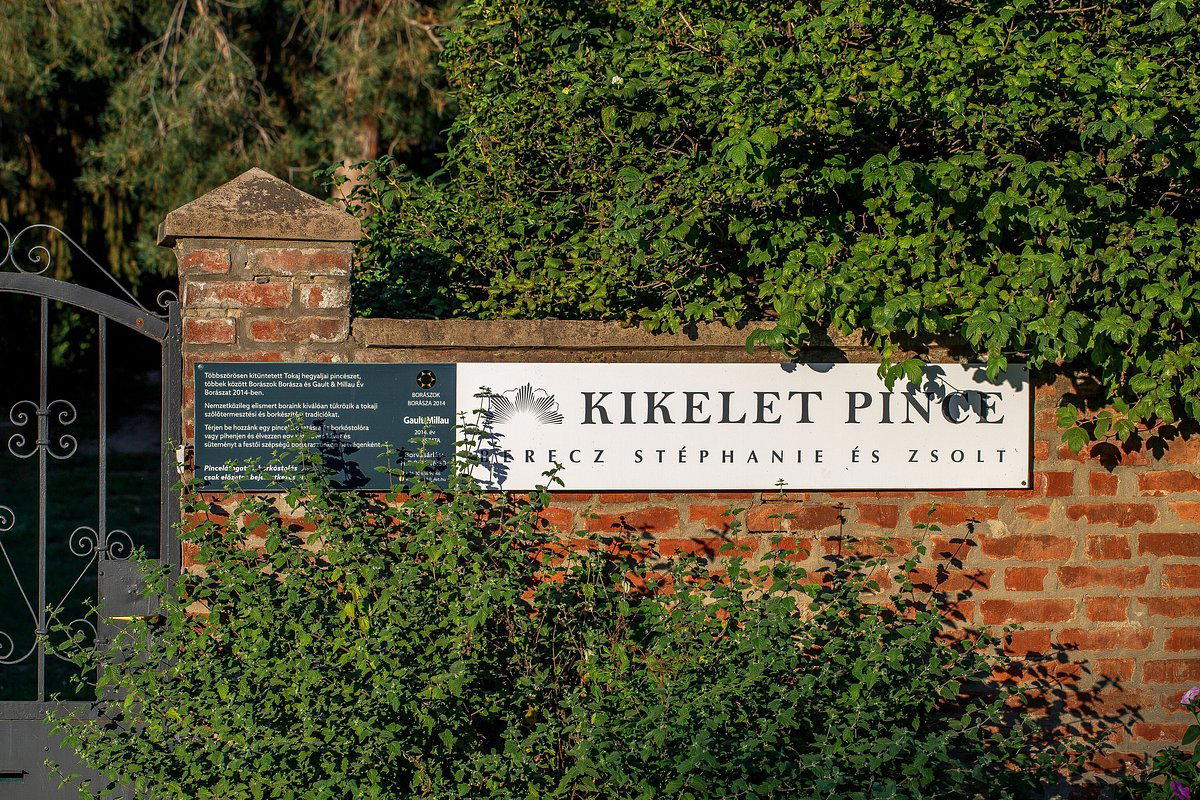
Restaurants in Bodrogkeresztúr
Browse all →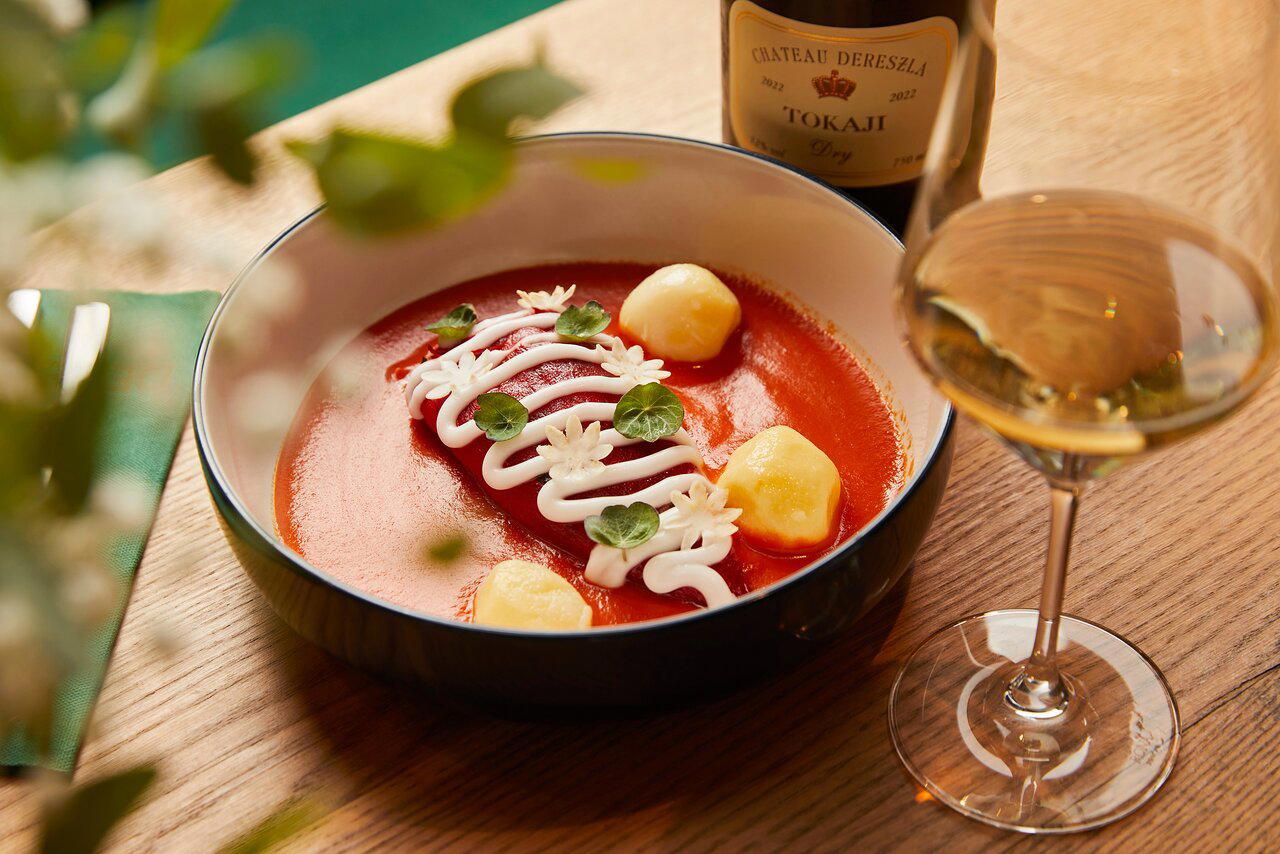
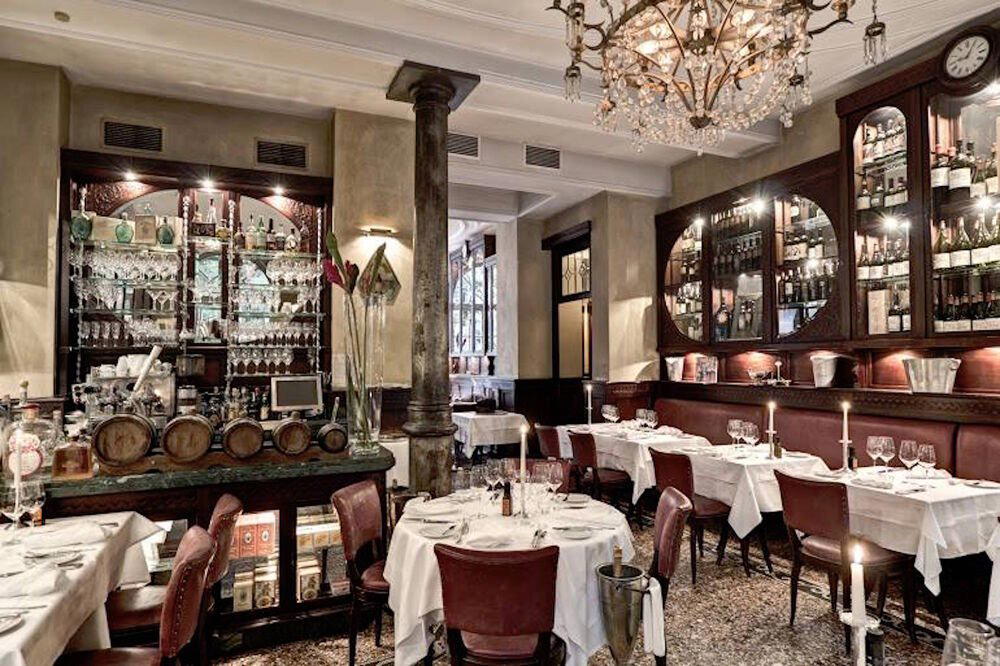
Hotels in Bodrogkeresztúr
Browse all →
Details
- Scenic
- Historic
- Sophisticated
- Rustic
- Elegant
- Group Outing
- Celebration
- Corporate Event
- Special Occasion
- Wine Education
- Vineyard Tour
- Panoramic View
- Historic Building
- Private Tasting
- Vineyard
- Mountain
- Furmint
- Hárslevelű
- Kabar
- Muscat Lunel
- Sauvignon Blanc
- Still White
- Sparkling
- Dessert
- Fortified
- Guided Tasting
- Cellar Visit
- Wine And Food Tasting
Historic wine estate atmosphere with a notable cellar labyrinth and tasting rooms set amid Tokaj-Hegyalja vineyards; the website copy emphasizes panoramic, bordeaux-culture experiences and special-event hosting.