Dereszla Bisztró

Michelin Plate
Our verdict
On a stepped riverside terrace in the heart of Tokaj wine country, Dereszla Bisztró serves a concise menu of modern Hungarian dishes built around carefully sourced regional produce. Local Mangalitsa, trout from Lillafüred, and a wine list anchored in Tokaj make this a kitchen that takes its geography seriously. For a meal that earns its setting, it delivers.

Pearl is the En Primeur Club membership app — saves, bookings, and concierge access live there. Same editors, same standards.
- Address
- Bodrogkeresztúr, Kossuth u. 2, 3916 Hungary
- Phone
- +36 30 678 2273
- Hours
- Mon–Tue ClosedWed 4–9 PMThu–Sat 12–9 PMSun 12–5 PM
- Website
- dereszlabisztro.com
- Directions
- Get directions
- Booking
- Book on the venue's website
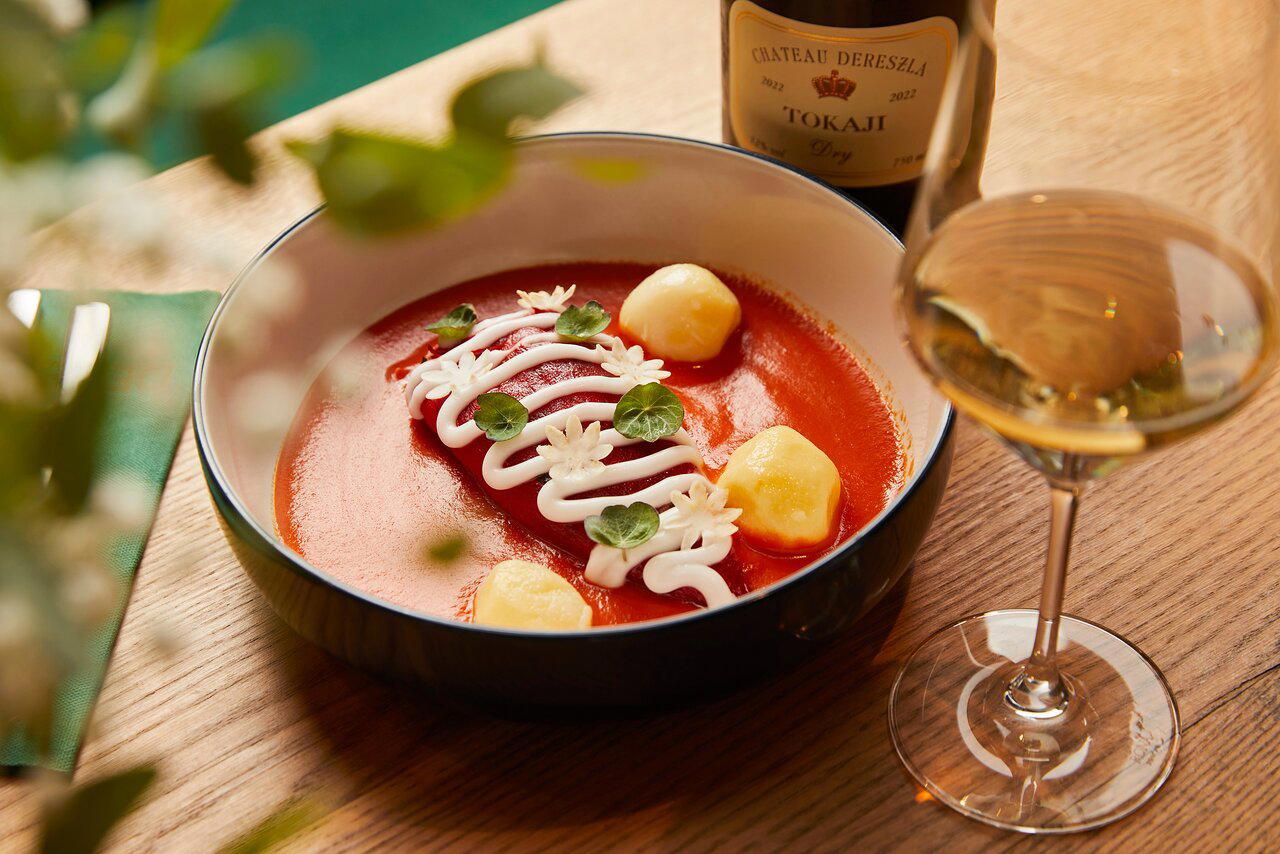
The menu
What to order
- Lillafüred trout 'Kárpáti'
- Mangalitsa charcuterie
Where the Terrace Earns Its View
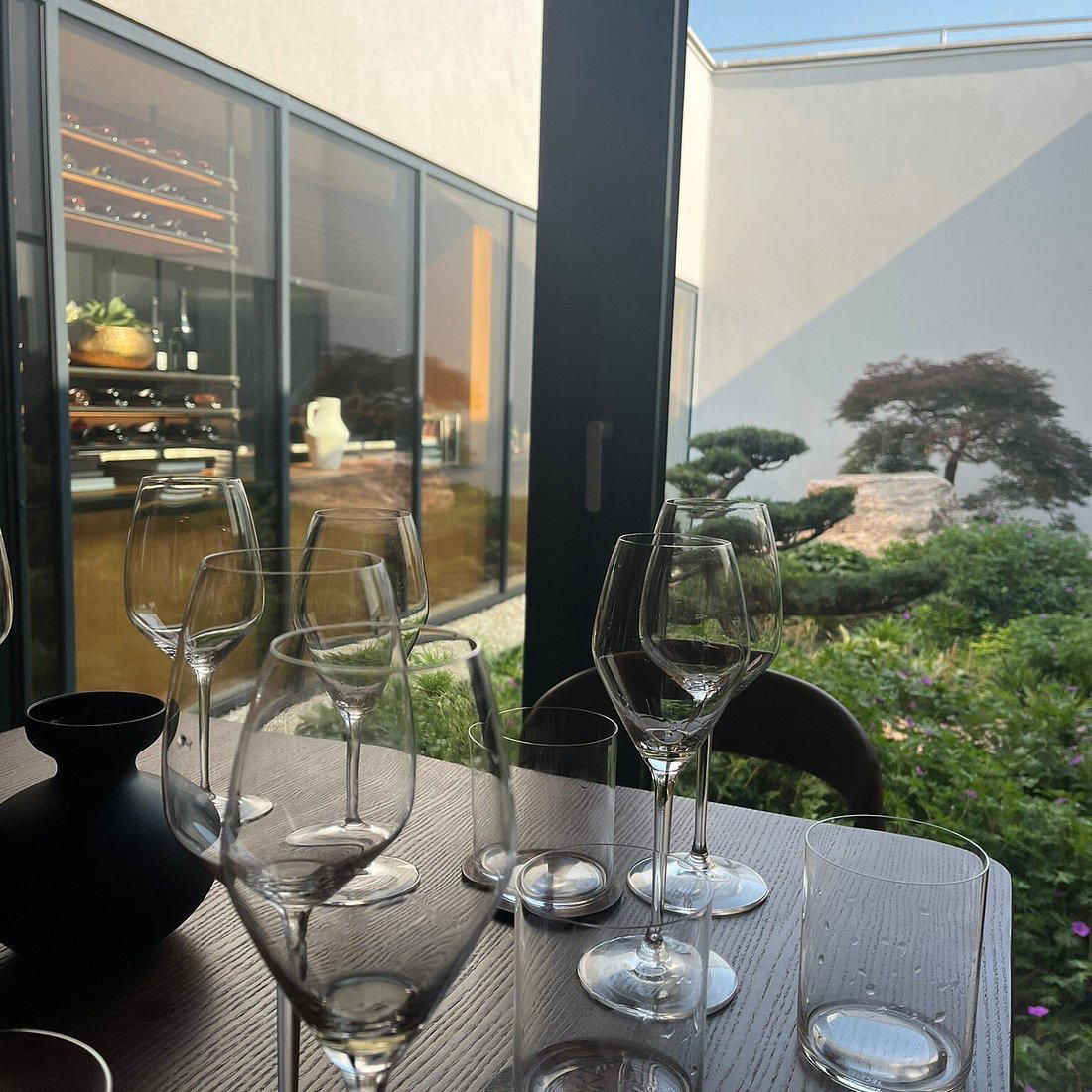
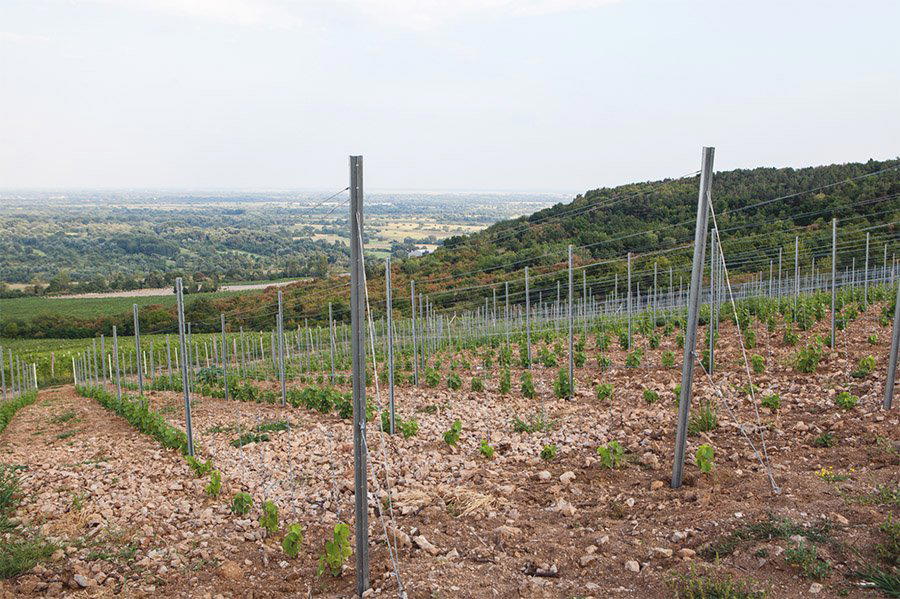
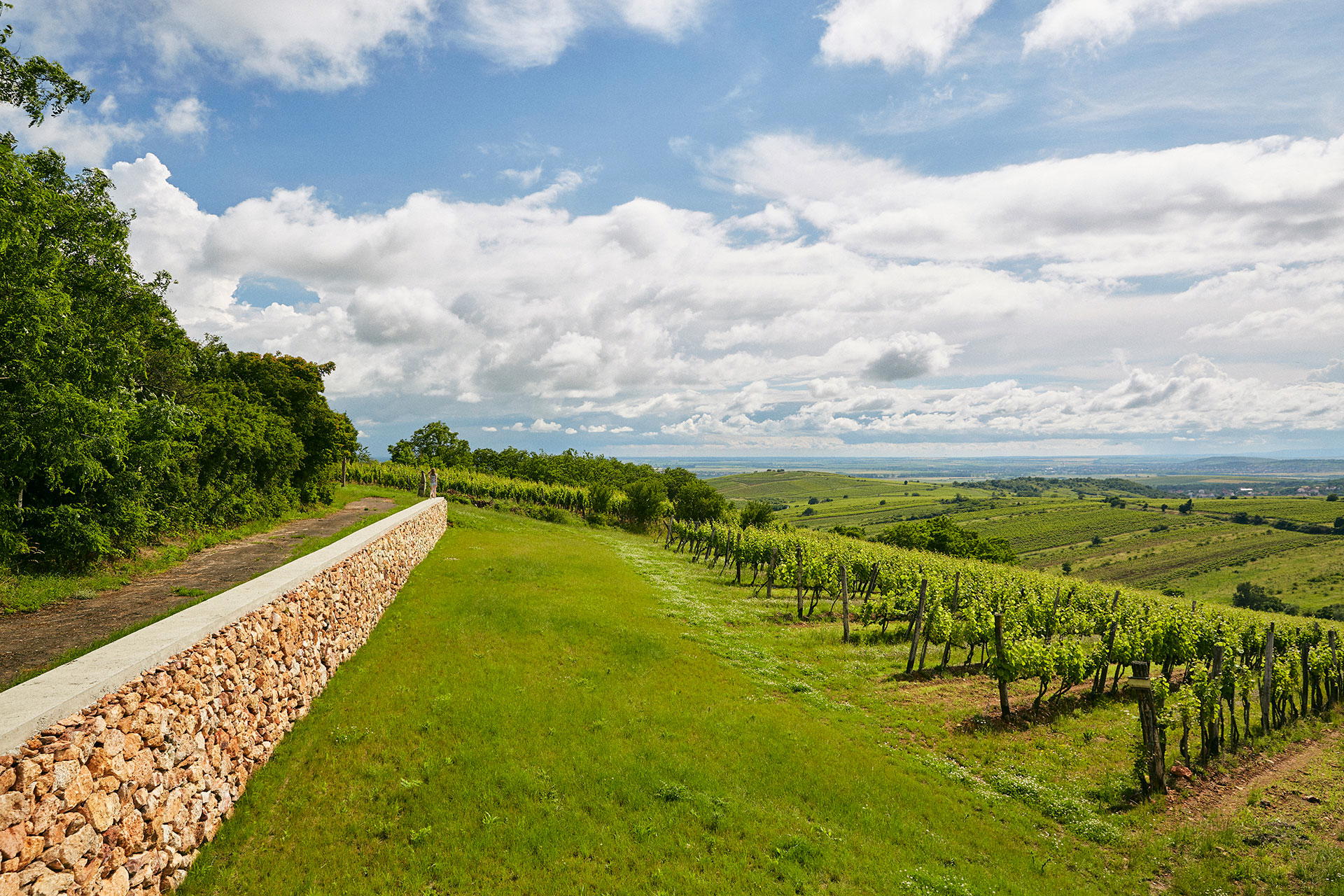
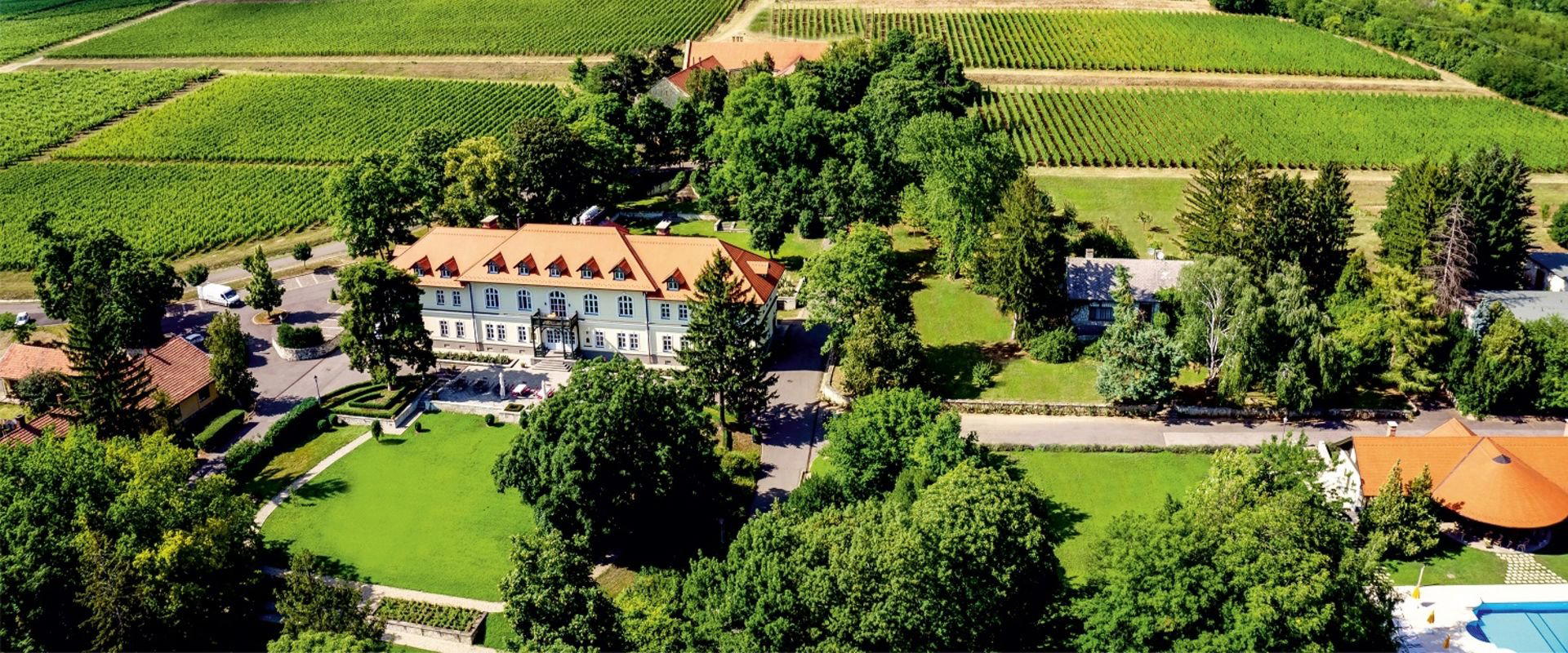
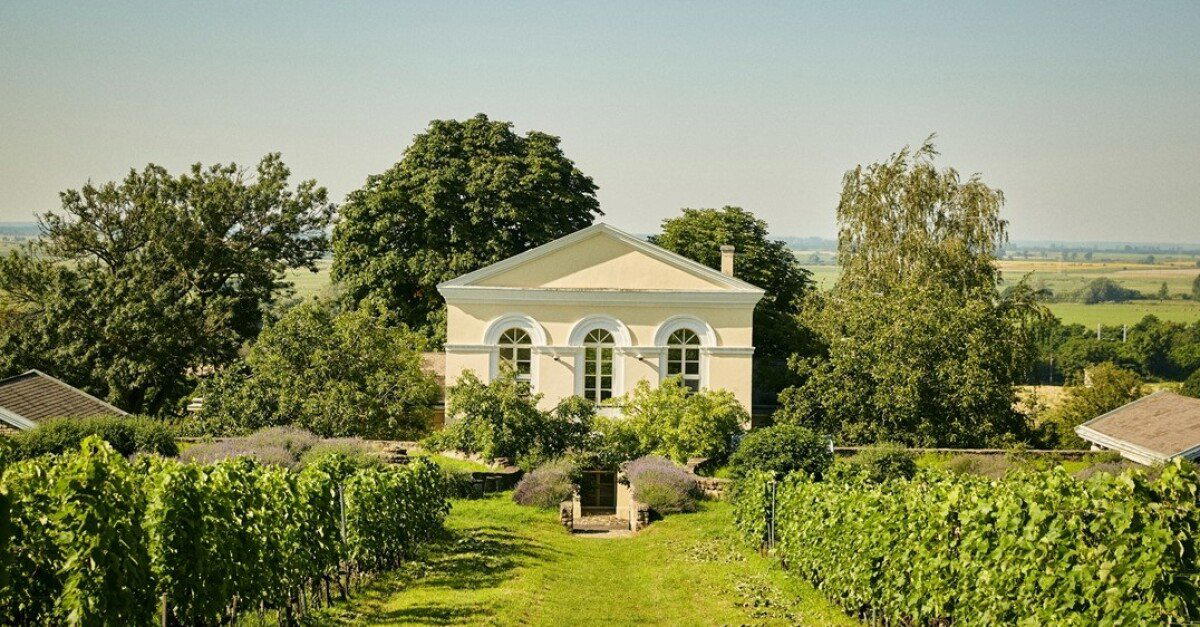
The approach to Dereszla Bisztró tells you something useful about the meal ahead. The building sits on Kossuth utca in Bodrogkeresztúr, a village that functions as both a working agricultural settlement and a quietly serious wine destination in Hungary's Tokaj-Hegyalja region. The structure itself is modern: wood and glass, stepped levels dropping toward the river, a design that prioritises what's outside the window as much as what arrives on the plate. In the wine-country restaurant category across Central Europe, the terrace-with-a-view format is common enough to be a cliché. What separates one from another is almost always the kitchen's relationship with its supply chain.
At Dereszla Bisztró, that relationship is the editorial story. The menu is concise, which in this context is a discipline rather than a limitation. A short menu in a region with strong seasonal produce and reliable artisan suppliers signals confidence: the kitchen is not padding with imported ingredients or hedging across global styles. It is committing to what the land and the local water systems produce, and in Tokaj-Hegyalja, those systems produce a great deal worth committing to.
The Sourcing Logic Behind a Concise Menu
Two ingredients from the venue's record are worth examining as evidence of a broader sourcing philosophy. The first is Mangalitsa, the curly-haired Hungarian heritage pig breed whose fat-marbled meat has become a reference point for serious Hungarian kitchens across the country. Mangalitsa fell out of commercial favour during the industrialisation of Hungarian agriculture and has been revived steadily since the 1990s by small-scale breeders. The fact that it appears on this menu places Dereszla Bisztró within a cohort of modern Hungarian restaurants, from Stand in Budapest to Pajta in Őriszentpéter, that treat native breed proteins as a starting point rather than a novelty.
The second is trout from Lillafüred, a spa and resort village in the Bükk Hills roughly 50 kilometres west of Bodrogkeresztúr. Lillafüred's trout have a regional reputation built on the cold, clear streams feeding down from the Bükk plateau, and sourcing from there rather than generic farmed stock reflects the kind of supplier-specific decision that distinguishes a kitchen with opinions from one that orders from a catalogue. The preparation noted, served 'karpati' style with a creamy fish bone sauce, draws on a Central European freshwater fish tradition that treats the whole animal as the starting point: the bones go into the sauce, nothing leaves the kitchen unused. This is not a presentation conceit; it reflects a culinary logic with deep regional roots.
Restaurants across Hungary's secondary cities and wine towns have moved toward this model over the past decade. Comparable approaches appear at Platán Gourmet in Tata, 42 Restaurant in Esztergom, and Andrassy Restaurant in Tarcal, the last of which sits in the same Tokaj wine region and represents the tier above Dereszla Bisztró in format ambition and price point. Dereszla operates at the €€ level, which in the Hungarian regional context means it prices itself as a neighbourhood-accessible modern bistro rather than a destination tasting-menu venue. That positioning matters: it signals a kitchen that wants to cook seriously without requiring a special occasion as a pretext.
The Front and Back of House, and What That Split Tells You
The front-of-house and kitchen division here reflects a model common to owner-operated bistros across wine regions in Central and Eastern Europe. Szabó manages the dining room and guest experience, while his brother Bém runs the kitchen. This family-operation structure, found across serious small restaurants from the Loire to the Tokaj slopes, tends to produce a particular atmosphere: unhurried, personally invested, with the kind of attentiveness that comes from stake rather than training alone. For the diner, the practical effect is a room that doesn't feel like a managed hospitality product. The welcome is warm because the people greeting you have a reason for it beyond service protocols.
For those planning a visit, Bodrogkeresztúr sits in the Tokaj wine region, accessible from Miskolc by road. The area draws visitors primarily during the harvest season in October, when the Furmint and Hárslevelű grapes reach ripeness and the wine estates along the Bodrog river open their cellars. Dining at a kitchen that sources locally during this window means the menu will reflect peak-season produce, which is the strongest possible argument for timing a visit accordingly. Outside harvest, the region operates at a quieter register, and the terrace retains its appeal whenever the weather holds.
Tokaj on the Table
The wine context here is not incidental. Bodrogkeresztúr sits within the Tokaj-Hegyalja wine region, a UNESCO World Heritage Site whose reputation rests on botrytised sweet wines, particularly Aszú, alongside increasingly serious dry Furmint. A restaurant operating on the terrace of this landscape without a credible Tokaj wine list would be a missed opportunity; the description indicates Tokaj wine as the natural accompaniment to the food, which is both an obvious statement and a meaningful one. Pairing a Mangalitsa dish with a dry Furmint, or a creamy trout preparation with a semi-dry Tokaji, requires the kitchen and floor to have worked through those combinations. The concise menu format makes that level of pairing coherence more achievable than it would be on a sprawling multi-cuisine list.
For broader context on drinking and staying in the region, and. Visitors combining a meal here with a winery visit or a day on the Bodrog river will find the logistics are compact enough to make that combination practical. The full scope of what the town offers is mapped in our full Bodrogkeresztúr experiences guide.
Elsewhere in the Hungarian modern bistro category at comparable price points, kitchens like Anyukám Mondta in Encs, Alkimista Kulináris Műhely in Szeged, and A Konyhám Stúdió 365 in Fonyód are working similar territory, each using regional sourcing to anchor menus that read modern but eat Hungarian. The pattern represents one of the more interesting shifts in the country's restaurant culture over the past decade: a move away from either heavy traditionalism or slavish international imitation toward something that uses local supply chains as a creative constraint rather than a limiting one. Dereszla Bisztró, from a village most visitors pass through on the way to a winery, belongs to that current.
Practical Considerations
The restaurant sits at Kossuth u. 2, Bodrogkeresztúr, in a wood and glass building with a stepped riverside terrace. Given the regional location and bistro format, booking ahead is advisable particularly during summer and harvest season when the wine region draws its highest footfall. The €€ price tier places it comfortably below the destination-tasting-menu tier represented by Michelin-starred Budapest venues like Platán Gourmet or Avalon Ristorante in Miskolc, and well within the range of a relaxed regional lunch or dinner.
Frequently asked questions
What do regulars order at Dereszla Bisztró?
The kitchen's sourcing emphasis points toward the dishes built around named regional producers: Mangalitsa preparations and the trout served 'karpati' style with a creamy fish bone sauce are the two dishes the venue's own record foregrounds. The latter, in particular, reflects a cooking logic specific to this kitchen's approach, using the whole fish including the bones in the sauce. On a concise menu, the dishes that appear in the venue's public record tend to be the ones the kitchen has committed to as signatures rather than seasonal fillers.
Is Dereszla Bisztró better for a quiet night or a lively one?
Bodrogkeresztúr is a small wine-country village rather than an urban dining destination, and the bistro format with a riverside terrace positions this as a slow-evening venue. The family-run operation, the scenic setting, and the concise menu all point toward a pace that rewards people who want to sit, eat well, and work through a Tokaj wine list without feeling rushed. Visitors looking for a high-energy urban atmosphere will find more of that in Miskolc or Budapest; here the operating mode is unhurried by design.
Can I bring kids to Dereszla Bisztró?
The bistro format and relaxed terrace setting, common to wine-region restaurants across Central Europe at this price tier, are generally accommodating of family dining, particularly at lunch. The €€ pricing removes the formality pressure that sometimes makes higher-end tasting-menu venues feel less suitable for younger diners. For families, a daytime visit to the region combining the terrace meal with the broader Tokaj wine-country setting makes practical sense.
At-a-Glance Comparison
Comparable venues nearby, for context on price, style, and recognition.
| Venue | Cuisine | Price | Awards | Notes |
|---|---|---|---|---|
| Dereszla BisztróThis venue — the venue you are viewing | Modern Hungarian Bistro | $30–50 | Michelin Plate | Not listed |
| Graefl Major Kétútköz | Traditional Hungarian Farm-to-Table | Not listed | Michelin Plate | Poroszló |
| Végállomás Bistro&Wine | Hungarian Bistro | $20–30 | Michelin Plate | Miskolc center |
| Újváros Bisztró | Innovative Contemporary Hungarian Bistro | Not listed | Bib Gourmand | Újváros |
| Öreg Prés | Modern Hungarian with Swabian influences | Not listed | Michelin Plate | Mór |
| Zip's | Modern Hungarian Gastro Pub | Not listed | Michelin Plate | City Center |
Recognition history
Dated appearances from independent guides and award organizations, with the underlying list record or original source where available.
Michelin Plate
Michelin
Continue exploring
More in Bodrogkeresztúr
Restaurants in Bodrogkeresztúr
Browse all →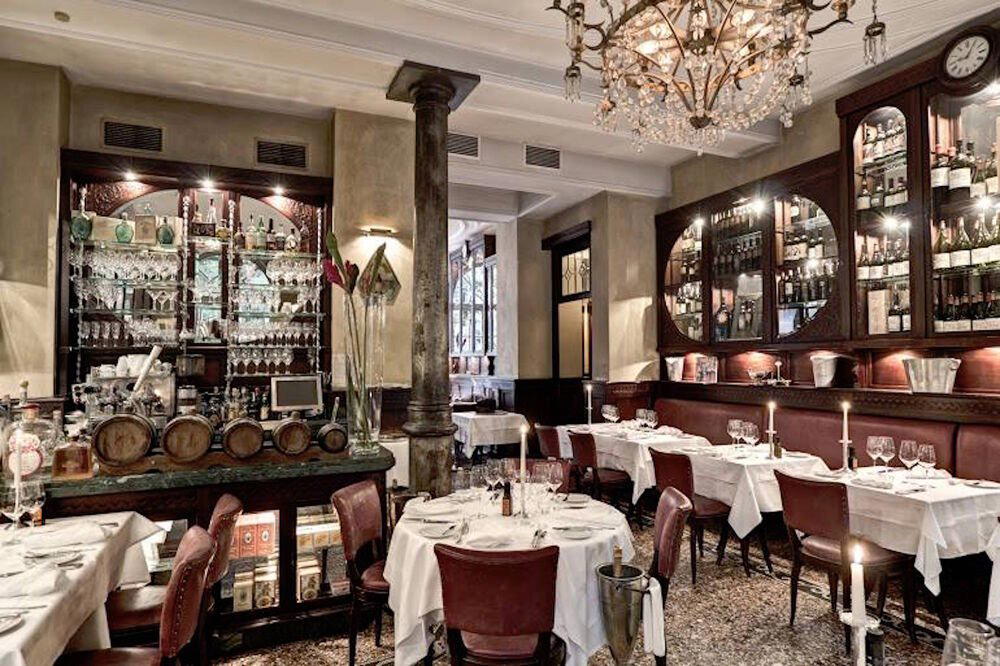
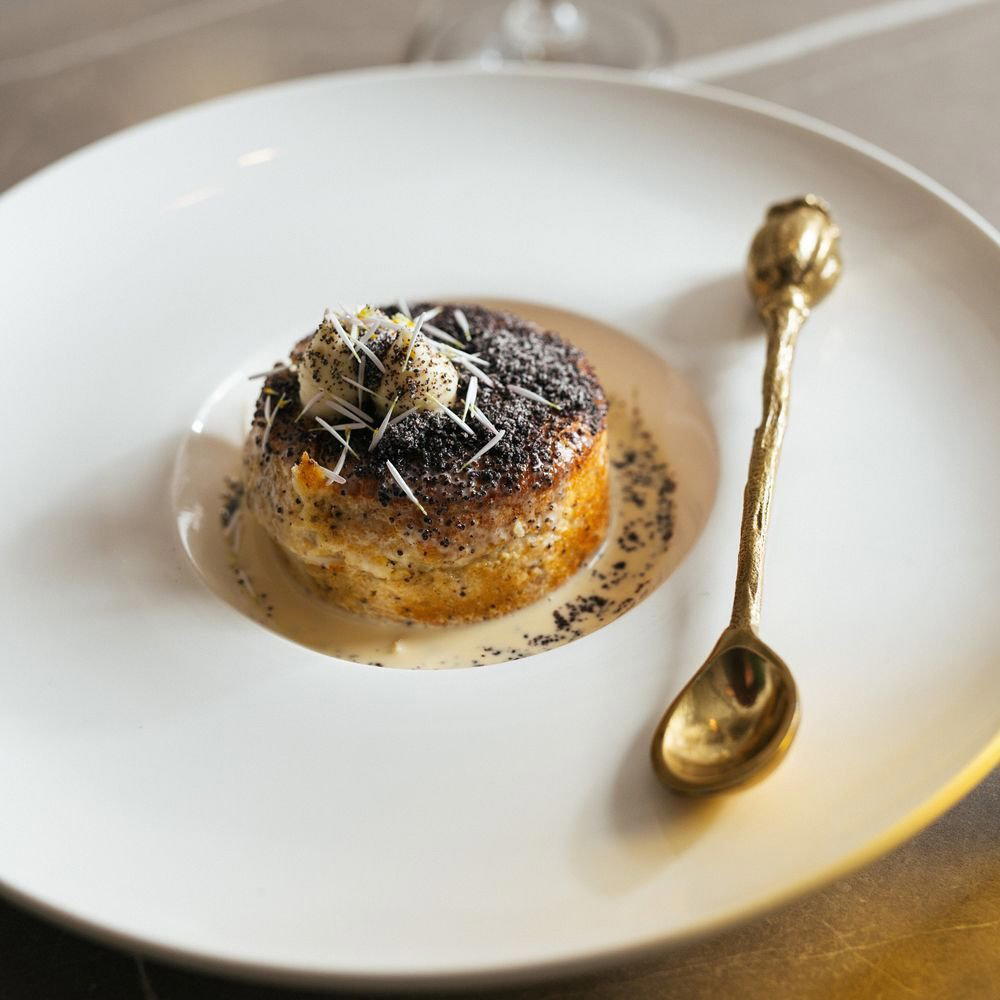
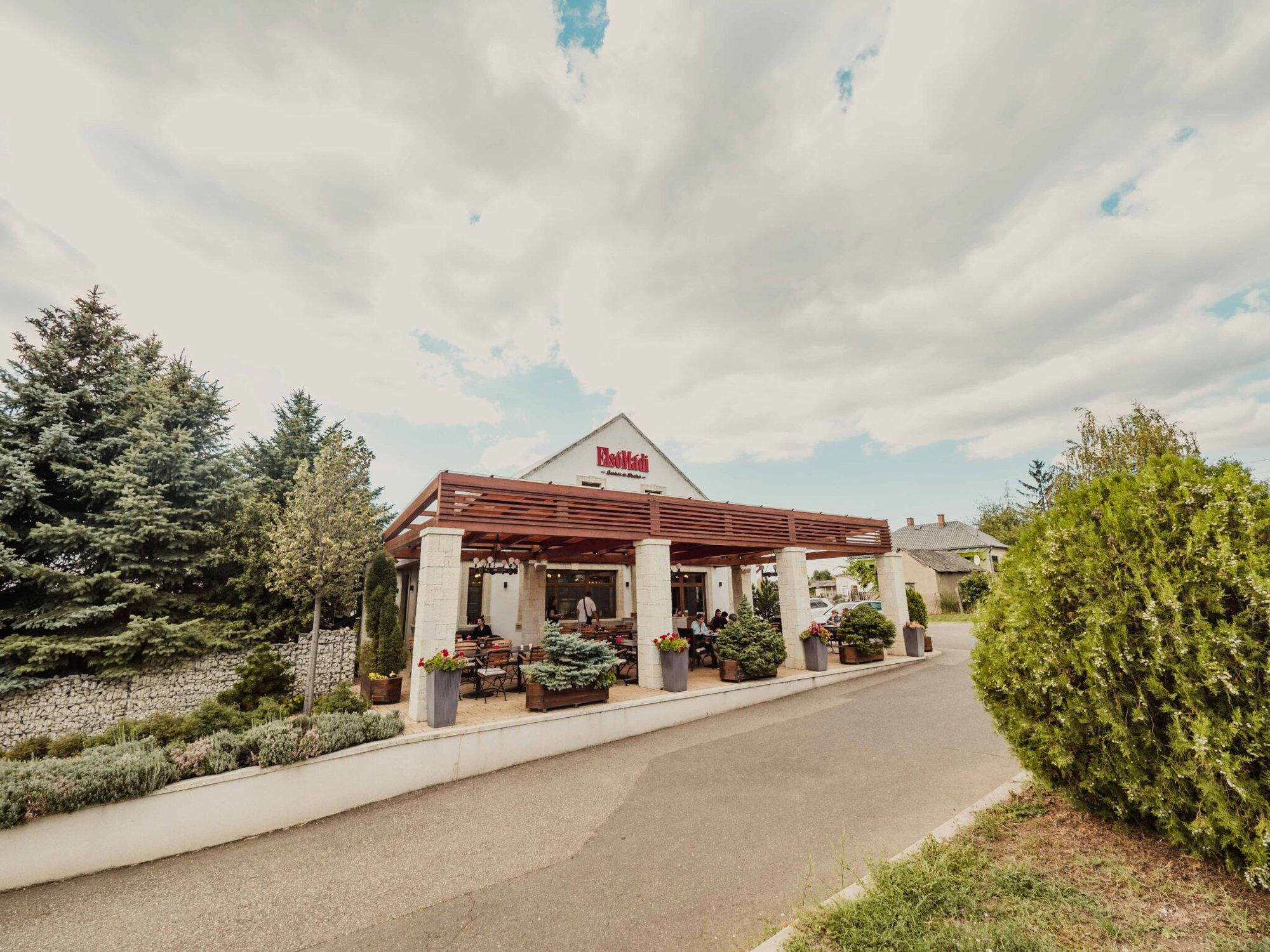
Hotels in Bodrogkeresztúr
Browse all →
Details
- Scenic
- Cozy
- Elegant
- Rustic
- Date Night
- Group Dining
- Special Occasion
- Waterfront
- Terrace
- Open Kitchen
- Extensive Wine List
- Local Sourcing
- Waterfront
- A La Carte
- Tokaj Wine
- Vegetarian Friendly
Current opening hours
- Monday
- Closed
- Tuesday
- Closed
- Wednesday
- 4–9 PM
- Thursday
- 12–9 PM
- Friday
- 12–9 PM
- Saturday
- 12–9 PM
- Sunday
- 12–5 PM
Hours can change for holidays and private events. Last verified .
Warm timber and stone interior with large glass walls offering river views, open kitchen, and calm terrace atmosphere.