
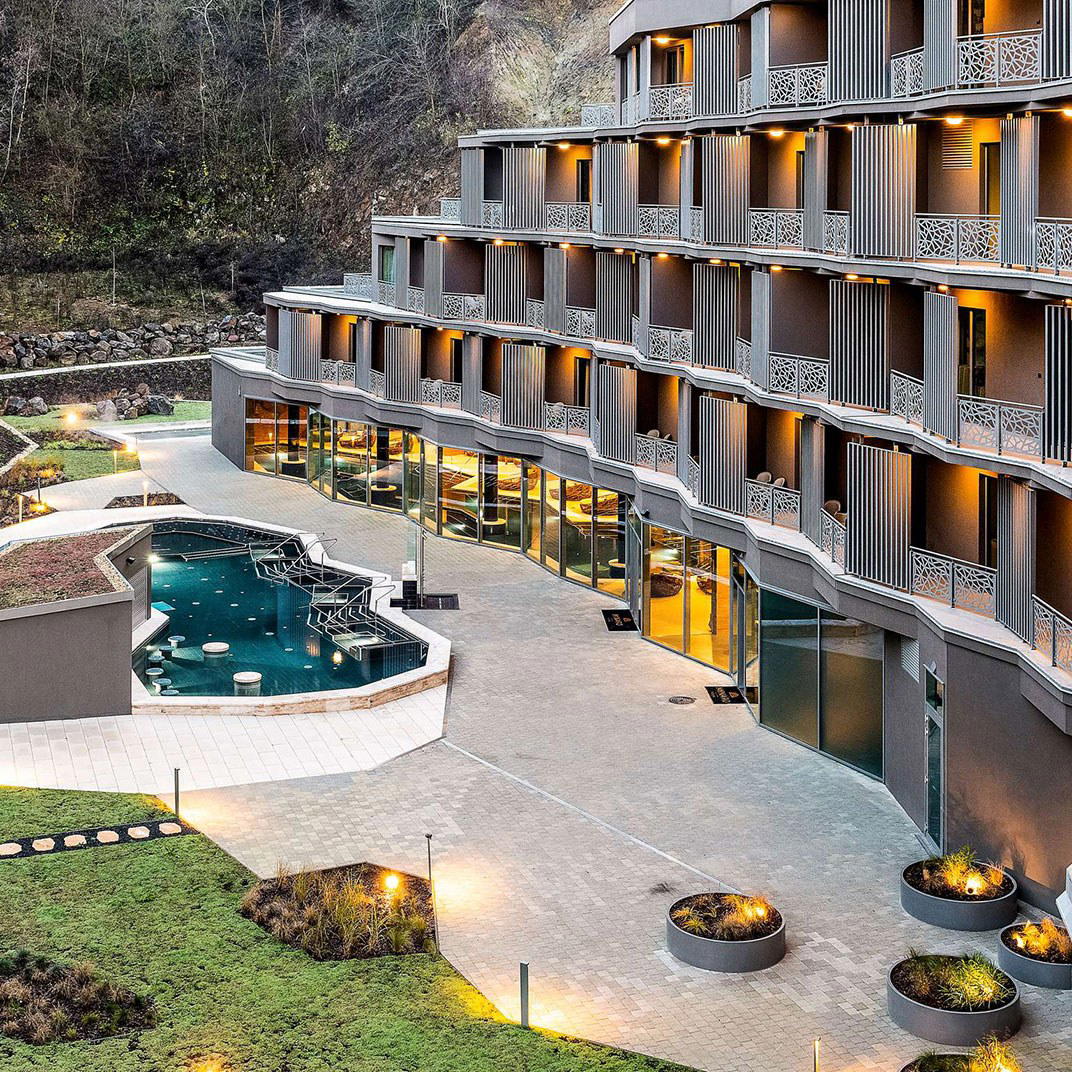
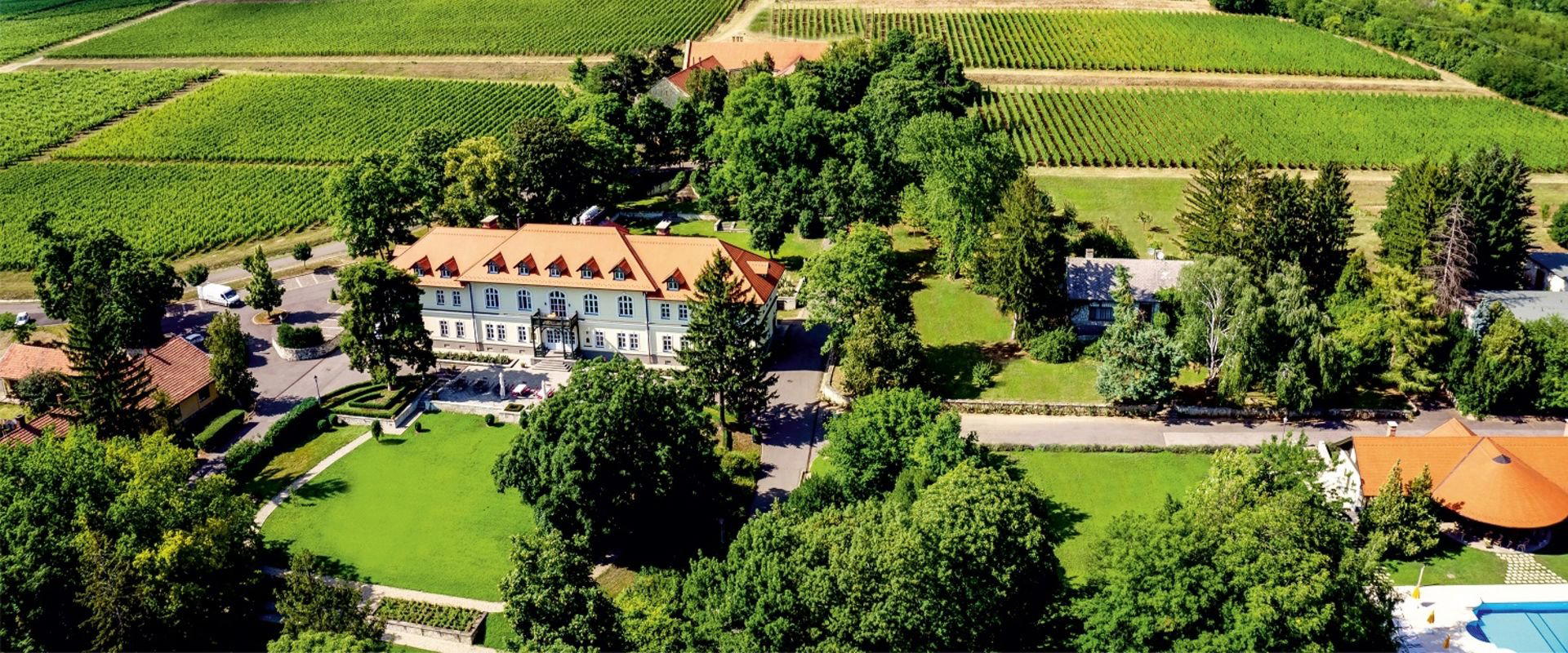
Set within the vaulted cellar of a 200-year-old manor house at the Andrássy Kúria & Spa in Tarcal, Talu serves contemporary Hungarian cooking that reinterprets regional and family recipes with Mangalitsa pork and other local produce at the centre. Tokaj wines sourced from within a 45-mile radius anchor the drinks list, with many available by the glass. The terrace extends the dining space in warmer months.
Pearl is the En Primeur Club membership app — saves, bookings, and concierge access live there. Same editors, same standards.
- Address
- Tarcal, Fő u. 94, 3915 Hungary
- Phone
- +36 47 580 016
- Website
- andrassykuria.hu
- Directions
- Get directions
 Saves & bookings on Pearl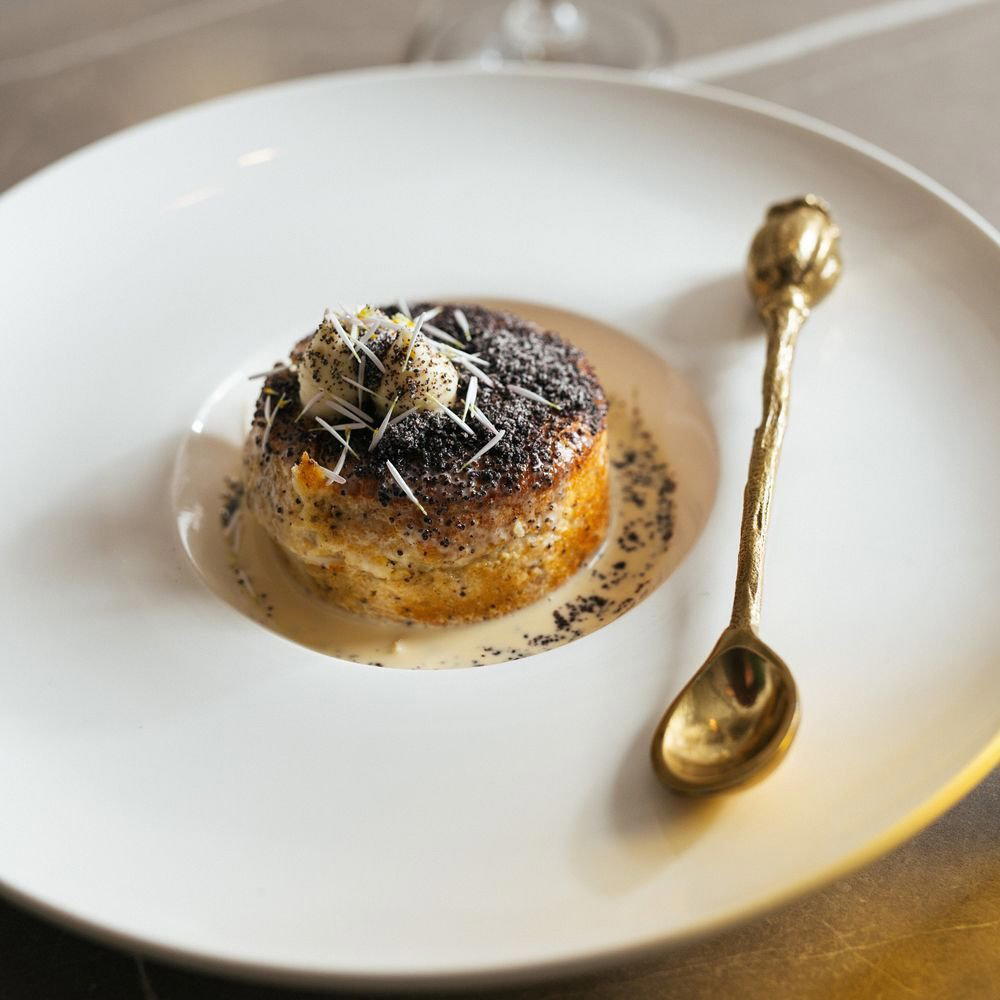
A Cellar Beneath Two Centuries of Hungarian History
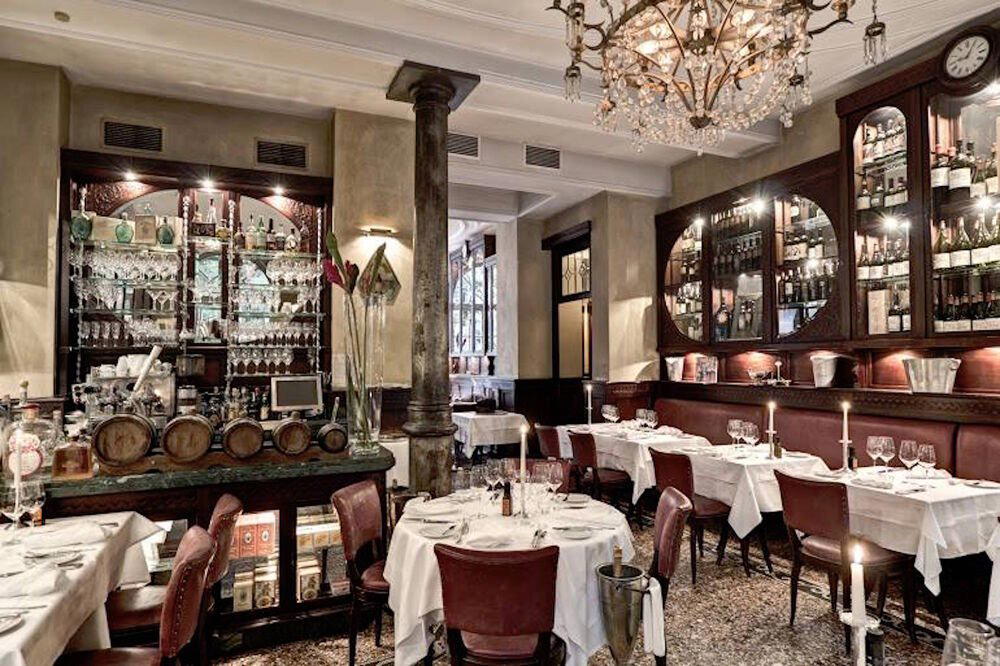
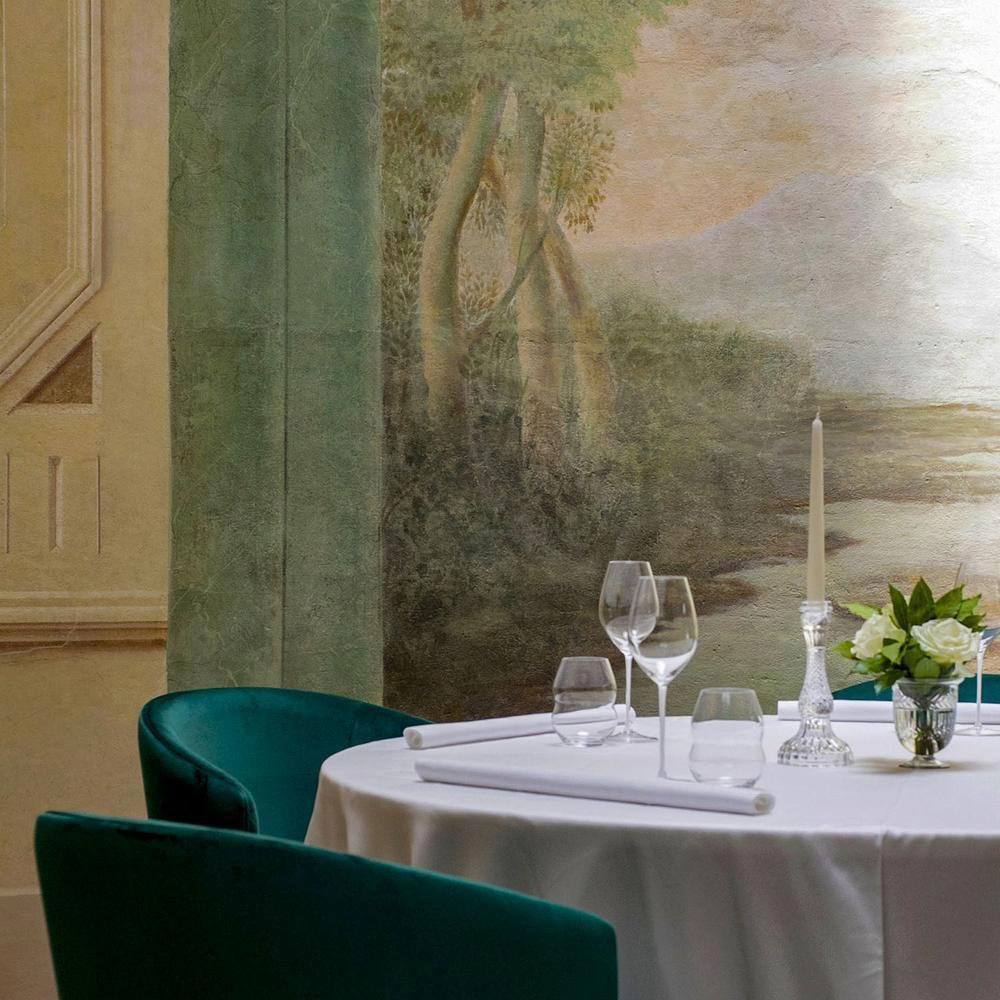
Descend into Talu's dining room and the architecture does the contextualising before the menu arrives. The vaulted stone cellar beneath the Andrássy Kúria manor house carries the weight of a building that has stood for two hundred years, originally as a hunting lodge for the Andrássy family, among the more consequential noble houses in nineteenth-century Austro-Hungarian history. Dining here is not merely about what's on the plate; the physical setting places Hungarian culinary tradition inside a broader story of landed gentry, regional produce, and the kind of cooking that was shaped by estate kitchens rather than urban restaurants.
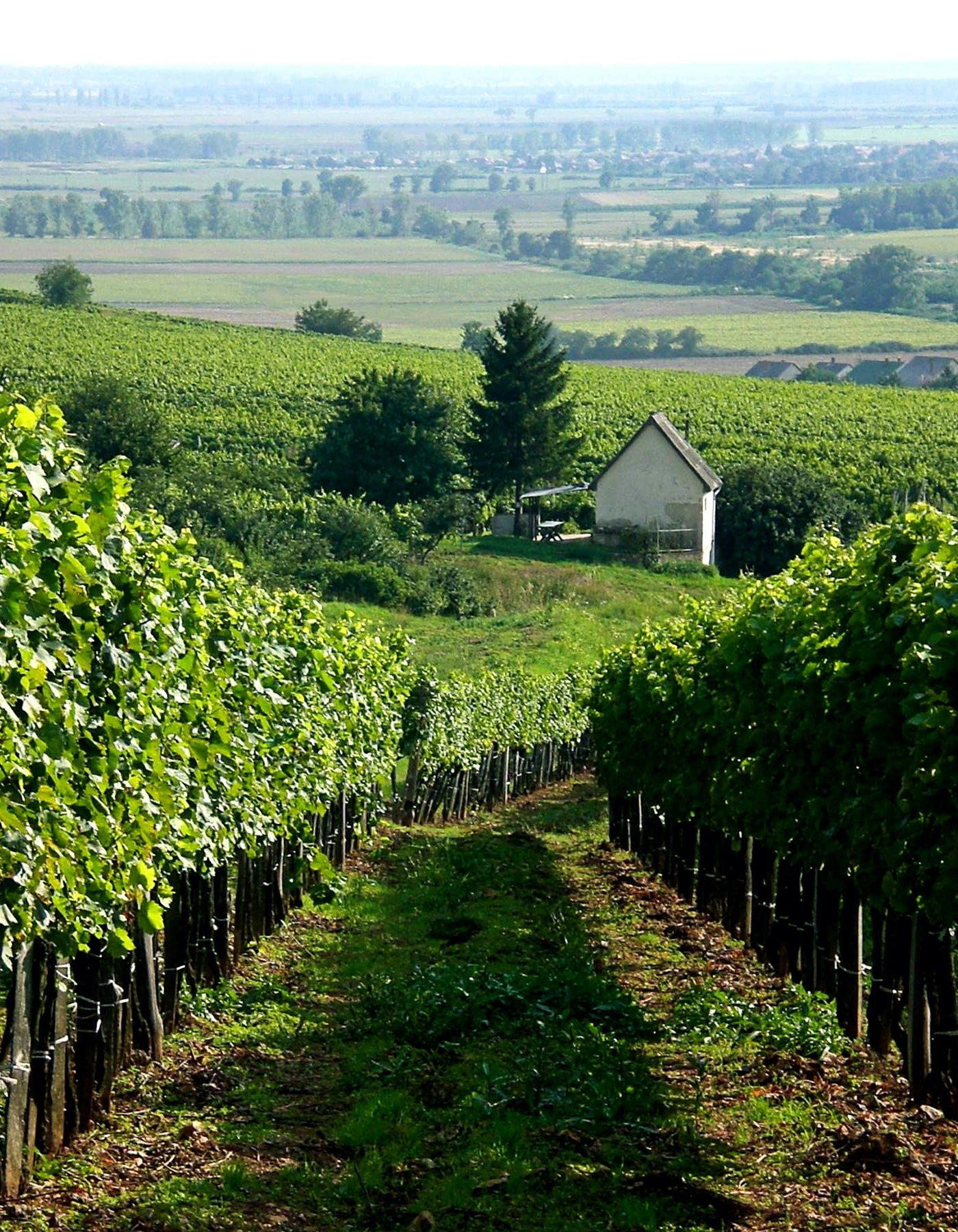
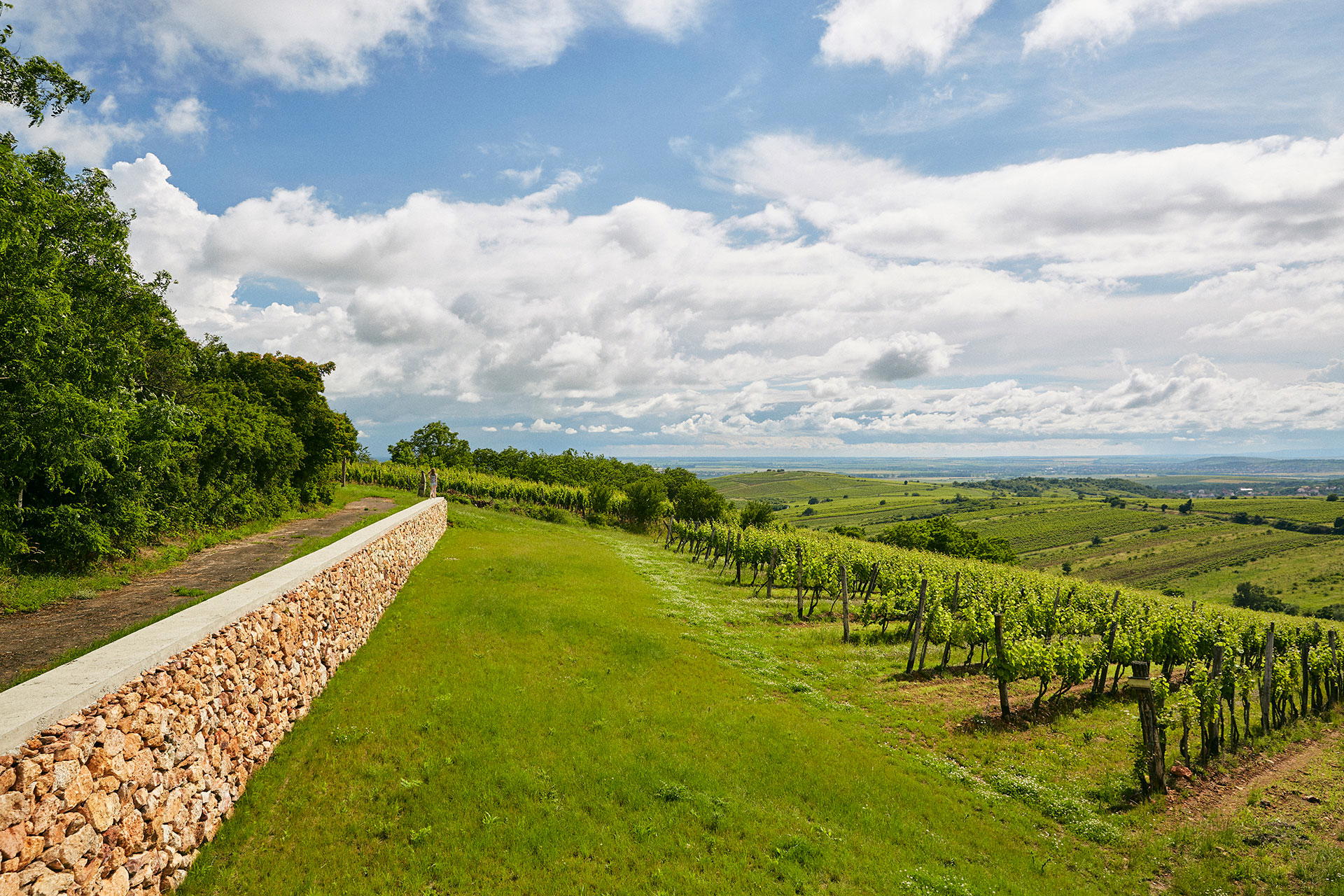
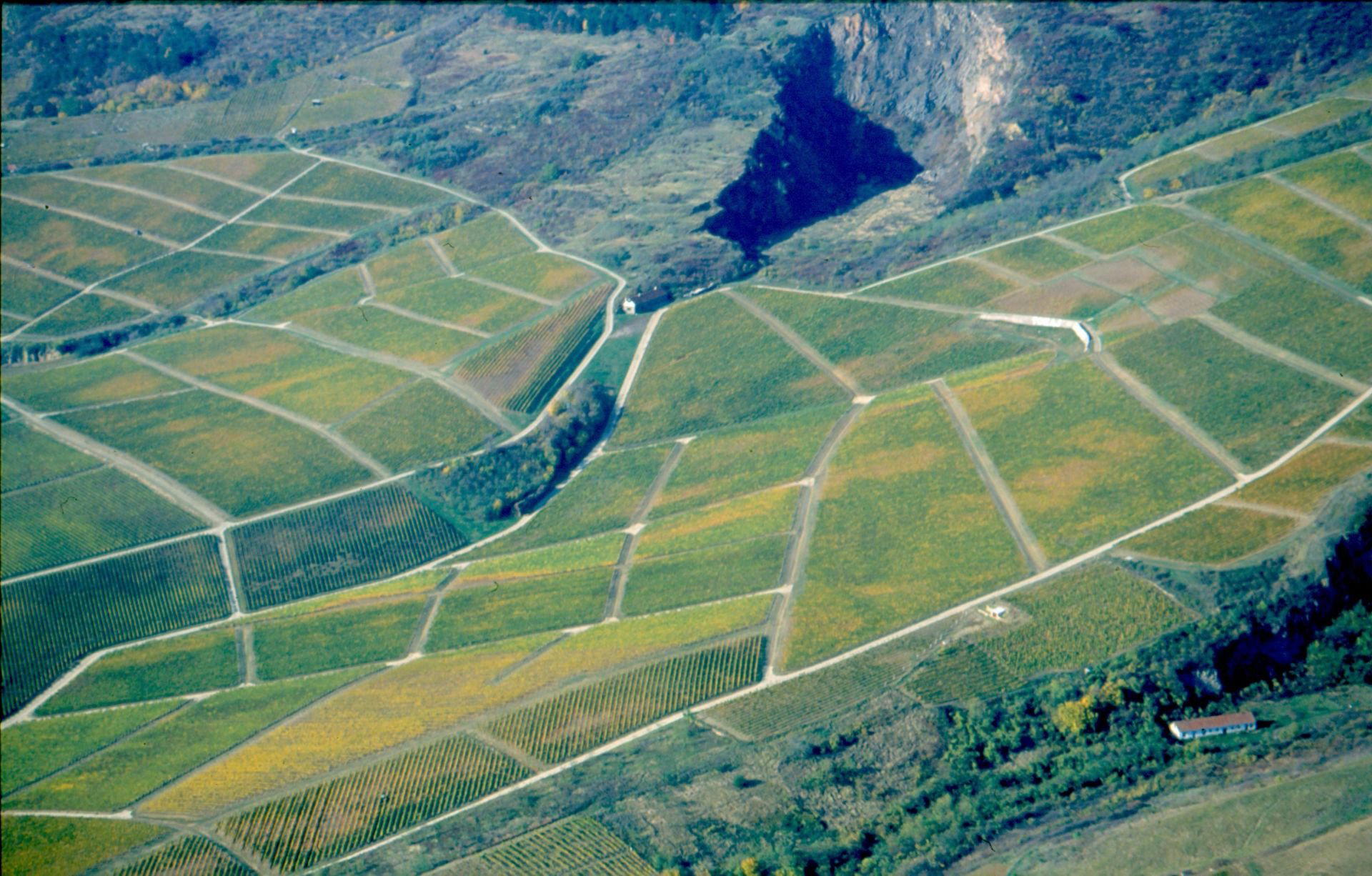
Tarcal itself sits at the northern edge of the Tokaj wine region, a stretch of volcanic hillside that has been producing wine since at least the sixteenth century and earned UNESCO World Heritage status in 2002. The village is small and the pace is agricultural, which makes the Andrássy Kúria's ambition as a spa hotel and serious dining destination all the more deliberate.
What the Kitchen Is Actually Doing
The cooking at Talu operates within a model that has become increasingly visible across provincial Hungary: a trained kitchen taking the raw material of regional and family recipes and applying contemporary technique without abandoning the flavour logic of the original dish. This is meaningfully different from what happens at, say, Stand in Budapest, where the modern Hungarian approach tends toward higher abstraction and a more cosmopolitan reference set. In Tarcal, the frame is local and the produce is specific.
Mangalitsa pork appears as a recurring anchor on the menu. The Mangalitsa is a Hungarian native breed, a lard-type pig with dense, well-marbled fat that fell out of commercial favour through most of the twentieth century before being revived by producers and chefs who recognised its flavour qualities. Its prominence at Talu is not merely a nod to heritage: the breed is genuinely suited to slow, fat-driven cooking traditions and reinforces the kitchen's commitment to produce that has a traceable relationship with the region.
The wider comparable set for this style of cooking in provincial Hungary includes restaurants like Pajta in Őriszentpéter and Anyukám Mondta in Encs, both of which work within the same tradition of regionally anchored contemporary Hungarian cuisine. The pricing at Talu, positioned at the €€ tier, places it accessibly within this category, well below the €€€€ tier occupied by Budapest-centric fine dining such as Stand or Babel, and closer to the everyday-accessible end of the contemporary Hungarian spectrum. For other regional contemporaries working at a similar register, see Platán Gourmet in Tata, 42 Restaurant in Esztergom, and Alkimista Kulináris Műhely in Szeged.
The Tokaj Wine Program
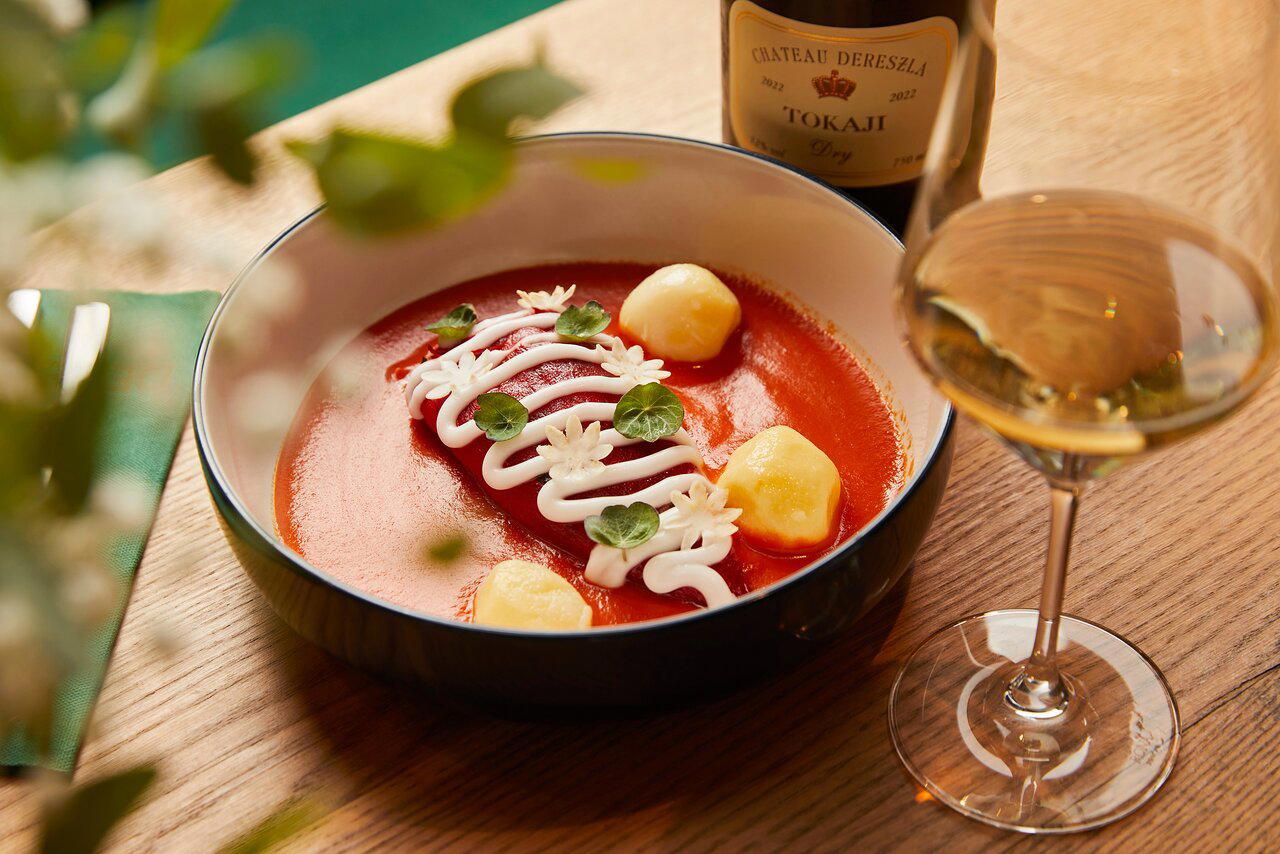
In a village surrounded by some of Hungary's most historically significant vineyards, the wine list at Talu has a sourcing discipline worth noting. All local Tokaj wines on the list come from within a 45-mile radius, and many are available by the glass, which makes the program genuinely exploratory rather than purely cellar-trophy oriented. For a diner unfamiliar with Tokaj beyond its sweet Aszú wines, a by-the-glass list opens the conversation to dry furmint, hárslevelű, and other varieties that the region has been producing with increasing seriousness over the past two decades.
This approach to wine service aligns Talu with a broader shift in Hungarian restaurant culture: venues in wine-producing regions moving away from generic national wine lists toward hyper-local curation that treats the wine program as an extension of the kitchen's sourcing philosophy.
The Andrássy Restaurant at the same property offers a comparative point of reference for those choosing between the two dining options within the kúria. Talu's cellar setting and regional focus give it a distinct character from any more formal dining room upstairs.
The Setting Through the Seasons
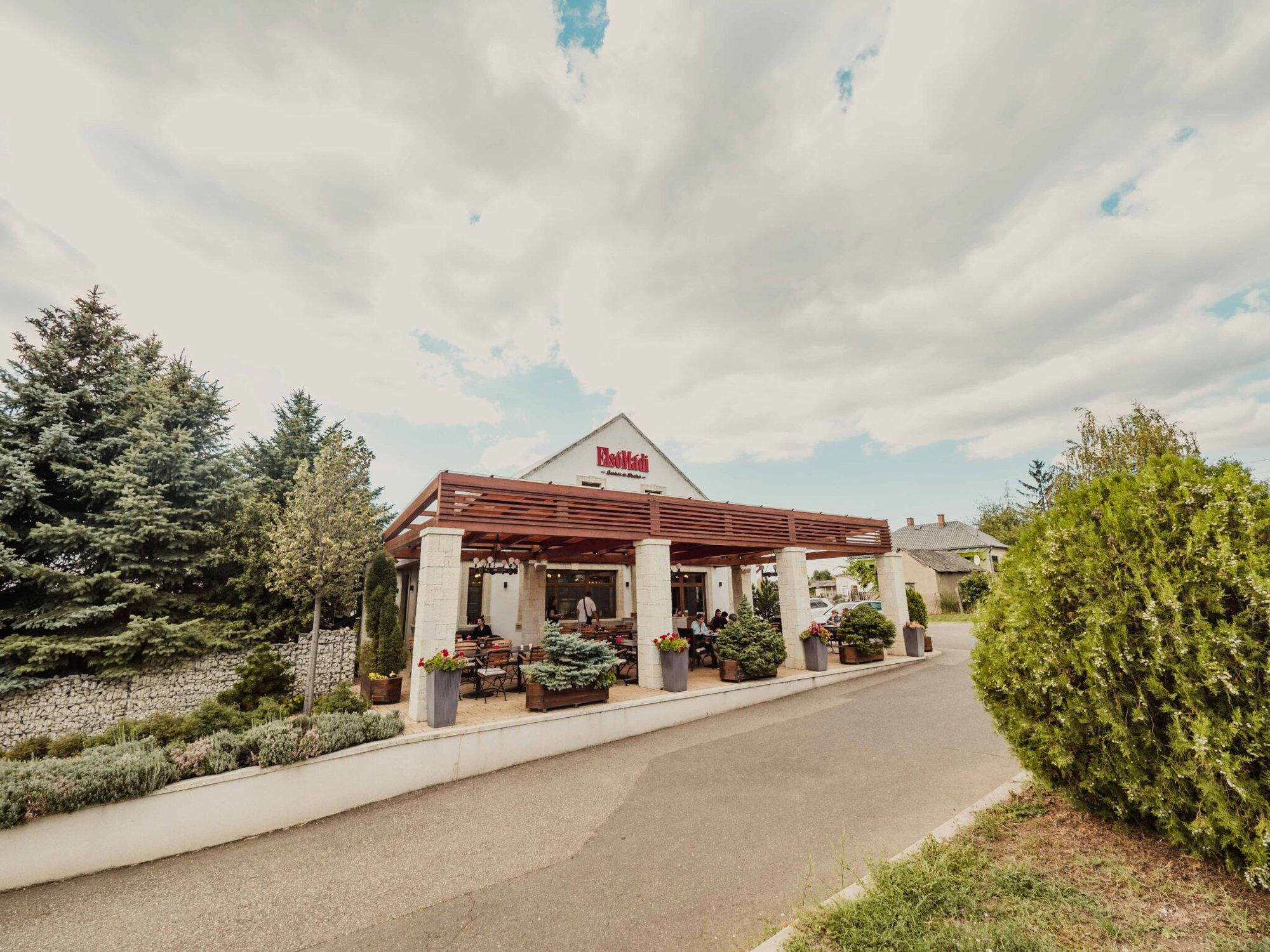
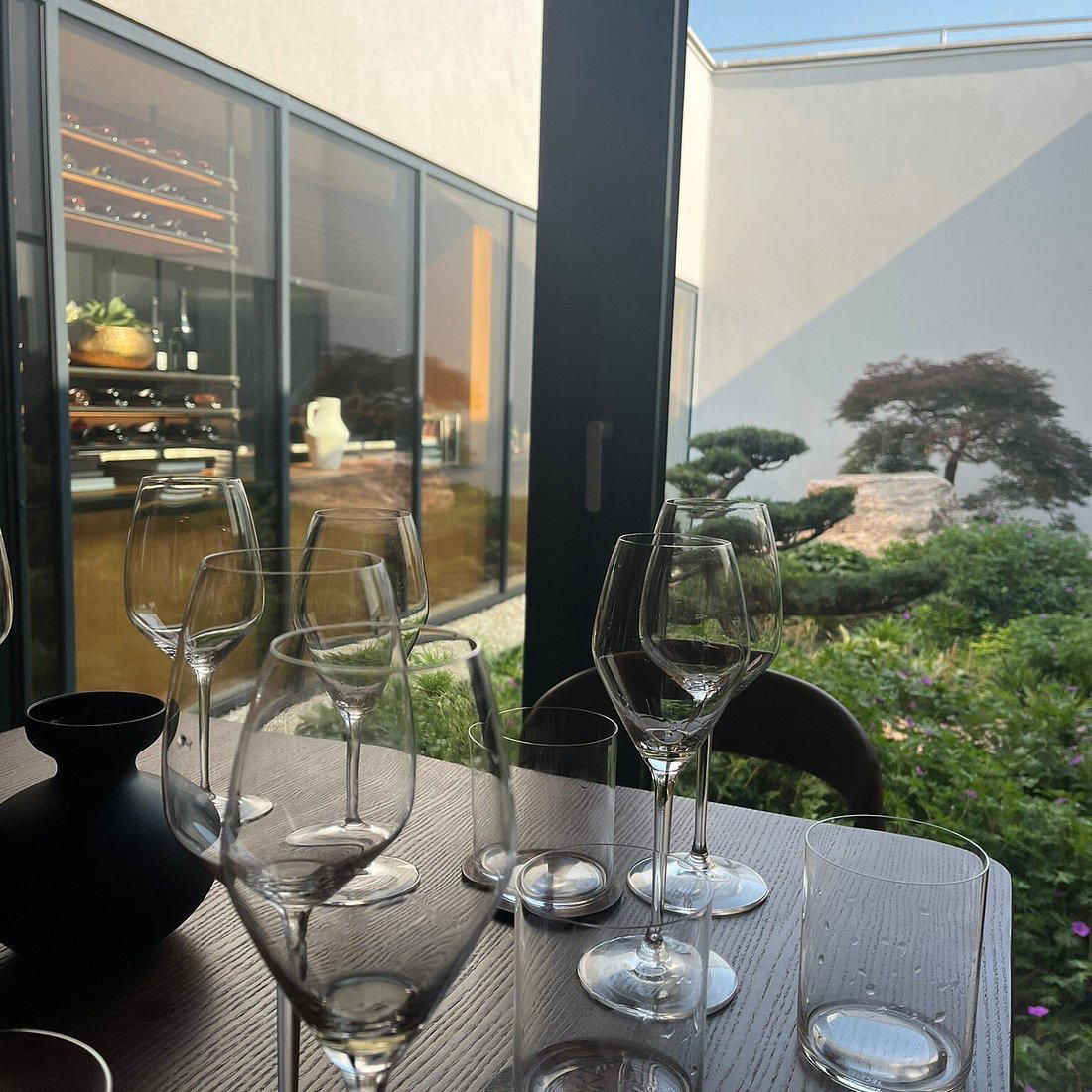
The vaulted cellar functions as the restaurant's year-round core: cool in summer, atmospheric throughout, and sized in a way that makes the room feel considered rather than cavernous. In warmer months, the terrace extends the dining footprint outdoors, a transition common to manor house restaurants across Central Europe but particularly well-suited to Tarcal's vineyard landscape. The seasonal split between cellar and terrace is worth factoring into a visit: the outdoor space changes the register of the meal considerably, shifting it from the drama of the stone interior to something more open and pastoral.
This kind of venue, embedded in a spa hotel within a protected heritage building, tends to attract both hotel guests and day visitors from the wider Tokaj region.
Planning a Visit
Talu sits within the Andrássy Kúria & Spa at Fő u. 94 in Tarcal, a manageable drive from Miskolc (roughly 45 kilometres to the southwest) and accessible from Eger and other northern Hungarian towns. As a hotel restaurant, it serves both residents and outside guests, though booking ahead is sensible for the terrace in summer months when the property draws visitors from the wider Tokaj tourism circuit. There is no published dress code, but the manor house setting and €€ contemporary positioning suggest smart-casual is appropriate. For those considering other contemporary restaurants in the northeast of Hungary, Avalon Ristorante in Miskolc and 67 Sigma in Székesfehérvár offer further reference points within the regional fine-casual tier.
Pricing, Compared
Comparable venues nearby, for context on price, style, and recognition.
| Venue | Cuisine | Price | Awards | Notes |
|---|---|---|---|---|
| TaluThis venue — the venue you are viewing | Tarcal, Contemporary Hungarian | $$$ | Michelin Plate | Not listed |
| Andrassy Restaurant | Tarcal, Modern European Fine Dining | $$$$ | Michelin Plate | Not listed |
| Dereszla Bisztró | Bodrogkeresztúr, Modern Hungarian Bistro | $$ | Michelin Plate | Not listed |
| Horgonyzó Kisvendéglő | Not listed | $$ | Michelin Plate | Tiszalök weekend resort area, Hungarian Traditional with Wood-Fired Specialties |
| MoszkvaTéЯ Bisztró | Varhegy, Authentic Russian Bistro | $$$ | Michelin Plate | Not listed |
| Umo | Varhegy, Latin American Grill | $$$ | Michelin Plate | Not listed |
Recognition history
Dated appearances from independent guides and award organizations, with the underlying list record or original source where available.
Michelin Plate
Michelin
At a Glance
- Romantic
- Elegant
- Cozy
- Intimate
- Rustic
- Date Night
- Special Occasion
- Terrace
- Historic Building
- Hotel Restaurant
- Extensive Wine List
- Local Sourcing
- Garden
Current opening hours
- Monday
- 11 AM–10 PM
- Tuesday
- 11 AM–10 PM
- Wednesday
- 11 AM–10 PM
- Thursday
- 11 AM–10 PM
- Friday
- 11 AM–10 PM
- Saturday
- 11 AM–10 PM
- Sunday
- 11 AM–10 PM
Hours can change for holidays and private events. Last verified .
Warm, inviting vaulted cellar with original stone and timber, moderated lighting, close table spacing, and terrace overlooking manor gardens.