Erzsébet Pince sits on Bem József utca in the heart of Tokaj. Tokaj's wine culture has long been shaped by volcanic soils, centuries-old cellar traditions, and the singular conditions that produce aszú, and Erzsébet Pince operates inside that tradition with recognisable seriousness.

Pearl is the En Primeur Club membership app — saves, bookings, and concierge access live there. Same editors, same standards.
- Address
- Tokaj, Bem József u. 16, 3910
- Phone
- +36 20 802 0137
- Website
- erzsebetpince.hu
- Directions
- Get directions
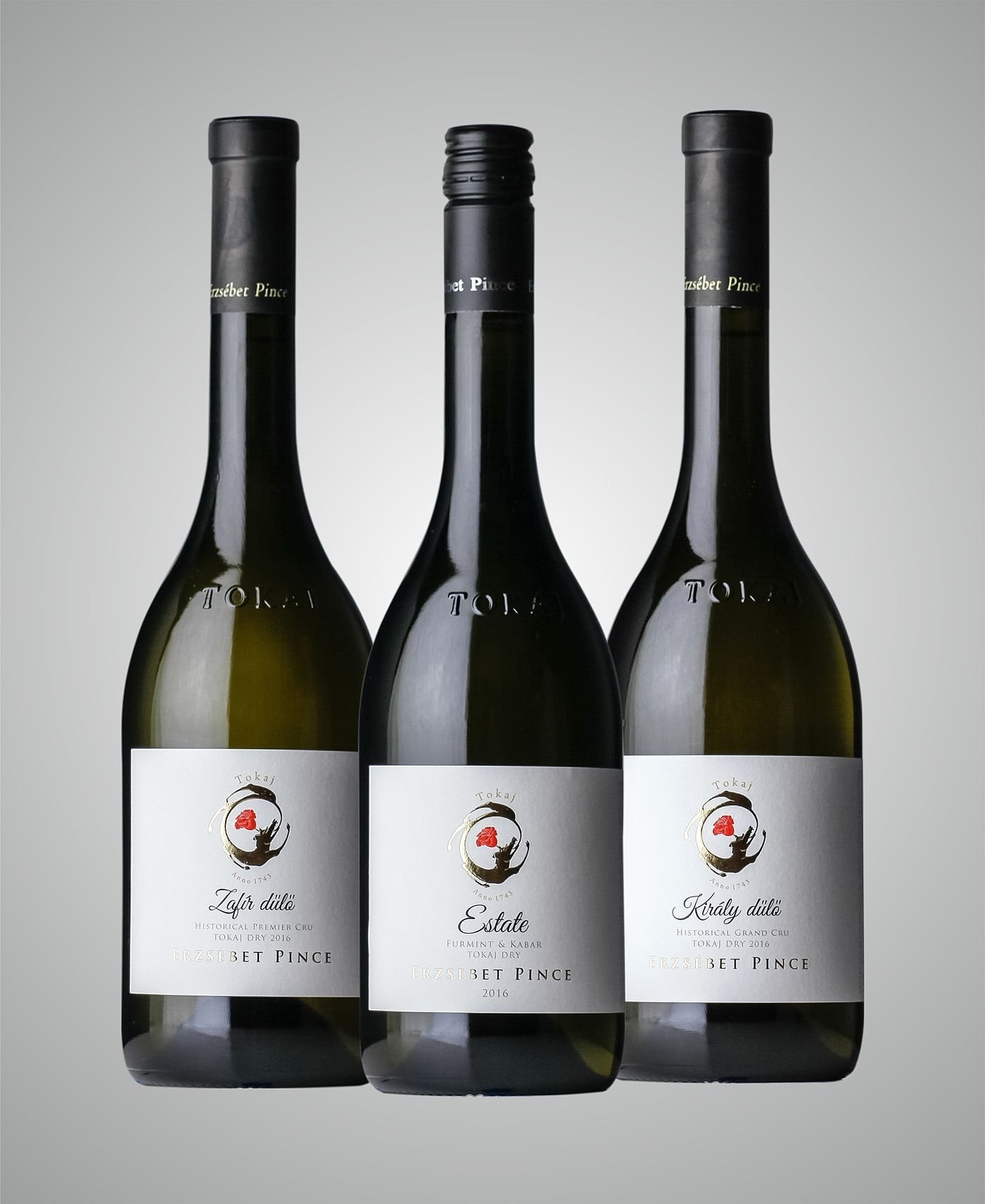
A Cellar Address in the Volcanic Heart of Tokaj
Bem József utca is a quiet street in central Tokaj, the small town that gave Hungary's most celebrated wine region both its name and its administrative anchor. The buildings here are modest by the standards of wine tourism elsewhere in Europe, their stone facades and low archways giving little away about what is stored beneath. That understatement is part of the local grammar. Tokaj's great cellars have always operated below street level, carved into rhyolite tuff, where temperature holds steady and botrytis has the conditions it needs. Erzsébet Pince, at number 16, follows that spatial logic: the address is direct, the weight of what it represents is anything but.
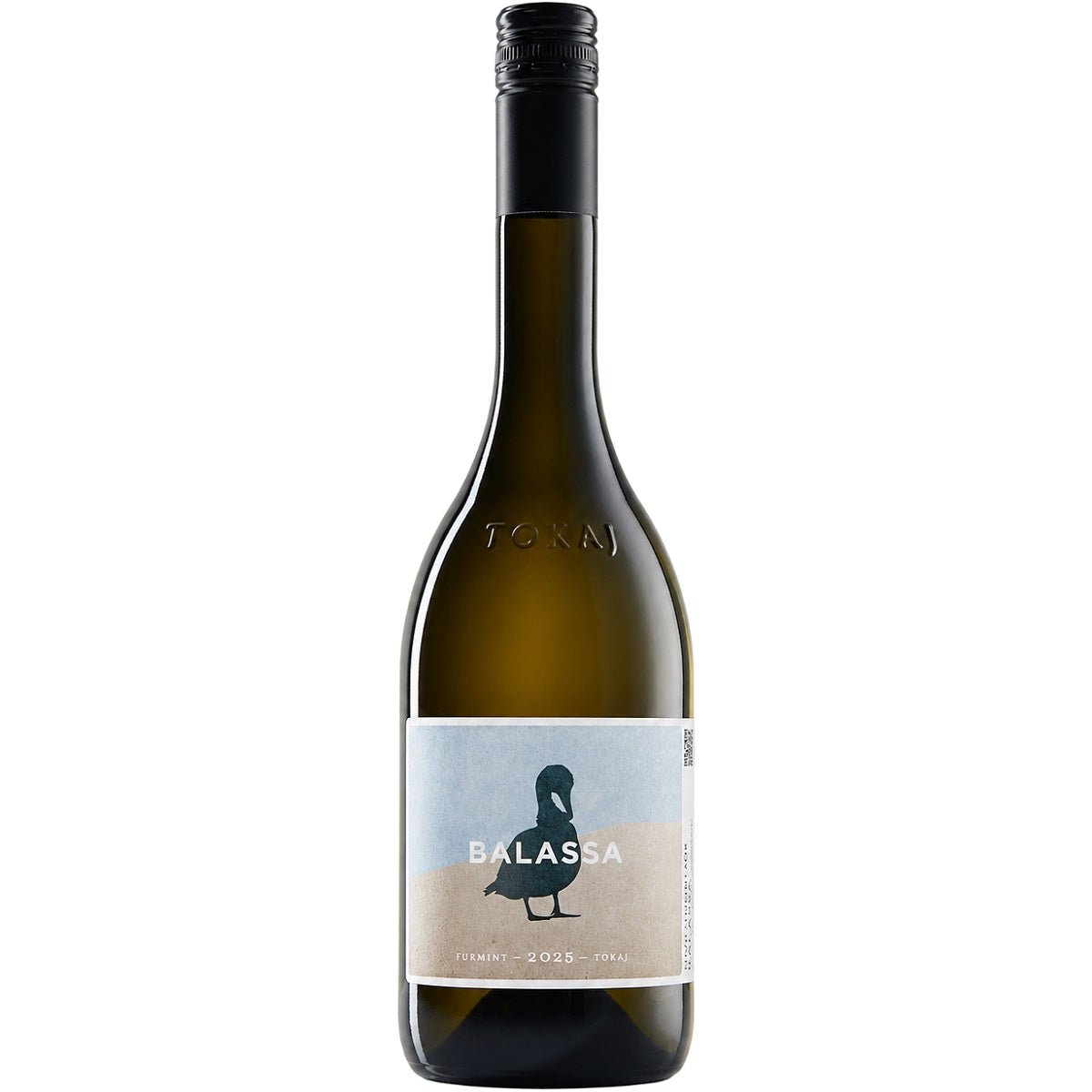
In a region where recognition tends to cluster around a handful of better-capitalised estates, a prestige-level designation at this address signals that quality is being achieved outside the obvious institutional names. That context matters when considering where Erzsébet Pince sits relative to peers like Tokaj Hétszőlő, Balassa Winery, and Dobogó Pincészet, all of which work within the same appellation but with different scales, ownership structures, and stylistic orientations.
The Soil Argument That Defines Tokaj
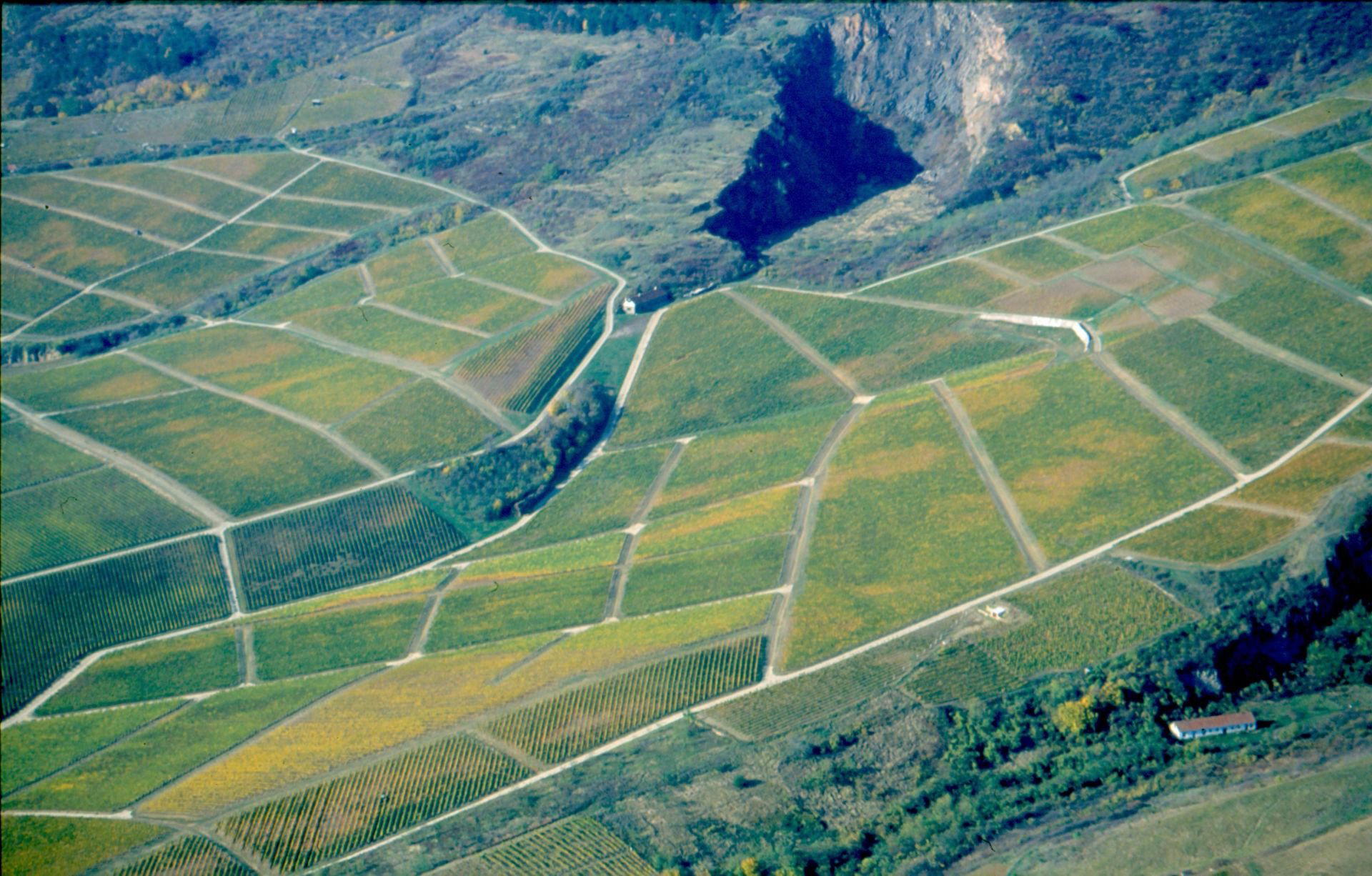
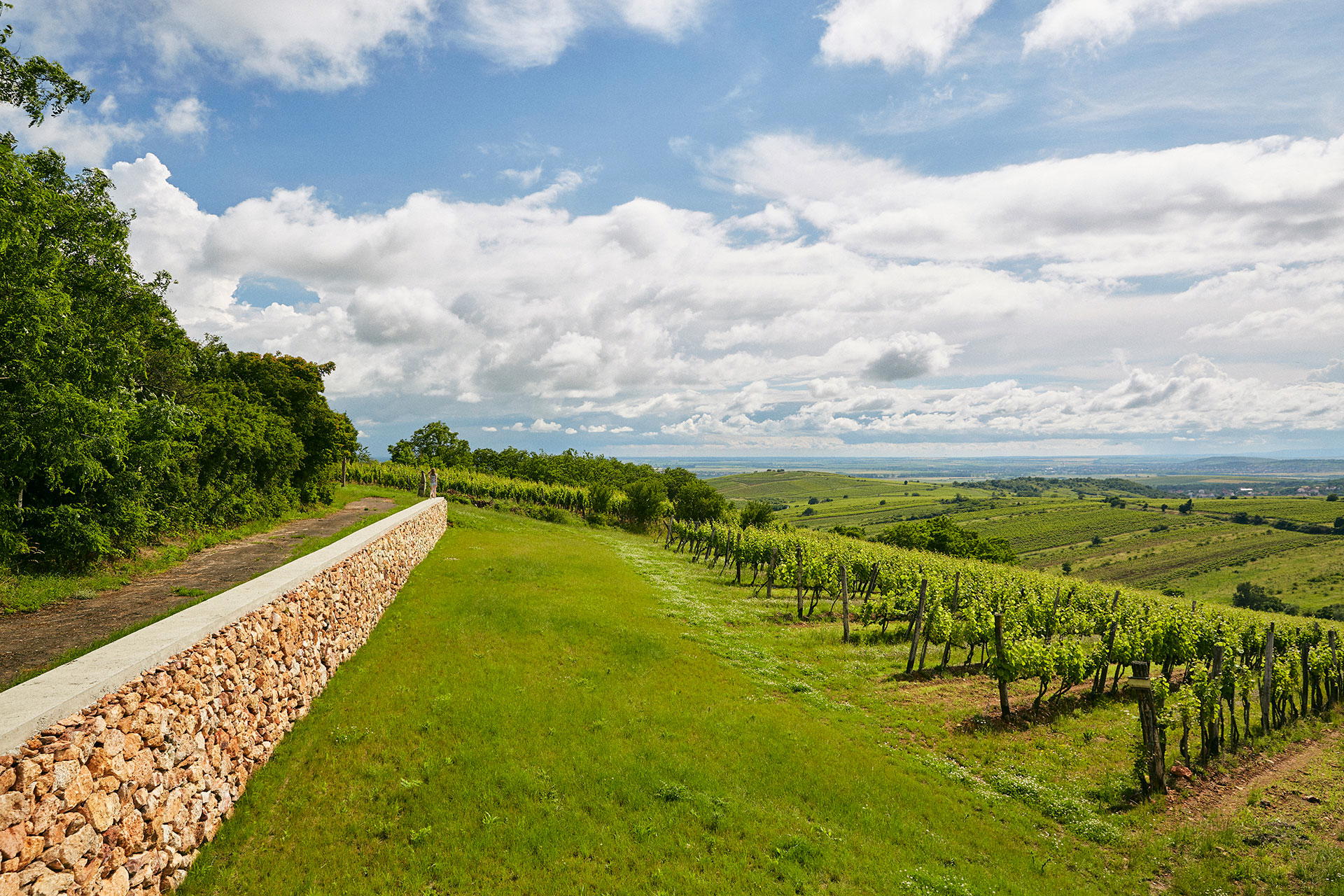
Understanding why any Tokaj producer matters requires a short education in the region's geology, because the wine cannot be separated from the ground it comes from. The Tokaj-Hegyalja appellation sits at the southern edge of the Zemplén Hills, where several extinct volcanoes left behind a patchwork of soil types: nyirok, the red clay formed from rhyolite decomposition; kovárványos barna erdőtalaj, the brown forest soils; and the famous rocky outcrops of the first-growth vineyards. The combination of these volcanic substrates with a microclimate shaped by the Bodrog and Tisza rivers is what makes late-harvest botrytis not just possible but reliably excellent in certain years.
Producers working within this framework increasingly approach viticulture with an awareness of how farming decisions either protect or diminish the soil's character. Across Tokaj-Hegyalja, the shift toward lower-intervention viticulture has been gradual but traceable. Estates like Demeter Zoltán Winery and Gizella Pince have built reputations in part by working with the soil rather than correcting it in the cellar. That broader orientation, a preference for viticulture that starts from the ground up, is increasingly how serious Tokaj producers are differentiated from those producing technically correct but geographically anonymous wine.
Sustainability as a Production Philosophy, Not a Label
In wine regions shaped by centuries of practice, sustainability is rarely a marketing position. It is more often a reversion to how things were done before industrial viticulture made chemical shortcuts available. In Tokaj, where many of the classification-level vineyards were farmed organically before the concept had a name, the return to careful, soil-attentive practice is less a revolution than a correction.
At this level within the regional designation hierarchy, the quality markers tend to reflect cellar discipline, vineyard sourcing, and an approach to aging that respects the inherent character of the fruit rather than engineering around it. Producers at comparable stages in neighbouring appellations, such as Béres Winery in Erdőbénye or Árvay Winery in Rátka, have demonstrated that Tokaj-Hegyalja's smaller, independent producers can achieve consistent quality when they prioritise vineyard integrity over volume.
Aszú production in particular demands patience that industrial logic cannot accommodate. The hand-selection of botrytised berries, the traditional puttonyos measurement, the extended aging in small Hungarian oak barrels: each of these stages requires time and restraint. The region's appellation rules enforce minimum aging periods, but the producers whose wines earn sustained recognition tend to exceed those minimums.
Tokaj-Hegyalja's producer landscape has consolidated somewhat since Hungary's post-communist wine revival, with large foreign-backed estates like Royal Tokaji in Mád, Disznókő in Mezőzombor, and Tokaj Oremus in Tolcsva occupying the internationally distributed tier. These estates have significant vineyard holdings, established export channels, and wine tourism infrastructure. They represent one model for success in the appellation.
Erzsébet Pince operates in a different register. A cellar on a residential street in the town of Tokaj itself, without the digital presence of a large estate, points toward a producer whose primary audience is local, regional, and discerning in a way that does not depend on international marketing. This is not unusual in Tokaj: some of the region's most respected wines have historically moved through personal networks, restaurant lists, and small importers rather than through conventional retail.
Comparison with producers like Babarczi Winery in Gyor and Bock Winery in Villány, both recognised across different Hungarian appellations, illustrates how the country's wine recognition system is increasingly rewarding producers outside the obvious flagship estates. Hungary's domestic fine wine culture has developed substantially in the past decade, and the awards ecosystem reflects that maturation. For collectors with an interest in Central European wine, this tier of Tokaj producer offers quality-to-access ratios that larger estates cannot replicate at equivalent price points.
Planning a Visit to Erzsébet Pince
Tokaj town is reachable by train from Budapest's Keleti station in approximately two and a half hours, with the route running northeast through the Great Hungarian Plain. The town itself is small enough to navigate on foot, and the cellar address on Bem József utca is within easy walking distance of the main square and the Bodrog riverbank. Tokaj's wine season runs from spring through autumn, with harvest typically occurring in October and the botrytis selection extending into November in good years; visiting during harvest provides context for the production process that no tasting at any other time of year can fully replicate.
Given the absence of a listed website or phone number in the public record, approaching Erzsébet Pince directly requires either a visit in person or contact through local wine tourism networks. The town of Tokaj has a wine tourism office, and local accommodation providers are typically well-connected to smaller producers in the area. For those building a broader itinerary around the appellation, our full Tokaj restaurants guide provides additional context on where to eat and drink in and around the region. Producers such as Accendo Cellars in St. Helena and Aberlour offer useful comparative reference points for understanding how small, prestige-designated producers operate in other fine wine and spirits regions, where direct-to-visitor access often requires advance planning and personal contact.
Where the Accolades Land
Comparable venues nearby, for context on price, style, and recognition.
| Venue | Cuisine | Price | Awards | Notes |
|---|---|---|---|---|
| Erzsébet PinceThis venue — the venue you are viewing | Furmint, Hárslevelű | Not listed | Not listed | Not listed |
| Gizella Pince | Furmint, Hárslevelű | Not listed | Falstaff Winery - Listed | Tokaj |
| Crocus Winery | Winery | Not listed | Not listed | Tokaj |
| Dobogó Pincészet | Furmint, Hárslevelű | Not listed | Not listed | Mád |
| Balassa Winery | Furmint, Zéta | Not listed | Falstaff Winery - Listed | Tokaj |
| Hímesudvar | Furmint, Sárgamuskotály | $20–30 | Not listed | Tokaj |
Continue exploring
More in Tokaj
Wineries in Tokaj
Browse all →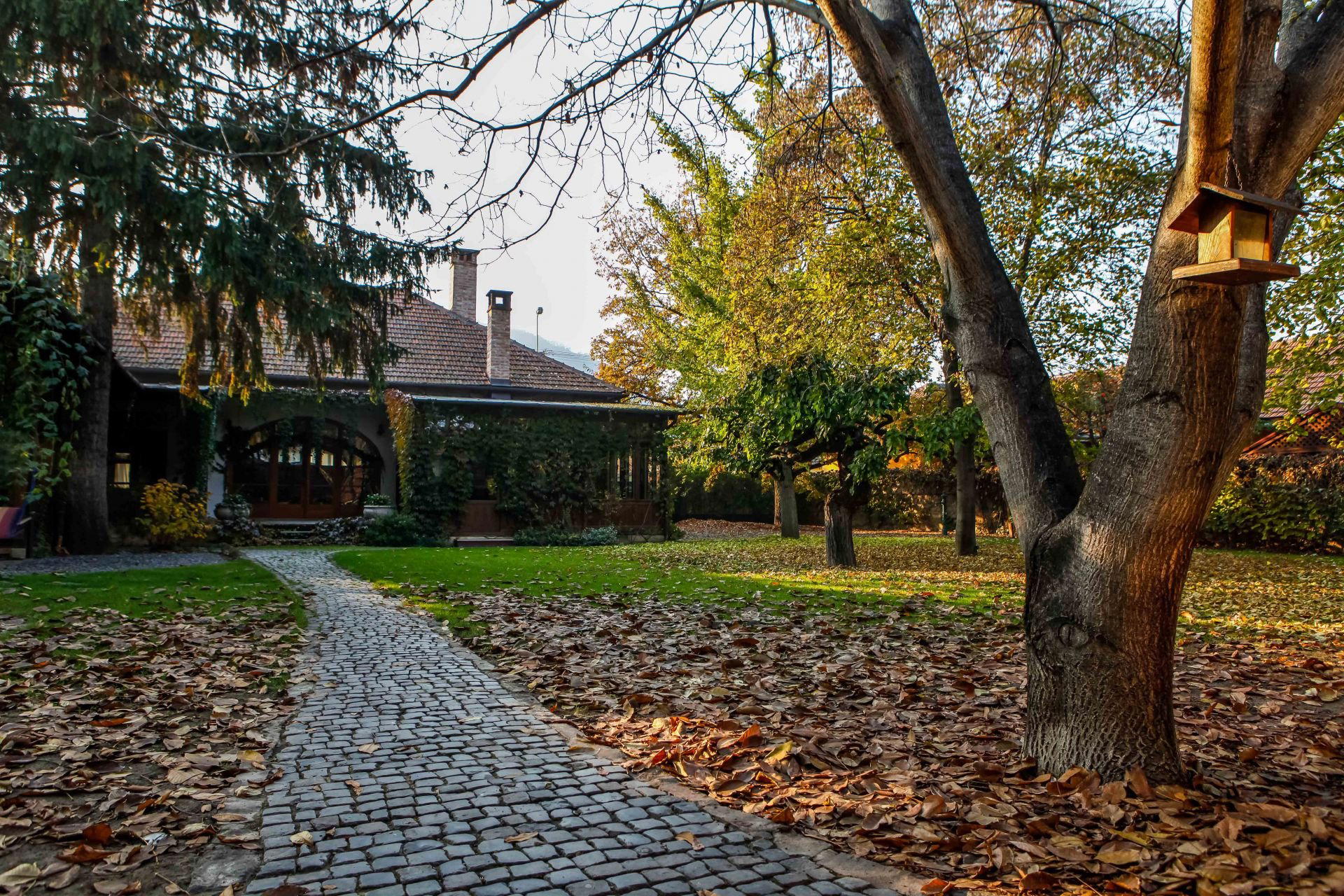
Restaurants in Tokaj
Browse all →
Hotels in Tokaj
Browse all →
Details
- Rustic
- Cozy
- Historic
- Intimate
- Elegant
- Wine Education
- Solo Exploration
- Special Occasion
- Cave Tasting
- Historic Building
- Furmint
- Hárslevelű
- Sárgamuskotály
- Kövérszőlő
- Zéta
- Kabar
- Still White
- Fortified
- Dessert
- Sparkling
- Cave Tasting
- Single Vineyard Tasting
- English
- Hungarian
Cozy historic cellars with volcanic rock paving, thick black mould maintaining constant 13°C temperature and 90% humidity, featuring a torch-lit tasting room evoking medieval ambiance.