Cascina Morassino

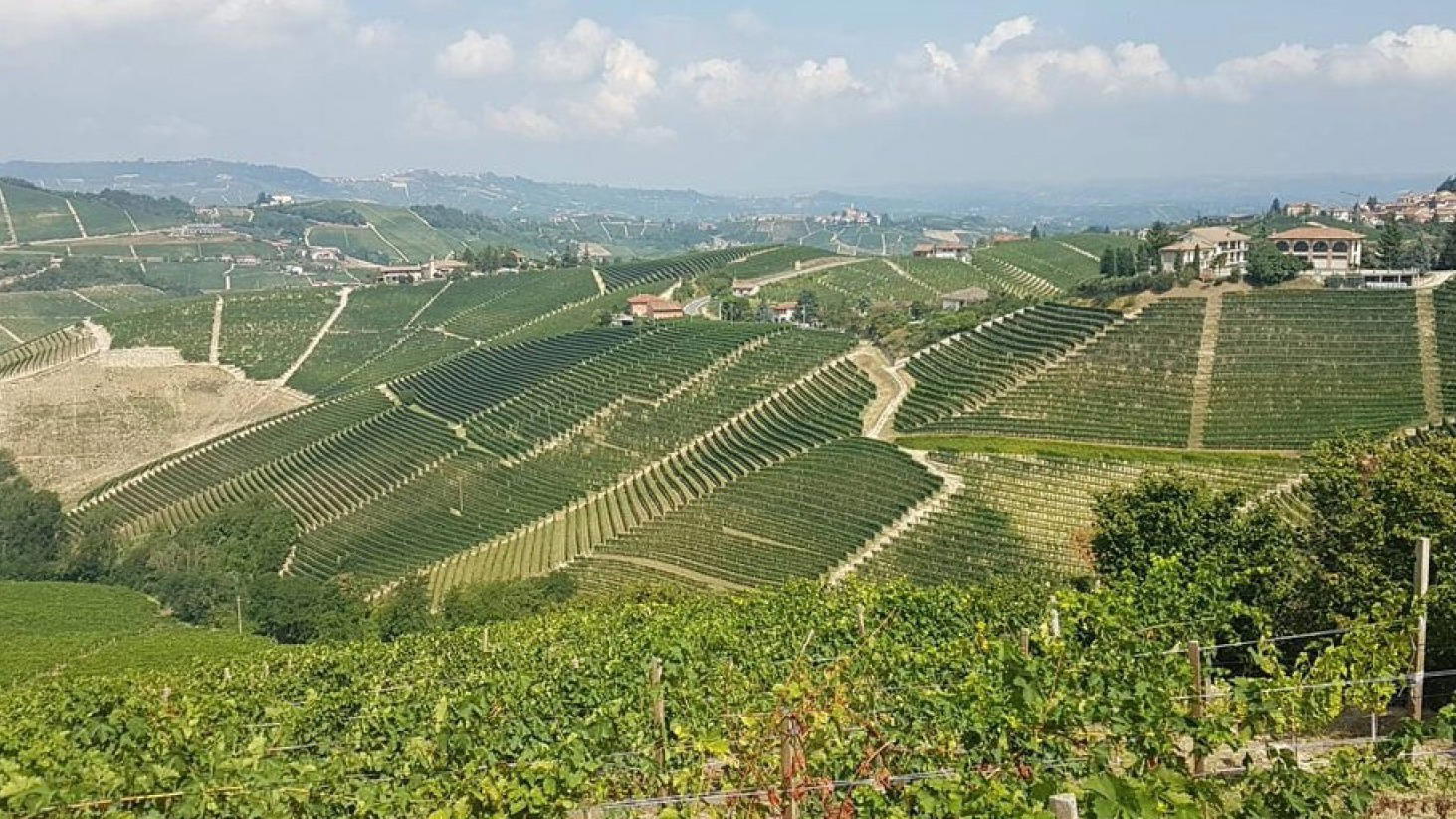
Cascina Morassino is a small Barbaresco estate shaped by Ovello and Morassino, with Nebbiolo as the central language rather than a broad portfolio. The draw is traditional Piedmontese cellar work: estate fruit, indigenous yeasts, extended maceration and aging in large Slavonian oak, set against a quiet hillside cantina rather than a polished visitor complex.
Pearl is the En Primeur Club membership app — saves, bookings, and concierge access live there. Same editors, same standards.
- Address
- Barbaresco, Piedmont, Italien
- Directions
- Get directions
 Saves & bookings on Pearl
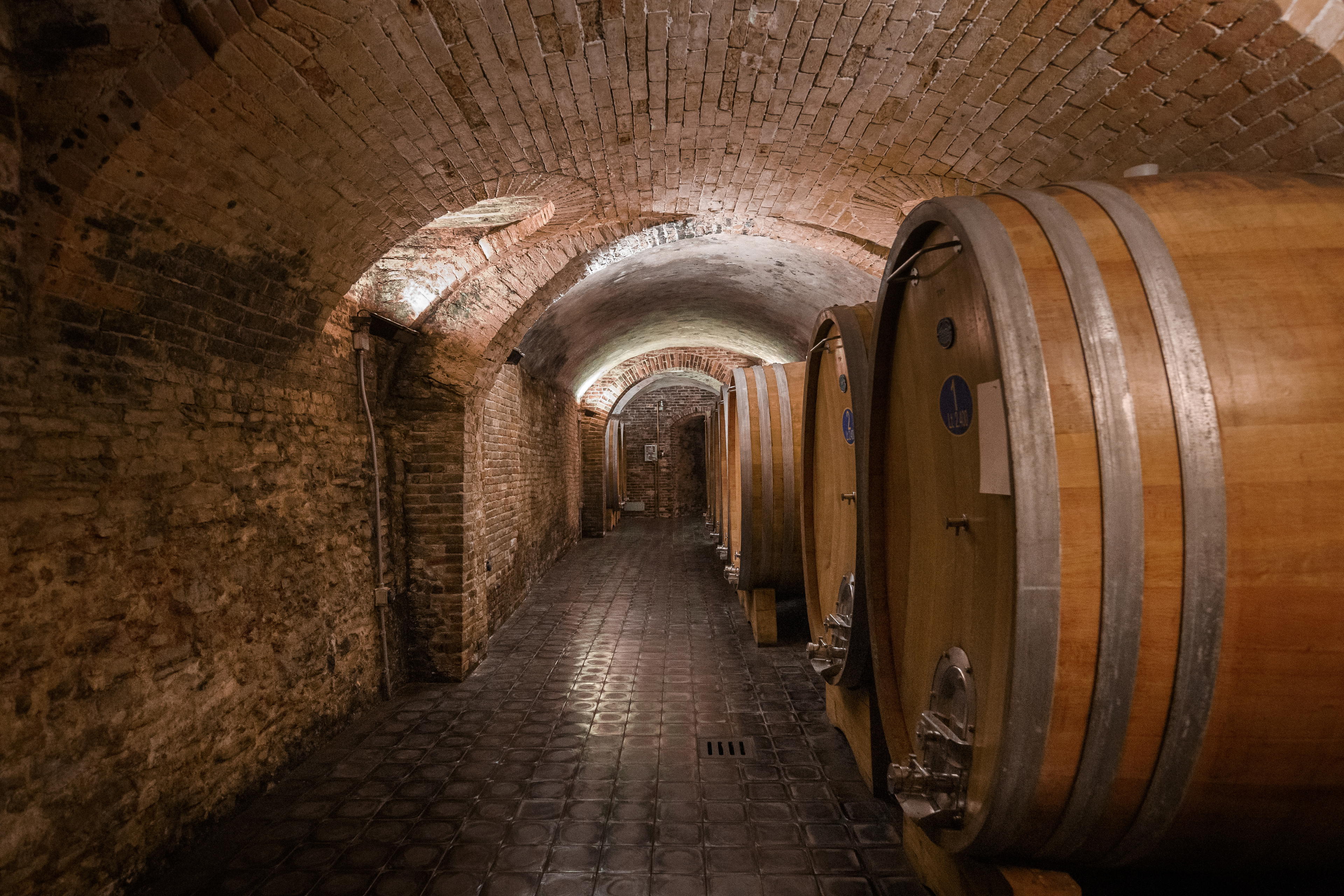
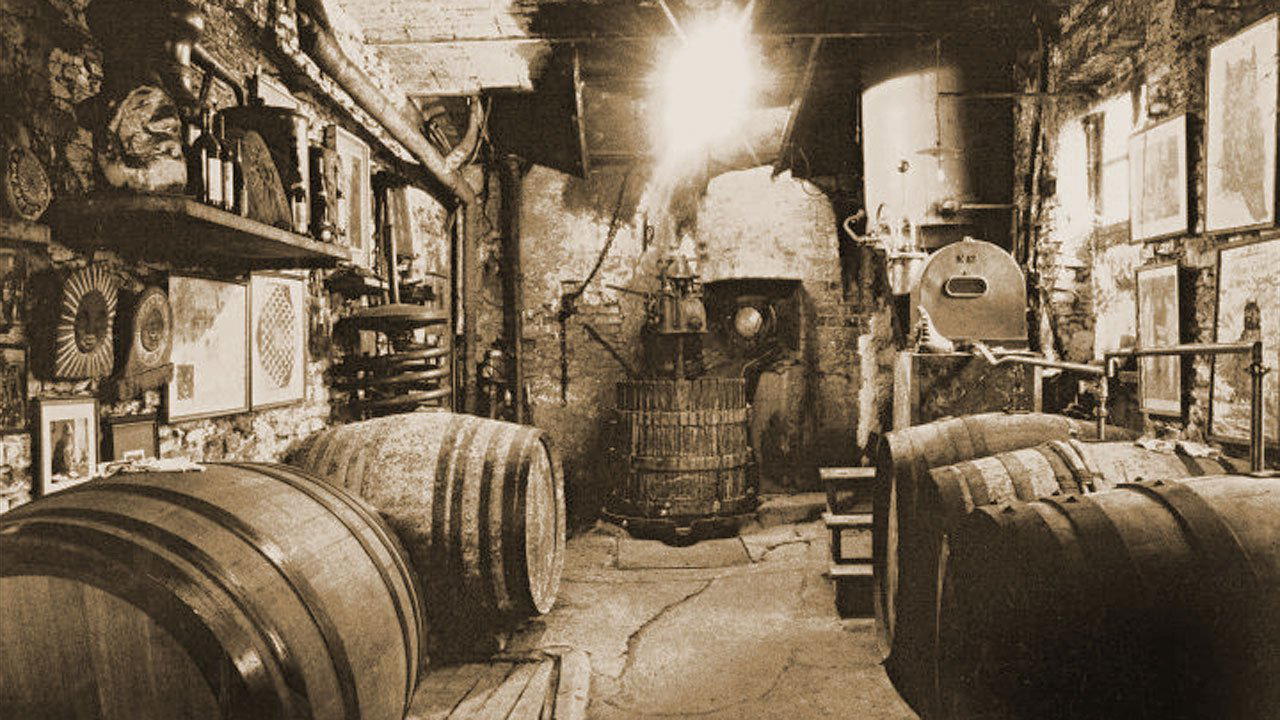
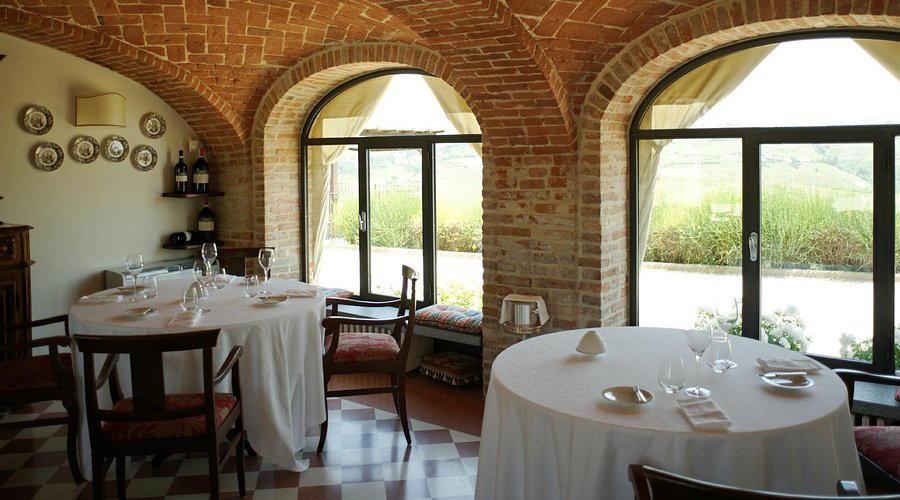
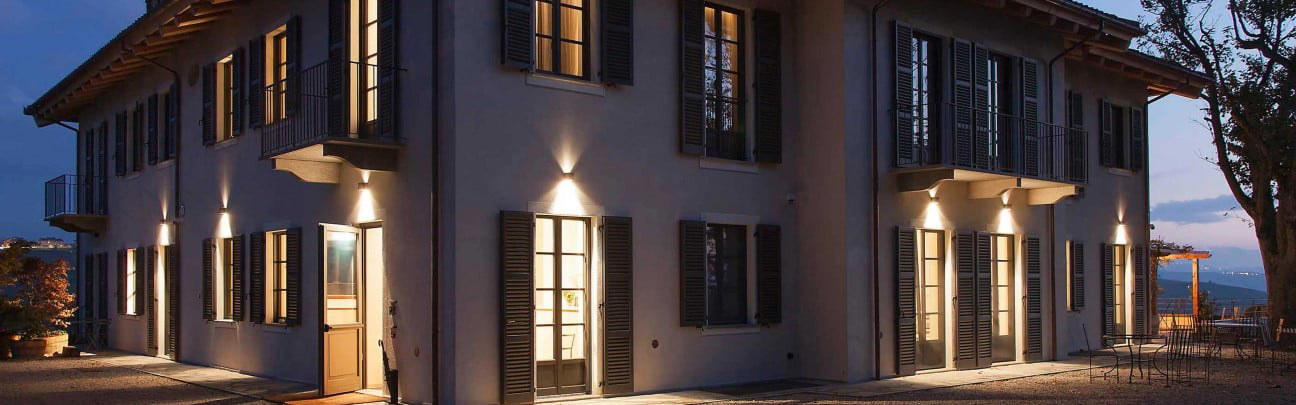
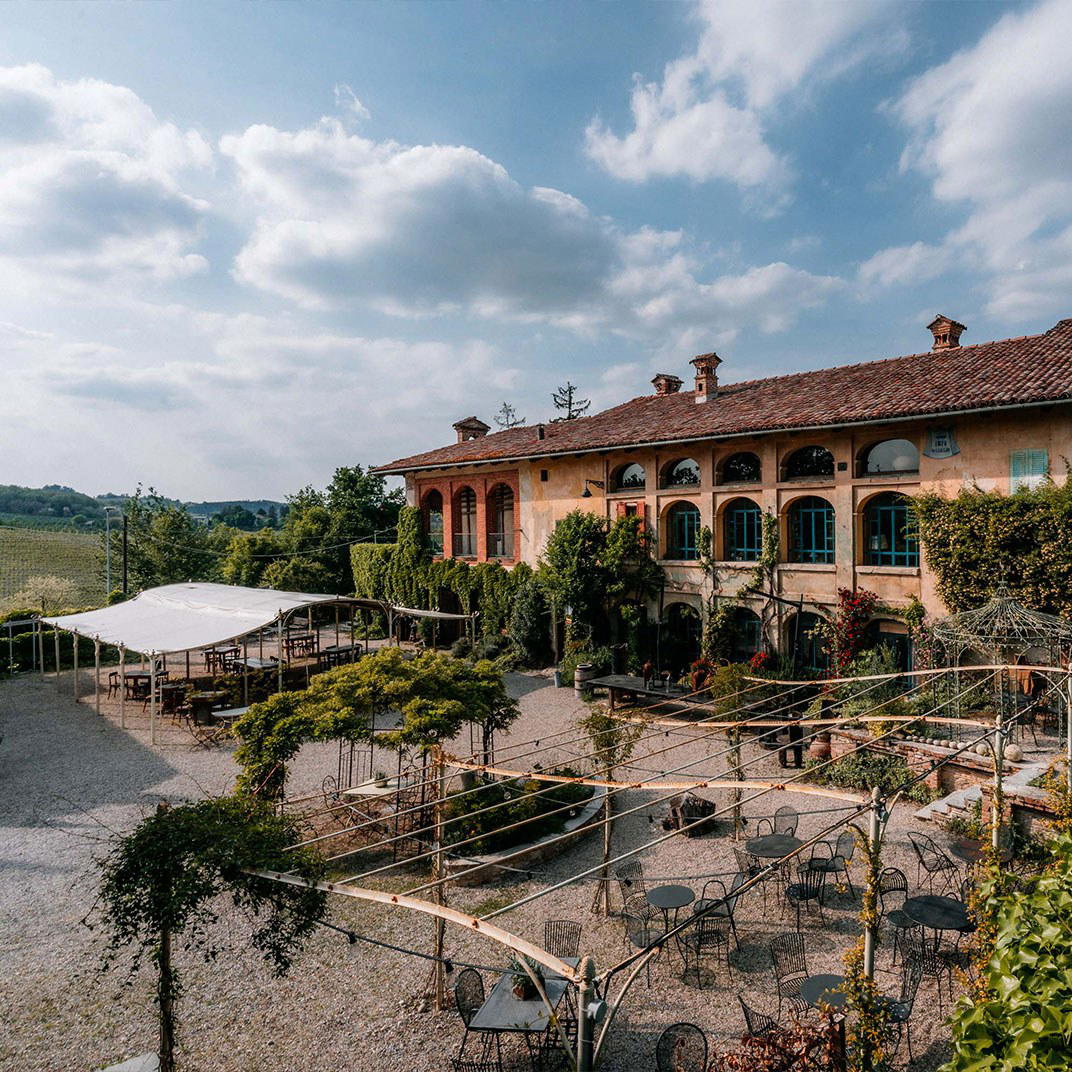
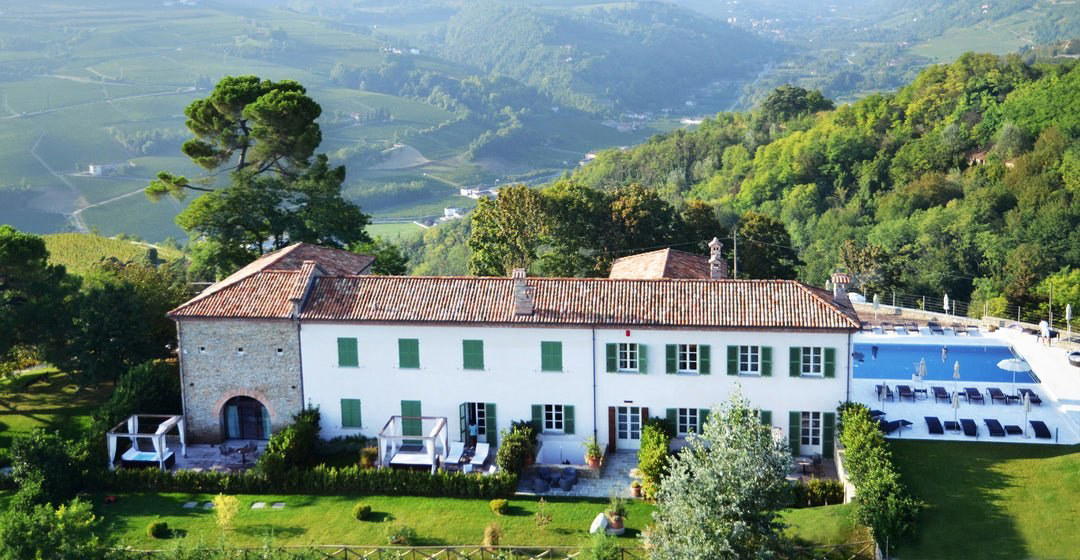
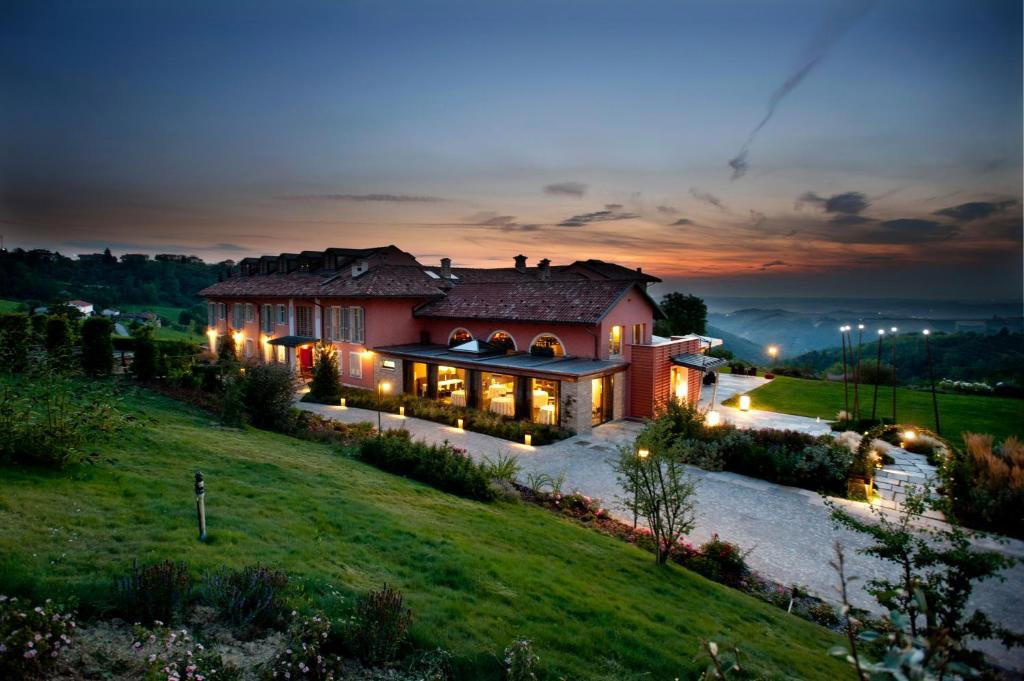
Cascina Morassino is best understood as a modest Barbaresco estate rather than a venue built around design theatre. The picture is deliberately simple: a small, traditional family property with an immaculate cantina cut into the hillside, set within a rural Piedmont atmosphere. Its appeal comes from the sense of vineyard expression and cellar craftsmanship, not from spectacle or a heavily staged hospitality concept.
That makes the tone of the visit important. This is not a page where the available information supports claims about a chef, a tasting-menu format, a restaurant service, an award history, a specific production figure, a vineyard roster, a seat count, or detailed opening hours. The safest way to plan around Cascina Morassino is to treat it as a Barbaresco wine-estate stop whose identity is rooted in small-scale tradition, hillside cellar work, and a quiet rural setting.
Ovello and Morassino give the wines their frame
What can be stated with confidence is broader but still useful: Cascina Morassino presents itself as a small, traditional Barbaresco family estate, with an emphasis on vineyard expression and cellar craftsmanship.
For travellers, that distinction matters. Barbaresco is often approached through named crus, technical vinification choices, and producer comparisons, but those specifics should only be used when they are firmly documented for the estate. The winery’s character is rural, modest, and focused on the relationship between hillside vineyards and cellar work.
The cantina itself is part of that identity. Rather than an architectural showpiece, it is described as immaculate and cut into the hillside. That detail gives the estate its strongest visual cue: a working Piedmont setting where the cellar feels integrated into the land. The experience should therefore be framed around atmosphere and place, not around claims about winemaking technique or named bottlings.
In editorial terms, the winery belongs to the quieter side of Barbaresco. Its appeal is not based on public scores, medals, or a confirmed award record in the material supplied here. It is better presented as a traditional family estate where the setting, the cellar, and the surrounding vineyard context do the work.
A rural tasting format for people who want the appellation, not theatre
Those details should be checked directly before planning a visit. What is is the estate’s atmosphere: small, traditional, rural, and focused on vineyard expression rather than polished hospitality design.
That makes the winery a better fit for travellers who value a restrained estate environment. The draw is the modest cantina, the Barbaresco setting, and the feeling of a family property rather than a large visitor complex. Guests looking for a fully documented restaurant component, a formal lunch service, or a broader leisure program should not assume those services exist from the information available here.
The price level is listed as $$$, so visitors should expect a premium positioning, though no specific tasting fee, bottle price, or menu price is in the supplied facts. The dress and atmosphere note points toward a classic rural Piedmont mood: smart enough to respect a working wine estate, but not a setting defined by fashion, formality, or theatrical luxury.
Where it fits in a Piedmont wine itinerary
The winery fits a Barbaresco itinerary when the goal is to spend time with a smaller, traditional estate. The description emphasizes an immaculate hillside cantina and a classic rural atmosphere. That is enough to distinguish it from more design-led or large-format hospitality settings, while avoiding unsupported claims about production scale, vineyard holdings, or cellar methods.
Confirm visit arrangements, current availability, languages, tasting options, and any purchase or shipping details directly with the estate before building a day around it. If the day also includes other dining in Barbaresco, treat those plans separately rather than assuming the winery offers food service.
For EP Club readers, the honest recommendation is narrow but clear: choose the winery for a grounded Barbaresco estate atmosphere, a hillside cantina, and a traditional family-estate setting. Do not choose it based on claims about awards, specific vineyards, technical winemaking, chef-led dining, or fixed hospitality formats. Its confirmed strength is place: Barbaresco, rural Piedmont, vineyard expression, and cellar craftsmanship.
Recognition history
Dated appearances from independent guides and award organizations, with the underlying list record or original source where available.
Falstaff Winery - Listed
Falstaff
Continue exploring
More in Barbaresco
Wineries in Barbaresco
Browse all →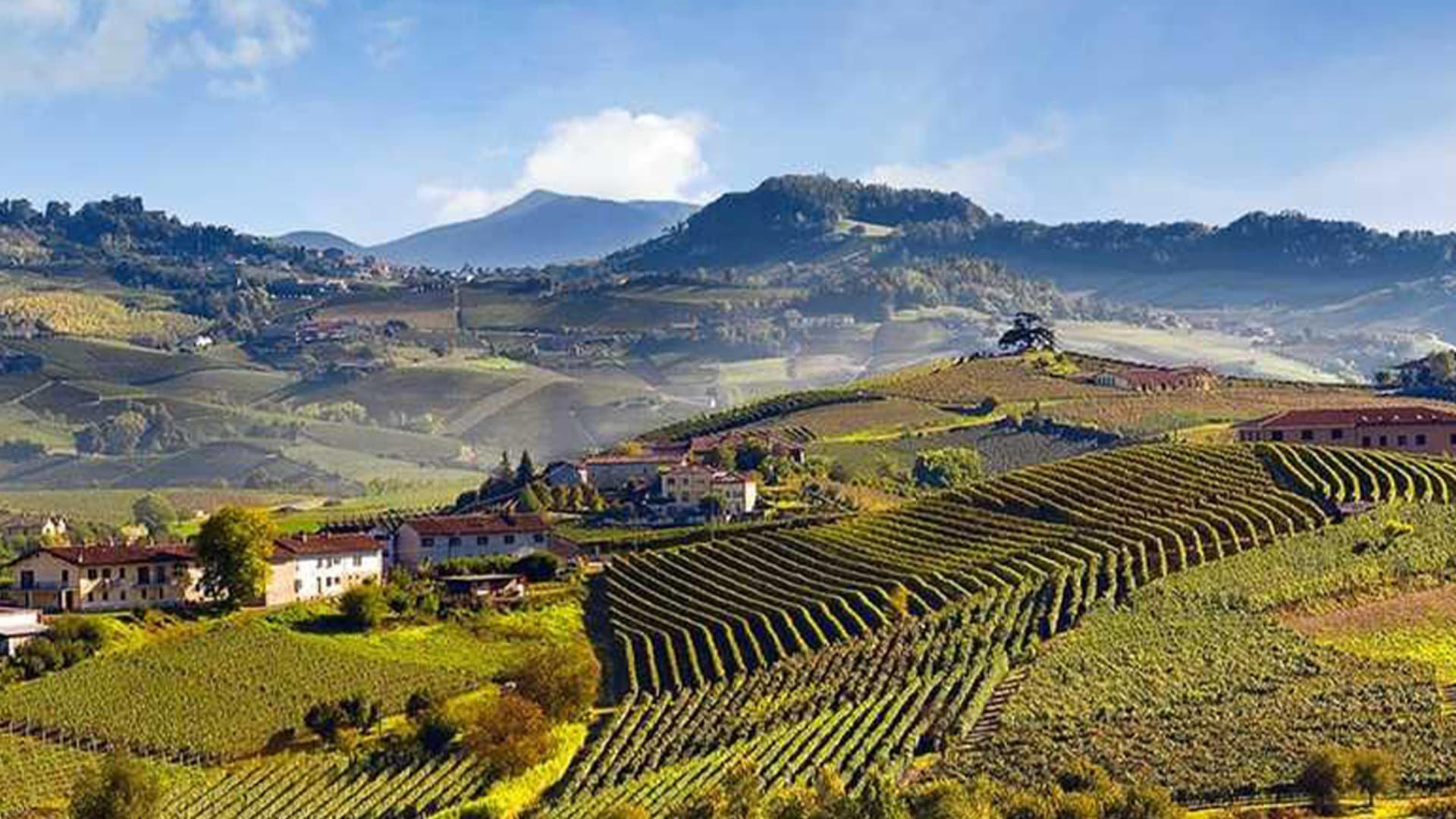
Bars in Barbaresco
Browse all →
Restaurants in Barbaresco
Browse all →
At a Glance
- Classic
- Rustic
- Scenic
- Intimate
- Romantic Getaway
- Group Outing
- Wine Education
- Special Occasion
- Solo Exploration
- Estate Grounds
- Vineyard Tour
- Historic Building
- Private Tasting
- Sustainable
- Vineyard
- Barbaresco DOCG
- Nebbiolo
- Still Red
- Estate Tasting
- Private Appointment
A small, traditional Barbaresco family estate with an immaculate, modest cantina cut into the hillside, offering a classic, rural Piedmont atmosphere focused on vineyard expression and cellar craftsmanship rather than design theatrics.