
Falstaff Winery - Listed
Cantina Stroppiana SSA is a small family-run Barolo estate in La Morra, shaped by fourth-generation vineyard work and a portfolio built around Nebbiolo, Barbera, Dolcetto and Nascetta. The draw is the Langhe context: visitable vineyards, modest production, and a tasting experience oriented toward place rather than cellar-door theatre.
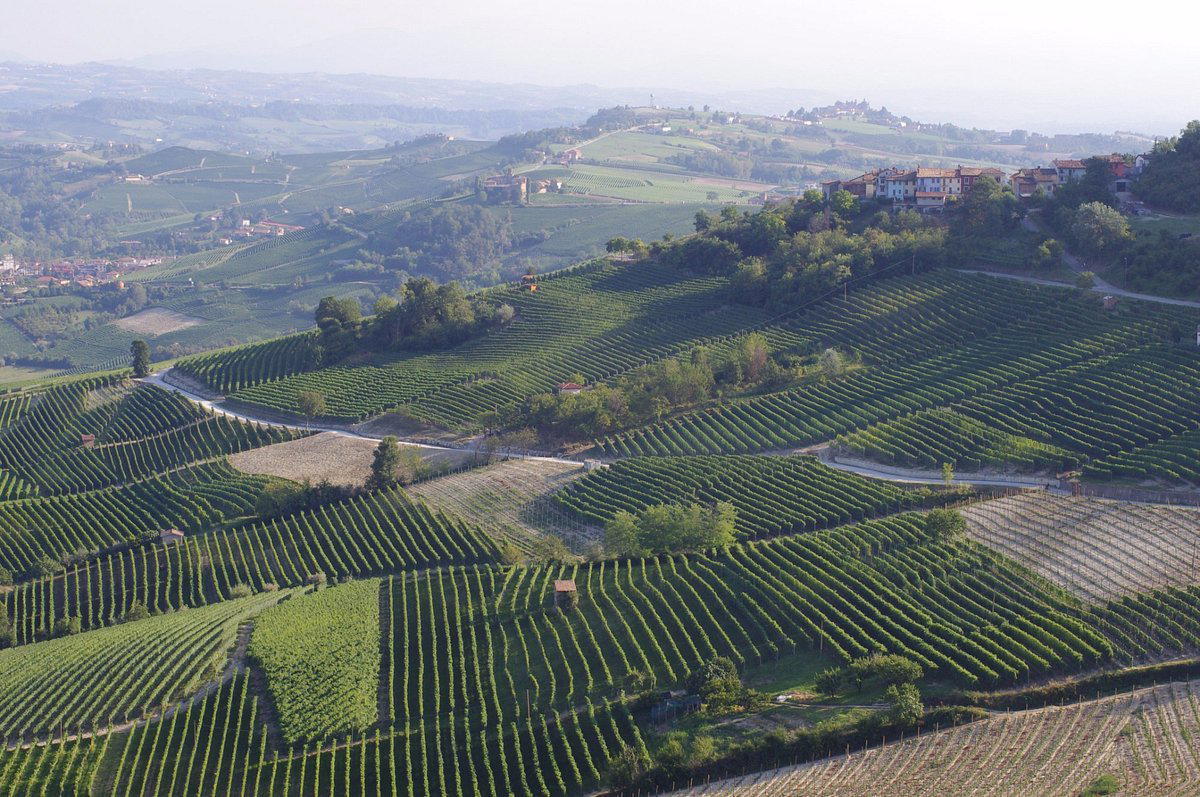
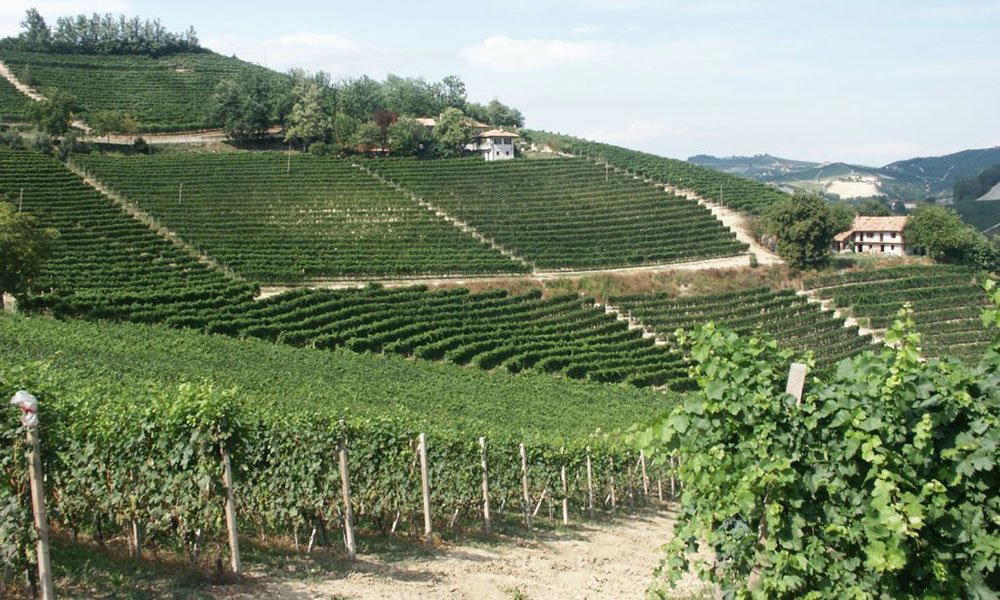
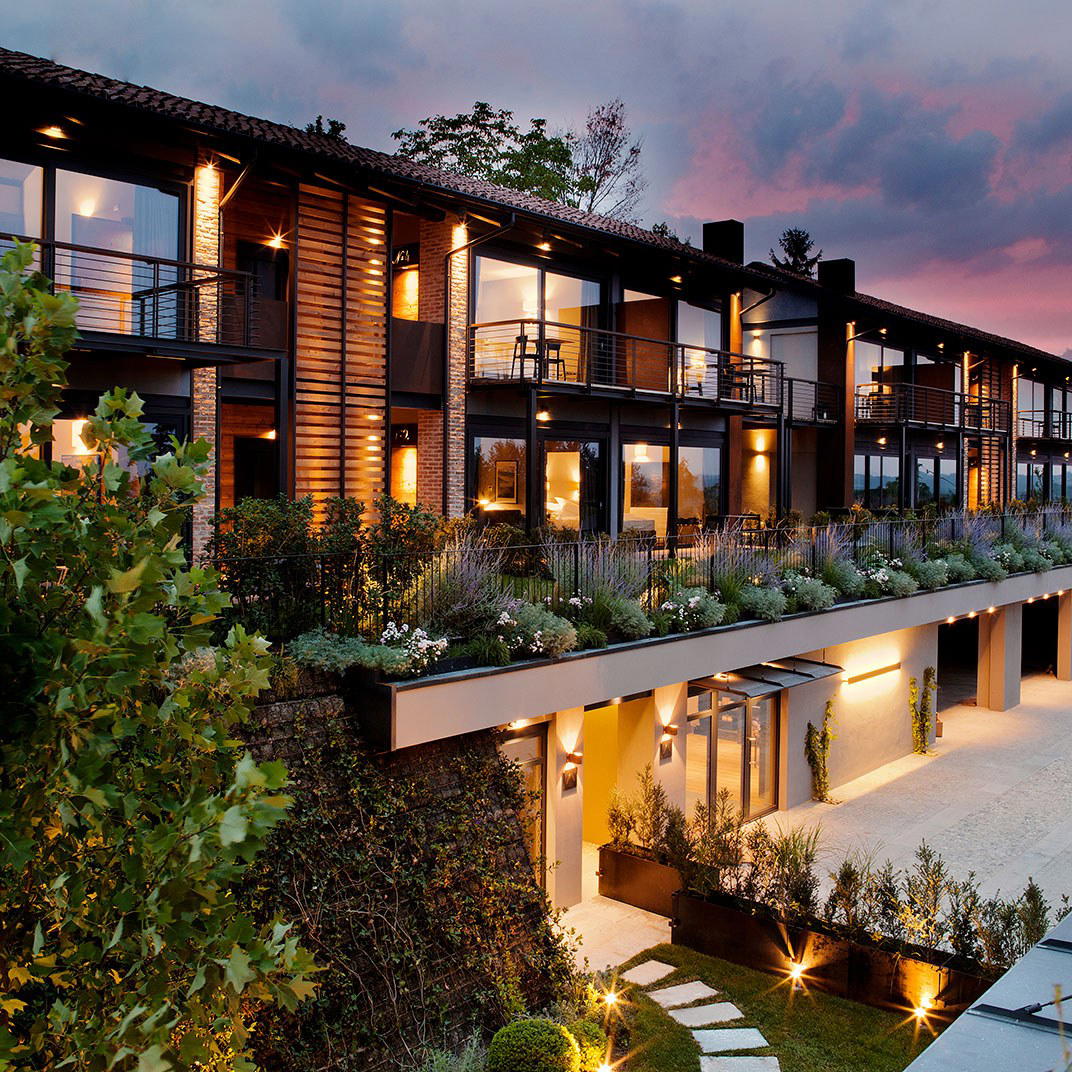
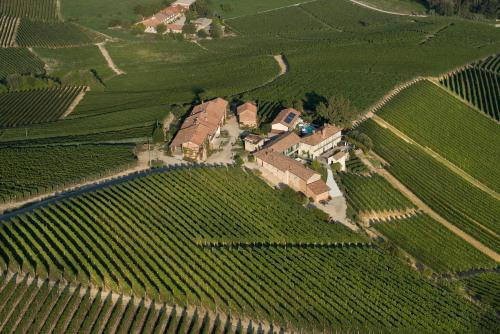
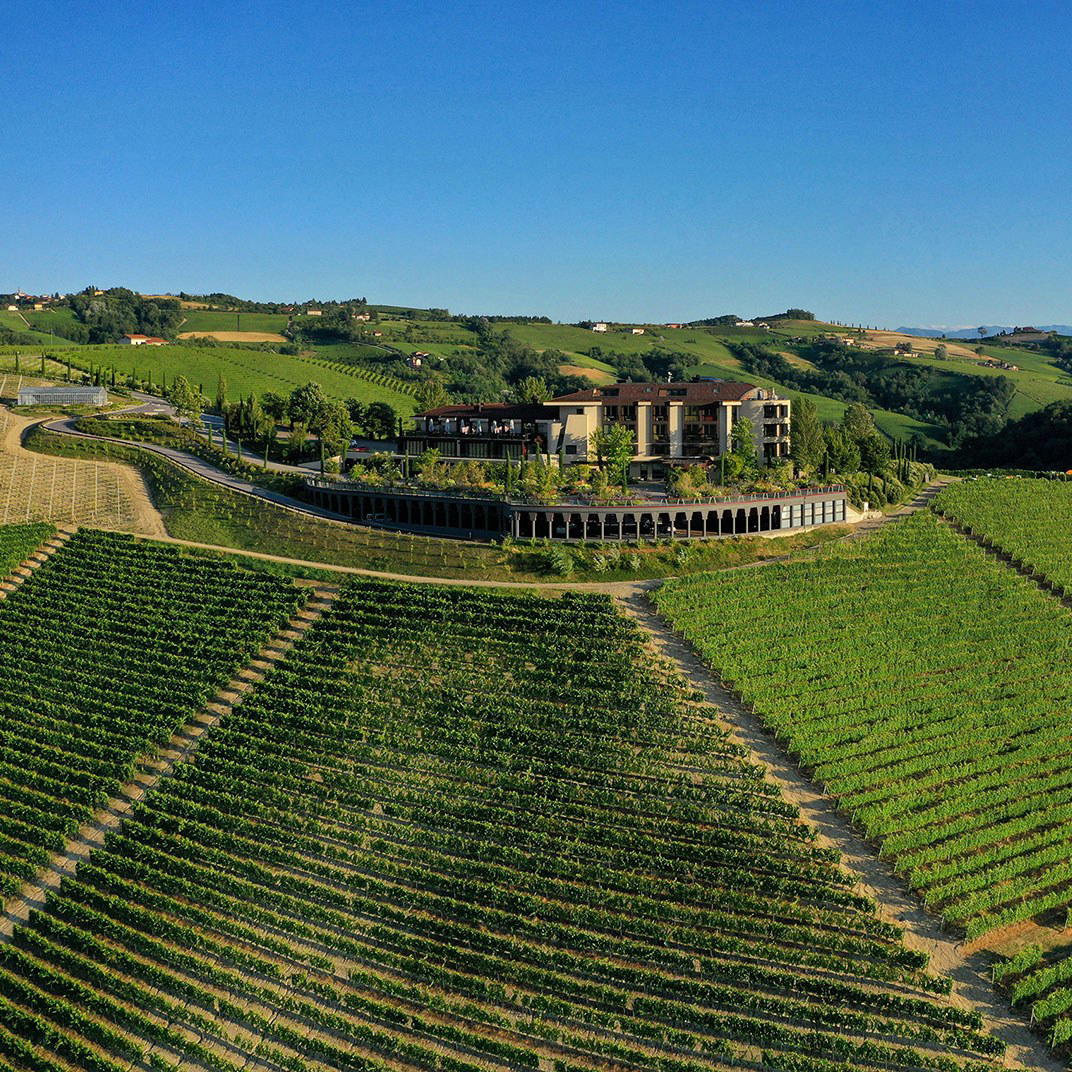
Approaching a rural La Morra winery changes the tempo of a Barolo itinerary. The point is not polished hospitality architecture or a staged tasting room, but the working rhythm of vineyard country: hillsides, farm buildings, and the quiet insistence that the wine begins outside, long before it reaches the glass. Cantina Stroppiana SSA belongs to that register of Langhe estates, where the useful questions are less about décor and more about land, scale, and how clearly Nebbiolo, Barbera, Dolcetto and Nascetta are allowed to speak.
La Morra’s reputation inside Barolo rests on commune identity, vineyard exposure and the long habit of family estates translating small parcels into wines with local grammar. Cantina Stroppiana SSA fits that tradition through holdings tied to La Morra and Bussia in Monforte d’Alba, an important pairing because it places the family story across two names that matter in Barolo conversations. The estate traces its roots to the middle of the twentieth century, with land purchases in the 1950s and 1960s, and is now in fourth-generation hands. That history is not decoration; in a region where vineyard ownership can define style as much as cellar technique, continuity is a serious credential.
La Morra and Bussia give the wines their editorial frame
The portfolio reads as a compact Langhe syllabus: Barolo DOCG, Barbera d’Alba DOC, Barbera d’Alba Superiore DOC, Dolcetto d’Alba DOC, Langhe Nebbiolo DOC, Langhe Rosso DOC and Langhe Nascetta DOC. Barolo provides the prestige anchor, but the broader line-up matters because it shows how a small estate uses regional varieties to build a ladder of expression, from everyday local drinking to appellation-led Nebbiolo. Nascetta also deserves attention within this context; in a red-dominated zone, the native white variety adds a local counterpoint without pulling the estate away from its Langhe center.
Scale sharpens the picture. Production is roughly 35,000 to 45,000 bottles a year from about 5.5 to 10 hectares of vines, depending on the source range used for the estate profile. Those numbers place the operation firmly in small-family-estate territory rather than industrial tourism. Dario Stroppiana’s oenology training in Alba adds a technical layer to a farming inheritance, but the estate’s public language keeps returning to vineyard origin, sustainable practice and varietal character. In Barolo, that emphasis is not quaint; it is the central argument. The cellar can refine, but the vineyard sets the ceiling.
For travellers mapping La Morra through producers rather than restaurants alone, this is the kind of stop that makes the commune legible. It sits in a conversation with other La Morra estates in EP Club’s winery coverage, including Agostino Bosco, Agricola Gian Piero Marrone, Alberto Voerzio, Aurelio Settimo and Azienda Agricola Alessandria Crissante. Those names should not be treated as interchangeable stops. The useful move is to read each estate through land base, scale, family structure and how much of the visit is built around vineyards rather than spectacle.
A tasting format built for vineyard context, not theatre
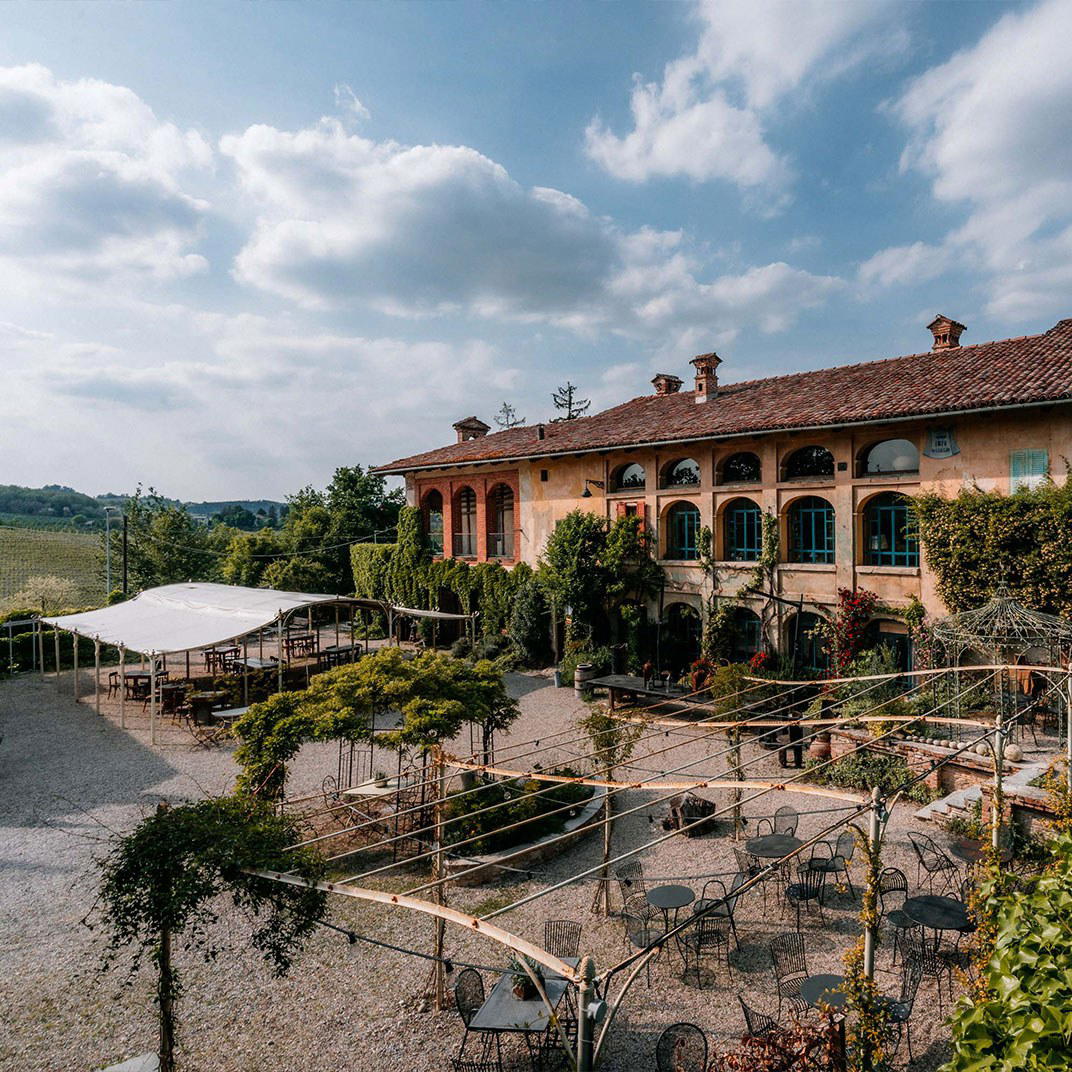
The hospitality model is intimate by design. Tastings, visits and sales are part of the estate’s visitor offer, with group size listed up to 20 people, and the format includes guided tastings, vineyard visits and private bookings. The property also has visitable vineyards, outdoor seating, on-site parking, wheelchair access, accessible restrooms and accessible parking. Those details make a practical difference in the Langhe, where rural charm can sometimes outrun basic visitor infrastructure.
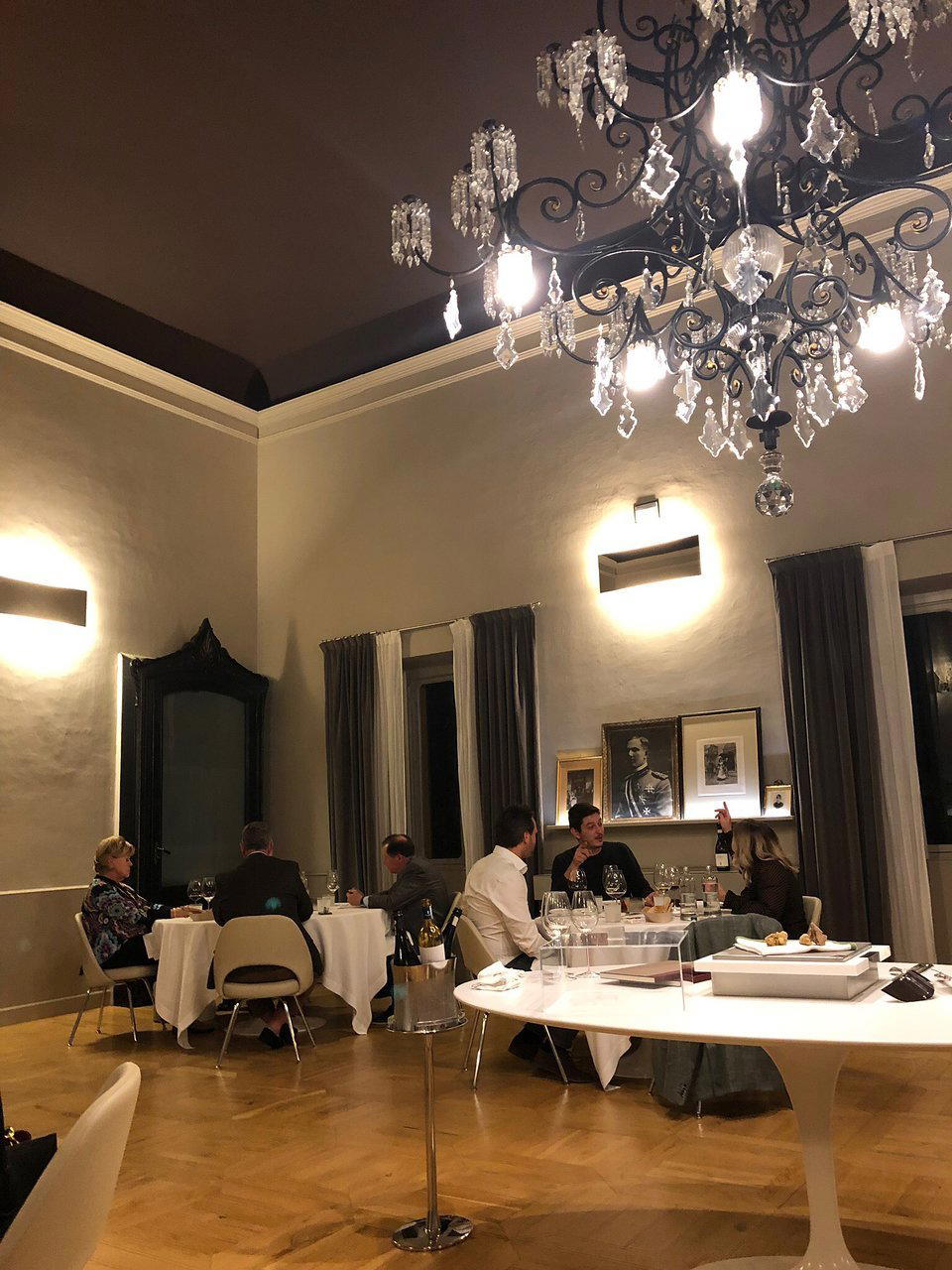
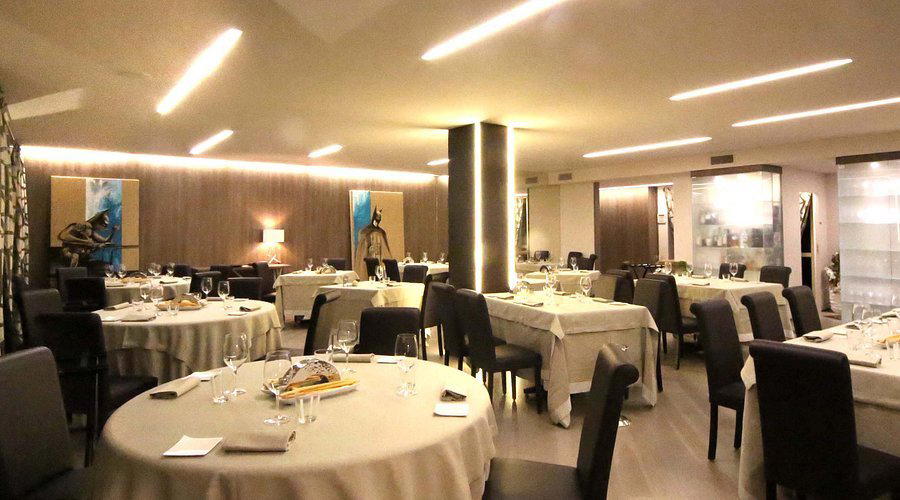
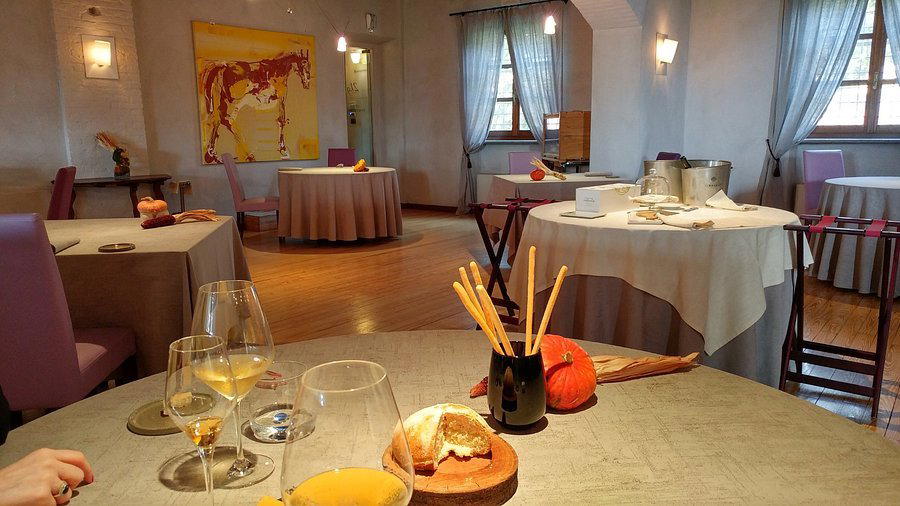
The experience is better understood as wine education in a working estate setting than as a luxury lounge. The room character is simple and rural, with the emphasis placed on heritage, vineyards and careful winemaking rather than design performance. Conversation is likely to sit at the center of the tasting because the estate works in Italian, English and French, a useful signal in La Morra’s international visitor circuit. Food pairing is part of the hospitality offer, but the wines remain the reason to go: Barolo for appellation structure, Langhe Nebbiolo for a nearer-term read on the grape, Barbera and Dolcetto for regional daily-drinking logic, and Nascetta for the white-wine thread often missed by first-time Barolo travellers.
Estate’s sustainability language is grounded in respect for nature and vineyard-origin quality rather than in a long list of certifications. That distinction matters. In premium wine travel, environmental claims can become vague quickly; here, the safer reading is narrower and more useful. The property presents itself as a sustainable, vineyard-led family estate whose long-term value depends on land stewardship, generational continuity and modest scale. That is enough to shape expectations without turning the visit into a manifesto.
How to place it in a La Morra itinerary
Cantina Stroppiana SSA works strongest as part of a La Morra day built around Barolo’s agricultural side. It is a casual, small-estate visit rather than a formal trophy appointment, and the setting suits travellers who want vineyard context alongside the tasting. The price level sits in the accessible middle tier for the area, while the estate’s size and fourth-generation ownership give it more editorial substance than a generic cellar-door stop.
La Morra rewards slow planning because meals, tastings and drives between villages can easily crowd one another. Use the winery as the wine-country anchor, then build the rest of the day through EP Club’s local guides: Our full La Morra restaurants guide, Our full La Morra hotels guide, Our full La Morra bars guide, Our full La Morra wineries guide and Our full La Morra experiences guide. For wider wine travel beyond Piedmont, EP Club also tracks producers such as 3GP SRL in Treviso, 47 Anno Domini in Trebaseleghe, A Mano Wine in Noci, »der Steiner« Hans Steiner in Podersdorf am See and & Handwein in Mannheim.
Frequently asked questions
Is Cantina Stroppiana SSA more formal or casual?
It is casual, with simple rural interiors and a reservation-based visitor format in La Morra. The dress code is listed as casual, and the estate keeps the tone focused on wine rather than ceremony.
Is Cantina Stroppiana SSA expensive?
Pricing at Cantina Stroppiana SSA is listed as $$.
What's the standout thing about Cantina Stroppiana SSA?
The main draw is its fourth-generation, family-run Barolo estate setting in Rivalta, La Morra, with vineyards, hazelnut groves and a clear focus on sustainable farming. The combination of Barolo DOCG production, vineyard context and small-estate scale gives it the strongest editorial weight.
How far ahead should I plan for Cantina Stroppiana SSA?
Reservations are recommended, so it is sensible to plan ahead for guided tastings, vineyard visits or private bookings. Its small capacity and 60–90 minute tour format make advance planning the practical choice in La Morra.
Recognition history
Dated appearances from independent guides and award organizations, with the underlying list record or original source where available.
Falstaff Winery - Listed
Falstaff
Request a visit to Cantina Stroppiana SSA
Tell us when you would like to go and how many people, and we put the request to the estate and reply to you by email.
Continue exploring
More in La Morra
Wineries in La Morra
All wineries in La Morra →
Bars in La Morra
All bars in La Morra →
Restaurants in La Morra
All restaurants in La Morra →

Details
- Scenic
- Rustic
- Classic
- Intimate
- Romantic
- Romantic Getaway
- Group Outing
- Wine Education
- Special Occasion
- Solo Exploration
- Corporate Event
- Estate Grounds
- Vineyard Tour
- Panoramic View
- Private Tasting
- Sustainable
- Vineyard
- Mountain
- Nebbiolo
- Barbera
- Dolcetto
- Nascetta
- Mixed Red Blends
- Still Red
- Still White
- Classic Tasting
- Guided Tasting
- Vineyard Visit
- Private Booking
- Italian
- English
- French
Family-run Barolo estate with a warm, personal welcome, simple rural interiors, and an atmosphere focused on heritage, vineyards and careful winemaking rather than design theatrics.