
Cantina del Pino belongs to the Barbaresco side of Langhe, where Nebbiolo is read through slope, soil, and patience rather than cellar theatrics. Its Ovello hill vineyards, Vacca family continuity, sustainable farming, and focused red-wine portfolio make it a serious stop for travelers interested in how Barbaresco turns calcareous marl, sandstone, and clay into structure and mineral tension.
Pearl is the En Primeur Club membership app — saves, bookings, and concierge access live there. Same editors, same standards.
- Address
- Langhe, Piedmont, Italien
- Directions
- Get directions
 Saves & bookings on Pearl
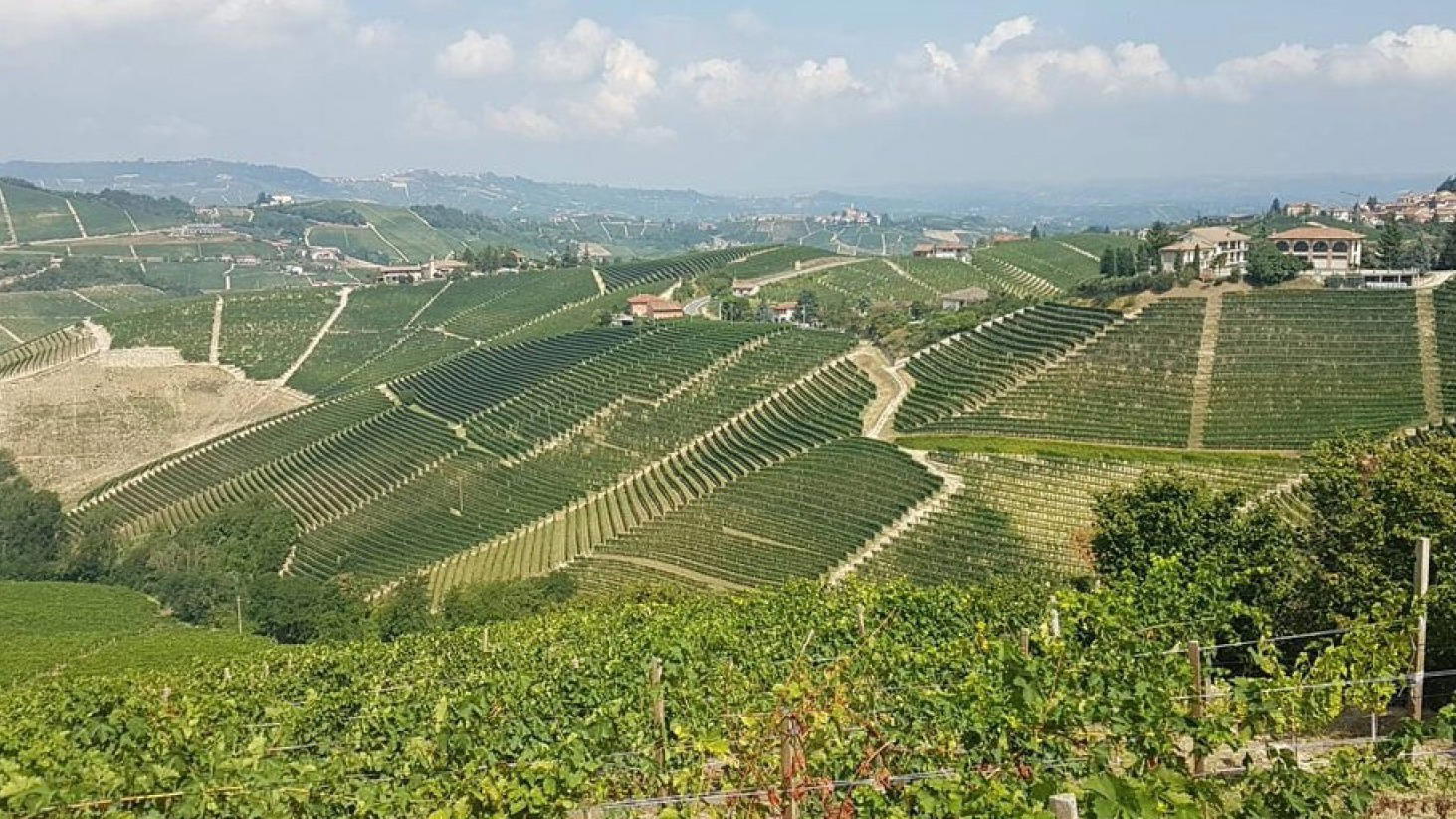
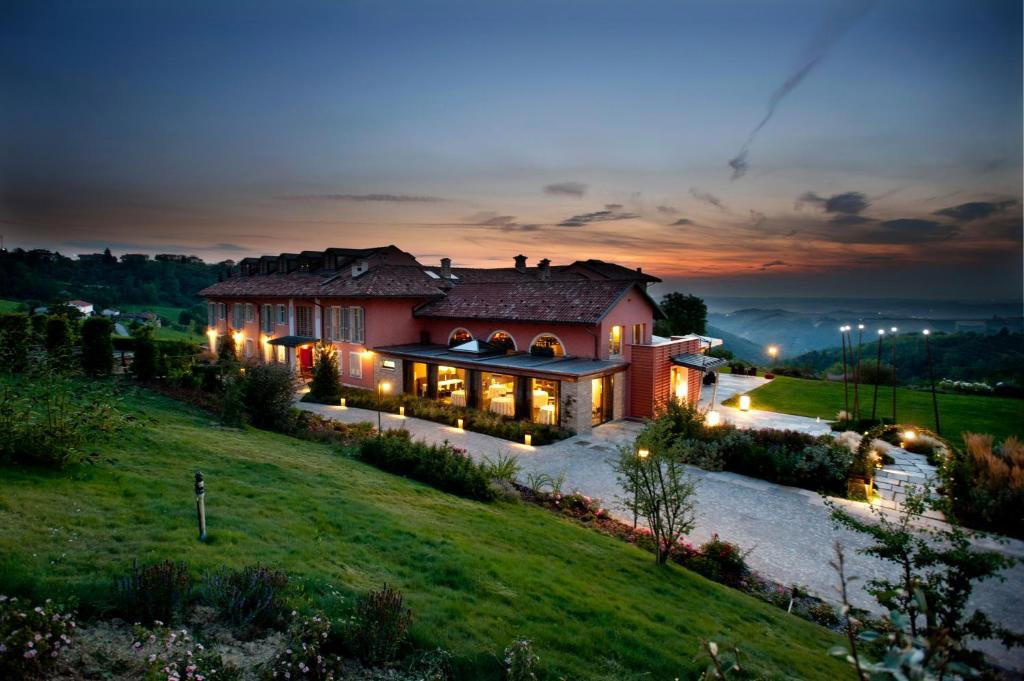
Ovello hill gives Barbaresco a particular kind of drama: not spectacle, but exposure, slope, vineyard rows, and the quiet pressure of Nebbiolo country. Cantina del Pino sits inside that grammar. The picture is concise but meaningful: a historic Barbaresco family estate in Langhe, focused on Nebbiolo, with lovingly tended vineyards around the Ovello hill and a traditional yet refined winemaking style. The wines are best understood through that frame: powerful but elegant, earthy and minerally, and rooted in a classic sense of place.
For travelers building a wider Piedmont plan, Cantina del Pino should be treated first as a wine address rather than as a restaurant, bar, or hotel. The useful context is Langhe itself: a region where vineyard identity, family continuity, and Nebbiolo’s sensitivity to site shape the way a visit is read.
Ovello hill gives the wines their spine
Barbaresco is often discussed through producer names, but the more useful lens is site. In the case of Cantina del Pino, the anchor is the estate’s relationship with vineyards around Ovello hill. That is enough to explain much of the attraction: Ovello gives the page its center of gravity, not as a decorative landscape note, but as the place through which the estate’s Nebbiolo identity is understood.
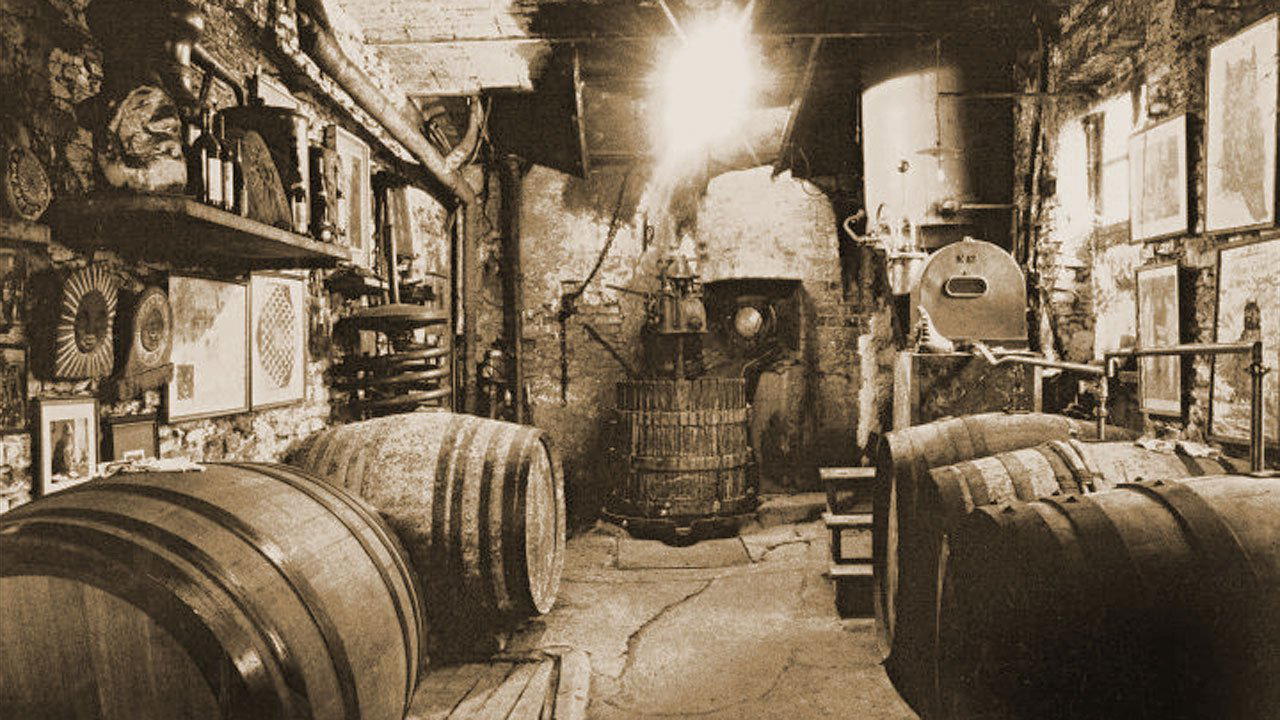
The house style is described as traditional yet refined. That combination matters in Langhe, where Nebbiolo can be commanding, tannic, aromatic, earthy, mineral, and elegant all at once when the wine is handled with restraint. The winery is presented as a historic Barbaresco family estate, so the strongest reading is not of novelty or spectacle, but of continuity: vineyards tended over time, a classic aesthetic, and wines that aim for depth without sacrificing finesse.
What should not be overclaimed is just as important. Those may be topics a collector or traveler can research separately, but they should not be treated here as confirmed facts. The grounded point is simpler and stronger: the winery is a Langhe estate shaped by Nebbiolo, Ovello, and a refined traditional style.
Nebbiolo first, cellar work kept in service of site
Nebbiolo is the essential grape in this profile. The description does not list a full portfolio, so the page should not turn into a catalogue of bottlings or a technical tasting sheet. Instead, the useful emphasis is on how the wines are characterized: powerful but elegant, earthy and minerally. Those terms place the winery clearly within the serious Barbaresco conversation without needing unsupported claims about exact vinification, oak regimes, aging periods, or critic ratings.
That balance of power and elegance is central to why Nebbiolo from Langhe is so compelling. Power alone can feel heavy; elegance alone can feel slight. The appeal here is the tension between the two, with earthy and mineral notes giving the wines a grounded, site-conscious personality. For a traveler, that means the estate is best approached with attention and patience rather than as a casual scenic stop. For a collector, it suggests a producer identity built around classical Barbaresco values rather than fashion-driven winemaking language.
The estate’s traditional yet refined style also helps set expectations. “Traditional” should not be read as rustic in the negative sense, and “refined” should not be read as polished into anonymity. In this context, the phrase points toward wines that keep structure, earth, minerality, and regional character in view while still feeling composed. That is a reliable way to describe the winery from the information available.
How to place it within an Italian wine itinerary
For a Langhe itinerary, the winery makes sense when the goal is to understand Barbaresco through a historic family estate and a Nebbiolo-centered lens. Those details should be checked directly with the estate. What can be said is that the estate’s identity is tied to vineyards around Ovello hill and to a classic, elegant sense of Barbaresco.
The price signal is $$$, which places it in a premium bracket without adding bottle prices, tasting fees, or package details. That level should be read as a general guide only: it does not specify what a visit costs, what wines are poured, or whether experiences are offered in a fixed format. Travelers should budget with some flexibility and confirm practical arrangements before arrival.
Within the broader Langhe landscape, the winery is best positioned as a focused wine stop for people who care about Nebbiolo, vineyard identity, and the quieter side of Barbaresco. Other dining, lodging, and drinking options in Langhe can round out a trip, but they do not change the core reason to pay attention here. The winery’s identity is already clear: a historic Barbaresco family estate, lovingly connected to Ovello, producing wines described as powerful, elegant, earthy, and minerally.
Recognition history
Dated appearances from independent guides and award organizations, with the underlying list record or original source where available.
Falstaff Winery - Listed
Falstaff
Continue exploring
More in Langhe
Wineries in Langhe
Browse all →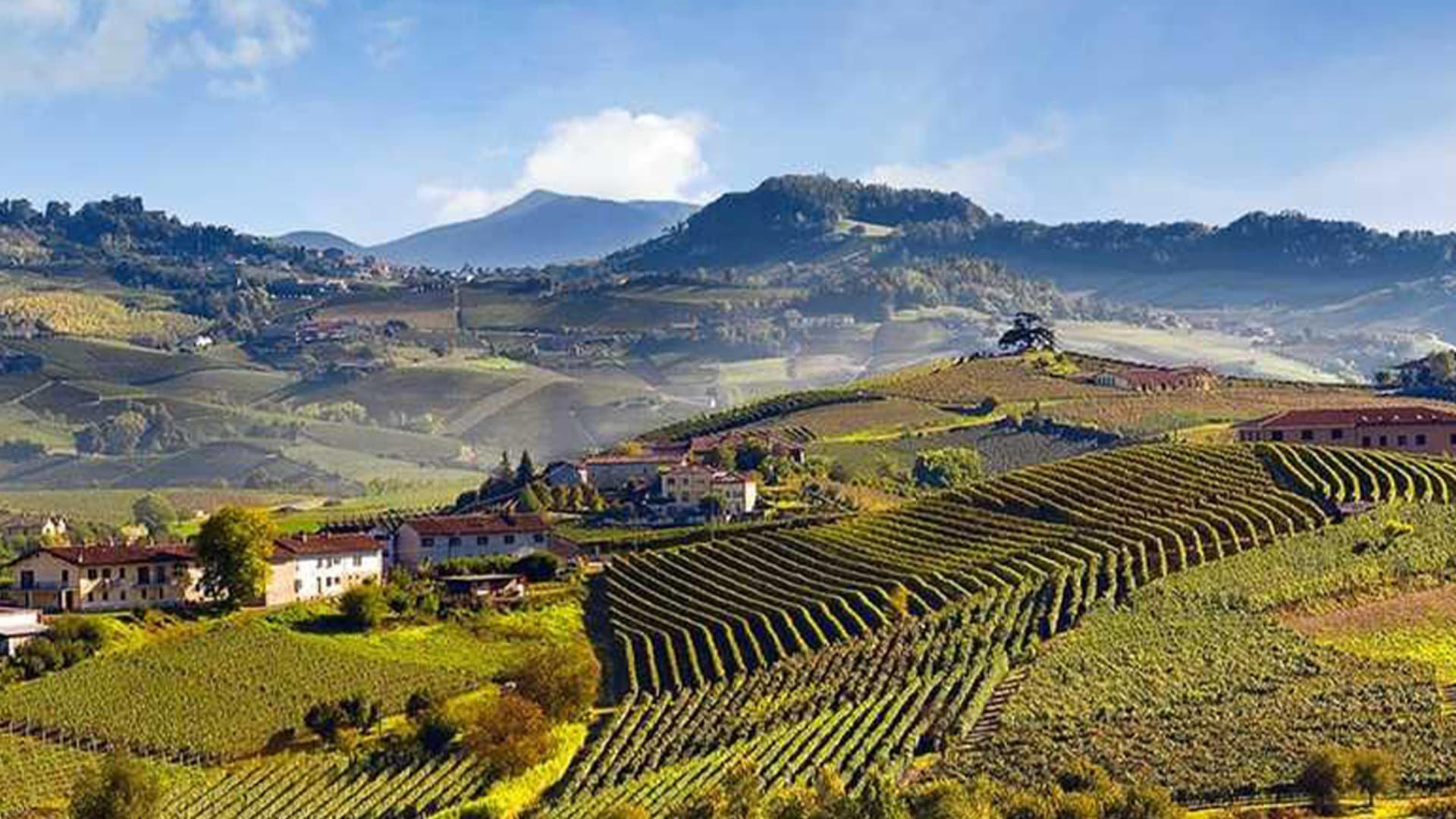
Bars in Langhe
Browse all →
Restaurants in Langhe
Browse all →
At a Glance
- Classic
- Elegant
- Scenic
- Rustic
- Well Known
- Intimate
- Romantic Getaway
- Group Outing
- Wine Education
- Solo Exploration
- Estate Grounds
- Vineyard Tour
- Historic Building
- Sustainable
- Vineyard
- Mountain
- Langhe DOC
- Nebbiolo
- Dolcetto
- Barbera
- Still Red
- Estate Tasting
- Vineyard Focused
- Red Wine Vertical
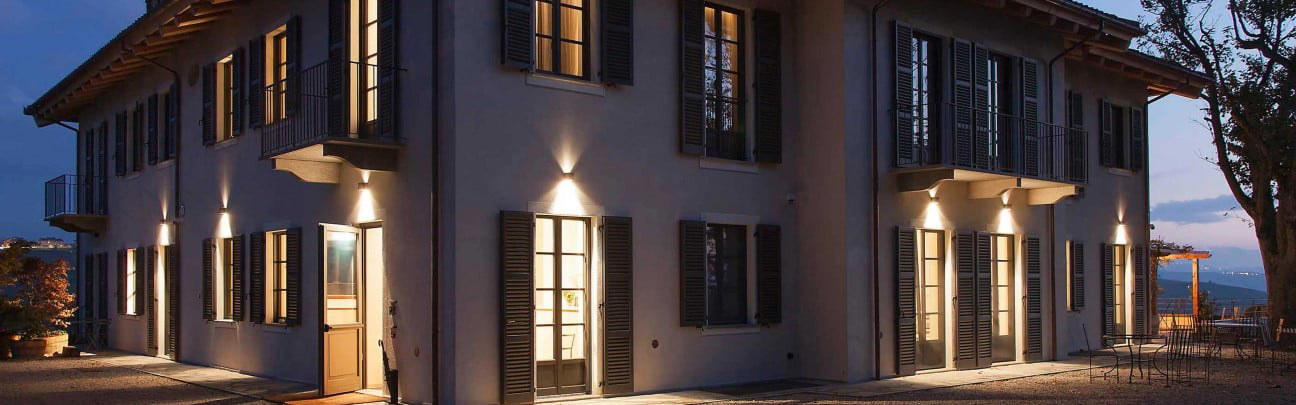
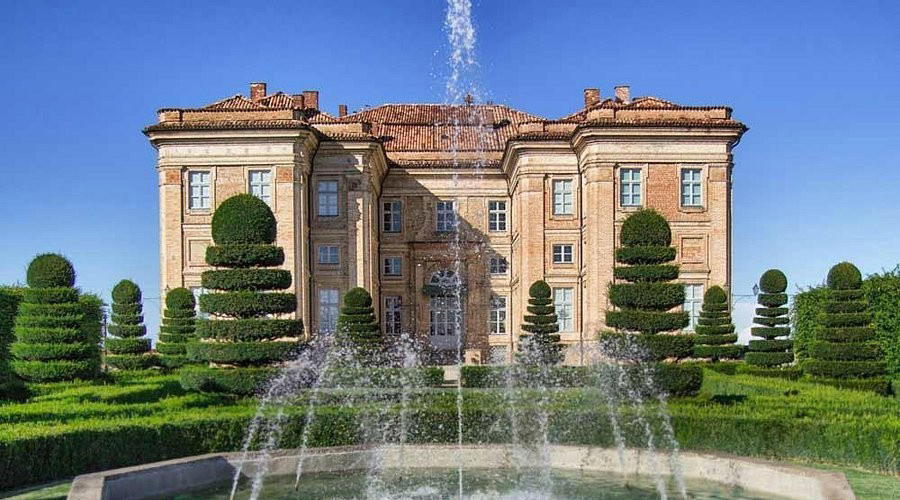
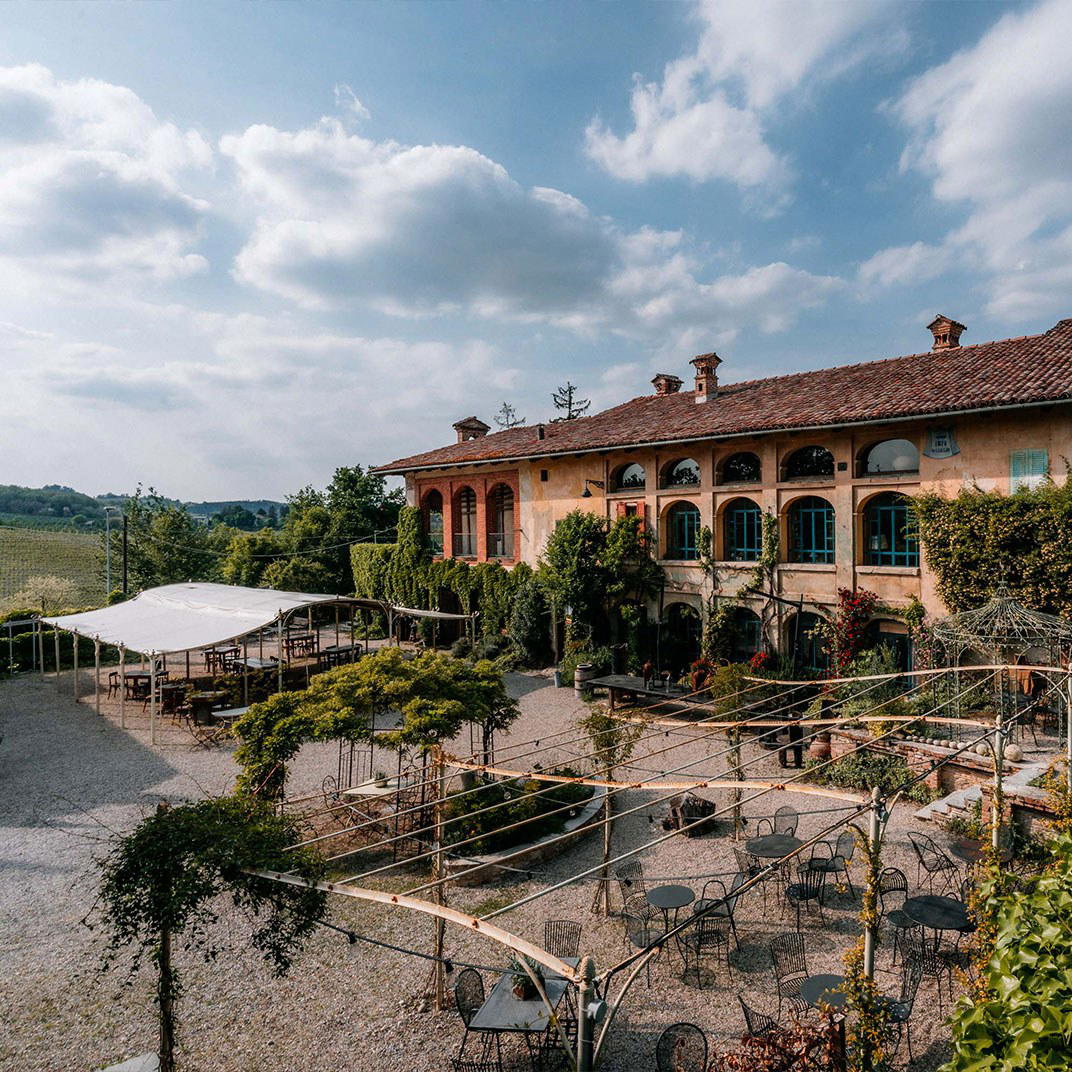
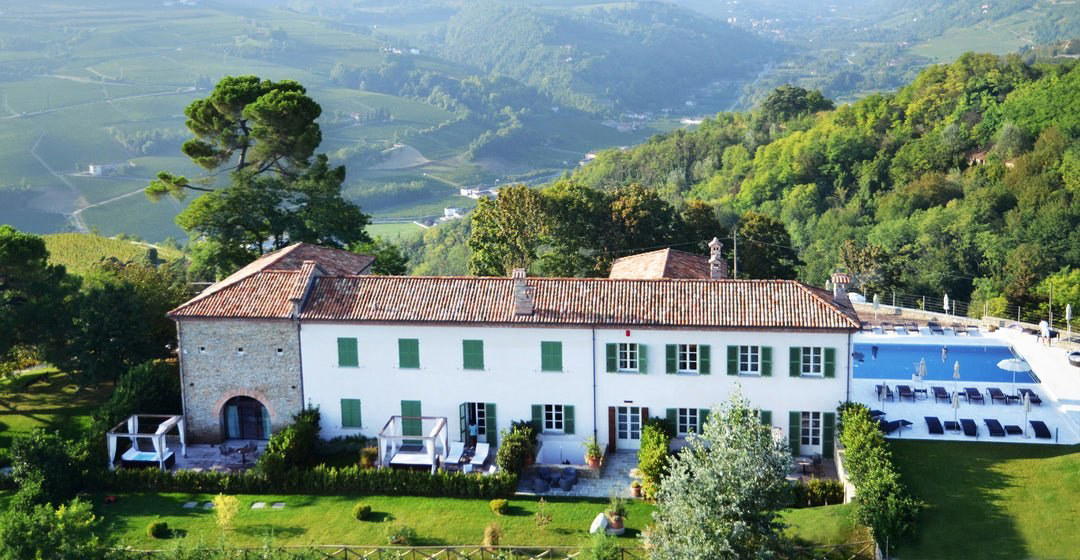
Historic Barbaresco family estate focused on Nebbiolo, with lovingly tended vineyards around the Ovello hill and a traditional yet refined winemaking style that yields powerful but elegant, earthy and minerally wines.