
Falstaff Winery - 3 Stars
Ca’ del Baio is a fourth-generation Grasso family estate in Treiso, working within the Barbaresco DOCG with Nebbiolo at the centre and Barbera, Dolcetto, Chardonnay, Riesling and Moscato around it. The draw is the estate-grown lens: Asili, Pora and Vallegrande give the tasting a clear map of how Langhe soil, exposure and altitude change the shape of Barbaresco.

Pearl is the En Primeur Club membership app — saves, bookings, and concierge access live there. Same editors, same standards.
- Address
- Treiso, Piedmont, Italien
- Directions
- Get directions
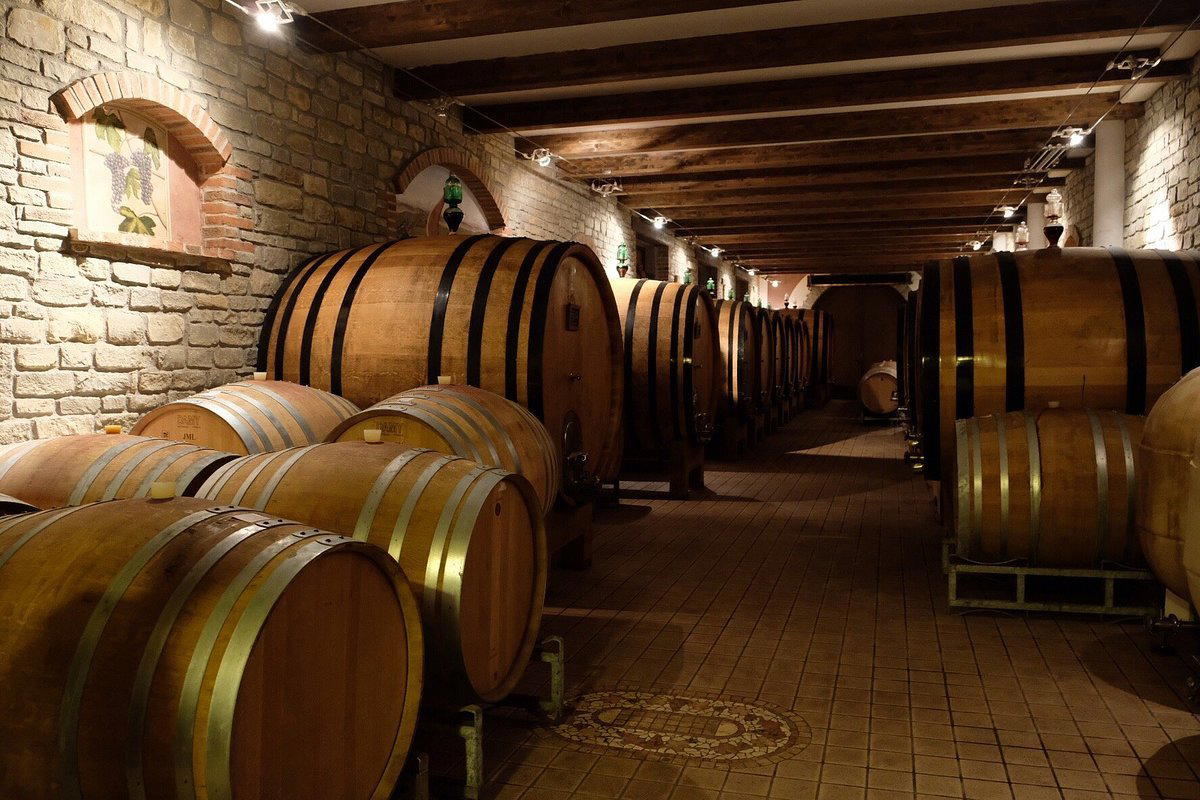
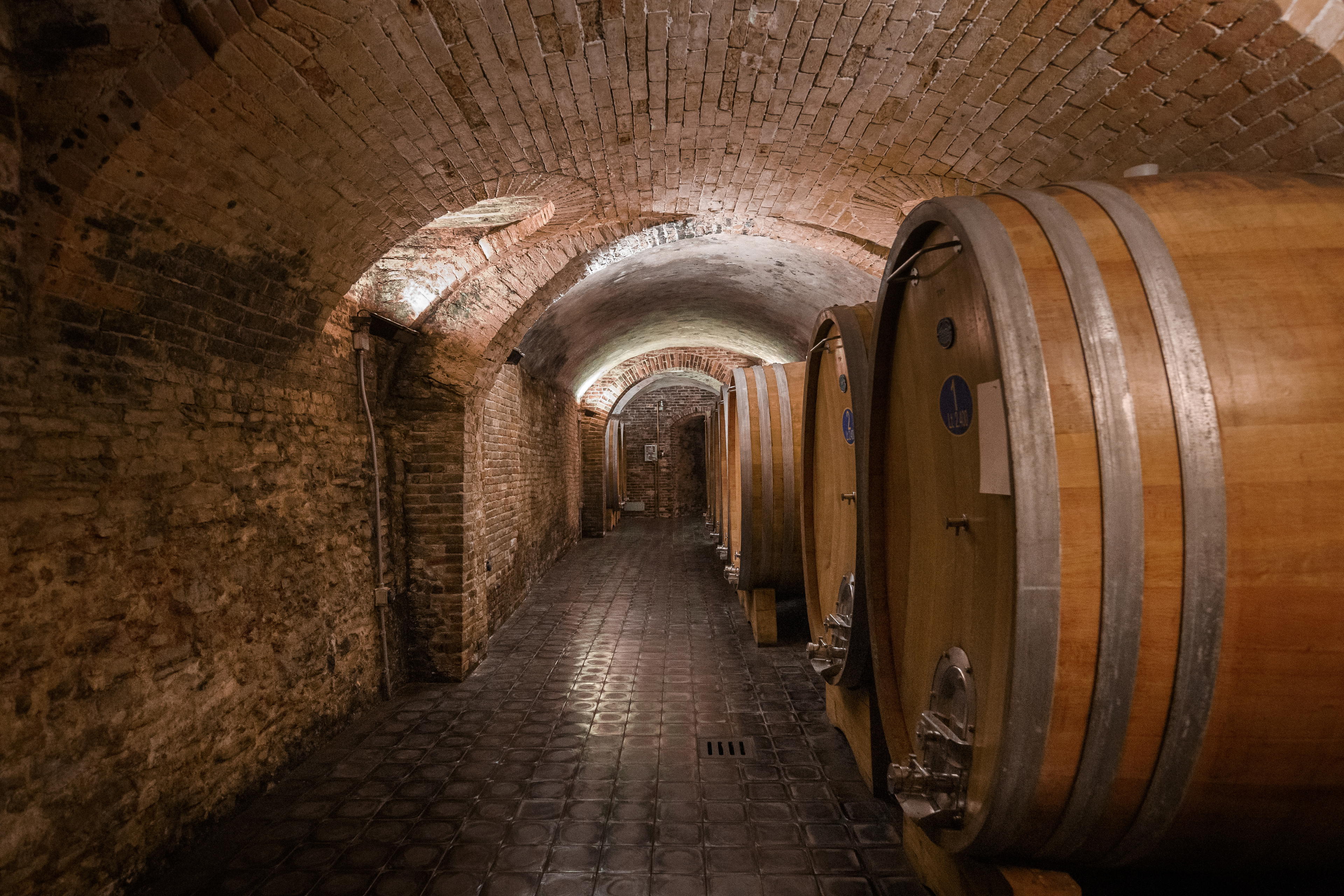
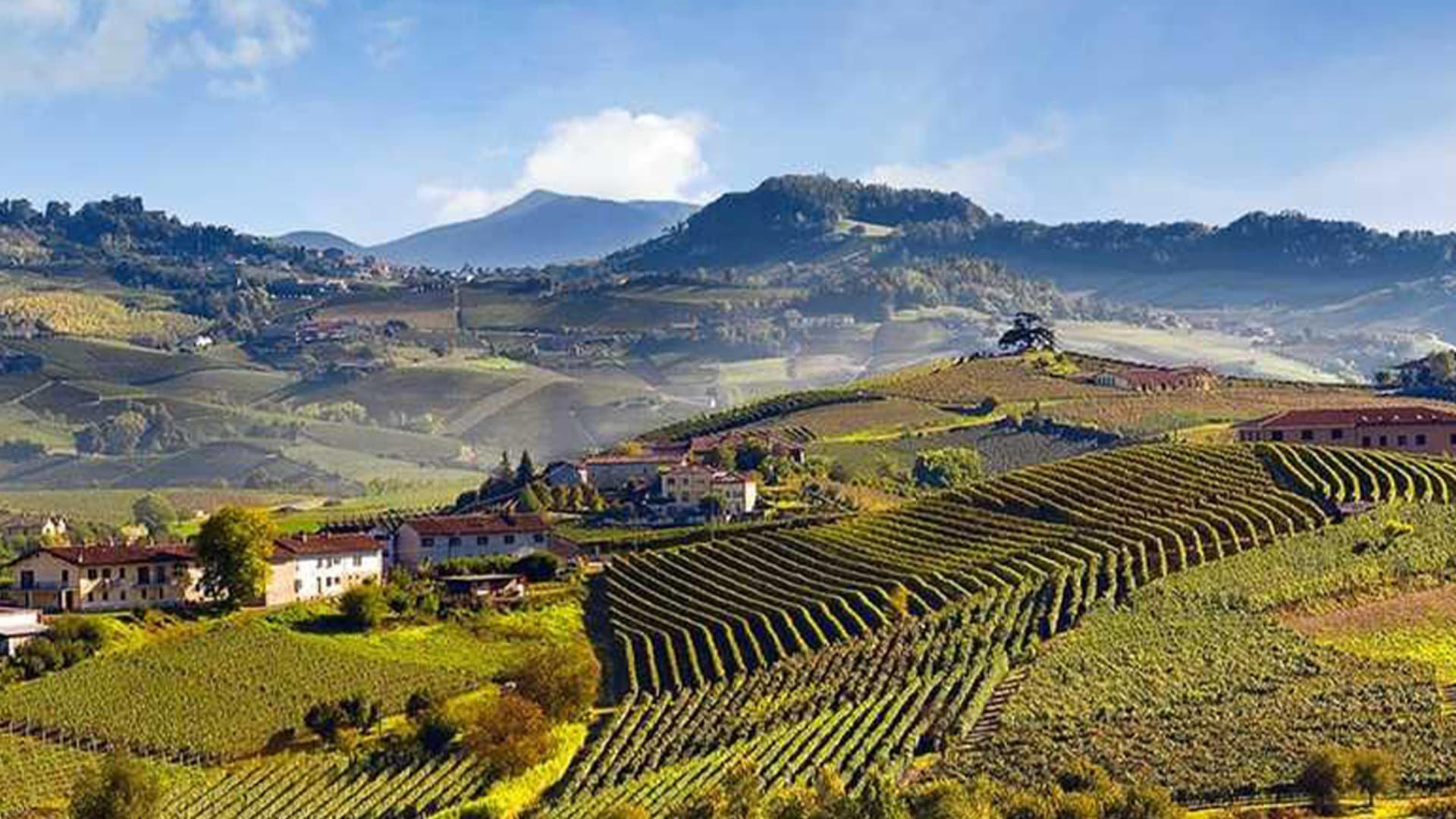
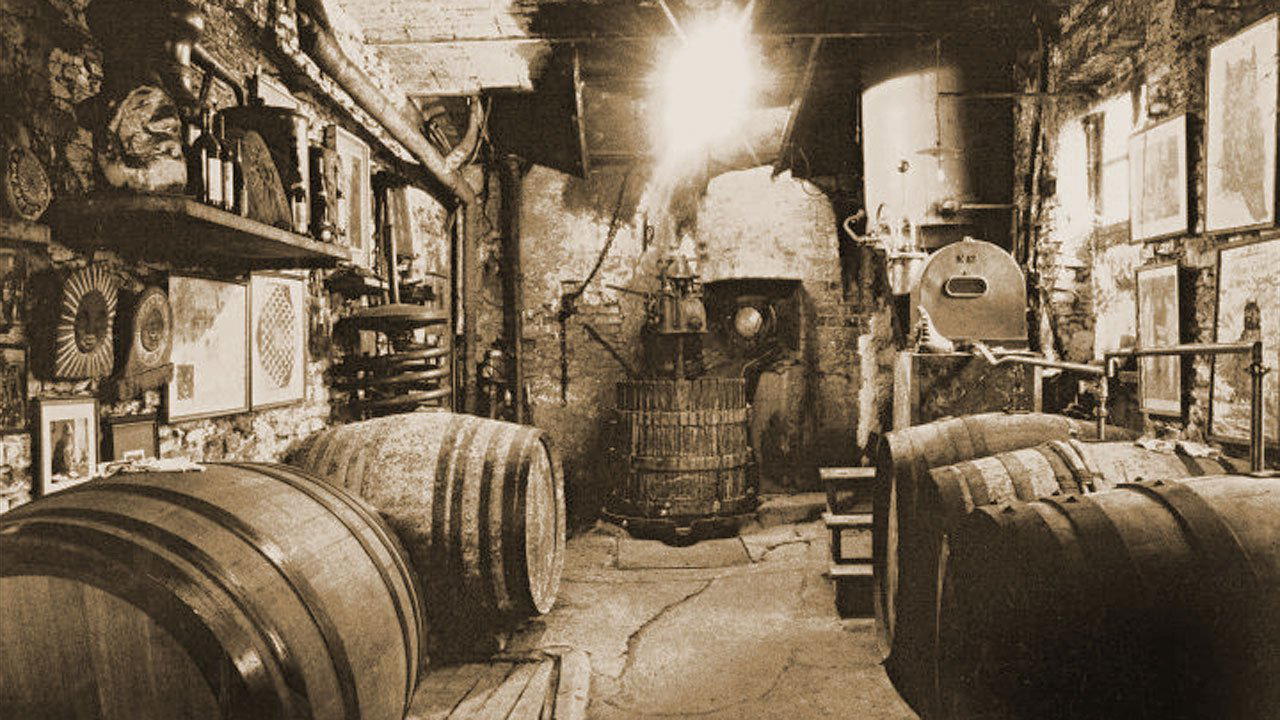
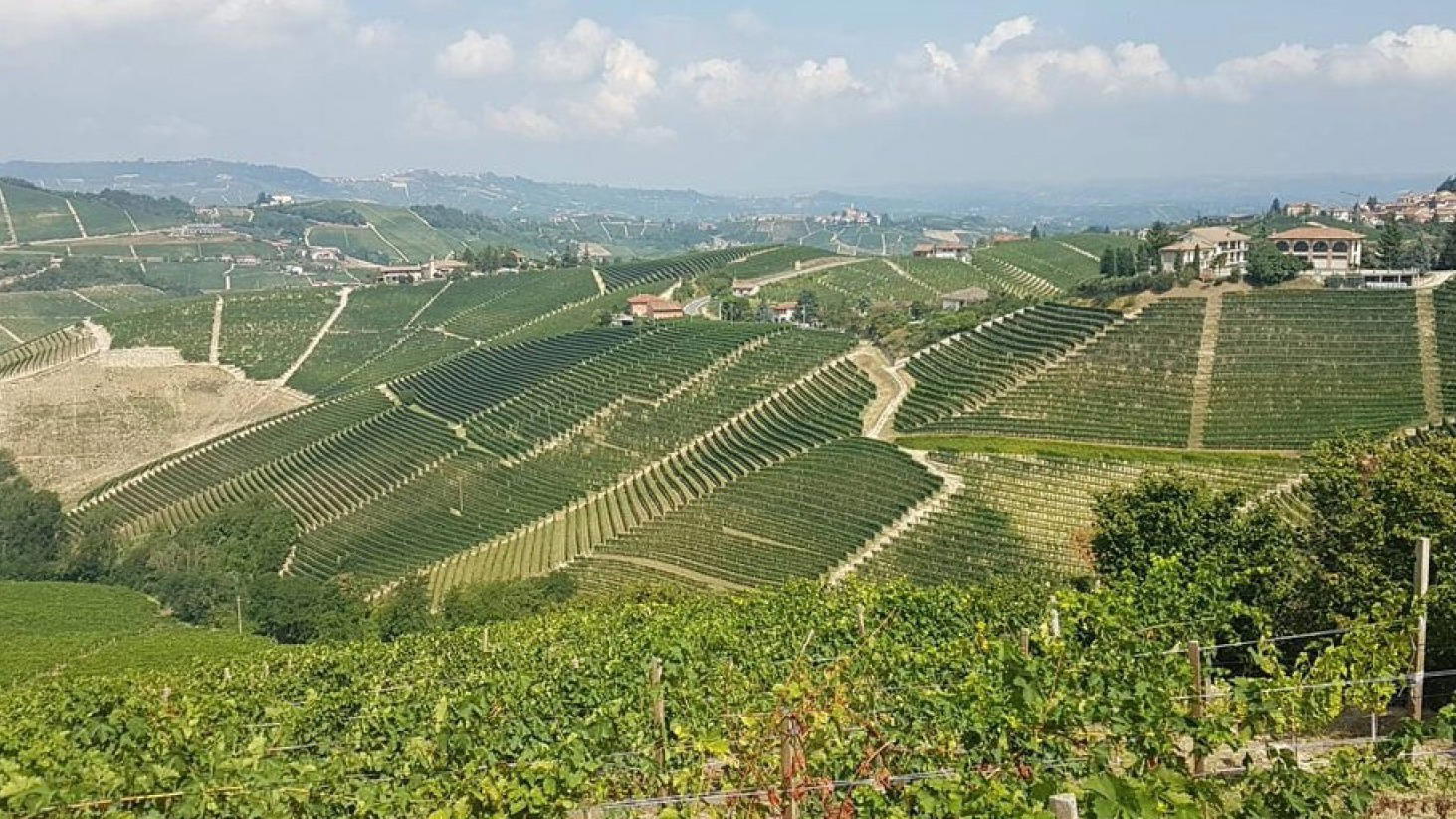
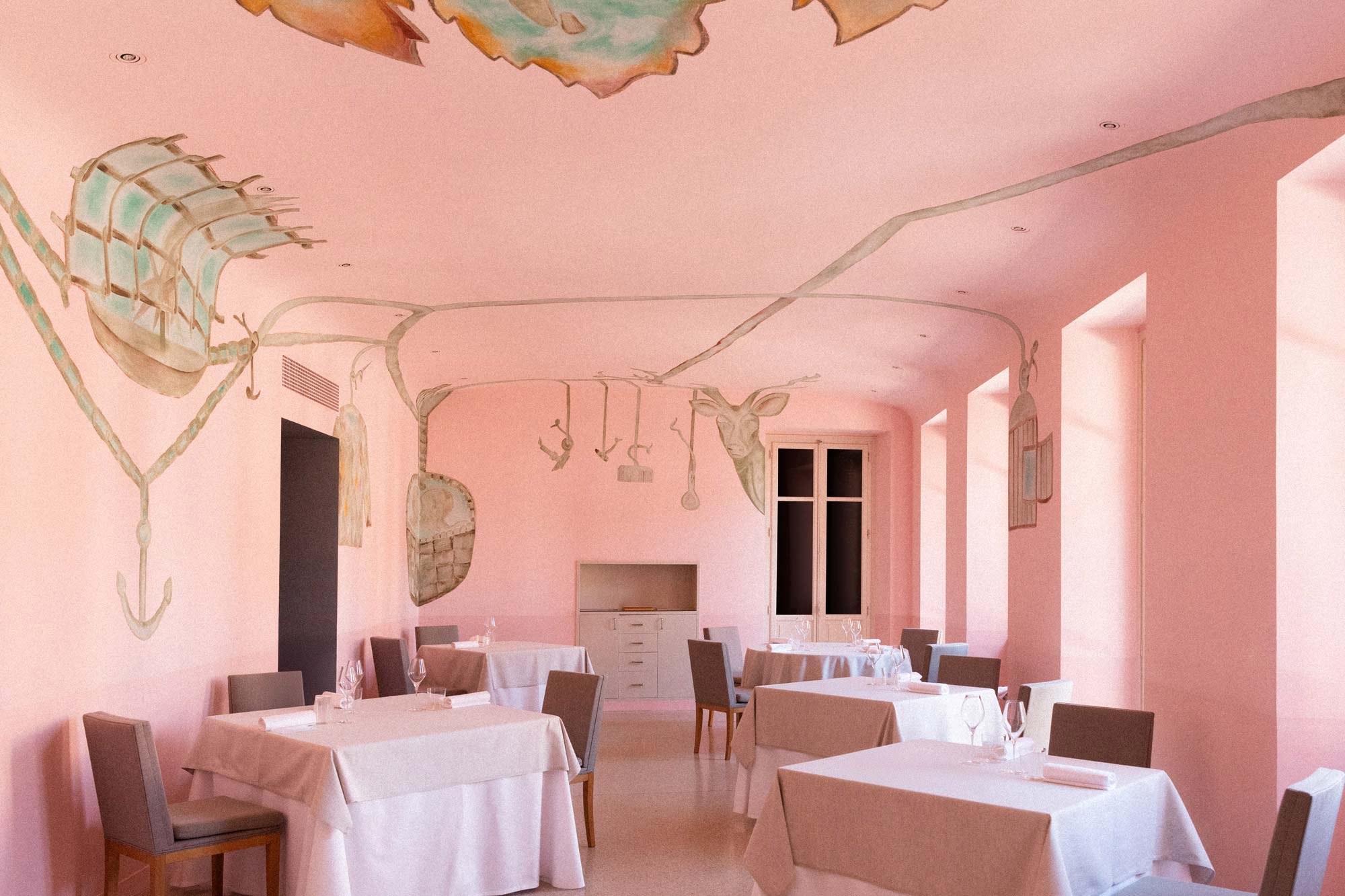
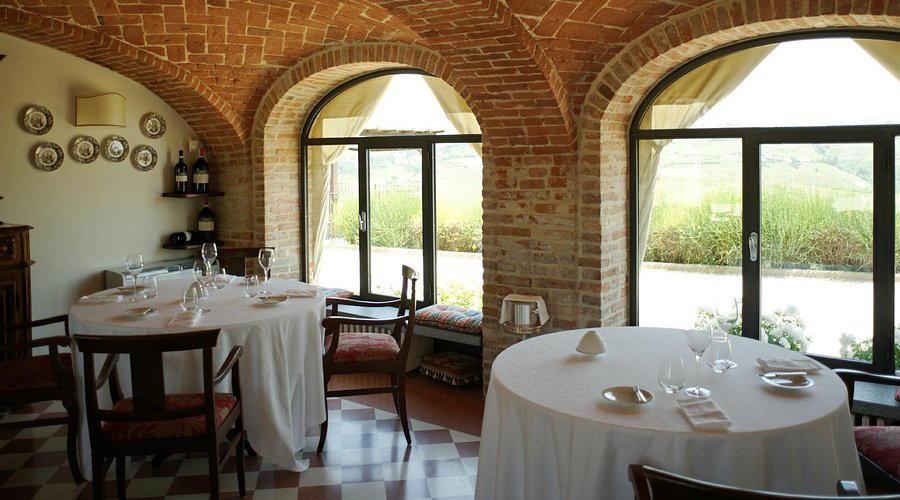
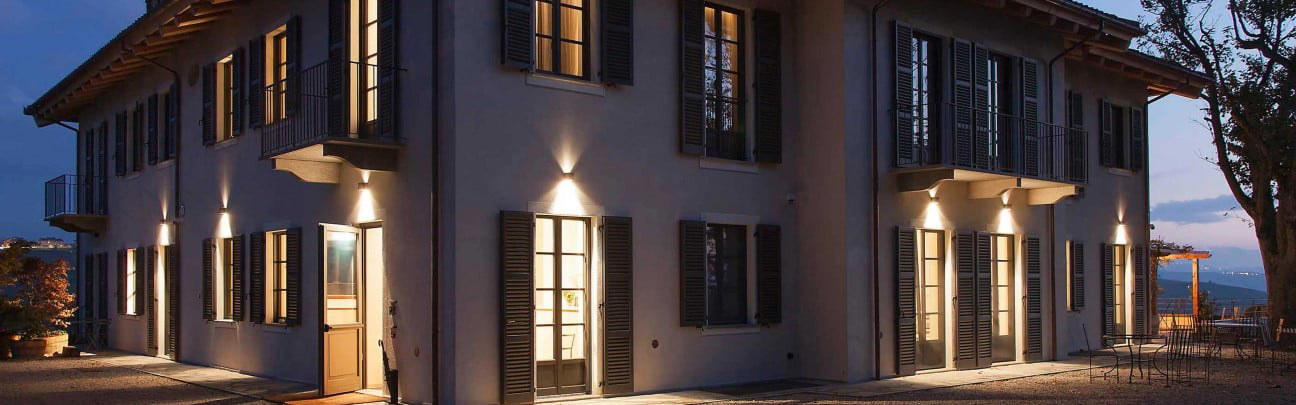
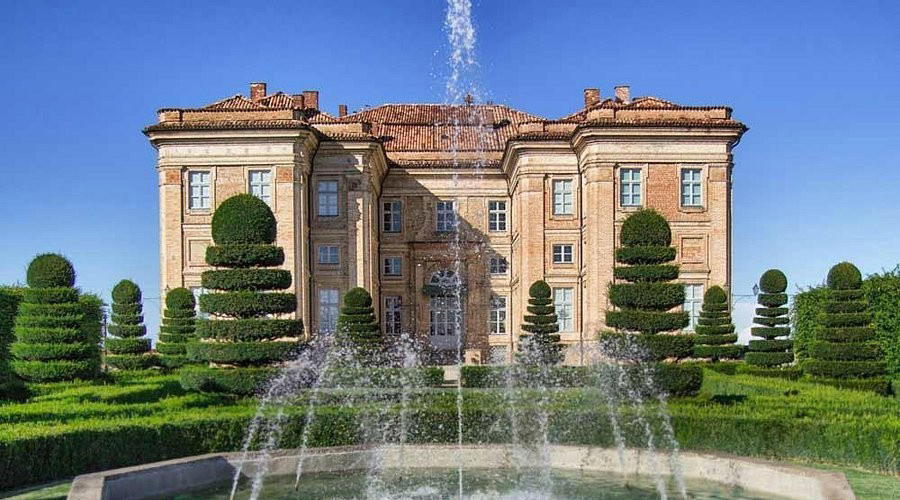
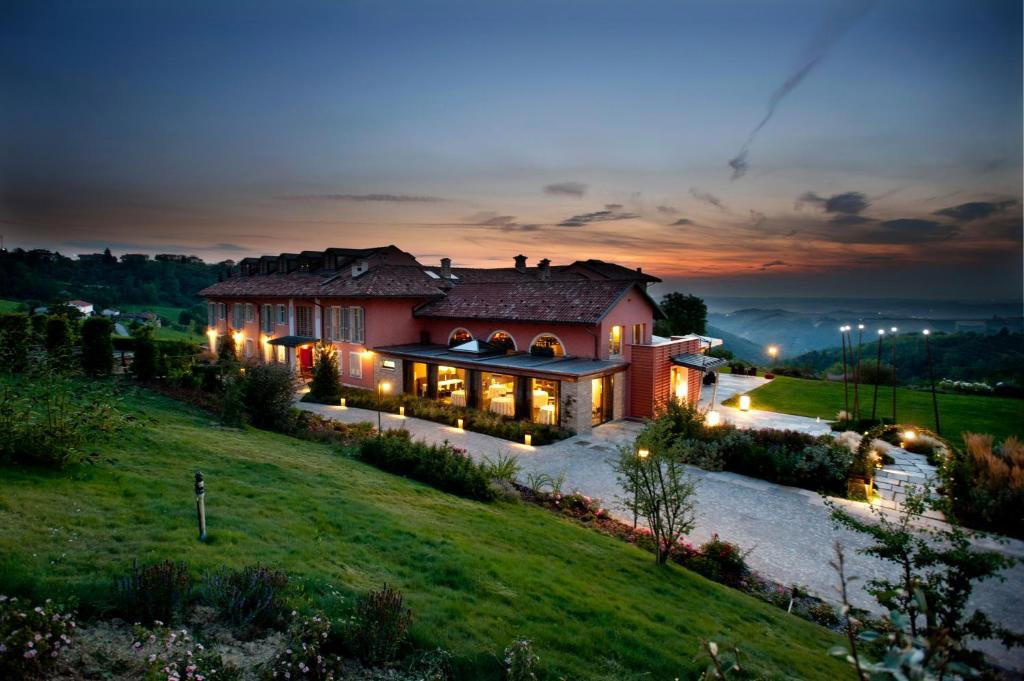
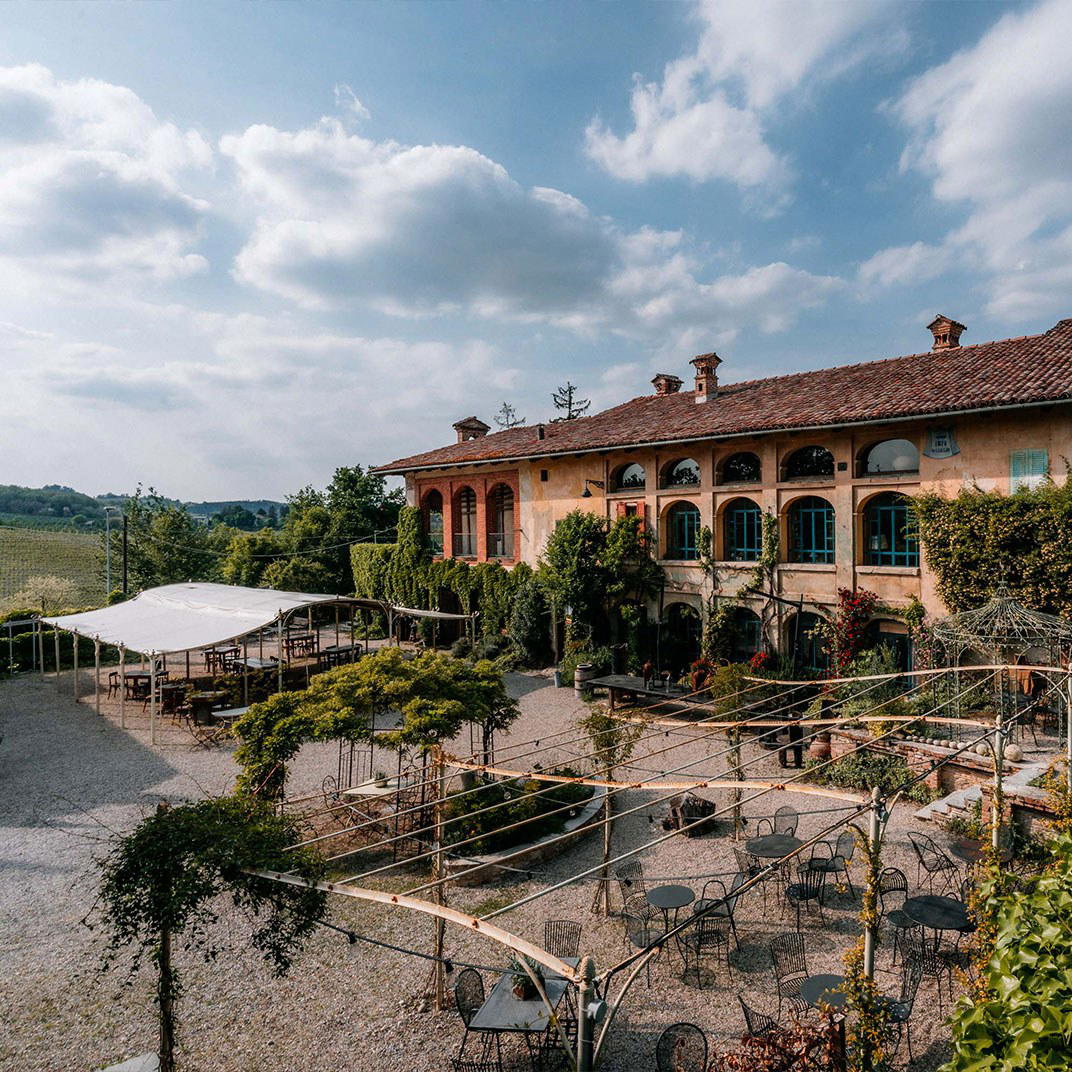
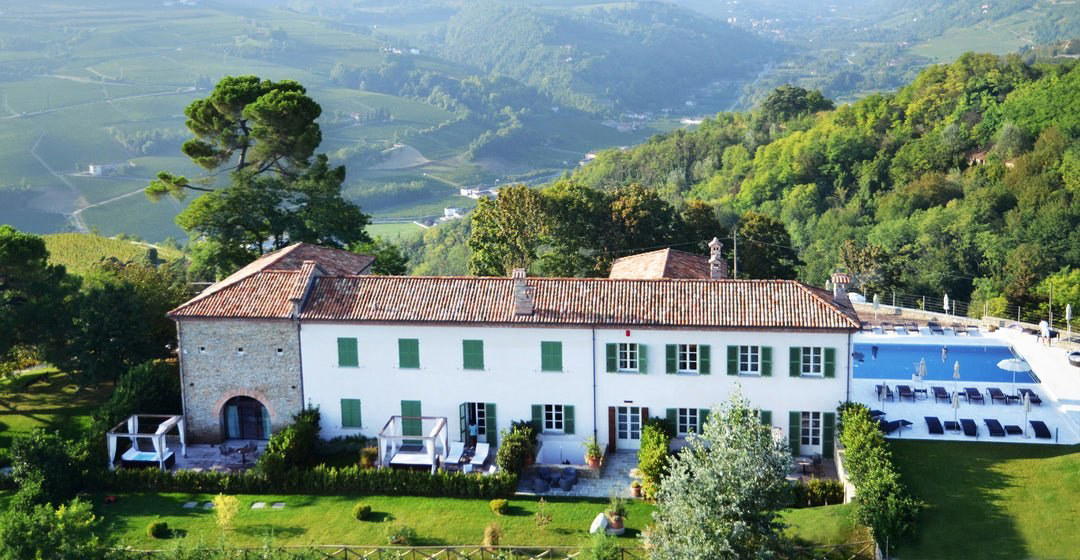
The approach to a Langhe cellar is rarely theatrical. In Treiso, the drama is in the hills: vineyard rows folding across marl and limestone, the quiet geometry of Nebbiolo country, and cellar rooms where large oak botti point to a tradition built on patience rather than gloss. Ca’ del Baio belongs to that register. Its appeal is not spectacle but legibility, the chance to taste Barbaresco through family-held parcels and understand why a few metres of slope can matter in Piedmont.
Treiso sits inside the Barbaresco production zone, where Nebbiolo ripens under conditions generally milder than Barolo and often gives wines with a different balance of perfume, tannin and lift. The estate works across about 28 to 31 hectares, with vineyards in Barbaresco, Treiso and Trezzo Tinella, and its production remains estate-grown. That matters in a region where the MGA system has sharpened attention on named sites: a tasting built around crus is not a luxury flourish, it is the clearest way to read the appellation.
Barbaresco through Asili, Pora and Vallegrande
The serious argument here is terroir expression. Asili, Pora and Vallegrande are not interchangeable labels on a back bar; they frame the way Nebbiolo changes with exposure, soil and vine age. The estate’s Asili holding is associated with south and south-west-facing vines, while the broader vineyard range includes altitudes from roughly 320 to 420 metres, with specific Asili elevations cited lower. The underlying Sant’Agata Fossil Marl, alongside clay, silt and compact grey and white marls, is central to the region’s reputation for structured but aromatic Nebbiolo.
Vallegrande gives the estate a particularly sharp editorial angle. The family first vinified Vallegrande as a single cru in 1965, and the site later became a formal MGA in 1997. The estate also works old Nebbiolo vines planted in 1967 for Vallegrande Riserva Viti Vecchie. In a region crowded with famous names and shorthand reputations, that continuity gives the tasting more substance than a generic Barbaresco flight.
The portfolio moves outward from Barbaresco into the local grammar of Langhe drinking: Barbera, Dolcetto, Langhe Nebbiolo, Chardonnay, Riesling and Moscato. That breadth is useful for visitors because it shows the region beyond collector Nebbiolo. Barbera and Dolcetto explain daily Piedmontese habits; Moscato connects the hills to a sweeter, lower-alcohol tradition; the whites show how producers in a red-wine zone manage freshness and range without abandoning local identity.
A family cellar rather than a showroom
Langhe hospitality has changed as international wine tourism has grown, but the stronger estates still avoid turning tastings into a performance of rural charm. This is a fourth-generation Grasso family winery, opened in its current form in 1920, with Giulio and Luciana Grasso and their daughters Paola, Valentina and Federica connected to growing, winemaking and hospitality. The credentials matter less as biography than as a structural fact: the person explaining a vineyard is close to the farming and cellar decisions behind it.
The format reinforces that scale. Tastings are guided and may include seated flights, cellar rooms, barrel-room context and vineyard time, with Italian and English available. Large oak botti are part of the cellar language, a traditional choice that generally favours slower maturation and less overt oak imprint than small barriques. The estate also carries Green Experience Certification, placing it within Piedmont’s broader move toward more accountable vineyard stewardship rather than treating sustainability as a decorative claim.
Recognition gives the wines external weight. Gambero Rosso awarded Tre Bicchieri to Barbaresco Vallegrande 2016, and the Asili and Asili Riserva bottlings have also drawn critical attention. Those signals do not replace tasting, but they help locate the estate within a crowded Barbaresco field: not a mass-volume stop, not a purely rustic curiosity, but a small-scale producer with named-site credibility and enough critical recognition to justify close attention.
How to place it in a Treiso wine day
For Treiso, the stronger itinerary is not a race through cellars. One focused appointment built around cru Barbaresco will teach more than three rushed tastings that blur into oak, tannin and polite conversation. Ca’ del Baio suits travellers who want the mechanics of place explained: why Nebbiolo behaves differently by slope, why older vines matter, why Barbaresco can feel both structured and aromatic without borrowing Barolo’s weight.
Its setting also makes it a useful anchor for a broader Treiso plan. Readers comparing nearby wine addresses can look at Abrigo Orlando, Agricola Molino, Azienda Agricola Grasso Fratelli, Lodali and Pelissero, then use our full Treiso wineries guide for the wider cellar map. Around the tasting, our full Treiso restaurants guide, our full Treiso hotels guide, our full Treiso bars guide and our full Treiso experiences guide help turn the stop into a full day rather than a cellar-only detour.
For a wider wine-travel frame beyond the Langhe, the archive also ranges from 3GP SRL in Treviso and 47 Anno Domini in Trebaseleghe to A Mano Wine in Noci, »der Steiner« Hans Steiner in Podersdorf am See and & Handwein in Mannheim. Treiso, though, rewards a slower lens: one hill, several crus, and enough Nebbiolo detail to make the appellation feel less abstract.
Recognition history
Dated appearances from independent guides and award organizations, with the underlying list record or original source where available.
Falstaff Winery - 3 Stars
Falstaff
Continue exploring
More in Treiso
Wineries in Treiso
Browse all →
Bars in Treiso
Browse all →
Restaurants in Treiso
Browse all →
Details
- Scenic
- Rustic
- Classic
- Elegant
- Intimate
- Romantic Getaway
- Group Outing
- Wine Education
- Special Occasion
- Solo Exploration
- Barrel Room
- Vineyard Tour
- Estate Grounds
- Private Tasting
- Panoramic View
- Sustainable
- Vineyard
- Mountain
- Nebbiolo
- Barbera
- Dolcetto
- Chardonnay
- Riesling
- Moscato
- Still Red
- Still White
- Dessert
- Seated Tasting
- Guided Flight
- Cellar Tour
- Vineyard Walk
- Italian
- English
Family-run Langhe winery with a warm, authentic and convivial atmosphere, where tastings are led by passionate family members and set among vineyards, barrel rooms and traditional cellar spaces.